featureFeature
Best Action-Adventure Games on PC and Console
April 22, 2026·8 min read
These are the games that do the hard part properly: they give you combat, movement, set pieces, and story without ever feeling like four separate departments fighting for space.
Action-adventure is probably the messiest major genre in games. It covers treasure hunts, survival horror, open-world epics, prestige dramas, superhero games, and anything else with enough climbing, fighting, and puzzle-solving to dodge a cleaner label. That makes these lists easy to bloat. If you are not careful, you end up with a pile of famous games instead of a real point of view.
So this one is built around a simple test. When the cutscene ends and the game gives control back, do you still want to be there? The best action-adventure games are not just cinematic or expensive. They make the action feel good, the exploration feel worthwhile, and the story feel like it belongs in the same machine.
9. Alan Wake 2
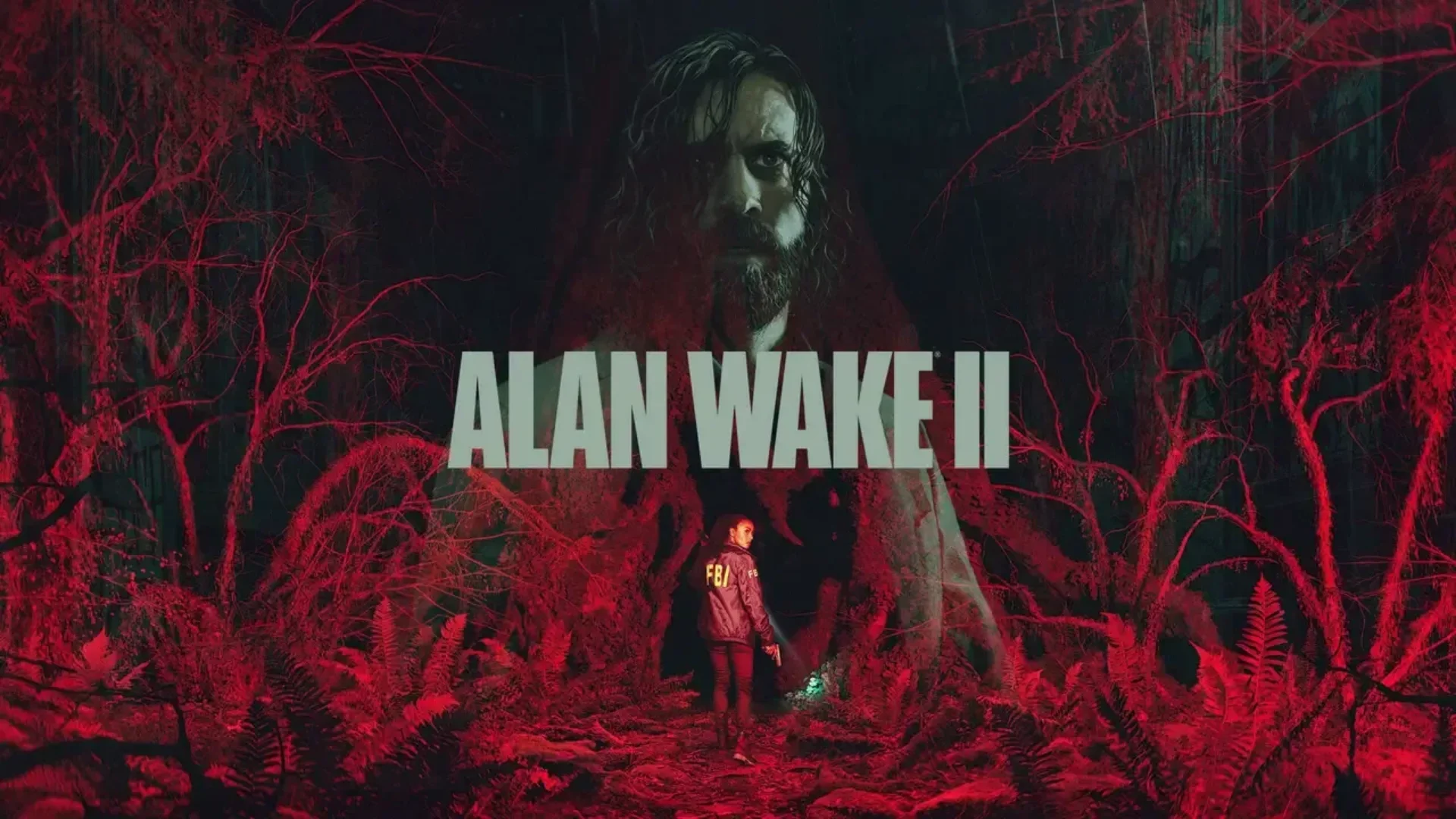
This is the strangest game on the list, and that helps it. Alan Wake 2 turns action-adventure into something damp, uneasy, and half-delirious. The shooting is deliberate, the pacing is slower than the games above it, and the whole thing would rather make you nervous than powerful. That leaves it lower in the ranking, but it also gives it a flavor almost nobody else here can match.
What earns it a place is confidence. The detective angle, the shifting reality, the ugly little bursts of horror, and the willingness to let scenes breathe all make it feel authored in a way a lot of bigger genre games do not. It is not the cleanest action game here, but it is one of the most memorable worlds to get dragged through.
8. Uncharted 4: A Thief’s End
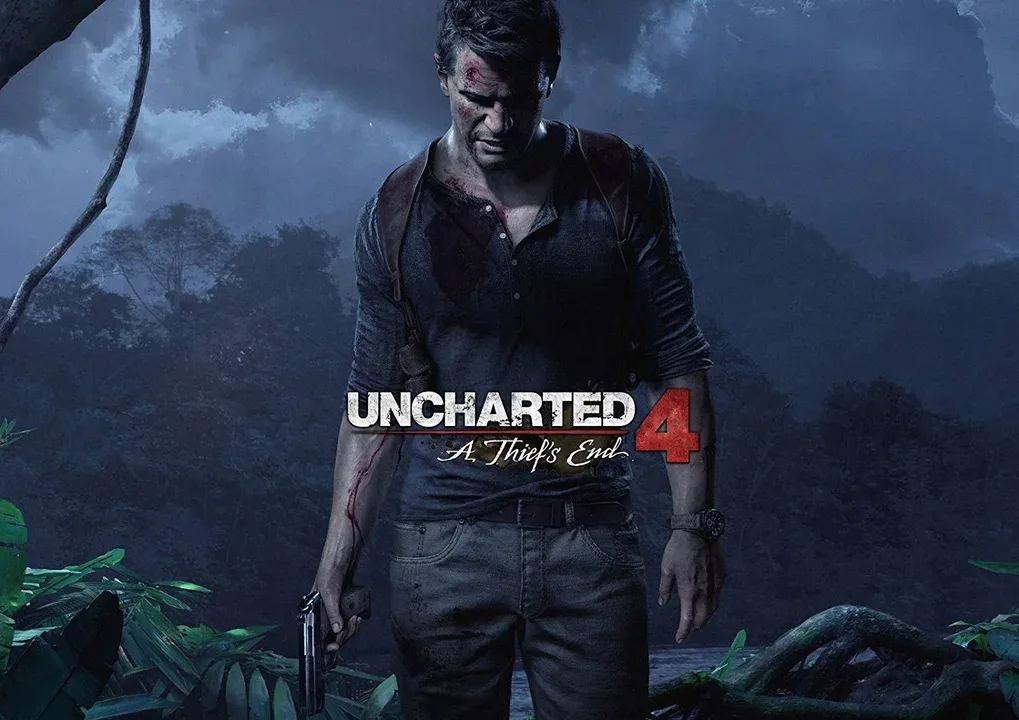
There is still something deeply satisfying about how cleanly Uncharted 4 moves. Climbing, scrambling, shooting, rope-swinging, crashing through a wall, then casually landing in another conversation should feel stitched together. Here it barely does. Nathan Drake’s last big treasure hunt remains one of the slickest examples of blockbuster pacing done right.
It ranks eighth because the combat is good rather than great, and some of the older cover-shooter habits show more now than they did at launch. But as a full package, it still works. The scale is generous, the locations are gorgeous, and the whole thing moves with the kind of confidence most cinematic action-adventure games spend years trying to fake.
7. Star Wars Jedi: Survivor
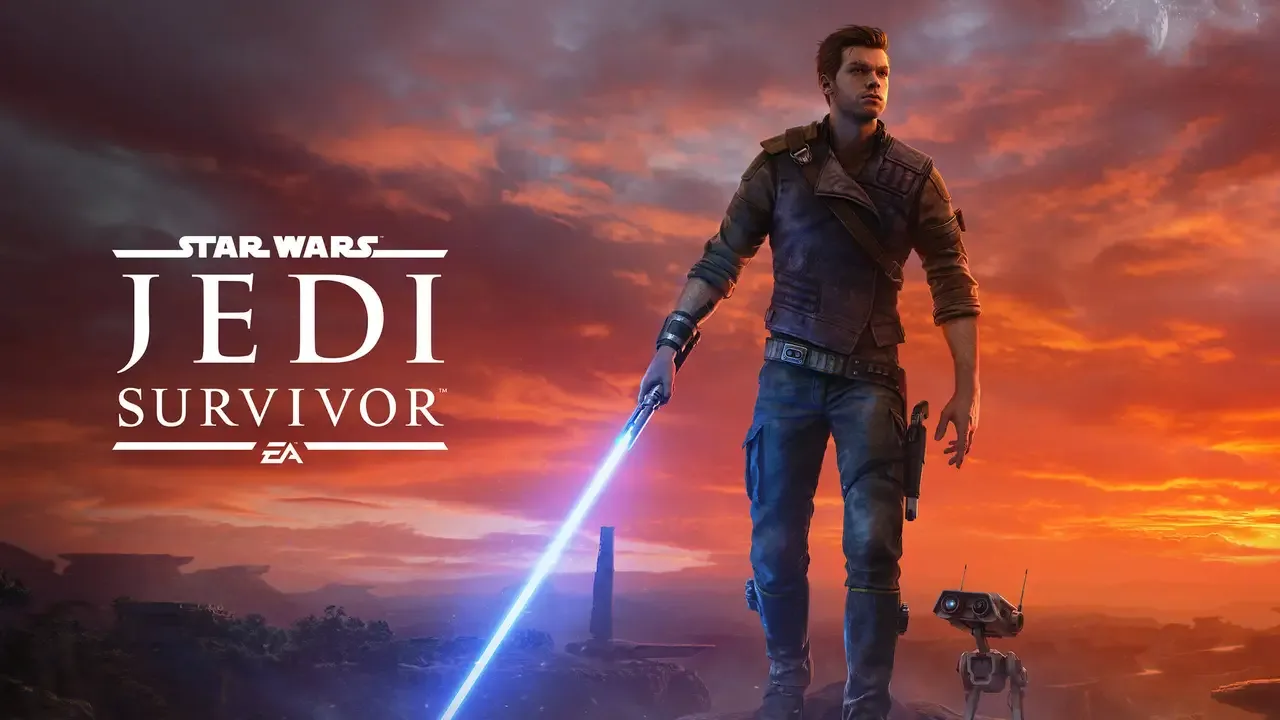
This is one of the easiest games on the list to simply enjoy. Jedi: Survivor understands exactly what people want from this kind of Star Wars adventure: decent exploration, proper lightsaber combat, a hero who has been through some things, and enough platforming and puzzle work to keep the whole thing from turning into corridor fights with a famous logo attached.
It lands at seven because it is a little uneven. Some systems are stronger than others, and it does not always hit the dramatic highs it is reaching for. But the best parts are excellent. Cal feels better to control than he did before, the stance system gives combat more personality, and the broader world makes exploration feel less like a break between fights and more like part of the adventure.
6. Ghost of Tsushima Director’s Cut
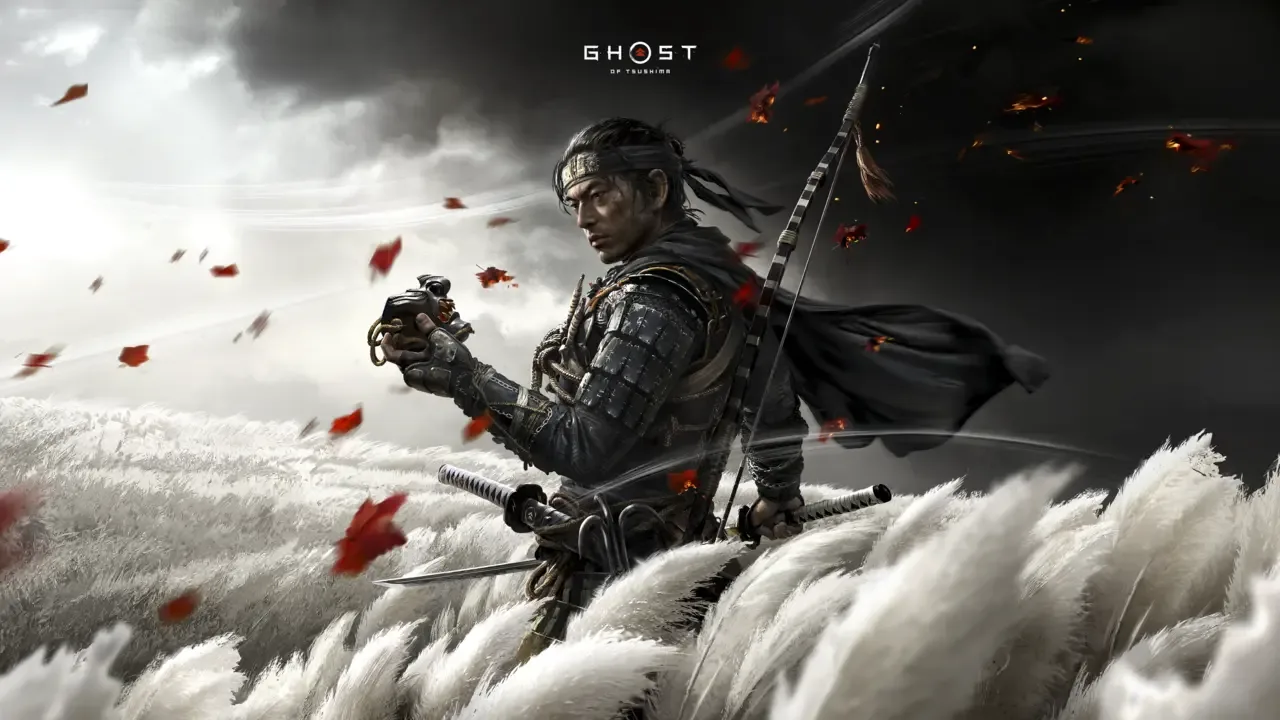
There are prettier games on this list, but not many that make beauty work this hard. Ghost of Tsushima sells the fantasy immediately: wind across grass, steel out of the scabbard, one clean standoff, then a brutal little burst of motion. It knows exactly how romantic it wants samurai action to feel, and it commits without embarrassment. The Director’s Cut also helps by giving the whole package more room to breathe with Iki Island folded in.
It sits here because, for all its style, it can sometimes feel safer than the games above it. But safe is not the same as weak. Swordplay has weight, stealth is flexible enough to be useful, and the world is built for wandering without making every detour feel like map clutter. When it is firing, it is one of the most immediately playable games in the genre.
5. Marvel’s Spider-Man 2
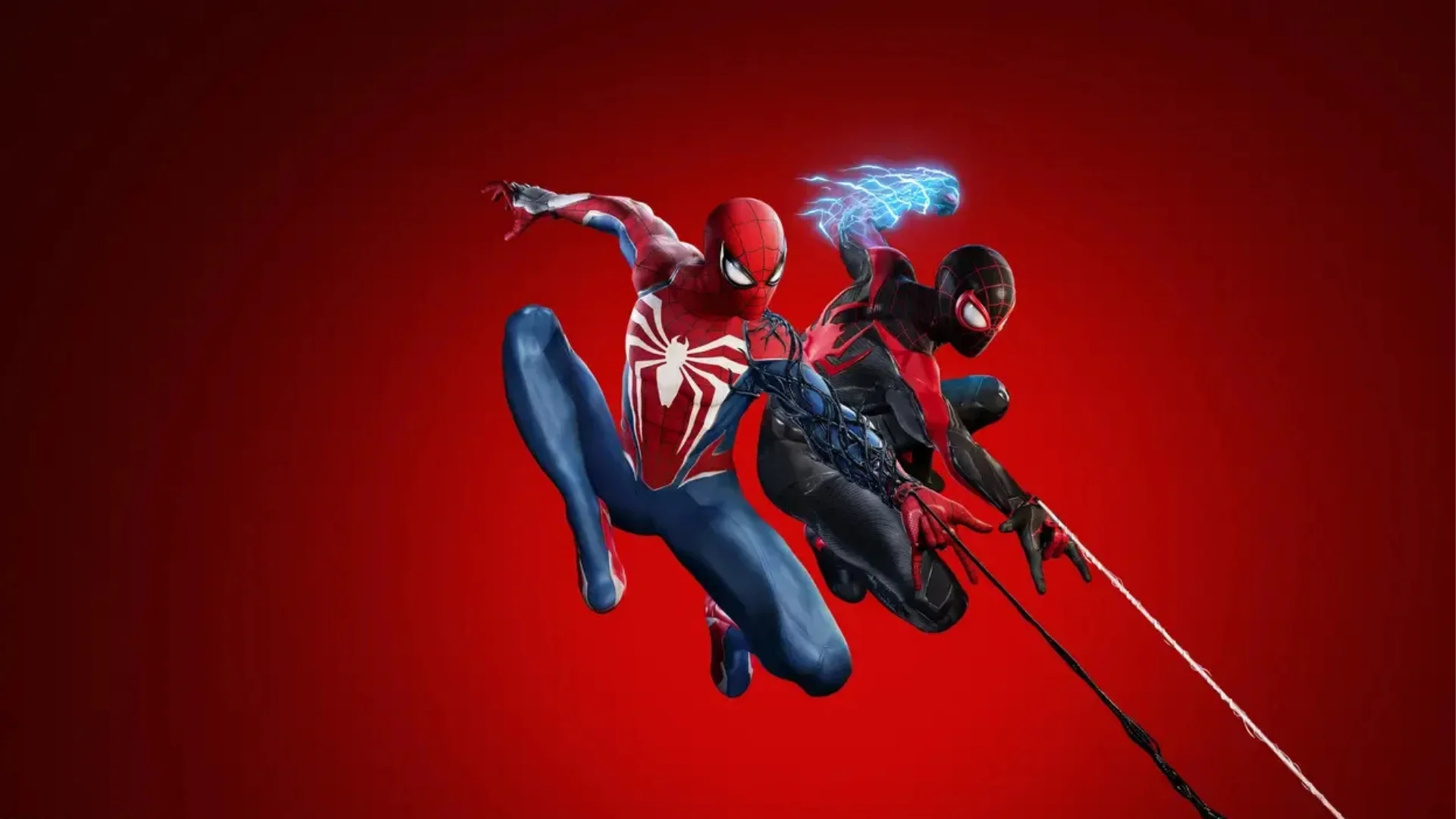
This is the pure fun pick high on the list, and it earns that spot honestly. Web-swinging was already great. Giving Peter and Miles more room to move, more speed through the city, and the Web Wings to flatten the dead space between districts turns traversal into half the reason to boot the game up in the first place. Switching between the two leads also keeps the campaign from settling into one note for too long.
It stops at five because the story, while entertaining, does not cut as deep as the best games above it. But that almost misses the point. The reason people keep loving these Spider-Man games is that they feel good minute to minute. Punching through a fight, launching across New York, and dropping into the next mission still has a bounce to it that few action-adventure games can touch.
4. The Last of Us Part II Remastered
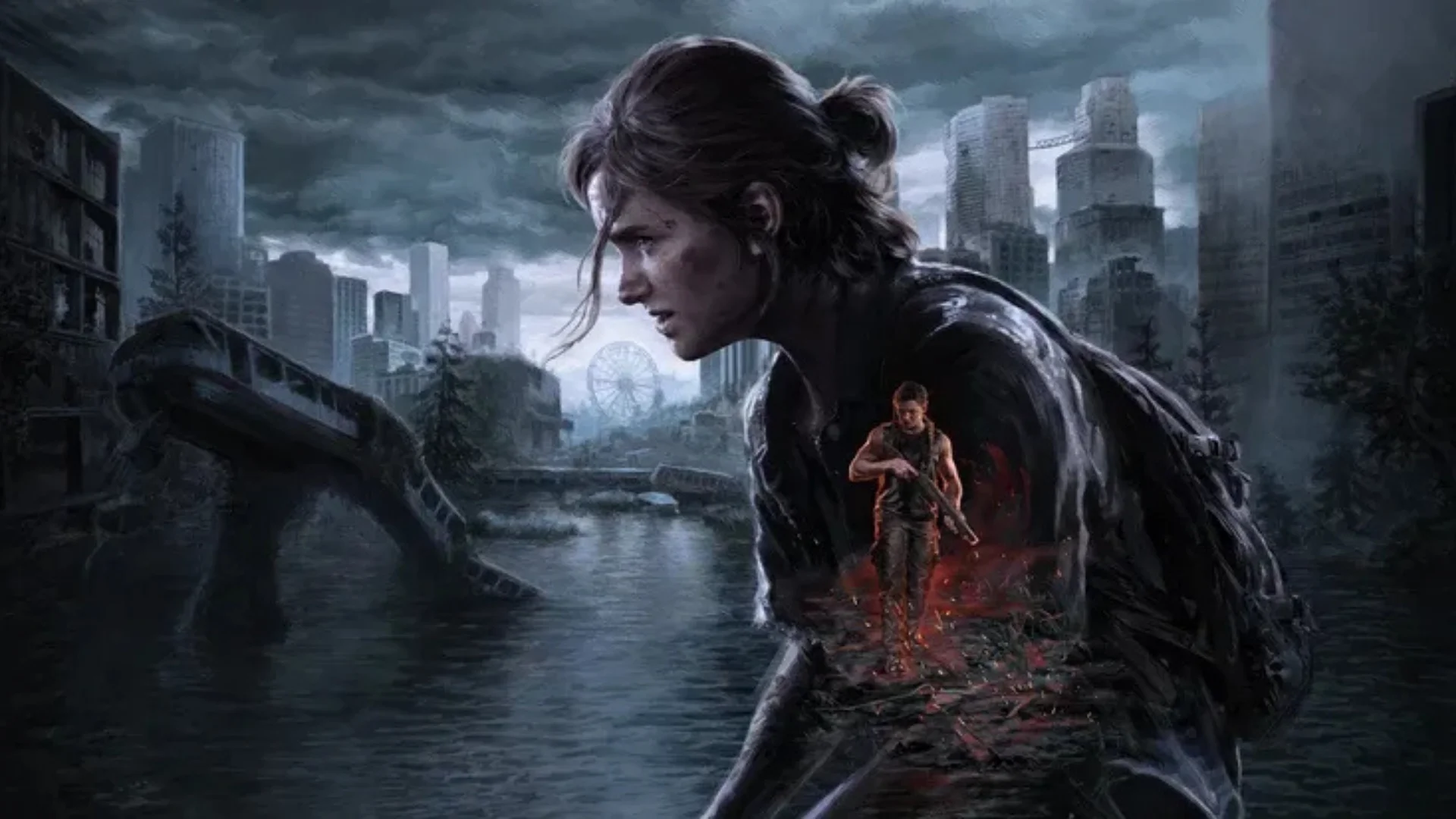
This is the harshest game here in more ways than one. The violence is ugly, the story is unkind, and the combat has a physical nastiness that makes even small encounters feel like they could go wrong fast. That is what gives it its place so high up the list. Few action-adventure games are this good at making every bottle, bullet, and panicked dodge feel like part of the mood instead of just part of the rules. The remastered version helps by adding cleaner presentation and the excellent No Return mode.
It misses the podium because it is not always a game you want to relax into. That is deliberate, but it matters. Even so, the craft is ridiculous. Animation, sound, stealth spaces, enemy behavior, and environmental detail all work together so tightly that it can make other prestige games feel oddly hollow.
3. Red Dead Redemption 2
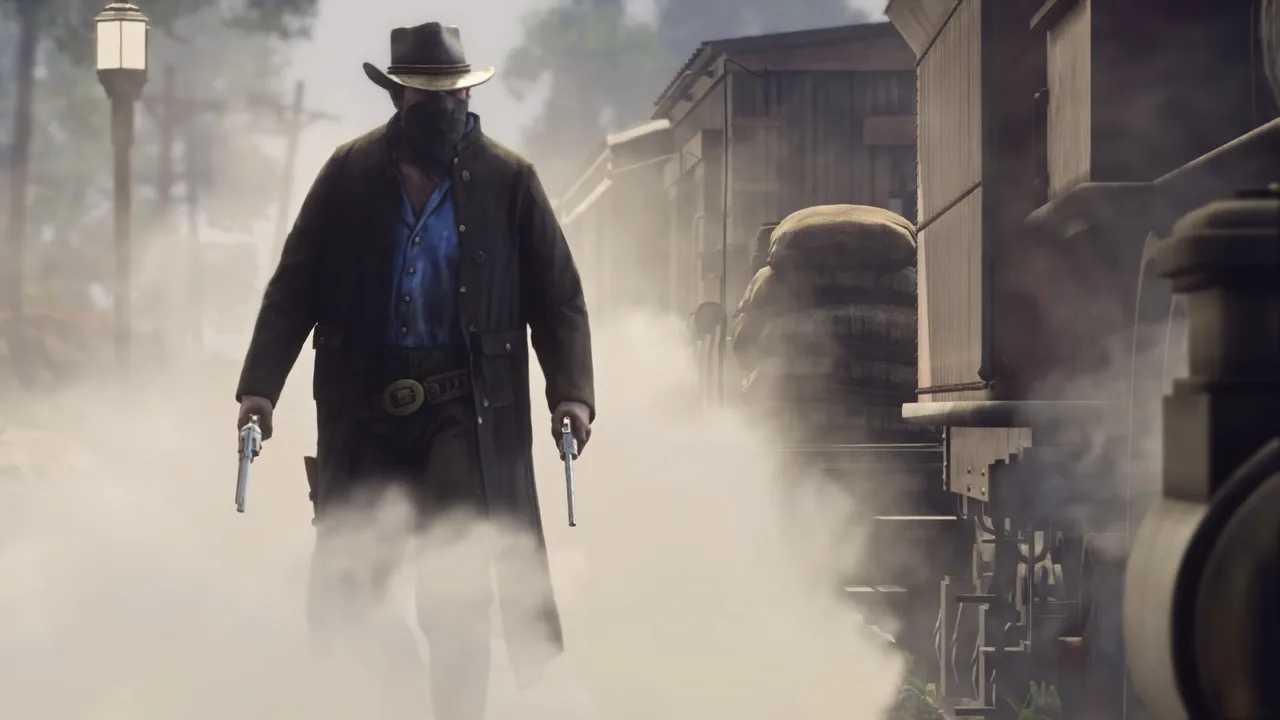
Some games are big. Red Dead Redemption 2 feels enormous in a different way. It is not just the map size. It is the density of the world and the patience of it. This is an action-adventure game that is happy to let you ride, listen, watch, and soak in the dust before it asks you to draw a gun. That confidence gives the entire thing weight. Rockstar still frames it as an epic tale of life in America’s unforgiving heartland, and that scale is exactly what carries it this high.
Why number three instead of one? Because all that detail can also turn into drag. The controls are heavy on purpose, the missions can feel prescriptive, and the game sometimes mistakes realism for momentum. But when it works, it really works. Arthur Morgan is one of the best anchors any game this size has had, and the world around him still feels more lived in than most open-world campaigns released since.
2. The Legend of Zelda: Tears of the Kingdom
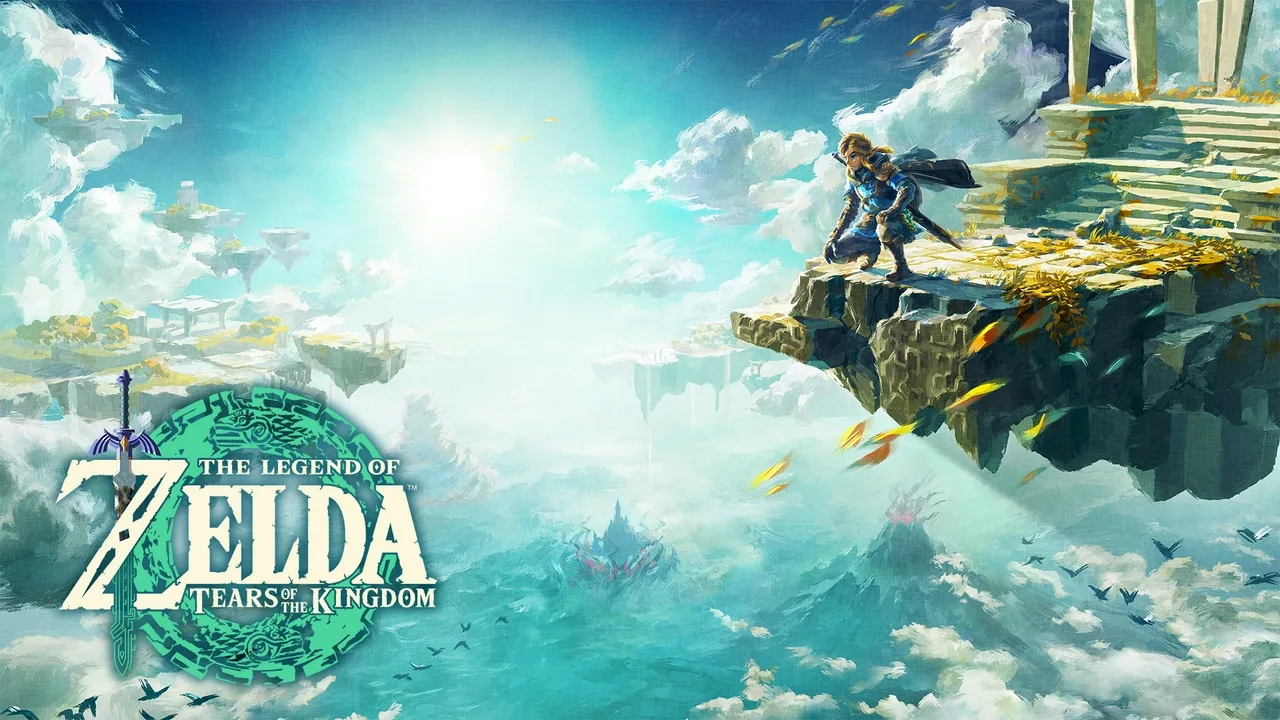
There are more polished games on this list in specific departments, but almost none that feel this generous. Tears of the Kingdom takes the open-air Hyrule formula and turns it into a playground for curiosity. Land, sky, caves, contraptions, bad ideas, brilliant ideas, and those moments where you start trying to solve a problem and accidentally invent an entirely different one. It is one of the few action-adventure games where experimentation feels as central as combat.
It takes second because the story is lighter and looser than the number one game, and its combat is not the sharpest here either. But the freedom is so convincing that it barely matters. Few games are better at making the player feel clever, and fewer still can keep that feeling going for dozens of hours without collapsing into repetition.
1. God of War Ragnarök
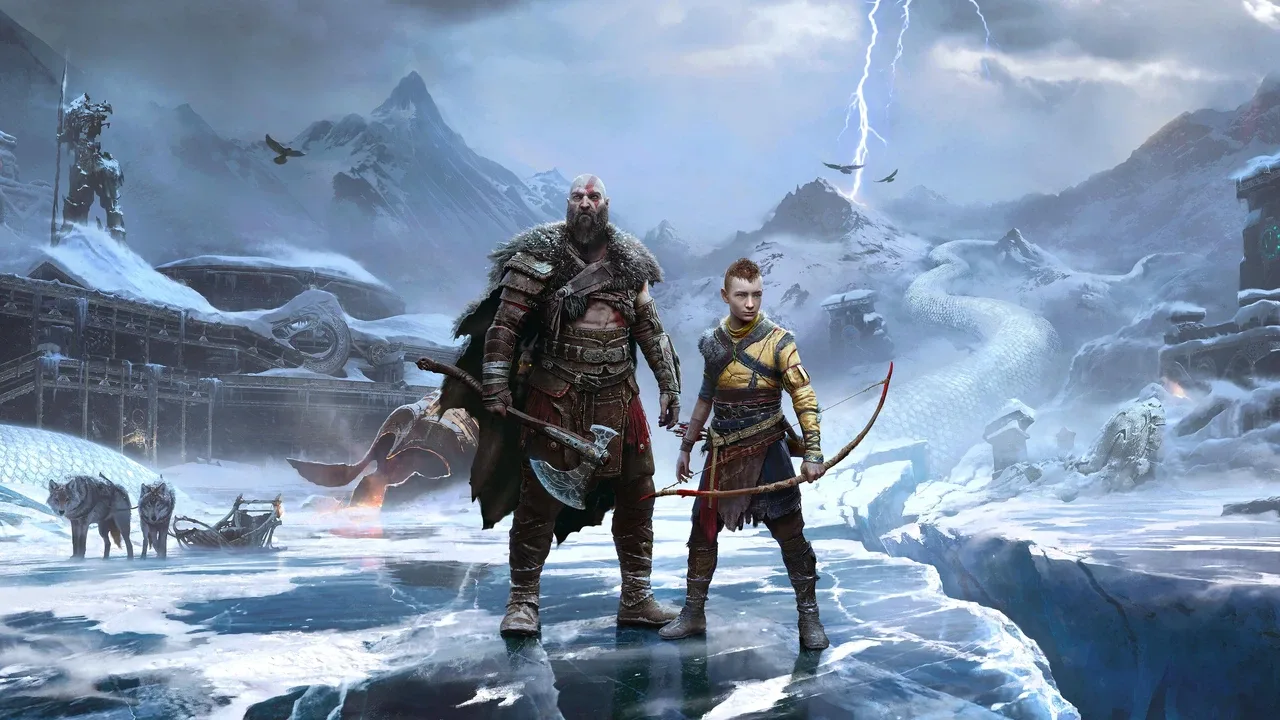
This is still the best full-package action-adventure game around. Not the most open, not the weirdest, and not always the most surprising. Just the strongest overall blend of combat, performance, spectacle, character work, and momentum. Kratos and Atreus carry emotional weight without smothering the game, and the combat has enough heft and flexibility to make even routine encounters feel properly shaped. Exploring the Nine Realms gives the whole thing scale, but it never forgets how to focus when it needs to.
That is why it takes the top spot. Plenty of games on this list do one thing better. Tears of the Kingdom is freer. Red Dead Redemption 2 is denser. The Last of Us Part II is more brutal. But God of War Ragnarök is the one that keeps the fewest weak links in the chain. It is big without becoming shapeless, cinematic without becoming passive, and dramatic without losing sight of why swinging the axe still feels so good.