
featureFeature
Best JRPGs You Can Play in 2026
April 22, 2026·7 min read
These are the JRPGs that still feel alive when you actually sit down and play them, not just the ones people politely salute because they know they are supposed to.
JRPGs are one of the few genres where “best” can still start a proper fight. Some players want a great party. Some want airtight turn-based combat. Some want a world they can disappear into for a week and come back out slightly dazed. I kept this list fairly strict. These are games where the role-playing is the point, where the systems and the story feed each other, and where the long hours feel like part of the pleasure instead of a tax you pay to reach the good bits.
That also means I leaned toward games that still feel easy to recommend now. A few older classics are missing because I wanted this to read like a live list, not a museum wall. What made the cut are the JRPGs that still have some pull today, whether that comes from cleaner pacing, better combat, stronger characters, or that rare feeling that the game knows exactly what it is and never wastes your time pretending otherwise.
8. Like a Dragon: Infinite Wealth
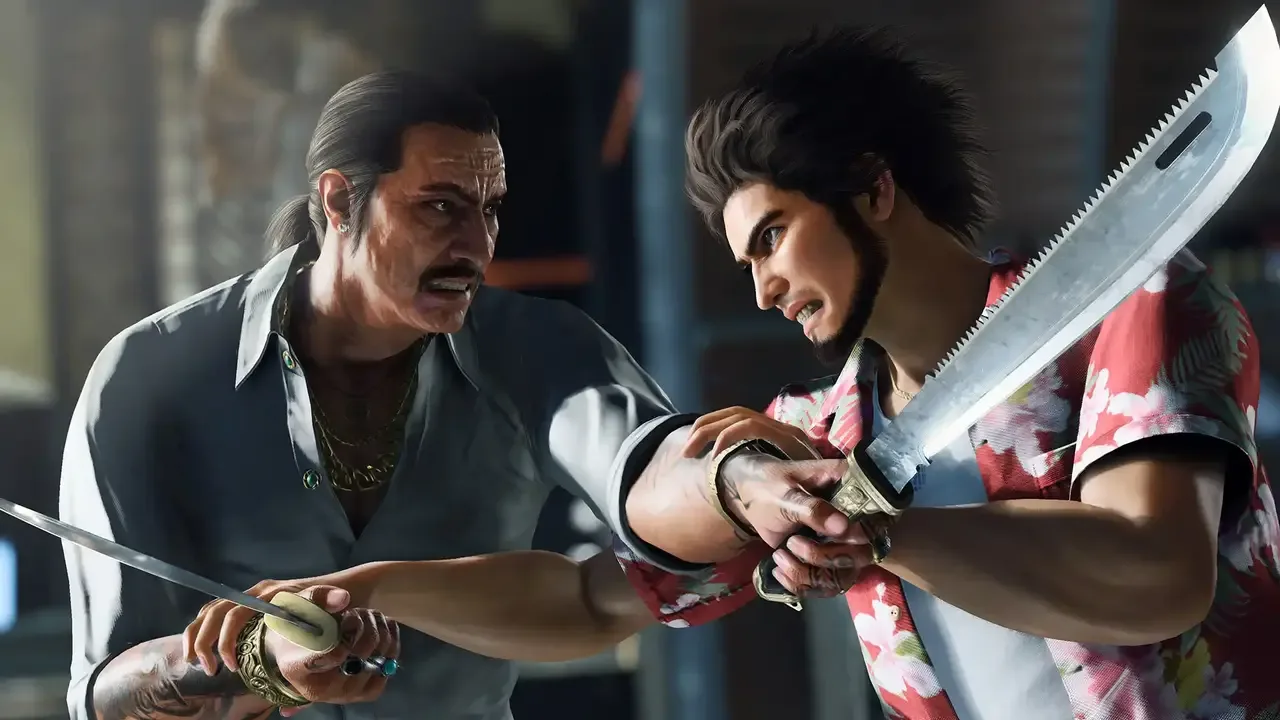
This is the loosest and funniest game on the list, and that is part of why it belongs. It takes the series’ turn-based shift and makes it feel more comfortable in its own skin, with jobs, party setups, and battle spaces that are much better at turning a messy street fight into something tactical and silly at the same time. It also helps that Ichiban remains one of the easiest JRPG leads to spend time with. He is earnest without being bland, which gives the whole game a warmth a lot of giant RPGs never find.
It ranks eighth because it is a little indulgent. Big modern Yakuza games always are. But when it is on form, it is a great reminder that a JRPG does not need to be solemn to be rich. It can be ridiculous, chatty, overstuffed, and still land the emotional beats when it matters.
7. Octopath Traveler II
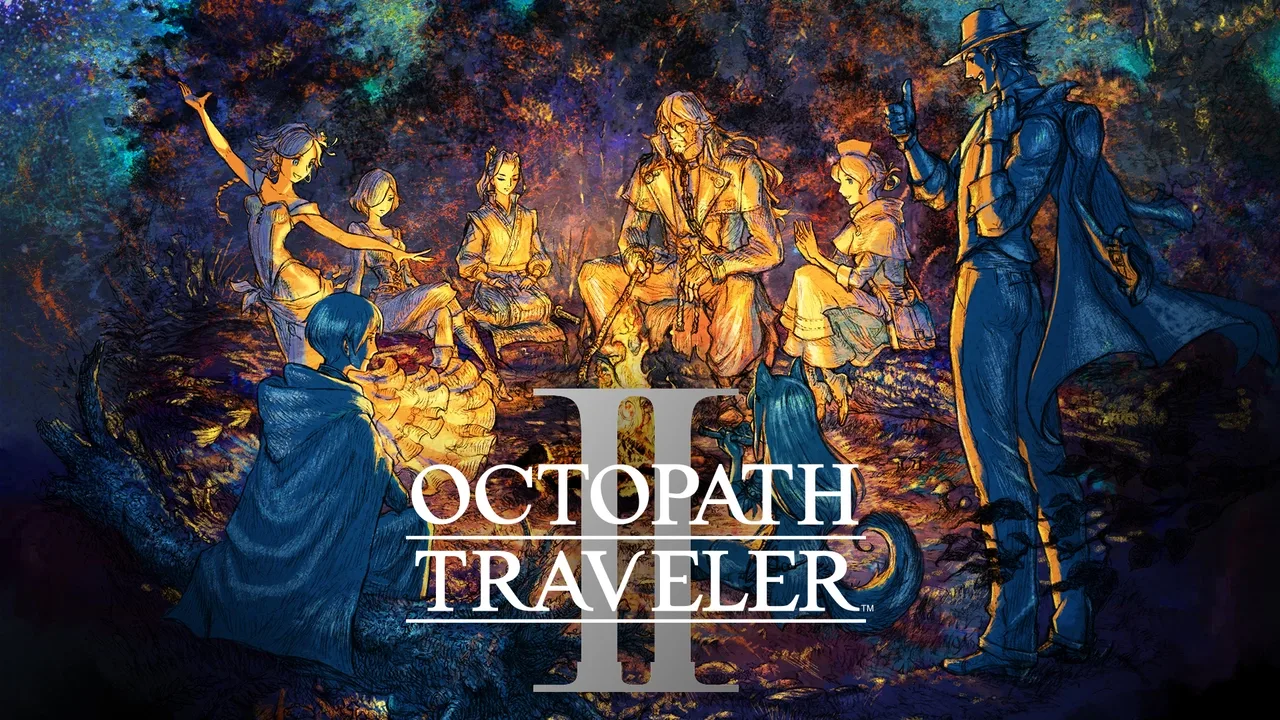
The first game looked beautiful but could feel a bit too neat, a bit too partitioned. The sequel fixes a lot of that. The eight travelers still each have their own route through the world, but the writing is stronger, the towns have more character, and the combat has more room to breathe once you start breaking shields, banking Boost, and building parties that can tip a boss fight on a single turn.
What lifts it above simple nostalgia bait is how well it understands its own form. The HD-2D look is not just a trick anymore. It feels lived in. More importantly, the game knows how to make classic turn-based combat feel crisp rather than old-fashioned. It sits at seven because the structure is still a little segmented next to the games above it, but as a modern traditional JRPG, it is one of the cleanest around.
6. Xenoblade Chronicles 3
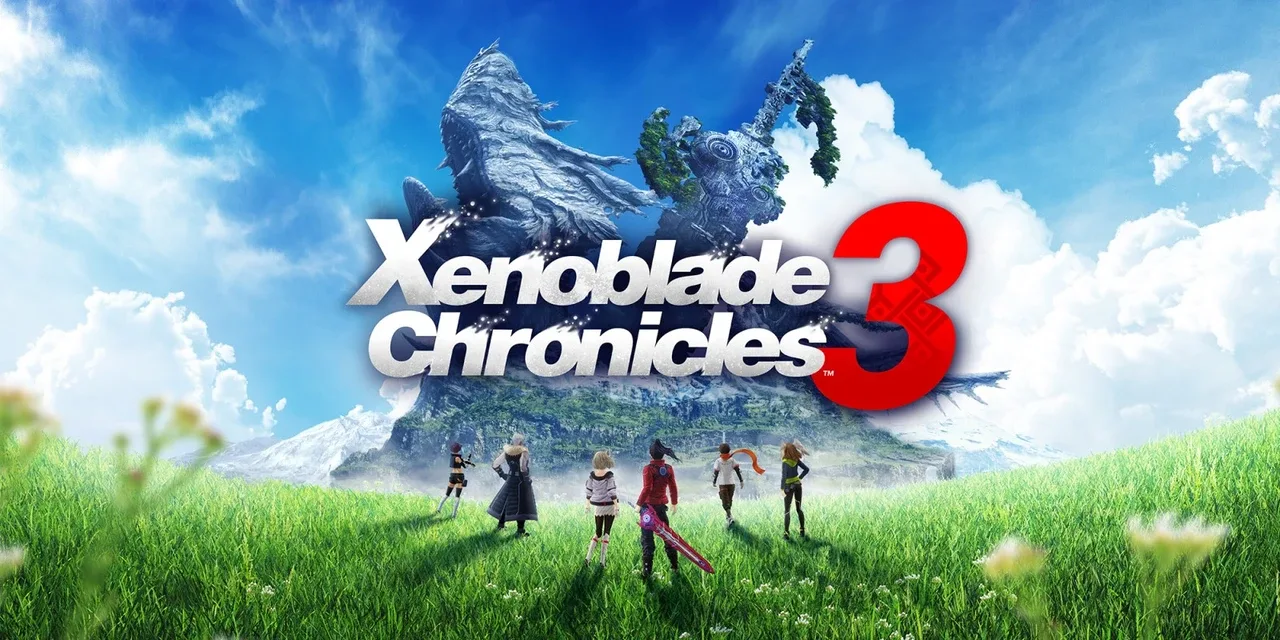
This is the big-hearted giant on the list. The world is huge, the combat is busy in that very Xenoblade way, and the cast carries the whole thing better than I expected. Noah and Mio give the story its emotional center, but the larger party is what makes the game stick. It helps that the whole setup has real urgency to it from the start instead of taking twenty hours to find a pulse.
It lands at six because Xenoblade games can still feel like they are daring you to keep up with them. Menus, classes, systems, chain attacks, tutorials, world scale: there is a lot here. But if you meet it halfway, it pays you back with one of the strongest modern ensemble casts in the genre and a finale that actually earns its size.
5. Metaphor: ReFantazio
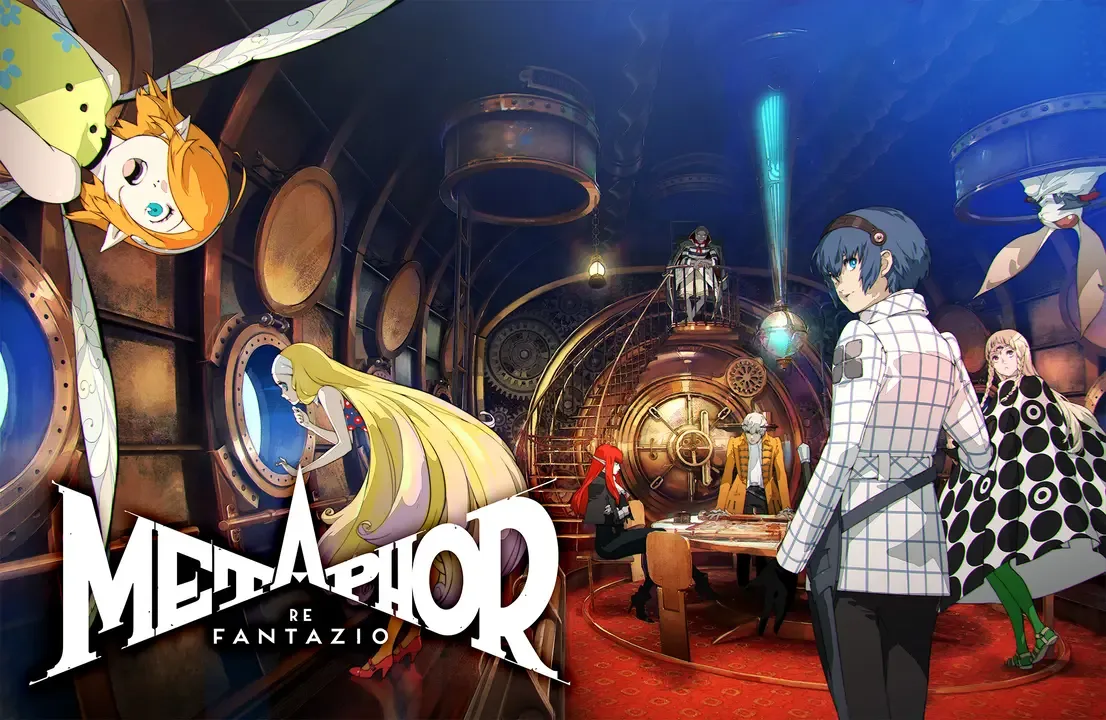
Atlus finally took the social pressure and day-by-day momentum it had spent years refining and dropped it into a fantasy world that feels broader, stranger, and more politically charged than its school-life work. The result is one of the sharpest new JRPGs in years. The Royal Tournament gives the story a natural drive, the gauntlet runner makes travel feel like part of the adventure rather than dead space, and the whole thing moves with a confidence that keeps the long runtime from turning into maintenance.
Why not higher? Because for all its strengths, you can still see the seams of the studio’s older habits. Even so, it is stylish without leaning on style alone, and it has enough pace in both the writing and the combat to feel fresher than a lot of bigger names. It is the rare modern JRPG that feels immediately canonical.
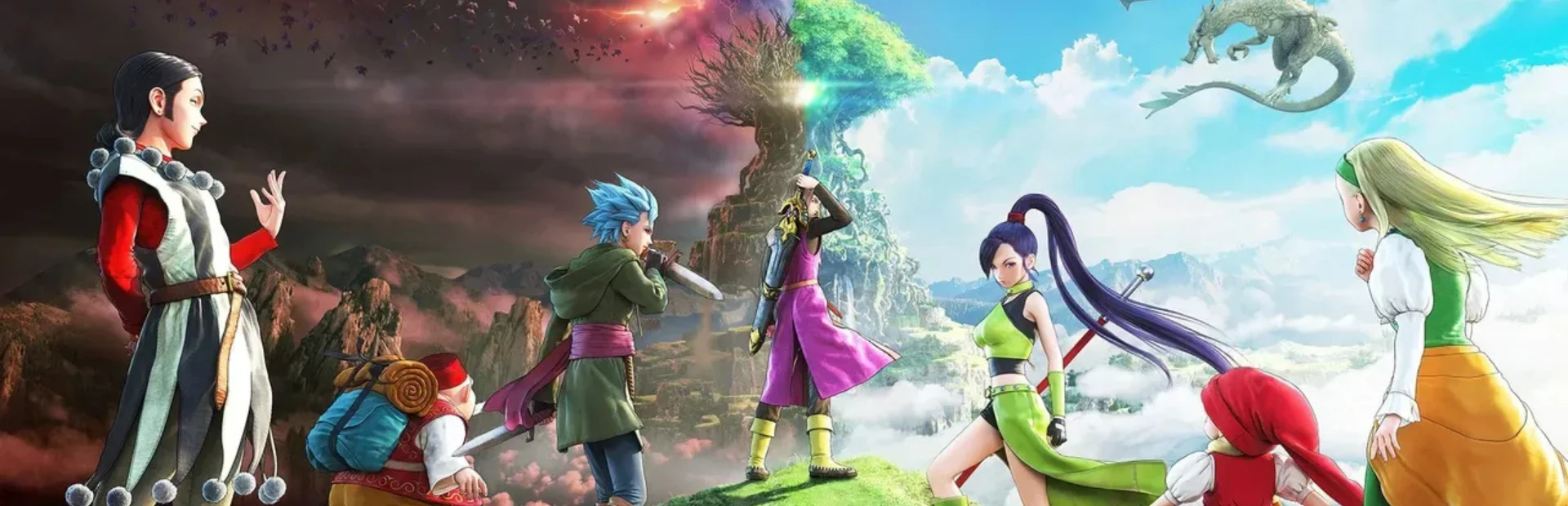
4. Dragon Quest XI S: Echoes of an Elusive Age
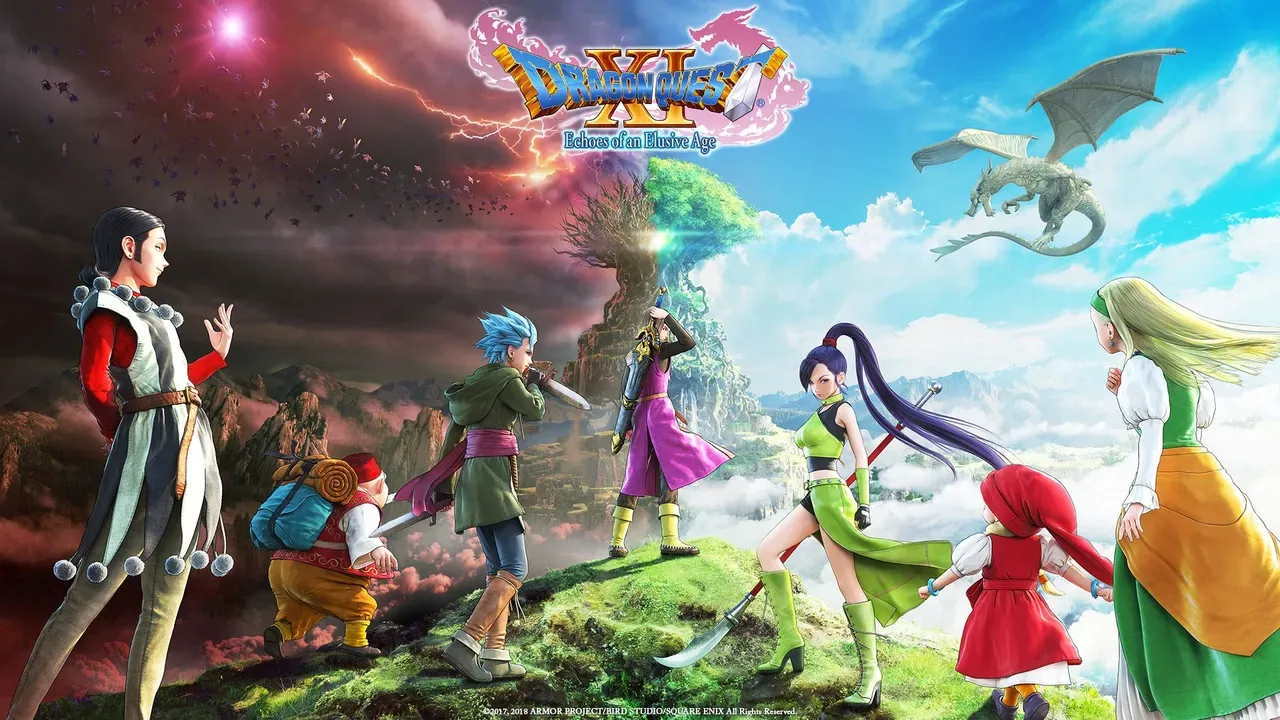
There is something deeply impressive about a JRPG that old-fashioned and that relaxed still feeling this good. Dragon Quest XI S does not chase novelty every hour. It trusts the basics: a likable party, readable turn-based combat, a clean adventure structure, and a world that keeps opening at exactly the speed it should. The Definitive Edition helps because it adds enough extra material and options to make the whole package feel generous rather than simply familiar.
That steadiness is what puts it this high. It does not have the wildest systems or the most daring story on the list, but almost nothing here is as consistently pleasant to spend time with. It is a huge JRPG that rarely feels bloated, and that is a rarer achievement than people give it credit for.
3. Final Fantasy X

This is still one of the cleanest JRPGs Square ever made. The combat is fast and legible, the sphere grid gives progression just enough flexibility without becoming a headache, and the pilgrimage structure gives the whole game a forward drive many longer RPGs lose. Tidus can still divide people, but the larger story of Spira, sacrifice, and the cost of tradition has aged beautifully.
What keeps Final Fantasy X near the top is how little waste there is in it. It knows when to push the story, when to let the party breathe, and when to let the battle system do the talking. A lot of beloved JRPGs are baggier than memory admits. This one is not. It still feels remarkably sharp.
2. Persona 5 Royal
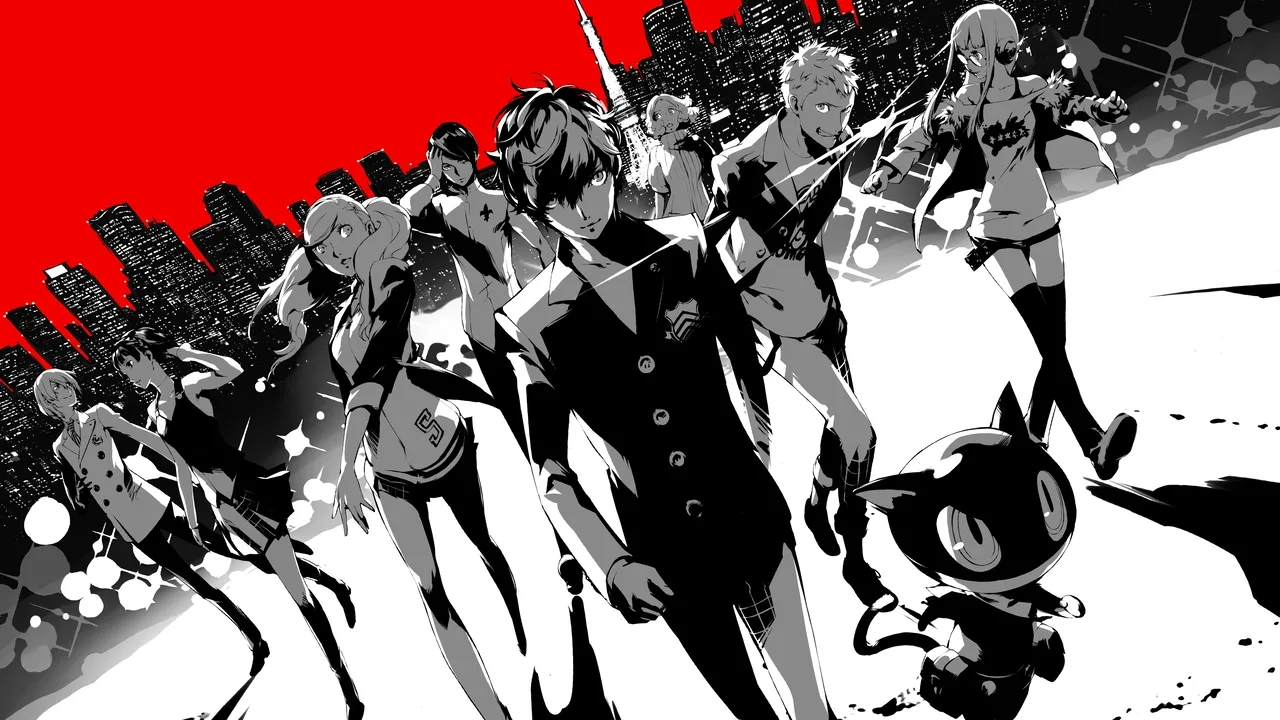
This is still the easiest hundred-hour recommendation in the genre. The obvious thing to say is that it has style, and of course it does. The menus are gorgeous, the soundtrack is ridiculous, and the whole thing moves like it knows you are watching. But the real reason it stays this high is structure. It turns daily routine into something you care about. School, confidants, stat-building, palace runs, tiny choices, then suddenly you are arranging your in-game week like it matters more than your real one.
That is a rare skill. Plenty of JRPGs can give you a great boss fight or a great cutscene. Persona 5 Royal gives you momentum. It makes the hours feel good while you are spending them, which is why so many people stay with it long after they should probably have wrapped things up.
1. Chrono Trigger
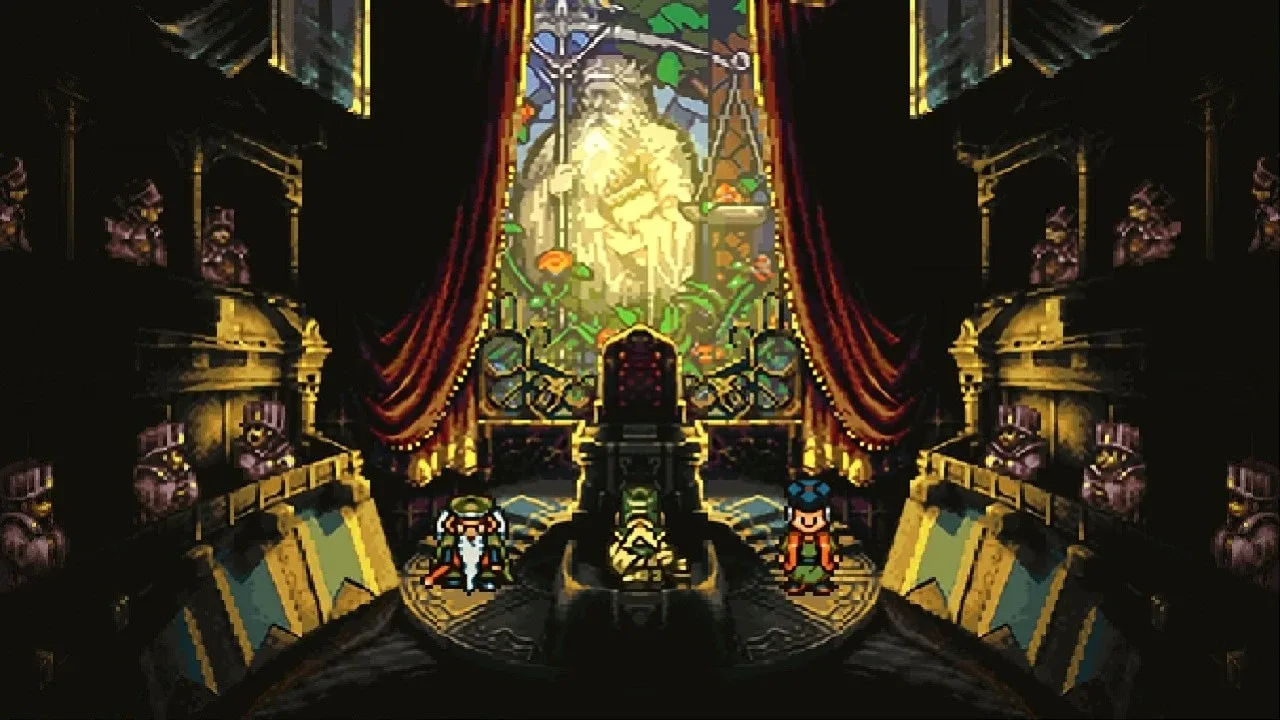
This is still the one. Not because it is sacred, and not because people like pretending the best game in a genre has to be old. It is number one because it remains absurdly playable. The pacing is almost perfect. The cast is memorable without one weak link dragging the group down. The time-travel structure keeps the adventure moving instead of bloating it, and the combat still feels brisk thanks to how quickly it gets to the point.
Most importantly, Chrono Trigger does not waste a moment. That is why it keeps surviving these lists while so many larger, louder games feel more dated. It has charm, momentum, and just enough emotional weight to stay with you without ever sinking under it. Plenty of JRPGs do one thing better. Very few do this many things this cleanly, which is why it still feels like the best the genre has to offer.