featureFeature
Best Roguelikes and Roguelites Right Now
April 22, 2026·7 min read
This is a broad modern roguelike list, not a fight about the Berlin Interpretation. If the run, the reset, and the thrill of a build coming together are the heart of the game, it counts.
Roguelike is one of those genre labels that got blown open years ago and never really recovered. For some people it still means turn-based dungeon crawls with permadeath and procedural floors. For most players now, it means run-based games where failure feeds the next attempt and the joy comes from adaptation, repetition, and the moment a run finally turns in your favor. That looser definition is the one I’m using here, because it is the one most people actually play by now.
So this list is built around the games that still make the loop feel irresistible. Not just the ones that were important, and not just the ones with the harshest permadeath. These are the roguelikes and roguelites that still get their hooks into you now, whether that comes from brilliant combat, brutal systems, or the simple fact that “one more run” keeps turning into another lost evening.
8. Returnal
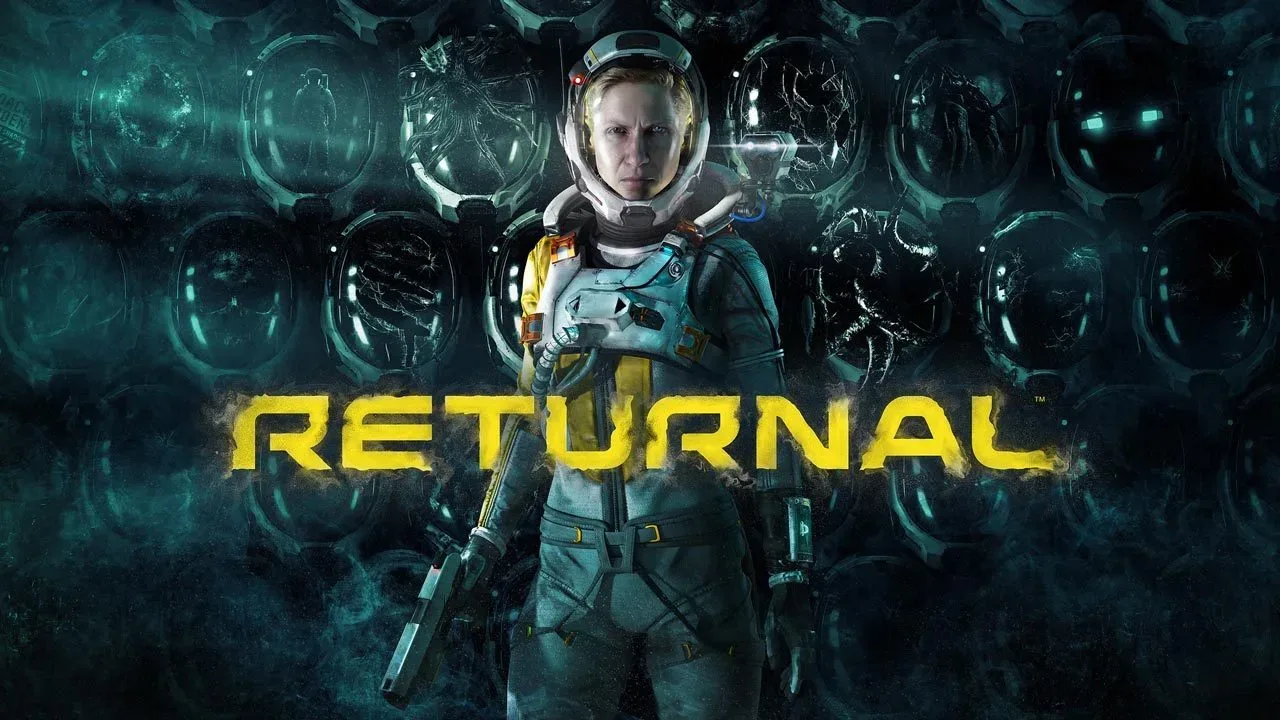
Returnal earns its place because it understands how good failure can feel when the action is this sharp. Selene’s runs across Atropos are fast, hostile, and wonderfully tense, and the shooting has that clean Housemarque snap that makes every room feel dangerous without turning unreadable. The cycle structure also gives the whole thing a strange, chilly mood that separates it from the brighter, more overtly gamey entries higher up the list.
It ranks eighth because it is a little less flexible than the best games here. You are not shaping wildly different runs in the same way you do in a deckbuilder or an item-combo game. But as a third-person shooter built around repetition, pressure, and the slow cracking of a hostile world, it is one of the most memorable spins the genre has taken.
7. Balatro
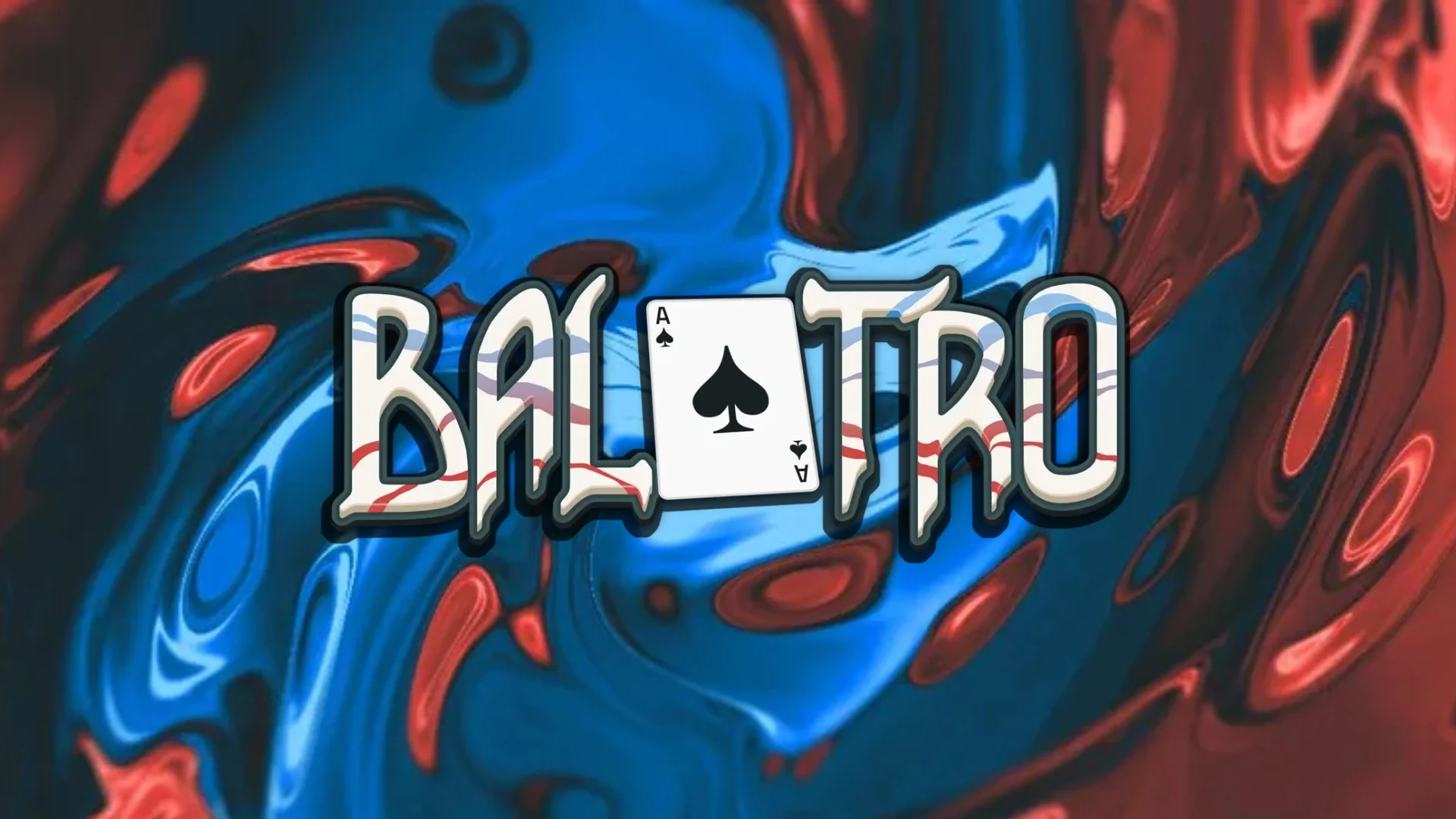
Nobody expected a poker game to become this much of a problem. Balatro works because it strips everything down to pure run logic: make a hand, break the hand, find a Joker that changes the run, then find another that breaks it even further. It is a deckbuilder, yes, but it has the same addictive escalation as the best action roguelikes. You are always one modifier away from either disaster or a completely stupid score.
It sits here because it is still narrower than the games above it. There is less atmosphere, less world, less sense of journey. But that almost misses the point. Balatro is all appetite. It gets in your head, makes math feel illicit, and turns tiny card decisions into something weirdly thrilling. That is more than enough to earn a spot.
6. Dead Cells
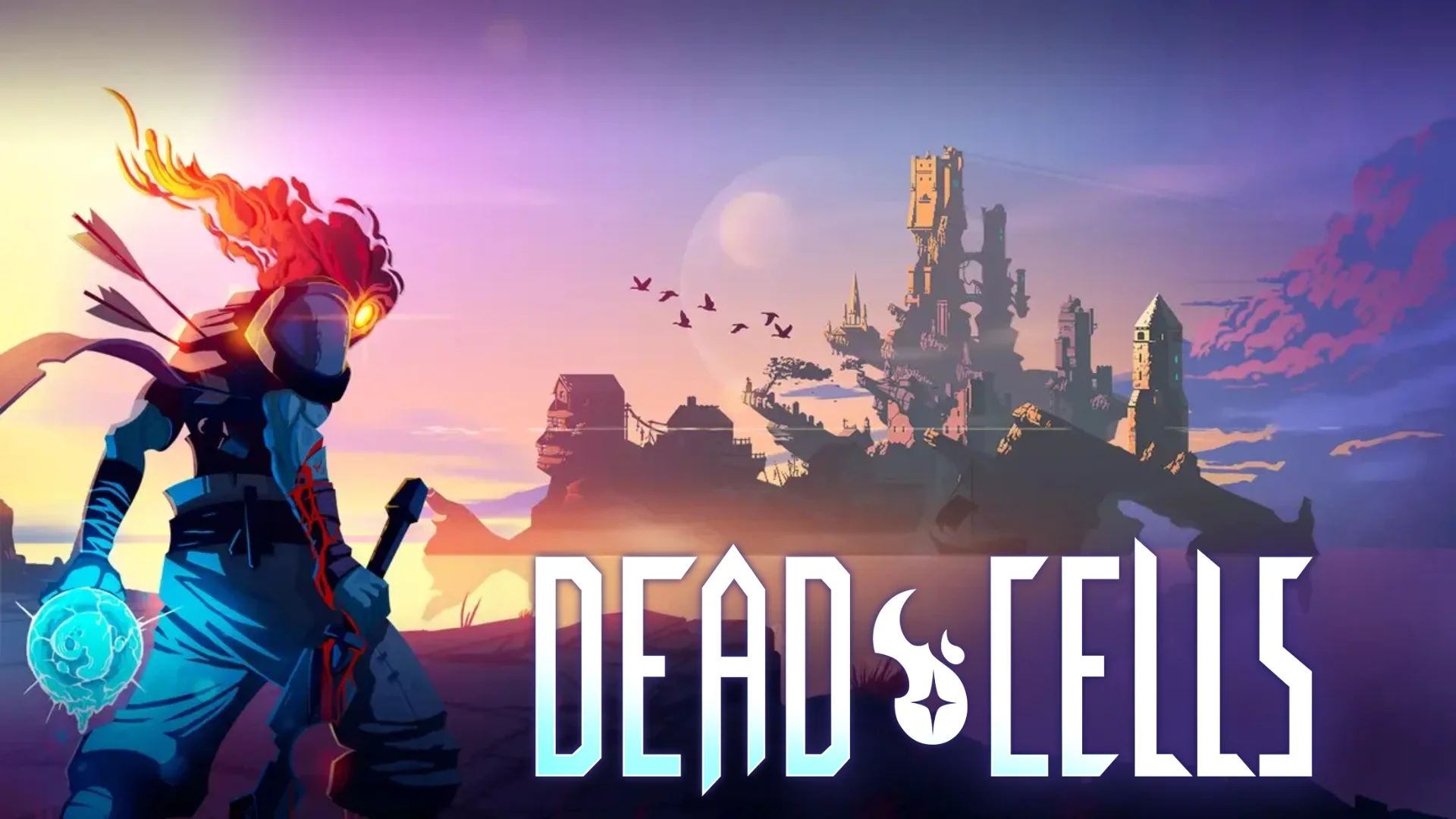
This is where the list starts getting mean. Dead Cells has one of the best movement-combat relationships in the genre. The castle shifts, the routes change, and the fight design keeps nudging you forward at a pace that feels just reckless enough. It also helps that the game looks fantastic in motion. The whole thing has that bright, nasty pixel-art energy that makes even a failed run feel lively instead of dead on arrival.
It lands at six because it is one of the most polished hybrids here rather than the purest overall roguelike. The metroidvania streak gives it long-term structure, but the games above it dig even deeper into systemic replayability. Still, if what you want is a run-based action game that feels brilliant from the second your weapon starts swinging, this remains an easy recommendation.
5. Spelunky 2
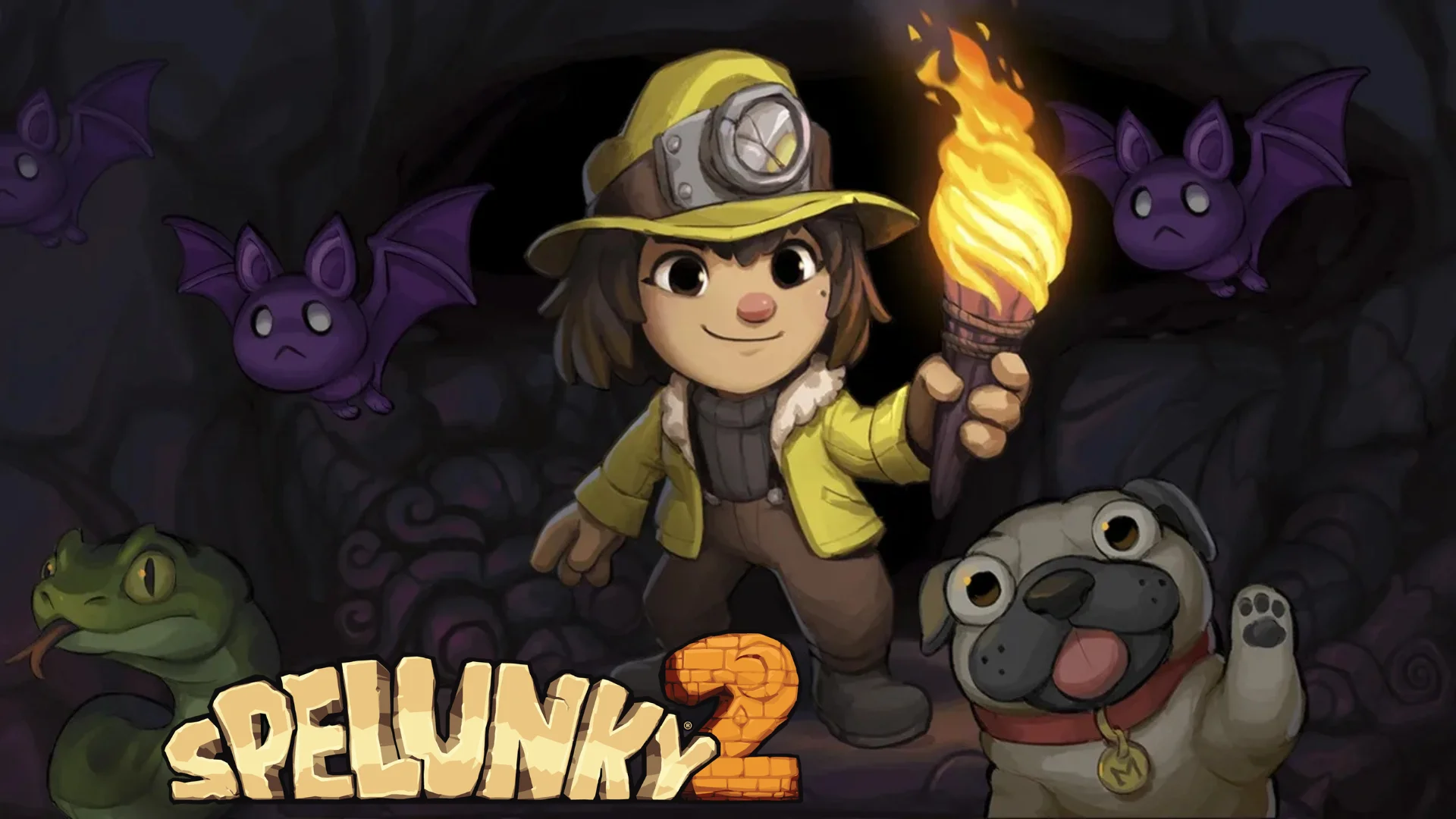
There are few games better at making a run collapse into chaos for reasons that are completely fair. That is Spelunky 2 at its best. The physics, traps, secrets, and item interactions all combine into a game that feels alive in a way most procedural games never quite manage. You are not just reacting to enemies. You are reacting to a whole chain of consequences that can start with one bad jump and end with the screen trying to kill you in three different ways at once.
It ranks fifth because it can be an unforgiving little monster. Plenty of players will bounce off it hard, and that is part of its identity. But if you like a roguelike that feels truly systemic rather than merely random, this is still one of the best examples ever made. Every great run feels earned, and every awful death feels like a story you can retell later.
4. The Binding of Isaac: Rebirth
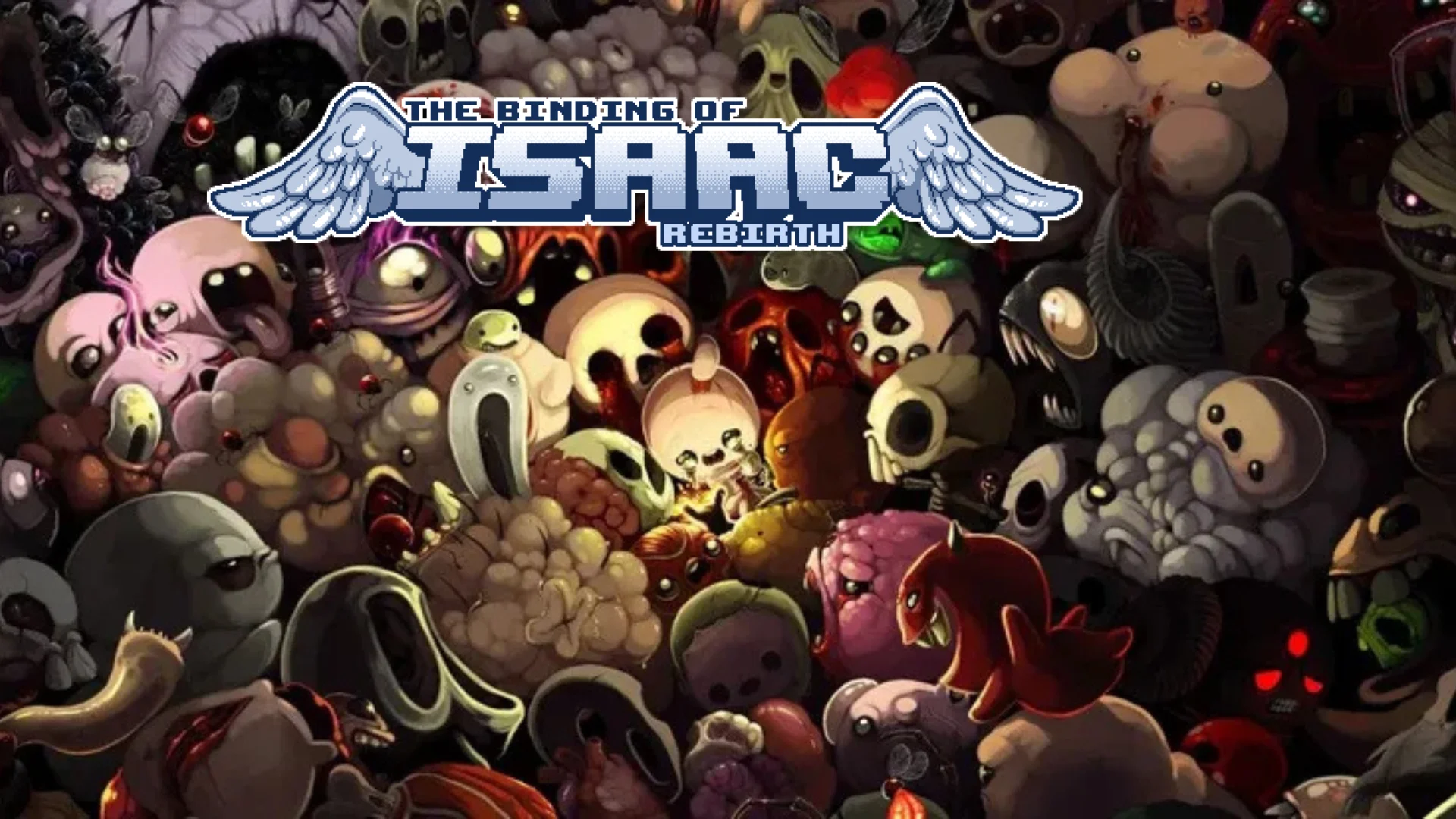
This is still one of the genre’s ugliest miracles. The Binding of Isaac: Rebirth remains a basement full of horrible things, terrible luck, miraculous luck, and item combinations that can turn a weak run into nonsense in an instant. That sheer volume of possible interactions is the reason it stays this high. Even now, few games in the genre feel this willing to let a run become broken, blessed, or completely cursed.
What keeps it out of the top three is that its gross-out style and sheer density can be a lot. It is not tidy. It is not elegant. It is not interested in meeting you halfway. But for players who want the kind of roguelike that feels bottomless, where you are still learning strange item synergies embarrassingly late, Isaac still has a grip few others can match.
3. FTL: Faster Than Light
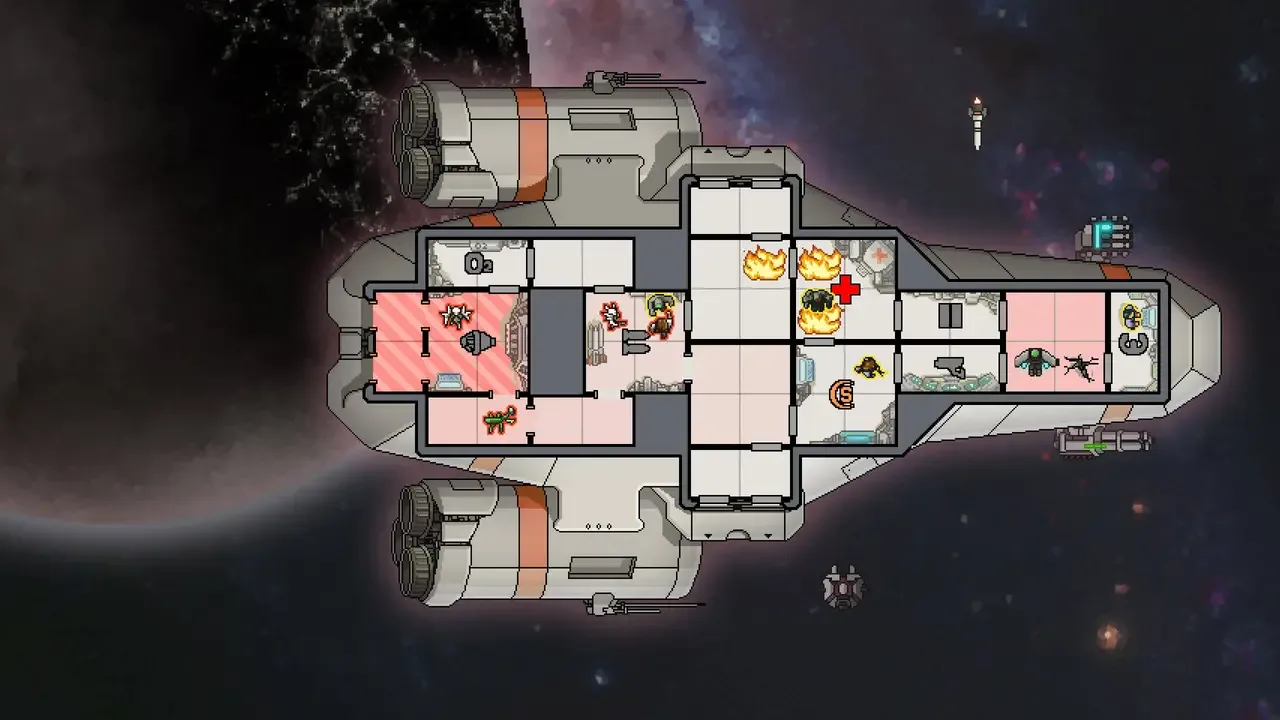
FTL still feels different because it treats panic as a systems problem. A fire breaks out. Your shields drop. Somebody boards the ship. Oxygen starts failing. You reroute power, move crew around, pray the next jump is kind, and try not to die with the mission still on board. That mix of pausable real-time chaos and hard strategic planning gives it a tension almost nobody else on this list can touch.
It takes third because it is less immediately seductive than the top two. It does not have their visual pull or their easy first-hour charm. But once it clicks, it is ferocious. Every run feels like a tiny disaster barely held together by good decisions and dumb luck, which is exactly why it remains one of the smartest roguelikes ever made.
2. Slay the Spire
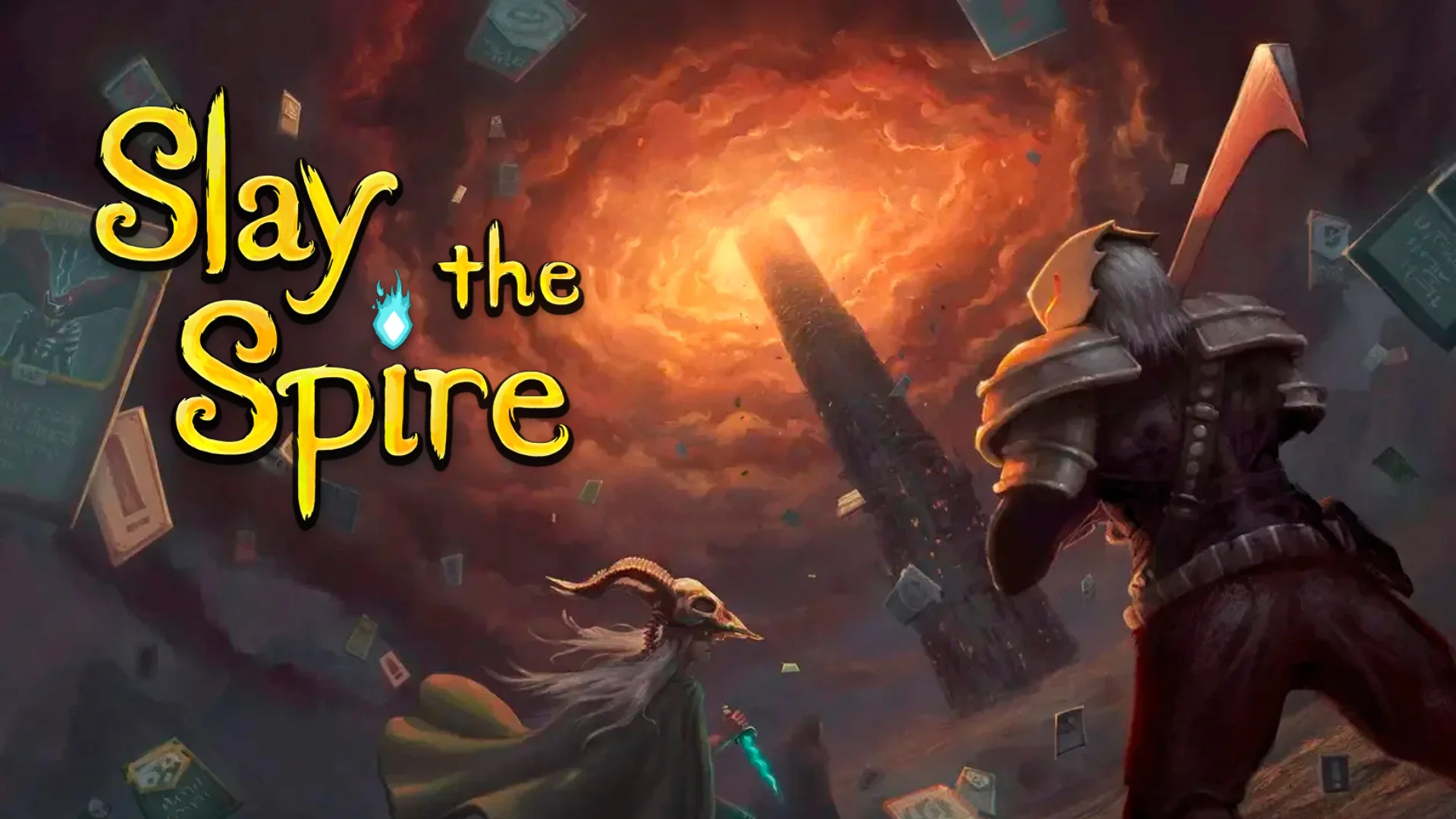
There are cleaner games here and louder games too, but very few are this perfectly designed. Slay the Spire turns deckbuilding into a run-based language all its own. Four characters, piles of cards, relics that quietly reshape the run, and a map full of small choices that always seem simple until you realize you have ruined the next three fights by picking badly two rooms ago. It is a game of tiny decisions that somehow never feels small.
It takes second because the number one game does more with character and narrative. But in terms of pure design, this is one of the greats. There is almost no wasted motion in it. Every card, every path choice, every relic pickup matters, and that clean internal logic is why players keep coming back to it years later.
1. Hades
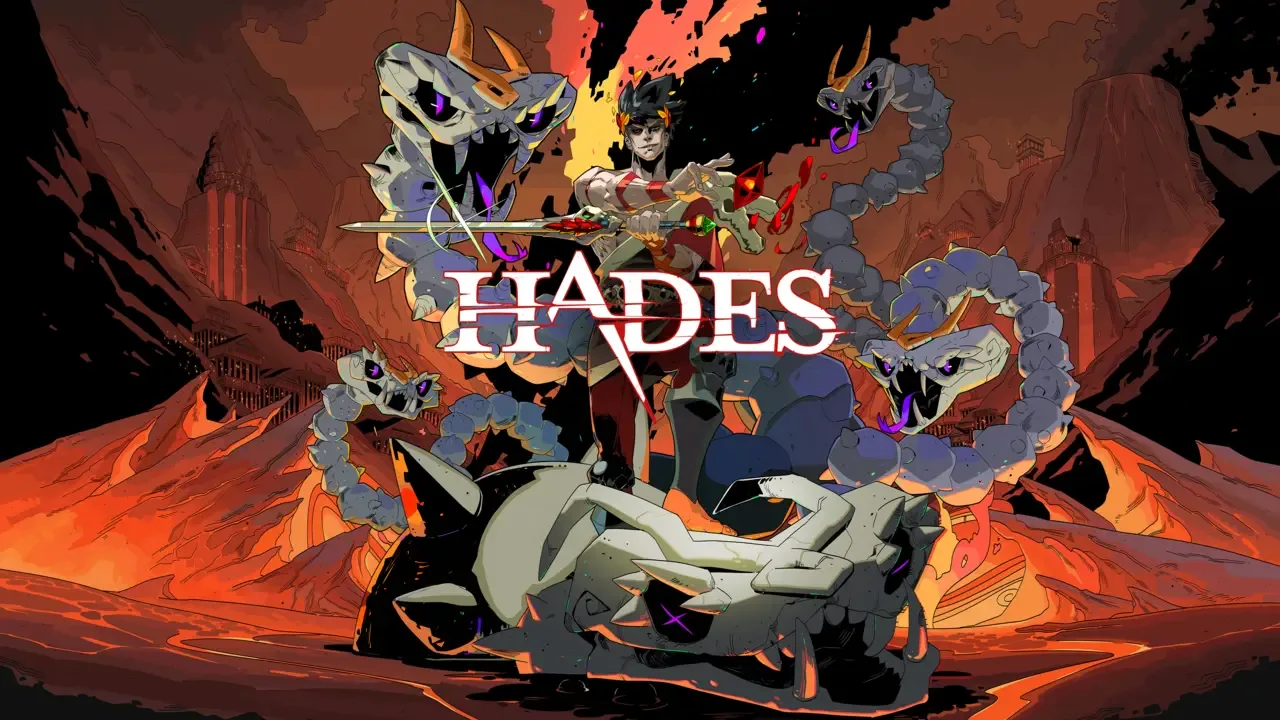
Hades gets the top spot because it solves the part so many roguelikes struggle with: making repetition feel meaningful beyond the mechanics. Escaping the Underworld is still a brilliant loop on its own, with weapons that genuinely change the feel of a run, boons that can turn a build on a dime, and combat that stays quick and readable even when the screen gets busy. But the story is what pushes it over. Every failed attempt still gives you something. A line, a relationship beat, a new angle on a character, a little more shape to the whole thing.
That is why it still feels like the best full-package recommendation in the genre. Other games on this list may go deeper in one area. Slay the Spire is purer design. FTL is harsher strategy. Isaac is a bigger chaos machine. Hades is the one that brings combat, build variety, style, and story together so naturally that the loop never starts to feel like homework. It just feels like another run worth taking.