featureFeature
Best Soulslike Games for Hardcore Players
April 22, 2026·7 min read
These are the games that understand the real appeal of the genre: hard fights, hard lessons, and the strange satisfaction of walking back into a boss room knowing you are about to do better this time.
“Soulslike” gets thrown around far too easily now. A dodge roll, a gloomy world, and a checkpoint system is apparently enough to get the tag stuck on a game. I wanted this list tighter than that. These are the games built around deliberate combat, punishing bosses, real build or skill expression, and the feeling that death is part of the learning rather than a slap on the wrist.
I have ranked these from worst to best, but this is not a history lesson and it is not a museum shelf. I leaned toward the games that still feel great to recommend now, whether they are old masters, modern refinements, or newer challengers that actually deserve to stand in the same room. Some are broader and more welcoming. Some are mean, narrow, and absolutely locked in. All of them earn their place.
8. Lords of the Fallen
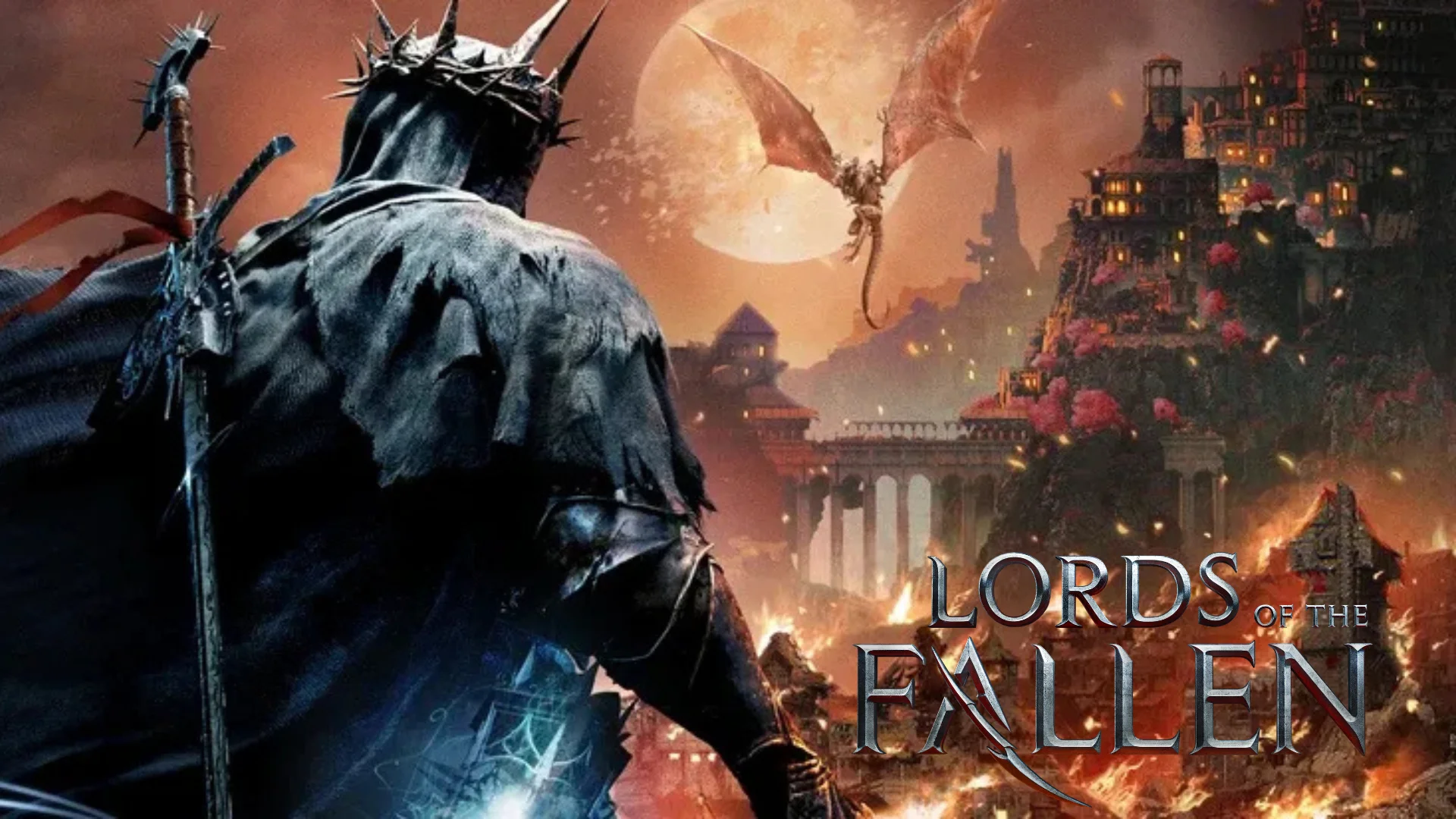
This is the roughest game here, but it also has one of the best hooks. The split between Axiom and Umbral gives the world a proper identity, not just a dark-fantasy coat of paint. Dying and peering into the second realm changes how you read the space, which gives exploration more tension than a lot of the genre’s safer imitators manage. When it is working, it feels heavy in the right way. Every corridor looks cursed, every bridge feels one bad decision away from disaster, and the game commits to that mood from the first hour.
It ranks eighth because it never quite becomes graceful. The combat has improved over time, but it can still feel more lumbering than elegant, and that matters in a genre where rhythm is half the point. Still, it stays on the list because the world is memorable and the central idea is strong enough to carry a lot of the uglier edges.
7. Demon’s Souls
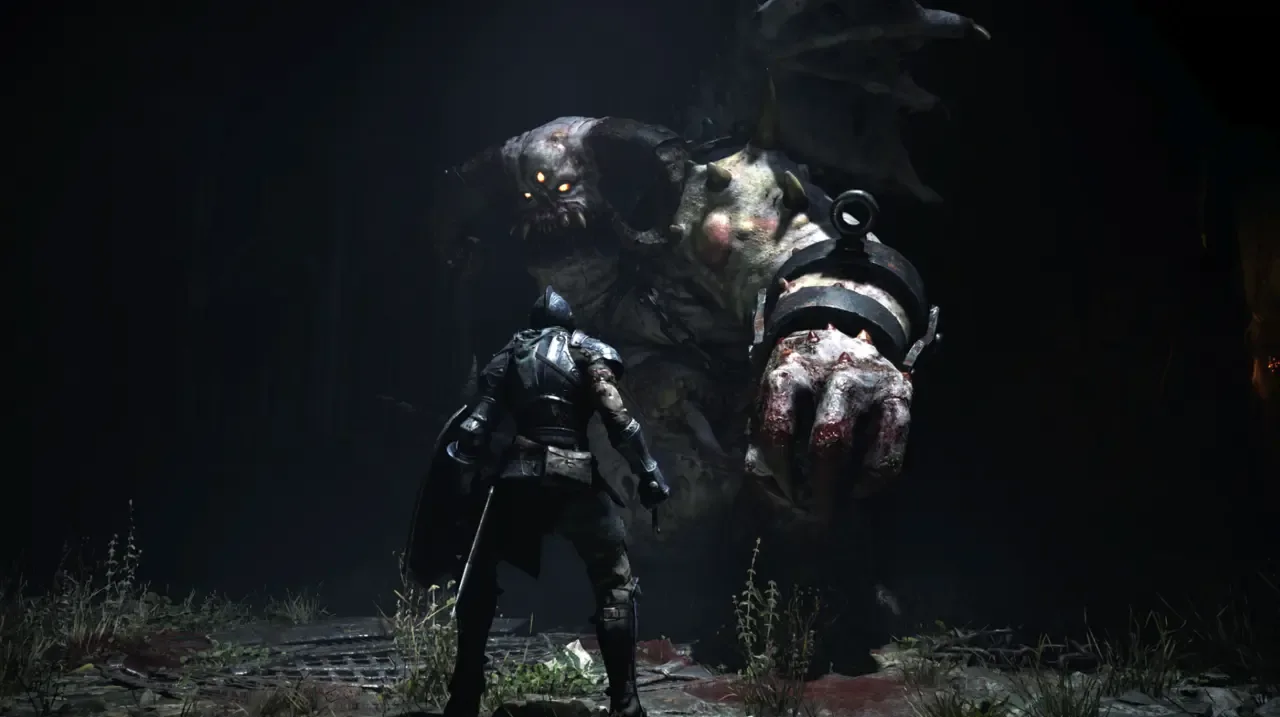
Even now, Demon’s Souls still has a very specific kind of magic. Boletaria feels oppressive in a way later Souls games often traded for grandeur. The remake also helps because it gives the original structure a level of visual polish that makes the whole thing easier to appreciate without sanding away its strange, lonely mood. It is slower and more methodical than the games above it, and that is part of the appeal. Every encounter feels like it wants you to stop rushing and actually look at what is in front of you.
It sits here because the genre moved on. Some bosses are more memorable for their gimmick than their moveset, and the older structure shows its age once you have spent time with the sharper games higher up. But it still matters because the basic formula already worked, and the atmosphere remains nasty in exactly the right way.
6. Lies of P
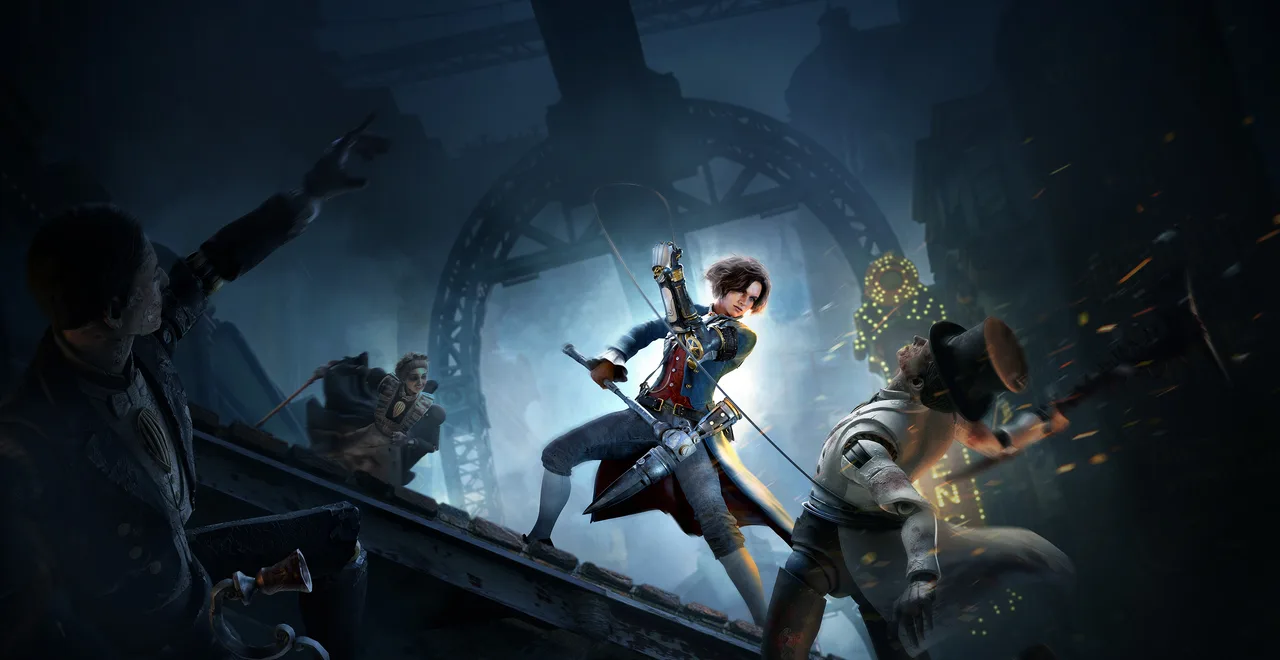
This could have been a joke. A Pinocchio soulslike sounds like the kind of pitch you laugh at before going back to whatever FromSoftware is doing. Instead, it turned into one of the cleanest non-From games in the whole genre. Krat is a great setting, all dead glamour and mechanical rot, and the combat has the right kind of weight to it. Parries land hard, blades feel dangerous, and the whole thing moves with more confidence than most first attempts at this style ever do.
It lands at six because it is a little too tidy to climb higher. That sounds harsh, but the top five all have either more personality, more depth, or more history on their side. Still, Lies of P is the best argument in years that a studio outside From can borrow the form and make something that feels like more than tribute.
5. Dark Souls III
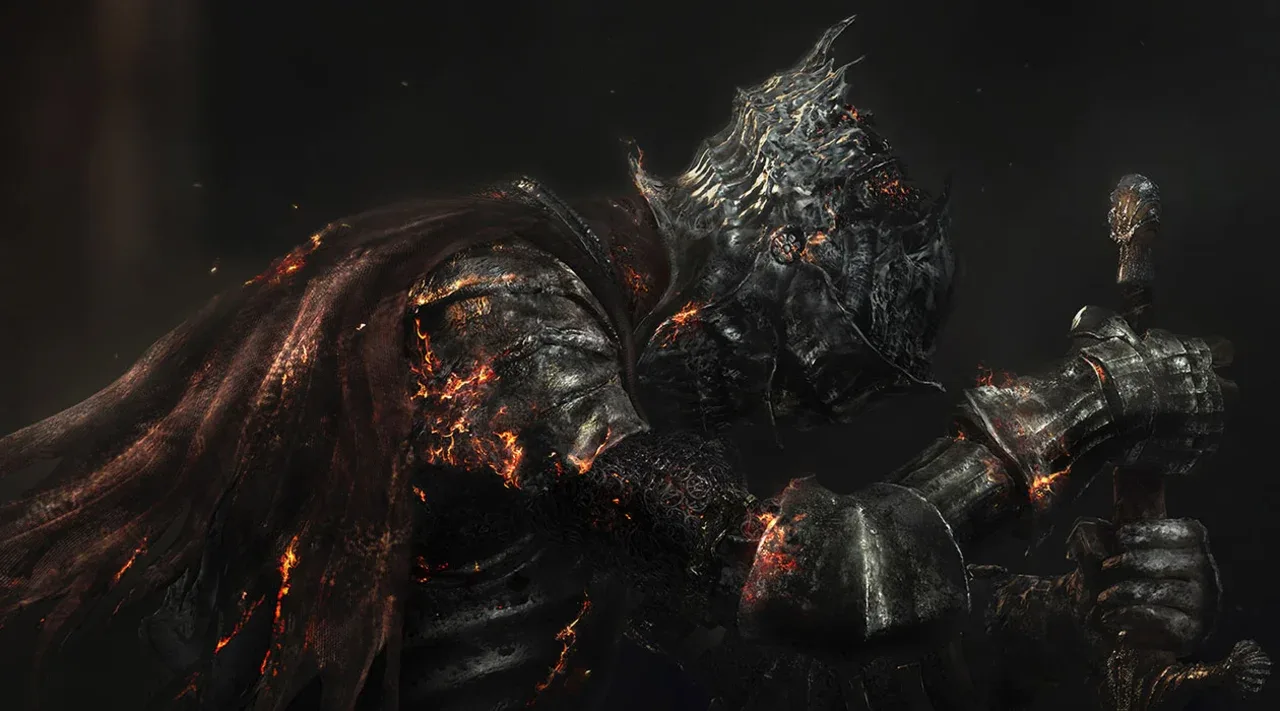
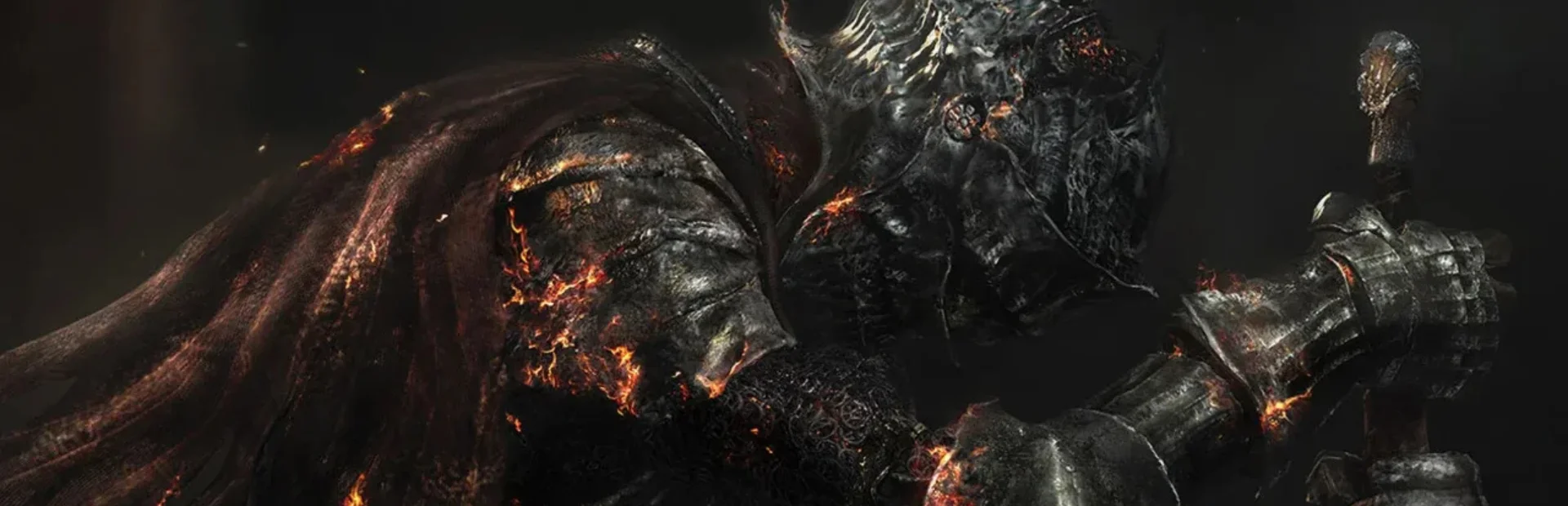
If someone asked for the safest possible recommendation, this would probably be it. Dark Souls III is the traditional Souls game trimmed down to a very reliable shape: strong bosses, stronger pacing, faster combat than the early entries, and a world that still knows how to feel ruined without becoming visually muddy. It does not have the most surprising map in the lineage, but it probably has the most consistently good run of fights. That counts for a lot in a genre people remember one boss at a time.
It ranks fifth because it is more refinement than revelation. It does the formula beautifully, but it does not change the conversation the way the four games above it do. That said, when people say they want a classic Souls experience, this is very often what they really mean.
4. Bloodborne
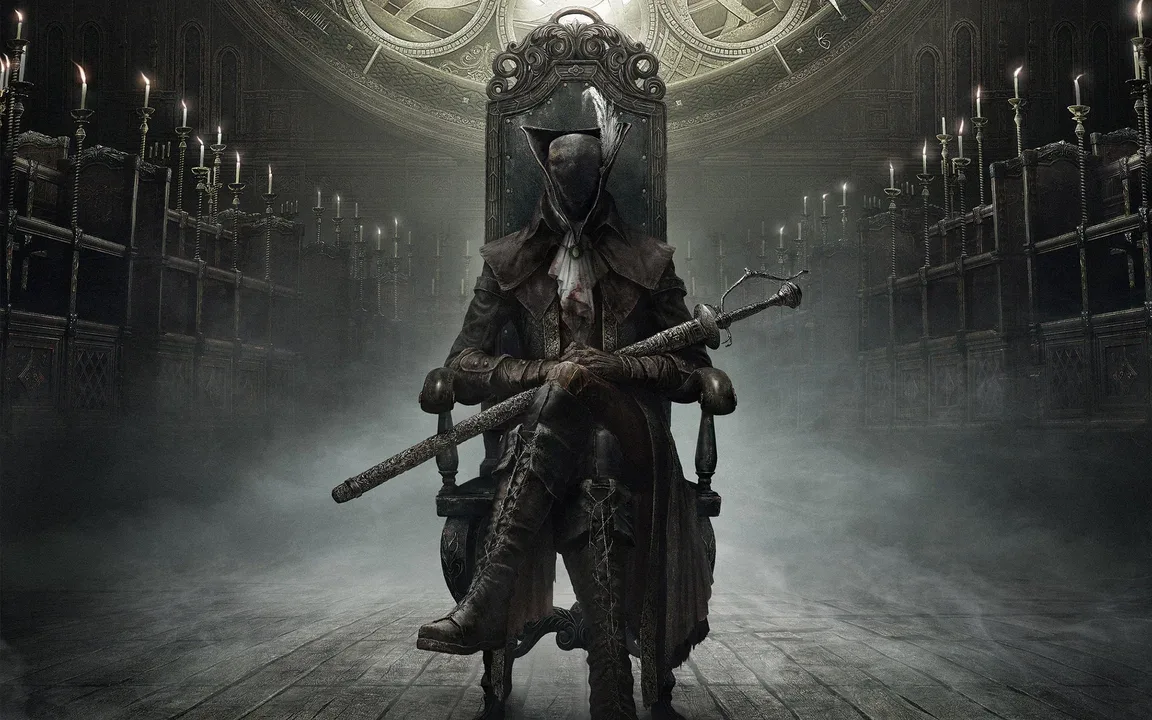
This is where the list gets a little nasty. Bloodborne is still one of the best examples of a game changing the feel of the entire genre just by asking you to play meaner. Yharnam remains a superb setting, all wet stone, plague panic, and collapsing faith, and the fight design pushes you forward in a way the shield-up caution of older Souls games never did. Guns, cleavers, transformed weapons, lunging beasts, and that constant sense that you should be attacking even when your nerves are telling you not to all give it a different temperature from everything below it.
It misses the podium mostly because time and hardware have trapped it a little. Even so, it is still the game most imitators chase when they want speed, horror, and aggression in the same bloodstream. Nothing else on the list looks or feels quite like it.
3. Nioh 2
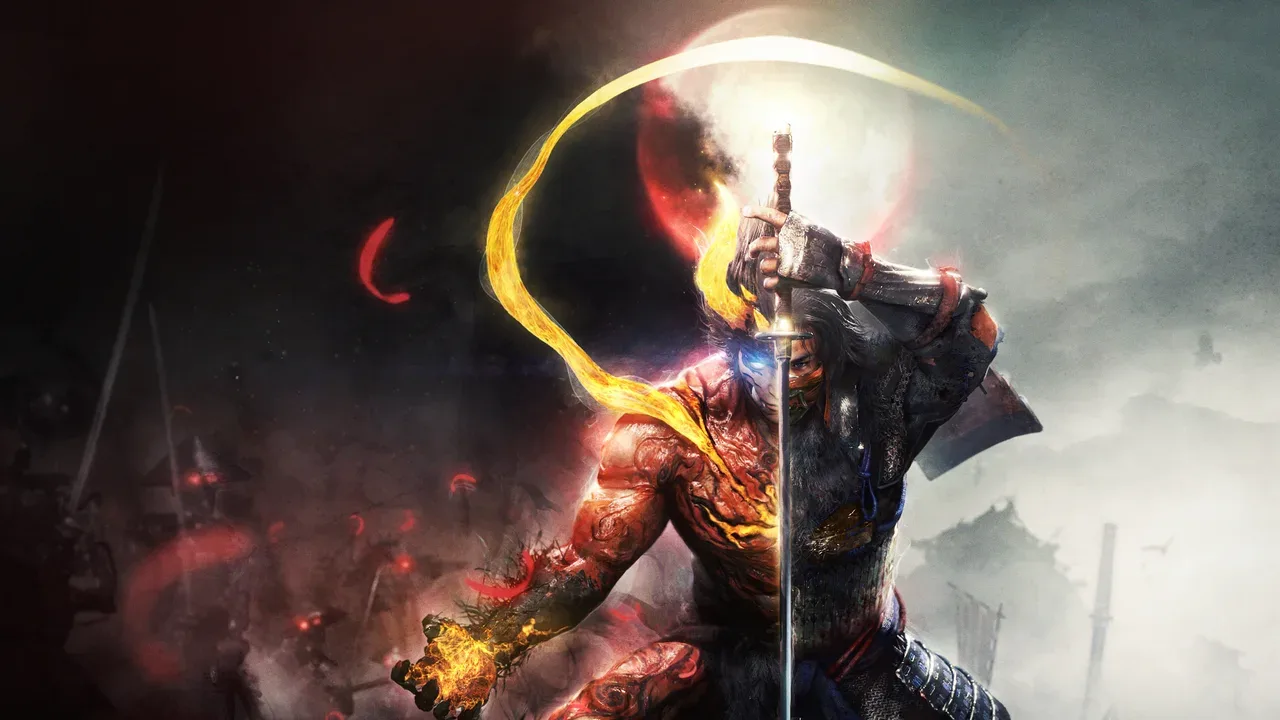
This is the systems-head pick. If you like the genre most when it starts looking like a toolbox rather than a shrine, Nioh 2 is the one. Character creation, yokai powers, stance changes, build complexity, skill trees, loot, and combat speed all stack on top of each other until the game starts feeling less like a pure Souls descendant and more like its own beautifully cruel branch of the family. It is not as immediately readable as the games above it, but that depth is exactly why people get obsessed with it.
It lands at three because it can be a lot. Menus, gear, and layered mechanics make it busier than the cleaner classics higher up. But once you actually understand what the game is asking of you, the combat ceiling is outrageous. Few Soulslikes give you this much room to become frighteningly good.
2. Sekiro: Shadows Die Twice
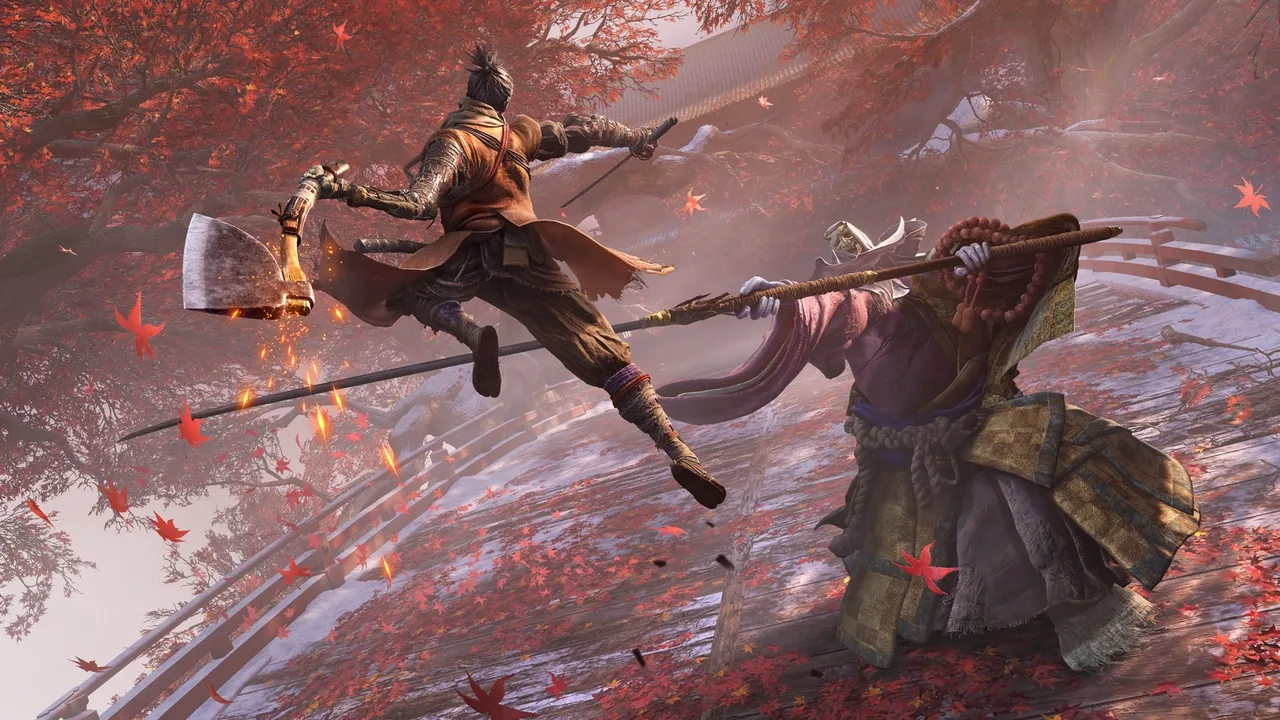
This is the sharpest combat exam on the list. Sekiro strips away most of the usual escape routes and replaces them with one brutal demand: learn the blade. The one-armed wolf setup gives it a more fixed identity than the build-heavy Souls games, and that focus is the whole reason it works. Deflections, posture breaks, prosthetic tools, quick vertical movement, and duels that feel like arguments rather than slugfests make it one of the most disciplined action games FromSoftware has ever made.
It does not take the top spot because it is less flexible as an RPG than the game above it. There is less room to solve problems your own way. But for pure combat quality, it is very hard to beat. When people talk about a boss teaching them how to play better, this is the game they usually mean.
1. Elden Ring
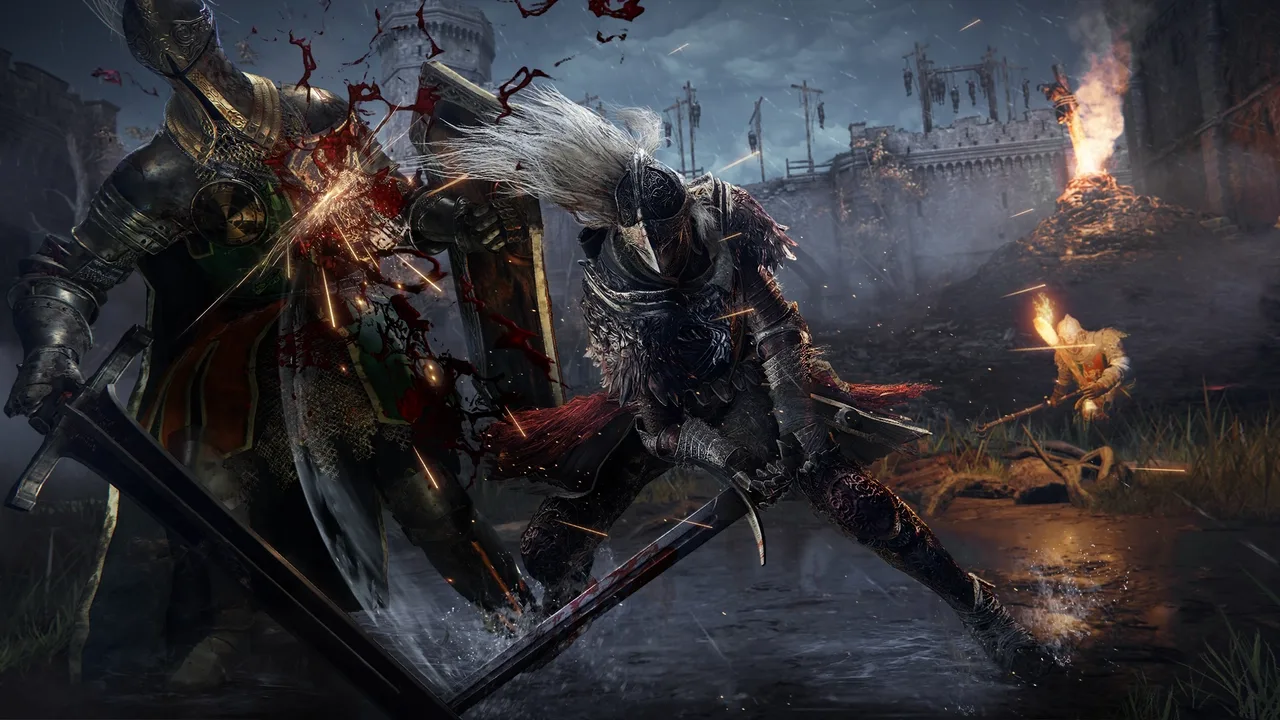
This is still the full package. Not the scariest, not the most focused, and not even the hardest once you know how many tools it gives you. Just the best overall Soulslike. The Lands Between are enormous, but more importantly they are built around curiosity. You see something odd on the horizon, ride toward it, and the game pays that instinct off again and again with dungeons, secrets, bosses, NPC lines, and new ways to build your character. The combat is broad enough to let you fight with blades, spells, bows, stealth, summons, or some ugly combination of all of them, which makes it feel wider than anything else here without ever losing the danger at the core.
That is why it stays at number one. Other games on this list do one thing better. Sekiro has tighter swordplay. Bloodborne has more nerve. Nioh 2 has denser systems. Elden Ring is the one that brings the most of the genre together and makes it all feel natural. It is huge without turning hollow, flexible without turning soft, and still one of the easiest games here to lose an entire week to.