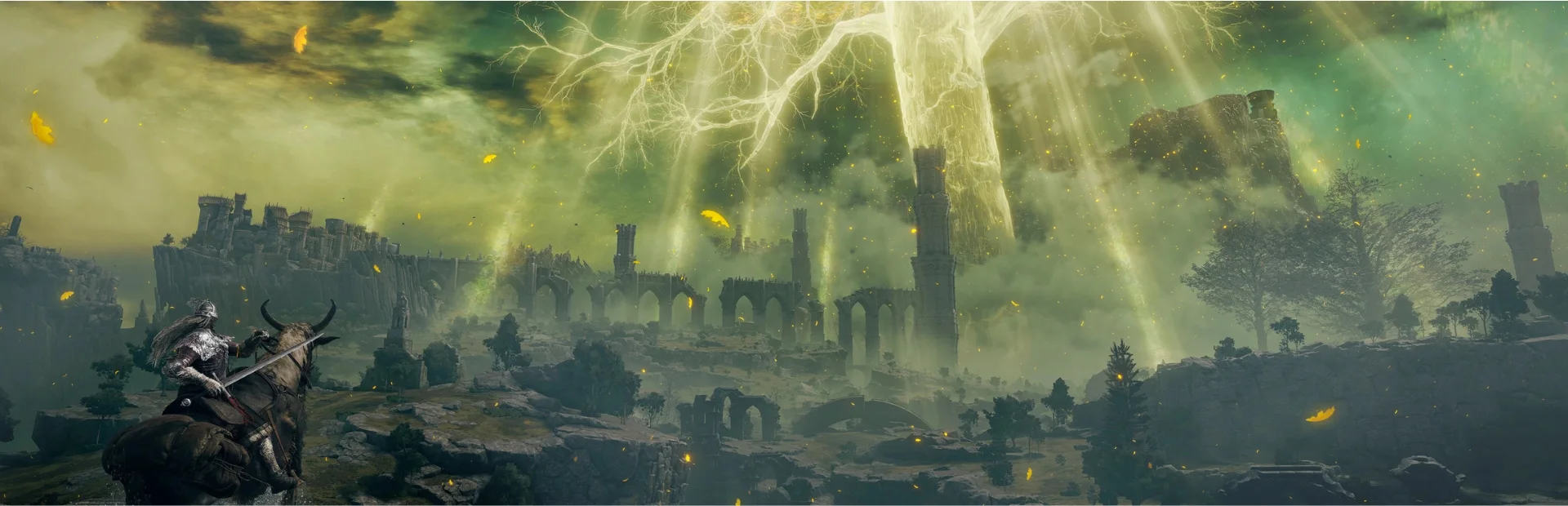
Credit: FromSoftware
reviewelden-ring
Elden Ring review: the open world that made me want to keep getting lost
April 15, 2026·Updated September 23, 2026·8 min read
Elden Ring arrived in February 2022 with a ridiculous amount of pressure on it. FromSoftware was taking the studio’s action-RPG formula and dropping it into a much bigger world, which sounded exciting on paper but also risky. I liked the idea of that change, but I was not fully sold on it until the game stopped trying to impress me and simply let me wander.
That is the point where it won me over. It is not great because it is huge. Plenty of games are huge. It is great because it knows how to make curiosity feel rewarding. I would head toward a ruined church, a cave entrance, a distant castle, or some shape on the horizon that looked slightly wrong, and half the time I would find something that changed the next few hours of the game. The other half, I would get flattened by something far stronger than me. Either way, I wanted to keep going.
Every fight asks for your full attention
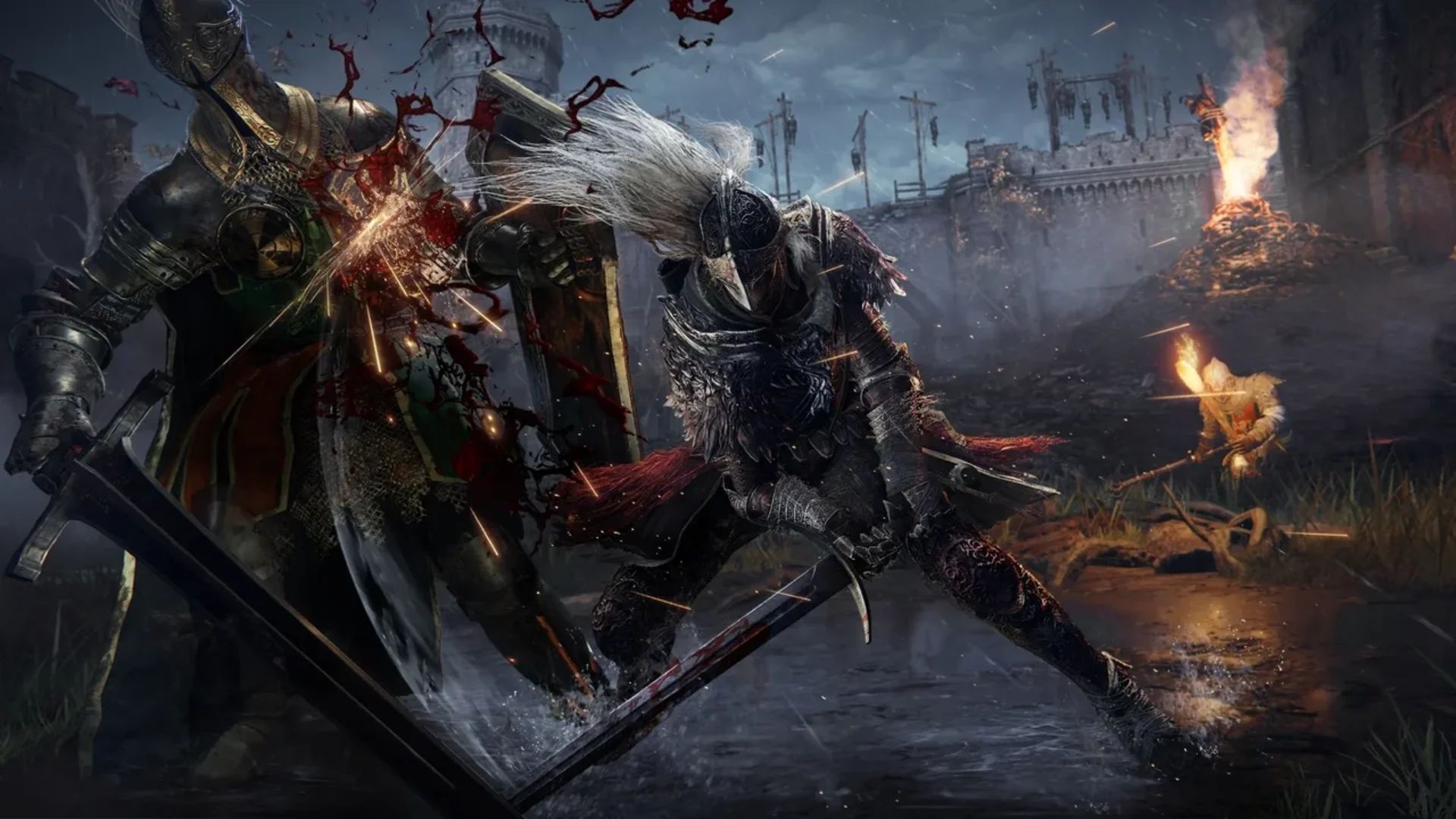
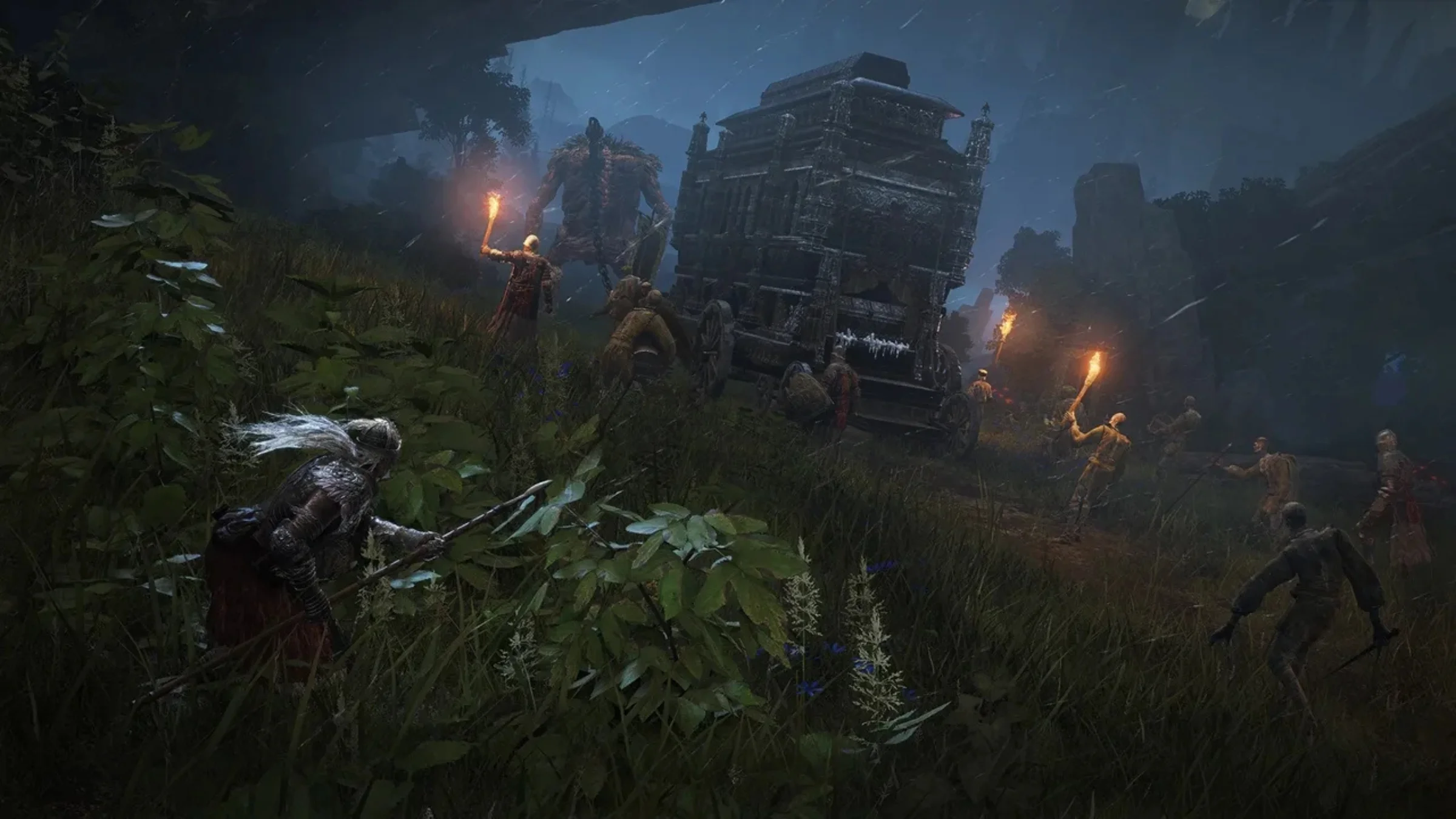
The first thing Elden Ring gets right is the same thing FromSoftware usually gets right. Combat has weight. Every swing matters. Every dodge has a cost. Every bad decision feels expensive. I never felt like I was sleepwalking through encounters, even once I had a build I liked, because the game keeps demanding timing, spacing, patience, and nerve.
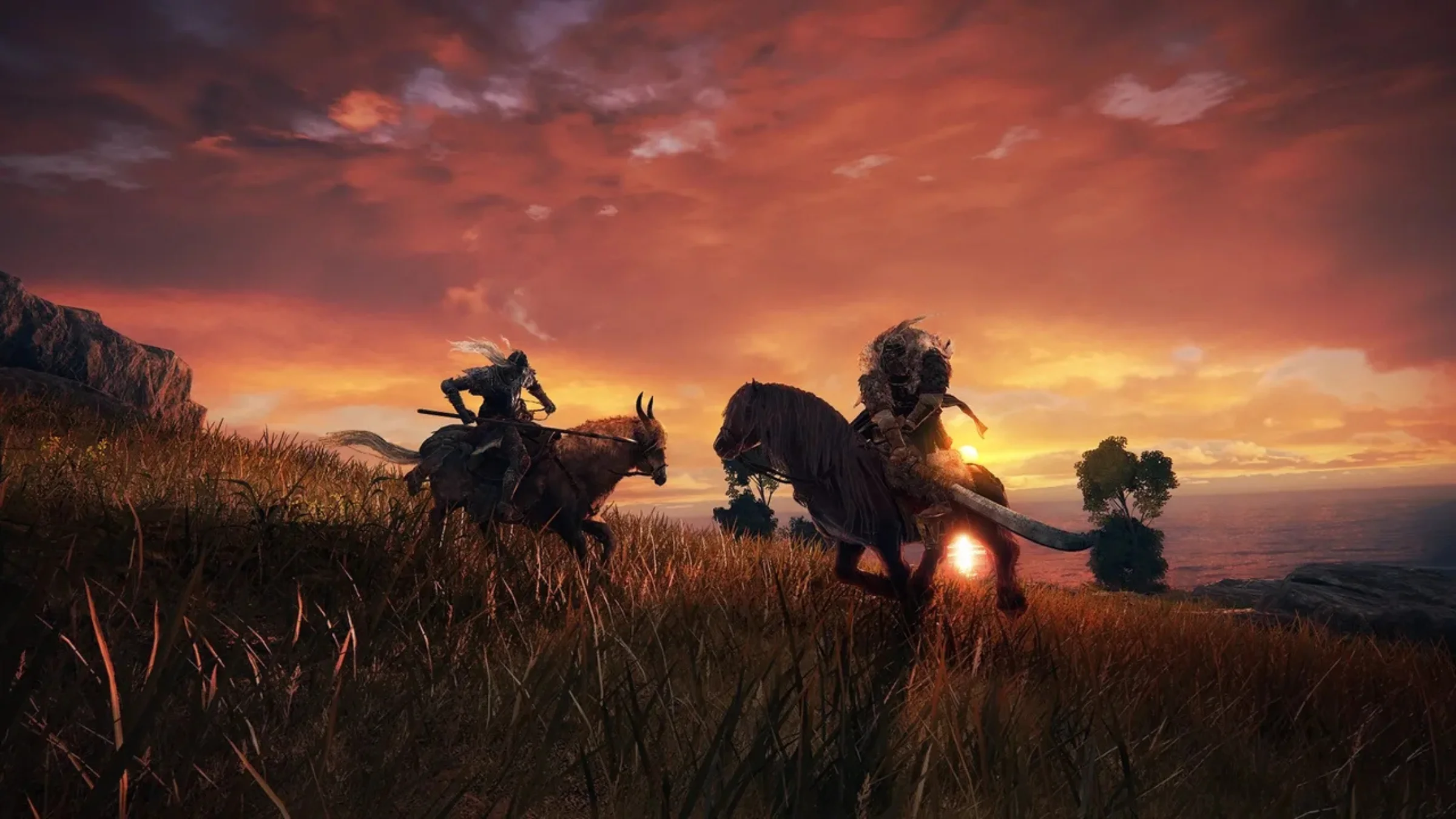
What I love about it is how flexible it feels without losing that pressure. You can stay close and trade hits, lean on magic, chip away at range, ride circles around enemies on horseback, or mix a few approaches together depending on what the game throws at you. That kept the combat alive for me over a very long stretch. I was not repeating one trick. I was adjusting constantly, sometimes because I wanted to, sometimes because the game had just embarrassed me and made it clear that my first idea was not going to work.
The boss fights are where everything comes together. When they work, they are thrilling because they start as chaos and slowly turn into something readable. At first I would panic-heal, mistime rolls, and feel like I was barely participating. Then the pattern would start to emerge. I would spot the pause after a combo, learn which attacks were bait, and finally feel the fight settle into my hands. That change from panic to control is still one of the best feelings in the genre. Not every boss is a winner, and some later ones push too hard on speed and pressure, but the good ones stayed with me long after I put the controller down.
I stayed for the wandering, not the checklist
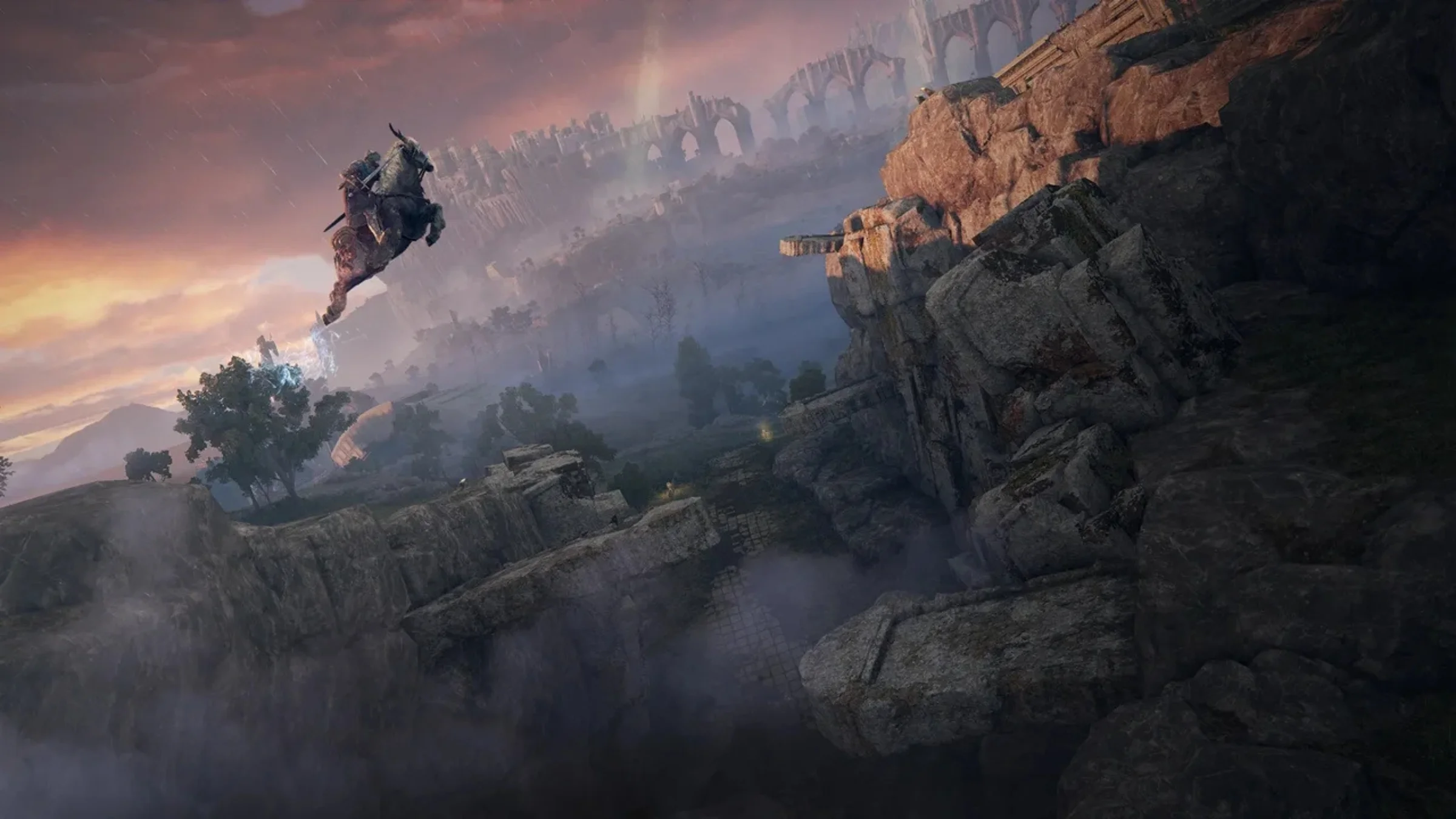
What stayed with me most was not one weapon or one boss. It was the feeling of heading in the wrong direction and finding something worth seeing anyway.
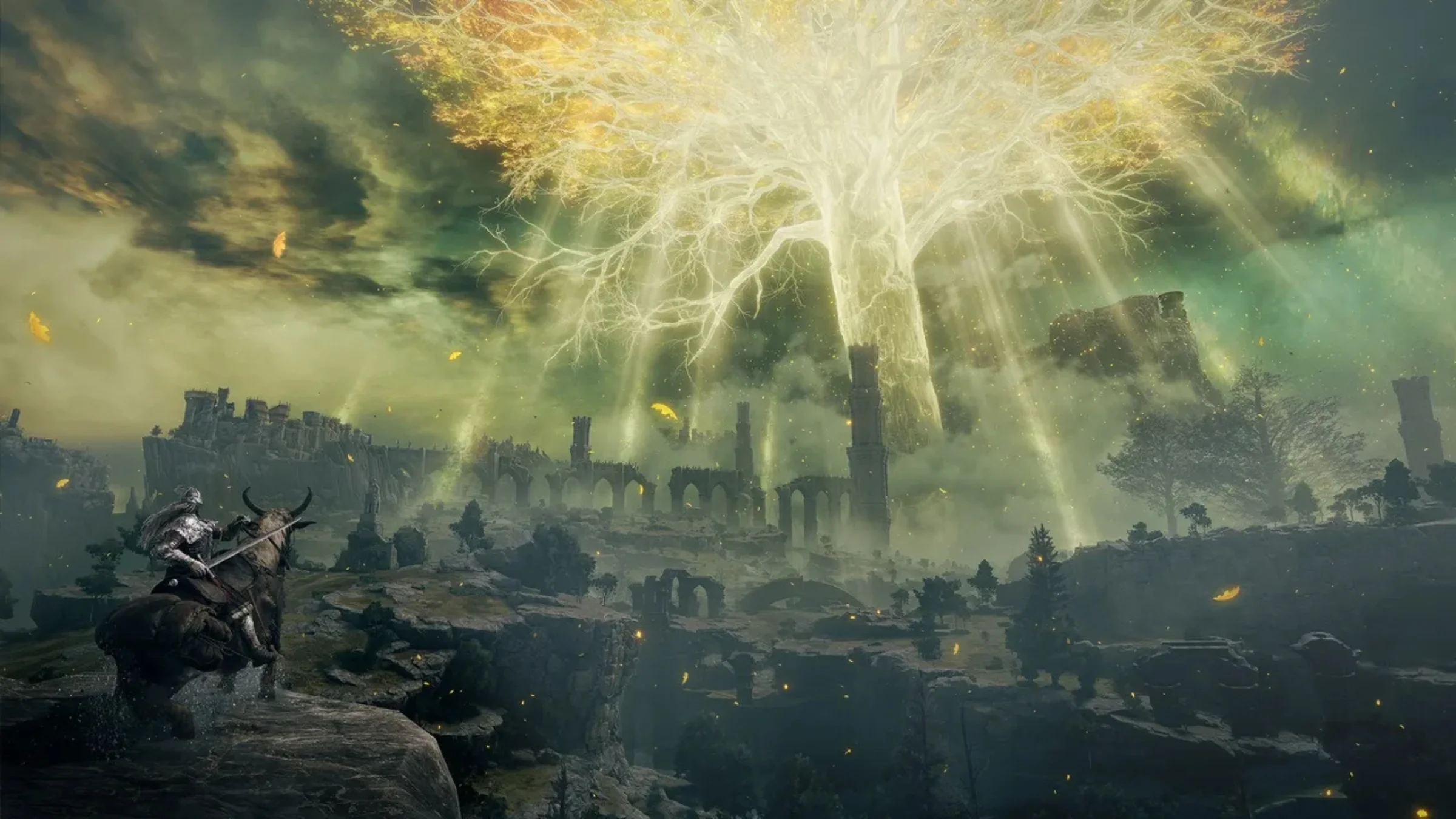
A lot of open-world games are terrified that players might miss something, so they fill maps with markers and instructions until exploration starts to feel like office work. Elden Ring is much better than that. It lets silence do some of the work. It lets weird shapes on the landscape pull you in. It lets you make bad decisions and live with them. I would ride out toward a hill or a shoreline with no real plan and come back an hour later with a new spell, a better weapon, a shortcut, or a painful lesson about where I definitely did not belong yet.
That design gives the world real momentum. I would enter a new area and immediately start asking questions. What is that tower doing there? Why does that forest look hostile before anything has even moved? Is that building empty, or is there something inside waiting to ruin my evening? Elden Ring understands the pleasure of suspicion. It knows how to make the landscape itself feel like an invitation.
It also helps that the big locations are worth the build-up. The open fields and roads pull you forward, but the castles, academies, and major dungeons are what really give the adventure its shape. Those spaces feel dense, deliberate, and dangerous in a way that reminded me why FromSoftware’s level design still lands so well. You spend time roaming, building confidence, and then finally step into a place that tightens the screws and asks you to earn every room. That contrast is a huge part of why the game works.
The magic fades a little once the repeats start showing
For a long stretch, Elden Ring feels almost unstoppable. Then the repetition starts to show.
This is where I have to be honest. The open structure gives the game a lot of energy, but it also means you start to notice reused ideas more often than you would in a tighter experience. Some side dungeons blur together. Some bosses come back too often. Some later stretches feel less carefully built than the best early ones. I still wanted to keep playing, but I was no longer feeling that same jolt every time I found a new path. I was more aware of the seams.
The side quests can also test your patience. I understand why some players love how little the game explains. There is a thrill in piecing things together on your own. But there is a line between mysterious and awkward, and Elden Ring crosses it now and then. Some questlines are easy to lose, not because they are clever, but because the game gives you so little to hold onto. When everything clicks, that restraint feels elegant. When it does not, it can feel like the game is wasting your time.
I admired the world before I connected with it
I do not think Elden Ring is the kind of game you play for a clean, direct story. I played it for mood, for fragments, and for the sense that every ruined place had a past even if the game never laid it all out neatly. That approach worked for me more often than not. I liked the way it trusted me to pick up pieces for myself. I liked that it did not keep dragging me into long cutscenes just to explain what I was meant to feel.
At the same time, I would not pretend it pulled me through on drama alone. I admired the world before I felt attached to it. I was interested before I was invested. That is an important difference. If you want a story that grabs you by the collar and drives you forward scene by scene, Elden Ring may feel distant. If you are happy to soak in a place, chase lore where you can find it, and let the atmosphere do a lot of the heavy lifting, there is plenty here to get lost in.
The rough edges never disappear, but neither did my urge to go back
Even at its best, Elden Ring can be annoying in ways that feel very familiar. The camera can turn a tight fight into a mess. Some late-game difficulty spikes feel more exhausting than exciting. The co-op systems are fussier than they should be. On PC in particular, performance complaints at launch were real enough that Bandai Namco publicly acknowledged them, and reports of stuttering and uneven performance were part of the early conversation around the game.
But that is also why the final verdict is easy for me. I never stopped wanting to go back. Even when the game irritated me, it still had that rare ability to make the next hill, the next ruin, or the next boss feel worth one more try. That pull matters more than polish. A flawless game can still be forgettable. Elden Ring is not flawless at all, and I do not think many people will forget it.
Elden Ring is an easy recommendation for players who want challenge, freedom, and the thrill of finding their own path through a world that does not hand them easy answers. It is less convincing for anyone who wants tight pacing, clear quest direction, or a smoother relationship with difficulty. Those problems are real, and I would not try to dress them up as charm.
Still, if you have ever wanted an open-world game that trusts you to get lost, trusts you to make mistakes, and trusts you to figure things out on your own, this is one of the best examples of it. Its rough edges are real, but so is the sense of adventure, and that feeling carries it a very long way.
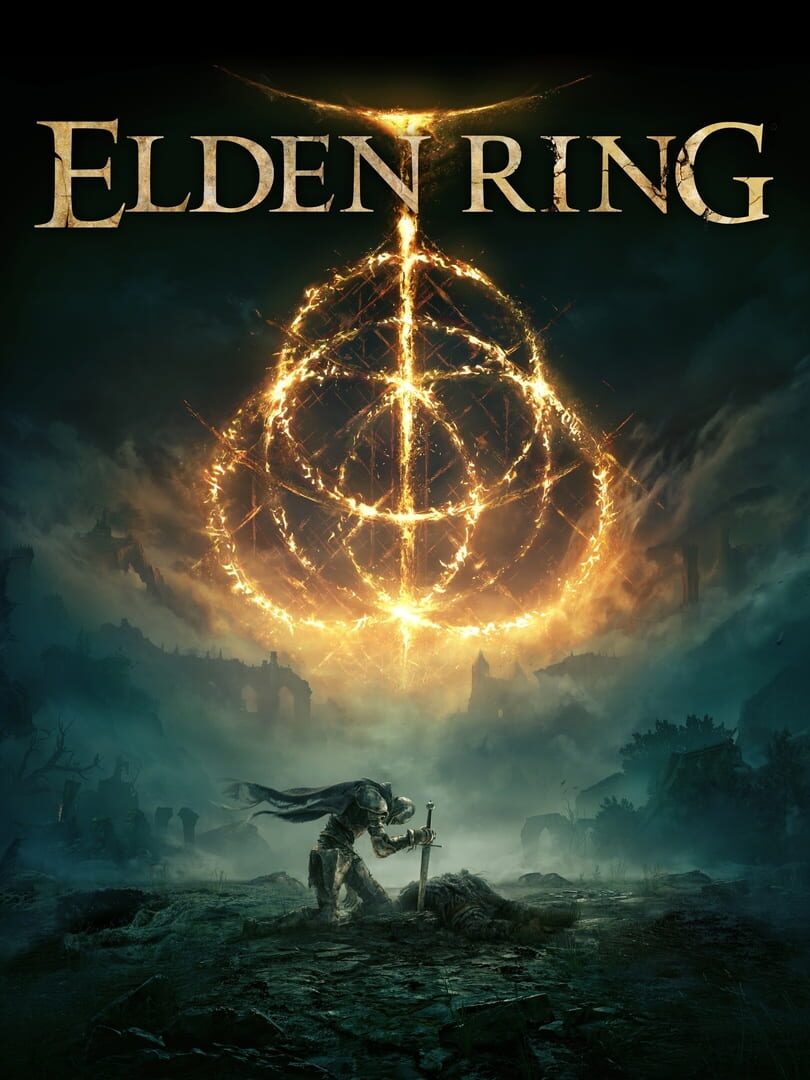
Elden Ring is an action RPG developed by FromSoftware and published by Bandai Namco Entertainment, released in February 2022. Directed by Hidetaka Miyazaki, with world-building contributions from novelist George R. R. Martin, the game features an expansive open world called the L
Released
February 25, 2022
Developer
FromSoftware
Publisher
Bandai Namco Entertainment
Systems


Tagged In
Elden RingFromsoftware
Discussion
0We want to hear from you. Share your perspective in the comments below, and please keep the conversation respectful.
Log in to join the discussion - vote, reply, and share your take.
Log In