

Credit: Konami / Virtuos / PlatinumGames
reviewReview
Metal Gear Solid Delta is faithful to a fault
May 28, 2026·7 min read
Metal Gear Solid Delta: Snake Eater is a strange kind of remake. It looks expensive, plays more smoothly, and brings one of the best stealth games ever made into a form that feels easier to approach now. At the same time, it refuses to truly rethink the original. The result is not a bold reinterpretation or a modern rebuild. It is Metal Gear Solid 3 with cleaner controls, richer environments, and almost all of its old habits left in place.
That is both the appeal and the problem. Snake Eater remains a brilliant game under the new lighting. Its Cold War spy story still has style, sadness, humor, and confidence. Its jungle survival systems still give stealth a physical texture that most games never touch. But Delta also reminds me how odd, clumsy, and stubborn the original could be. I loved returning to this mission, but I kept wondering whether this remake was too careful to fully justify itself.
The jungle looks better than ever
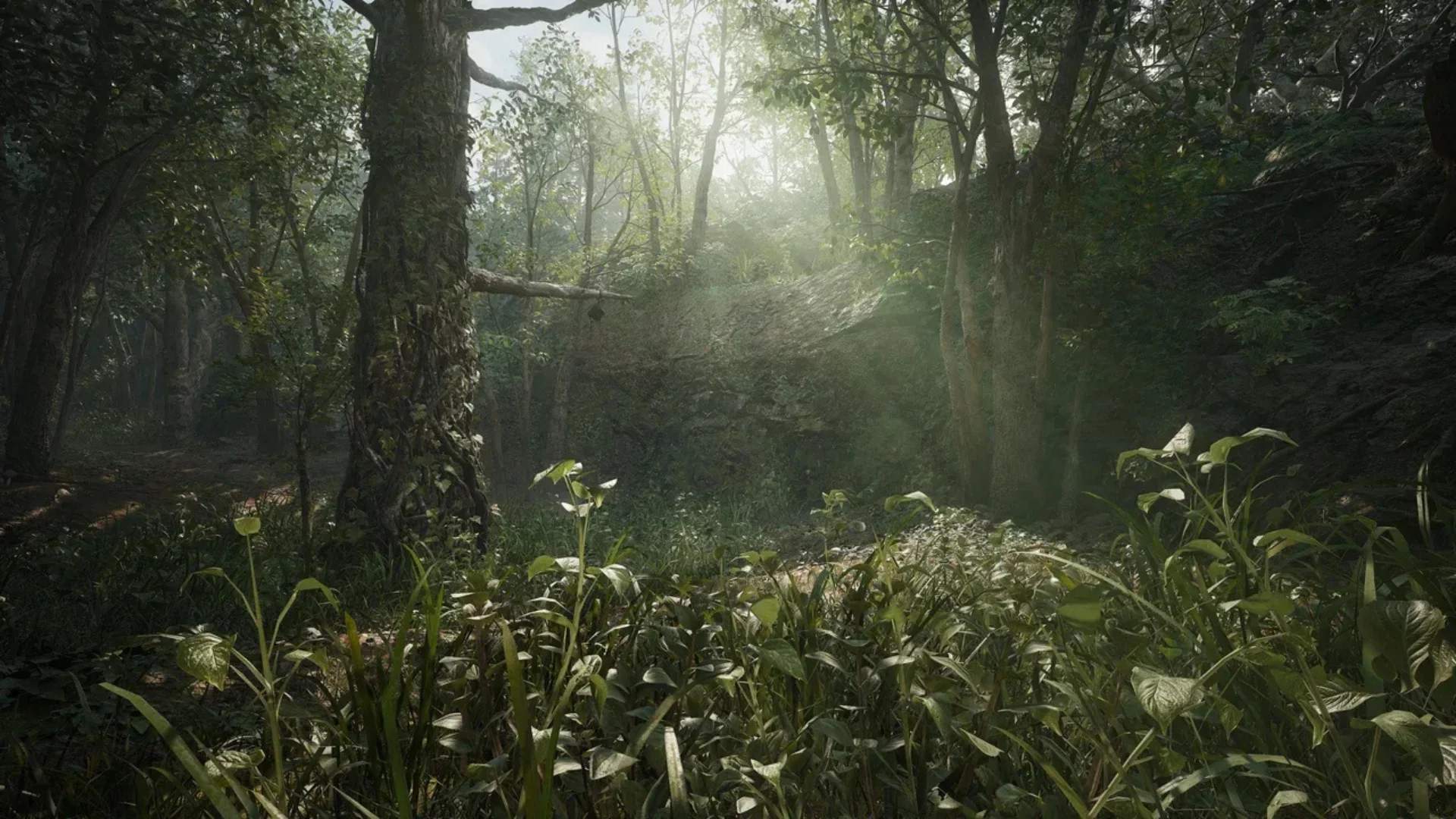
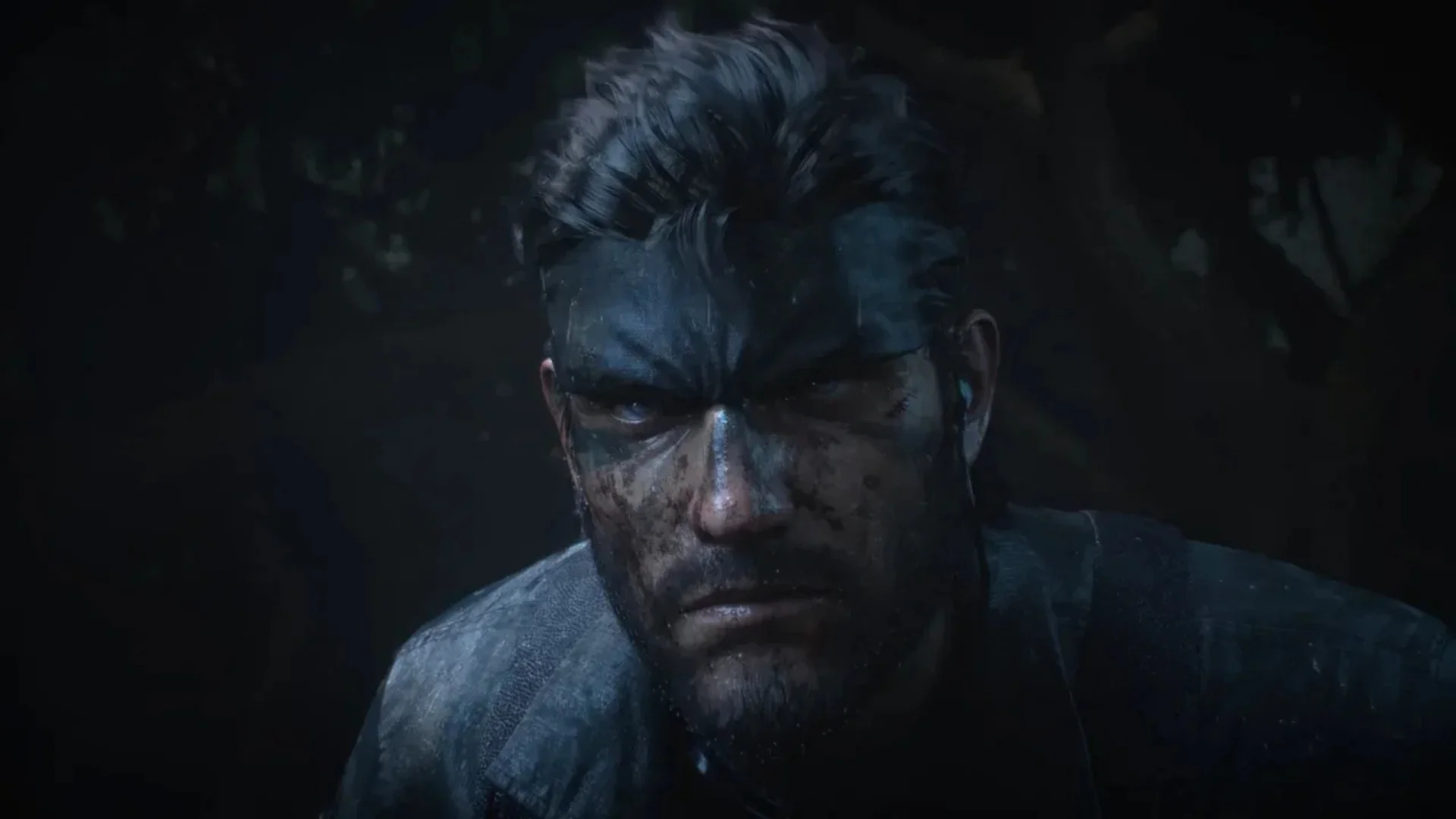
The most obvious change is visual, and it is hard to ignore. Delta makes the jungle feel dense, wet, and dangerous in a way the original could only suggest. Grass catches the light. Mud sticks to Snake. Rain, darkness, and foliage change the mood of each area. The old environments are still compact, but the extra detail gives them a stronger sense of place.
This new fidelity helps the survival fantasy. Snake looks worn down by the mission, and the jungle feels less like a backdrop than a place pressing against him. Crawling through grass, hiding near water, or moving through a base at night has more atmosphere now. The remake understands that Snake Eater is not just about stealth. It is about being alone in hostile ground with limited comfort and no clean way forward.
The tradeoff is that the old structure is still very visible underneath the new surface. Areas are smaller than they look. Loading breaks still remind me that this was once a PlayStation 2 game built around tight spaces. The jungle is beautiful, but it is not suddenly seamless or modern in the way some players may expect from a full remake.

The controls make a classic easier to return to
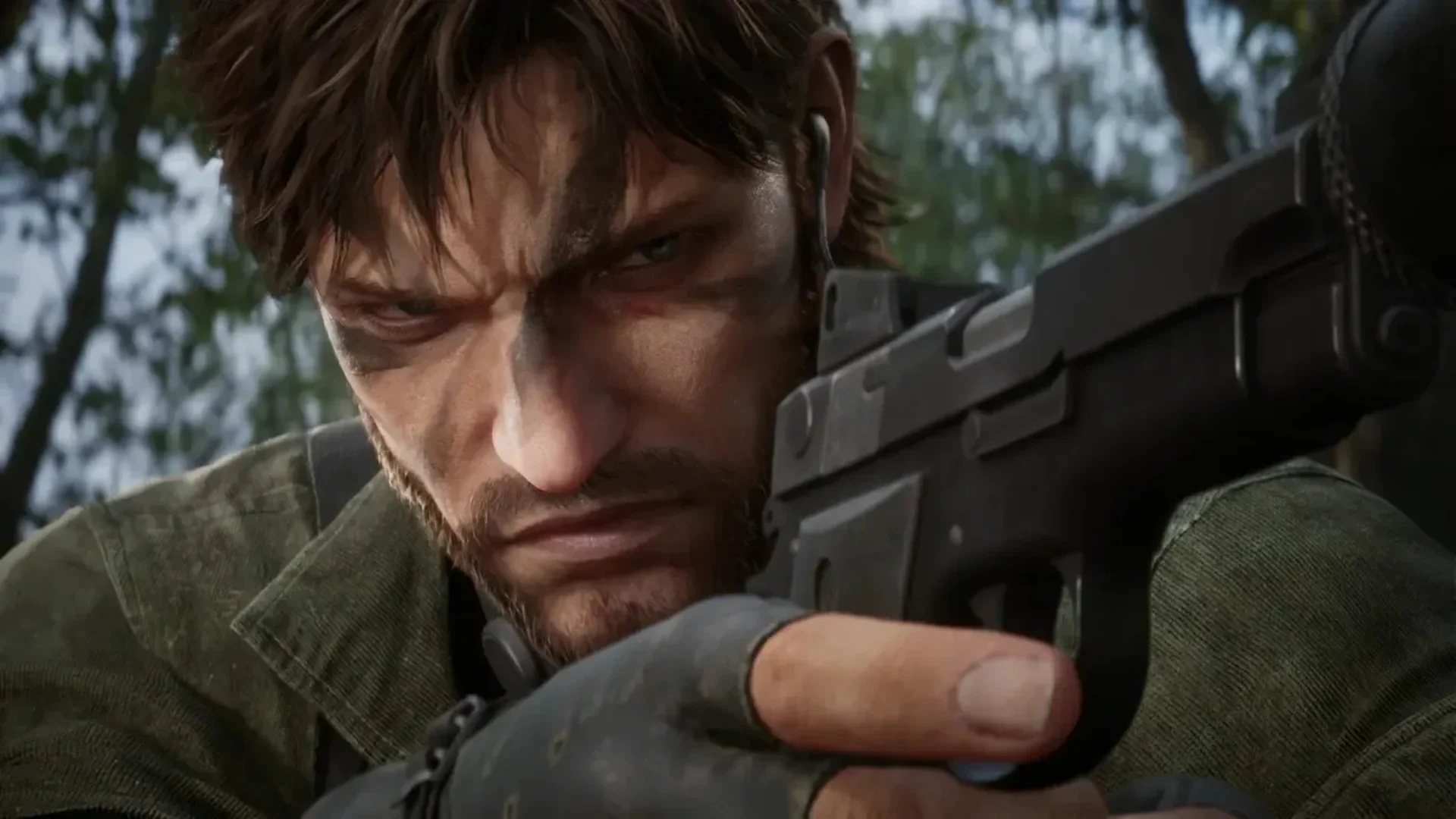
The modern control scheme is the remake’s most useful improvement. Moving, aiming, and handling encounters feels more natural than it did in the original release. I did not feel like I was constantly wrestling the game just to make Snake do something simple. For returning players, that alone makes Delta a much easier replay.
The new camera also changes the feel of stealth. Being able to read the space more comfortably makes patrols, cover, and sightlines easier to understand. It does not turn Snake Eater into a modern action game, but it removes some of the old friction that came from the interface rather than the design itself. That matters in a game where patience and observation are supposed to be the challenge.
Still, the remake cannot smooth everything out. Some encounters still feel awkward. Some systems still behave in ways that make sense only if you already know the game’s older logic. Delta is more comfortable than Metal Gear Solid 3, but it is not fully modern. It is an old game with better posture, not a new game built from the ground up.
The survival systems still give the mission its identity
Snake Eater remains special because stealth is tied to the body. Snake gets hungry. He gets hurt. He changes camouflage. He treats wounds. He eats what he can find. These systems can be clunky, but they give the mission a texture that pure stealth games often lack. I am not just avoiding guards. I am managing a man slowly being worn down by the jungle.
That physical detail still gives Delta its strongest identity. Changing camouflage to suit the environment, stopping to recover, and thinking about stamina makes the mission feel personal. It also creates a slower rhythm between bigger moments. The game is not always rushing me toward the next cutscene or boss. It gives me time to feel the discomfort of the place.
Some of these systems are more interesting in idea than in practice. The menus can interrupt the pace, and healing still feels more like a ritual than a deep mechanic. But I would rather have that oddness than lose it completely. Delta is at its best when it preserves the strange, specific texture that made Snake Eater feel different from everything around it.
Related Article
newsBreaking
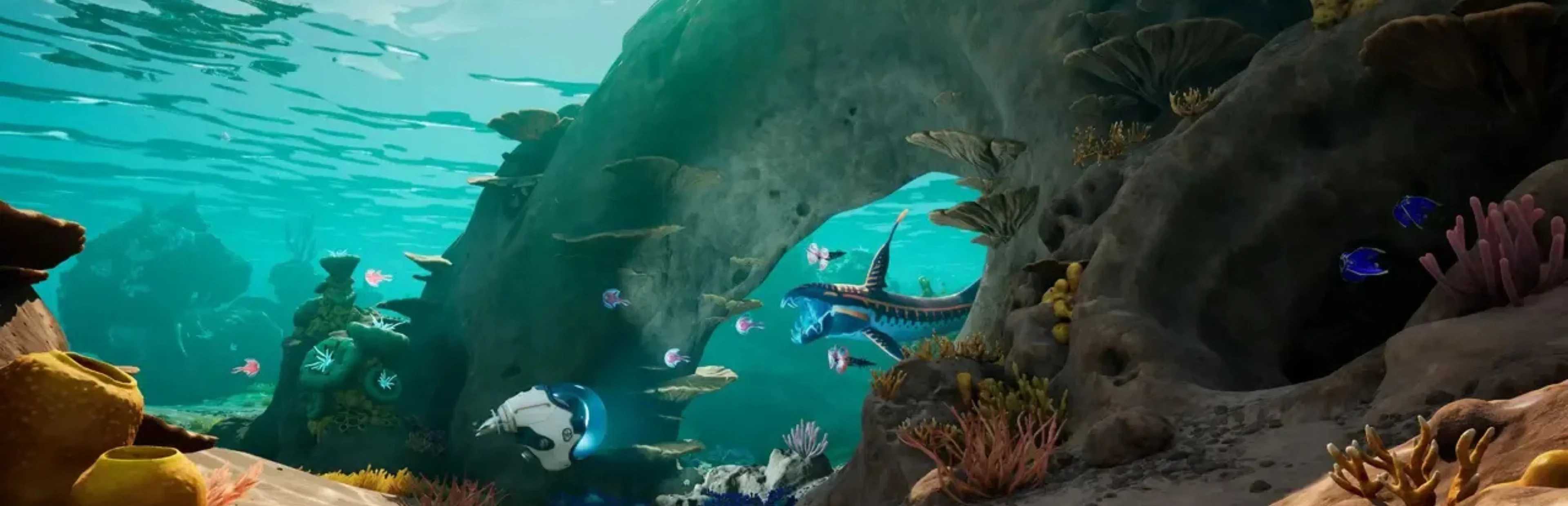
Subnautica 2 sells 2 million copies in 12 hours as early access takes off
May 18, 20263 min read
The story has not lost its power

The story is still the heart of the game. Metal Gear Solid 3 works because it mixes spy fiction, melodrama, political paranoia, and absurd humor without apologizing for any of it. It can be serious one moment and ridiculous the next, yet the emotional line between Snake and The Boss still lands.
That is where the remake’s restraint helps. The performances, scenes, and pacing are mostly left intact, and the story does not need a dramatic rewrite to work. The extra visual detail gives some scenes more weight, especially when the mission starts to grind Snake down. The familiar cast also benefits from the cleaner presentation, even when the writing remains proudly theatrical.
There are still moments where the old style may test new players. The cutscenes are long, the tone can swing hard, and the game has no interest in being subtle all the time. But that is part of what makes Snake Eater memorable. It is not a quiet, tasteful spy story. It is strange, sincere, and completely committed to itself.
The remake plays it very safe
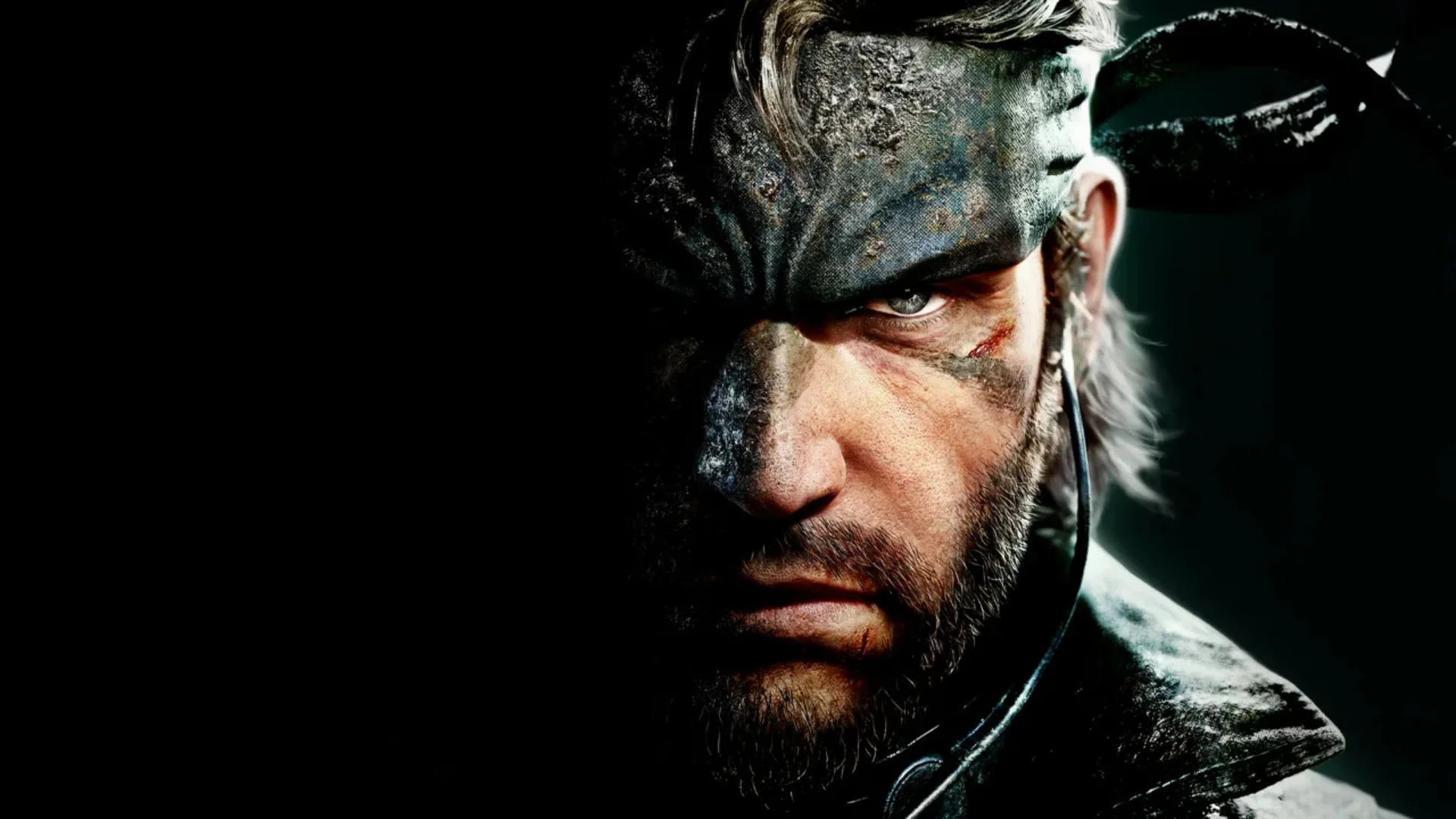
The biggest weakness of Delta is also its clearest design choice. It is extremely faithful. That faithfulness protects the original, but it also limits what the remake can become. There are no major structural changes, no bold reinterpretations, and no real attempt to ask what Snake Eater would look like if designed fresh today.
I understand the caution. A more aggressive remake could easily have broken the tone, pacing, or design that made the original work. But the safe approach leaves Delta in an awkward place. It is clearly the best-looking and most comfortable version of Snake Eater, yet returning players may feel like they are paying for a version of a game they already know almost scene for scene.
New players may also feel the age more than expected. The presentation says modern blockbuster, but the mission design still speaks an older language. That clash is not always bad, but it is noticeable. Delta preserves a masterpiece, but it rarely adds a strong argument of its own beyond preservation.
Metal Gear Solid Delta is still worth playing
Metal Gear Solid Delta: Snake Eater is easy to recommend to anyone who has never played Snake Eater or wants the cleanest way to revisit it. The story remains excellent, the survival stealth still has character, and the visual upgrade gives the jungle a new force. Even with its old quirks, this is still one of the best missions in the series.
For returning players, the recommendation depends on what they want from a remake. If the goal is a faithful, polished return, Delta delivers. If the hope was for a bolder reimagining, it may feel too cautious. I enjoyed it because Snake Eater is still brilliant, not because Delta changes how I think about it. This is a careful remake of a great game, and sometimes that is enough. Not always, but here, just enough.
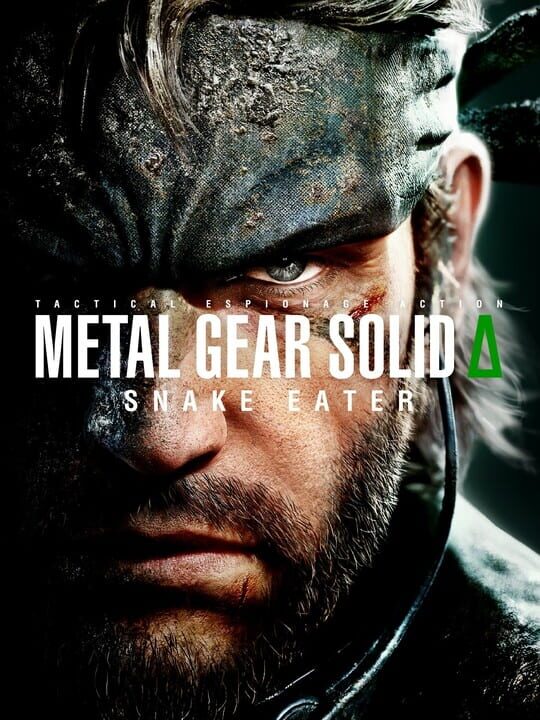
Metal Gear Solid Delta: Snake Eater
Xbox Series X|SPC (Microsoft Windows)PlayStation 5
Released
August 28, 2025
Developer
Konami Digital Entertainment
Publisher
Konami
Systems
Xbox Series X|S
PC (Microsoft Windows)
PlayStation 5