
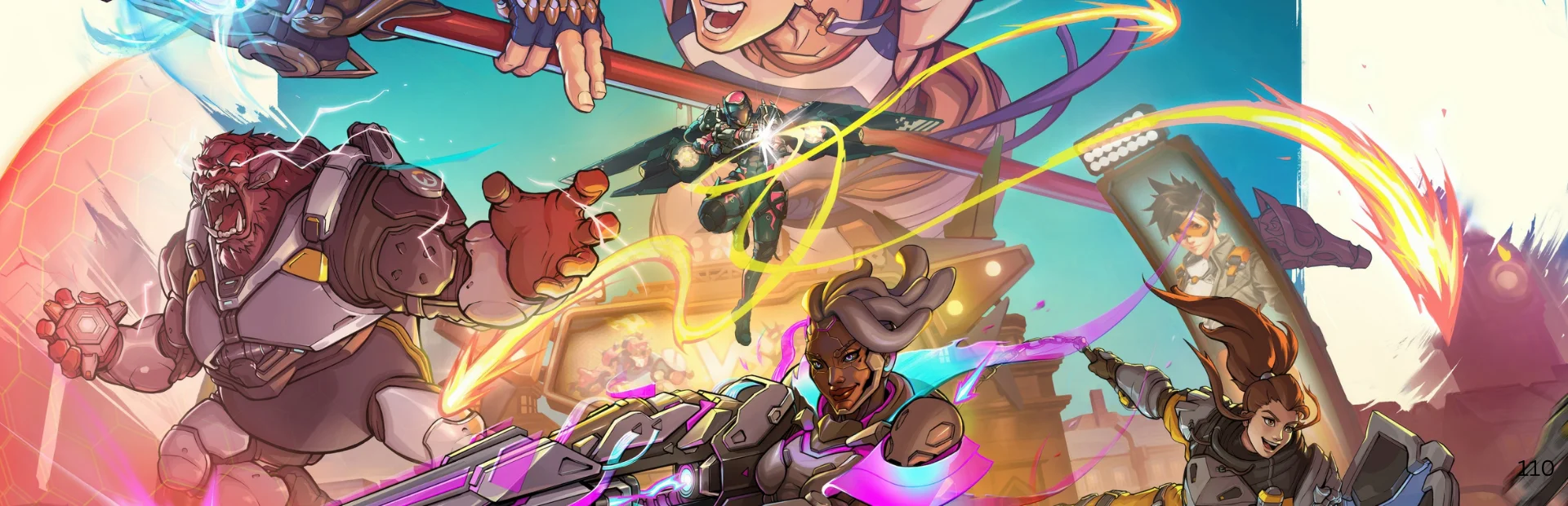
Credit: Overwatch Stadium artwork shows heroes in a bright action scene for a feature on the mode’s first year.
esportsEsportsoverwatch-2
Overwatch Stadium has had a messy first year, but it gave the game something it needed
June 4, 2026·3 min read
Overwatch Stadium could have felt like another mode players tried for a week and forgot. Instead, it became one of the few recent Overwatch 2 additions that actually changed how people think about the game. A year later, Stadium is still rough, still divisive, and still one of Blizzard’s most interesting ideas.
The mode works because it does not simply ask players to win another objective fight. It lets heroes grow across rounds, pushes players into build choices, and gives matches a sense of momentum that normal Overwatch does not have.
Stadium made old heroes feel different again
The best part of Stadium is how it changes familiar characters without replacing them. Players still recognize their heroes, but upgrades can push them into stranger and more personal builds.
That gives matches a different rhythm. A weak opening round does not always decide everything, and a smart upgrade path can slowly turn a hero into a real problem for the enemy team.
That kind of progression is exactly what made Stadium stand out. It gave players a reason to experiment instead of only chasing the safest meta pick.
Related Article
esportsEsports
Overwatch is making its rarest anniversary reward easier to earn
Jun 4, 20263 min read
The limited roster still holds it back
The biggest frustration is the hero pool. Stadium cannot add everyone at once because every character needs custom powers, upgrades, and balance work. That makes sense from a development side, but it still leaves some players waiting for their favorites.
The roster debate also shows what Blizzard has to balance. Older heroes are important because they define Overwatch. Newer heroes often have kits that fit Stadium’s upgrade system better.
If Blizzard only adds the safest choices, Stadium risks feeling predictable. If it ignores fan favorites for too long, players will lose patience.
Balance is always going to be tricky
Stadiums are fun because it lets heroes bend the rules, but that also makes balance harder. A strong upgrade can turn into a problem fast when it stacks with round economy and team strategy.
That does not mean Blizzard should sand everything down. The stadium should feel a little wild. The whole appeal is watching heroes become stronger, stranger, and harder to deal with as a match goes on.
Players should lose because the other team built smarter or played better, not because one upgrade path feels impossible to answer.
The second year needs a clearer direction
The stadium has proved it can work. Now Blizzard has to make it feel more complete.
That means a steadier hero rollout, better onboarding for new players, sharper balance updates, and more reasons to keep returning beyond the novelty of the mode itself.
After one year, Stadium is not perfect, but it gave Overwatch 2 something valuable: a place where Blizzard can take bigger risks without breaking the main game. If the next year builds on that, Stadium could become more than a side mode. It could become the part of Overwatch where the game feels most willing to change

Overwatch
fps---shooters
Released
August 10, 2023
Developer
Blizzard Entertainment
Publisher
Blizzard Entertainment
Systems
Xbox Series X|S
PlayStation 4
Nintendo Switch 2
PC (Microsoft Windows)
PlayStation 5
Xbox One
Nintendo Switch
Tagged In
overwatchstadiumblizzard