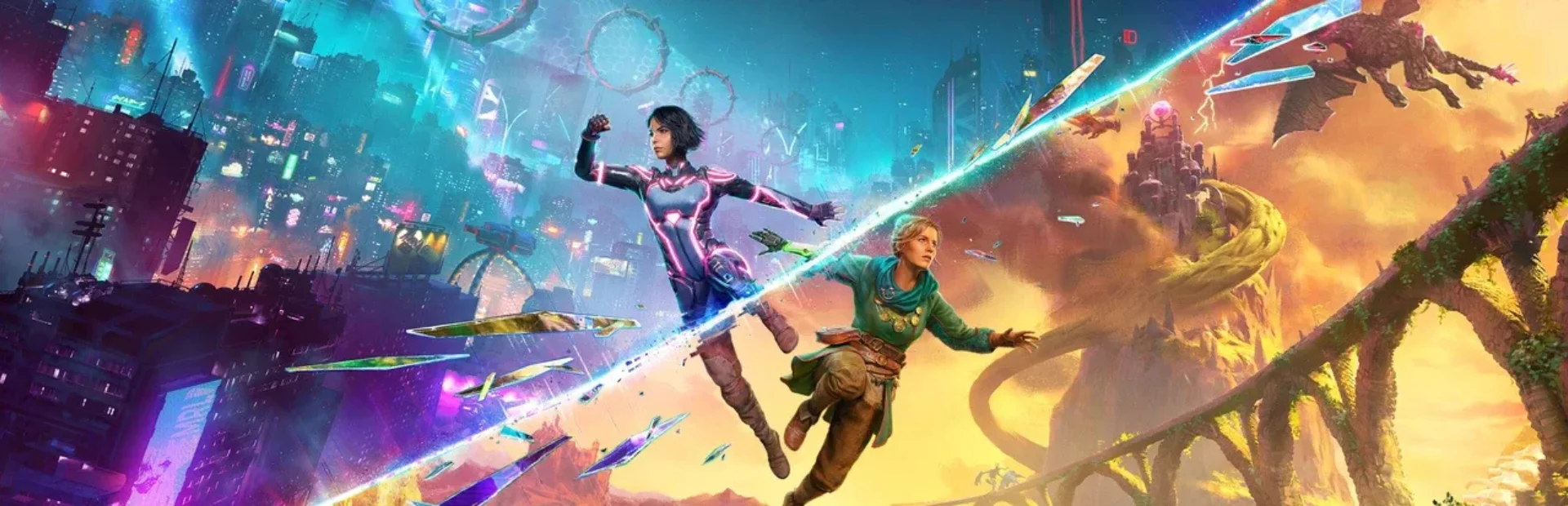
Credit: Hazelight Studios
reviewReview
Split Fiction is a brilliant co-op adventure with a weaker story
May 26, 2026·7 min read
Split Fiction is at its best when two people are barely holding a plan together. One player is shouting about timing, the other is trying not to miss a jump, and the game is already preparing to throw both of them into a completely different idea before the last one has settled. It is messy in the right way. It understands that co-op is not just about solving puzzles together. It is about shared panic, bad calls, quick recoveries, and laughing when both players know exactly whose fault it was.
Hazelight’s follow-up to It Takes Two is bigger, faster, and more visually confident. It also has some of the same weaknesses. The story wants to say something about creativity, ownership, friendship, and the way people hide inside the worlds they create, but the writing is rarely as sharp as the design. I did not come away caring deeply about Mio and Zoe as characters. I did come away convinced that Split Fiction is one of the strongest co-op games around when it lets play do the talking.
Related Article
featureFeature
The best couch co-op games you can play with friends
May 15, 20269 min read
Co-op is built into every part of the game
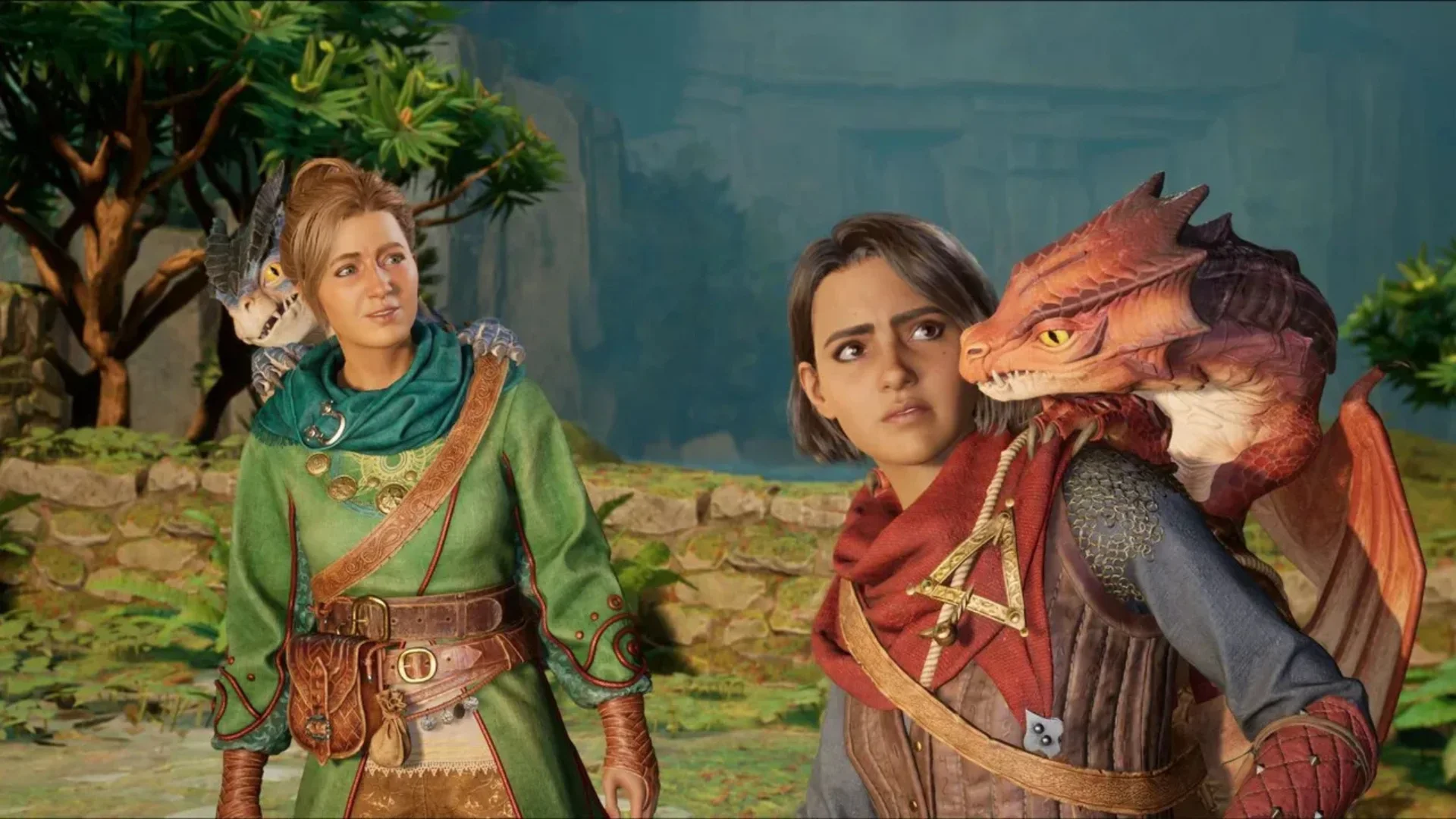
Split Fiction cannot be separated from its two-player design. This is not a game that happens to allow co-op. Every chapter, set piece, puzzle, and boss fight is shaped around two people needing each other in slightly different ways. Sometimes that means clean coordination. Sometimes it means one player doing something ridiculous while the other tries to keep the situation from falling apart.
The best co-op moments are not always the hardest ones. Often, they are the moments where both players understand the idea quickly, fail anyway, and then adjust without needing the game to over-explain it. One sequence might ask for careful timing. Another might split the players into completely different roles. Another might hand one player the power fantasy while the other handles the setup. The constant shift keeps both people involved instead of letting one player quietly become the passenger.
That design also gives Split Fiction a strong social rhythm. It creates little arguments and quick jokes naturally. I found myself talking through almost every room, not because the puzzles were impossible, but because the game keeps giving both players just enough responsibility to make silence feel risky. That is exactly what I want from a co-op game.
The game keeps changing before it gets stale
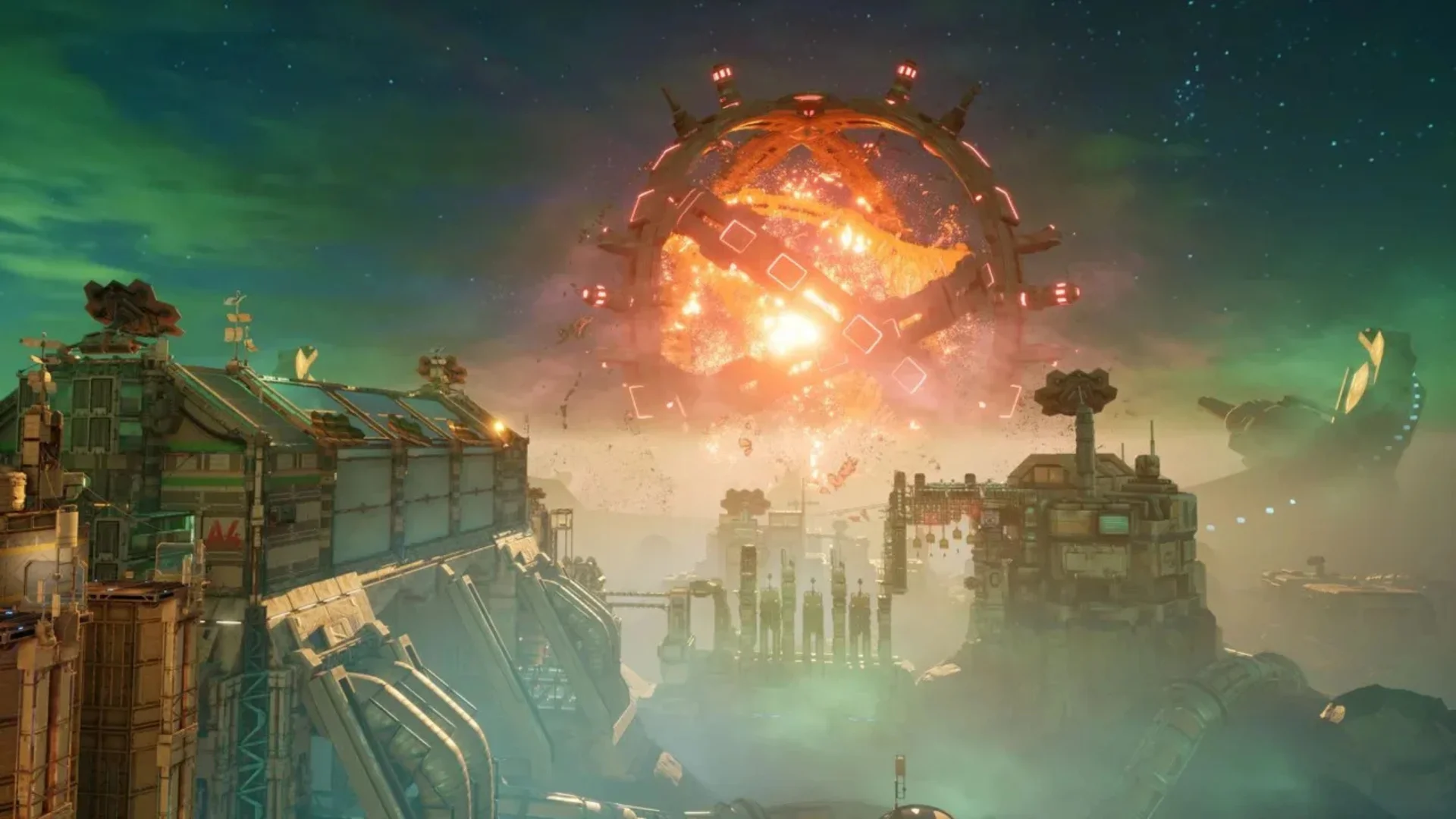
Split Fiction moves through ideas at a pace that feels almost reckless. A mechanic appears, gets a few minutes to shine, and then disappears before it becomes routine. The game jumps between sci-fi and fantasy settings, but the real variety comes from how often the controls, objectives, and tone change underneath that split.
That constant invention is easily the game’s strongest trait. Some chapters lean into platforming. Others become shooters, chase sequences, puzzle rooms, boss fights, or strange one-off experiments that feel like they came from a completely different game. A weaker version of Split Fiction would have stretched each idea into a full level. This one usually knows when to move on.
Not every idea lands cleanly. A few sections feel busier than they need to be, and some mechanics are more fun as a surprise than as something I would want to repeat. But the pace protects the game from its weaker moments. Even when a sequence irritated me, I rarely stayed irritated for long. Split Fiction is always one strange transition away from winning me back.
Related Article
newsBreaking
June could be a big month for The Legend of Zelda fans
May 22, 20263 min read
The side stories steal the spotlight
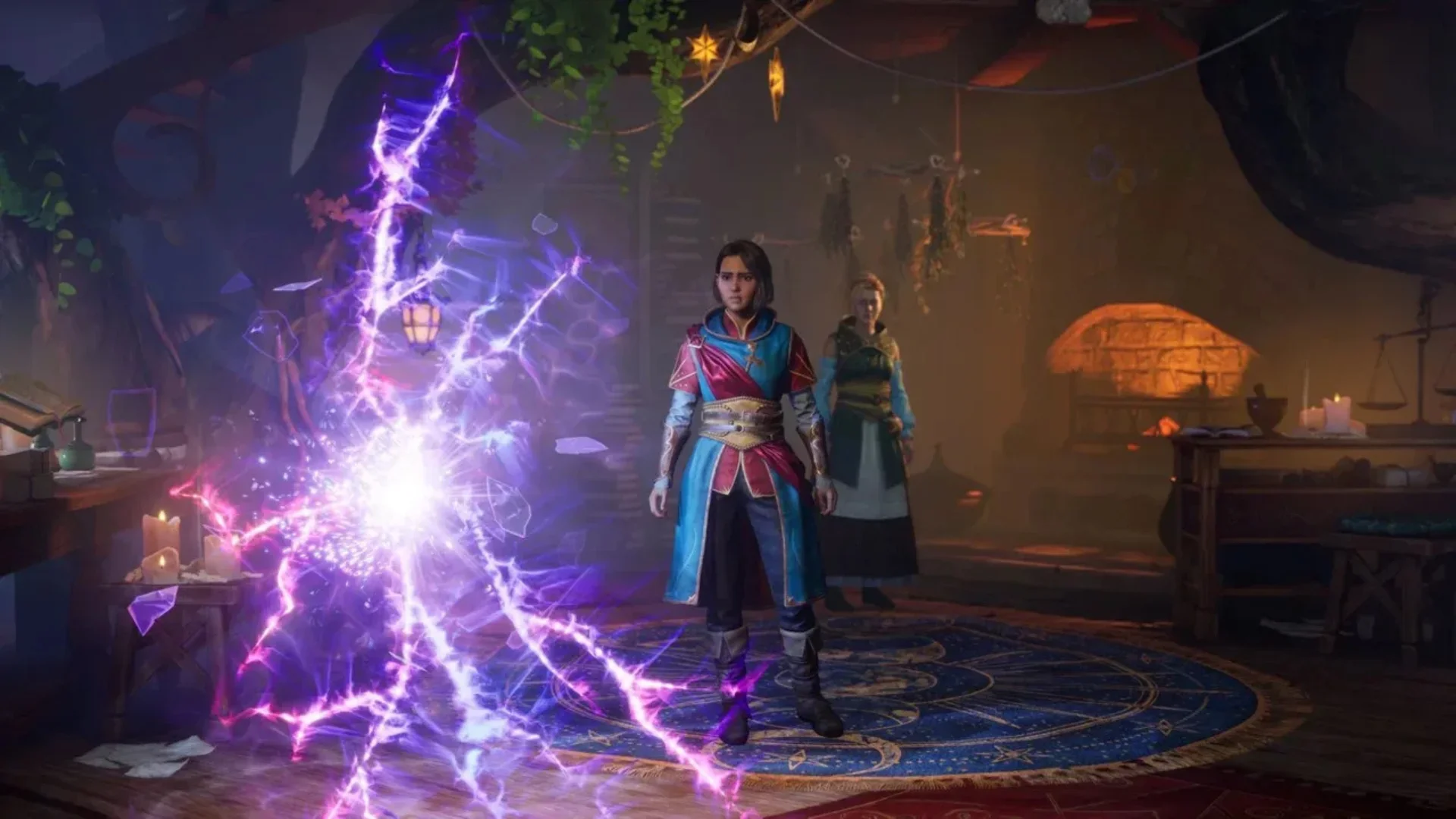
The optional side stories are some of the best parts of Split Fiction. They feel freer than the main path, as if the designers used them to chase whatever strange idea amused them that day. Some are funny. Some are surprisingly elaborate. Some twist the basic co-op setup in ways that feel more memorable than parts of the campaign.
That freedom suits the game better than the main story’s emotional framing. The side stories do not need to carry the full weight of Mio and Zoe’s relationship. They just need to surprise both players and create a good shared moment. That lighter pressure brings out Hazelight’s best instincts. The game becomes playful, strange, and generous.
I started seeking them out whenever they appeared. Not for completion, and not because I needed a reward, but because they often felt like the most honest version of the game. Split Fiction is strongest when it is chasing a new co-op idea with total confidence and not asking the script to explain why I should care.
Mio and Zoe are not as strong as the worlds around them
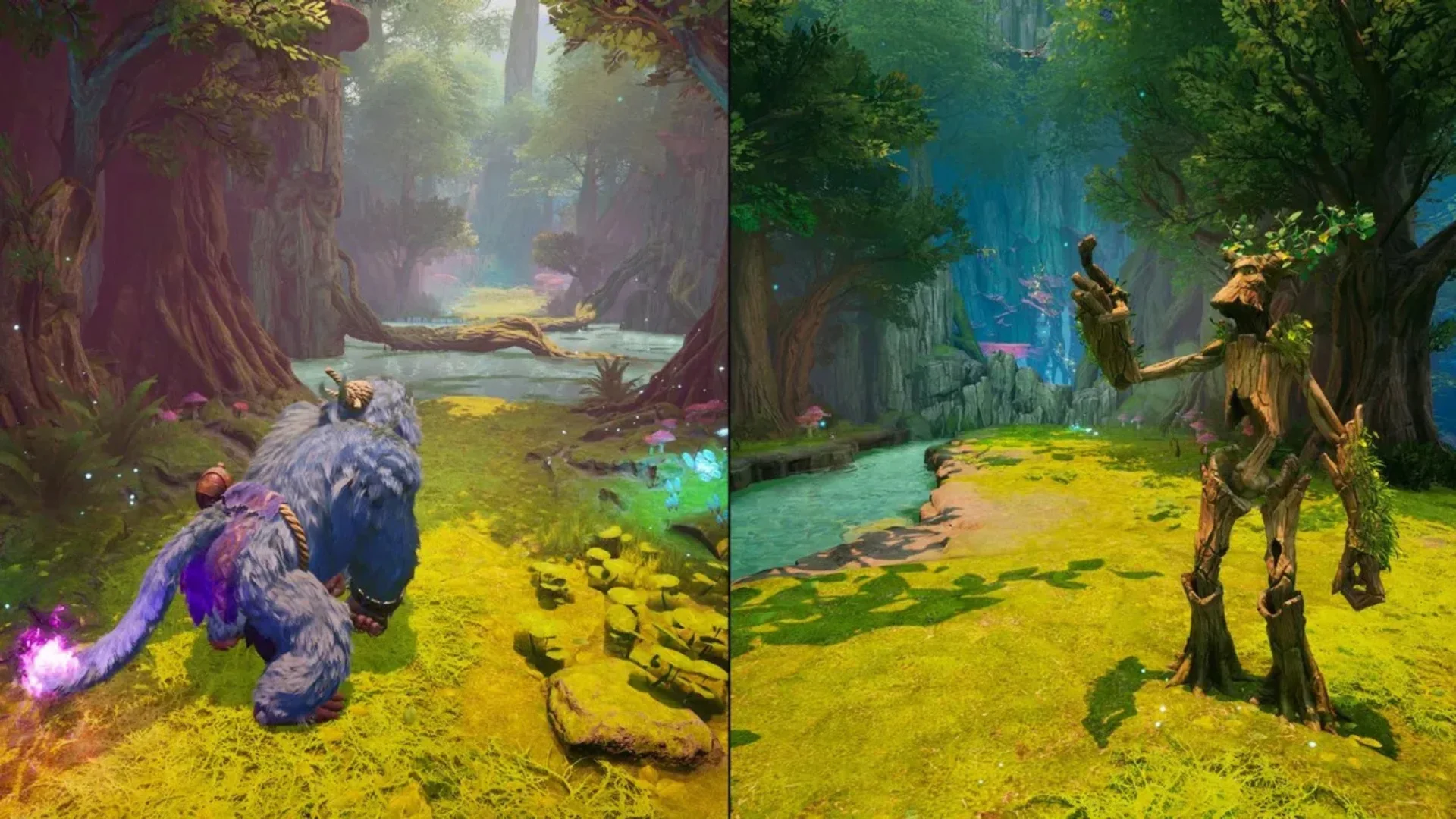
Mio and Zoe have a clean setup. One writes sci-fi. The other writes fantasy. They clash, get trapped inside their stories, and have to learn how to work together. That premise gives the game an easy excuse to move between genres, and it creates a simple emotional spine for the campaign.
The problem is that the character conflict often feels too obvious. Mio is guarded and blunt. Zoe is warmer and more open. Their early tension is easy to understand, but it rarely feels complicated. The game wants their relationship to grow into something meaningful, yet the dialogue often spells out feelings that the gameplay has already expressed more naturally.
I did warm to them by the end, but more through the act of playing than through the writing itself. After hours of shared mistakes, strange challenges, and narrow saves, the friendship on screen begins to borrow feeling from the friendship on the couch or in the voice chat. That is not a failure, exactly. Co-op games can use player connection in a way single-player games cannot. But it does mean the script is not doing all the work it thinks it is.
The challenge depends on who you play with
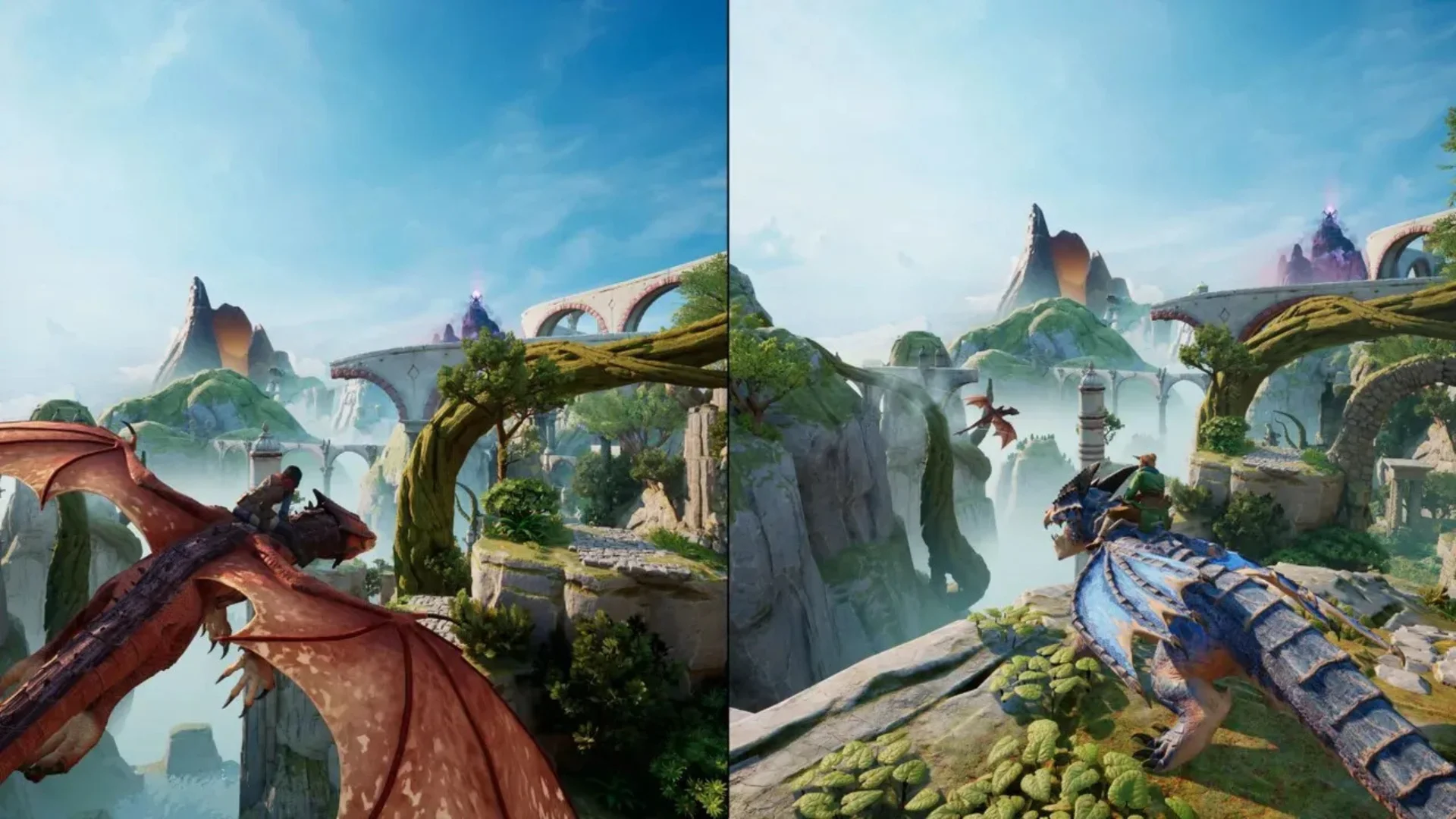
Split Fiction is approachable, but it is not effortless. It asks both players to jump, aim, react, communicate, and adapt to new mechanics quickly. That can be exciting with the right partner. With someone who enjoys games and can laugh through failure, the whole thing flows beautifully.
With a less experienced player, the rougher edges stand out more. Some sequences demand sharper timing than the game’s colorful tone suggests. A few set pieces can become frustrating if one player keeps missing the same input or struggling with the camera. The generous checkpoints help, but they do not remove the pressure completely.
That is an important part of the recommendation. Split Fiction is not just about whether you want to play it. It is about who you will play it with. The game can be hilarious, tense, and deeply entertaining with the right person. With the wrong match, its constant mechanical shifts may become tiring rather than exciting.
Related Article
newsBreaking
Saints Row 2 finally gets its missing DLC on PC after 17 years
May 26, 20263 min read
Split Fiction is one of Hazelight's best games
Split Fiction is not carried by its story. The villain is thin, the central friendship is predictable, and the dialogue often lacks the lightness and confidence of the gameplay. But the co-op design is so inventive, so generous, and so consistently alive that those flaws never sink the experience.
I would recommend it to anyone who has a reliable co-op partner and wants something built for shared play rather than a solo game with a second player attached. It is not the best choice for players who need a strong story to stay invested, and it may frustrate pairs with a large skill gap. For everyone else, Split Fiction is an easy recommendation. It is uneven as a piece of storytelling, but as a co-op adventure, it is smart, funny, restless, and full of moments that only land because someone else is there with you.
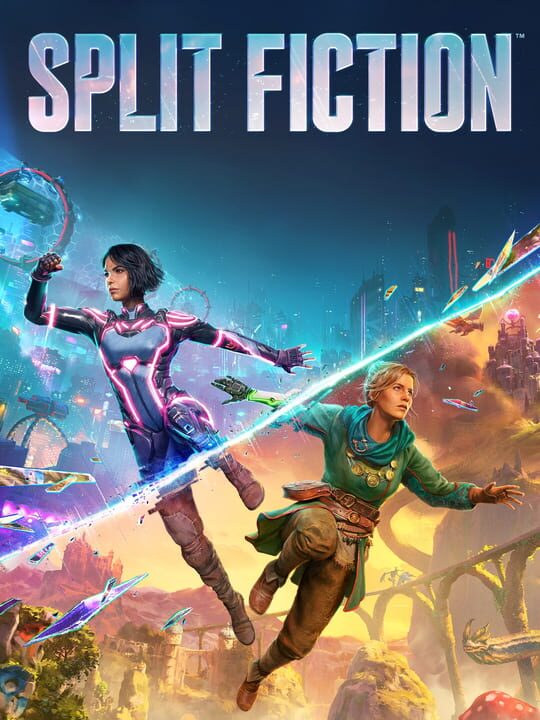
Split Fiction
Xbox Series X|SNintendo Switch 2PC (Microsoft Windows)
Released
March 6, 2025
Developer
Hazelight Studios
Publisher
Electronic Arts
Systems
Xbox Series X|S
Nintendo Switch 2
PC (Microsoft Windows)
PlayStation 5