reviewReviewthe-last-of-us-part-ii
The Last of Us Part II stayed with me long after I wanted it to let me go
April 15, 2026·Updated September 16, 2026·7 min read
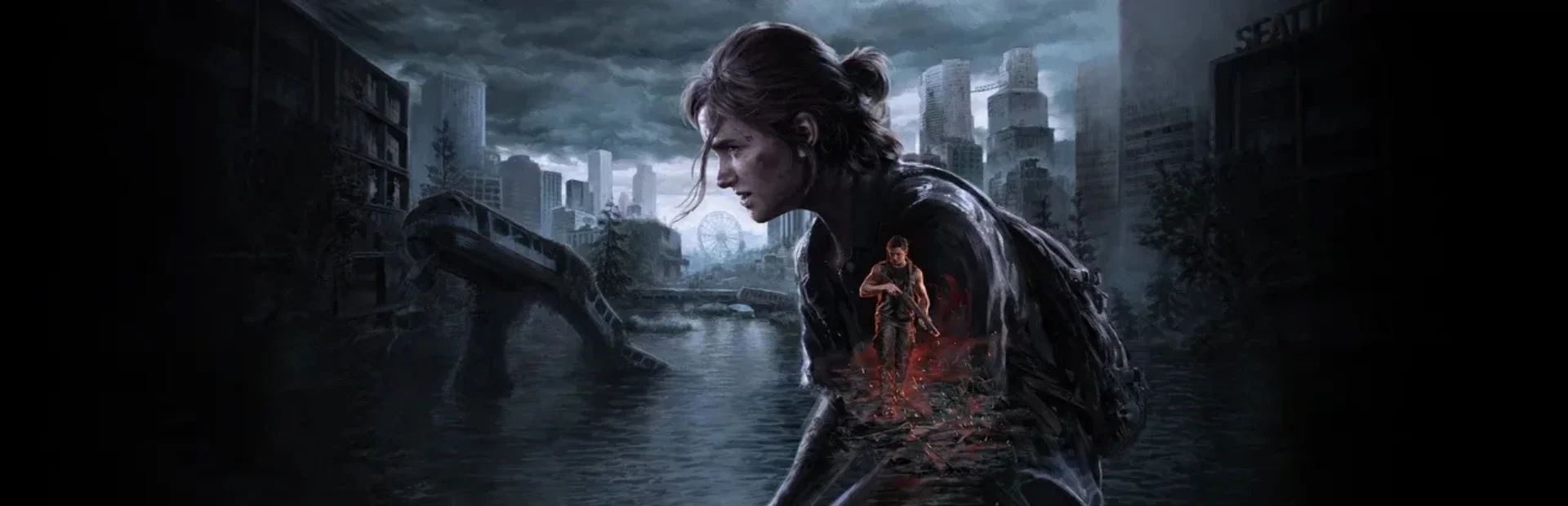
The Last of Us Part II is exhausting on purpose, and while I do not think every part of it works, I could not stop thinking about what it was willing to do.
The Last of Us Part II came out on PS4 in June 2020, seven years after the first game, and it had the kind of pressure that can crush a sequel before it even starts. Naughty Dog was not following up a decent action game. It was following up one of the most talked-about story-driven games of its time. I went in expecting something polished and intense. What I got was a game that felt harsher and far less interested in making me comfortable than I expected.
That is what kept me with it. I did not always enjoy it in the usual sense, and I did not always think it handled everything cleanly, but I respected that it never softened itself for me. This is not a sequel that wants to flatter the player. It wants to keep you inside grief, anger, guilt, and the bad decisions that grow out of all three. Sometimes I thought it pushed too hard. Sometimes I thought it was brilliant. Most of the time, it was sitting somewhere between those two things.
Sneaking through Seattle was when I felt closest to the game
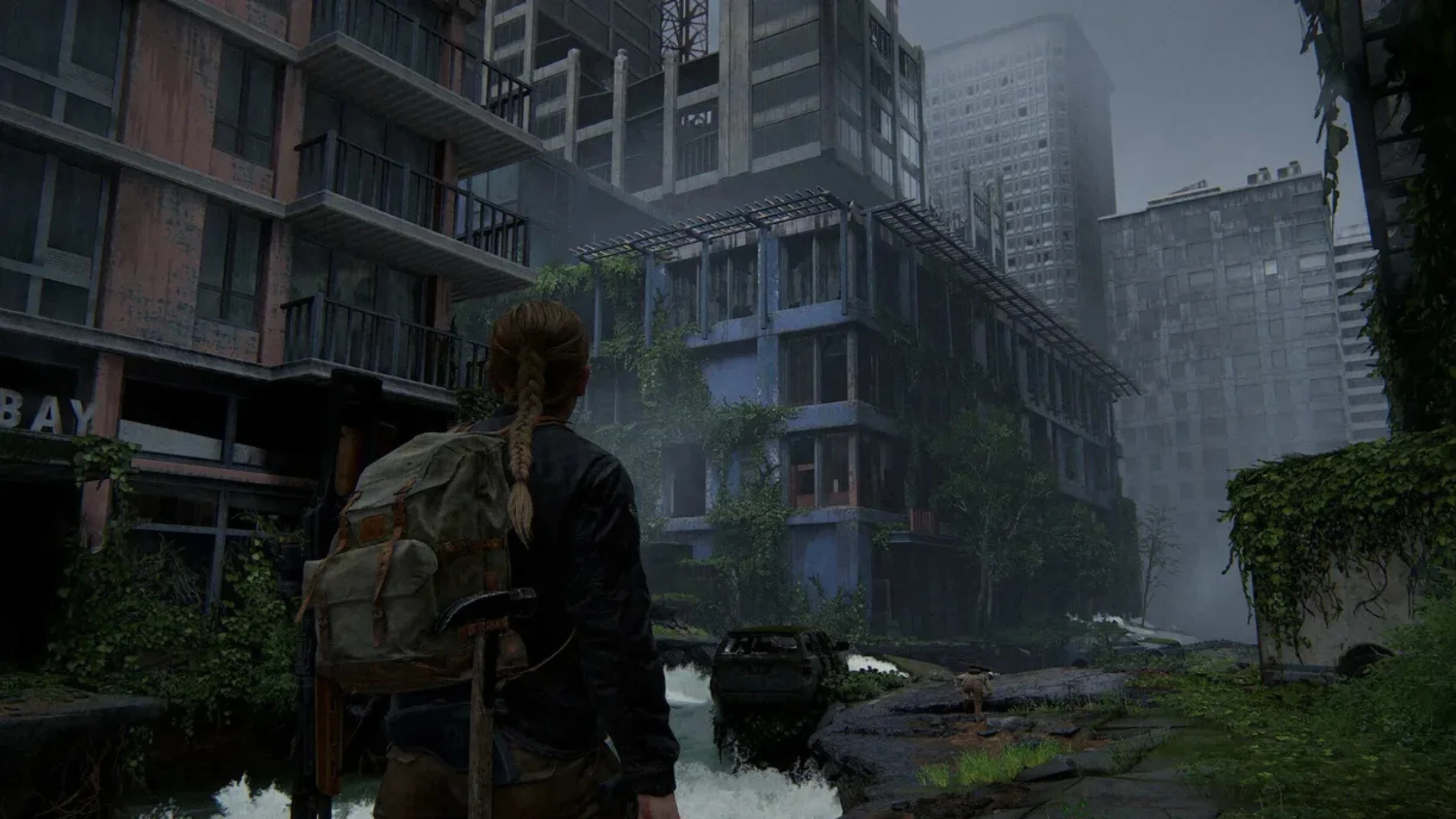
The combat is the first thing that really grabbed me. Ellie is quicker than Joel was, and that changes the feel of every fight. I spent a lot of time slipping under shelves, diving through windows, crawling through grass, and trying to recover once stealth had already fallen apart. Those encounters stay tense because they can turn against you so quickly. One missed shot, one bad decision, one enemy coming at me from the wrong side, and suddenly I was scrambling.
What I liked most was how much movement there is in those fights. I was rarely standing still and trading blows. I was backing into side rooms, breaking line of sight, throwing something just to buy a second, then trying to work my way back from a worse position than the one I started in. The game is very good at making me feel hunted even when I am the one who started the fight. I never felt powerful for long. I felt tense, rushed, and one mistake away from losing control.
The level design helps a lot. Offices, shops, houses, and streets give you room to move without making the fights feel loose. I kept finding little routes that saved me, or nearly saved me, and those escapes gave the action a kind of panic that I really liked. It also helped that the game could move from stealth to chaos without feeling clumsy. Even when I was playing badly, I usually understood why the fight was falling apart.
I liked the story most when it stopped trying to win me over
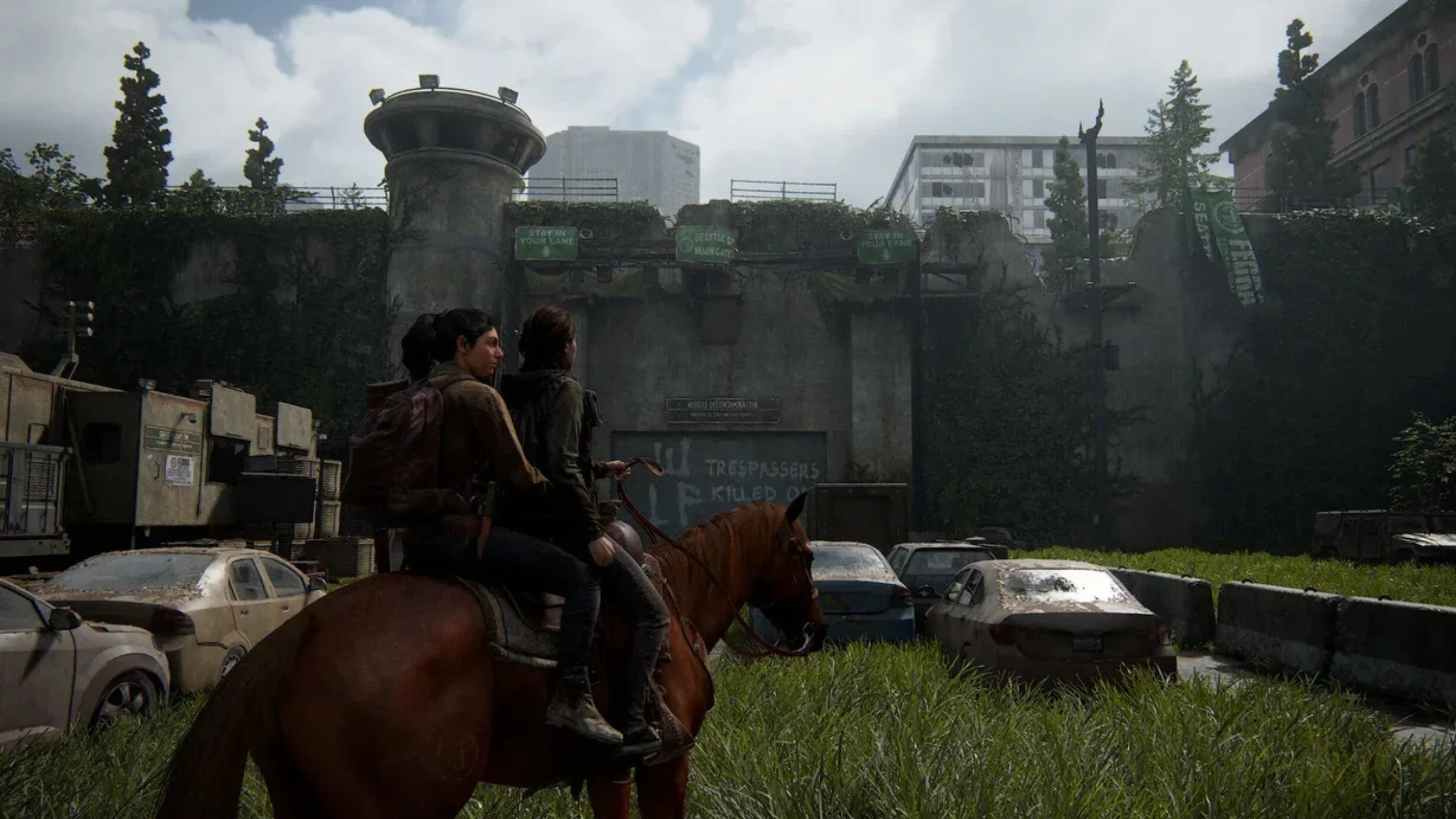
The story is harder to talk about cleanly, because so much of its power comes from how it holds things back, changes perspective, and makes you rethink what you thought you understood. I will keep this light on specifics, but what I can say is that the game is much less interested in giving me a clean path toward justice than in keeping me inside anger and showing me what that anger does to everyone around it. It does not soften its point or try to make the experience easy to sit with.
That approach worked for me more often than it did not because the game commits to it all the way through. I never felt like it was steering me toward a simple answer. It lets people act in cruel, selfish, scared, and loving ways without trying to tidy them up afterward. I did not always enjoy spending time with everyone in this story, but that is not the same thing as saying I did not believe in them. I believed in them enough to feel worn down by them, and I think the game earns that reaction.
What I found strongest were the quieter pauses between the uglier turns. A memory. A conversation that almost says what it means. A moment where someone lets their guard drop for a second. Those scenes keep the game from turning into one long stretch of misery. Without them, I think the whole thing would have collapsed under its own weight. With them, I had something human to hold onto even when the story was dragging me somewhere bleak.
I started to feel the weight of it before it was over
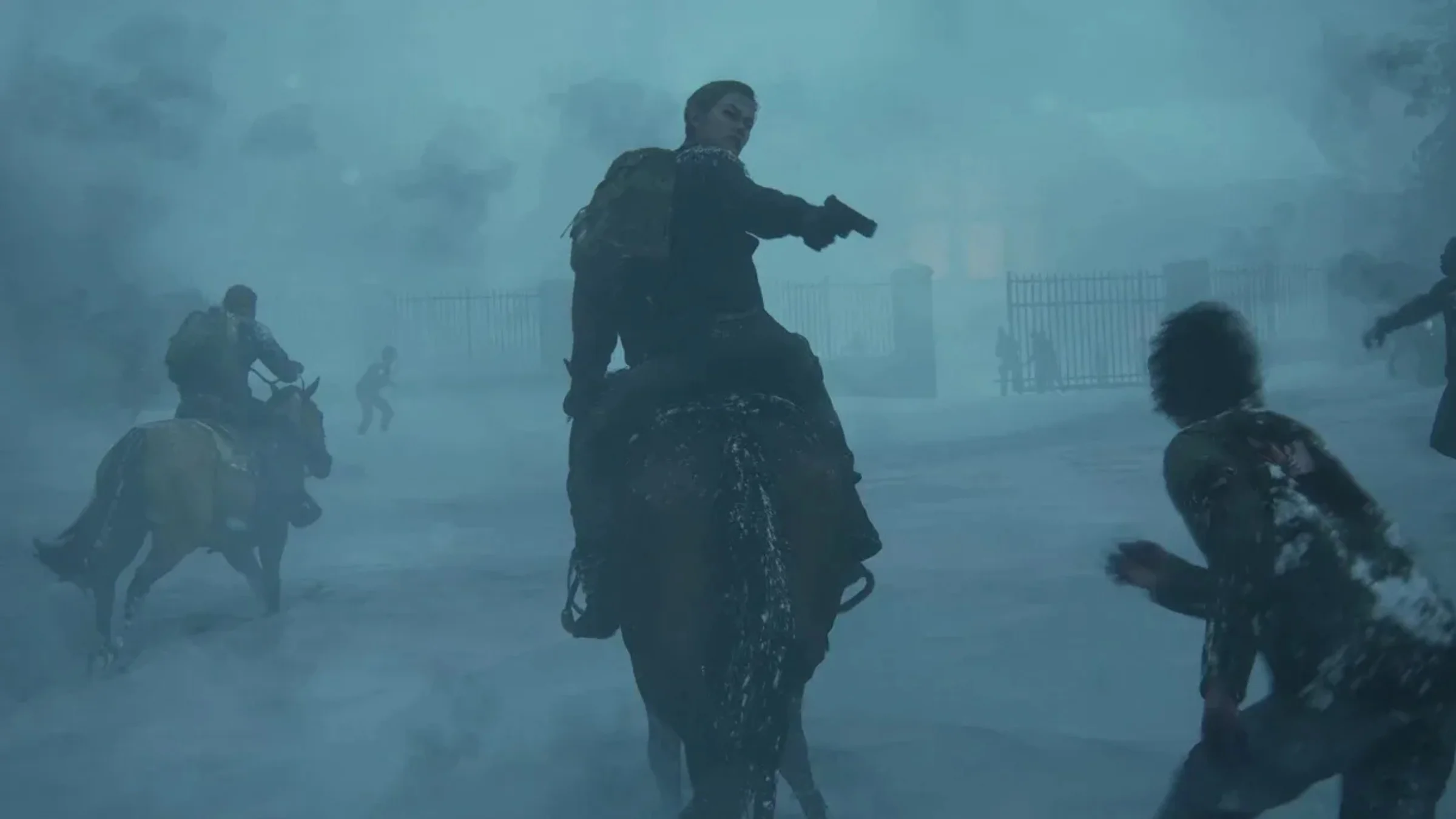
This is where I started pushing back. The Last of Us Part II is long, and I felt that length. Not because the world is empty or because the combat stops working, but because the game is so determined to make me sit with every wound for as long as possible. There were stretches where I admired the nerve of that and stretches where I wanted it to move on. The story keeps returning to the same pain from different angles, and while I understand why, I do not think every return hits as hard as the first time.
I also think the game can get trapped by how hard it is trying to prove how serious it is. There is a version of this story that says a little less and trusts the player to carry more of the emotional weight on their own. I never wanted it to become lighter or easier, but I did sometimes want it to stop pressing quite so hard. For me, the best scenes already do enough. They do not need extra emphasis.
I remember the rooms, not just the ruins
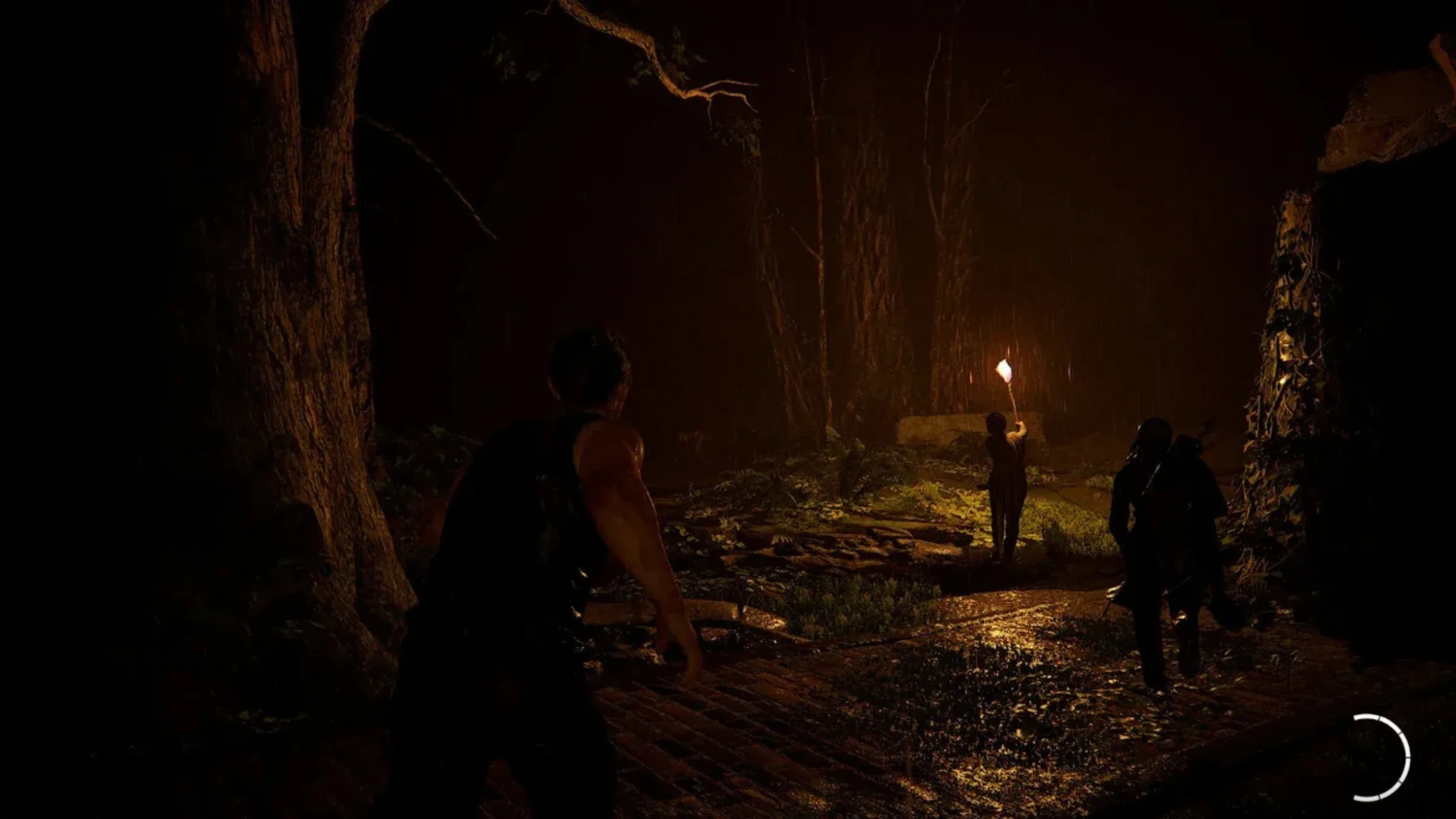
This is still one of the most convincing worlds Naughty Dog has built. The interiors feel lived in. Small details stick. The ruined stores, apartments, offices, and overgrown streets make Seattle feel like a place where life stopped awkwardly rather than a set dressed to look abandoned. I noticed that care all the time, not because the game was showing off, but because every area seemed to carry some trace of what had been there before.
The animation work does a lot for the characters too. A look that lingers too long. The way someone sits when they are angry but trying not to show it. The heaviness in the walk between scenes. Those details matter here because this game depends on whether I believe people are carrying what happened to them. Most of the time, I did.
It is also worth saying that Naughty Dog put serious work into accessibility. The game launched with more than 60 accessibility settings, including options focused on vision, hearing, motor support, difficulty tuning, and navigation. It still feels like one of the clearest examples of a major studio treating accessibility as part of the game itself rather than an extra feature added at the end.
I would still recommend it, but never casually
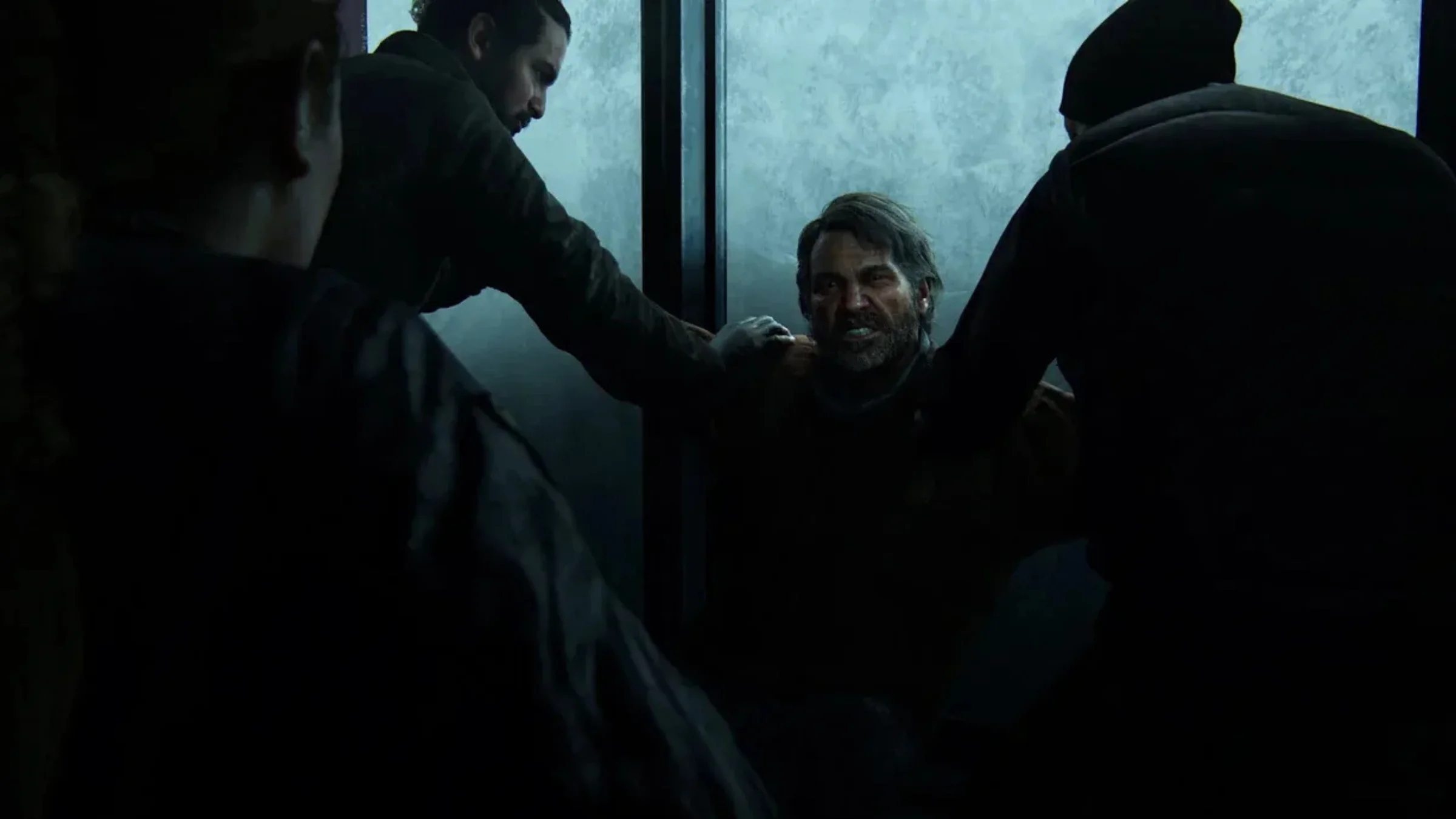
The Last of Us Part II is not a game I would hand to everyone with a smile and no warning. It is too bleak for that. It asks a lot from the player, and not all of that comes in the form of combat or difficulty. Some people will find that brave. Some will find it exhausting. I found it both, and I think that tension is part of why the game still matters.
I would recommend it first to players who want story-heavy games to take real risks, even when those risks make the experience rougher or harder to sit with. I would be more cautious with anyone who wants a cleaner emotional arc, a lighter touch, or a sequel that mostly gives them the same pleasures as the first game. This is not that kind of follow-up. It is colder, harsher, and much more willing to leave the player unsettled.
I do not think every choice in The Last of Us Part II works. I do think it earns the right to be taken seriously. Five years on, that still feels like the most important thing I can say about it. It is messy, upsetting, and sometimes too forceful for its own good. It is also one of the few games at this scale that felt willing to leave me uneasy instead of satisfied. I may not love every part of it, but I respect how far it was willing to go.
Tagged In
Naughty Dog
Discussion
0We want to hear from you. Share your perspective in the comments below, and please keep the conversation respectful.
Log in to join the discussion - vote, reply, and share your take.
Log In