
Credit: Firaxis Games
reviewReview
Sid Meier's Civilization VII is bold, uneven, and hard to put down
May 29, 2026·7 min read
Sid Meier’s Civilization VII is the first game in the series in a long time that made me argue with its design almost as much as I enjoyed playing it. It changes some of the oldest habits in Civilization, and those changes are not small. The new Ages structure, separated leaders and civilizations, redesigned settlements, and sharper match pacing all make this feel like Firaxis trying to solve problems the series has carried for years.
I respect that ambition. I also felt the cost of it constantly. Civilization VII is cleaner, faster, and easier to finish than some earlier entries, but it can also feel oddly constrained. It still has the familiar “one more turn” pull, yet I often missed the sense that I was guiding one people through a continuous history of my own making.
The Ages system changes the whole campaign
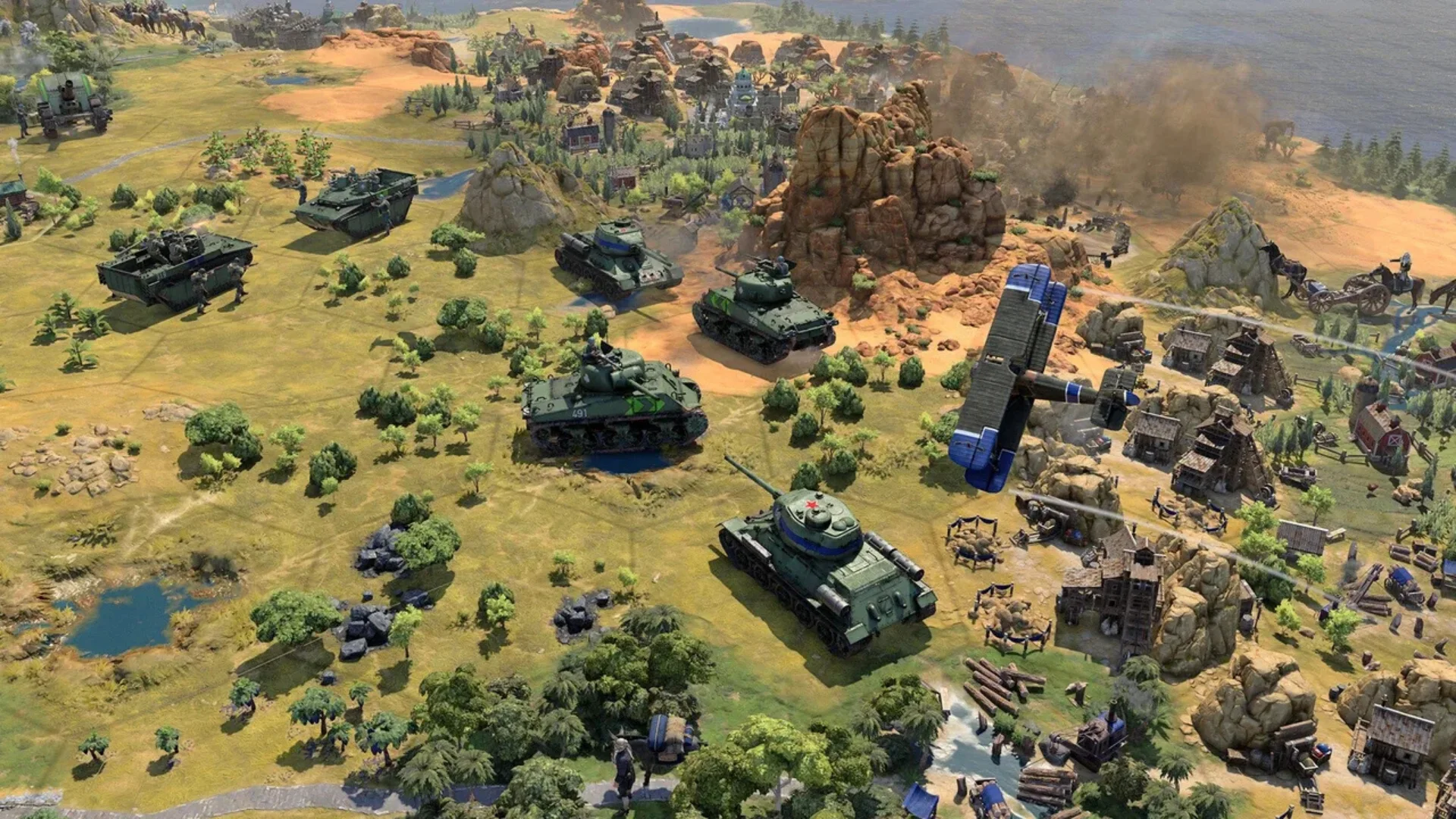
The biggest change is the way Civilization VII splits each campaign into Antiquity, Exploration, and Modern Ages. Instead of slowly dragging one civilization from ancient settlement to future superpower, the game asks me to move through major historical breaks. Each Age has its own goals, pressure points, crises, and civilizations, which gives a full match a clearer shape than before.
That structure makes the game easier to read. I always had a broad sense of what era I was in and what kind of progress the game wanted from me. It also helps prevent the classic late-game problem where a campaign becomes a slow march toward an outcome I already know. When an Age ends, the board shifts, conflicts reset, and the next phase begins with new priorities.
But this is also where Civilization VII loses some of the fantasy. Changing civilizations between Ages may make mechanical sense, but emotionally it feels strange. I did not always feel like I was building a continuous national story. I felt like I was handing the campaign from one identity to another because the system required it. The structure is smart, but it can make history feel more managed than lived in.
Related Article

newsBreaking
Diablo 4 anniversary event gives players free gifts and a reason to hunt goblins again
May 28, 20263 min read
The early turns are easier to enjoy
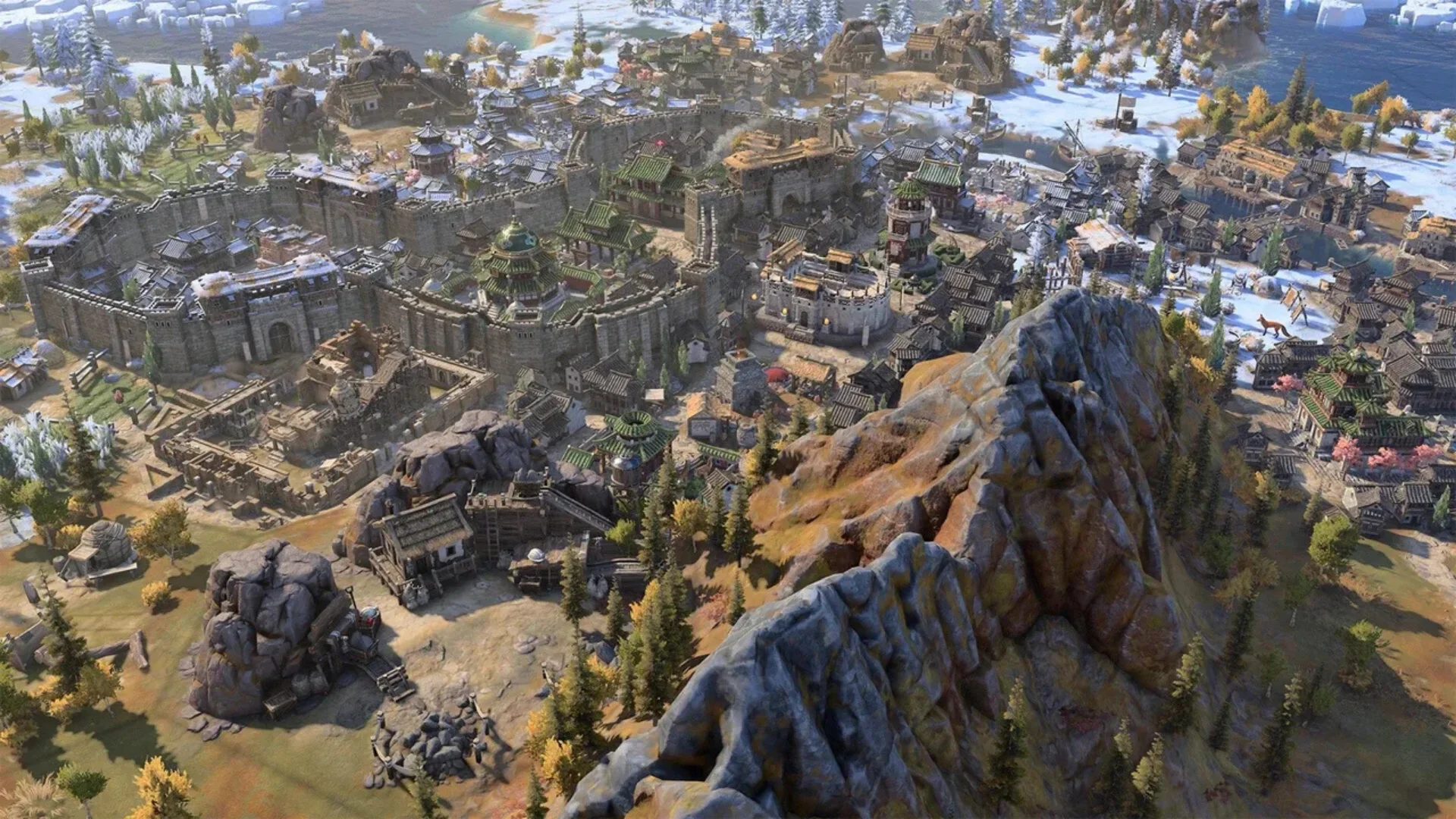
The strongest stretch of Civilization VII is often the first half of a campaign. Founding settlements, scouting the map, meeting rivals, choosing early priorities, and watching the world take shape still has that familiar pull. The game is good at making small decisions feel important. A city placement, a diplomatic choice, or a military push can shape the rest of an Age.
Towns are one of the better additions. Separating towns from full cities makes expansion feel less bloated, and it gives the map a cleaner economic rhythm. I liked building support networks rather than turning every settlement into the same kind of production center. It makes empire management feel less cluttered, at least in the early and middle stages.
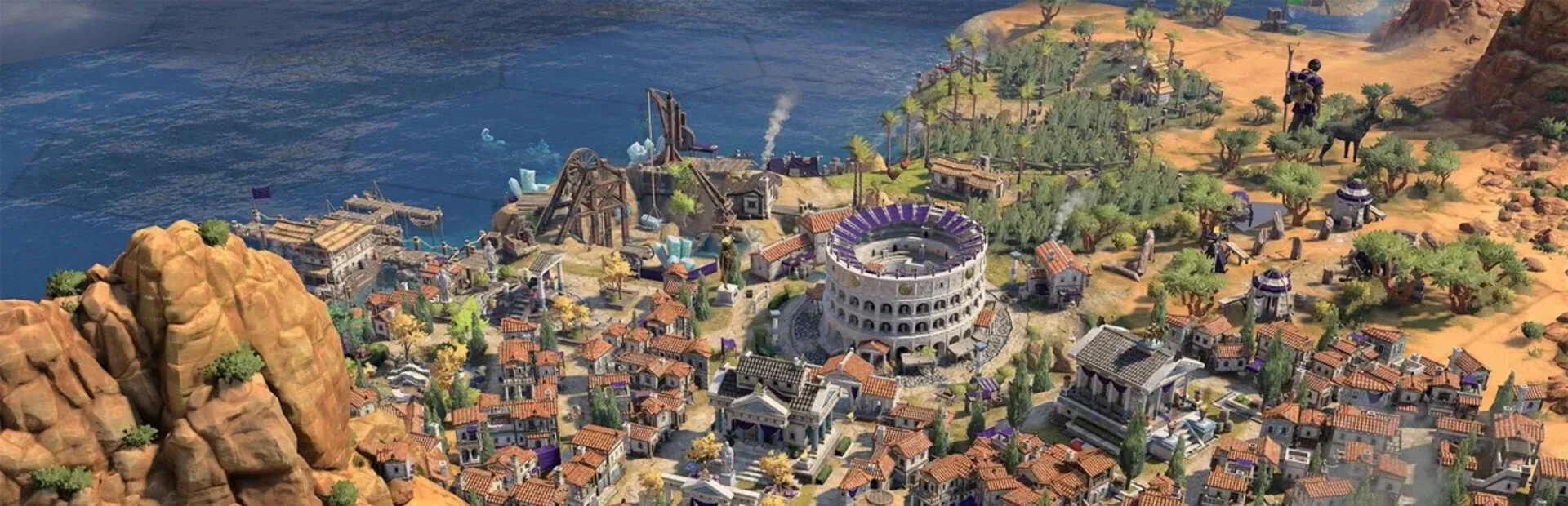
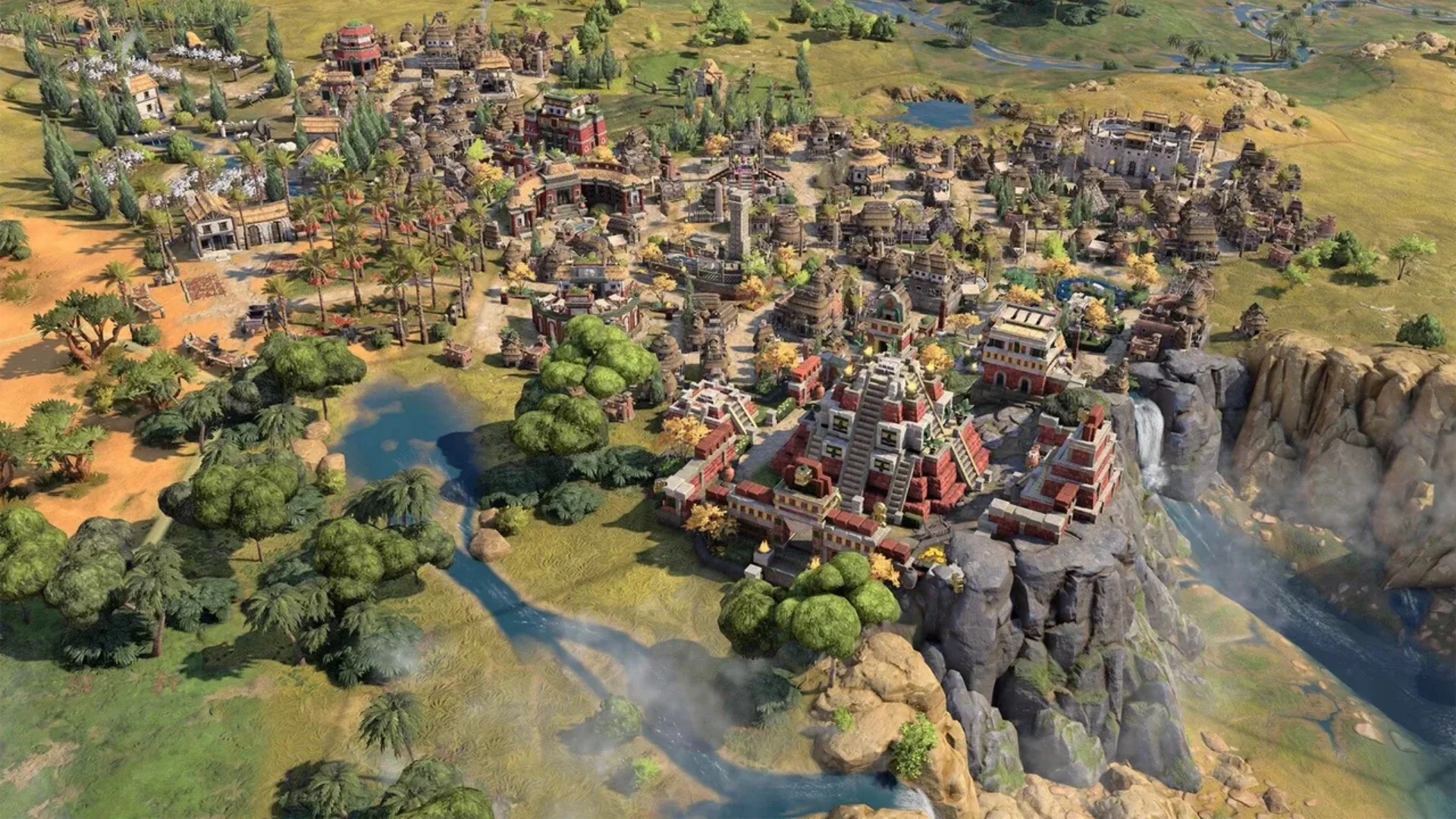
The visual presentation helps as well. The map is detailed and attractive, with cities spreading across tiles in a way that makes growth feel visible. Leaders look more grounded than the exaggerated style of Civilization VI, and the music gives each campaign a sense of ceremony. Even when I disagreed with the systems, the game often looked and sounded like a major step forward.
Diplomacy and war have better shape now
Diplomacy feels more active in Civilization VII. Influence gives me something concrete to spend, and relationships with other leaders have more texture than simple friendship or hostility. I liked having to think about whether I wanted cooperation, pressure, trade, or confrontation. It does not always feel fully natural, but it gives diplomacy a clearer mechanical role.
War also benefits from some smart changes. Commanders help reduce the old unit-management clutter, and moving armies around the map feels less tedious than it did in some previous entries. I spent less time dragging individual units across long distances and more time thinking about where I actually wanted military pressure to land.
The problem is that combat still has awkward edges. The interface can make simple actions feel less clear than they should be, and battles sometimes lack the drama the systems seem built to create. I appreciated the cleaner military structure, but war did not always feel as satisfying as empire building or diplomacy. It is improved, not transformed.
Related Article

newsBreaking
Paralives is finally here after years of life-sim fans waiting
May 26, 20263 min read
The interface fights the game too often
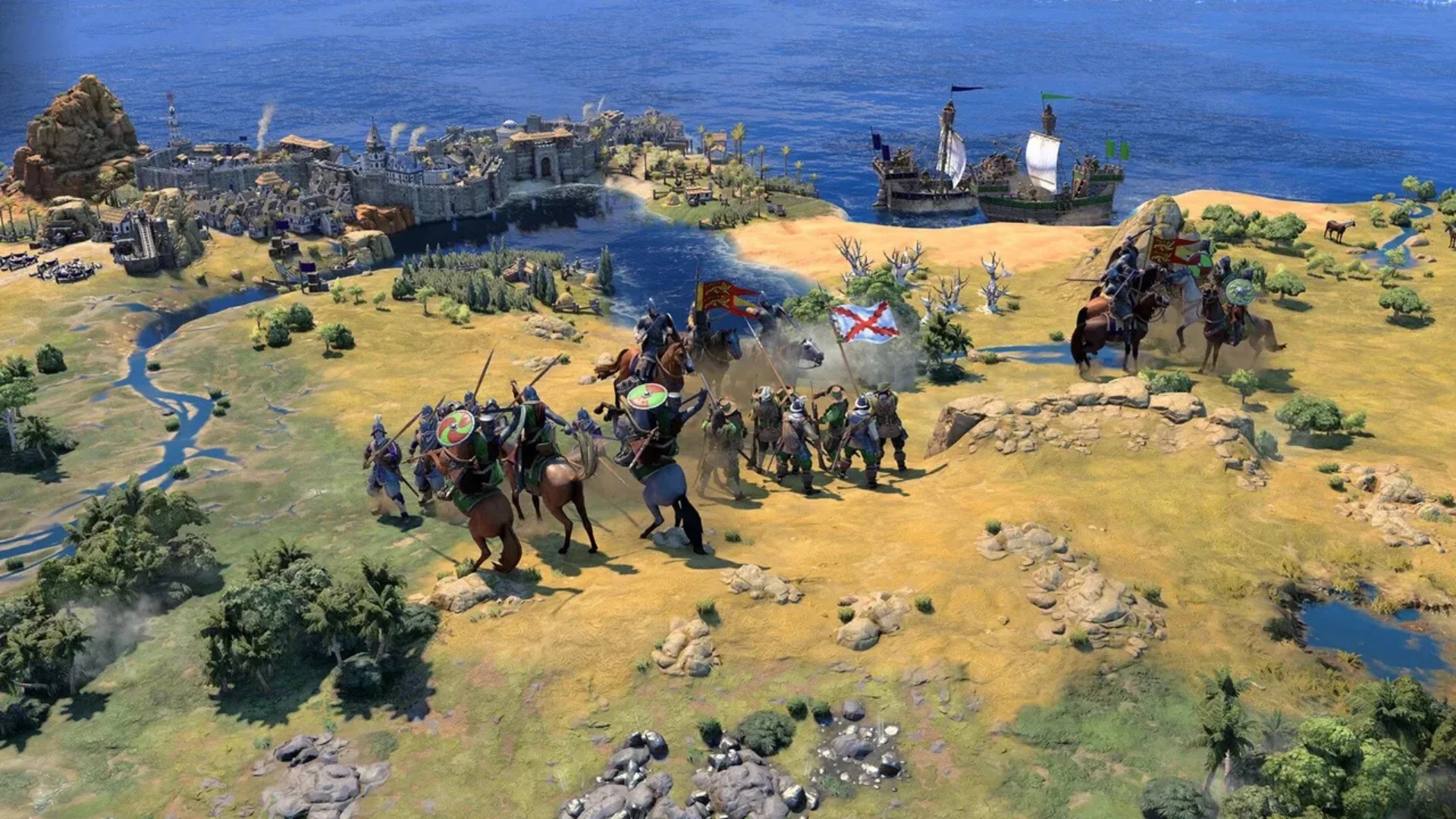
For a strategy game this dense, the interface needs to be almost invisible. Civilization VII is not there. Too much useful information feels hidden, scattered, or awkwardly presented. I often had to dig for details that should have been obvious, especially when trying to understand why a system behaved a certain way.
That matters because Civilization is built on trust. I need to know what my choices mean. I need to understand why a city is struggling, why a diplomatic action matters, or why a bonus is not working the way I expected. When the UI gets in the way, the game starts to feel less strategic and more opaque.
The issue is not that Civilization VII is too complicated. The series has always been complicated. The issue is that the game sometimes simplifies broad systems while making basic information harder to read. That is a bad trade. I can handle complexity when the game communicates well. I get frustrated when it asks me to care about systems it does not explain cleanly.
Streamlining helps, but it cuts too deep
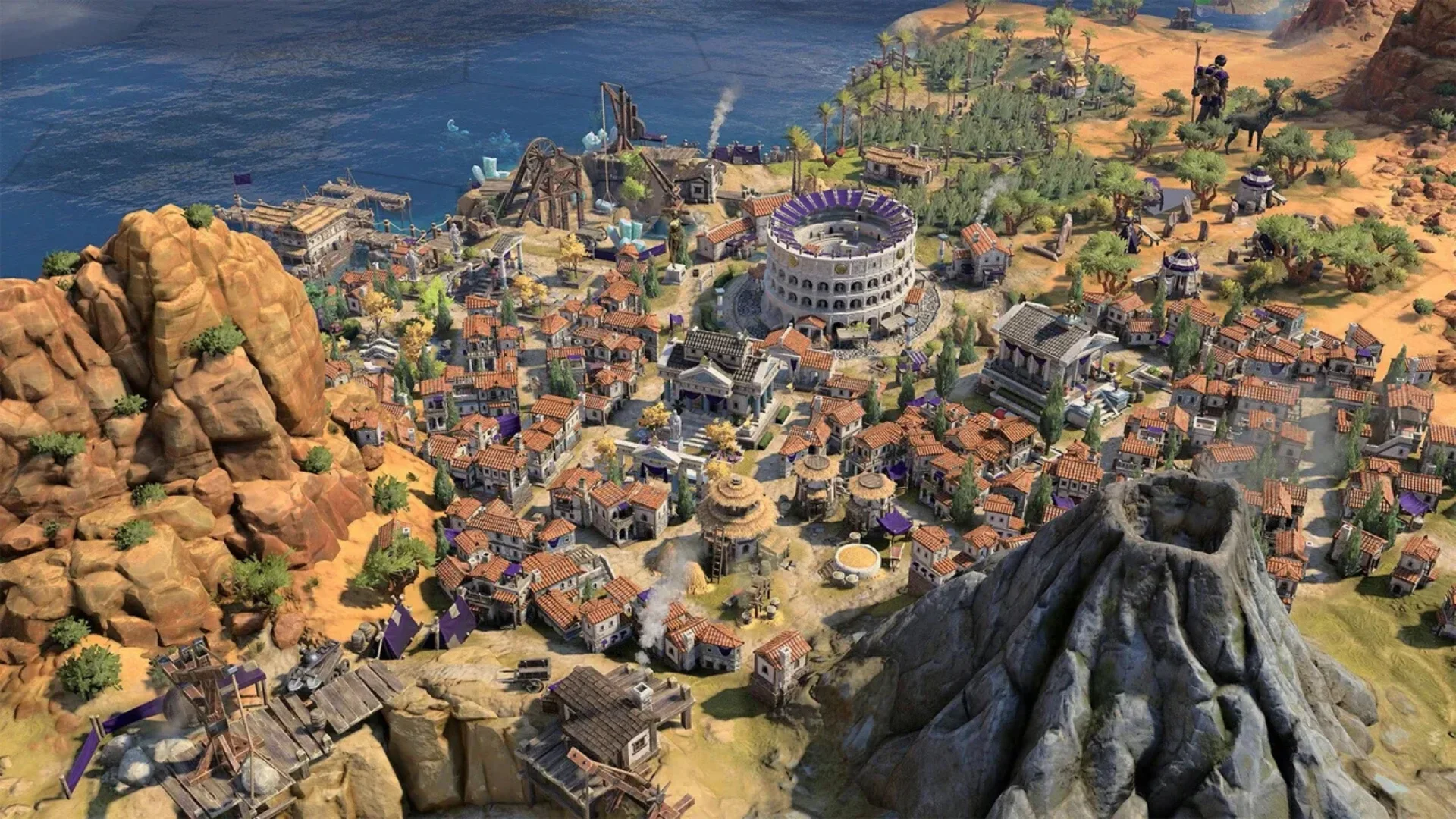
Civilization VII is clearly built to make full campaigns more manageable. The pace is tighter. The Ages give structure. Expansion is cleaner. Some old micromanagement has been reduced. For players who struggled to finish long Civilization games, these changes may feel like a relief.
I felt that relief too. I finished campaigns with less late-game fatigue, and I appreciated how often the game pushed me toward fresh decisions. It is easier to stay engaged when the structure keeps changing around me. In that sense, Civilization VII solves a real problem.
But the streamlining also strips away some personality. Some systems feel thinner than I wanted. Some choices feel too guided. Some historical identity gets lost in the mechanical handoff between Ages. The result is a game that often plays smoothly but does not always leave the same deep, personal imprint as the best entries in the series.
Civilization VII is worth playing, but it needs time
Sid Meier’s Civilization VII is not the safest entry in the series, and I am glad it is not. It takes real swings at old problems, and some of them land. The Ages system gives campaigns a stronger structure, diplomacy has more purpose, towns improve expansion, and the presentation is excellent. Even when I was irritated, I kept taking another turn.
The flaws are just as real. The UI needs work, the civilization-switching can break the fantasy, and some streamlined systems feel less rich than they should. I would recommend Civilization VII to players who are open to a different kind of Civ, especially those who want shorter, sharper campaigns. Longtime fans who value continuity, depth, and historical role-playing may want to approach it with caution. This is a fascinating foundation, but it still feels like a game that needs updates before its best version fully arrives.
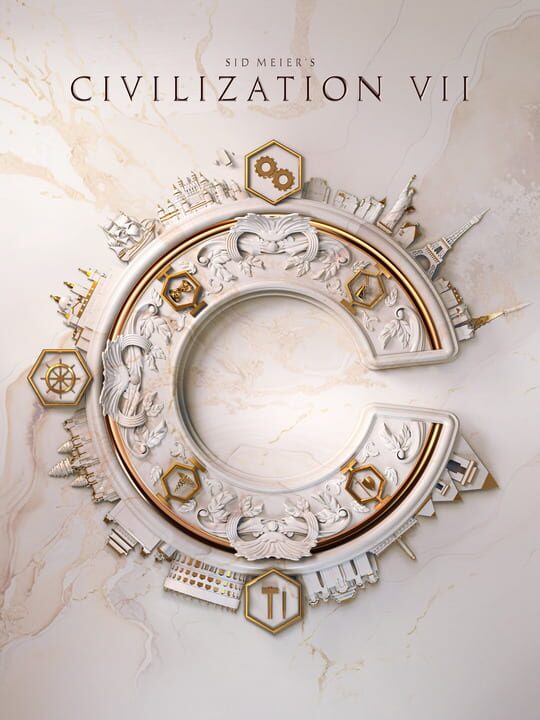
Sid Meier's Civilization VII
Xbox Series X|SPlayStation 4Linux
Released
February 11, 2025
Developer
Firaxis Games
Publisher
2K
Systems
Xbox Series X|S
PlayStation 4
Linux
Nintendo Switch 2
PC (Microsoft Windows)
PlayStation 5
Mac
Xbox One
Nintendo Switch