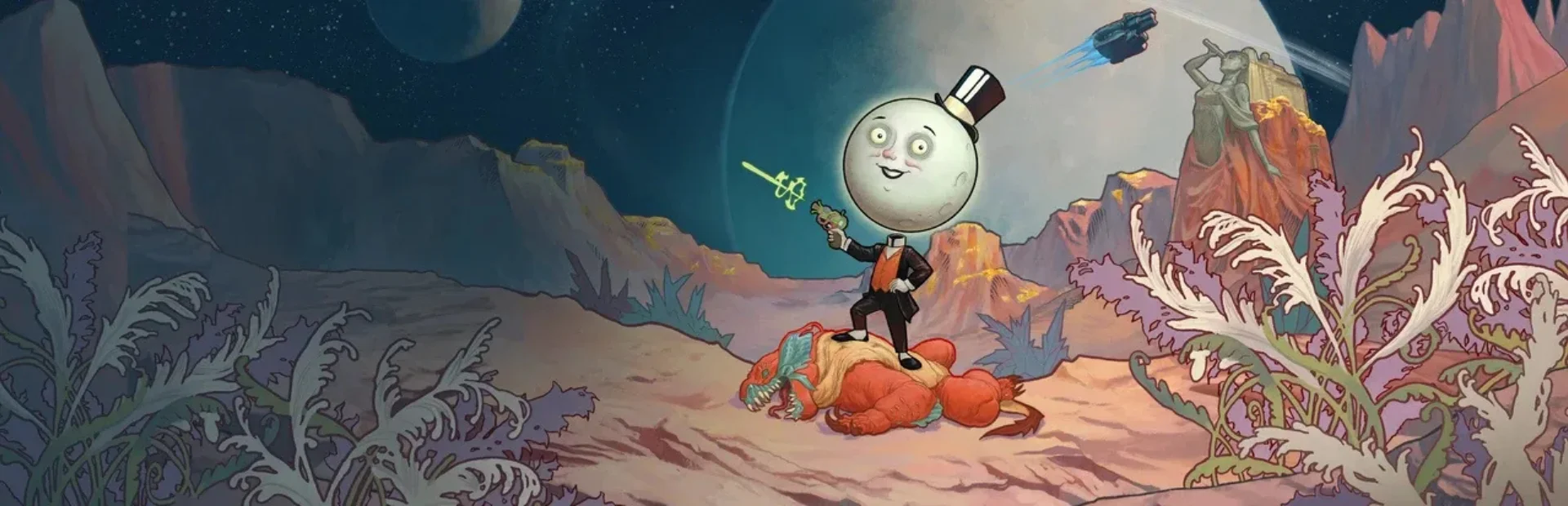
Credit: Obsidian Entertainment
reviewReviewthe-outer-worlds-2
The Outer Worlds 2 is sharper when it lets choices get messy
May 29, 2026·Updated September 16, 2026·8 min read
The Outer Worlds 2 feels like Obsidian returning to a familiar machine and finally tightening the right screws. It is still a first-person sci-fi RPG built around factions, strange planets, loud ideology, corporate absurdity, companions, guns, skill checks, and choices that rarely make everyone happy. The difference is that this sequel feels more comfortable with what it is.
It is not Obsidian at its absolute best, and it does not escape every problem from the first game. The main story can feel thinner than the worlds around it, the satire still swings hard, and some systems do more on paper than they do in play. But I cared far more about the shape of my character this time. I cared about where my skills opened doors, where they closed them, and how often the game let my bad decisions become part of the story instead of quietly smoothing them away.
Related Article
reviewReview
Silent Hill f finds fresh horror in unfamiliar ground
May 28, 20267 min read
The role-playing feels more deliberate this time
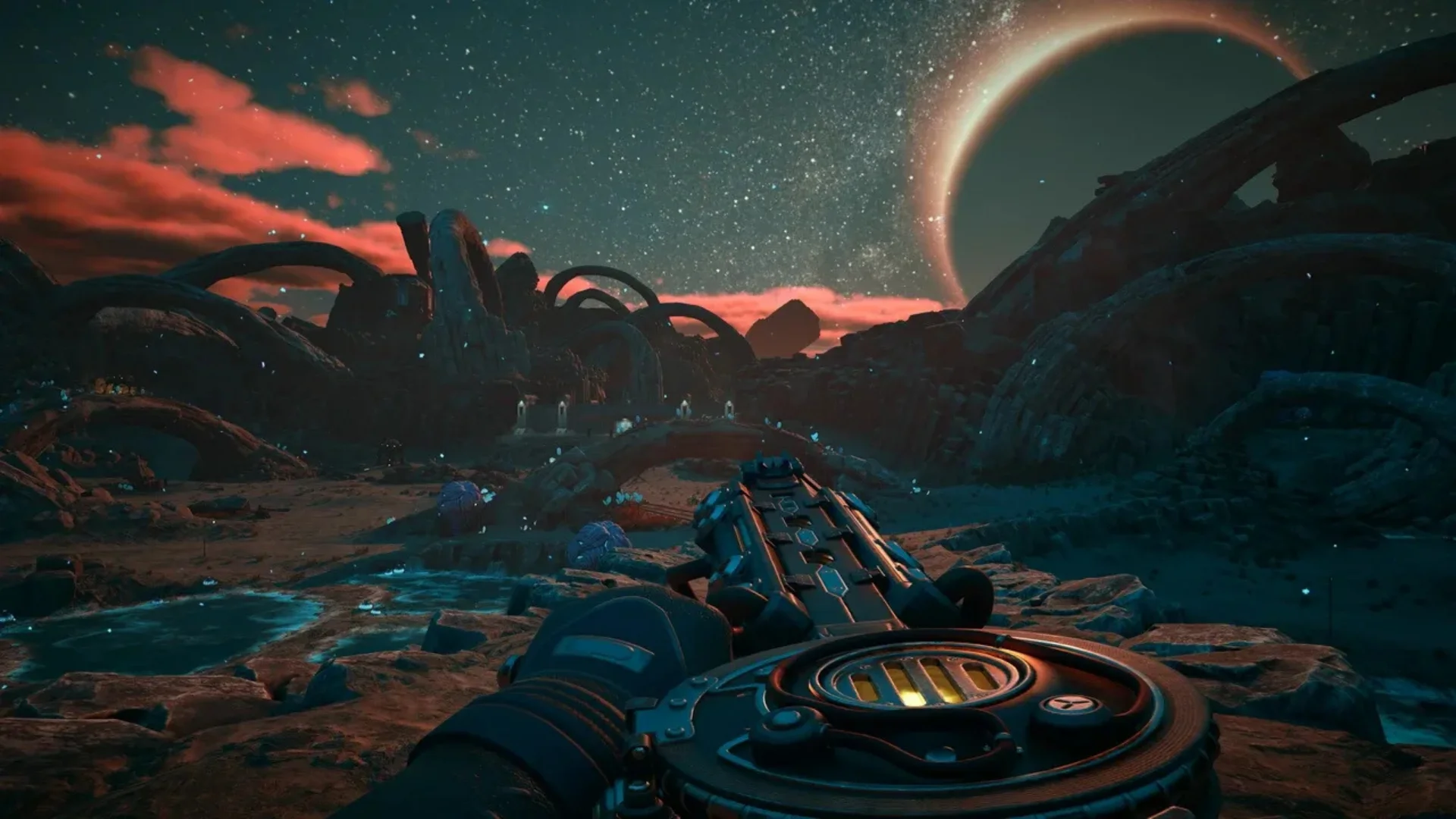
The first Outer Worlds often felt like it wanted to be a compact cousin to Fallout: New Vegas, but it did not always have the depth to match that comparison. The Outer Worlds 2 is still compact by modern RPG standards, but the role-playing feels more confident. Character building has a clearer bite, and I felt the consequences of my choices more often in conversations, quests, and how I approached problems.
The skill checks are a big part of that. Dialogue, hacking, engineering, combat, stealth, and social options do not just feel like flavor text added after the fact. They change how I move through situations. Sometimes a high skill gave me a clean way around violence. Sometimes it exposed a shortcut, let me lie convincingly, or pushed a quest into a stranger direction. The game is at its best when it makes me feel like my build has a personality.
That also means I cannot do everything. I appreciated that more than I expected. A good RPG should make me feel the shape of the character I made, not just reward me for checking every box. The Outer Worlds 2 understands that limitation can be part of role-playing. I missed opportunities, locked myself out of clean answers, and occasionally realized my character was the wrong person for the elegant solution. That made the world feel more responsive, even when the larger story was not always as flexible.
Combat no longer feels like filler between conversations
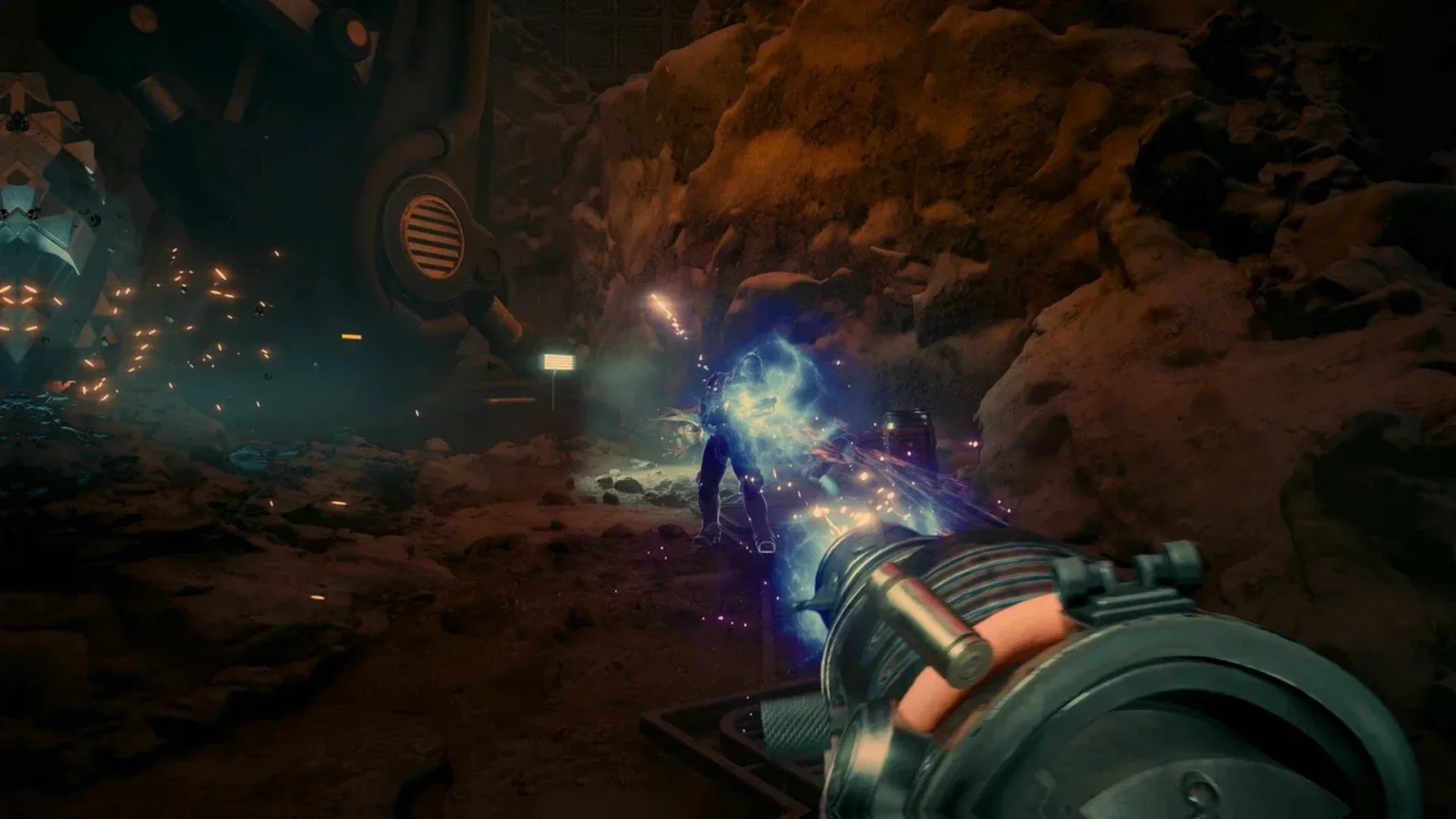
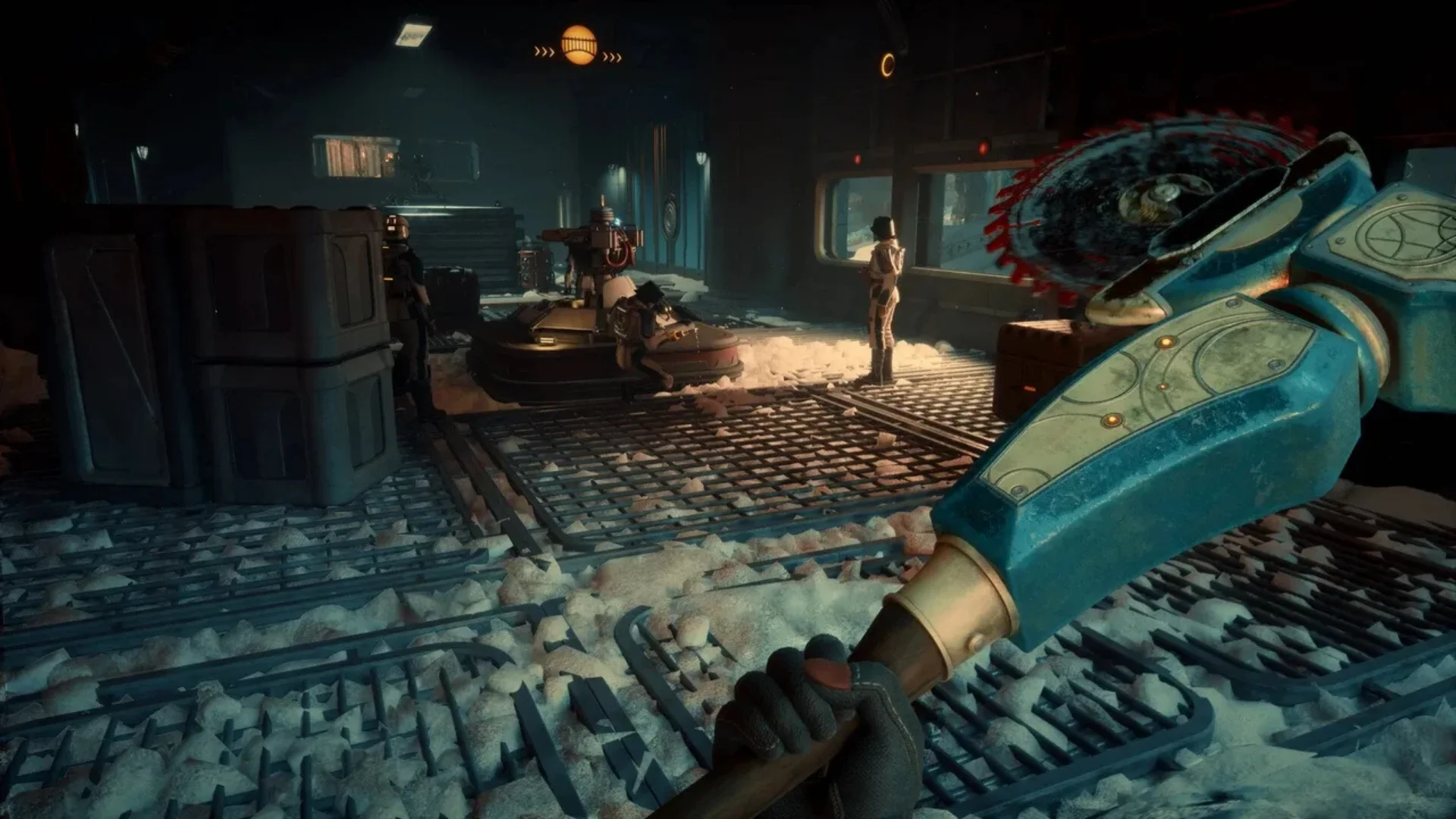
Combat is one of the clearest improvements. The first game had decent shooting, but it often felt like something I did between better-written moments. In The Outer Worlds 2, fights have more snap. Guns feel better, enemies are more readable, and movement has enough energy to keep encounters from becoming dead space.
I still would not call this a pure shooter first. The appeal remains in the RPG layer around the combat: the build, the gear, the companions, the perks, and the way different approaches suit different characters. But the act of fighting no longer feels like the weak link. I enjoyed trying new weapons because they changed more than damage numbers. Some pushed me toward careful shots, others toward close pressure, and some simply fit the kind of absurd space mercenary I had accidentally become.
The combat does stumble when balance gets strange. Some early encounters can feel harsher than they need to, while later fights may become easier once a build comes together. Enemy variety also has limits. Still, the sequel clears an important bar: I did not rush through fights just to get back to dialogue. I wanted the next conversation, but I did not resent the gunfire on the way there.
The writing is funnier when it stops shouting
The Outer Worlds 2 is still obsessed with systems, slogans, propaganda, greed, belief, and the ridiculous ways people justify terrible structures. That is the series’ voice, and the sequel does not abandon it. There are still posters, speeches, faction lines, and corporate nonsense everywhere I look.
The writing lands better when it trusts smaller human moments. A worker stuck inside a bad system, a zealot who is not just a punchline, a companion reacting to my choices, or a side quest that turns a joke into something uncomfortable can do more than another exaggerated advertisement. The best parts of the game remember that satire has more force when there are people trapped inside it.
It still pushes too hard at times. Some jokes are too broad, and some factions are easier to understand as ideas than as communities. The main plot also lacks the emotional pull I wanted from it. But the side writing is often strong enough to carry the weaker spine. I was more invested in local problems, personal compromises, and small betrayals than in the larger crisis pulling the campaign forward.
The planets feel more worth exploring
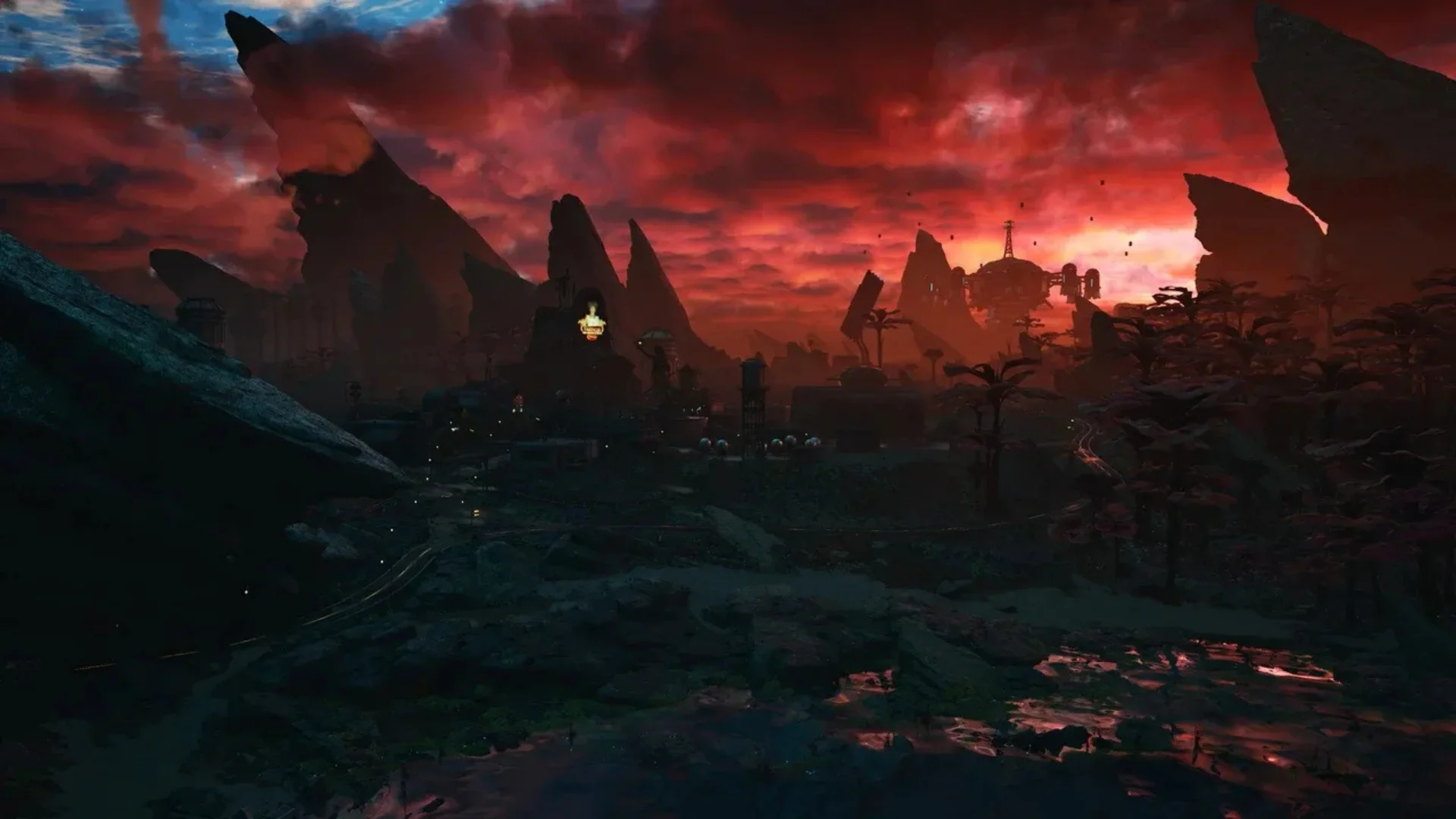
Exploration has a better sense of purpose here. The planets and major locations are not huge for the sake of it, and that helps. I rarely felt like I was crossing empty space just to satisfy a map size requirement. The best areas are dense enough to reward curiosity without turning into checklist sprawl.
That focus suits The Outer Worlds. This series is better when its worlds feel curated rather than endless. I want strange settlements, dangerous facilities, hidden rooms, odd conversations, and quests that overlap in ways I did not expect. The sequel gives me more of that. I often set out to finish one objective and came back with three new problems, a companion opinion I had not asked for, and a moral compromise I was not proud of.
The environments also have a stronger sense of atmosphere. Some later areas are especially good at making the colony feel hostile and oppressive without losing the series’ color. The game still has moments where art direction does more than layout, but I enjoyed wandering more than I did in the first game. The worlds felt less like backdrops for jokes and more like places with their own pressure.
Companions add warmth, even when the story thins out
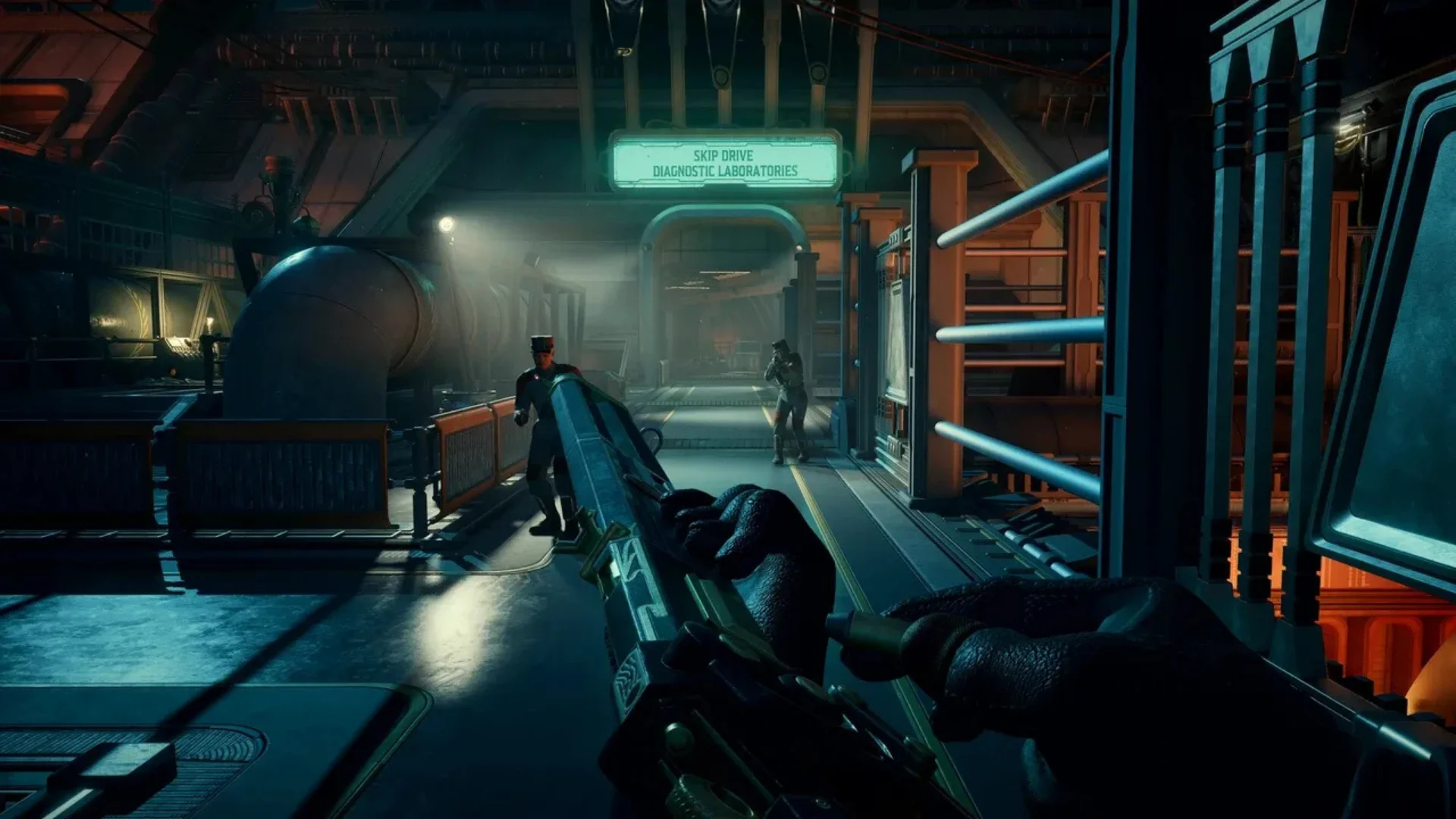
The companions help soften the game’s harder edges. They bring extra voices into quests, challenge some decisions, and give the journey a social rhythm that would be missing if I played as a lone gun with a skill tree. A good companion in this kind of RPG should make me think twice before picking the most convenient option, and The Outer Worlds 2 reaches that point often enough.
I liked that companions did not feel purely decorative. Their reactions helped frame the world, and their presence made some choices feel less private. It is one thing to choose a selfish outcome alone. It is another to do it with someone beside me who knows exactly what I did. That little bit of pressure makes the role-playing feel less mechanical.
Not every companion thread hits with the same force, and the game does not always give them enough room to grow beyond their strongest first impression. Still, they make the campaign warmer and stranger. When the main story becomes too thin, the crew gives the game a better reason to keep moving.
The sequel still has old Obsidian rough edges
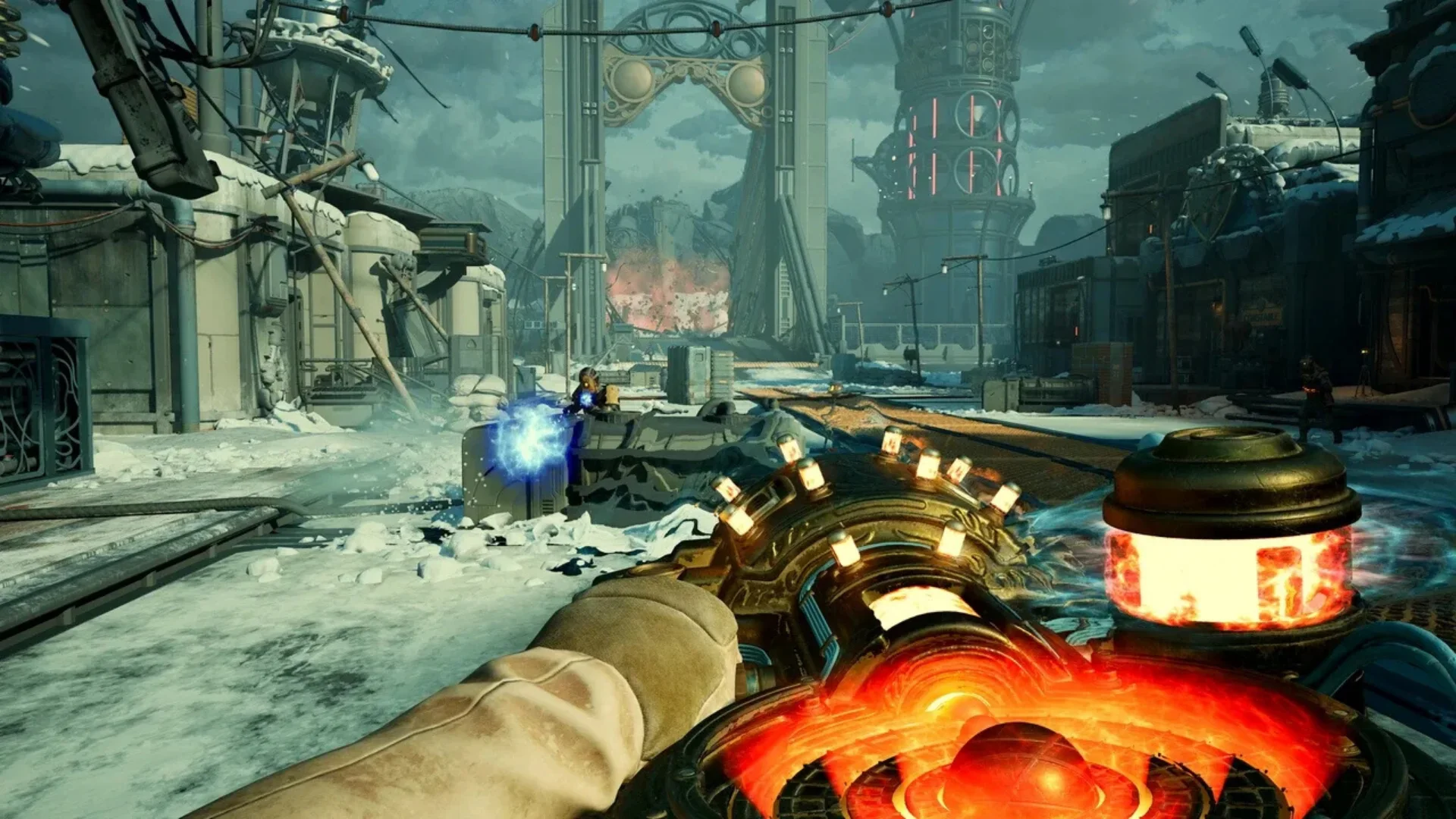
The Outer Worlds 2 is polished in many of the right places, but it still has rough spots. Bugs, performance hiccups, balance quirks, and awkward quest logic can appear at the wrong time. Some systems also feel underused. Reputation, economy, and faction consequences sometimes promise more depth than they fully deliver.
That gap is where the game falls short of greatness. It often feels close to being a truly reactive RPG, then reminds me that some branches are narrower than they look. I could see the seams in places where a choice felt meaningful for a scene but less important afterward. That did not ruin the experience, but it did keep me from fully believing the world was tracking me as closely as I wanted.
Even with those limits, I would rather play an RPG with visible seams and real personality than one that feels frictionless and empty. The Outer Worlds 2 makes mistakes, but many of those mistakes come from trying to give players room. I can forgive a lot when the game keeps handing me decisions I want to argue with.

The Outer Worlds 2 is an easy RPG to recommend
The Outer Worlds 2 is a stronger sequel because it understands the appeal of the first game more clearly. The combat is better, the role-playing has more bite, the worlds feel richer, and the writing is at its best when it lets people complicate the satire. It still has rough edges, and the main story is not the part I will remember most.
I would recommend it to players who want a compact, choice-driven sci-fi RPG with sharp dialogue, flexible builds, and enough consequence to make decisions feel personal. Anyone looking for a huge open-world epic or a perfectly reactive RPG may find its limits. For me, the strengths win. The Outer Worlds 2 is not flawless, but it is clever, messy, and confident in the ways that make Obsidian games worth returning to.
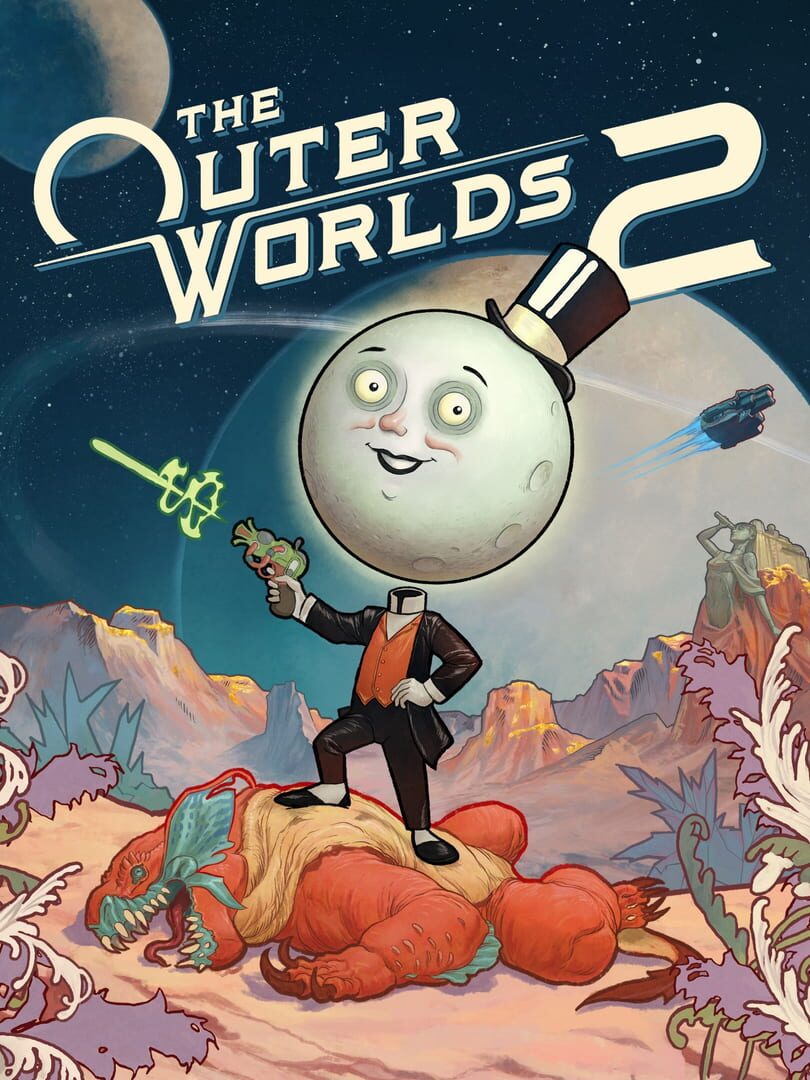
The Outer Worlds 2 is the sequel to the award-winning first-person sci-fi RPG from Obsidian Entertainment.
Released
October 29, 2025
Developer
Obsidian Entertainment
Publisher
Xbox Game Studios
Systems


Discussion
0We want to hear from you. Share your perspective in the comments below, and please keep the conversation respectful.
Log in to join the discussion - vote, reply, and share your take.
Log In