
Credit: id Software
reviewReview
Doom: The Dark Ages gives the Slayer a heavier kind of rage
May 28, 2026·7 min read
Doom: The Dark Ages does not try to outrun Doom Eternal. That is the smartest decision id Software could have made. Eternal was a frantic game about movement, resource loops, air control, and constant speed. This prequel goes the other way. It plants the Slayer’s boots in the dirt, gives him a shield, and turns every fight into a brutal push forward.
That change takes time to adjust to. I kept wanting to dash, climb, and dance around arenas the way I had before. The Dark Ages is not interested in that version of power. It wants me to stand my ground, read incoming attacks, parry with the shield, and break demons through timing as much as aim. It is still loud, violent, and absurdly confident, but its best fights feel less like acrobatics and more like holding the line against Hell.
The shield changes the whole rhythm
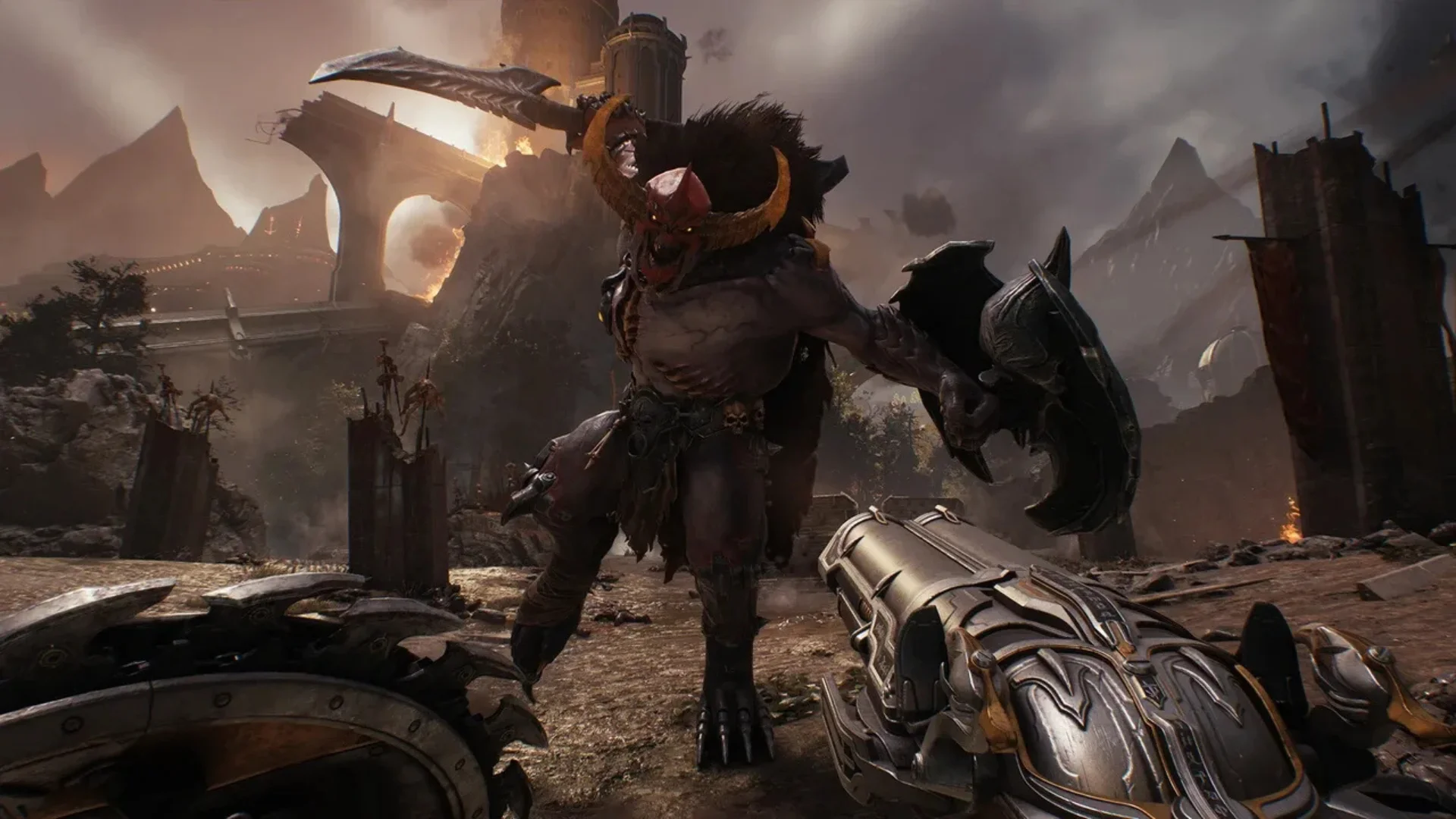
The shield is the game’s smartest addition. It is not just a defensive tool strapped onto a familiar shooter. It reshapes the way I look at every encounter. Enemy attacks are no longer only things to dodge. They become chances to answer back. A well-timed parry can turn pressure into momentum, and that gives combat a heavier, more deliberate pulse.
This is where The Dark Ages finds its identity. The Slayer feels less like a fast-moving predator and more like a walking siege engine. I am still aggressive, but the aggression has a different shape. Instead of staying airborne and juggling cooldowns, I am watching for openings, catching attacks, closing distance, and smashing through whatever is in front of me.
The shield also gives the game a clearer visual language. When the arena fills with enemies, projectiles, and heavy demons, I have a tool that lets me meet the chaos instead of constantly fleeing from it. It makes the action more readable without making it passive. The best fights still demand attention, but they reward nerve as much as speed.
The guns feel built for impact
The arsenal fits this heavier version of Doom. The weapons feel chunky, loud, and slightly ridiculous in the right way. They do not just delete enemies. They stagger, crack, chew, and tear through them with a sense of force that matches the medieval-metal tone. The game understands that a Doom weapon should feel good before it feels balanced.
I kept coming back to the tools that helped me control space. The Dark Ages is less about floating through vertical arenas and more about managing pressure from the ground. The right gun at the right moment can open a lane, punish a large enemy, or keep smaller demons from boxing me in. The combat loop is still built around switching tools quickly, but the pace feels broader and more physical.
There are moments where I missed the sharper tactical intensity of Doom Eternal. That game could make every weapon swap feel like part of a musical sequence. The Dark Ages is looser. It gives me more room to bulldoze through fights, and sometimes that makes encounters feel less demanding. But when the shield, guns, and enemy pressure lock together, the result has a weight the earlier games did not have.
The arenas are wider and less frantic
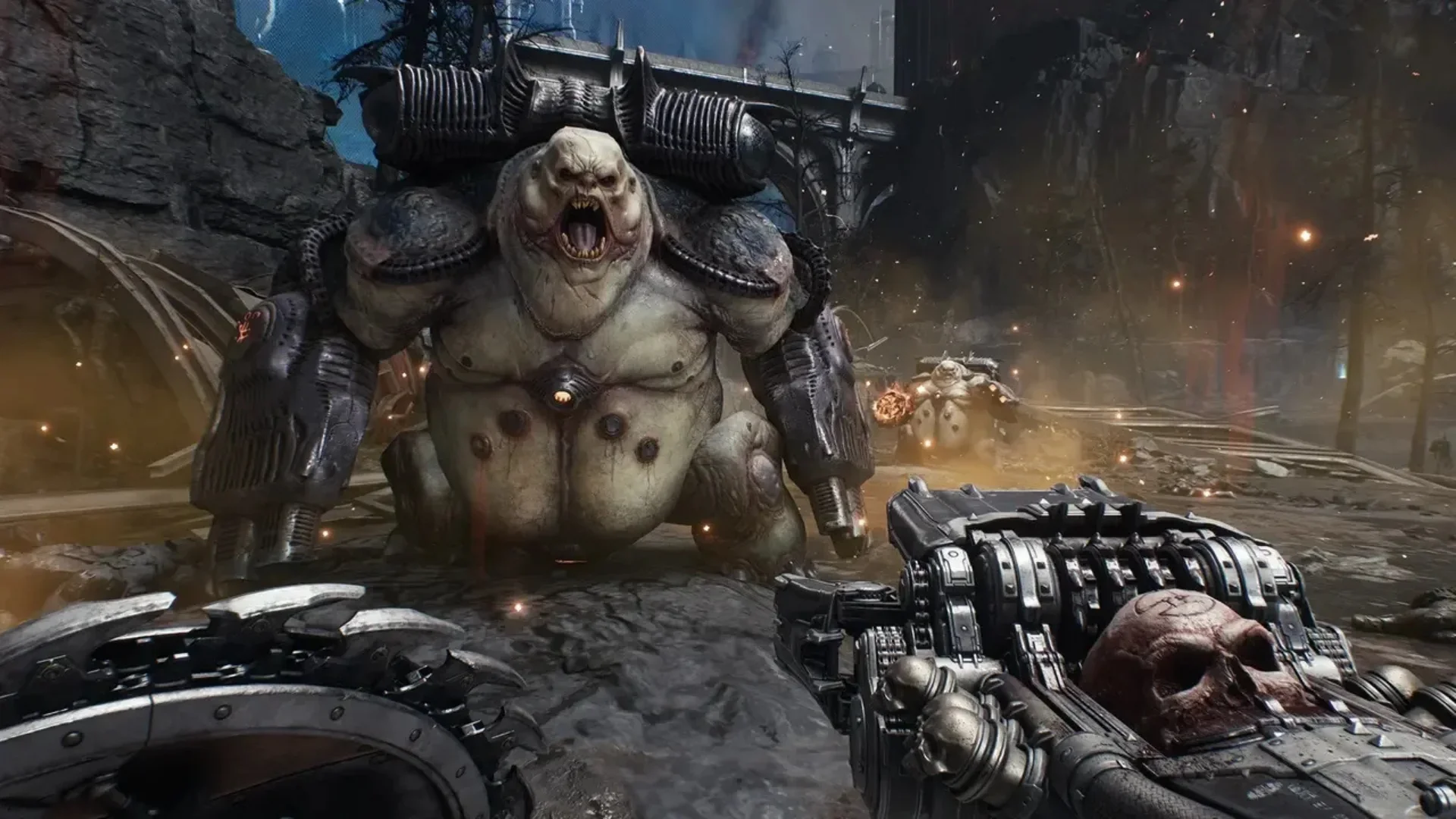
The level design supports the new combat style. Arenas are often wider, flatter, and more grounded than the spaces in Eternal. That change makes sense for the shield-focused combat, but it also changes how the game feels moment to moment. I am not constantly searching for monkey bars, jump pads, and aerial routes. I am scanning the ground, reading enemy positions, and deciding where to push next.
That grounded design makes fights easier to understand. I rarely felt like the arena itself was fighting me. The tradeoff is that some spaces are less memorable. Eternal could be exhausting, but its arenas often had a strong shape because movement was part of the puzzle. The Dark Ages sometimes settles into broad battlefields that work well mechanically but do not stay in my head afterward.
The campaign is also more open in places, with larger spaces, secrets, side objectives, and optional encounters. I appreciated the room to explore, but the game is strongest when it keeps the pressure tight. When the pacing stretches too far, the momentum dips. Doom can handle scale, but it still feels best when the next fight is pulling me forward by the throat.
The medieval setting gives Doom a strong new flavor
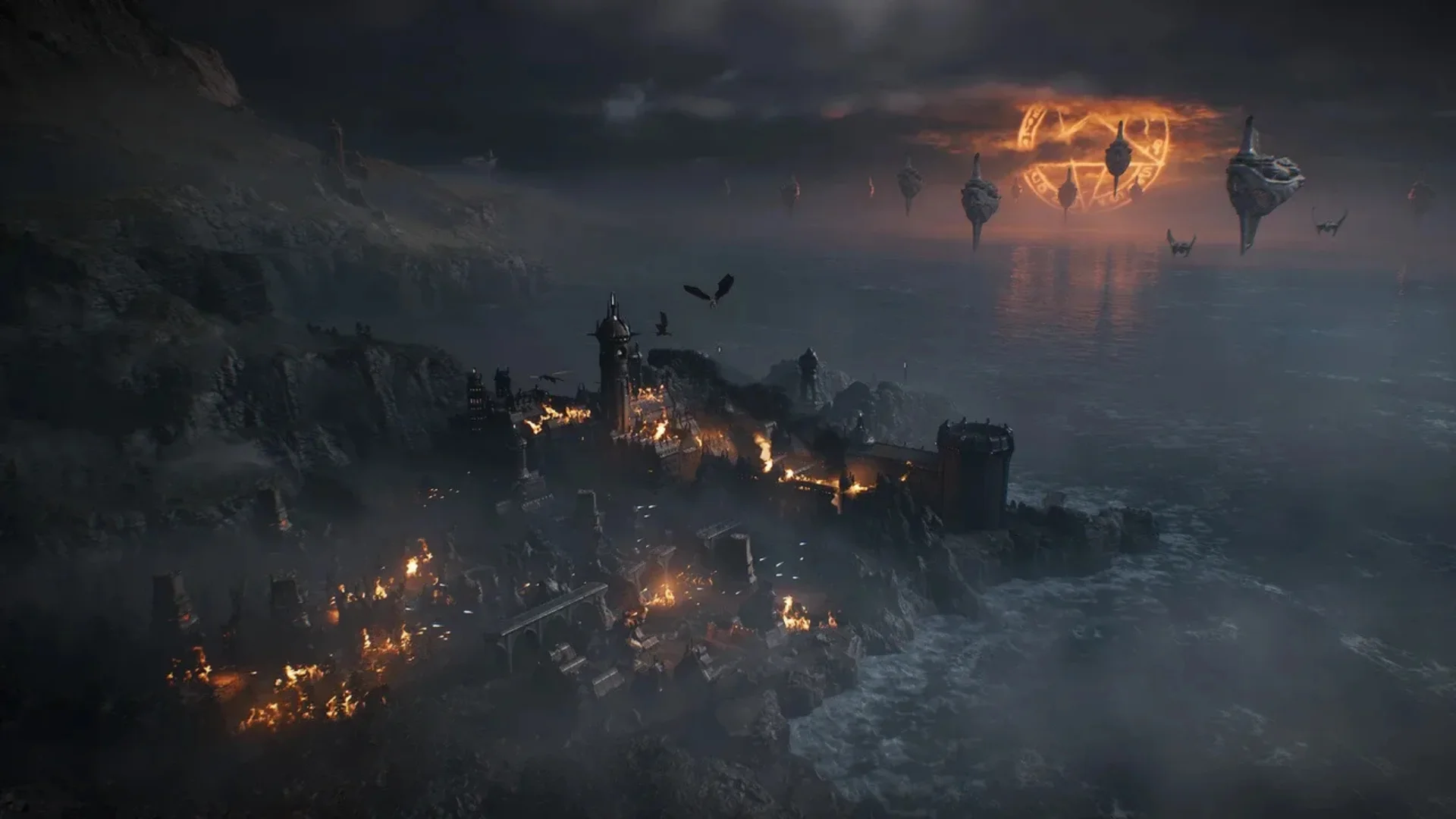
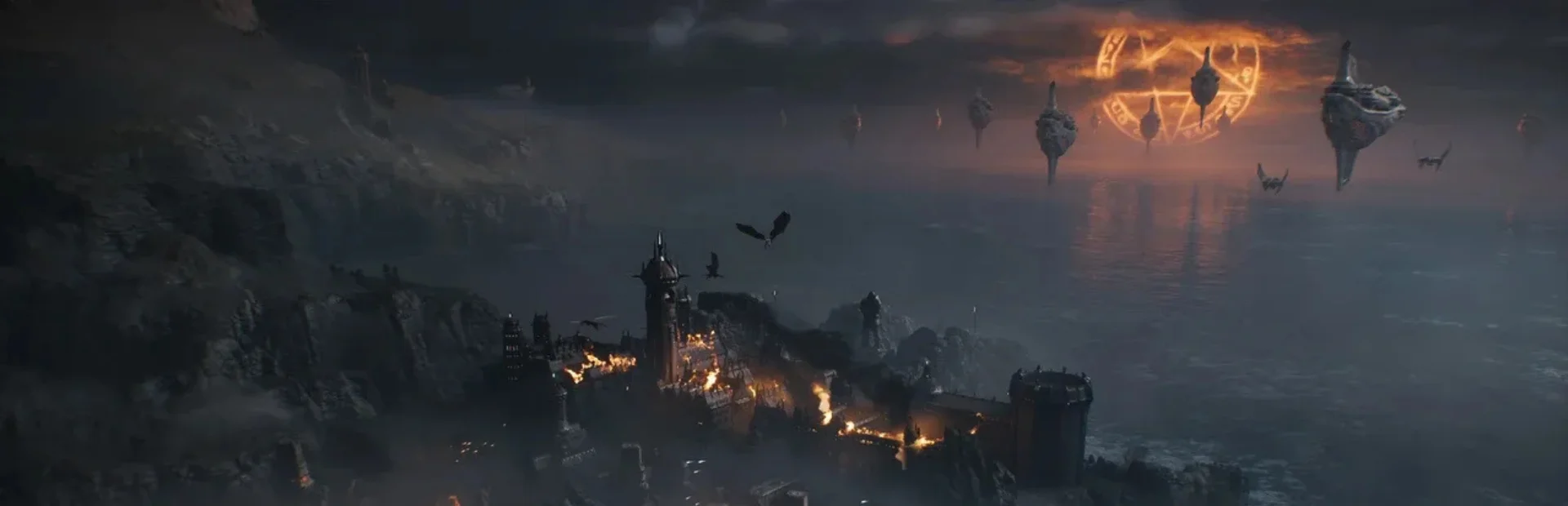
The techno-medieval style is more than a surface change. It gives the whole game a different mood. Castles, war machines, shields, dragons, ancient battlefields, and demonic armies push Doom closer to dark fantasy without losing the industrial aggression that defines the series. It is still metal, but the album cover has changed.
That setting works especially well because it suits the heavier combat. The Slayer feels like a mythic weapon dropped into a war that has been going on forever. The world around him is larger and more ceremonial than the facilities and hellscapes of the last two games. It gives the prequel a sense of scale without needing the story to become more complicated than it should be.
The storytelling is still not the main reason to play. Cutscenes give the campaign context, and the lore has its usual overblown charm, but I never needed much more than the mood. The Dark Ages is most convincing when it lets the setting speak through armor, architecture, enemy design, and the sound of the next fight starting.
The big set pieces are fun, but uneven
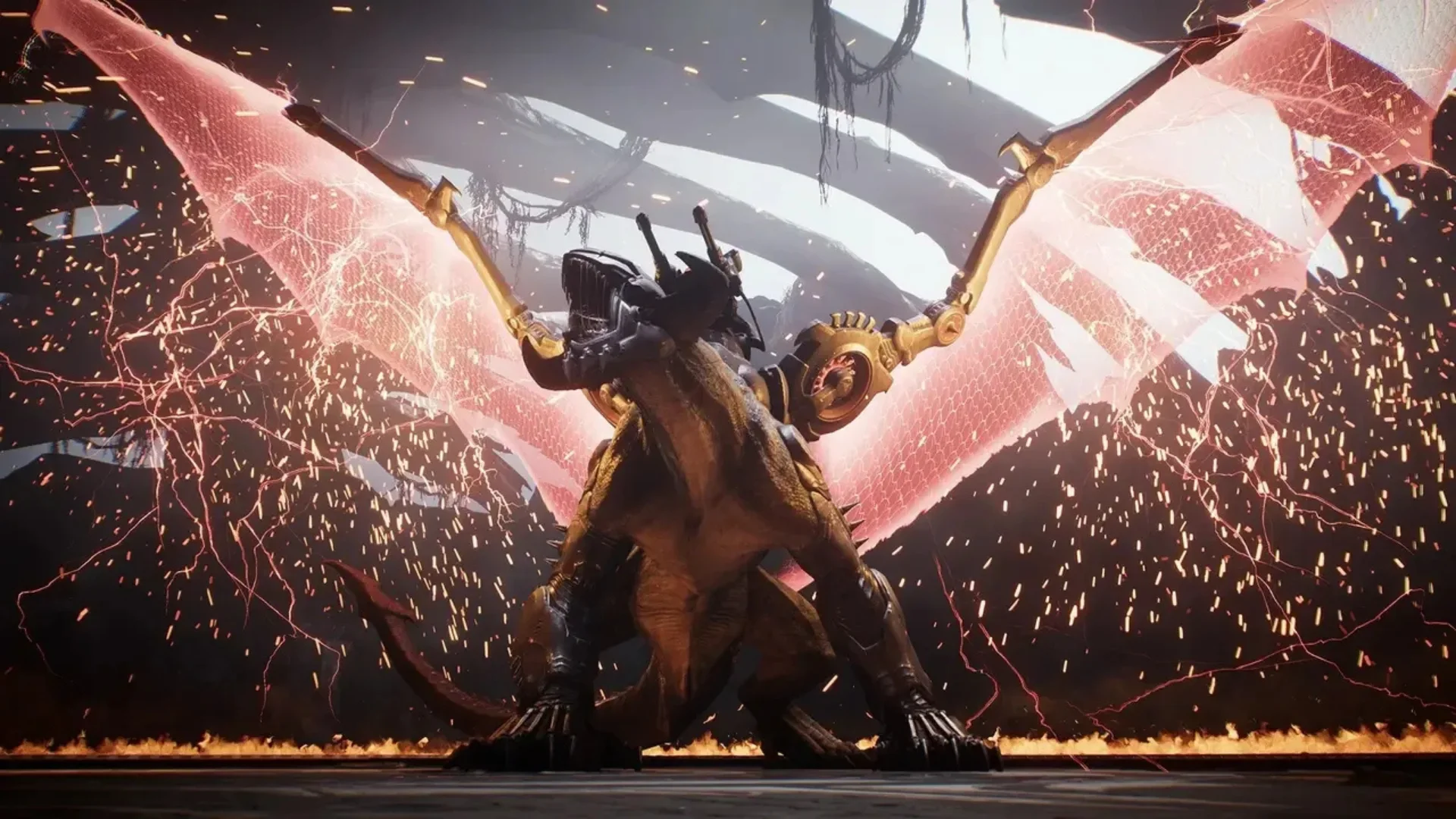
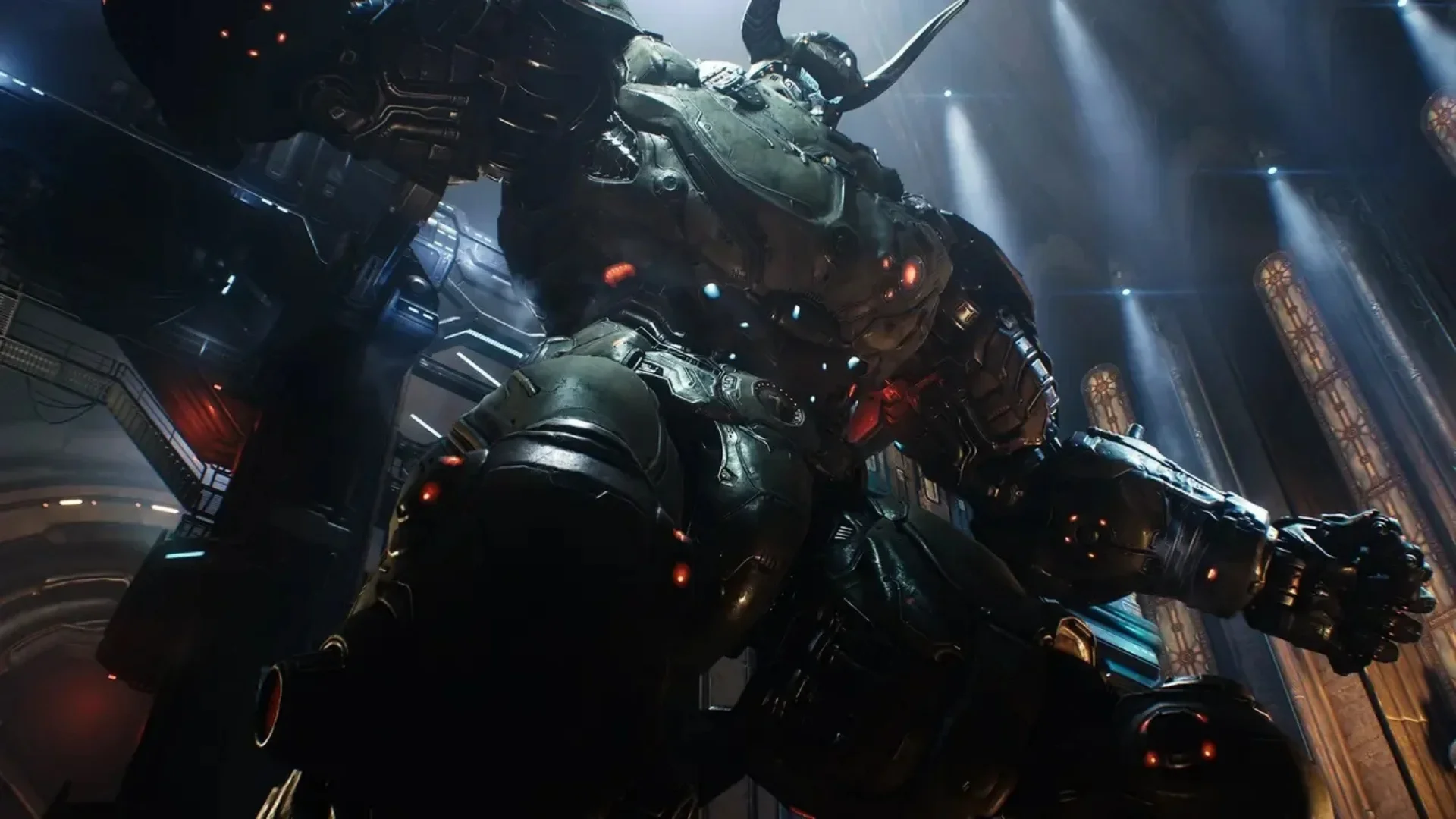
The Dark Ages tries to widen the formula with set pieces that move beyond standard arena fights. Some of them are entertaining in a simple, oversized way. Piloting huge machinery or riding into battle gives the campaign a sense of escalation, and I understand the urge to make this prequel feel bigger than another sequence of rooms full of demons.
The problem is that these moments rarely match the strength of the core combat. They are impressive at first, but they can feel thinner once the spectacle settles. The main shooter loop has precision, weight, and rhythm. The larger set pieces are more about scale than depth, and that makes them easier to admire than love.
I did not mind the variety, but I was usually ready to get back on foot. That is where the game has its real identity. The shield, guns, enemies, and arenas do more for the power fantasy than any oversized detour. The Dark Ages is at its best when it trusts the Slayer’s hands rather than putting him inside something larger.
Doom: The Dark Ages earns its slower fury
Doom: The Dark Ages is a strong and confident shift for the series. It is not as sharp or demanding as Doom Eternal, and players who loved that game’s speed may need time to adjust. The wider arenas, heavier movement, and set-piece detours make this feel like a different kind of Doom, not a straight upgrade.
I still think it works. The shield gives combat a new spine, the weapons hit hard, and the medieval setting gives the series fresh energy without losing its identity. The Dark Ages is not the fastest modern Doom, but it may be the most forceful. When I stopped trying to play it like Eternal and met it on its own terms, I found one of the most satisfying shooters id Software has made.
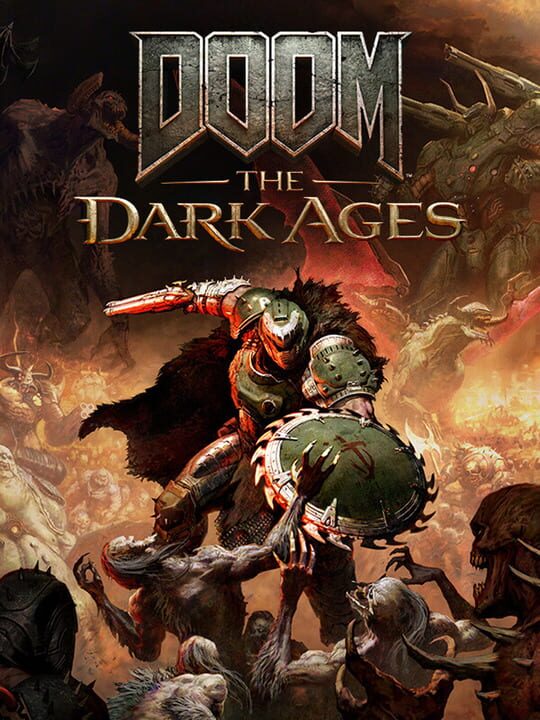
Doom: The Dark Ages
Xbox Series X|SPC (Microsoft Windows)PlayStation 5
Released
May 15, 2025
Developer
id Software
Publisher
Bethesda Softworks
Systems
Xbox Series X|S
PC (Microsoft Windows)
PlayStation 5