

Credit: Virtuos / Bethesda
review
Oblivion Remastered keeps the weird magic intact
May 28, 2026·7 min read
The Elder Scrolls IV: Oblivion Remastered is a strange success because it never quite hides the old game underneath. It looks cleaner, brighter, and far more detailed than the 2006 original, but the soul of Oblivion is still odd, loose, and occasionally ridiculous. NPCs still behave like they have wandered into the wrong scene. Quests still veer from heroic to absurd with almost no warning. The world still feels like it might break if I push it too hard.
That is why the remaster works better than a cleaner rebuild might have. Oblivion was never loved because it was seamless. It was loved because Cyrodiil felt open, strange, inviting, and unpredictable. This version makes it easier to return to that world, but it does not turn it into Skyrim or a modern RPG with every rough corner polished away. The result is a remaster that looks new at a glance and then quickly reminds me why the original was so charming in the first place.
Cyrodiil looks new without feeling replaced
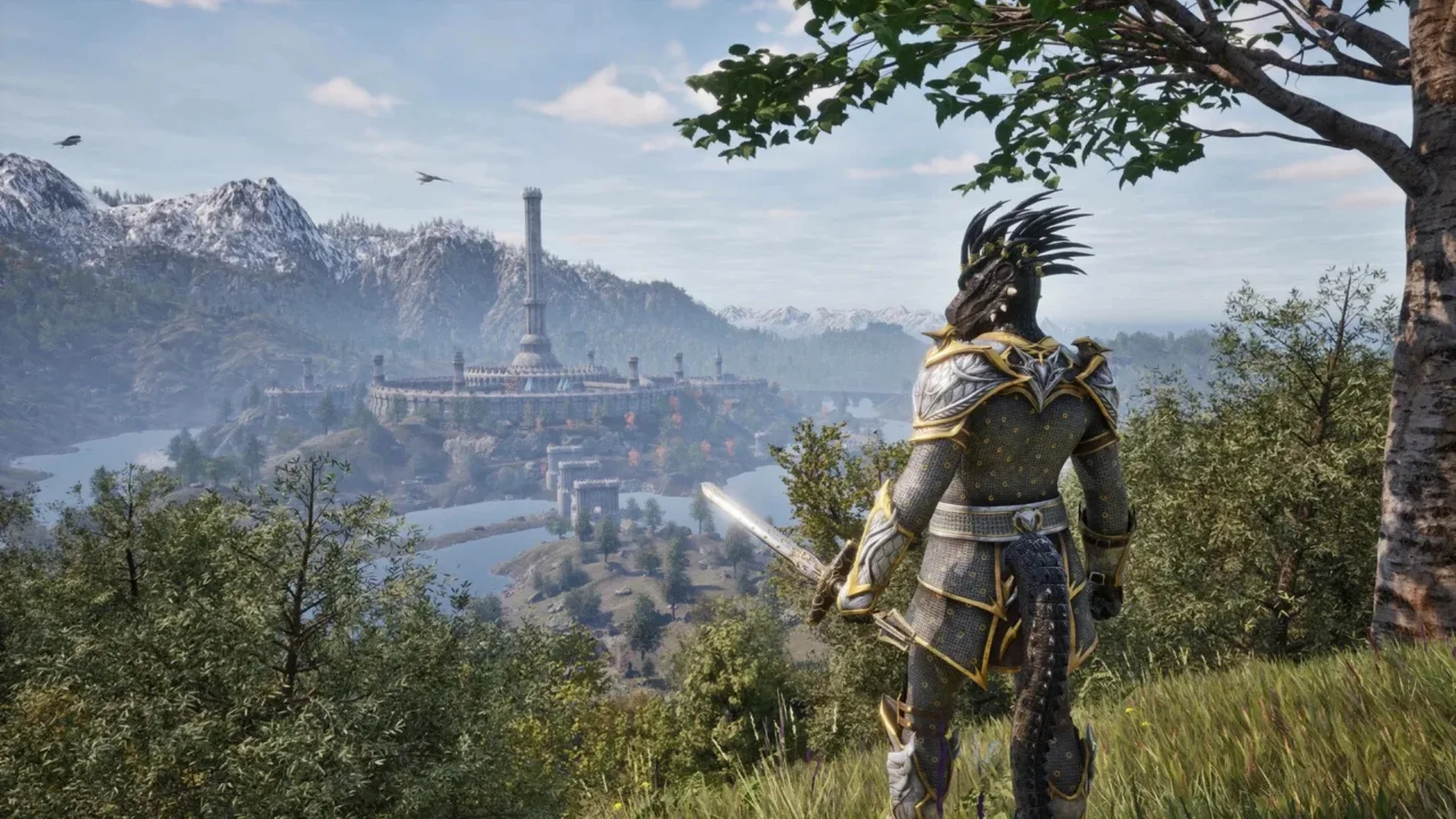
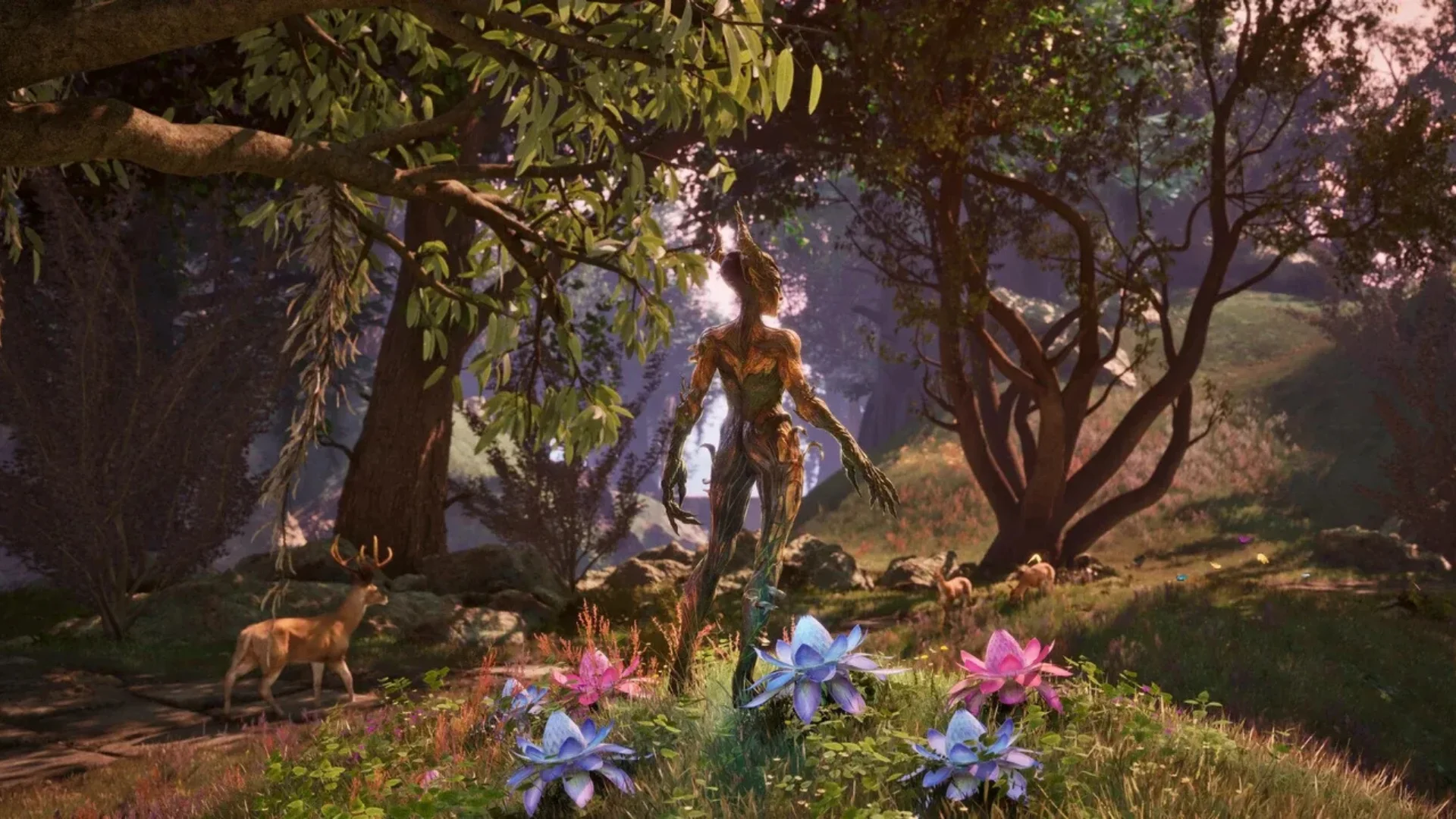
The visual upgrade is the first thing that stands out. Forests look fuller, cities have more texture, ruins feel less flat, and the lighting gives Cyrodiil a warmer, richer look. The old game could be beautiful in its own way, but the remaster makes its landscapes easier to enjoy without asking me to mentally fill in the gaps.
That said, the new look does not always feel completely natural. Some character faces still sit in an awkward space between old animation and modern detail. Some areas look stunning, while others carry a slight plastic sheen. It is not a full remake that reimagines every corner. It is the old structure with a much cleaner surface, and that creates a slightly odd tension.
I did not mind that tension for long. After a few hours, the remaster’s value became clear. It helps Cyrodiil feel inviting again without burying the personality of the original. The world still has that bright, storybook quality that separates it from the colder mood of Morrowind and the harsher look of Skyrim. It is prettier now, but it is still unmistakably Oblivion.
The quests are still the best reason to play
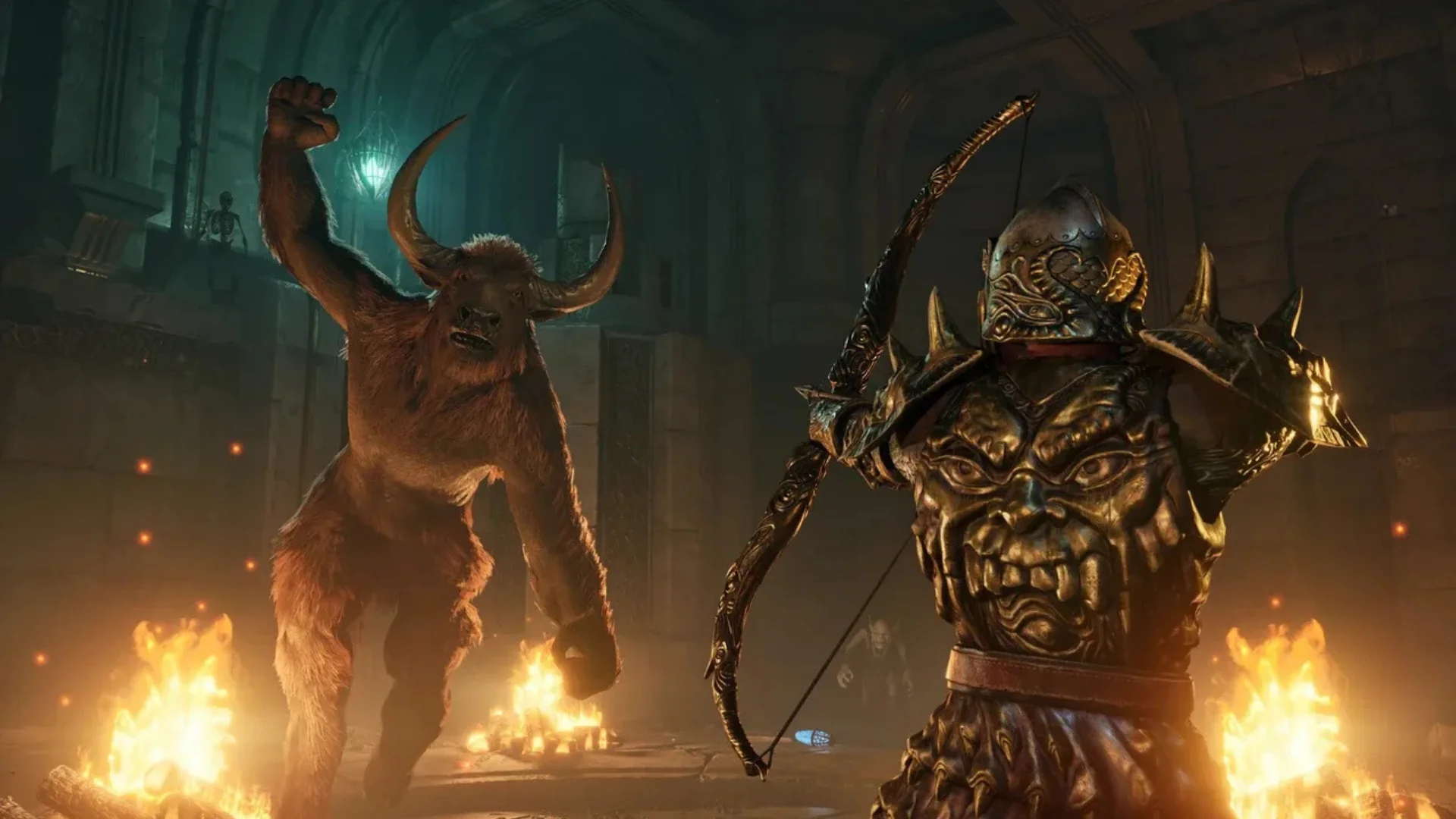
The strongest part of Oblivion has always been its quest design, and that has aged better than almost anything else. The main story is fine, with gates, cults, emperors, and a realm-threatening crisis, but the side quests are where the game really comes alive. They are weird, memorable, and often more creative than the setup suggests.
I kept wanting to follow the next rumor because Oblivion is unusually good at turning a simple errand into something stranger. A missing person, a suspicious town, a painting, a murder, or a guild task can become the kind of story I remember years later. The Dark Brotherhood still has some of the best questlines Bethesda has made, and the remaster does not need to change much for those missions to land.
What I appreciate now is how often the game lets quests feel self-contained. Modern open-world RPGs can become so focused on endless systems that individual stories blur together. Oblivion still has a clear sense of setup, twist, and payoff. Not every quest is brilliant, but the best ones have a shape that makes them stick.
The old systems are easier to accept now
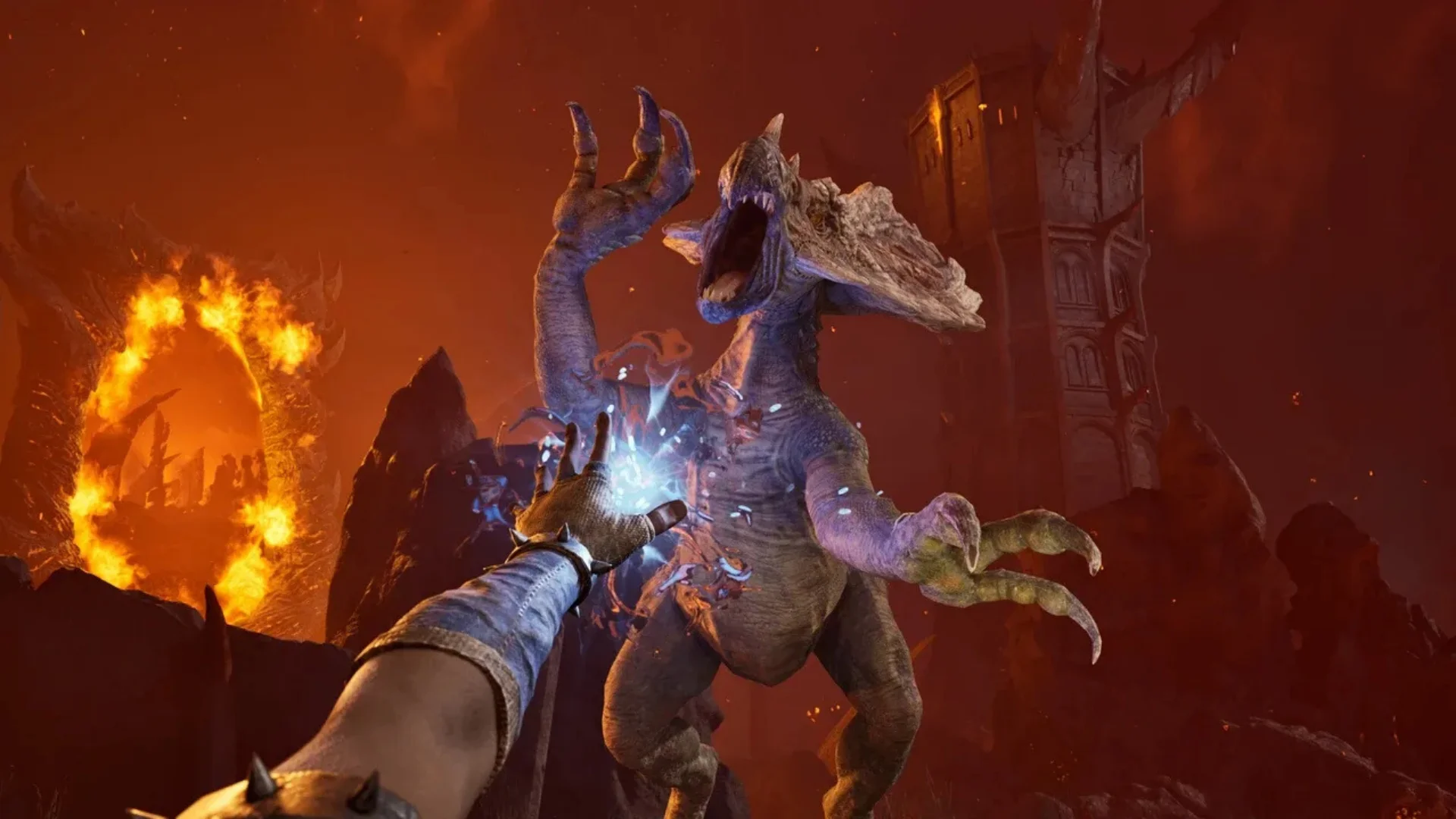
The remaster makes some smart changes to progression without trying to rebuild the whole RPG underneath. The original leveling system could punish players for building their character naturally, and this version feels less hostile about how I grow. I still have room to shape a class and lean into a playstyle, but the process feels less like I need a spreadsheet open beside me.
That helps a lot, because Oblivion is most enjoyable when I am free to wander into a role rather than optimize every decision. I can start as a sword-and-shield fighter, get distracted by Illusion magic, join a guild, steal from the wrong person, and slowly become a character I did not plan at the start. The remaster preserves that loose role-playing pleasure.
Combat remains the weakest major pillar. It is more playable than I remembered, but it still feels stiff and weightless compared with modern action RPGs. Melee hits lack impact, enemy scaling can make progress feel strange, and fights often settle into a rhythm that is more functional than exciting. The game is much better when I am exploring, talking, sneaking, or chasing quests than when I am trading blows in a cave.
The remaster cannot hide all the jank
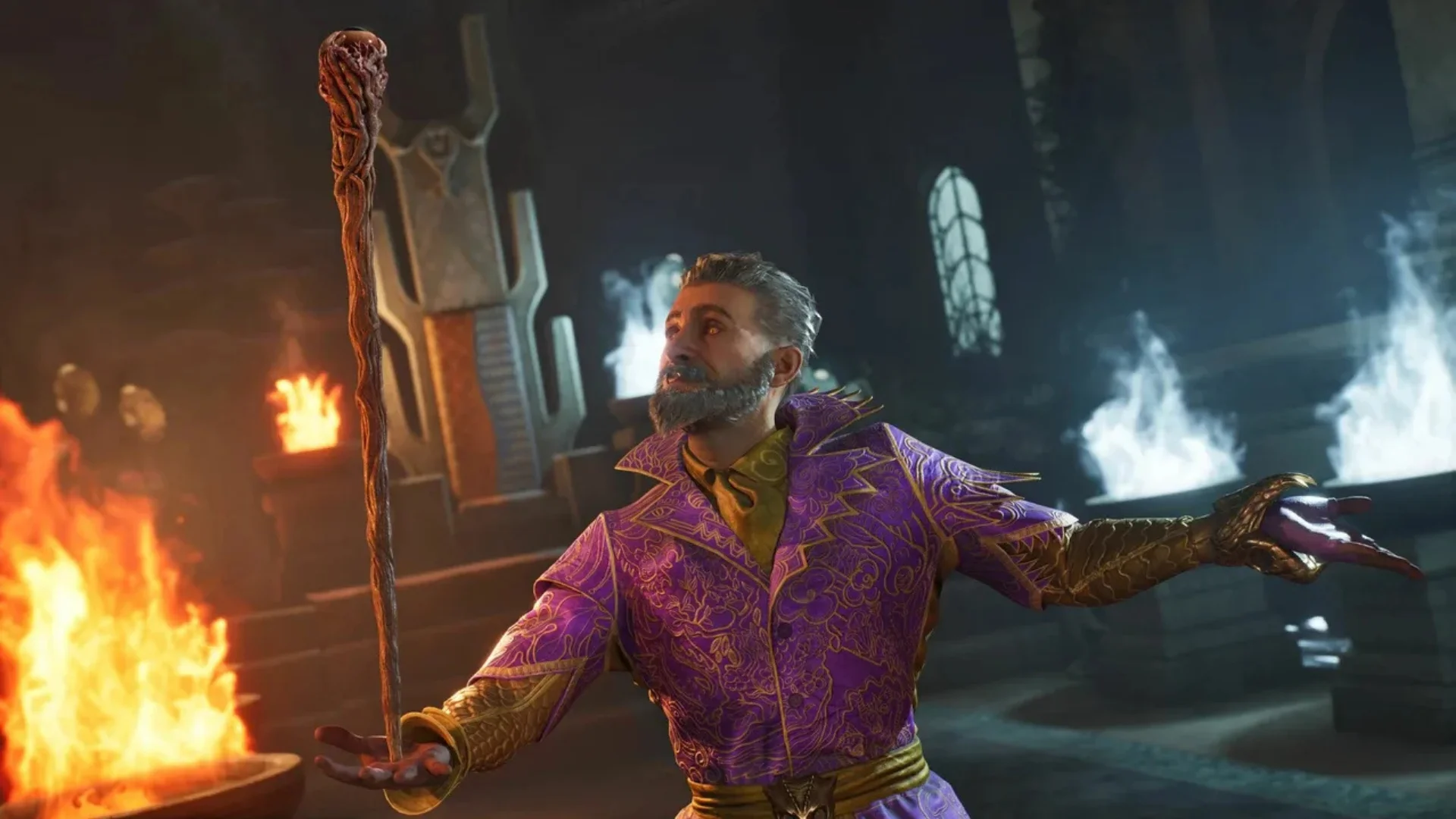
A big part of Oblivion is the jank, and the remaster wisely keeps more of it than I expected. NPC conversations are still awkward. Guards can still feel absurdly intense. Radiant AI still produces moments that seem both broken and perfect. The world has a theatrical weirdness that no amount of visual polish can fully disguise.
Some of that is wonderful. I laughed often, sometimes with the game and sometimes at it. The awkward conversations, strange reactions, and odd little behaviors give Cyrodiil a personality that more polished worlds do not always have. A smoother version of Oblivion might have lost that.
But there is a difference between charming jank and technical frustration. Performance issues, stutters, crashes, and uneven optimization can make the remaster feel rough in ways that are harder to excuse. The game asks for more hardware than its old bones sometimes seem to justify, and that can be annoying when the underlying design still feels so clearly rooted in 2006. I can forgive an NPC behaving strangely. I have less patience for the game struggling when the action on screen is not especially demanding.
The nostalgia works because the game still has character
I expected nostalgia to do a lot of heavy lifting here, but the remaster held up better than that. It reminded me that Oblivion is not only important because people played it at the right time. It still has a particular flavor that Bethesda has not fully repeated. It is bright, sincere, goofy, and adventurous in a way that feels almost impossible to fake now.
The voice acting, the music, the cities, the guilds, the Daedric quests, and the sudden tonal shifts all create a world that feels less controlled than modern open worlds. That looseness can be messy, but it also makes the game feel generous. I never felt like I was being pushed through a perfectly managed content pipeline. I felt like I was wandering through an old RPG that kept finding new ways to distract me.
The Elder Scrolls IV: Oblivion Remastered is what fans have been waiting for
The Elder Scrolls IV: Oblivion Remastered is not the smoothest way to experience a fantasy RPG in 2026, and it is not a remake that fixes every old problem. The combat is still plain, the technical state can be frustrating, and the upgraded presentation sometimes clashes with the old design underneath.
But I would still recommend it, especially to players who missed Oblivion the first time or want a cleaner way to return. The remaster understands that this game’s magic was never about perfection. It was about stepping out of the sewers, seeing a whole strange world ahead, and trusting that the next town, ruin, guildhall, or rumor might lead somewhere worth remembering. On that front, Oblivion still has it.
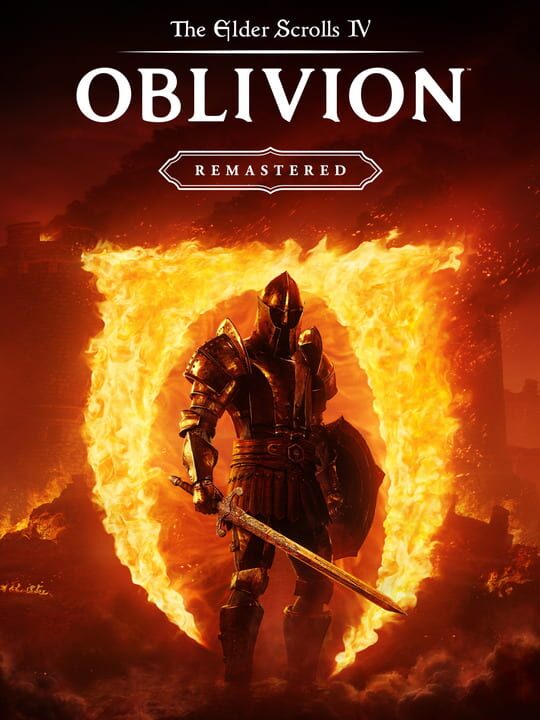
The Elder Scrolls IV: Oblivion Remastered
Xbox Series X|SNintendo Switch 2PC (Microsoft Windows)
Released
April 22, 2025
Developer
Virtuos
Publisher
Bethesda Softworks
Systems
Xbox Series X|S
Nintendo Switch 2
PC (Microsoft Windows)
PlayStation 5