
Credit: Techland
reviewReview
Dying Light: The Beast brings back the fear of the dark
May 28, 2026·8 min read
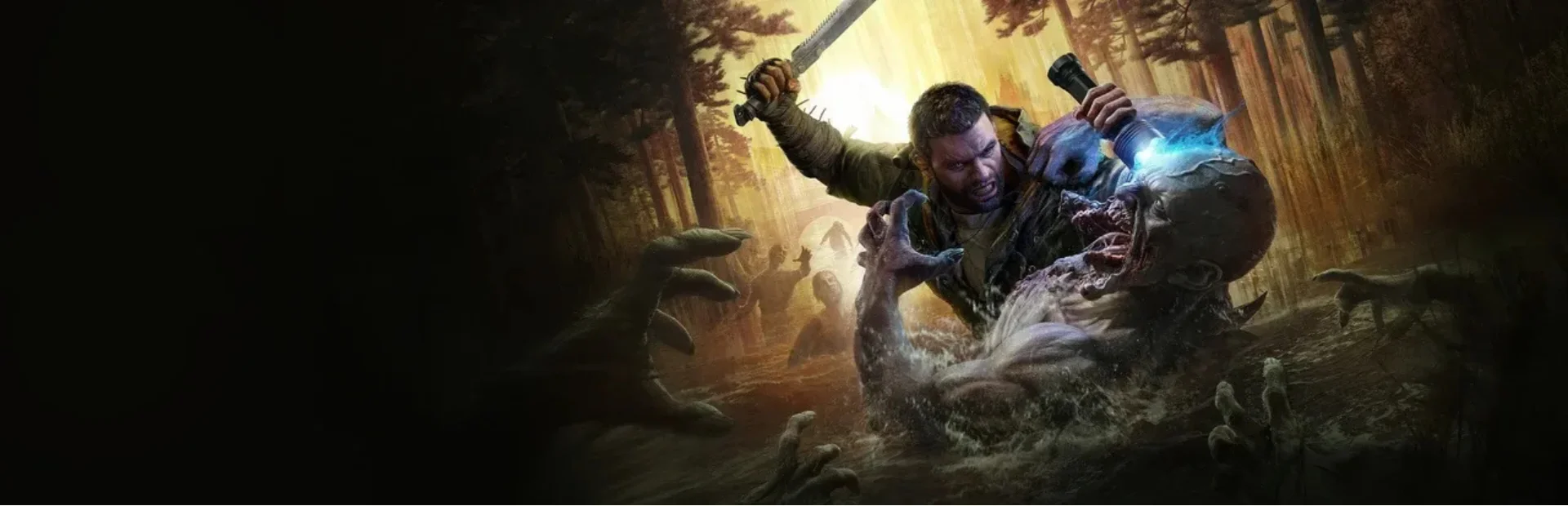
Dying Light: The Beast feels like Techland remembering what made this series work in the first place. It is not a reinvention, and it does not need to be. The best parts come from the same simple pressure that carried the original Dying Light: rooftops, bad choices, infected streets, limited safety, and that awful moment when the sun drops and the whole world starts chasing you differently.
Kyle Crane’s return gives the game a familiar center, but The Beast is not just leaning on nostalgia. It is a tighter, angrier, more focused game than Dying Light 2, with a stronger horror edge and a better sense of danger in its open world. It still has some of the series’ old problems. The story can be blunt, the structure can repeat, and not every system earns the attention it asks for. But when I was moving across Castor Woods at night with too much noise behind me and not enough stamina left, I was back in the part of Dying Light that always mattered.
Kyle Crane gives the sequel a stronger pulse
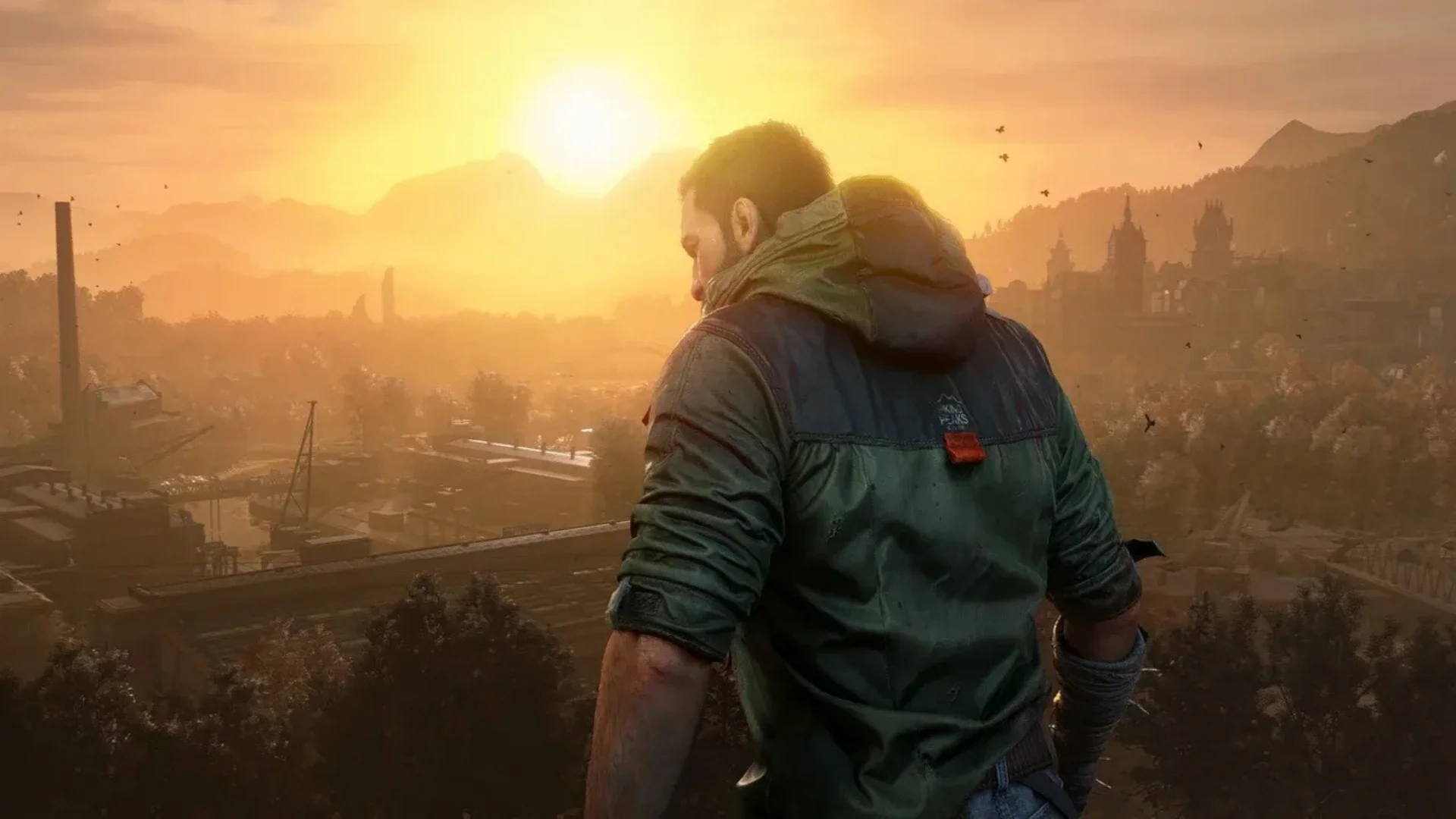
Bringing back Kyle Crane is the smartest decision The Beast makes. He is not a complicated protagonist, but he gives the game a direct emotional line that Dying Light 2 often lacked. There is history in him now. He is older, damaged, and carrying the weight of everything the series has put him through. That makes his anger feel less like action-game decoration and more like the fuel for the whole campaign.
The writing is not subtle, and Crane’s story does not avoid familiar revenge beats. It is still a Dying Light plot, with experiments, betrayal, survival, factions, and people making dangerous decisions in a ruined world. But the game benefits from having a lead who already belongs to this universe. I did not need long explanations to understand why he was furious or why his body felt like another problem he had to fight.
His Beast abilities are the new hook, but they work best when they complicate the fantasy rather than simply making him stronger. The game gives Crane bursts of power, but it does not let him become untouchable. That tension suits the series. Dying Light has always been most interesting when strength and vulnerability sit close together.
Castor Woods is a better fit for survival
Castor Woods gives The Beast a strong setting because it feels more open without becoming empty. The rural landscape, tourist areas, forests, roads, facilities, and small settlements make the world feel different from Harran and Villedor without abandoning the series’ identity. It is still a place built for movement, but it has a more isolated mood.
The setting also gives the game’s horror more room to breathe. A dark street in a city is scary in one way. A quiet road, a forest path, or a half-abandoned building in the middle of nowhere hits differently. Castor Woods often feels like a place where safety is far away, and that does a lot for the tone.
The map is not free from routine. There are activities, side tasks, safe zones, and familiar open-world habits throughout. But the world feels more purposeful than I expected. I was not only clearing markers. I was looking for shelter, watching routes, judging risk, and deciding whether one more stop was worth being outside too long.
Related Article
newsBreaking
PlayStation’s June State of Play puts Marvel’s Wolverine back in the spotlight
May 21, 20263 min read
Parkour feels good again
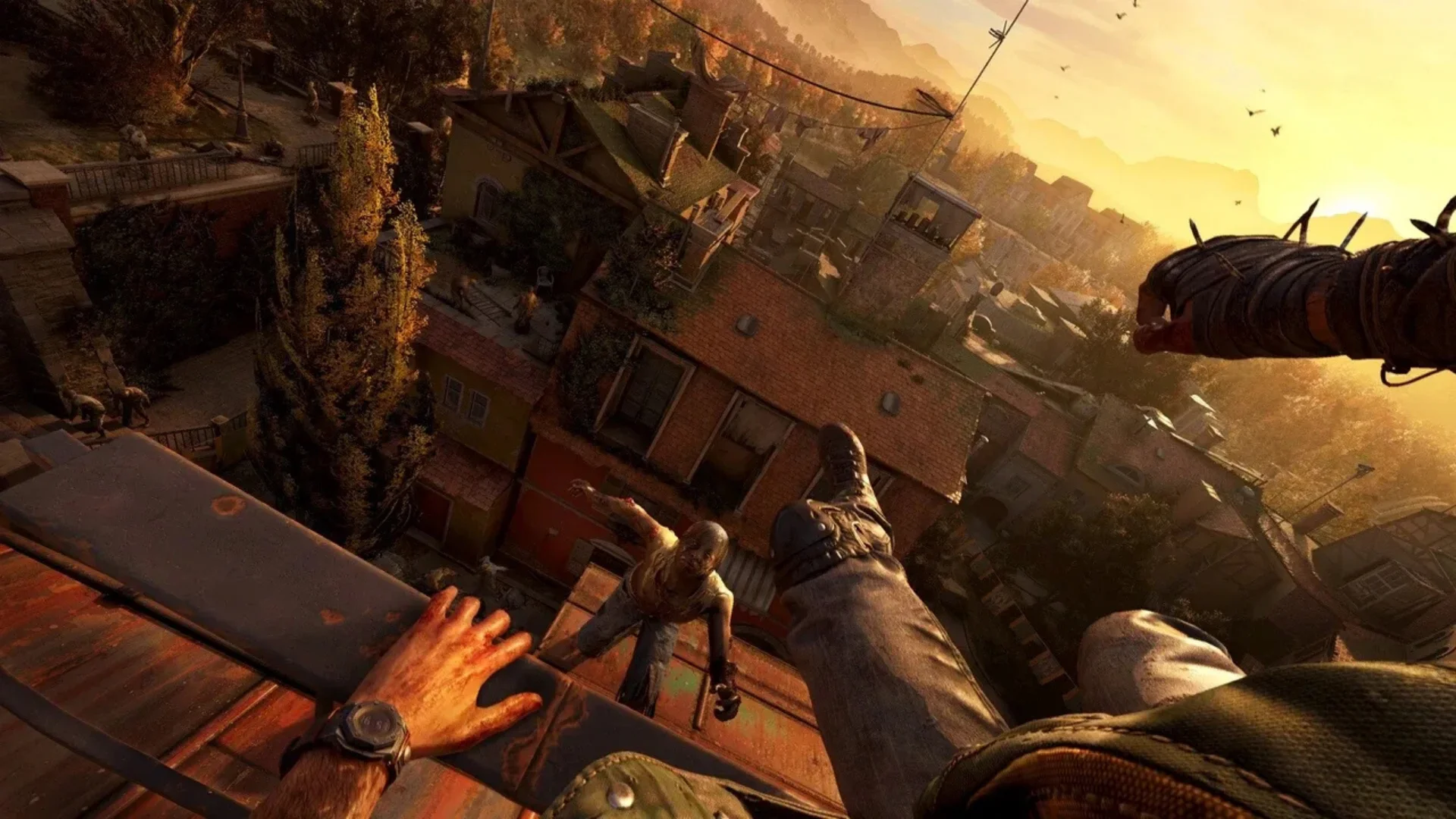
Movement is still the soul of Dying Light, and The Beast understands that. Parkour feels responsive, physical, and useful, not just stylish. Climbing, vaulting, sliding, jumping, and scrambling away from danger all feed into the same survival rhythm. I was rarely just traveling. I was reading the world for escape routes.
That makes exploration satisfying even when the objective itself is simple. A building, cliffside, tower, or infected street becomes more interesting when I have to solve it with movement. The best routes feel improvised. I see a ledge, a roof, a broken wall, or a vehicle, and the game trusts me to turn that into a path.
The vehicle adds another layer, but it never replaced parkour for me. Driving is useful, and it fits the larger outdoor setting, yet Dying Light still feels best when I am on foot and slightly panicked. The closer the game keeps me to the ground, the better it is at making danger feel personal.
Night time is finally scary again
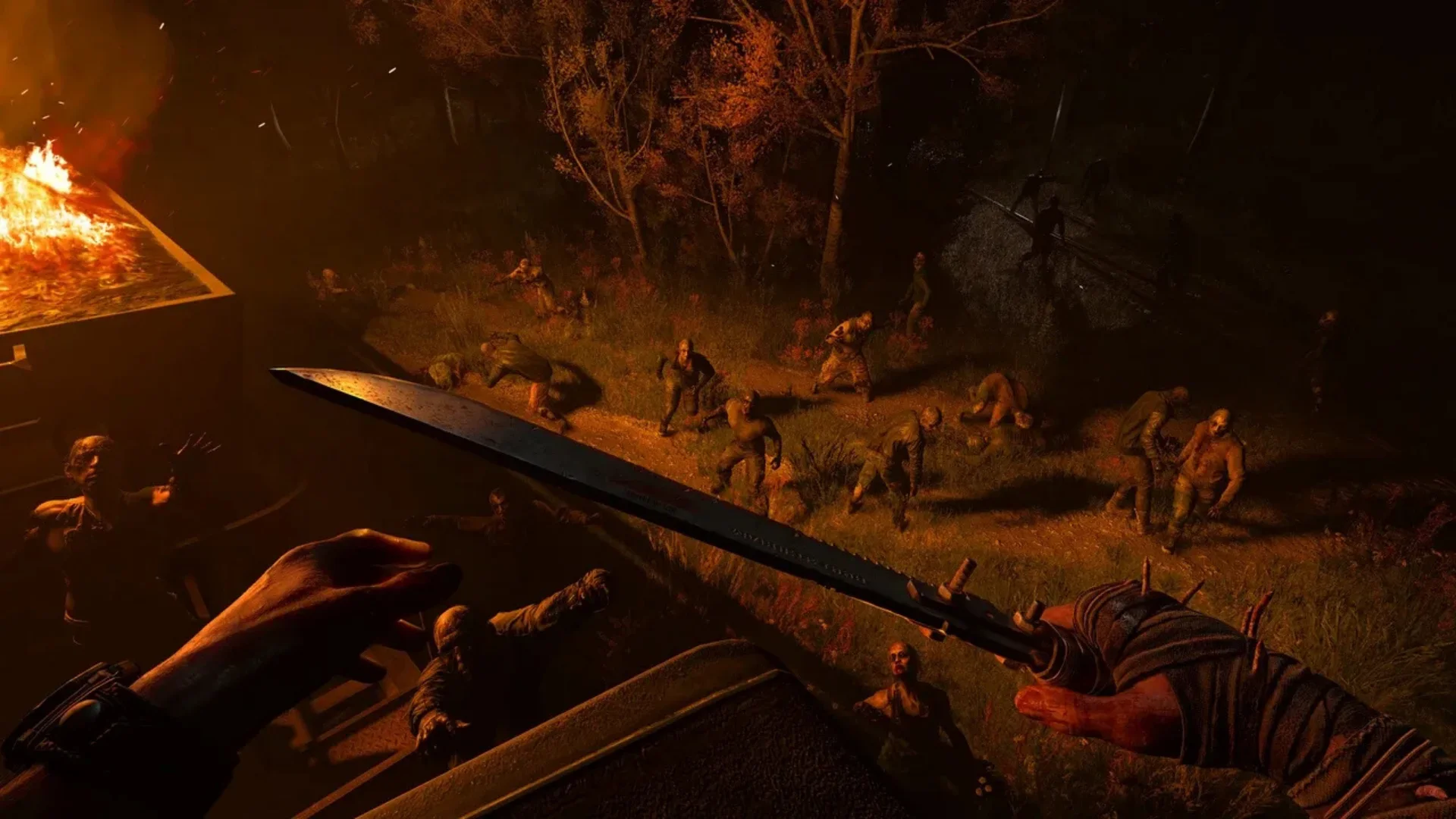
The night is the main reason The Beast works. Daytime has danger, but night changes the rules. The infected become more aggressive, the world feels less readable, and every mistake gets louder. I found myself preparing for night in a way I have not always done in recent open-world games. I cared about where the nearest safe zone was. I cared about whether I had enough supplies. I cared about whether a detour was worth it.
That fear gives the game its best rhythm. A clean daytime plan can become a desperate nighttime retreat if I push too far. I had several moments where greed got me into trouble. One extra objective, one more building, one careless fight, and suddenly I was running instead of exploring. That is the series at its best.
The chase design is not perfect. It can become predictable once I understand the systems, and repetition dulls some of the fear over time. But The Beast restores enough danger that night feels like more than a filter over the map. It becomes a decision.
Related Article
newsBreaking
Legacy of the Dark Knight gets quiet help from the Arkham team
May 19, 20263 min read
Combat is brutal, but not always deep
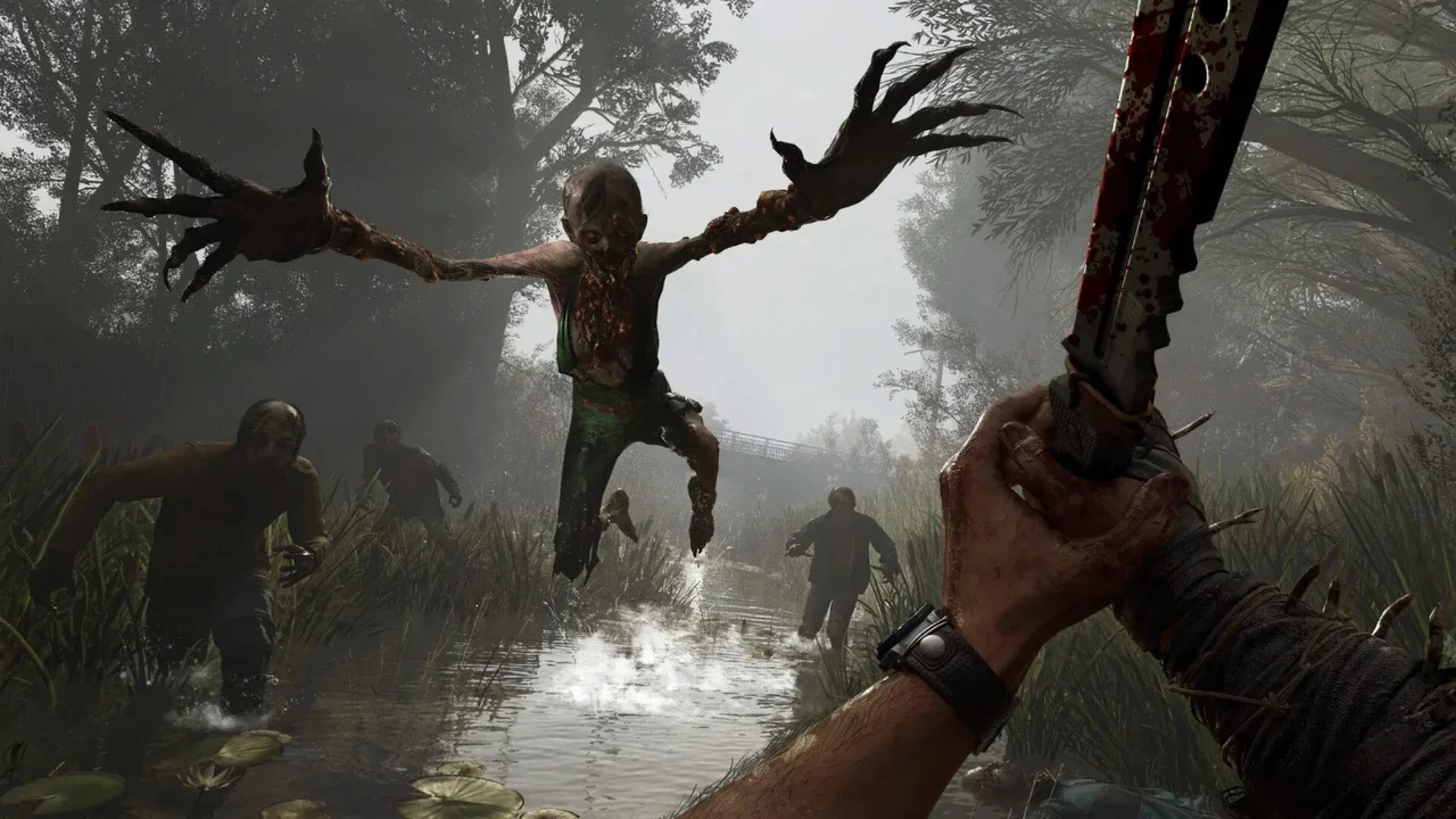
Melee combat has a heavy, satisfying feel. Weapons land with force, enemies react clearly, and the first-person view keeps fights close and uncomfortable. The game is good at making every swing feel like a commitment, especially when a fight starts attracting more trouble than I planned for.
The Beast powers add a useful release valve. They let Crane break through danger in short bursts, and they give the combat a savage rhythm that fits his story. Used well, those moments feel earned rather than automatic. They are strongest when I am already under pressure and need one violent shift to survive.
The combat can still repeat. Human enemies are not always as interesting to fight as infected, and some encounters settle into familiar patterns. Guns also change the mood in ways I did not always enjoy. They are useful, but the series feels more distinctive when noise is dangerous and close-range survival stays at the center.
The open world still has old habits
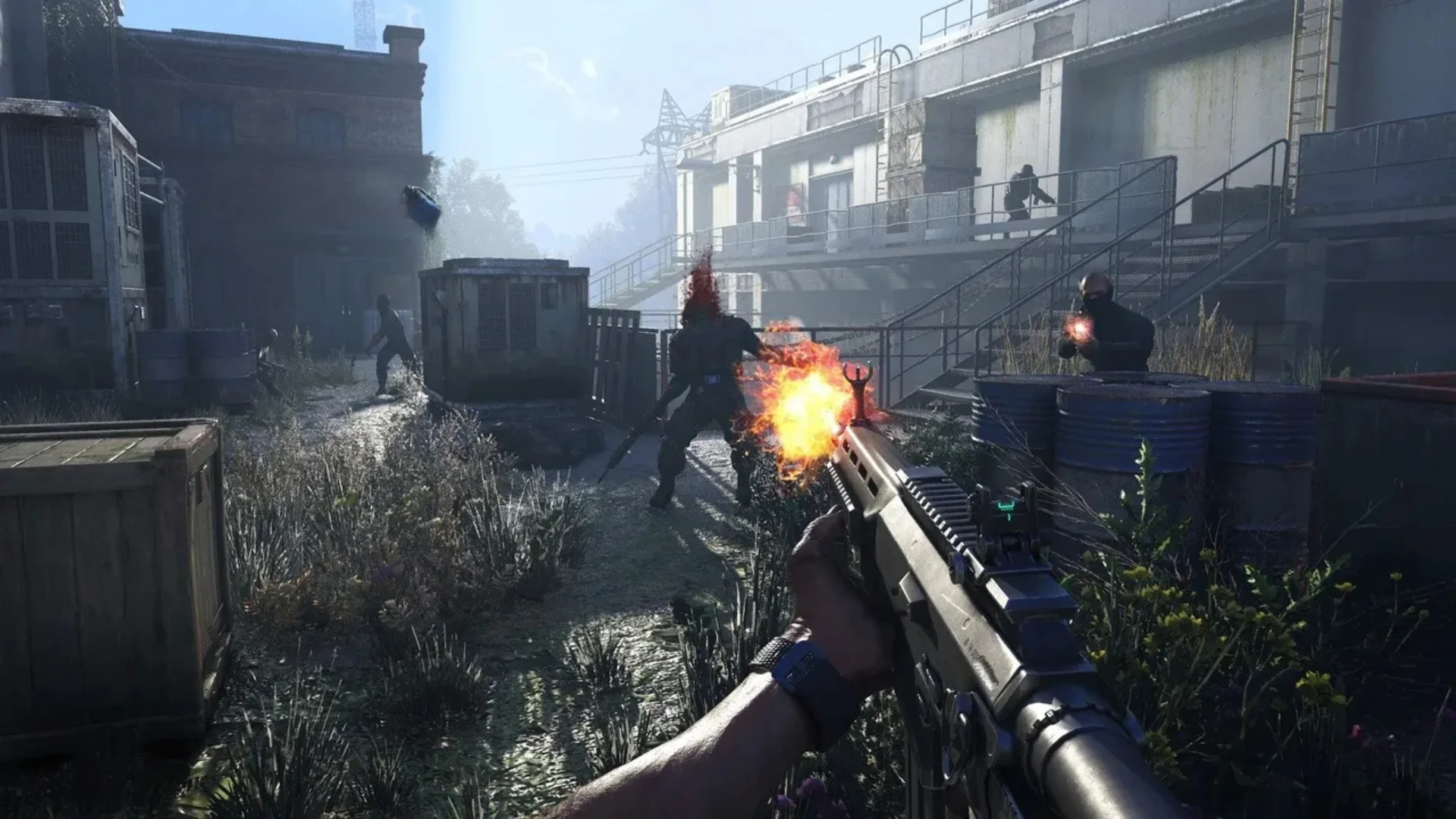
The Beast is more focused than Dying Light 2, but it still carries familiar open-world weight. There are side activities worth doing, but there are also moments where the structure becomes too visible. Go here, clear this, collect that, activate a safe place, move on. The stronger atmosphere helps, but it cannot hide every repeated beat.
The pacing also has uneven stretches. The game starts slower than it should, and some missions feel more ordinary than the world around them. I often enjoyed being in Castor Woods more than following the exact task the story gave me. That is not a disaster, but it shows where the game’s writing and mission design do not always match the strength of its movement and nighttime tension.
Still, the side content is better when it leans into survival. A task that sends me into a dark area, forces a risky route, or makes me stay outside longer than planned can create a good story on its own. The Beast is less convincing when it behaves like a standard open-world checklist and much stronger when the world itself becomes the threat.
Related Article

newsBreaking
GTA 6 boss says Rockstar is still on track for November
May 22, 20263 min read
Dying Light: The Beast is the sequel I wanted
Dying Light: The Beast is not flawless, but it is the most confident this series has felt in years. It brings back Kyle Crane with enough purpose, gives the world a stronger horror edge, and makes parkour and nighttime survival feel central again. The story is simple, some activities repeat, and combat does not always evolve as much as it could, but the core loop still has real force.
I would recommend it to players who liked the first Dying Light and wanted a return to that sharper mix of movement, fear, and close-range survival. Players who need a bold reinvention may find it too familiar. For me, that familiarity was part of the appeal. The Beast works because it understands what the series should feel like: fast when I am moving, ugly when I am cornered, and genuinely tense when the dark catches up.
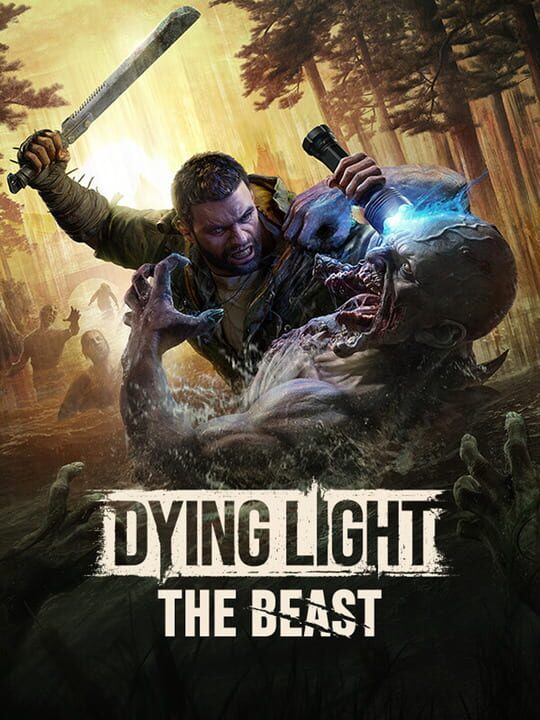
Dying Light: The Beast
Xbox Series X|SPlayStation 4PC (Microsoft Windows)
Released
September 18, 2025
Developer
Techland
Publisher
Techland
Systems
Xbox Series X|S
PlayStation 4
PC (Microsoft Windows)
PlayStation 5
Xbox One