GTA VI exposes a problem with games that take a decade to make
Rockstar's PS2-era sequels let ideas carry from one game to the next. GTA VI shows how rarely developers get that chance when a single game takes a decade.
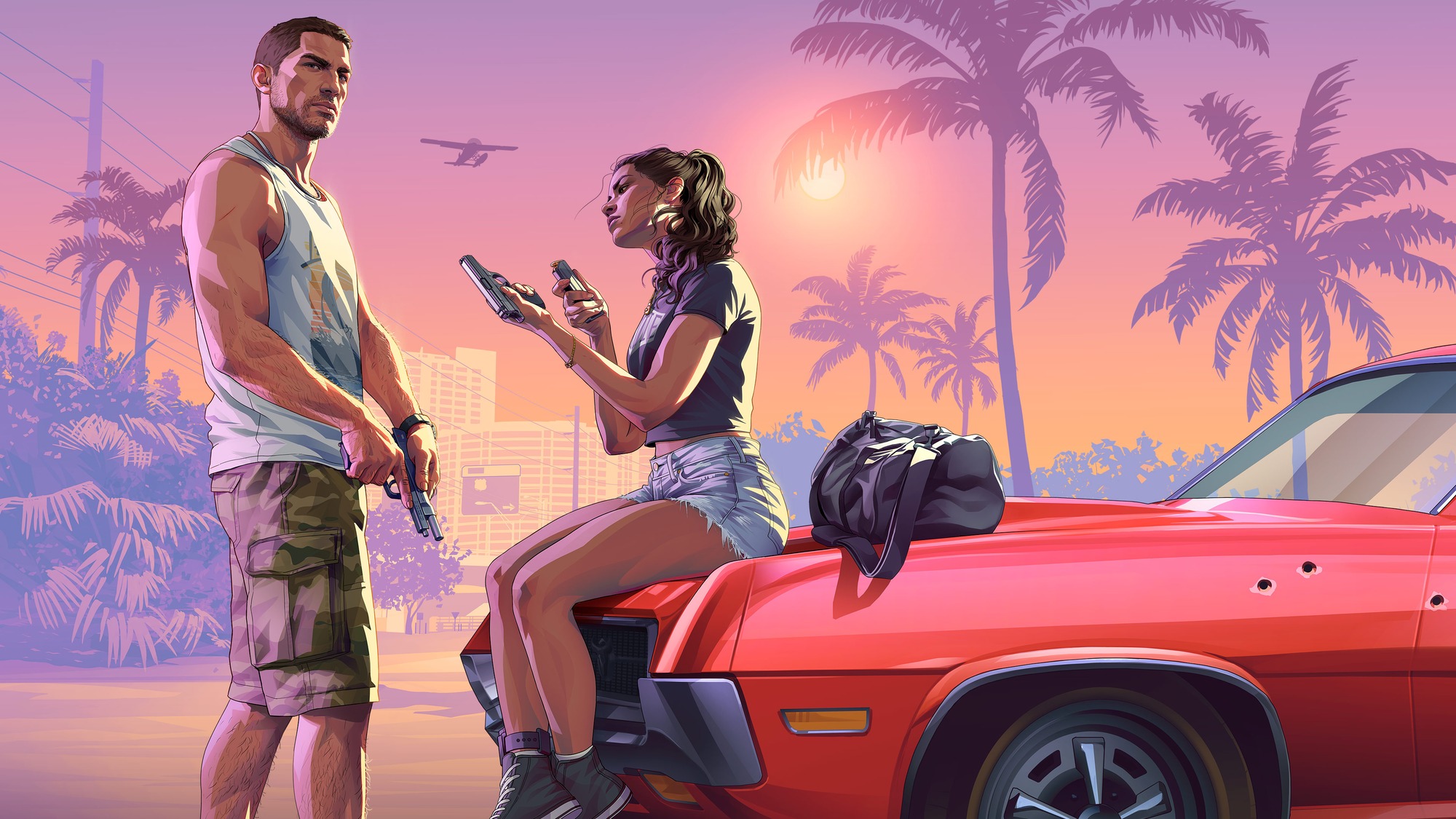
When GTA VI launches on November 19, thirteen years will have passed since GTA V. Rockstar began working on the sequel in 2015, with most of the team joining after Red Dead Redemption 2 launched in 2018. Even the game's satire has been affected by that lengthy schedule. Rockstar North co-head Rob Nelson explained that jokes could lose their relevance between being written, cast and filmed.
During the PS2 era, Rockstar released GTA III, Vice City and San Andreas within three years. Developers could experiment with new ideas, release a game and build on that experience in the next one. Today, a single Rockstar production can take longer than that entire trilogy combined.
GTA VI has spent years in development while technology, popular culture and expectations for open-world games have continued to change. Rockstar can refine its ideas throughout production, but decisions made years ago still need to hold up when millions of players finally explore Vice City.
A good idea could wait for the next GTA
During Rockstar's PS2 years, an idea that didn't make one game could still find its way into the next. The studio wanted motorcycles in GTA III, but former technical director Obbe Vermeij remembers them as one of the features the team had to leave out. A year after the game's 2001 release, you could steal a PCJ-600 in Vice City, weave between cars and find out how little it took to go flying over the handlebars.
Working that quickly came at a cost. The team was still finishing the PC version of GTA III while developing Vice City, and Vermeij recalled how exhausted everyone felt afterward. Rockstar allowed two years for San Andreas, giving developers more time to expand on the previous game while reusing much of its code.
One ambition was to build three cities connected by countryside. Some developers wanted separate maps to save memory, with planes, trains and buses taking players between them. Vermeij argued that players should be able to drive the entire distance, and eventually won that argument with a colleague.
By 2004, you could get on a motorcycle in Los Santos and ride through the countryside all the way to San Fierro. In just three years, Rockstar had gone from cutting motorcycles out of GTA III to building a world where you could ride one between cities. Each release gave the developers another opportunity to take their ideas further.
A smaller release gives someone else a turn in charge
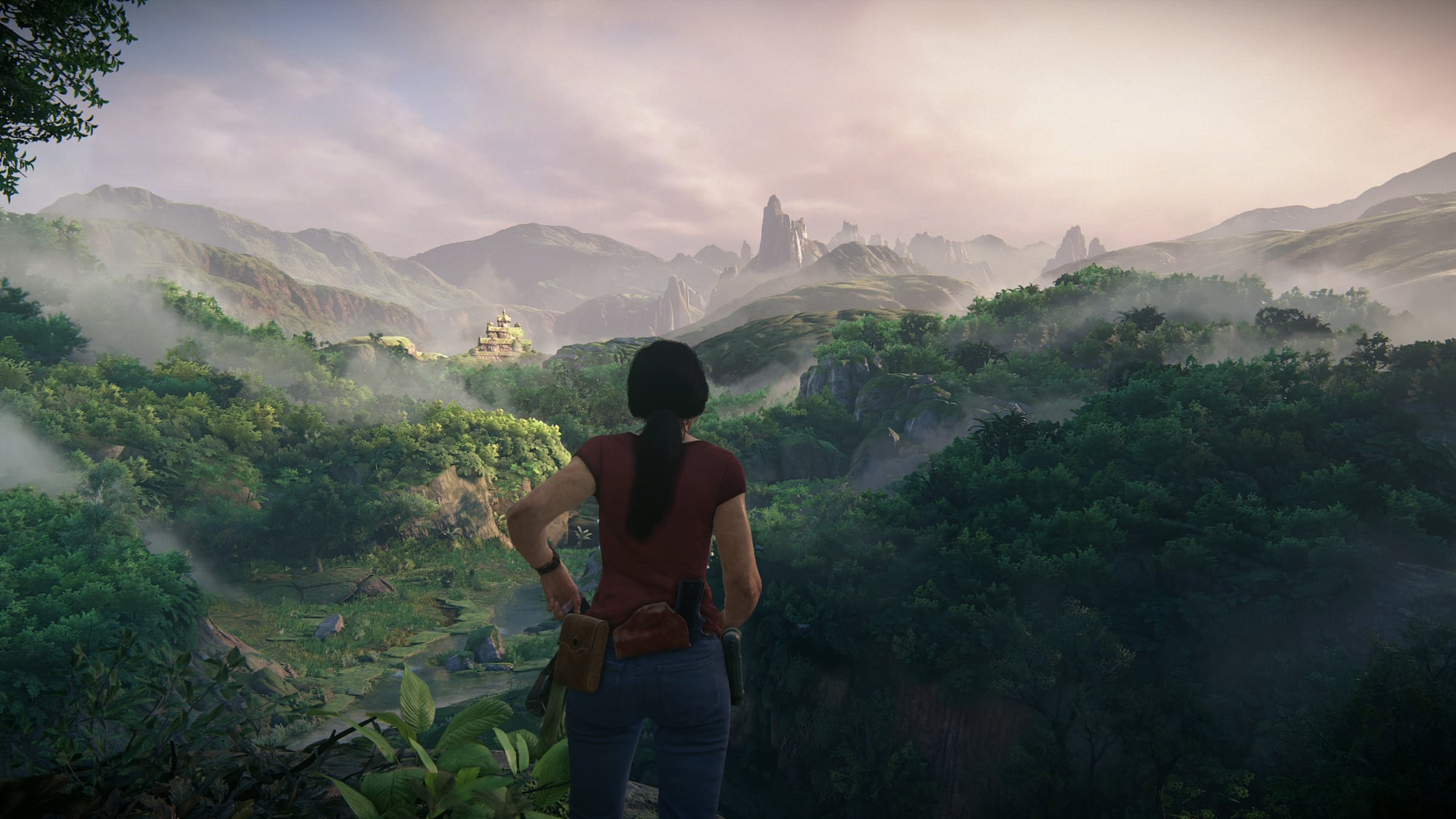
New projects also give developers opportunities to take charge of ideas they previously helped develop. At Naughty Dog, Kurt Margenau was one of the lead designers on Uncharted 4, where the Madagascar chapter introduced more freedom to explore by jeep. The team had wanted to take that idea further, but ran out of time.
When Uncharted: The Lost Legacy began as an expansion, Margenau became game director and James Cooper stepped into the lead designer role. They could now explore ideas that hadn't made it into Nathan Drake's adventure.
The Western Ghats gave Chloe and Nadine three forts to visit in any order. That freedom also changed how Naughty Dog approached the story. Since players could choose their route, the writers couldn't rely on certain conversations happening first. Instead, the characters got to know each other during the drive, with important story moments reserved for later.
The Lost Legacy launched in 2017, just over a year after Uncharted 4. Margenau went on to co-direct The Last of Us Part II, having already led a complete game.
For developers working on productions that last eight or ten years, opportunities like these can be much rarer. A smaller project gave Margenau the chance to turn earlier experiments into a finished game and gain directing experience without waiting for Naughty Dog's next major release.
Some answers have to wait for the finished game
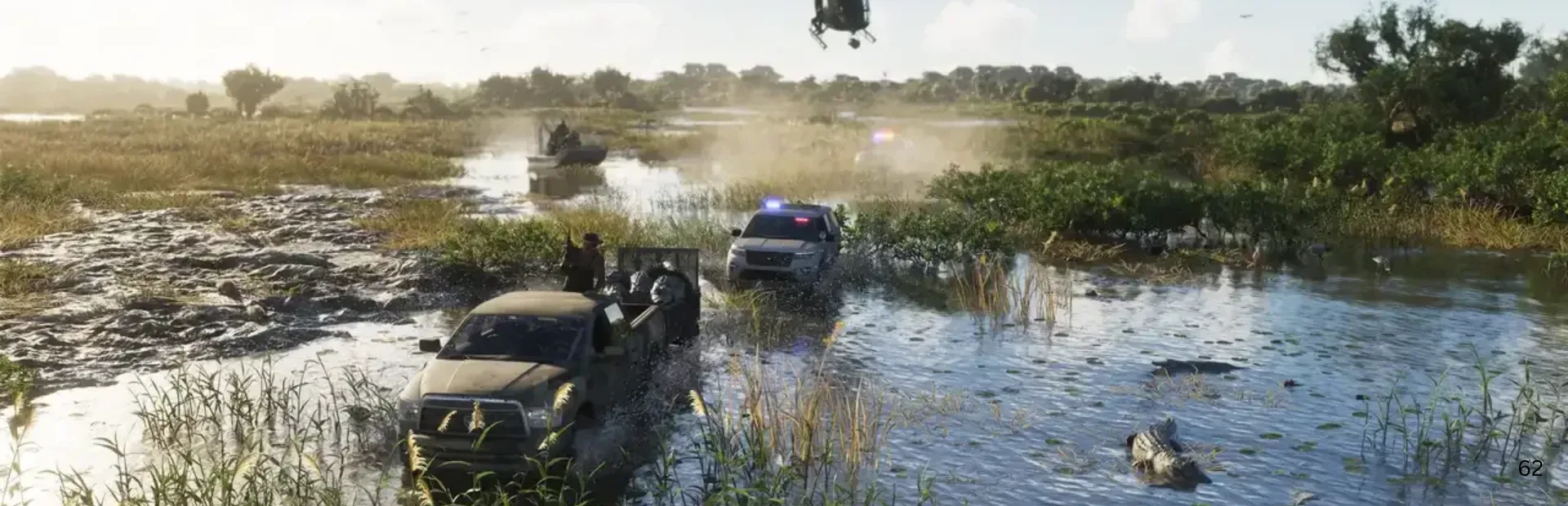
Rockstar could still experiment while GTA VI was in development. In December 2020, GTA Online introduced the Cayo Perico Heist, allowing players to complete a heist solo for the first time. Going alone meant keeping the entire payout, while crews could carry more loot. By February, Take-Two reported that more than half of the players attempting the heist were doing so alone. Rockstar now had a clearer picture of how many people preferred playing without a crew.
Supergiant took a similar approach with Hades II during early access. Its first patch improved Melinoë's sprinting and movement, giving players changes they could immediately test. But the studio had to wait until the full release in September 2025 to see how players responded to the ending.
Some were disappointed, including players who had spent hundreds of hours in early access. Creative director Greg Kasavin said he and studio director Amir Rao decided to revisit the ending just days after launch, eventually bringing back voice actors to record new material.
Player feedback had helped Supergiant refine the combat and movement throughout development. The story was different. Only after players experienced the complete adventure could the studio see whether its conclusion lived up to their expectations. For developers spending years on a single game, that kind of feedback can arrive very late in production.
Rockstar has fewer chances to learn from its successes
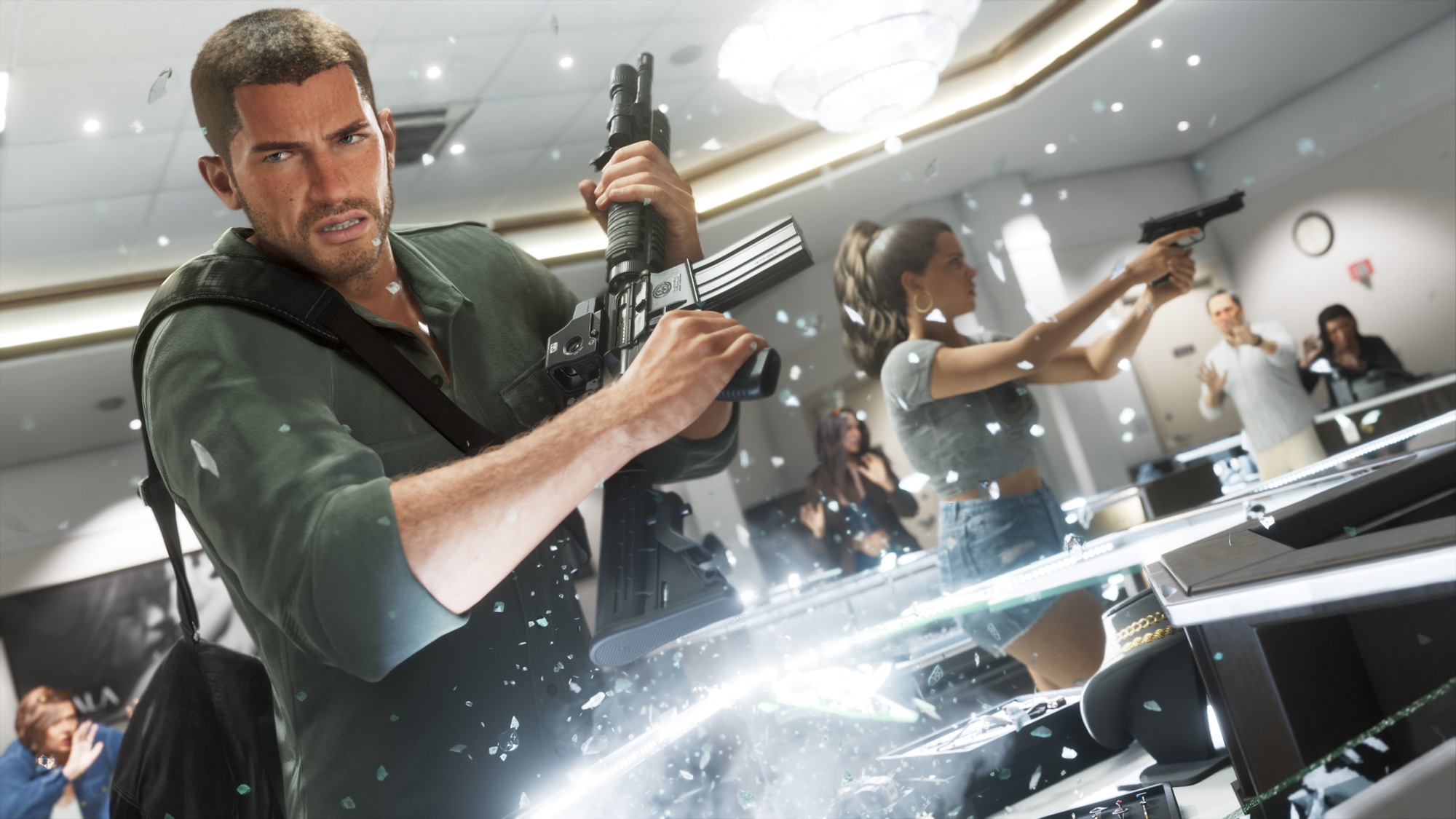
Red Dead Redemption 2 taught Rockstar something it hadn't expected. After giving players three protagonists in GTA V, the studio worried that following Arthur Morgan alone might feel restrictive. Instead, players became deeply attached to him, partly because their decisions influenced the kind of person he became. With Jason and Lucia, Rockstar wants to combine that emotional connection with the freedom to switch between characters.
Nelson has described a sequence where Lucia is thrown down a flight of stairs before control passes to Jason, leaving players uncertain about what happened to her. Rockstar can refine the timing of that moment, but its emotional impact depends on the relationship players have developed with both characters throughout the story.
How audiences respond to Jason and Lucia will give Rockstar lessons it can carry into another game, just as Arthur Morgan influenced GTA VI. The problem is how rarely developers get to apply what they learn. When a single production takes the better part of a decade, even experienced teams have fewer opportunities to experiment, make mistakes, and improve. Rockstar can afford to spend years building an extraordinary game, but those years also represent creative opportunities its developers may never get back.
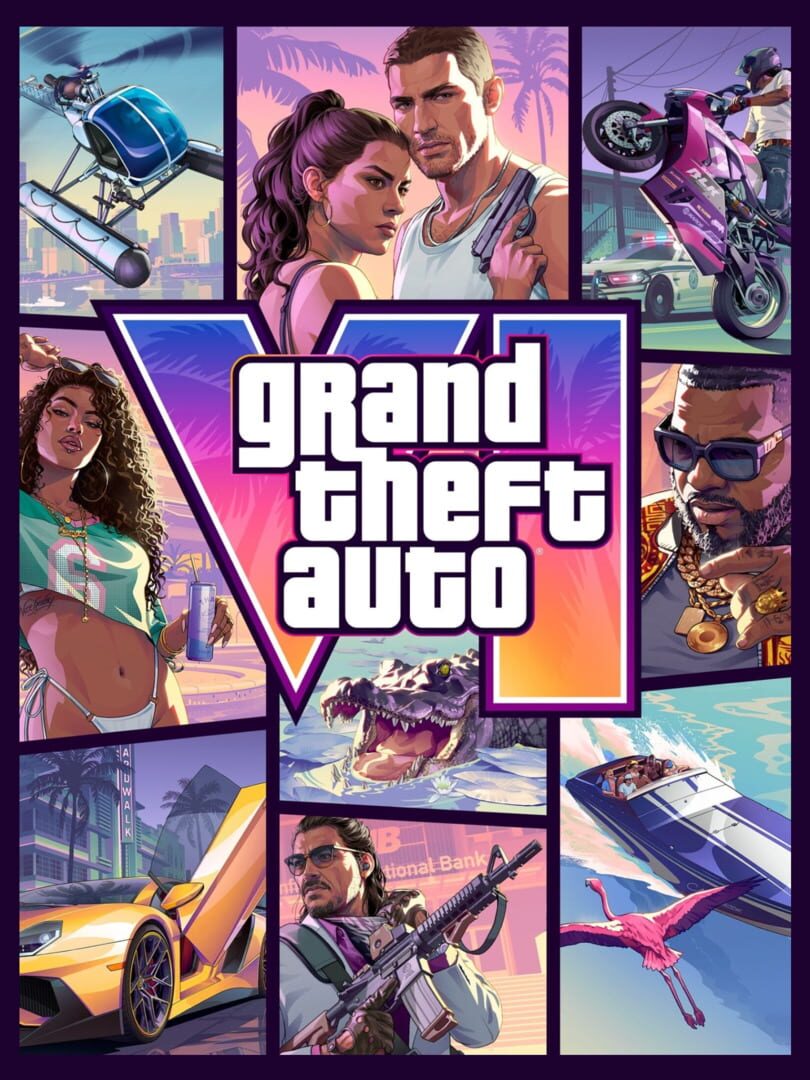
Grand Theft Auto VI heads to the state of Leonida, home to the neon-soaked streets of Vice City and beyond in the biggest, most immersive evolution of the Grand Theft Auto series yet.


