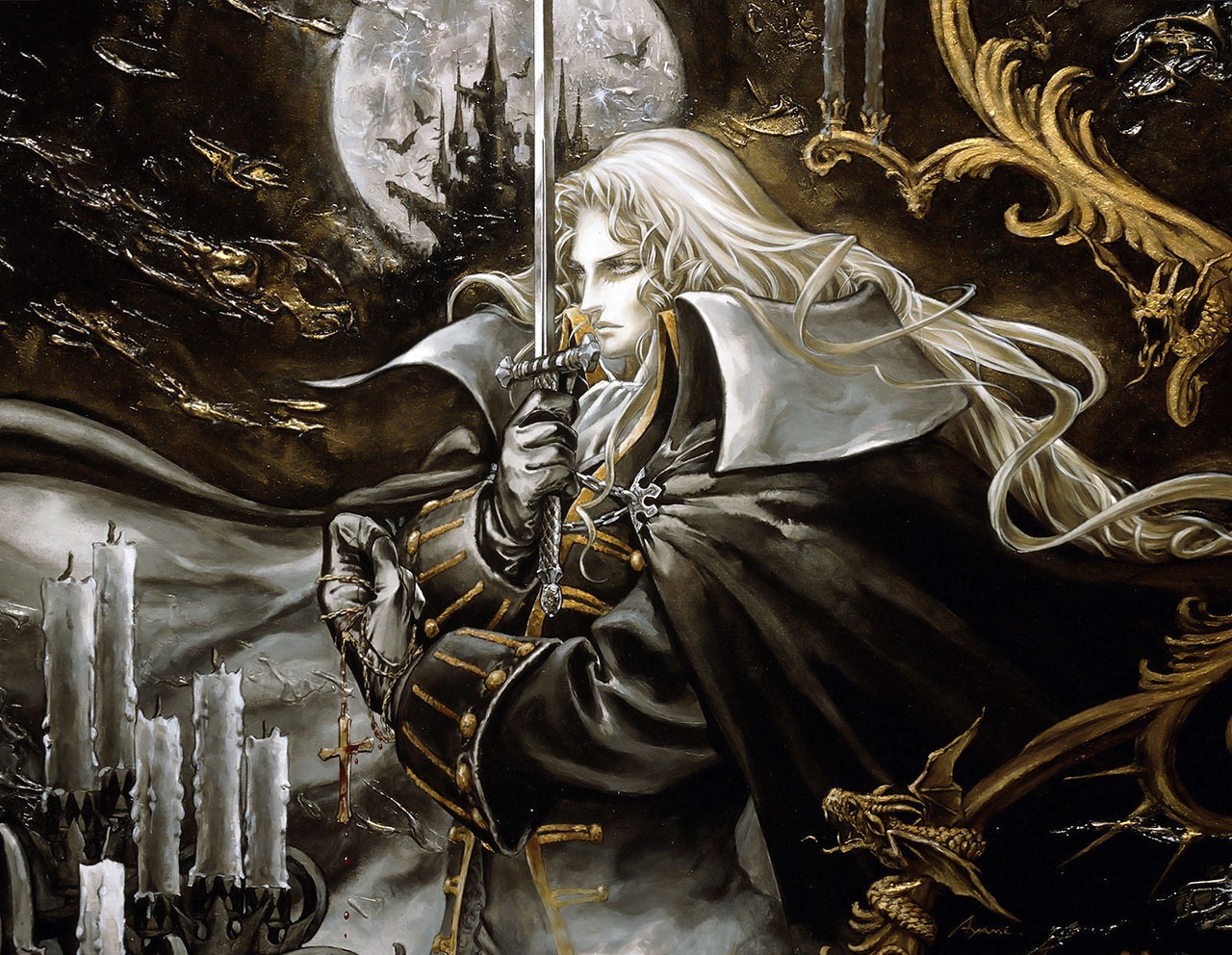
Castlevania: Symphony of the Night Makes Getting Lost in Dracula's Castle a Pleasure
Almost thirty years after its PlayStation debut, Symphony of the Night remains a wonderfully gothic adventure, filled with secret passages, strange creatures, and some of the finest pixel art of its generation.
Dracula's castle is a terrible place to get lost. There are skeletons throwing bones, enormous monsters guarding hallways, and enough locked passages to make finding your way around a genuine headache. Yet wandering through those gloomy corridors is exactly what makes Castlevania: Symphony of the Night so enjoyable. Released in 1997, Konami's PlayStation classic took the series away from straightforward action stages and turned Dracula's home into one enormous interconnected adventure.
I think Symphony of the Night remains one of the finest examples of exploration-driven platforming. Its castle is packed with secrets, Alucard is an entertaining character to control, and the atmosphere has aged beautifully. Some of its RPG systems make combat surprisingly easy, while the constant backtracking occasionally becomes tiresome. Still, there's something wonderfully nostalgic about studying that familiar blue map, spotting an unexplored passage, and wondering what might be hiding behind it.
Dracula's Castle Has Far More Rooms Than Anyone Could Reasonably Need
The castle is enormous by the standards of its era, stretching through libraries, underground caverns, clock towers, and elaborate halls filled with monsters. Each location has its own appearance and enemy selection, making exploration feel like a journey through a place with a history.
Rather than directing players through a fixed sequence of levels, the game encourages investigating wherever Alucard can reach. Certain passages require abilities obtained elsewhere, meaning an inaccessible doorway might become important several hours later.
I appreciate how much satisfaction comes from gradually understanding the castle's layout. Discovering a shortcut or finally reaching a previously inaccessible room can feel more rewarding than defeating another boss.
Alucard Is a Considerable Improvement Over Carrying Just a Whip
Unlike the Belmont protagonists of earlier Castlevania games, Alucard has access to an enormous collection of weapons, armor, shields, and magical abilities. Swords provide different attack patterns, while equipment can improve defense or provide useful bonuses.
His movement also develops throughout the adventure. Double jumping opens new routes, while transformations into a bat, wolf, or mist allow access to previously unreachable locations. These abilities make revisiting familiar areas considerably more interesting.
Some transformations feel awkward to control, particularly the wolf, but I like how Alucard gradually becomes capable of moving through the castle in ways that would have seemed impossible during the opening hours.
Every Corridor Has Something Waiting to Kill You
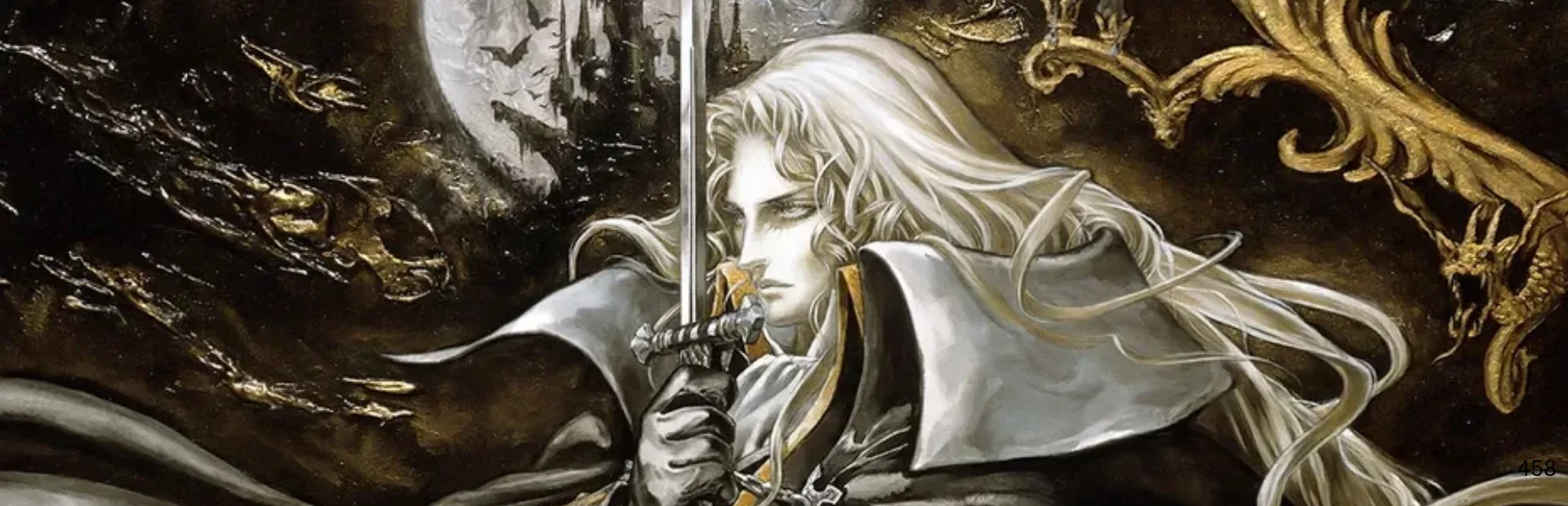
The enemy designs remain one of the game's greatest attractions. Familiar Castlevania creatures return alongside unusual monsters, enormous armored enemies, and some wonderfully grotesque bosses.
Combat is straightforward, with positioning, weapon choice, and recognizing enemy attacks providing most of the challenge. Discovering a powerful new sword or learning an effective spell can make previously dangerous encounters considerably easier.
Unfortunately, the RPG progression occasionally undermines the difficulty. Alucard becomes extremely powerful through leveling and equipment upgrades, allowing certain bosses to fall without much resistance. I prefer the demanding encounters where learning an enemy's behavior matters more than having the strongest weapon available.
Getting Lost Is Fun Until You Need Another Save Room
Exploration involves considerable backtracking, particularly when new abilities unlock passages in locations visited much earlier. The map helps identify unexplored rooms, but it doesn't always make the best route obvious.
Save rooms are another inconvenience. Dying after a lengthy stretch of exploration can mean losing progress and repeating several rooms, especially when a difficult boss appears unexpectedly.
I appreciate the old-fashioned commitment to making the castle dangerous, but more convenient saving would make the adventure easier to revisit without sacrificing its atmosphere. Some frustrations belong to the original PlayStation era, and they haven't become more enjoyable with age.
The Soundtrack Deserves a Place in Dracula's Permanent Collection
Michiru Yamane's soundtrack gives the castle an extraordinary amount of personality. The energetic guitars of Dracula's Castle contrast with quieter, more atmospheric compositions elsewhere, while each new area introduces another memorable piece of music.
The pixel art is equally impressive. Elaborate backgrounds, animated enemies, and detailed character sprites still look wonderful, especially compared with many early 3D games from the same generation.
There's a theatrical charm to the dialogue and voice acting too, particularly in the original English release. Some performances are unintentionally funny today, but they contribute to the peculiar personality that makes the game so memorable.
The Castle Still Has a Few Tricks Up Its Sleeve
One of Symphony of the Night's smartest qualities is how much it rewards curiosity. Suspicious walls, unusual passages, and seemingly ordinary rooms can conceal valuable equipment or important discoveries.
The adventure also has more to offer than its initial journey suggests, rewarding players who investigate the story carefully and resist accepting the most obvious resolution. It's worth approaching these discoveries without a guide, even if the game's clues can be rather obscure.
I think that willingness to hide substantial content is part of what makes the castle special. There's always the possibility that an area you thought you understood contains something else entirely.
Dracula's Castle Is Still Worth Another Visit
Castlevania: Symphony of the Night remains an excellent action RPG because its exploration, atmosphere, and character progression complement one another beautifully. The castle is full of interesting locations, and its soundtrack and pixel art have aged remarkably well.
The uneven difficulty, occasional backtracking, and dated interface can make exploration frustrating. Yet few things are as satisfying as uncovering a hidden passage or finally reaching an area that seemed impossible to access earlier. That constant sense of discovery makes the adventure worth revisiting, even when its age starts to show.
Modern releases, including Castlevania Requiem on PlayStation and the mobile version, provide additional ways to experience this classic. Almost three decades later, Dracula's castle remains somewhere worth getting lost.
Having been awoken from his eternal slumber by the reappearance of Castlevania, Alucard must once again face the evil minions of darkness. Use your vampiric powers, along with weapons, potions, and other magical relics to change the tide of battle.


