
European Game Worker Unions Call for Limits on Generative AI
The manifesto also asks regulators to ban AI training on creators' work without consent and compensation, and encourages players to support games made without generative AI.
European video game worker unions have published a joint manifesto calling on studios to restrict generative AI and give employees greater control over its use. The groups argue that the technology is threatening jobs, increasing workloads, and weakening creative ownership.
The manifesto, titled On Generative AI Usage in the Games Industry, was developed by the UK's IWGB Game Workers' Branch alongside members of Game Workers Unite Ireland, Spain's CSVI, and Italy's FIOM-CGIL Milan Work Council. It outlines concerns about AI in game development and proposes safeguards for workers, employers, and regulators.
Unions Warn That AI Is Reducing Jobs and Increasing Workloads

The joint manifesto argues that generative AI is already affecting employment across the gaming industry. Its authors claim that companies are increasingly treating the technology as a replacement for workers rather than a tool to support them.
Entry-level positions are a particular concern. The unions argue that AI is taking over tasks traditionally assigned to junior developers, reducing opportunities for newcomers to gain experience and develop their skills.
The document also warns that employees are sometimes expected to use AI tools regardless of their preferences. According to the unions, reviewing and correcting AI-generated content can create additional work while leaving employees responsible for mistakes made by systems they were required to use.
The groups further argue that employers may use AI-generated estimates to set unrealistic deadlines and workloads, placing additional pressure on development teams.
Studios Urged to Stop Mandatory AI Use
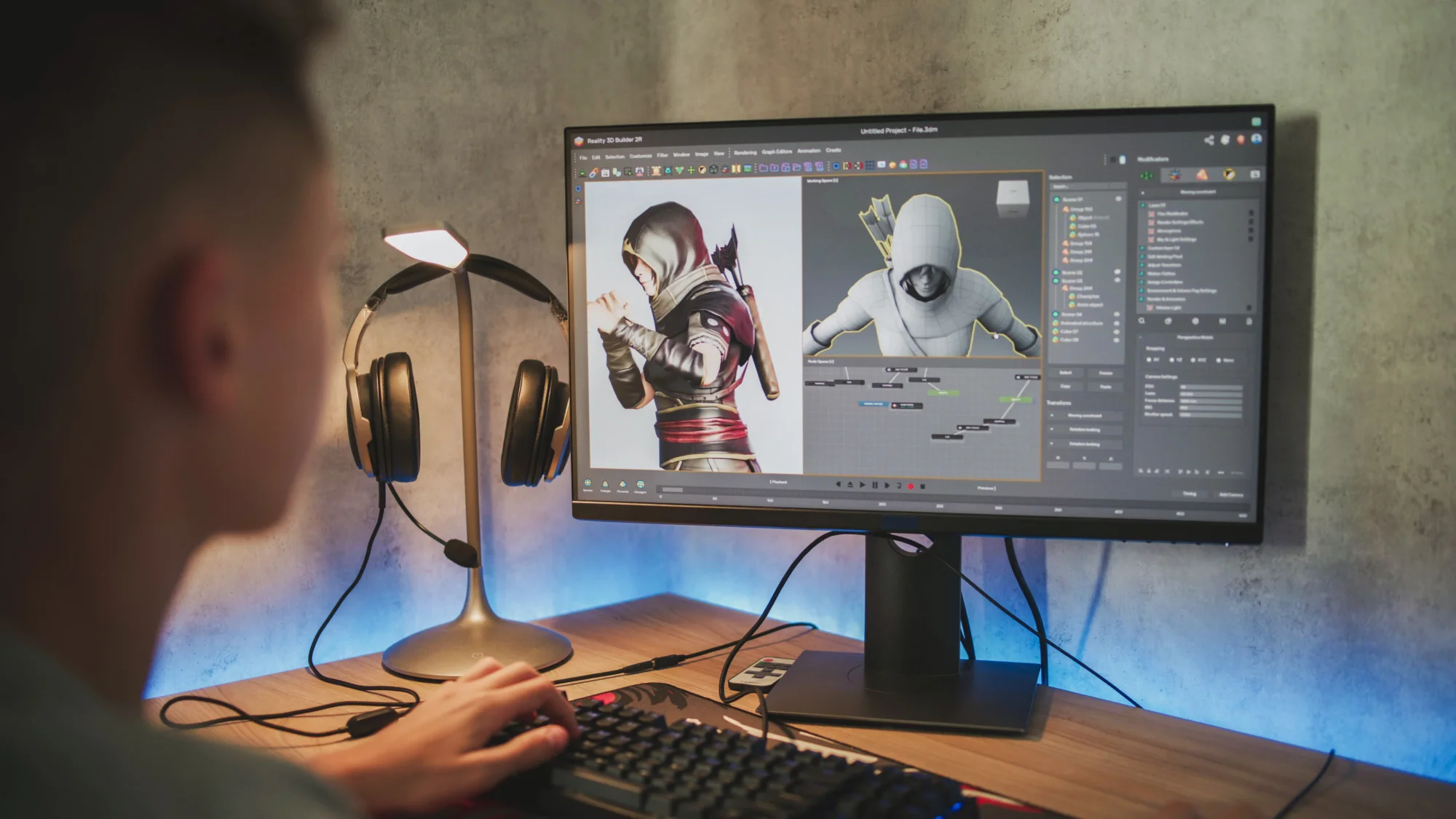
The manifesto recommends that game studios avoid generative AI entirely, including during early development and prototyping.
It calls on employers to involve workers in decisions about AI adoption and ensure that employees are never required to use the technology. Where its use cannot be avoided, studios should clearly disclose how and where it has been used.
The unions also want companies to provide independent training on AI's capabilities and limitations. Managers should remain accountable for their teams' work rather than shifting responsibility for problems caused by automated tools.
Workers are encouraged to negotiate workplace agreements that protect their ability to refuse AI use. The manifesto also suggests establishing committees to investigate possible violations of those agreements.
Unions Demand Consent and Compensation for AI Training Data
Another major concern involves the use of developers' work to train generative AI systems without permission.
The manifesto calls on regulators to prohibit companies from using a person's work in AI training datasets without explicit consent and fair compensation. It also demands transparency about how that material is stored and used, along with the ability for creators to withdraw their contributions.
Players are encouraged to support games developed without generative AI and communicate their preferences to studios and publishers.
Although the manifesto strongly opposes the technology, it does not reject every possible use. Its FAQ acknowledges that developers could collectively decide to use generative AI after considering the risks. The groups maintain that such decisions should be made by the workers themselves, rather than imposed by employers.