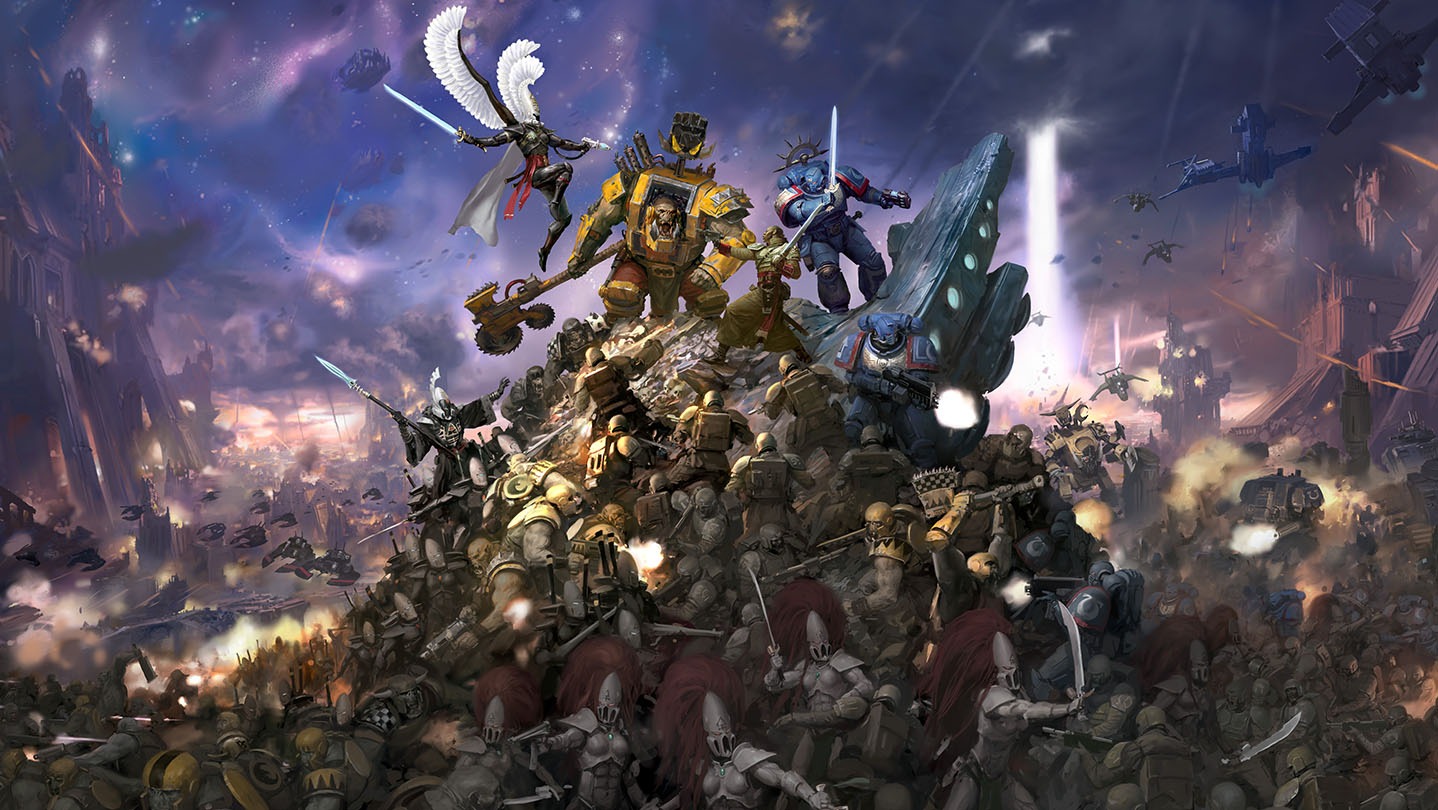
Total War: Warhammer 40,000 Reveals Space Marine Fleet and Campaign Mechanics
A livestream covers fleets, wargear loadouts, the Suspicion system and a campaign split into star systems, with no release date set.
Creative Assembly has shared an 80-minute Total War: Warhammer 40,000 livestream exploring how Space Marine fleets, equipment customisation and limited reinforcements will shape its campaigns. The latest Alpha Strike livestream also explores a Suspicion system that makes relations with Imperial planets an important part of the strategy.
Broadcast on November 18, the demonstration follows an Ultramarines campaign against Ork forces in the Praevoss system. The footage comes from an updated development build that has undergone testing with a limited group of players.
Space Marine Fleets Will Provide Reinforcements and Orbital Support
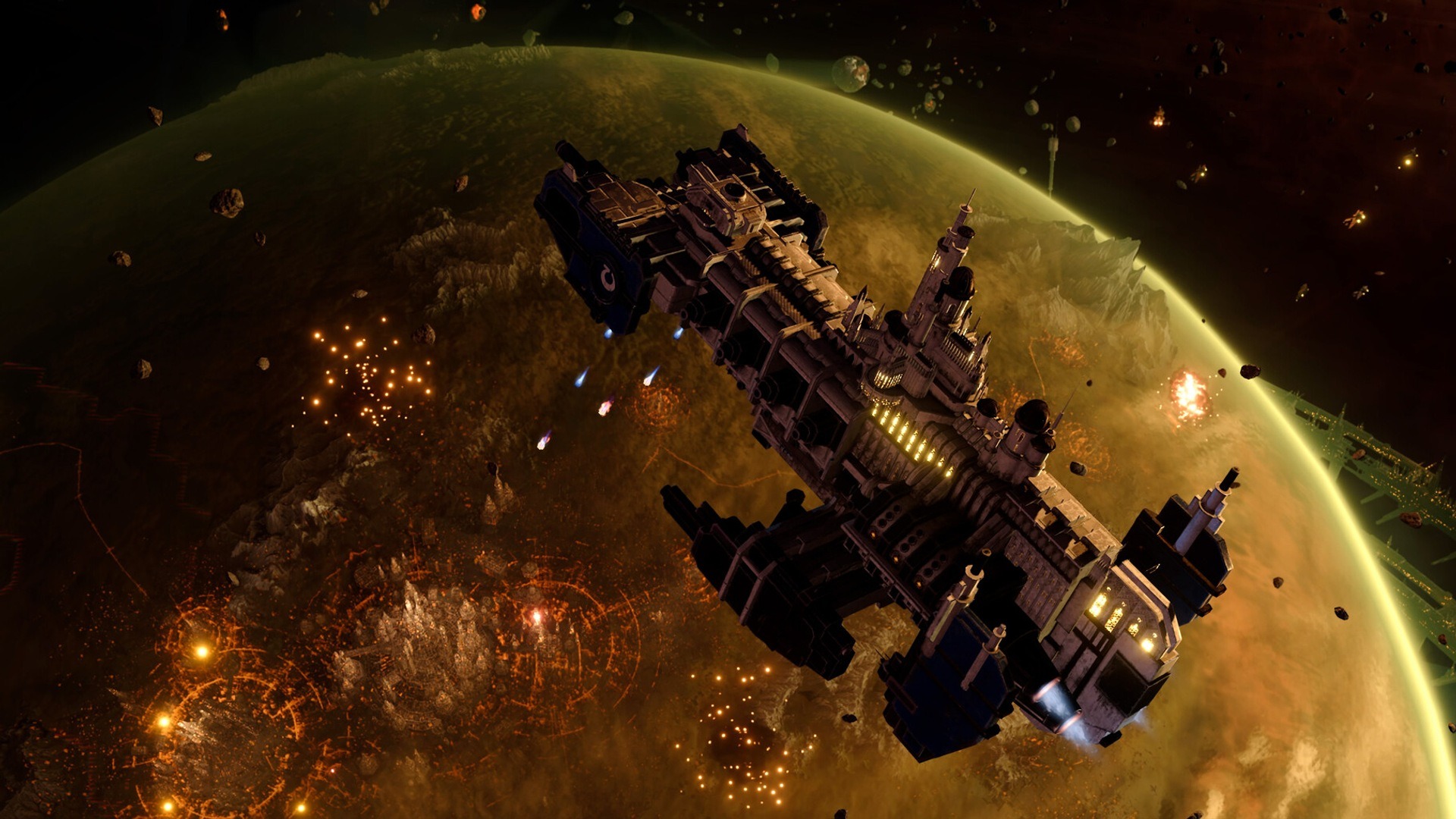
Fleets play an important role in moving Space Marine forces between planets and supporting their operations on the ground. During battles, commanders can call down orbital bombardments to weaken enemy positions. They can also deploy reinforcements using drop pods, allowing additional troops to arrive directly on the battlefield.
The demonstration shows how fleets connect the campaign's strategic and tactical layers. Beyond transporting armies, they provide additional military options that can influence how players approach difficult encounters.
Creative Assembly also discussed fleet buildings, movement and potential conflicts between opposing fleets. However, the demonstration did not show ship-to-ship battles, and the developer has not outlined a separate playable space-combat mode.
Space Marine Losses Will Be Harder to Replace
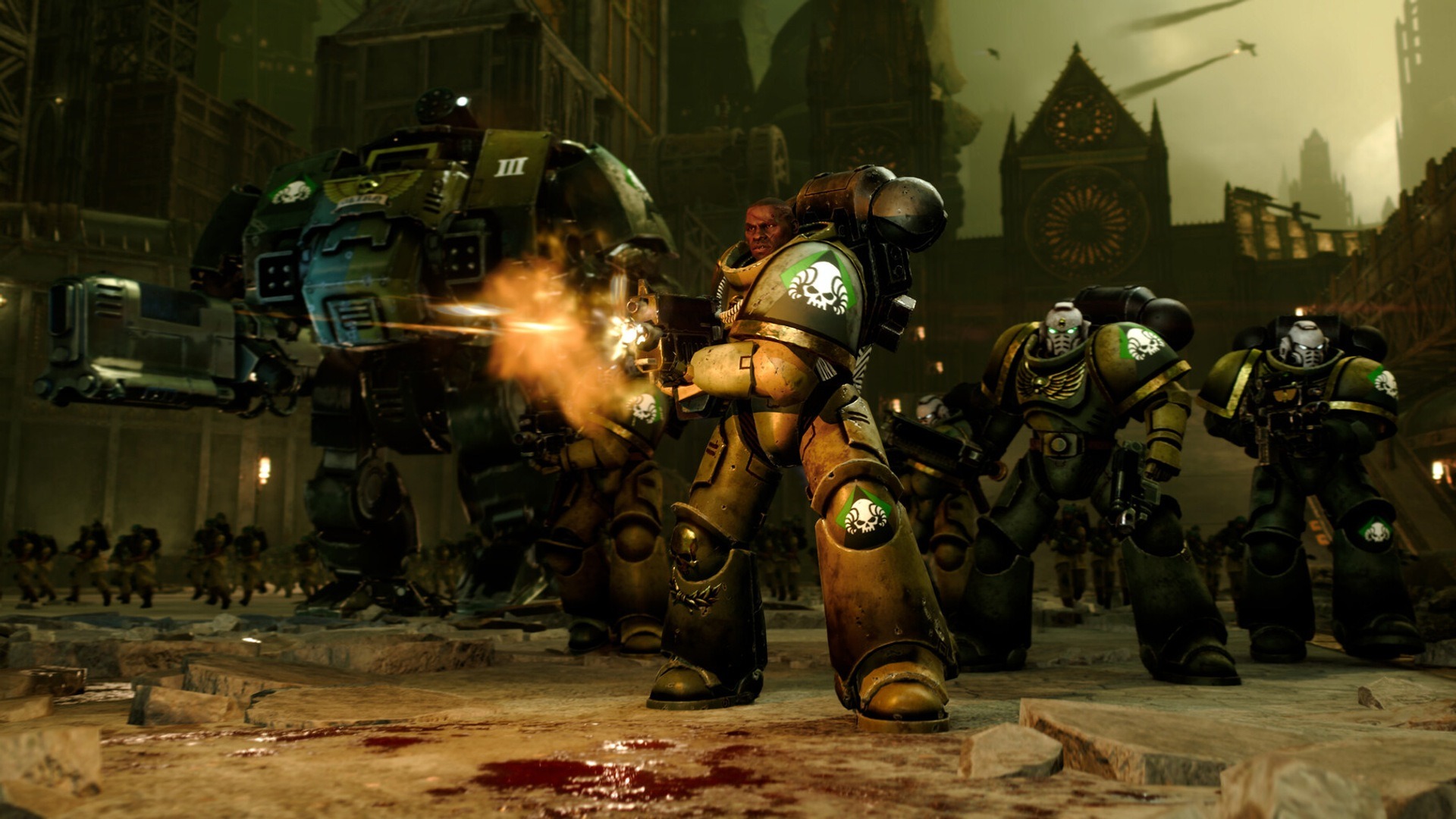
Space Marine armies will face a different challenge from factions that can easily replenish troops after combat. Their enhanced physiology allows some soldiers to survive injuries that would normally be fatal. However, permanently lost Space Marines cannot simply be replaced through the usual replenishment systems.
Instead, commanders must request additional troops from their orbiting fleets. This makes casualties more significant, particularly during extended campaigns where reinforcements may be needed elsewhere.
Creative Assembly also demonstrated Unit Specialisation, which allows players to customise Space Marines with different wargear loadouts. The system gives commanders more control over their units' battlefield roles.
Together, these mechanics encourage players to preserve their existing forces rather than relying on large numbers of replacement troops.
Imperial Planets Will Not Automatically Trust Their Liberators
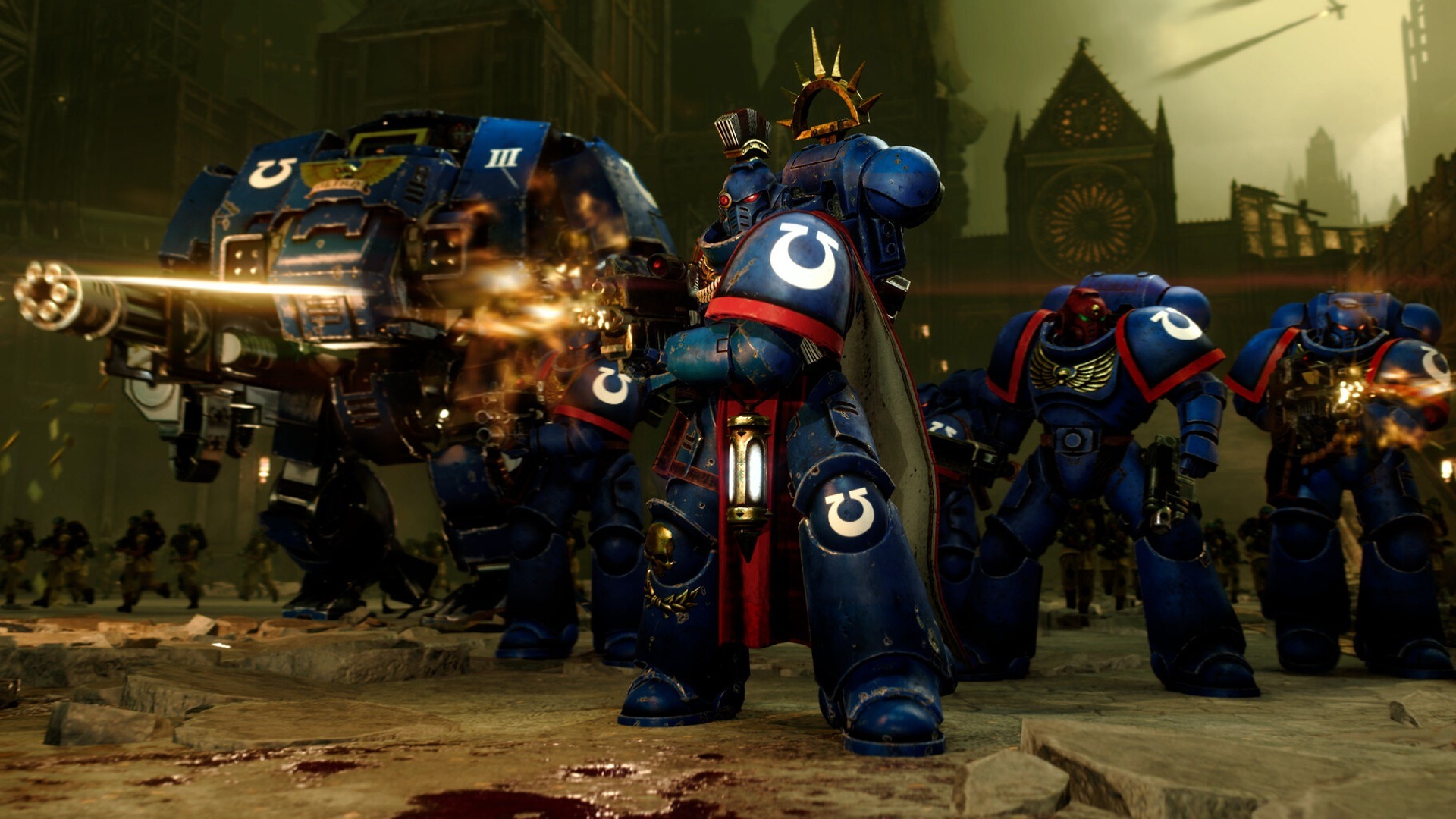
The Ultramarines campaign introduces another challenge through Suspicion, a system that measures how Imperial populations respond to the player's actions. Although the Space Marines are fighting to free planets from Ork control, their methods can create resentment among the people they are supposed to protect.
For example, players can scour conquered battlefields to gain additional Requisition, but doing so increases Suspicion. Calling down an orbital bombardment in an area where civilians remain can also damage local confidence.
Maintaining better relations provides a different advantage. Players can earn Influence and use it to request support from local Imperial forces.
These reinforcements become particularly valuable when Space Marine casualties are difficult to replace. Commanders must therefore consider whether an immediate military or resource advantage is worth losing the support of Imperial authorities.
The Campaign Will Move Between Separate Star Systems
The livestream begins 23 turns into an Ultramarines campaign in the Praevoss system. The location contains three conquerable planets, alongside a gas giant and a dead world that cannot be fought over.
Creative Assembly is organising the wider campaign around individual star systems. Each will feature its own narrative and objectives before players move on to another system.
Some progress and resources will carry over between campaigns, while other elements will not. This approach gives each new system a different starting situation instead of allowing players to retain everything they accumulated in earlier conquests.
The demonstrated build is still in development, so individual mechanics may change before release. Creative Assembly has begun limited friends-and-family testing, with plans to involve more players as development progresses. No release date has been announced for Total War: Warhammer 40,000.