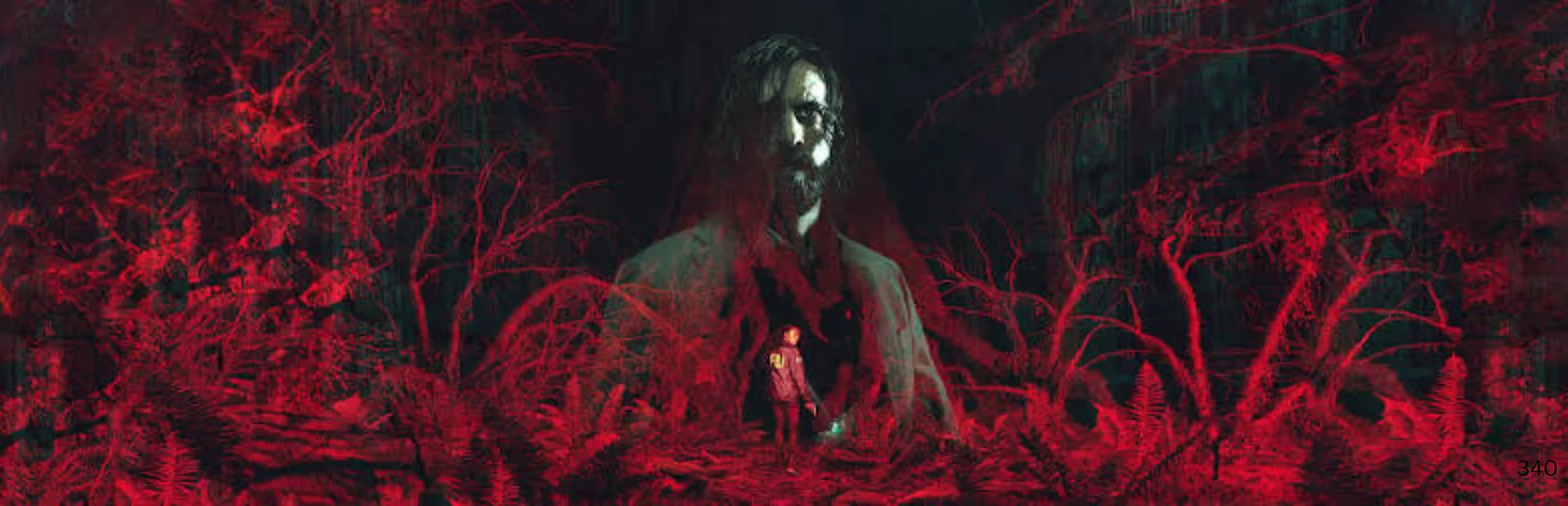
Alan Wake 2 was worth getting lost in the dark for
Alan Wake 2 turns Bright Falls and the Dark Place into a slower, scarier, and stranger survival-horror sequel.
I remember the first Alan Wake as much for its shape as its story. Bright Falls arrived in neat television episodes, manuscript pages waited beside forest trails, and every fight began with the same nervous ritual of raising a flashlight until the darkness burned away. It was strange, pulpy and occasionally clumsy, but there was nothing else quite like Alan Wake 2 returns with less interest in being comforting. The old landmarks are still here, but they look sick now.
Bright Falls has become the site of ritual murders, Alan is still trapped in the Dark Place, and FBI agent Saga Anderson has arrived to investigate a case that keeps rewriting itself around her. The sequel is slower, scarier and far more ambitious than the original. Its combat eventually becomes repetitive, and the sudden flashes of screaming faces are overused, but those irritations barely dent a horror game that stayed in my head long after I finished it.
Bright Falls no longer feels like a television set
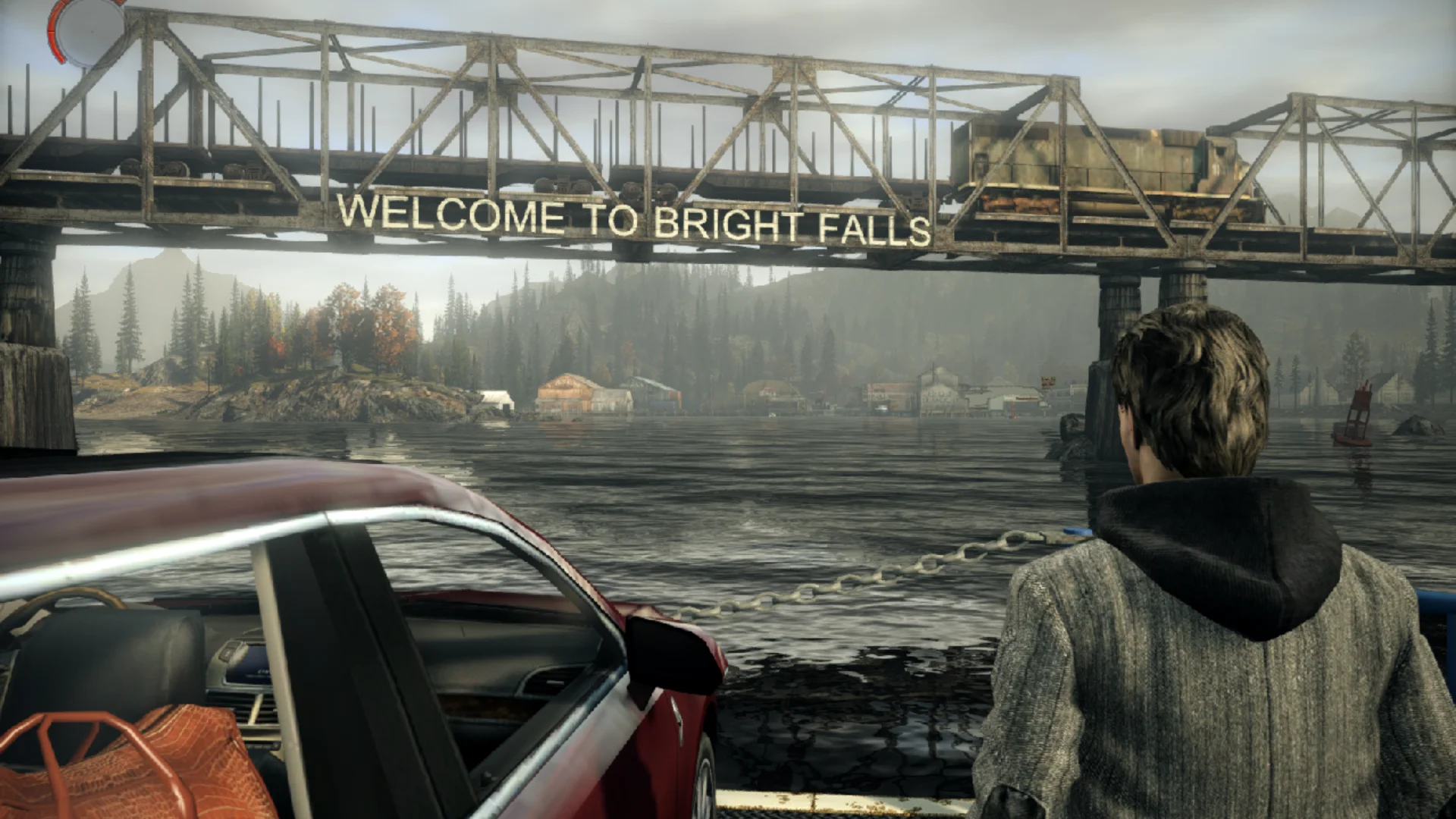
The first game's Pacific Northwest had the cosy artificiality of a television mystery. Its diners, cabins and lumber yards looked familiar even when something supernatural was waiting beyond the streetlights. Returning to Cauldron Lake in Alan Wake 2 feels different. The trees are thicker, the mud looks cold, and the woods seem to absorb the beam of Saga's flashlight rather than open up beneath it.
Remedy gives these places time to settle. Saga's early walks through the forest are not packed with enemies, and that restraint makes every distant movement harder to dismiss. I kept turning toward branches snapping behind me, unsure whether I had heard an animal, a Taken or nothing at all. The game knows that the memory of danger can be more exhausting than another attack.
Bright Falls itself has aged with the rest of us. Familiar faces have moved on, local businesses carry the tired look of places that survived longer than expected, and the Oh Deer Diner no longer feels like a quirky stop on a guided tour. There is nostalgia here, but Remedy rarely lets it become comfortable. The town remembers Alan Wake, even when the people living there would rather not.
Saga gives the mystery somewhere solid to stand
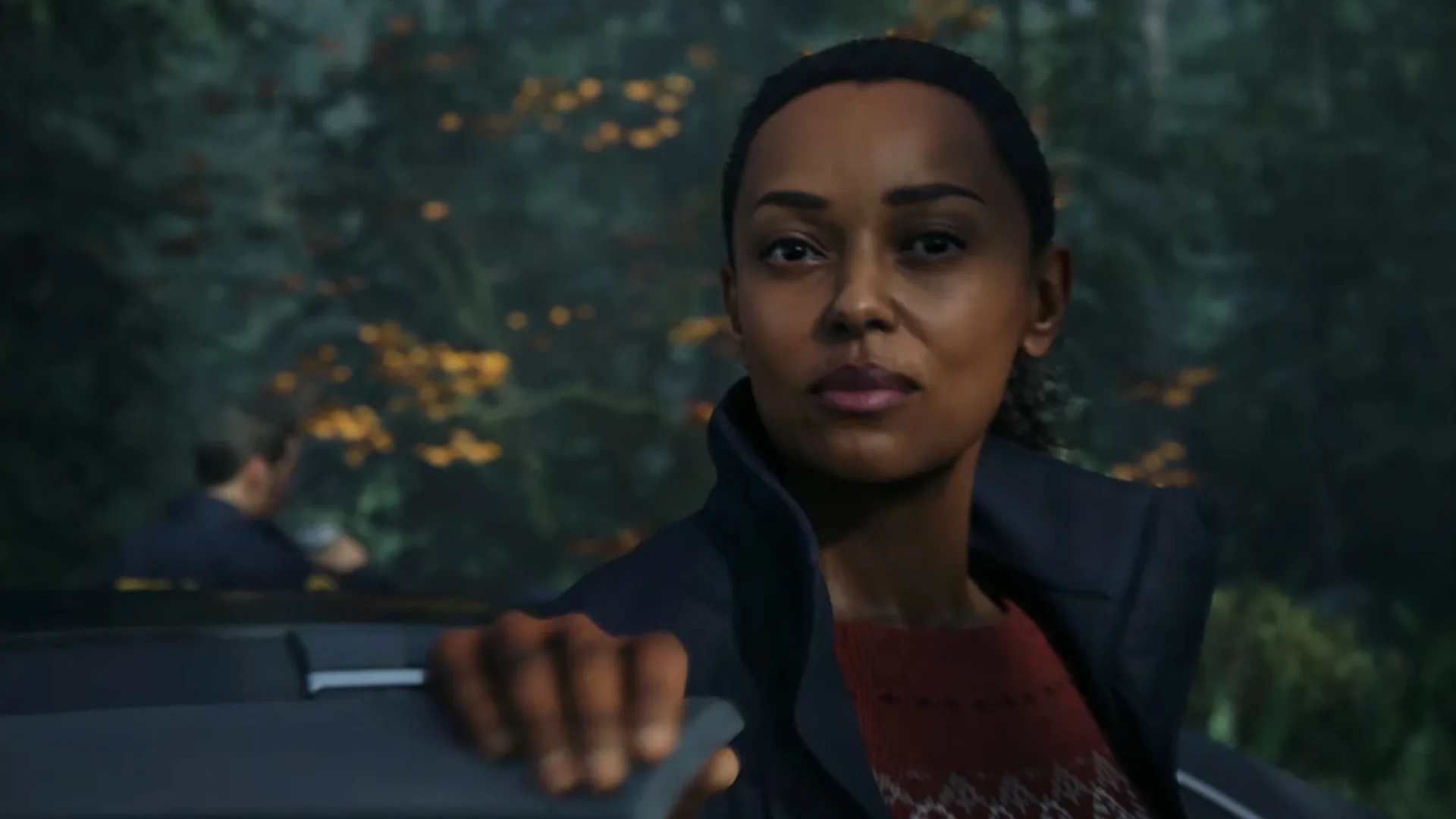
Saga Anderson is the newcomer tasked with making sense of all this history, and she quickly becomes more than the detective assigned to explain the plot. She is practical, observant and confident enough to keep moving when the case begins reaching into her own life. Her chapters give the story a human centre before Alan's reality starts folding in on itself.
Her Mind Place turns the investigation into a room I can visit at any time. Evidence is pinned to a case board, character profiles open new lines of thought, and clues gradually connect into a larger pattern. The process is sometimes more guided than it first appears; placing the right photograph is usually a matter of finding its intended slot rather than solving a difficult deduction. Even so, I enjoyed the routine. Returning to the board after a long walk through the woods felt like closing the office door and trying to arrange a nightmare into something that could be understood.
Saga also changes how Bright Falls is seen. Alan knew the town through the expectations of a visiting writer already thinking in scenes and symbols. Saga arrives as an outsider who notices what the story is doing to real people. Her conversations with residents, her patience with the bizarre and the growing cost of the case give the sequel warmth that its colder imagery could easily have buried.
Alan's half is stranger and harder to shake
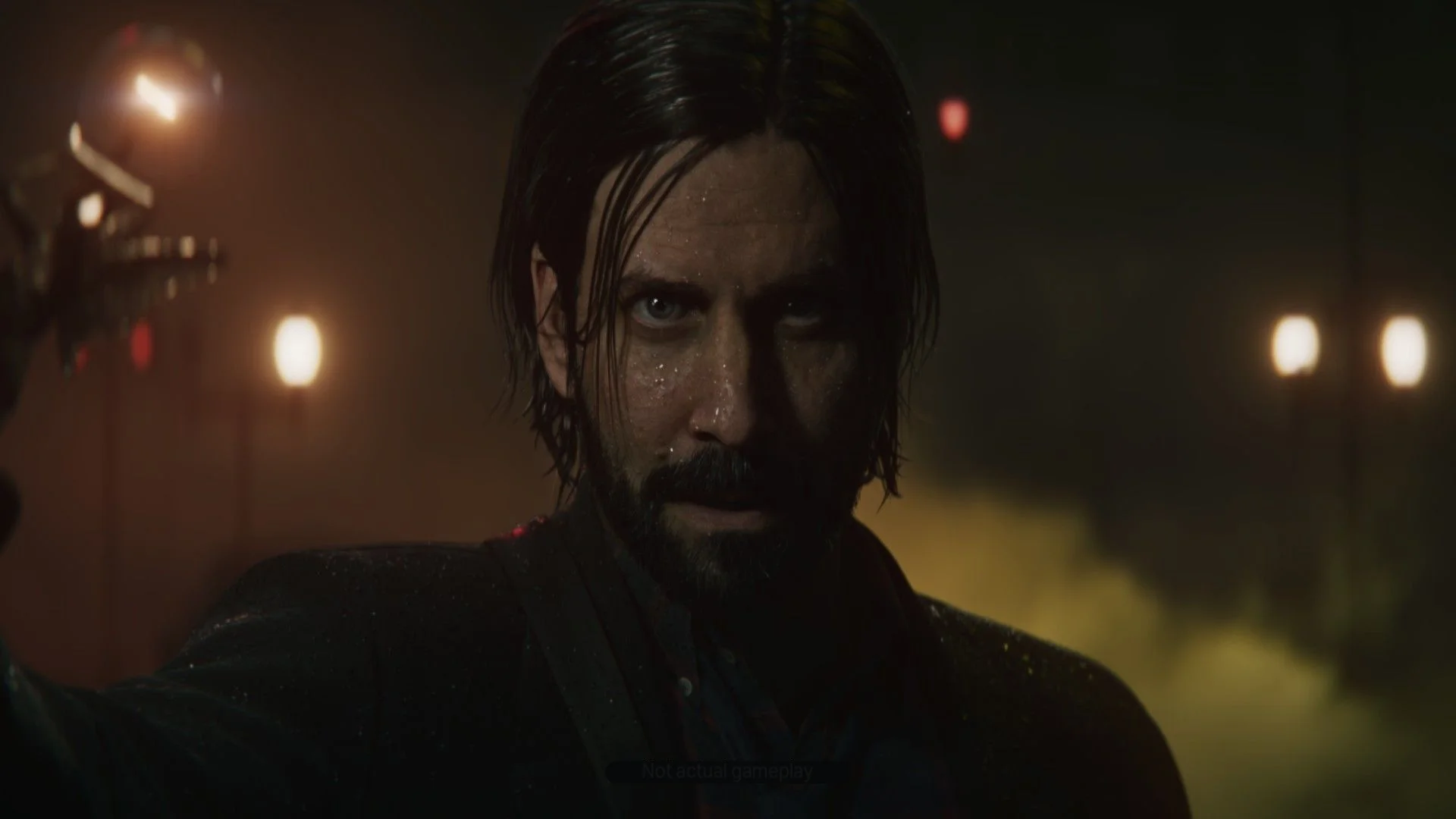
Alan remains trapped in a version of New York built from memory, fiction and punishment. Streets loop back on themselves, neon signs glow through rain, and every building looks like it has been waiting years for him to walk inside. His chapters are less immediately readable than Saga's, but they contain the game's boldest ideas.
Inside the Writer's Room, Alan can rewrite scenes by combining locations with different plot elements. A quiet room may become the site of a murder, a ritual or something even less pleasant, changing doors, props and the route forward. The mechanic is controlled rather than limitless, but it creates the feeling that Alan is both solving the maze and making it worse. He is still trying to write his way out, and every useful sentence risks becoming another wall.
These chapters also let Remedy abandon any remaining fear of looking ridiculous. Live-action footage slips into the game without warning. Talk shows, films and musical performances become part of the same unstable reality as the streets outside. One extended sequence should collapse under the weight of its own idea, yet it becomes the point where the whole game's confidence is impossible to deny. Remedy has spent years mixing games, television and music. Here, those pieces finally feel as though they belong to one strange language.
The horror is strongest before the shooting starts
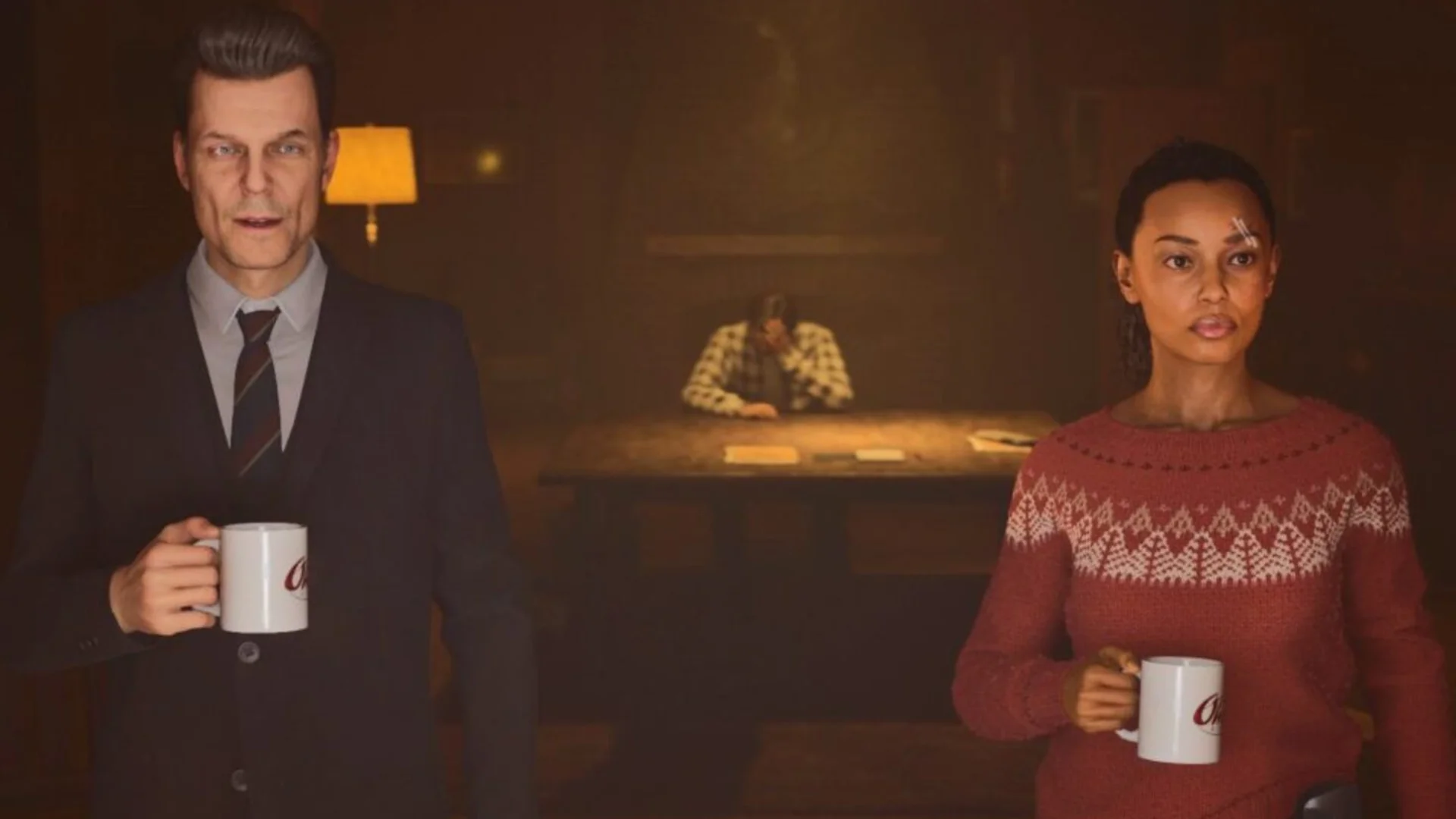
Combat now follows the shape of modern survival horror. Saga and Alan move with deliberate weight, ammunition is limited, and enemies need to be exposed with light before bullets can do their job. The shotgun offers relief at close range, while flares and flashbangs create a few seconds of breathing room when several Taken close in.
Fights are tense early on, especially when the darkness hides where an attack is coming from. A single enemy can take enough punishment to make every missed shot annoying, and narrow spaces turn dodging into a desperate shuffle around furniture. The forest encounters are particularly effective when the torch catches a face between the trees and I realize it has already seen me.
The system does not grow as much as the story does. By the later hours, familiar enemies and repeated ambushes begin to feel like interruptions between better ideas. The Taken can be dangerous, but they rarely surprise me in the way the environments do. I was more frightened by an empty subway platform or a quiet nursing home corridor than by another axe appearing from the dark.
The game also leans too often on sudden full-screen flashes accompanied by a sharp burst of noise. They startled me, but repeated use turned them into a reflex rather than fear. Alan Wake 2 does not need that trick. Its sound design, shifting rooms and long silences are already capable of making me dread the next doorway.
Alan Wake 2 earns its thirteen-year wait
Alan Wake 2 is not a smooth or modest sequel. It asks players to follow two protagonists, revisit ideas from Alan Wake and Control, read case files, watch live-action scenes and accept that a musical number may contain information as important as a murder scene. Some people will find its pace indulgent, and anyone coming mainly for action may grow tired of its heavy combat.
For me, the excess is part of what makes it special. This feels like the game Remedy had been circling since the first walk through Bright Falls: funny without weakening the horror, sincere without becoming embarrassed by its melodrama, and strange without using confusion as a substitute for feeling. The original Alan Wake ended with a line that kept players waiting for more than a decade. Alan Wake 2 rewards that wait by opening the door, letting us step inside and making the darkness far deeper than we remembered.
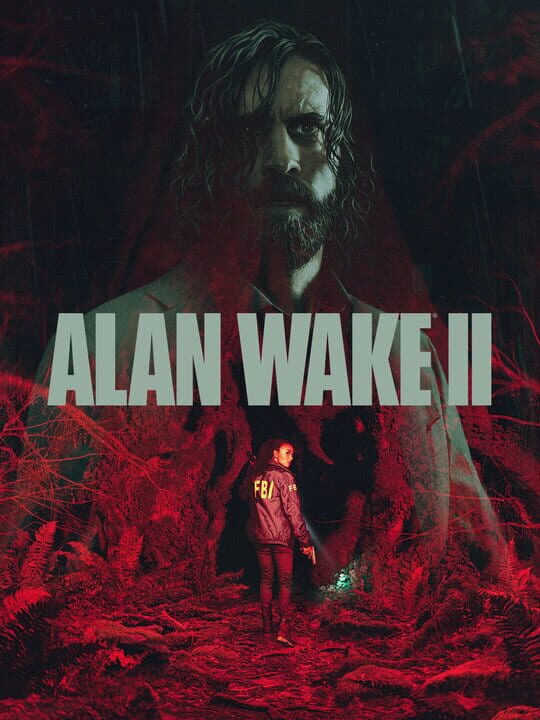
Alan Wake 2 marks Remedy Entertainment’s first foray into the survival horror genre. Ritualistic murders in a small town. A writer trapped in a nightmare. An FBI agent looking for answers. Two realities. Two hero characters. One horror story that wants them dead.
Released
October 27, 2023
Developer
Remedy Entertainment
Publisher
Epic Games Publishing


Tagged In
Discussion
0We want to hear from you. Share your perspective in the comments below, and please keep the conversation respectful.
Log in to join the discussion - vote, reply, and share your take.
Log In