
FIFA Street 2 Is Still the Undisputed King of the Streets
Twenty years on, FIFA Street 2 still turns humiliation into an art form. A look back at the trick stick, the Gamebreaker, and its broken, brilliant chaos.
Load up a football game in 2026 and it wants a serious conversation with you. Pressing traps, defensive lines, ball physics modelled down to the ankle, a tactics screen with more sliders than a mixing desk. It is genuinely impressive, but it also feels a bit like homework.
FIFA Street 2 wanted none of that. It arrived on February 28, 2006 in North America and March 3 in Europe, built by EA Canada under the EA Sports BIG label, and it was pure arcade chaos. Four a side, three outfield players and a keeper, no rules, no referee, no offside, no shape.
Of course writing this Zero1 Gaming review, I can clearly see the flaws twenty years later. CPU opponents rely on cheap tricks, the balance is completely broken, and certain mechanics simply feel unfair by modern standards.
But despite all of that mid-2000s jank, it still executes one concept better than anything released since. It turns humiliating another player into an absolute art form.
The Era When Joga Bonito Ruled the World
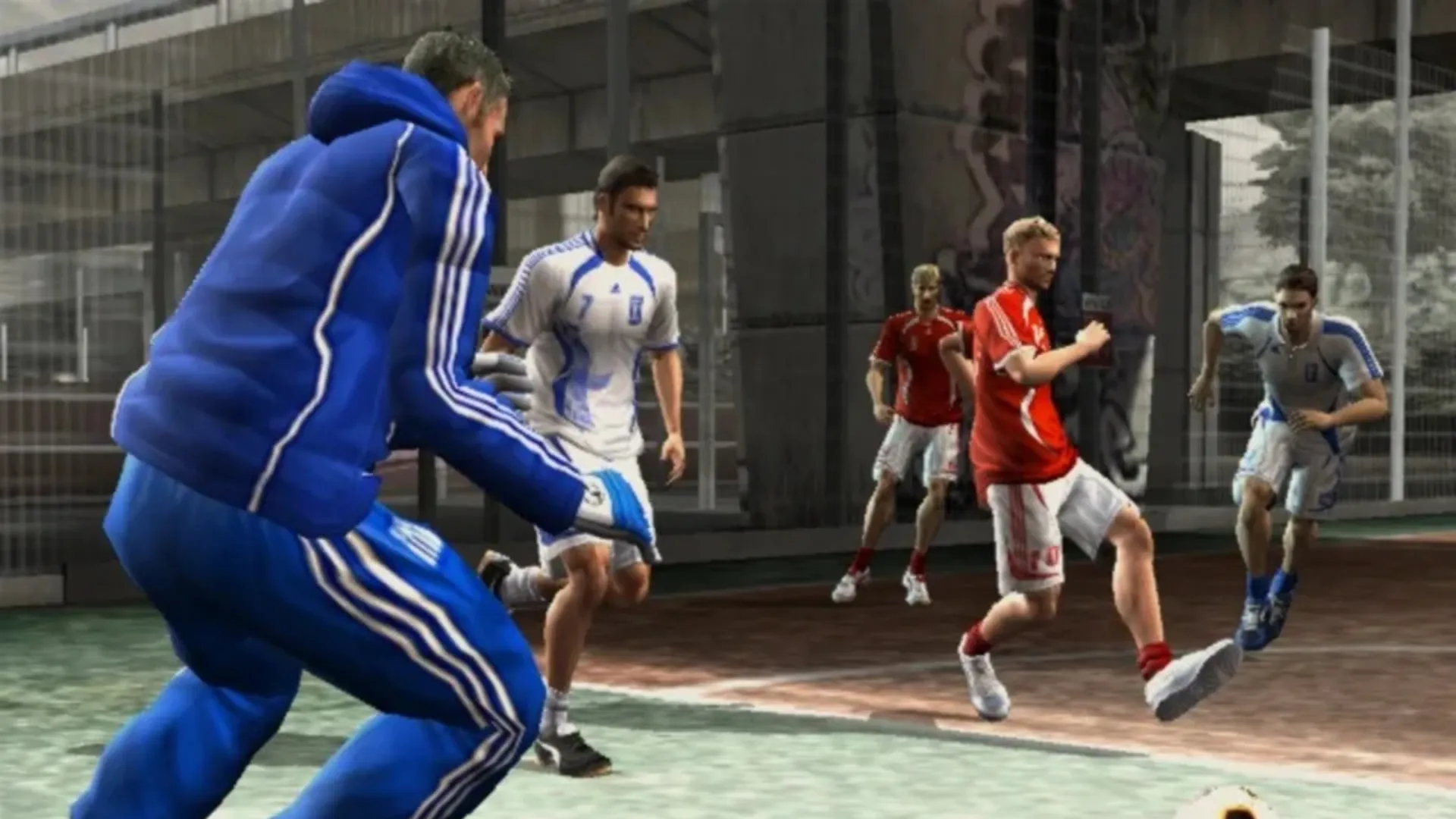
You cannot separate FIFA Street 2 from the summer of 2006. While Nike was running those famous Joga Bonito ads on television, EA Sports BIG put that exact culture directly into my hands.
The only real reason to play was to see how badly you could embarrass whoever was sitting next to you. It matched exactly what I was doing that summer. I would spend the afternoon out on the local concrete court trying an elastico I had no business attempting, come home with scraped knees, and immediately boot up the PS2 to do the exact same thing with a controller.
The digital version felt just as gritty as the real thing, mostly because the game perfectly captured the raw energy of that era right from the start menu.
The second the EA Sports BIG logo fades out, the soundtrack starts playing, and I am eleven again, sitting way too close to the television, ready to spend the rest of the evening grinding my custom squad in Rule the Street.
The Trick Stick Turned Disrespect Into an Art Form
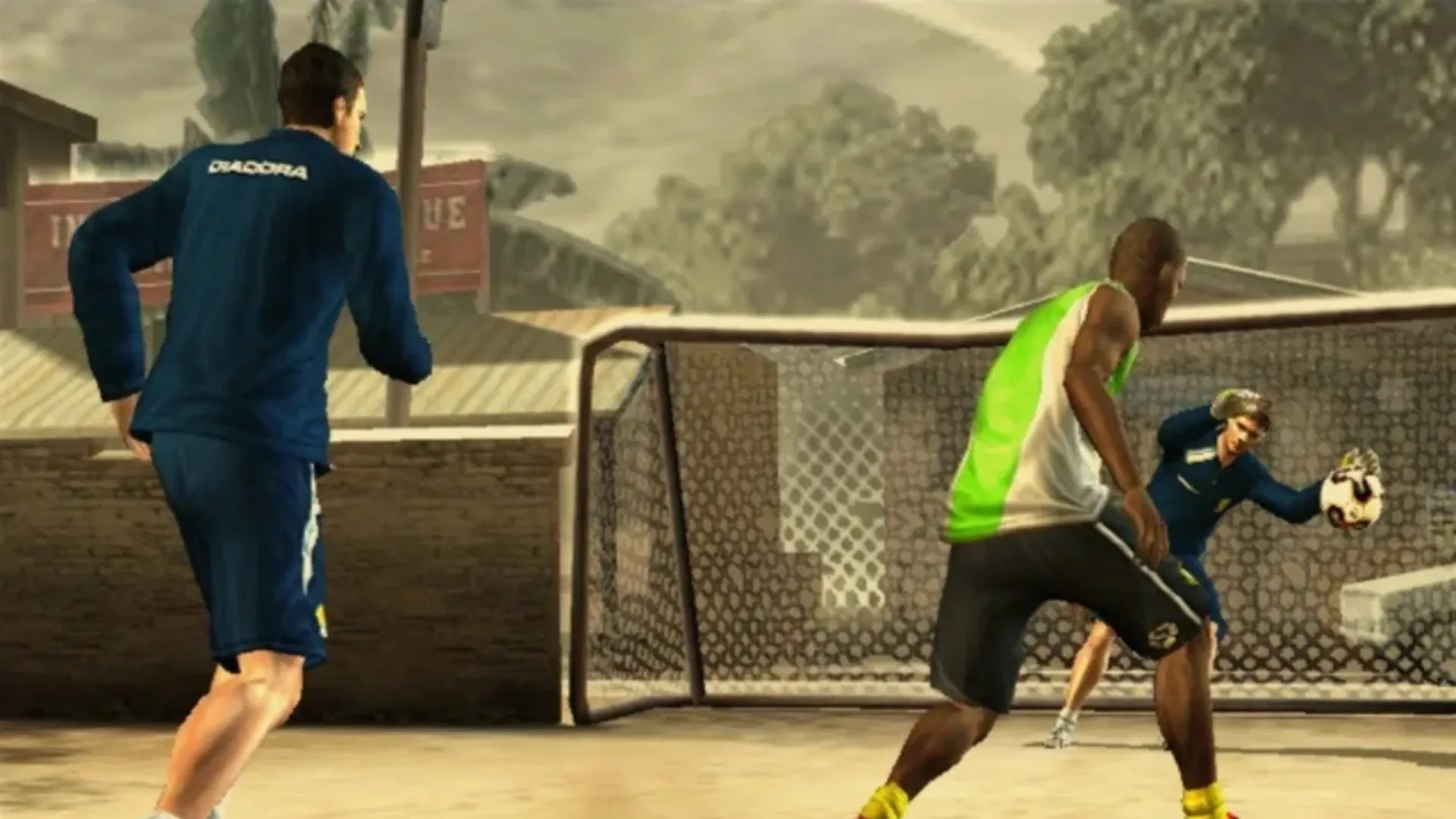
What separates FIFA Street 2 from a traditional sports sim is that player stats take a backseat to the right analog stick. The entire experience actually plays like a fighting game where tricks are your primary ammunition.
You are not building tactical attacks. You are baiting defenders, chaining rhythmic combos, and managing a Gamebreaker meter to completely break your opponent. Goals alone rarely win you the match because humiliation is the true currency.
The ultimate disrespect remains the nutmeg. There is still nothing in modern gaming that matches the pure high of sliding the ball through a defender's legs and hearing the digital sideline absolutely lose its mind.
Rule the Street Was an Addictive, Frustrating Grind
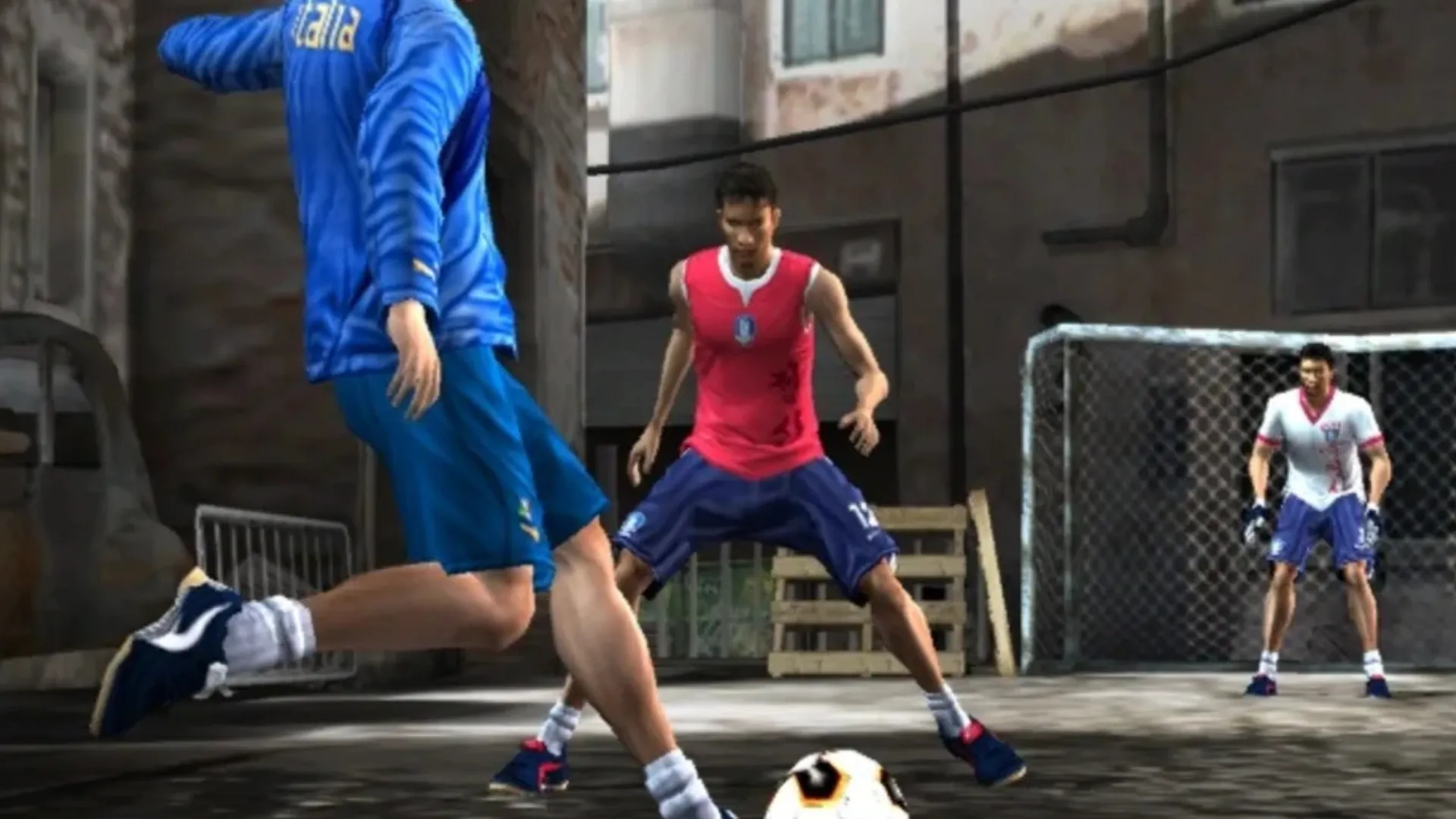
The single player campaign is where I lost most of 2006. Starting as an absolute nobody and earning Skill Bills to upgrade your trick attributes was incredibly addictive. Once you hit a rating of 40, you finally became a captain, which meant you could start playing Kickabouts to literally steal better players from rival squads.
But the progression system was completely unhinged. Rule the Street did not just ask you to win a match. It handed you a strict checklist of tricks to perform to clear a venue. That mechanic created a very specific flavour of gaming anxiety.
I vividly remember dominating a tournament game, being five goals up, and still completely panicking because I was three nutmegs short of the objective and the clock was bleeding out.
Nothing else has ever made me panic while winning. I would stop attacking the goal entirely and just hunt a single defender around the concrete like a maniac, desperately trying to force one last nutmeg before the whistle blew.
If the CPU decided to back off and refuse the bait, you would lose a match you completely dominated just because you ran out of time to show off.
Home Turf Advantage in Amsterdam
The environments in FIFA Street 2 were never just background textures. EA Sports BIG packed the game with distinct locations that completely changed the visual identity of a match. You could go from grinding out a tense game on the tight concrete of London under the Westway to playing on the wide open sand of Barra Beach in Brazil.
Dragging over 320 global superstars and 20 national teams out of giant stadiums and dropping them into a dusty pitch in Yaoundé or an abandoned Berlin warehouse made the roster feel entirely new.
The audio design pushed that underground atmosphere even further. The sideline crowds reacted to every single nutmeg with regional trash talk. Playing near the Amsterdam Arena and actually hearing Dutch shouts from the sidelines gave the court an undeniable home turf advantage.
Landing a massive combo and hearing the crowd react in my native language made the digital court feel exactly like the local neighborhood pitch.
The Cracks in the Concrete Show Over Time
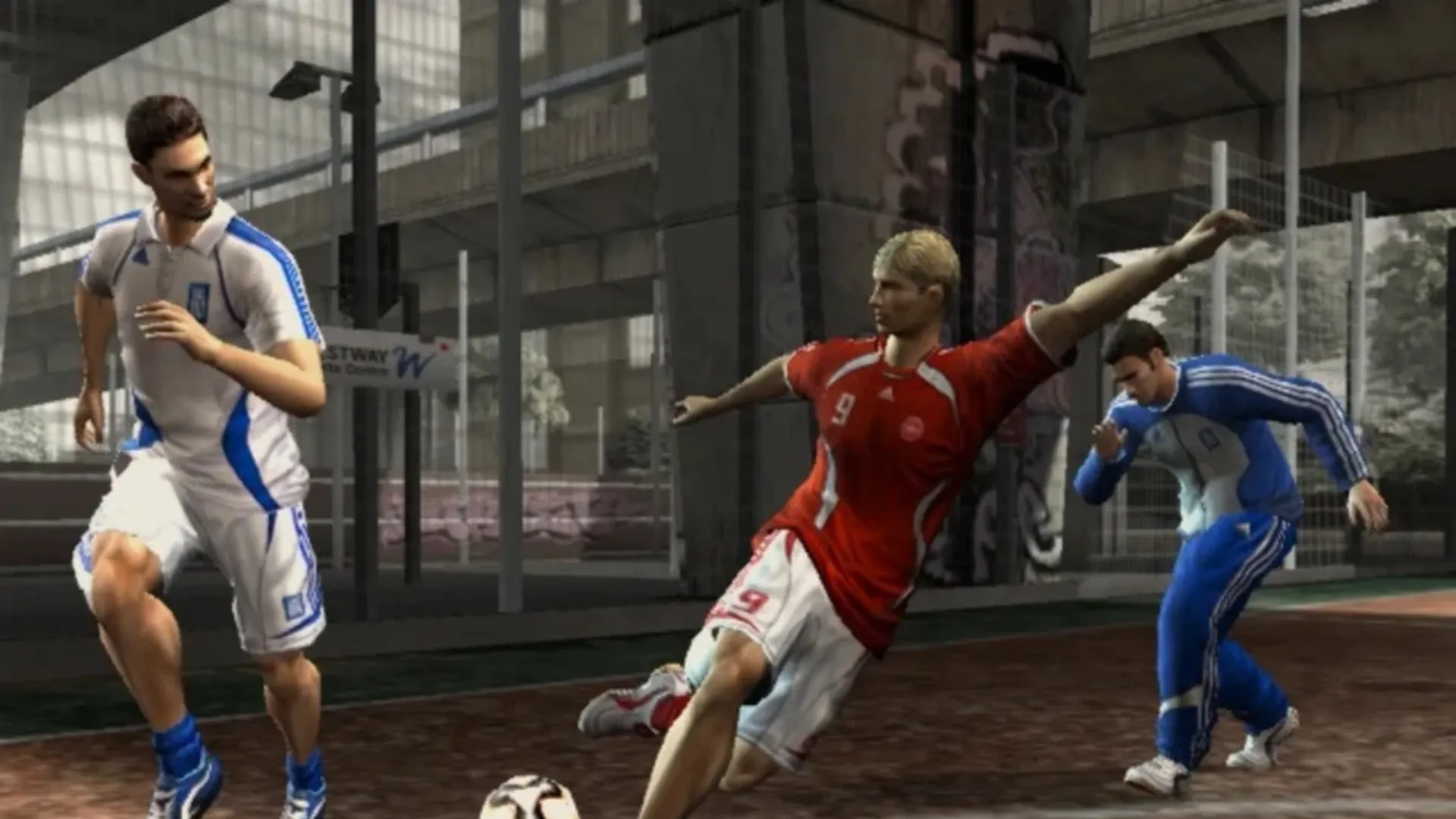
But we have to be honest here, because nostalgia should never get a completely free pass. Looking back at the mechanics objectively reveals where the concrete has started to crack.
The Gamebreaker is a famously polarizing mechanic and a massive double edged sword. You fill a meter, trigger a slow motion sequence, and get an unblockable finish. Beat the entire team before scoring and you win instantly.
From a pure design perspective, having a cutscene that erases the hard earned goals of your opponent is objectively broken. Reviewers heavily criticized it in 2006 for ruining the competitive balance.
But I always thought it was brilliant. Yes, it is completely unfair. But intentionally saving a Gamebreaker for the very last moment of a tied match and using it to steal the win right at the buzzer gave the game its true arcade soul.
The real issue lies with the goalkeepers. They are completely useless during those slow motion moments and let weak shots roll right past them. Yet outside of that state, they somehow manage to pull off superhuman saves against perfectly timed regular shots. There is simply no middle ground.
Combine that with an opponent AI that actively cheats whenever you build a solid lead. The CPU magically discovers a higher gear, winning every physical battle and intercepting passes it ignored all match.
Whether that is genuine rubberbanding or just an aggressive difficulty spike, it constantly feels like the game is quietly cheating to keep things artificially tense.
Still the Undisputed King of the Streets
So the ledger is not flattering. The AI cheats. The grind is designed to frustrate. The Gamebreaker flattens the competitive balance every single match.
But that is exactly why it beats the original FIFA Street. The first game played it safe and kept the balance intact. It was fine, but it was also a bit boring. FIFA Street 2 threw out the rules, handed us the trick stick, and chose pure chaos over a fair match.
And that chaos is why it is still worth your time twenty years later. Modern football games are better simulations by every measurable standard, but not one of them has this game's swagger.
Even EA could never replicate it. FIFA Street 3 went entirely cartoonish and lost the gritty street culture, while modern modes like Volta just feel like regular FIFA wearing streetwear. They spent two decades getting more accurate while getting much less fun to show off in.
So put the disc in. Ignore the jank, accept that a Gamebreaker will ruin a match you deserved to win, an let True Skool run over the menu for a minute before you press start. Then slide the ball through some poor defender's legs, listen to the sideline erupt, and tell me the frustrations were not worth it.
The Verdict
Despite its broken balance, FIFA Street 2 remains well worth playing because its deep combo engine offers an arcade experience modern sports sims refuse to build.
The Good
- +Rebalances 320 licensed players for pure arcade street play.
- +The right analog stick serves as a deep, rhythmic combo engine.
- +Ten global venues feature highly reactive, localized sideline audio.
- +Dynamic match rules turn humiliation into a viable win condition.
- +The Skill Bills system offers deep squad and court customization.
The Bad
- -Aggressive rubberband AI actively cheats to keep offline matches close.
- -The campaign gates match wins behind frustrating trick checklists.
- -Broken goalkeeper AI swings between superhuman and completely useless.
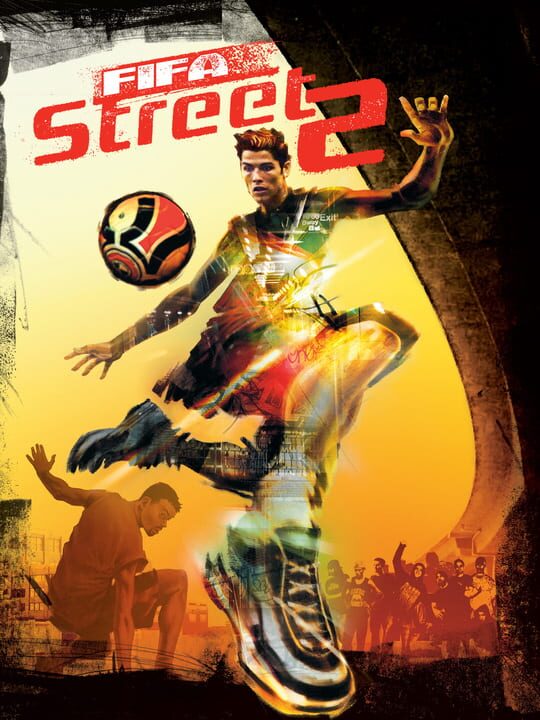
FIFA Street 2
The game is a street football game in which the player can take control of 4-a-side versions of national football teams in matches where the object is to win by scoring a set amount of goals or points via tricks, or within a time limit. In the career mode "Rule the Streets", one
Released
February 28, 2006
Developer
EA Canada
Publisher
EA Sports BIG


Tagged In
Discussion
0We want to hear from you. Share your perspective in the comments below, and please keep the conversation respectful.
Log in to join the discussion - vote, reply, and share your take.
Log In