Santa Monica Studio gave God of War a second life by changing Kratos
Santa Monica Studio traded Greek revenge for a Norse father-and-son story, and the 2018 reboot turned God of War into one of Sony's biggest hits.
The PlayStation developer transformed its brutal action series into a more personal adventure, turning an aging franchise into one of Sony's biggest successes.
For years, God of War was built around an extremely angry Spartan tearing his way through Greek mythology. Kratos defeated enormous monsters and brutally murdered gods, usually with very little concern for anyone caught in the destruction.
Then Santa Monica Studio gave him a son. The 2018 God of War replaced much of the original spectacle with a journey through Norse mythology, where Kratos struggled to become a better father. The reinvention brought the series to a much larger audience and established a new direction that continues to shape the studio's projects.
Profile Snapshot
- Founded: 1999
- Headquarters: Los Angeles, California, United States
- Parent company: Sony Interactive Entertainment
- Head of Creative: Cory Barlog
- Signature franchise: God of War
- Major achievements: Over 23 million copies of God of War (2018) sold by November 2022 and 15 million copies of God of War Ragnarök by November 2023
- Upcoming game: God of War Laufey, scheduled for May 20, 2027
God of War made Kratos a PlayStation icon
Santa Monica Studio was established in 1999 as part of Sony's internal development operation. Its first game, Kinetica, arrived on PlayStation 2 in 2001, but the studio's breakthrough came four years later.
Directed by David Jaffe, the original God of War introduced Kratos, a Spartan warrior seeking revenge against Ares, the Greek god of war. The game combined fast-paced hack-and-slash combat with elaborate puzzles and enormous boss encounters.
Kratos' chained Blades of Chaos allowed players to attack groups of enemies with sweeping combinations. Combat was deliberately brutal, with cinematic finishing moves that emphasized the character's violent personality. God of War II expanded the formula in 2007 under director Cory Barlog, introducing larger environments and even more spectacular encounters.
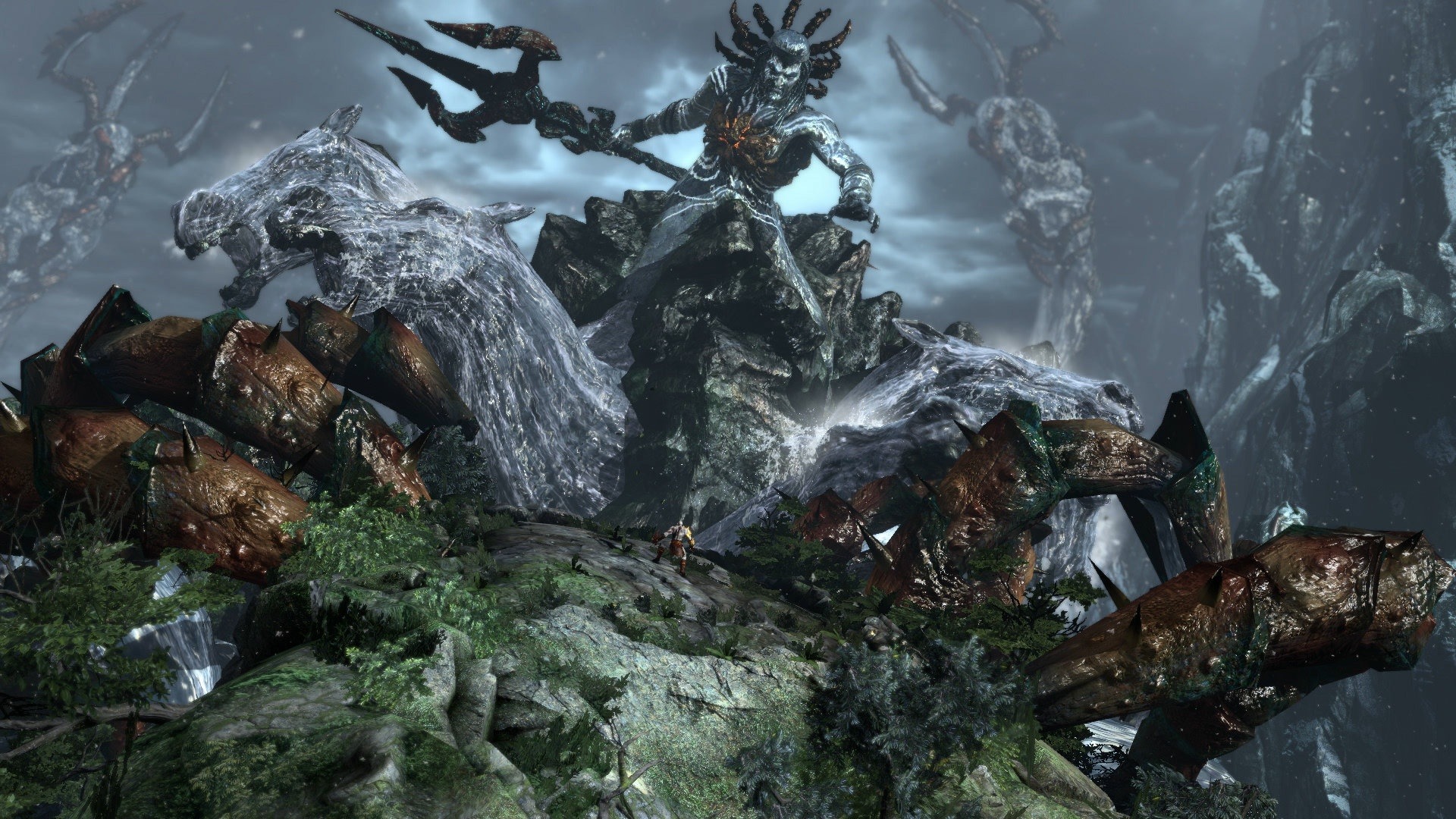
The PlayStation 3 sequel God of War III pushed that approach further in 2010. Its opening battle against Poseidon took place across the body of a gigantic Titan, demonstrating the scale Santa Monica could achieve with Sony's hardware. By then, Kratos had become one of PlayStation's recognizable characters, although the series was running into a familiar problem.
The original formula was running out of room
After three major games and several spin-offs, God of War had grown increasingly dependent on bigger battles and more elaborate violence. The problem became apparent with God of War: Ascension in 2013. The prequel introduced multiplayer and explored an earlier period in Kratos' life, but critics questioned whether the familiar combat still offered enough surprises.
The studio was also experiencing difficulties behind the scenes. Sony confirmed layoffs at Santa Monica in February 2014, while reports suggested an unannounced project had been canceled. Continuing with another traditional God of War would have been the safer creative choice, but the developers wanted to explore a different direction.
Cory Barlog, who had returned to the studio after working elsewhere, became creative director of the next installment. His plans involved changing nearly every major part of the experience, including the mythology, camera perspective, and Kratos himself. The familiar Greek setting would give way to Norse mythology, and the next adventure would focus on a relationship rather than another revenge campaign.
Giving Kratos a son changed everything
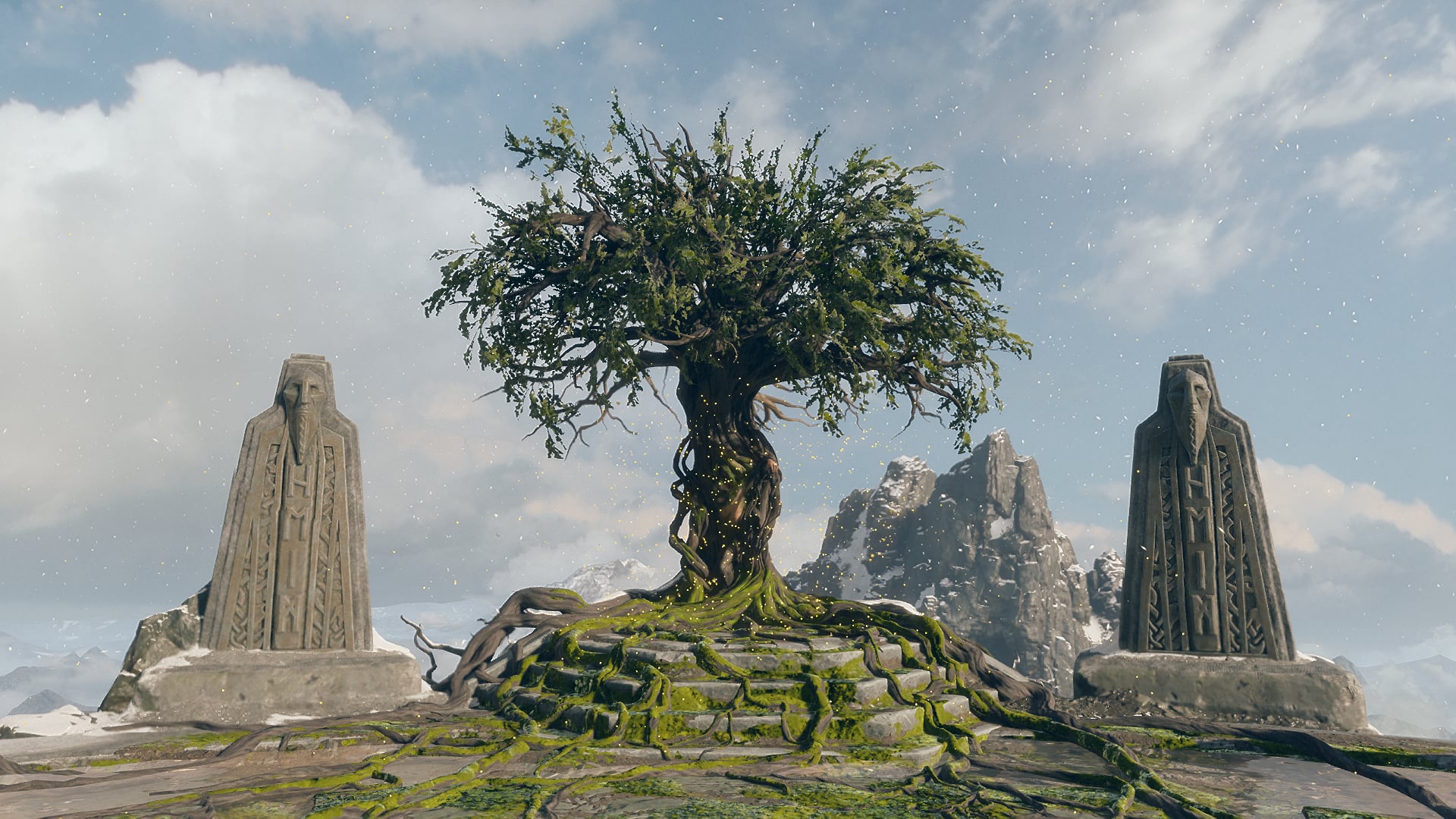
Released in April 2018, the new God of War introduced an older Kratos living in Midgard with his son, Atreus. Following the death of Atreus' mother, the pair embark on a journey to scatter her ashes from the highest peak in the realms.
Kratos remains intimidating, but his biggest struggle is learning how to communicate with his son. He frequently resorts to harsh instructions and struggles to express affection, gradually confronting the consequences of his violent past.
The relationship also shapes the gameplay. Atreus assists during combat with his bow, distracting enemies and creating opportunities for Kratos to attack. He can help solve puzzles and provide information about the surrounding world.
Santa Monica completely redesigned the fighting system around a closer over-the-shoulder camera. The new Leviathan Axe could be thrown at enemies and recalled instantly, while the familiar Blades of Chaos eventually returned. The developers also made an unusual technical decision. The entire adventure was presented as one continuous camera shot, without conventional cuts between gameplay and cinematics. The approach kept players close to Kratos and Atreus throughout their journey, making even ordinary conversations feel connected to the action.
The reinvention became a massive success
The changes were ambitious, but they worked. God of War received widespread critical acclaim and won Game of the Year at The Game Awards 2018. Commercially, the results were equally impressive. The game sold 3.1 million copies within its first three days, becoming Sony's fastest-selling PlayStation 4 exclusive at the time.
By November 2022, sales had surpassed 23 million copies across PlayStation and PC. The father-son relationship gave the series an emotional foundation that earlier entries had rarely explored. Kratos could still defeat enormous monsters, but quieter moments were now equally important.
One memorable sequence forces him to return home and retrieve the Blades of Chaos, weapons closely associated with his violent past. The scene carries considerable weight because the player understands what those blades represent.
The combat remained challenging, although the closer camera occasionally made it difficult to track enemies. Some critics also questioned the limited variety of boss encounters. Nevertheless, Santa Monica had successfully transformed a familiar action series without abandoning the brutal combat that made it popular.
Ragnarök completed the Norse saga
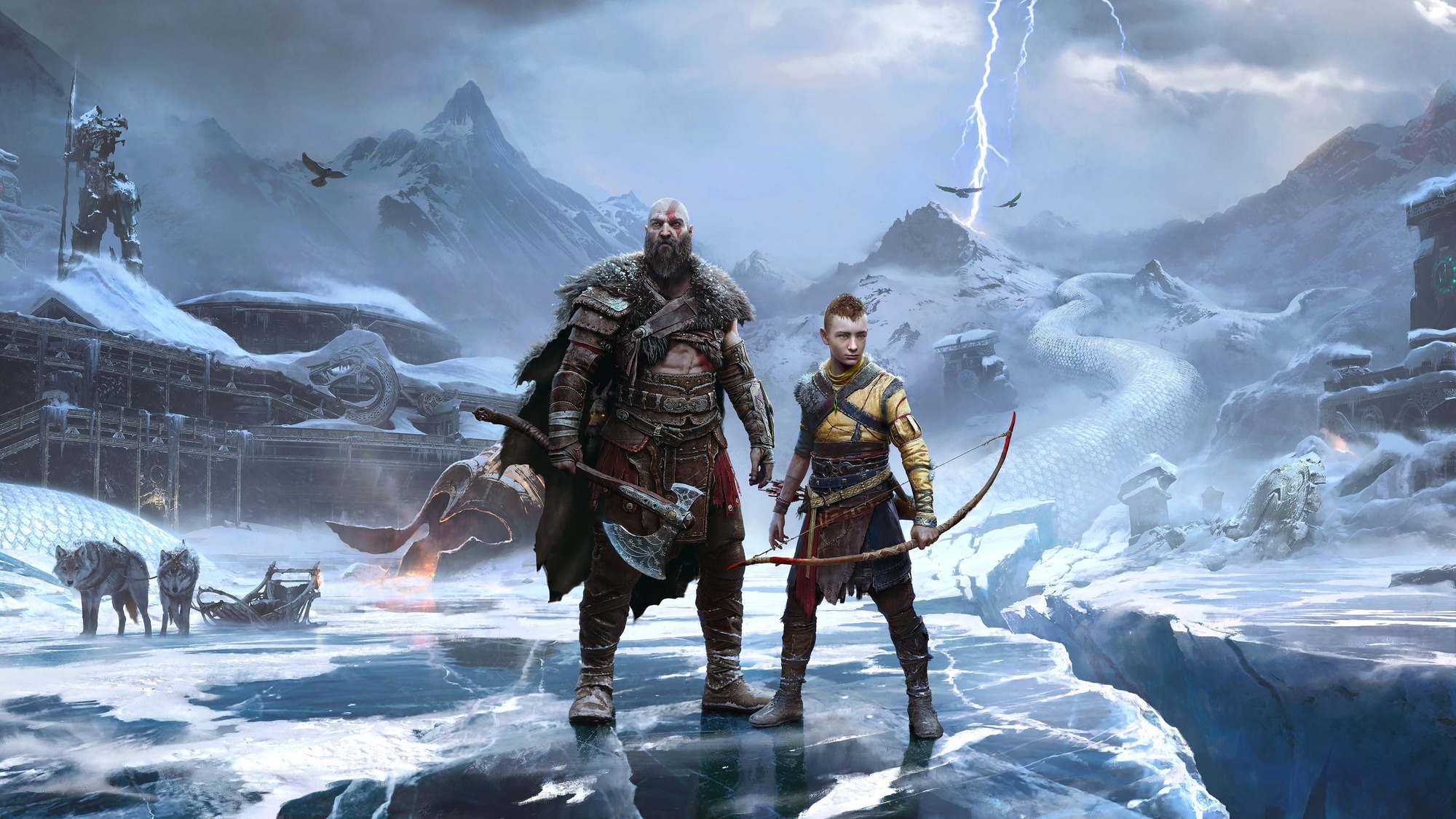
God of War Ragnarök arrived in November 2022, with Eric Williams taking over as game director. The sequel expanded the journey across the Nine Realms as Kratos and Atreus became caught in the conflict surrounding the approaching end of the world.
The story explored Atreus' growing independence, forcing Kratos to accept that protecting his son could sometimes mean allowing him to make dangerous decisions. Combat also became more elaborate. New abilities expanded the Leviathan Axe and Blades of Chaos, while the Draupnir Spear introduced additional options against difficult enemies.
The game sold 5.1 million copies during its first five days and surpassed 15 million by November 2023. However, some critics felt its pacing suffered from lengthy story sequences and frequent companion dialogue. Santa Monica followed the main adventure with God of War Ragnarök: Valhalla, a free expansion released in December 2023.
Its roguelite structure introduced repeated combat challenges with changing upgrades, while the story explored Kratos' guilt and his struggle to accept a different future. The expansion provided a fitting continuation of the character's transformation. After spending years seeking revenge, Kratos was finally learning to live with his past.
Laufey takes God of War in another direction
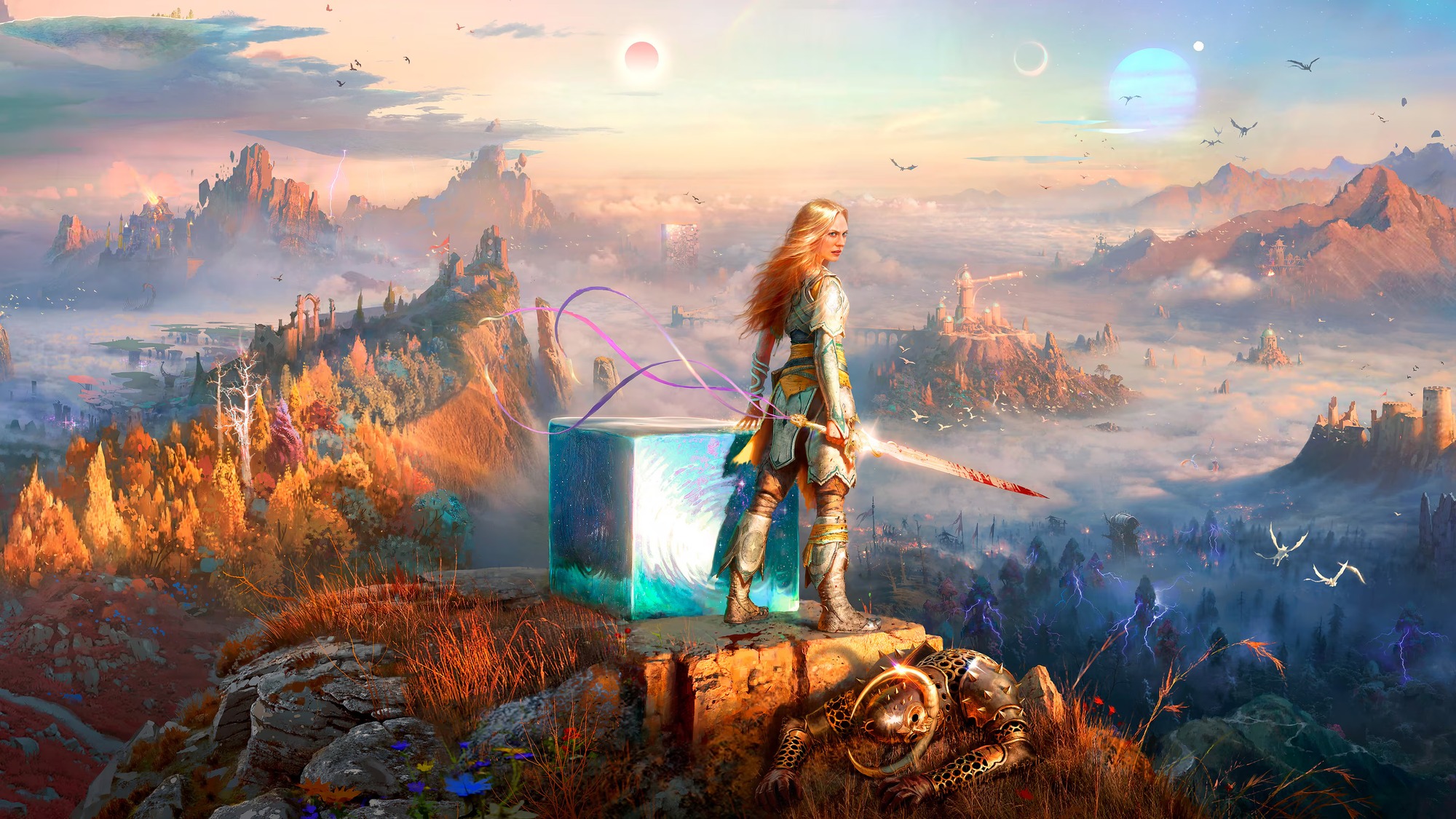
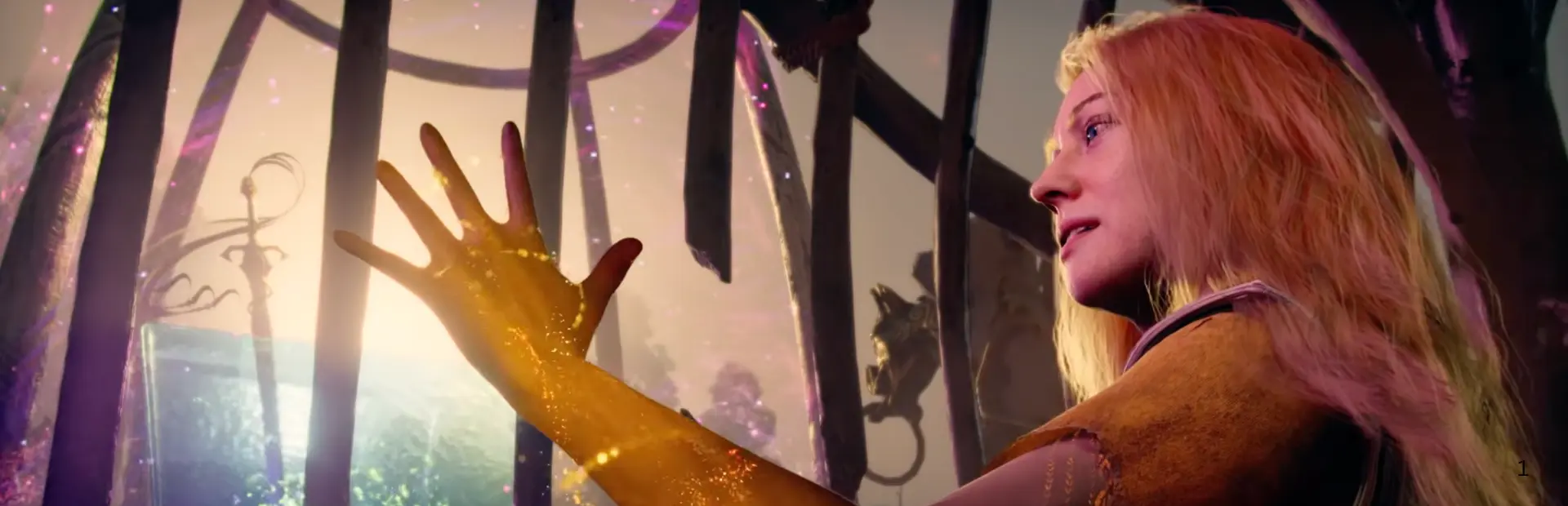
Santa Monica Studio is preparing another major change with God of War Laufey, scheduled for May 20, 2027, following a three-month delay announced in November 2026. Directed by Ariel Lawrence, the game follows Kratos' late wife, Faye, through the Everywhen, a mysterious afterlife inhabited by gods from different mythologies.
The studio has also announced remakes of the original Greek trilogy, while God of War Sons of Sparta, developed with Mega Cat Studios, brought the franchise into 2D platforming in February 2026.
With Cory Barlog now overseeing the series as Head of Creative, Santa Monica is balancing its original identity with the more character-driven storytelling introduced in 2018. Laufey will be the first mainline installment without Kratos as its playable protagonist, testing whether the world that grew around him can carry an adventure of its own.