Sega The Rival That Refused To Die
From arcade king to console casualty to publishing powerhouse, here is how Sega survived the Dreamcast's death and rebuilt itself into a modern empire.
Most gaming companies that lose a console war go bankrupt and disappear forever. Just look at Atari. They completely dominated the early industry before a single failed hardware generation bled them dry and forced them out of the console market permanently.
Sega survived this absolute worst case scenario by completely changing its shape. Over six decades they went from ruling the arcade scene to fighting a bitter hardware war against Nintendo, before nearly going under entirely.
Today they do not make a single piece of console hardware. Instead they sell millions of copies of their flagship games on the exact machines they used to fight against. It is the ultimate corporate comeback story in the gaming industry, and the entire rescue operation started with a remarkably fast blue hedgehog.
The Top 5 Defining SEGA Franchises
- Sonic the Hedgehog The undisputed mascot and a multi billion dollar juggernaut. Even through long stretches of wildly inconsistent game quality, the blue blur has never stopped being one of the most recognizable characters on earth.
- Like a Dragon Once a cult Japanese crime drama that barely registered in the West, it has grown into a massive global hit powered by simultaneous worldwide releases and a fiercely devoted fanbase.
- Persona The absolute crown jewel of modern Japanese role playing games. Mixing high school social simulation with deep turn based combat creates one of the coolest looking experiences in the entire medium.
- Total War The gold standard for grand strategy on PC. Blending turn based empire management with enormous real time historical battles lets you command thousands of soldiers at once.
- Football Manager An absurdly deep and highly addictive sports simulation with some of the highest player retention and longest play times anywhere in the gaming world.
The Console Wars And The Blue Blur
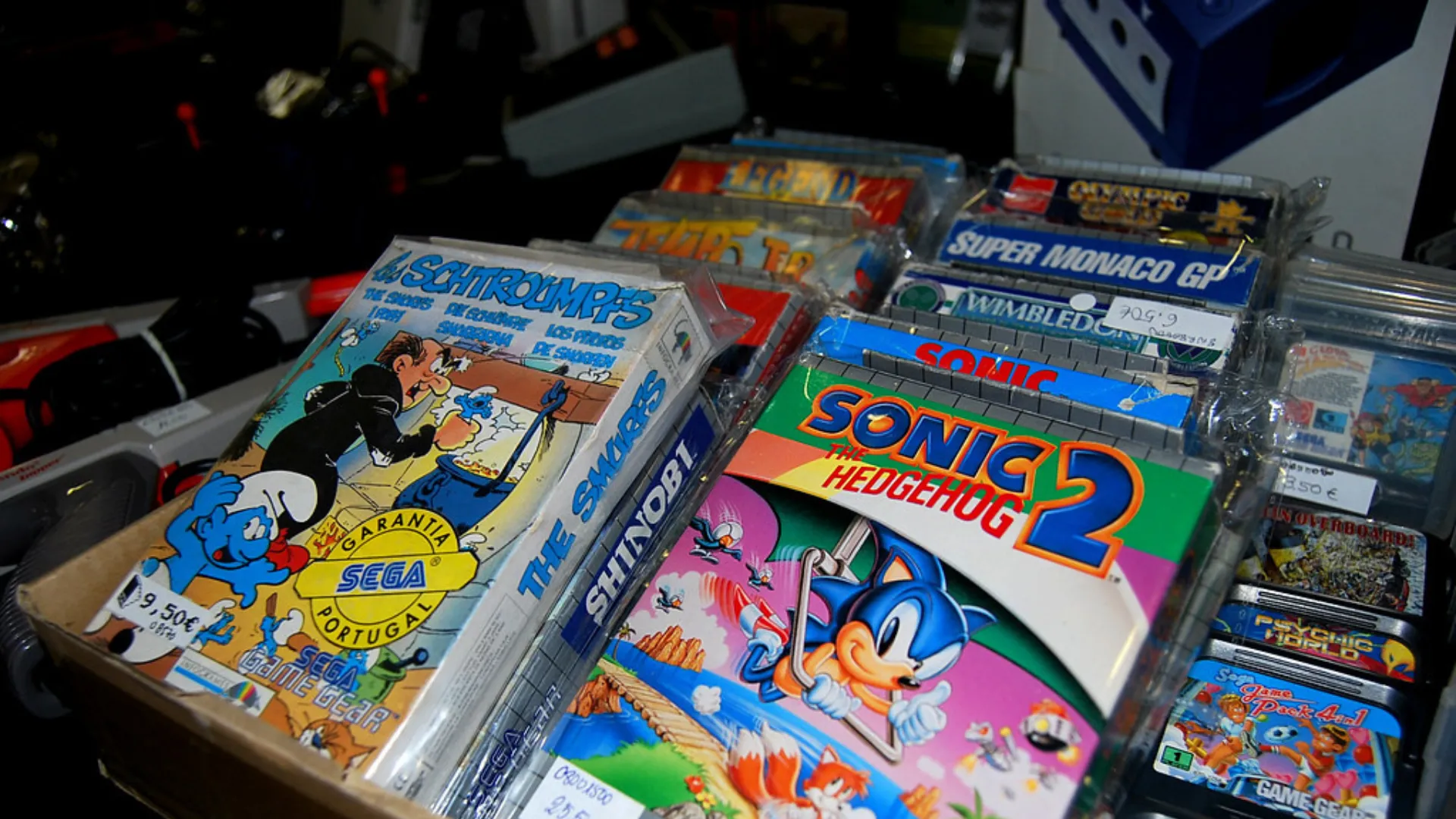
To really understand modern Sega you have to look back at their most aggressive era. In the early nineties they went to war with Nintendo and fought dirty in the best possible way. They pitched the Genesis in North America and the Mega Drive everywhere else as the edgy alternative to the wholesome family image of the Super Nintendo.
The marketing was absolutely ruthless and aimed squarely at older kids who wanted some attitude with their games. The weapon that powered this massive assault was a hedgehog custom built to rival Mario and flex their hardware processing power.
Sonic blazed through loops faster than anything the plumber could manage, instantly making him a global phenomenon and briefly handing Sega the lead in the American market.
The Dreamcast Tragedy
Then came the fall. Launching in 1998, the Dreamcast was a machine years ahead of its time. It brought proper online play with a built in modem and introduced genius ideas like a memory card with its own little screen.
People who owned one absolutely adored it, but it did not matter. The looming arrival of the PlayStation 2 and its built in DVD player sucked all the oxygen out of the room. Years of previous hardware missteps left Sega financially battered.
By early 2001 they announced they were killing the Dreamcast and walking away from console manufacturing entirely. Decades of building hardware were simply over.

Publisher Profile
- Founded 1960
- Headquarters Shinagawa Tokyo Japan
- Parent Company Sega Sammy Holdings
- Key Acquisitions Atlus Creative Assembly Sports Interactive and Rovio Entertainment
- Heavy Hitters Sonic the Hedgehog Like a Dragon Persona Total War and Football Manager
The Third Party Pivot And Empire Building
Surviving that hardware death required swallowing an enormous amount of pride. Sega became a third party publisher and did the unthinkable by putting their flagship games directly onto Nintendo and Sony consoles. Watching Sonic show up on a Nintendo system felt surreal, but that massive pivot saved the company.
Free from the insane costs of manufacturing hardware, they rebuilt themselves into a publishing powerhouse by buying the right studios. Acquiring British PC developers Creative Assembly and Sports Interactive handed them total dominance over the lucrative PC strategy and simulation space.
The ultimate masterstroke hit in 2013 when they bought Atlus, instantly turning Sega into a global role playing game powerhouse right as Persona was exploding in popularity. Grabbing Rovio Entertainment in 2023 finally secured them a massive footprint in the mobile gaming sector.
Fixing The Global Launch Strategy
Today Sega is arguably thriving more than they ever did during the console wars. They nailed the Hollywood crossover by turning the live action Sonic movies into a massive box office franchise crossing well over one billion dollars worldwide.
Back in the gaming space, they finally fixed their oldest problem by stopping the massive delay between Japanese and Western releases. Shifting to simultaneous global launches for massive titles like Like a Dragon Infinite Wealth and Persona 3 Reload resulted in record breaking sales across the board in early 2024.
That strategy worked out so beautifully that Metacritic officially crowned them Publisher of the Year.
The Ultimate Comeback
They could have easily folded after the Dreamcast died and become another cautionary tale in the gaming industry. Instead they did something much harder.
They swallowed their pride, put their mascot on enemy hardware, bought the exact studios needed to carry them forward, and turned a deep library of classic intellectual property into a modern media empire.
The result is a publishing giant that is far more profitable and stable than they ever were at the height of the nineties console wars. Not bad for a publisher that nearly went under.
Tagged In
Discussion
0We want to hear from you. Share your perspective in the comments below, and please keep the conversation respectful.
Log in to join the discussion - vote, reply, and share your take.
Log In