Best looter shooters
The best looter shooters make a new weapon change the way you fight, not merely replace one damage number with another.
Looter shooters become tedious when the inventory matters more than the battlefield. A purple rifle is not interesting simply because its statistic is higher. The useful drops are the ones that alter where a player stands, which enemy receives attention first, or how an entire character build survives under pressure.
The genre stretches from tightly written cooperative campaigns to live games expected to occupy players for years. These eight selections take different approaches to that commitment, but each understands that collecting equipment only works when the shooting remains enjoyable after the next reward has stopped being new.
8. Outriders
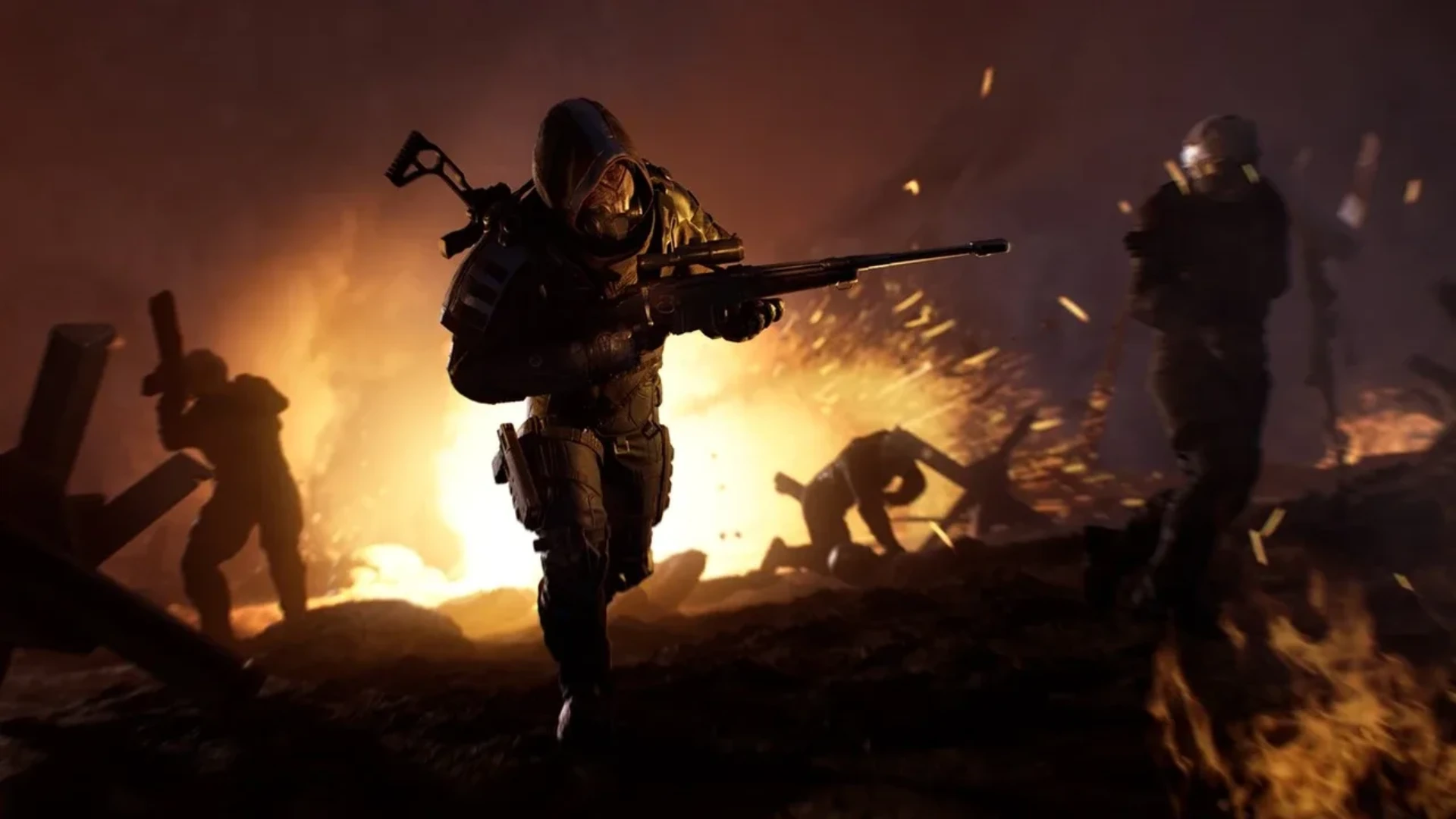
Outriders is a third-person cooperative shooter where four character classes fight through the hostile planet Enoch using firearms and supernatural abilities. Cover exists, but staying behind it for too long is usually dangerous. Each class recovers health through aggressive behavior, such as killing enemies at close range or dealing damage with specific abilities.
That healing rule creates the game's best encounters. A Trickster can teleport behind a marksman, recover health from the kill, then slow the enemies surrounding the next target. Equipment mods strengthen that aggression by adding effects such as lightning strikes or reducing ability cooldowns. Dismantling an item permanently unlocks its mod for later crafting, so an unwanted legendary can still improve another build.
The campaign takes too long to reveal the possibilities inside that system, while the postgame Expeditions eventually reduce progress to repeating combat arenas at higher tiers. Outriders is at its best before that grind settles in, when one new mod can turn a struggling class into something reckless and effective.
7. Gunfire Reborn
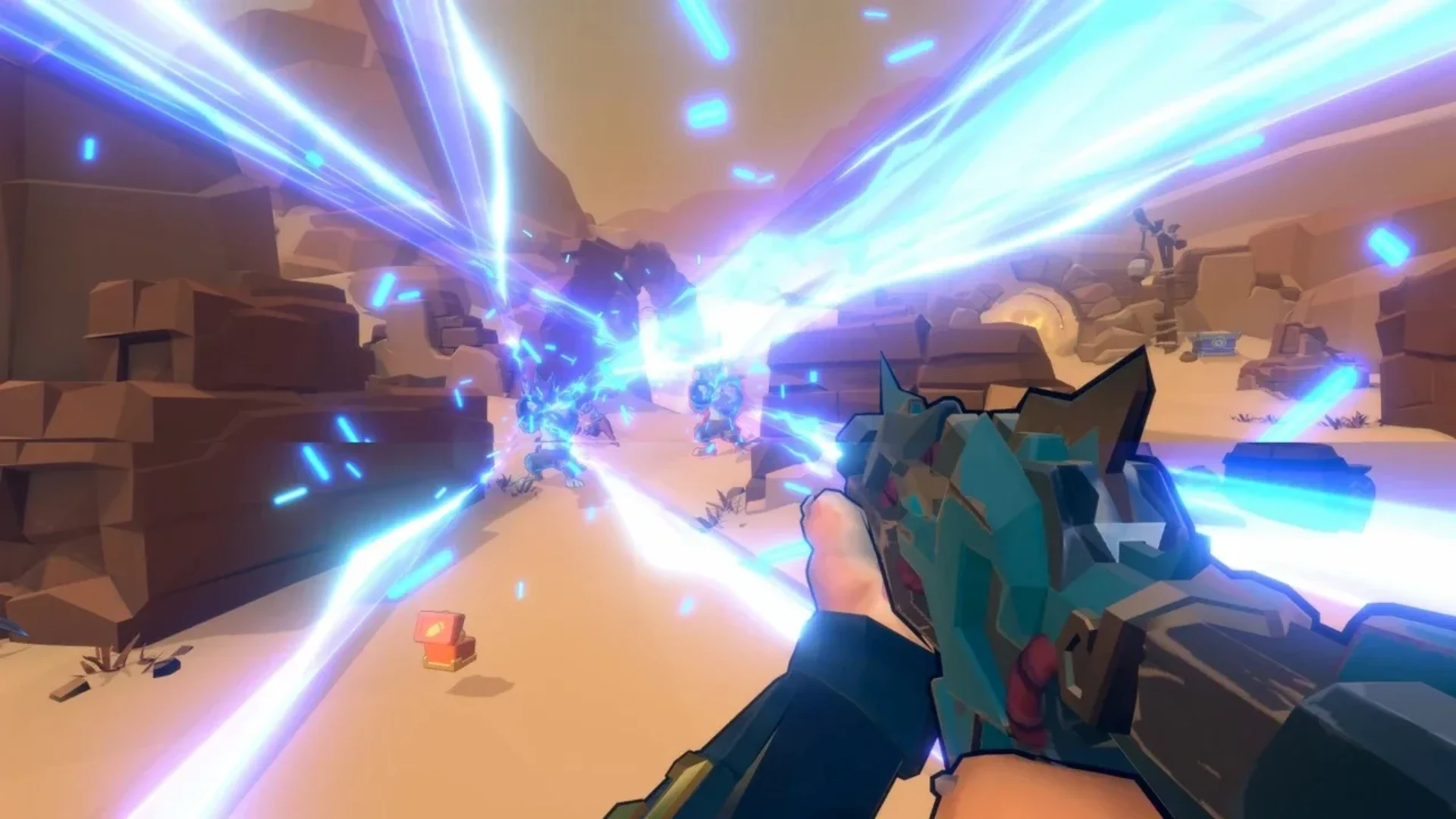
Every attempt in Gunfire Reborn begins with a lightly equipped animal hero entering a sequence of randomized first-person combat rooms. Weapons disappear when the run ends, but permanent talents gradually improve later attempts. Within a run, Occult Scrolls and character-specific Ascensions determine whether a build concentrates on elemental effects, critical hits, abilities, or raw weapon damage.
The useful combinations reveal themselves through consequences. A weapon that applies Corrosion can slow an enemy before a second element triggers a fusion effect. A scroll that appears weak may become essential once another upgrade removes its disadvantage. Cooperative play makes these combinations more flexible because one player can pass equipment to someone whose build can actually use it.
Bosses and room layouts become familiar long before the available build combinations do. A failed run can also feel decided by unrewarding upgrade choices rather than a readable mistake. Its compact campaigns still provide an unusually clean version of the genre, with little time spent comparing equipment that does not matter.
6. Remnant II
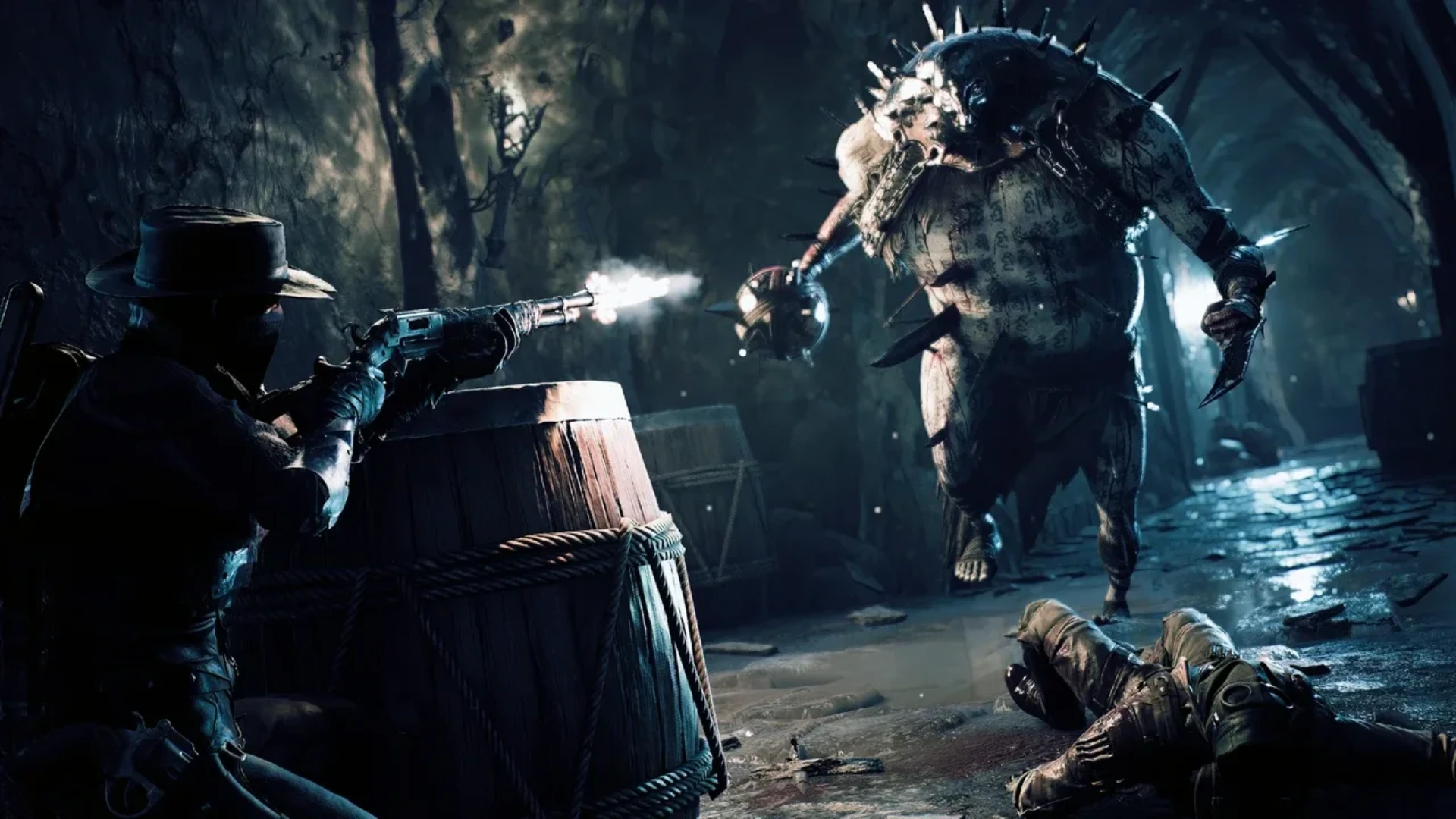
Remnant II combines third-person shooting with deliberate dodges, limited healing, and dangerous bosses. Players travel through rearranged worlds whose major locations, events, and encounters can change between campaigns. Its equipment is usually discovered through exploration or crafted from boss materials rather than scattered across the floor in constant colored piles.
That makes obtaining a weapon feel connected to an event. Solving an environmental puzzle may reveal a ring that completes a build, while defeating a boss under an unusual condition can produce a different crafting material. Archetypes provide active skills and passive bonuses, then allow two classes to be combined once the player has unlocked enough options.
The discovery is exciting until it becomes opaque. Some secrets require actions that are almost impossible to infer without outside help, and rerolling a world does not guarantee the desired event will appear. The game is less generous with loot than most of the genre, but more of what it gives the player remains worth remembering.
5. Tom Clancy's The Division 2
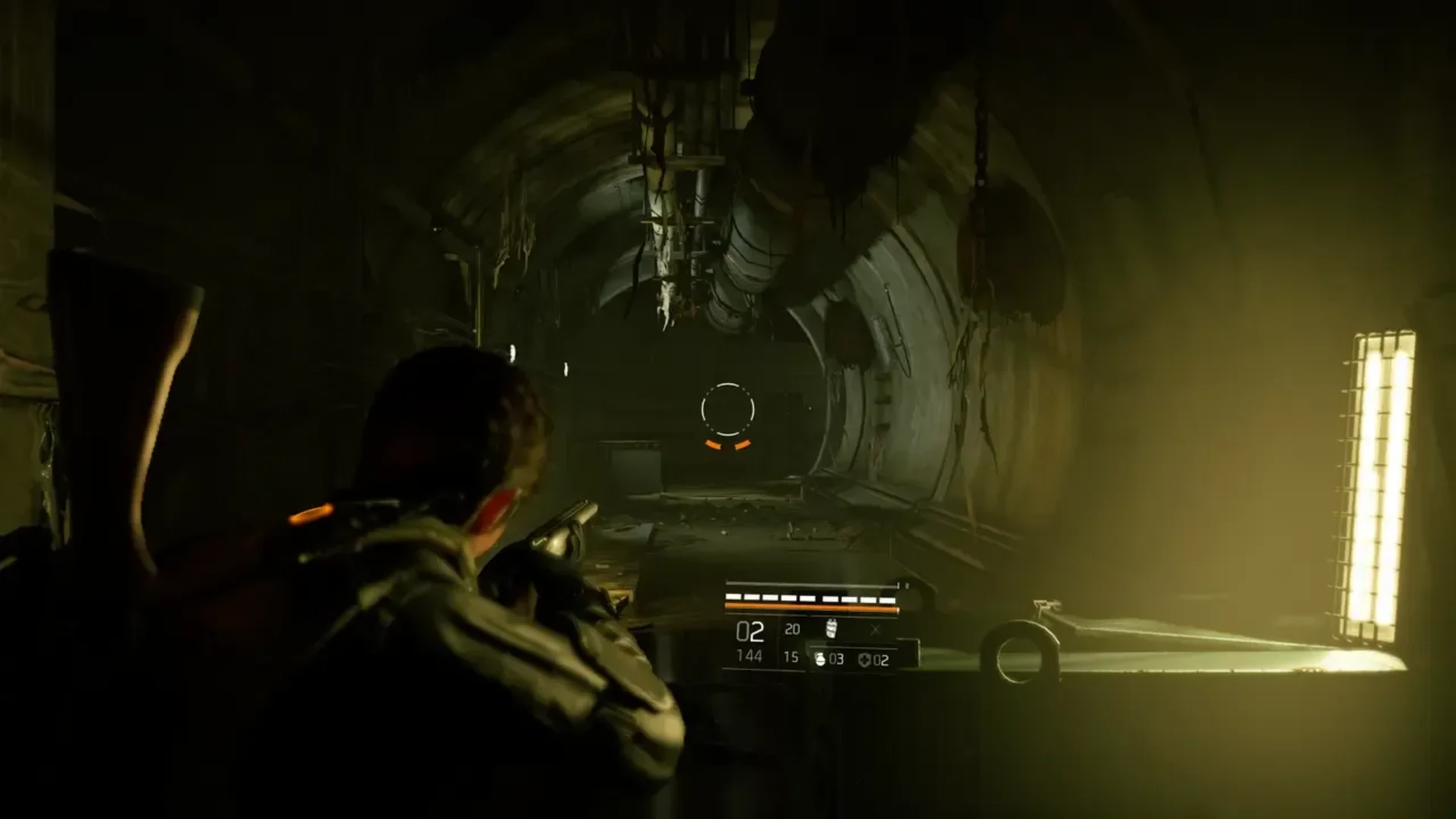
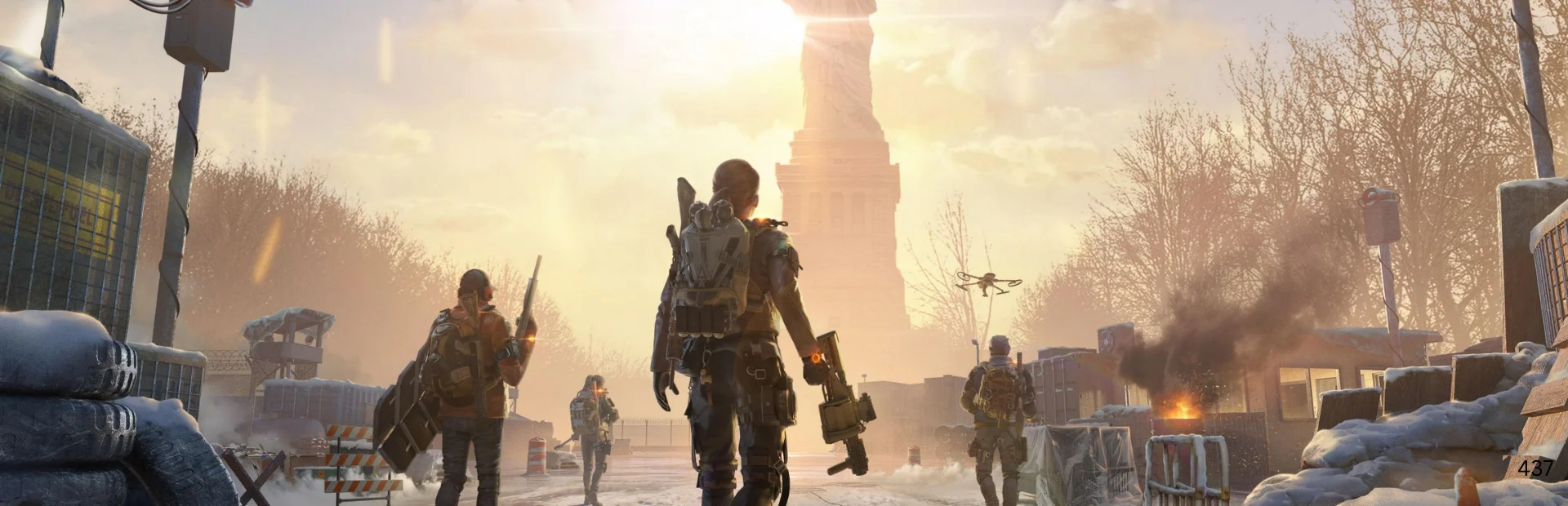
Washington, D.C. becomes a network of cover positions in The Division 2. Agents move between barricades, damaged vehicles, and improvised fortifications while enemy factions force them out with grenades, drones, and heavily armored attackers. Weapons behave conventionally, so much of the build variety comes from armor talents, gear sets, and deployable skills.
A good build changes the purpose of familiar actions. A shield setup encourages steady advances through exposed spaces. A status-effect build can spread fire or disruption across a group before the weapons finish them. Recalibration and targeted loot give players some control over improvement, although the number of attributes still turns inventory management into a separate occupation.
The Division 2 remains under active support in 2026, with Year 8 adding seasons, equipment, assignments, and further Dark Zone changes. Its endgame is far healthier than its age suggests. Enemies can still absorb an exhausting amount of punishment at the highest difficulties, particularly when a build is trapped between workable and optimized.
4. Destiny 2
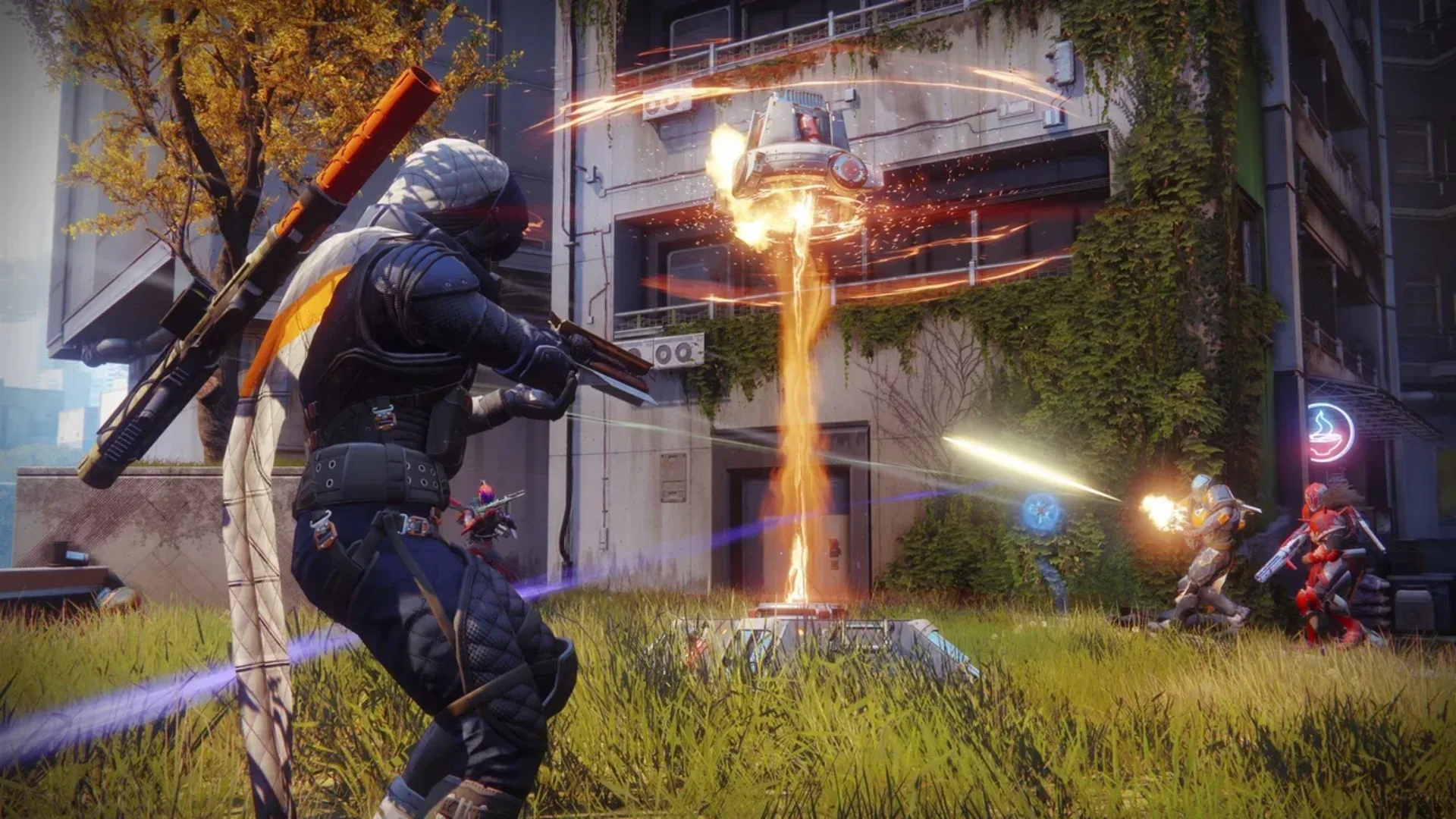
Few shooters make an ordinary weapon feel as considered as Destiny 2. Recoil, sound, reload animation, and aim assistance give each archetype a recognizable character before its perks are examined. Guardians take those weapons into strikes, dungeons, competitive modes, and raids where mechanical coordination matters as much as damage output.
Exotic equipment provides the clearest expression of the loot system. A weapon may spread an effect through a group or interact directly with a subclass ability. Raid encounters then ask players to use those builds while reading symbols, carrying objects, or exchanging roles under strict time pressure. The best rewards support memorable activities rather than replacing them.
Destiny 2 is also difficult to recommend without qualifications. Years of expansions, removed campaigns, revised progression systems, and unfamiliar terminology make the opening experience unnecessarily confusing. Bungie released the game's final live-service content update on June 9, 2026. It remains playable, but active development has concluded, leaving a remarkable shooter preserved in a form that still struggles to explain itself to newcomers.
3. Borderlands 4
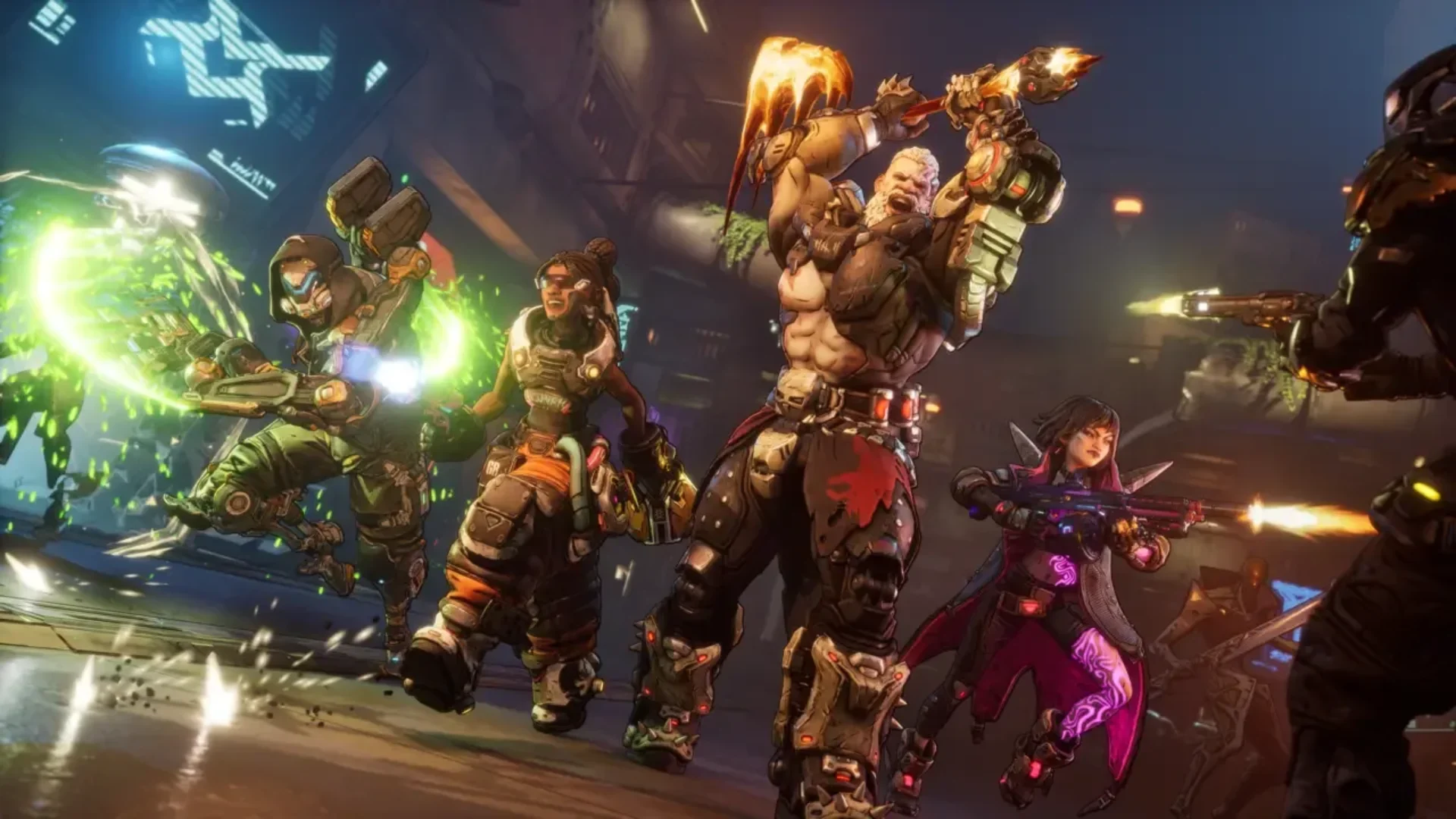
Borderlands 4 sends four Vault Hunters across Kairos, a more connected world than the separated zones of earlier games. Double jumps, gliding, grappling, and dodges make firefights more mobile, while branching skill trees allow each character's Action Skill to support several different approaches.
Its weapons remain the main attraction. Manufacturers influence more than appearance, and alternative firing modes can give one gun two practical jobs. A weapon may function as a conventional rifle until its secondary mode launches an explosive payload needed to clear a group. The larger spaces provide room to use that mobility rather than keeping every encounter inside another bandit camp.
The campaign's writing still interrupts too often, although it shows more restraint than Borderlands 3. Technical performance is the more serious weakness. Updates have improved the launch version, but optimization and stuttering have continued to trouble some PC players. The shooting underneath those problems is the most flexible Gearbox has produced.
2. Warframe
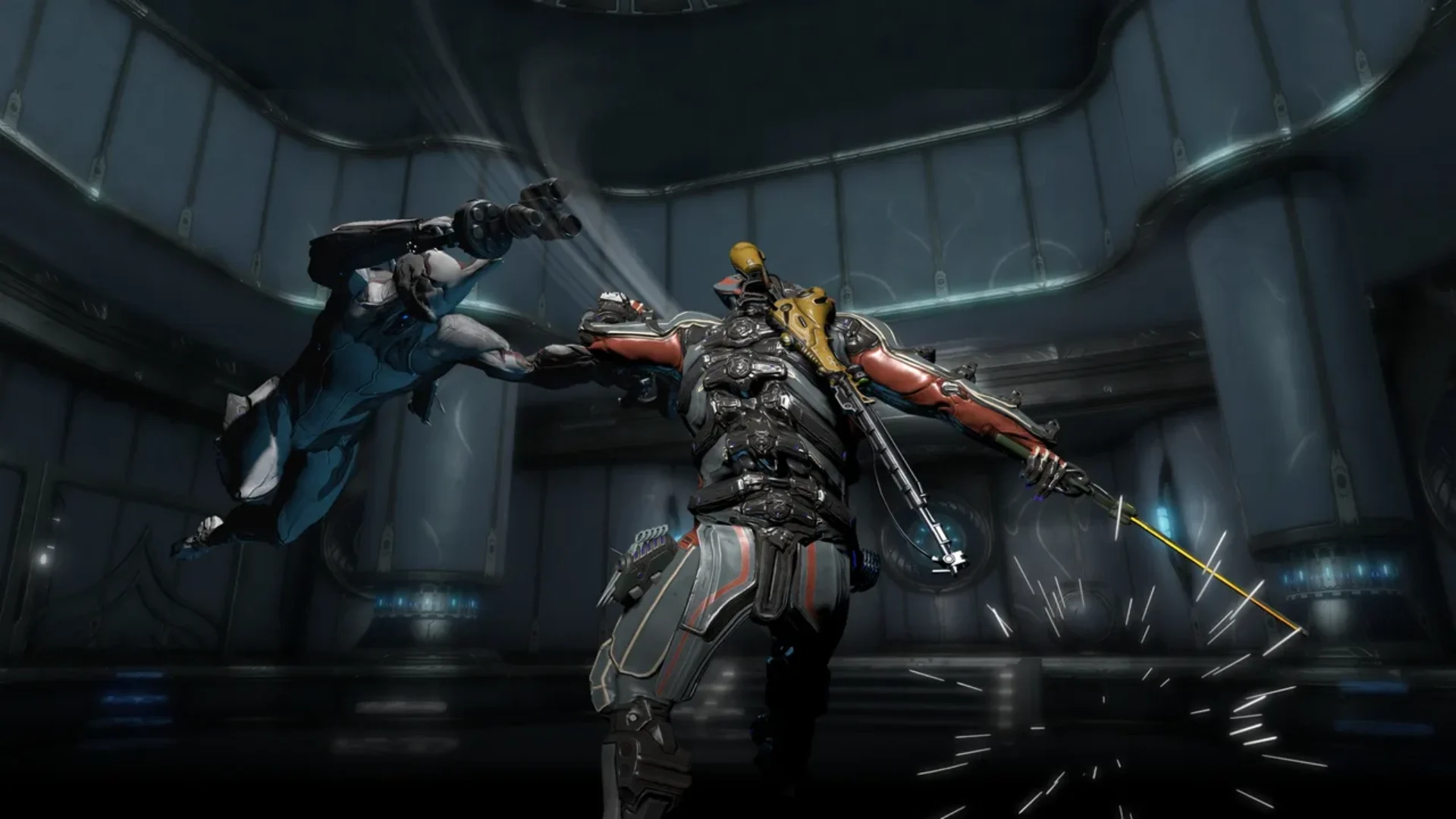
Movement is the first piece of equipment in Warframe. The player controls biomechanical suits called Warframes through short missions and open regions, combining slides, bullet jumps, wall movement, firearms, and melee attacks. A properly understood level is crossed rather than cleared one corridor at a time.
Loot feeds an enormous crafting and modification system. Warframes provide distinct abilities, while mods alter damage, survivability, energy use, and ability behavior. A weapon that appears weak can become destructive once its critical chance, elemental combinations, and status effects support one another. Changing the frame can make the same mission resemble a stealth run, an artillery attack, or a moving defensive position.
The cost of that freedom is explanation. Essential systems arrive through menus, crafting timers, currencies, and quests whose order is not always obvious. New players can spend hours without seeing the stranger stories or builds that define the later game. Warframe is still receiving substantial updates in 2026, including new quests and preparations for its journey to Tau. Its accumulation of systems is intimidating, but few games offer as many genuinely different ways to become powerful.
1. Borderlands 2
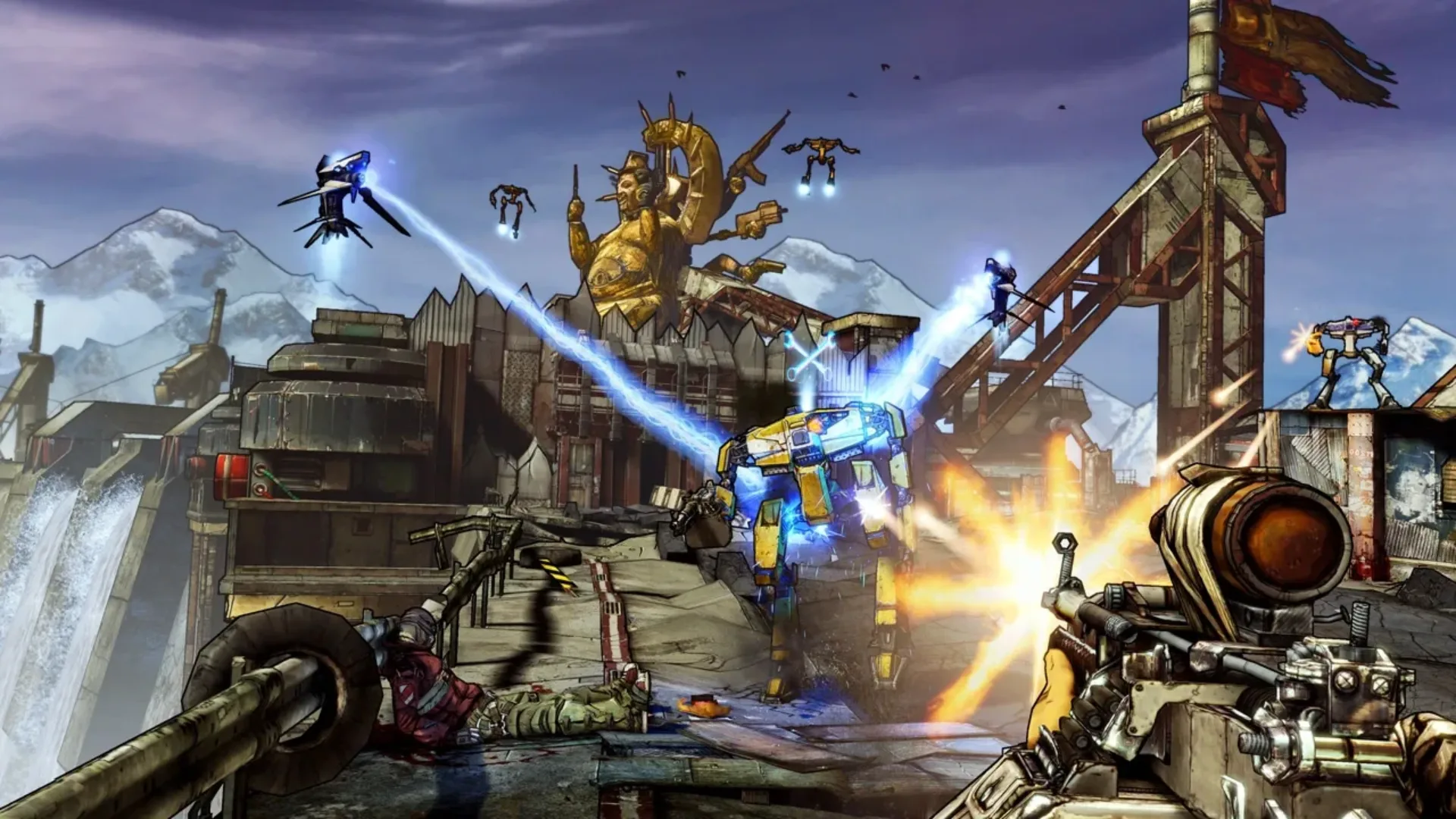
Weapons in Borderlands 2 communicate their manufacturer before the statistics screen is opened. Tediore guns are thrown away during reloads and explode like grenades. Hyperion weapons become more accurate during sustained fire. Jakobs equipment rewards a fast trigger finger, while Maliwan weapons specialize in elemental damage.
Those rules make the loot readable during combat. A corrosive weapon has an immediate purpose against armored Loaders, and an explosive Torgue shotgun behaves differently enough to justify keeping it beside a more accurate rifle. The six playable Vault Hunters deepen those decisions through skill trees that can transform their Action Skills rather than providing a series of minor percentage increases.
The later difficulty levels expose the limits of the system. Ultimate Vault Hunter Mode makes Slag damage close to compulsory, narrowing the experimentation that the weapon variety initially encourages. Enemies also become heavy enough to turn poorly prepared fights into long exchanges with health bars.
The campaign surrounding that loot remains unusually strong. Areas introduce enemies that demand different responses, side missions regularly contain their own mechanical jokes, and Handsome Jack provides a clear target for a game that could otherwise become a chain of disconnected reward hunts. More polished looter shooters followed, but Borderlands 2 still understands the essential pleasure better than any of them. The next gun should not simply be stronger. It should make the player want to fire it immediately.
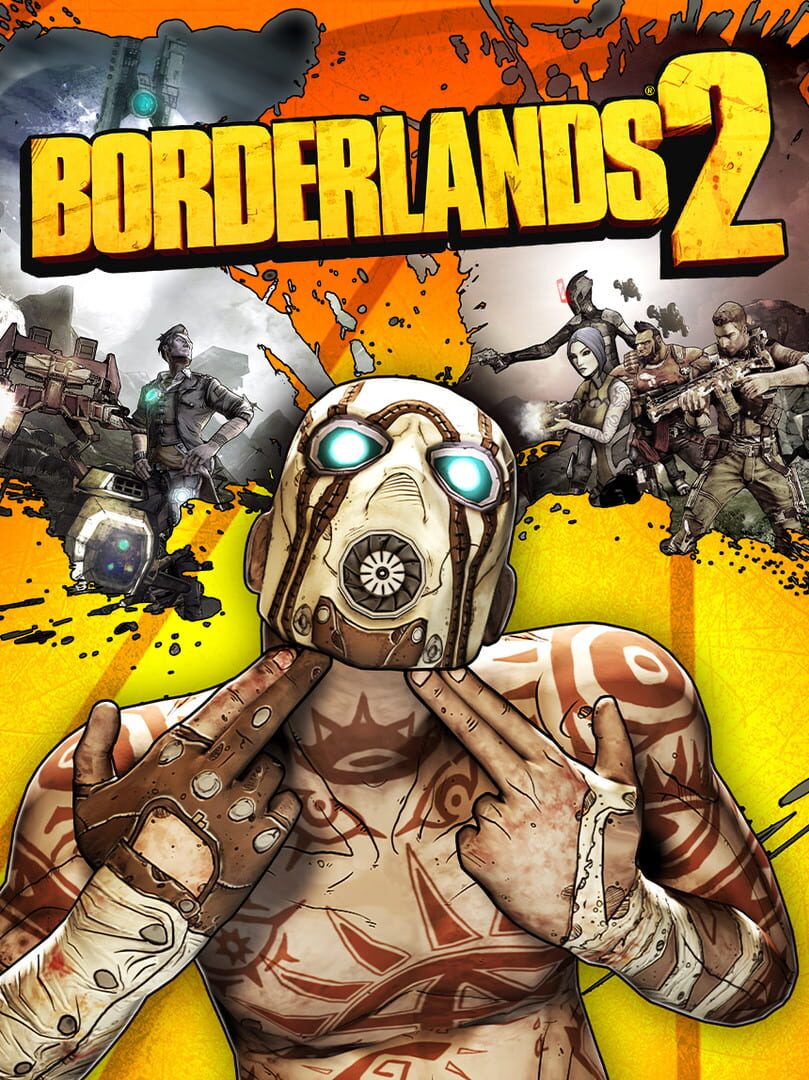
A new era of shoot and loot is about to begin. Play as one of four new vault hunters facing off against a massive new world of creatures, psychos and the evil mastermind, Handsome Jack. Make new friends, arm them with a bazillion weapons and fight alongside them in 4 player co-op
Released
September 18, 2012
Developer
Gearbox Software
Publisher
2K Games


Discussion
0We want to hear from you. Share your perspective in the comments below, and please keep the conversation respectful.
Log in to join the discussion - vote, reply, and share your take.
Log In