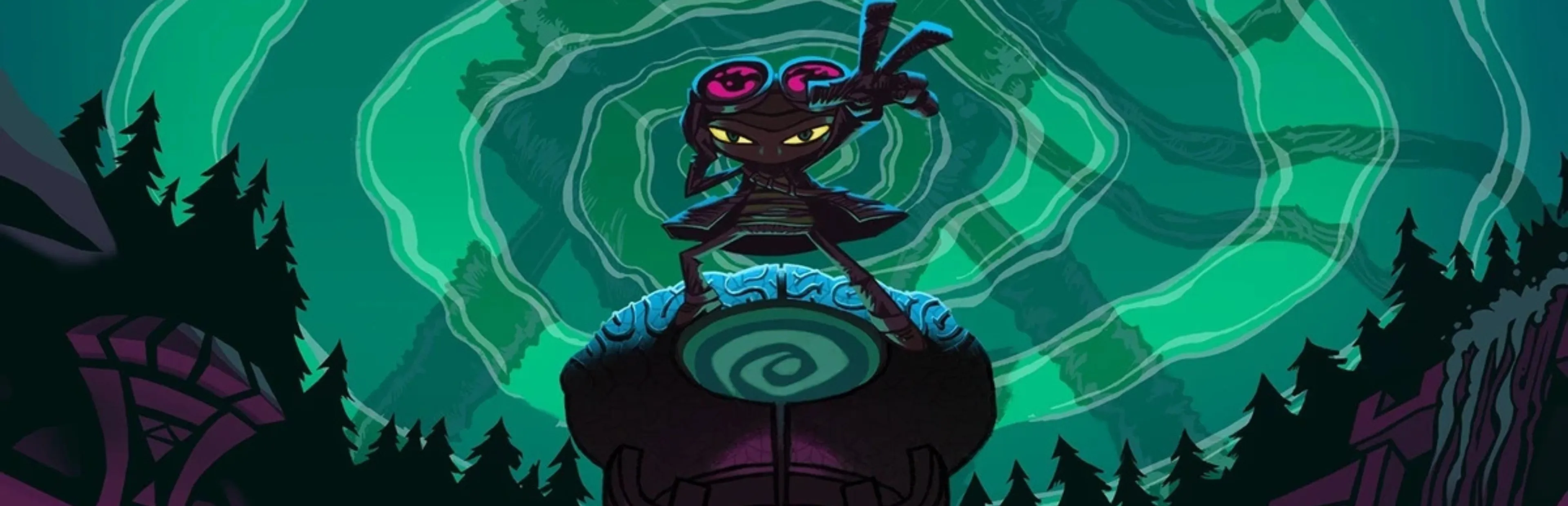
Double Fine's failed union drive shows the limits of studio culture
Double Fine employees tried to unionize partly to protect the studio culture they already valued. The campaign collapsed within two weeks, before independence and layoffs showed how little control workers ultimately had over their jobs.
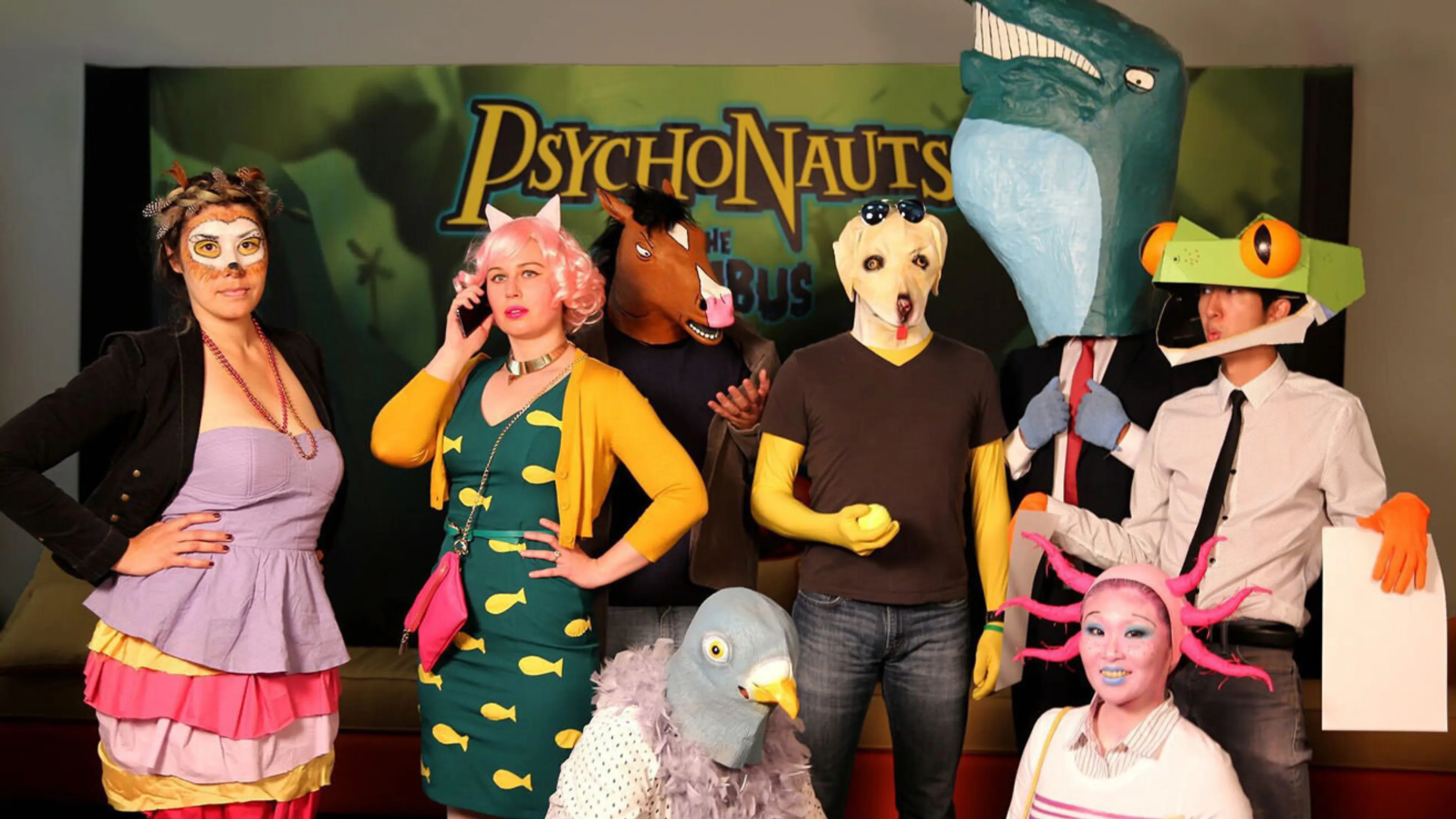
Double Fine has long had a reputation for being one of the more welcoming places to make games. The Psychonauts studio is closely associated with founder Tim Schafer and a culture of creative freedom and collaboration. Employees seeking a union wanted to preserve much of what they already liked about working there.
But when workers filed a union petition in May 2026, disagreements over who could join quickly became arguments about protecting the studio itself. The effort collapsed within two weeks. In accounts published this month, organizers describe misinformation and hostility, while Schafer says management stayed neutral.
The layoffs that followed in July exposed how little control employees had over their future once trust within the studio broke down.
Workers wanted to protect what they liked about Double Fine

The May 7 petition proposed a bargaining unit of 42 employees represented by the Communications Workers of America. At the time, CWA described the effort as a way to preserve and strengthen Double Fine's commitment to creativity, inclusion and working conditions.
Employees can value reasonable hours or flexible working arrangements and still want those conditions written into an agreement. If a studio changes owners or needs to cut costs, a promise made under the old circumstances may no longer satisfy the people controlling the budget.
Workers at Blizzard and ZeniMax had already organized under Microsoft, Double Fine's parent company. The World of Warcraft team gained recognition in 2024, and ZeniMax quality assurance workers secured their first contract in 2025.
Microsoft had also publicly committed to respecting employees' decisions about representation. When Double Fine's petition became public, CWA said the company had agreed to remain neutral and avoid interfering with organizing.
Employees therefore had a route to representation without first having to convince Microsoft that unions belonged in its studios. The harder argument turned out to be among colleagues who disagreed about whether a union would preserve Double Fine's working culture or damage it.
Double Fine's hierarchy made union eligibility harder to settle
The proposed bargaining unit excluded supervisors and several other categories of workers. Under US labor law, supervisory status depends on actual authority and independent judgment, including responsibilities such as directing or disciplining employees. A friendly relationship with colleagues does not settle whether someone qualifies.
Double Fine's fluid management structure complicated those distinctions. Employees could have leadership responsibilities without fitting neatly into the picture of a permanent boss overseeing a fixed team. Organizers had to work out who could participate in a process that some colleagues saw as affecting everyone.
Seniority and influence also do not automatically make someone a supervisor. A developer can be a respected veteran without holding authority over coworkers, while someone with an ordinary job title may exercise it. Organizers therefore need reliable information about responsibilities, especially where project roles change.
Being excluded was especially difficult for employees who felt invested in the studio's future. Some described the campaign as shutting them out of decisions about a workplace they had helped build. Their concerns about eligibility deserved clear answers, even where the eventual answer might have remained disappointing.
Organizers could not resolve that problem simply by inviting everyone to join. A bargaining unit has legal boundaries, and an open studio culture does not remove them. Treating exclusion as a personal rejection made an already complicated organizing process harder to explain.
Neutrality left the internal conflict unresolved
Organizers say misinformation and hostility spread as the campaign became public. Union supporters describe being ostracized by colleagues, while some opponents felt the organizing process threatened the openness they valued. People who worked together were now questioning one another's intentions.
Organizers preferred individual conversations over the group discussion some colleagues wanted. Private conversations can make sensitive questions easier to raise, but they also leave other employees unaware of the answers. Without an agreed way to discuss the proposal, confusion about eligibility had more room to spread.
Those accounts do not establish that every disagreement was harassment. Employees were entitled to question the proposed union and to want better explanations of how it would work. But accusations that colleagues were damaging the studio made it harder to discuss wages, job security or the terms of representation.
Schafer says he understood management's role as remaining neutral and avoiding interference. That caution had a legitimate purpose. A founder's opinion carries considerable weight, especially at a studio so closely associated with one person, and employees needed room to make their own decision.
Management still needed to take complaints about hostility seriously. Employees should be able to disagree about representation and continue working together without feeling isolated or punished by their peers. Leaving organizers to defend both their proposal and their place within the studio put considerable pressure on the people seeking change.
The petition was withdrawn on May 20. Withdrawal ended that attempt to secure recognition, but it did not answer the concerns that had led employees to organize. Within weeks, Double Fine faced a financial upheaval that personal relationships inside the studio could do little to prevent.
Independence brought layoffs, including all eight signatories
Double Fine became independent from Microsoft on July 6, keeping ownership of its games but losing the financial backing that had supported the studio under Xbox.
Three weeks later, 23 employees were laid off. Schafer said the smaller independent studio had to cut costs and cited seniority, office attendance and work on projects likely to receive funding as factors in the decisions.
All eight employees who had signed the letter withdrawing the union petition were among those laid off. Schafer denies retaliation, and that overlap alone does not prove it. Double Fine was facing real financial pressure after leaving Microsoft, while laid-off employees also spoke positively about their severance.
A union would not necessarily have prevented the cuts. It could, however, have given employees a formal way to bargain over layoffs, dismissal procedures and other working conditions. ZeniMax QA workers spent roughly two years negotiating their first contract, which eventually included protections against arbitrary dismissal and a grievance process.
The layoffs therefore do not settle the argument over Double Fine's failed union drive. They do show why employees wanted more formal influence over decisions that could ultimately cost them their jobs.
Double Fine's remaining time makes protection more urgent
Schafer now says Double Fine's financial runway is measured in months. Keeping the studio alive depends on securing work and enough funding to support it. Employees cannot solve that uncertainty by getting along better, and a union could not make an unwilling publisher sign a game. The financial limits would exist under either arrangement.
The remaining employees now face decisions about their working lives at a company still trying to secure its next source of funding. Relying on Schafer's judgment leaves them hoping that decisions made to save the studio will also protect their jobs.
A union would give them representatives whose responsibility is to negotiate for those employees, even when their interests and the company's survival pull in different directions.
Tagged In
Discussion
0We want to hear from you. Share your perspective in the comments below, and please keep the conversation respectful.
Log in to join the discussion - vote, reply, and share your take.
Log In