Credit: Ninja Theory
newsBreaking
Xbox’s studio crisis now reportedly reaches Ninja Theory and Double Fine
June 17, 2026·Updated September 14, 2026·4 min read
New reports claim Ninja Theory, Double Fine, and other Xbox teams are trying to avoid closure or leave Microsoft’s gaming division.
Xbox’s big studio-buying era was sold as protection. Smaller teams would get money, stability, Game Pass visibility, and enough room to make the kinds of games that usually struggle inside a blockbuster business.
New reports claim Ninja Theory, Double Fine, Compulsion Games, and other Xbox-owned teams are fighting to avoid closure or find a way out of Microsoft’s gaming division as the company pushes through a wider reset.
Ninja Theory is the hardest name on the list
Ninja Theory is reportedly facing closure unless a buyer is found, which is a brutal turn for a studio that gave Xbox one of its most distinctive first-party identities. Hellblade: Senua’s Sacrifice and Senua’s Saga: Hellblade II were not designed like safe content machines. They were smaller, darker, performance-led games built around mental health, sound design, and a character very few big publishers would have backed for two full releases.
Xbox recently showed Senua, another project tied to the studio’s best-known series. Under normal circumstances, a new reveal would suggest confidence. Instead, it now sits beside reports that the team’s future may depend on whether someone outside Microsoft steps in.
If Ninja Theory disappears, Xbox would not just lose another studio logo. It would lose one of the few teams in its lineup that made the brand feel capable of backing uncomfortable, strange, and expensive-looking stories that did not need to become endless franchises.
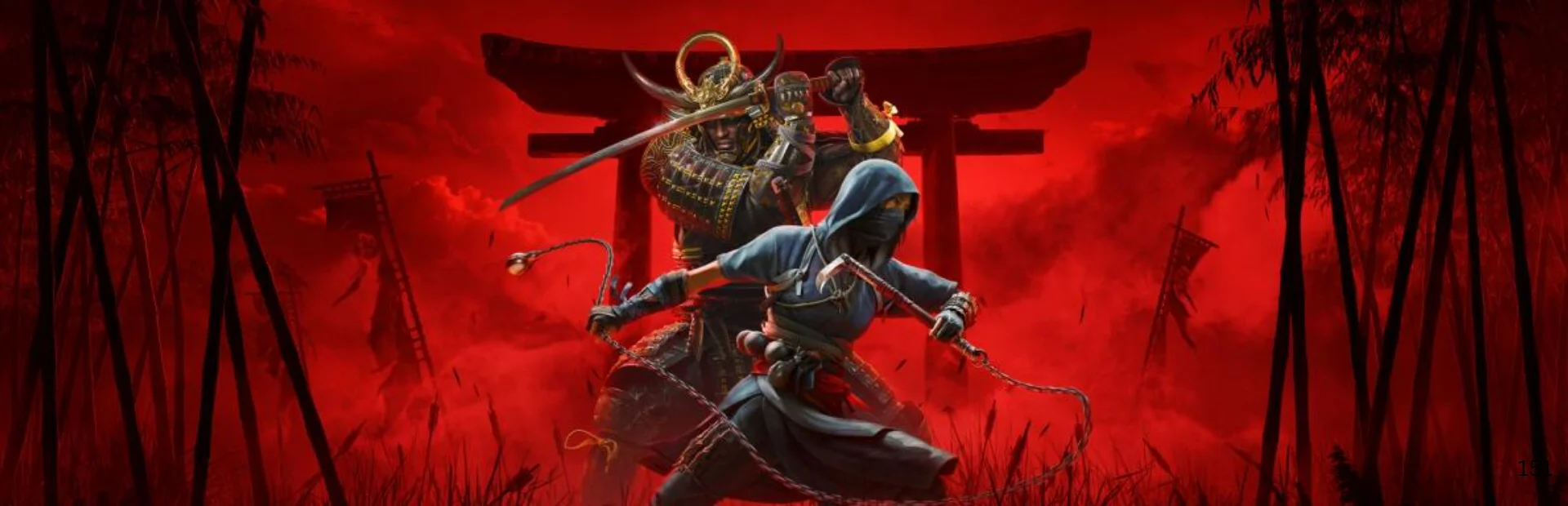
Double Fine may need independence to survive
Double Fine’s reported situation sounds less final, but still worrying. The studio is said to be trying to spin out from Xbox, which would turn survival into a negotiation rather than a guarantee.
That would be a sharp reversal from the old acquisition pitch. Double Fine was exactly the kind of studio Microsoft once seemed proud to protect: creative, odd, funny, and difficult to fit into a spreadsheet. Psychonauts 2 was the proof of why that mattered. It was not built like a live-service pillar or a giant annual franchise. It was the kind of game people point to when they argue that big publishers should make room for personality.
It would suggest that the safest place for a studio like Double Fine may no longer be inside Xbox, even after Microsoft spent years presenting itself as a home for creative teams.
Xbox’s reset is turning into a survival test
Microsoft’s official reset note already made the pressure clear. Xbox leadership has talked about an overextended business, rising hardware costs, Game Pass repair work, and the need to rethink where the division spends its energy.
Those words sound cleaner in a memo than they do when studios start appearing in closure reports. Xbox built a huge first-party network across original teams, Bethesda, and Activision Blizzard King. The problem is that a bigger roster only works if the company can support more than the obvious giants.
Teams tied to huge brands and proven revenue are safer. Studios making smaller, stranger, more expensive projects now look easier to cut, sell, or push toward independence.
Players have seen this pattern before
The fear around Ninja Theory and Double Fine lands harder because Xbox has already damaged trust on this front. Players still remember Arkane Austin being closed after Redfall, and they remember Tango Gameworks being shut down after Hi-Fi Rush before later finding another home.
When Xbox says reset, players hear layoffs, cancellations, and studios being asked to justify their existence after the company spent years collecting them.
A platform built only around the biggest brands can still sell subscriptions and fill showcases, but it starts to lose the weird edges that made people care about its first-party lineup in the first place.
Xbox needs to say what is actually safe
The reported threat to Ninja Theory and Double Fine is still not the same as a full public confirmation from Microsoft. Studio futures can change quickly during negotiations, and Xbox has not laid out a clear studio-by-studio plan.
Developers need to know whether their projects have a future, and players need to know whether Xbox still believes in the creative range it spent years advertising.
If Ninja Theory is sold or closed, and if Double Fine has to leave to keep making its kind of games, the reset will no longer sound like a strategy adjustment. It will look like Xbox deciding that some of its most interesting studios were only worth protecting while the market was easier.
Tagged In
XboxNinja TheoryDouble Fine
Discussion
0We want to hear from you. Share your perspective in the comments below, and please keep the conversation respectful.
Log in to join the discussion - vote, reply, and share your take.
Log In