GTA VI and Zelda have an advantage that takes a generation to build
Nintendo and Rockstar can lean on decades of familiarity, while Ubisoft and Sandfall show how hard it is to build the next big franchise.
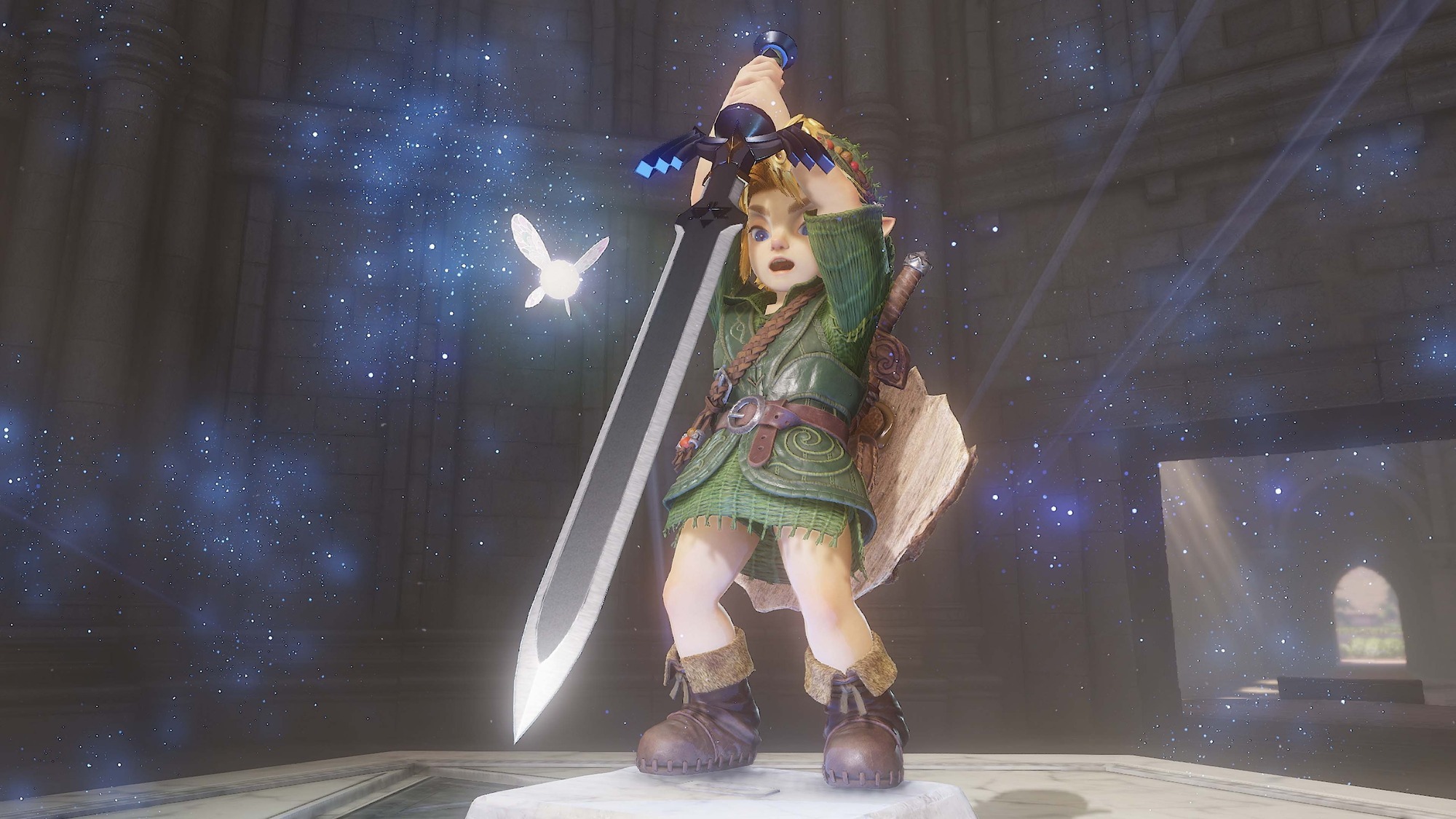
More than 25 years after The Legend of Zelda: Ocarina of Time first appeared on Nintendo 64, its remake has become a major commercial success. Released on November 5, the game sold over 5.2 million copies in four days, setting a new sales record for Nintendo Switch 2. Meanwhile, Rockstar is preparing for what could be the biggest launch in gaming history, with GTA VI bringing players back to Vice City on November 19.
Both publishers benefit from decades of familiarity. Millions of players already have fond memories of exploring Hyrule or Vice City, giving these releases an audience long before launch. But neither franchise started with that advantage. As development costs rise, publishers face a difficult choice between investing in games that already sell and taking a chance on new ideas that could become just as successful.
A return to Hyrule for more than one generation
Nintendo has a considerable advantage with Ocarina of Time. Players who experienced the original on Nintendo 64 can revisit a familiar adventure, while younger fans may recognize Hyrule from Breath of the Wild. The remake brings these audiences together, giving Nintendo an established fanbase that a completely new game would have to build from scratch.
One of the remake's new features, Threads of Time, was designed with families in mind. As Link progresses through the story, illustrations and short passages appear on a tapestry, creating a record of his adventure. Parents can revisit memorable moments with their children, while players returning after a break can catch up without having to remember every detail.
Nintendo has also adjusted the gameplay to accommodate different generations. Link can perform a jump attack using the original single-button input or the combination familiar to Breath of the Wild players. New warp points make traveling across Hyrule Field easier, replacing some of the lengthy journeys that producer Eiji Aonuma remembered from the original.
Finding the right balance between familiarity and modernization was also part of the development process. Aonuma explained that many younger developers had only worked on recent Zelda games, so rebuilding Ocarina of Time gave them a chance to understand its original design. Their work reflects Nintendo's effort to preserve the adventure older fans remember while making it more approachable for players discovering it for the first time.
The plan for Vice City started with extra missions for GTA III
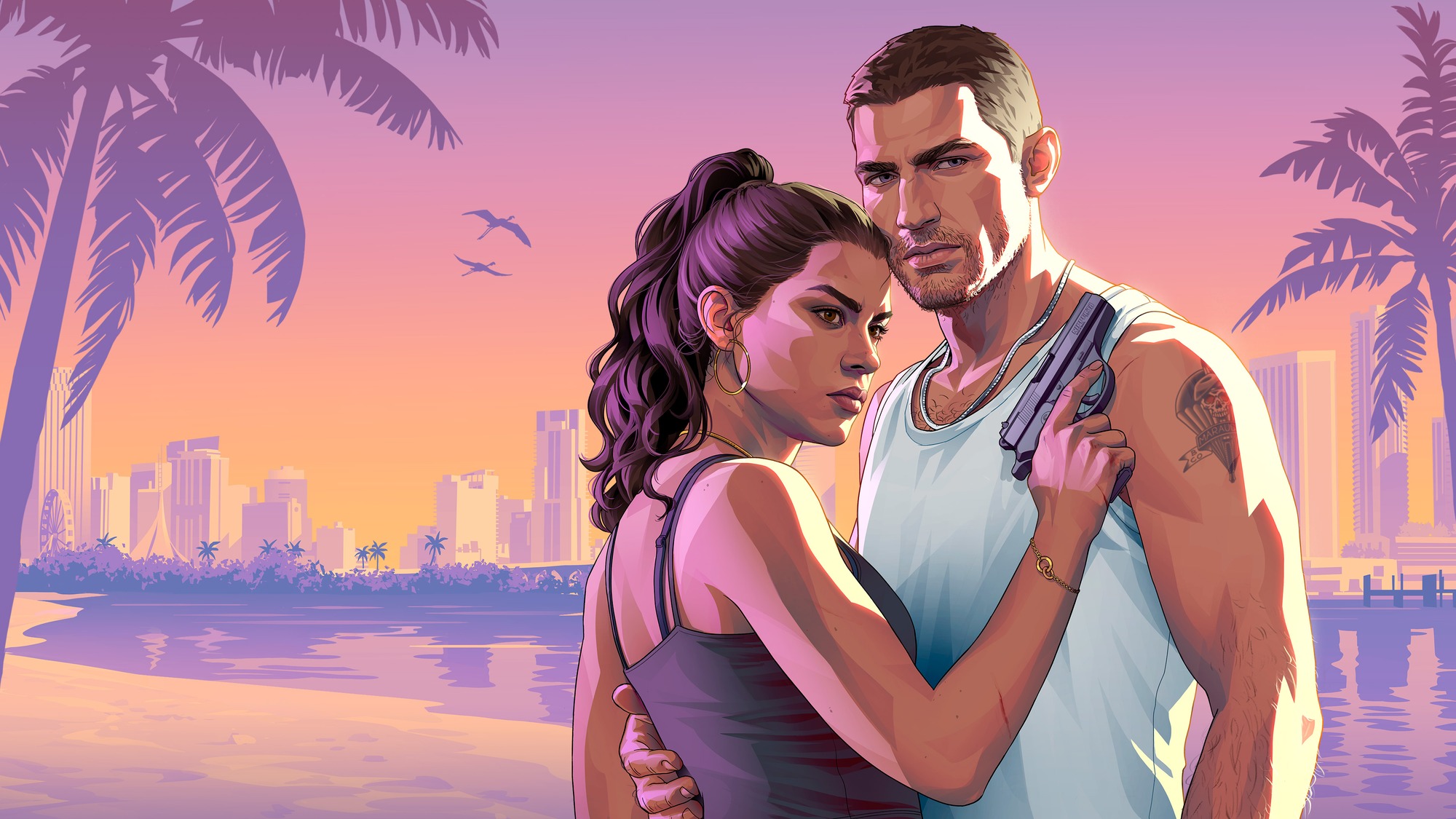
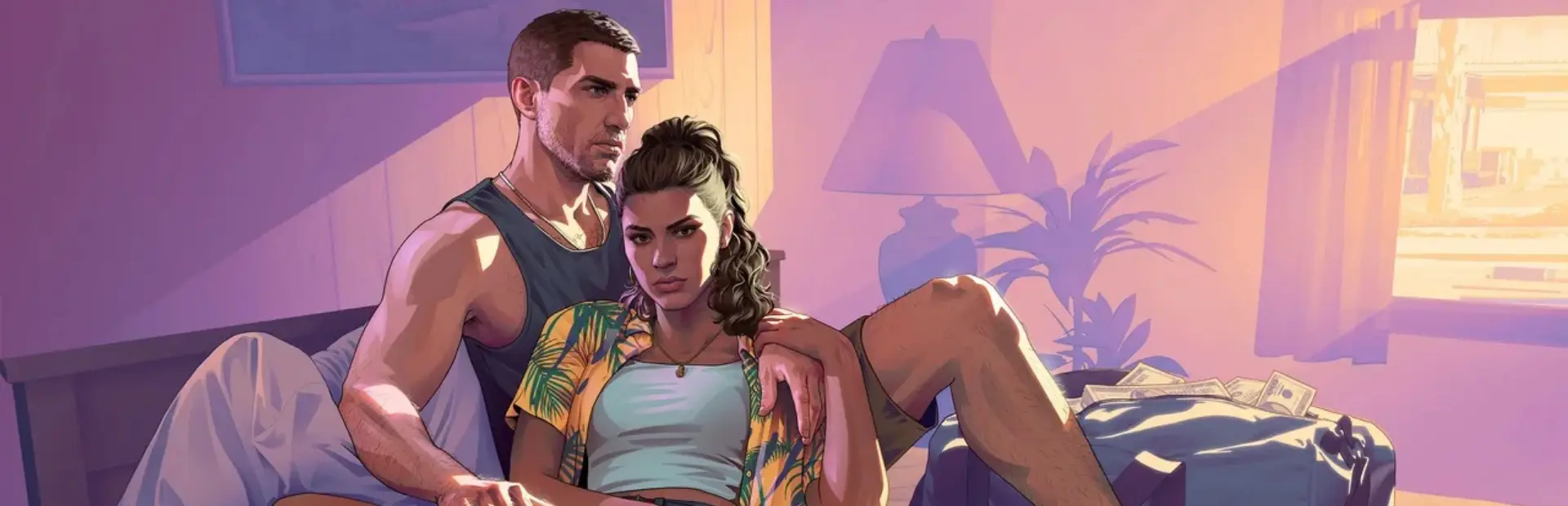
Rockstar is taking a different approach to a familiar place. While Nintendo is rebuilding Link's original adventure, GTA VI brings Vice City into the present with new protagonists Jason and Lucia. Longtime fans will still recognize parts of the 2002 game, including Flash FM, the pop radio station returning with new hosts.
The original Vice City was far less ambitious than Rockstar's upcoming blockbuster. The city first appeared in 1997's Grand Theft Auto, while the 2002 game began as additional missions for GTA III. Former Rockstar North technical director Obbe Vermeij recalled how the team expanded those plans into a standalone release as GTA III became a commercial success. Vice City arrived just one year later, followed by San Andreas in 2004.
Back then, Rockstar could experiment with new cities, characters and soundtracks while building on the gameplay that made GTA III successful. Today, the studio can spend thirteen years between major releases while continuing to attract new players. By November, GTA V had sold nearly 235 million copies.
Returning to Vice City brings those generations together. Older fans remember exploring its streets as Tommy Vercetti, while players who discovered the series through GTA V are already familiar with Rockstar's open worlds. Like Nintendo with Zelda, Rockstar can introduce something new while drawing on decades of familiarity with its franchise. Few developers launching an original game have that advantage.
An established name makes an expensive game easier to approve
The audience Rockstar has built also makes GTA VI an easier investment to justify. Take-Two can look at nearly 235 million copies of GTA V sold and years of continued demand when deciding how much to invest. Developers pitching an original game have no comparable sales history, making it harder to convince publishers to take the same financial risk.
This uncertainty becomes more difficult to justify as development costs rise. In January, Ubisoft canceled six projects, including three unannounced new properties and its Prince of Persia: The Sands of Time remake. CEO Yves Guillemot cited rising costs and the difficulty of establishing new franchises. Ubisoft also extended development on seven other projects, although four new properties remained in production.
Ironically, one of Ubisoft's biggest franchises began as an experiment with Prince of Persia. Developers wanted to bring the acrobatics of The Sands of Time into crowded medieval cities, eventually creating Assassin's Creed. Altaïr could climb buildings, escape across rooftops and disappear into crowds, taking the series well beyond its original inspiration.
Today, Ubisoft has placed Assassin's Creed alongside Far Cry and Rainbow Six in a division focused on expanding its established franchises. New projects must compete for funding with series that already have millions of customers.
Assassin's Creed shows what can happen when developers are given room to pursue an unfamiliar idea. The challenge for publishers is finding the confidence to make those investments when their existing franchises offer a more predictable return.
Expedition 33 could afford to start with a smaller audience
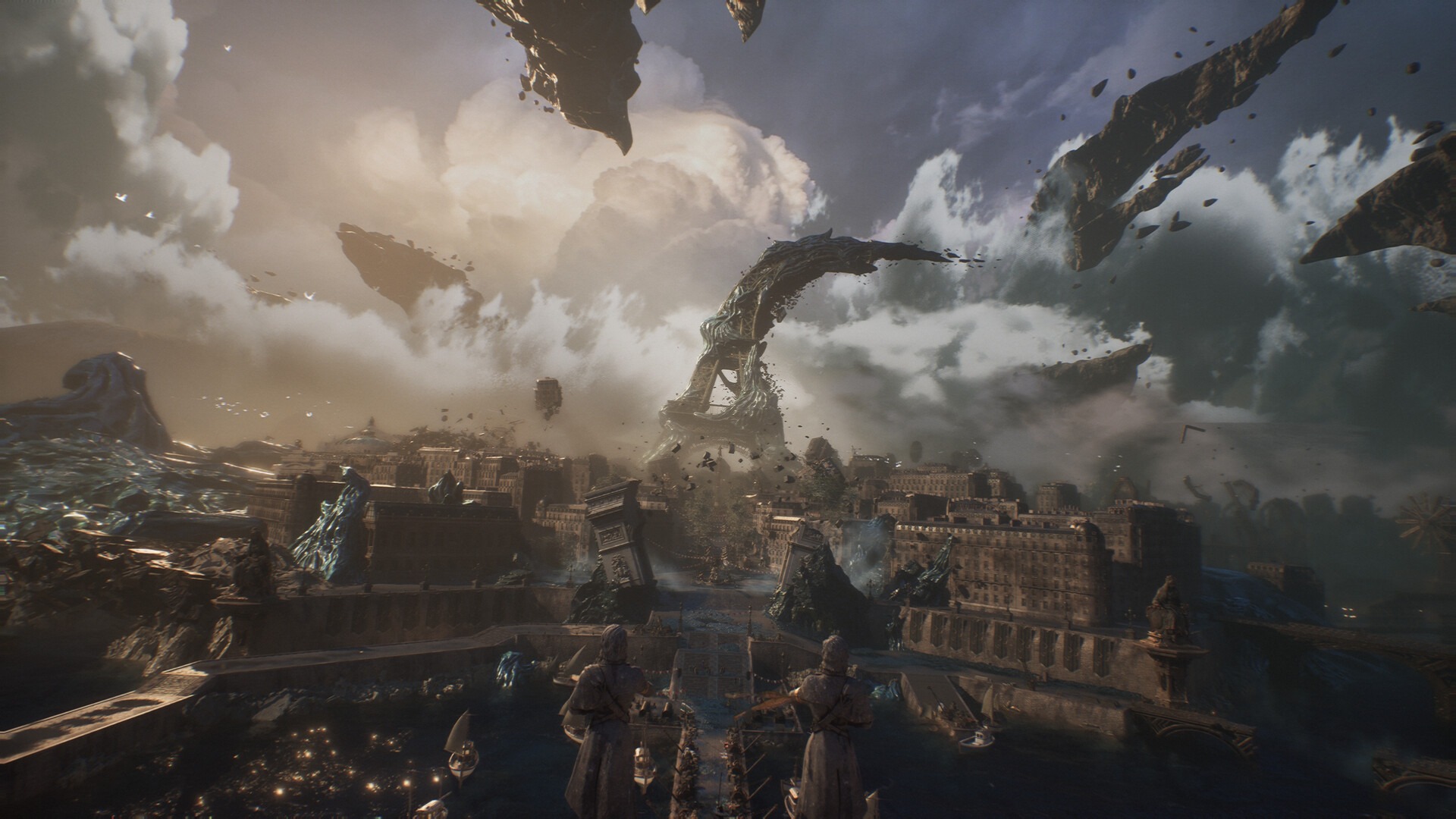
French developer Sandfall Interactive took a different approach to building its first game, Clair Obscur: Expedition 33. With backing from Kepler Interactive, a development budget below $10 million, and a core team of around 30 people, the studio could focus on making a turn-based RPG without needing blockbuster sales to justify the investment.
Sandfall built on a genre with an established audience while introducing ideas of its own. The story follows a world where the Paintress marks a number on a monolith each year, causing everyone of that age to disappear. Combat combines traditional turn-based commands with real-time dodging and parrying, giving longtime RPG fans something familiar alongside a more active fighting system.
The approach proved remarkably successful, with Sandfall reporting eight million copies sold by the game's first anniversary. Despite that success, director Guillaume Broche has expressed a desire to keep the team small.
By controlling development costs, Sandfall can continue experimenting without depending on another enormous commercial hit. Its experience shows that a new franchise can find a substantial audience without the budget or established reputation of a major publisher.
The games people will remember in 2046
Someone who discovered Expedition 33 as a teenager might introduce their own child to it in 2046, just as parents are sharing Ocarina of Time today. Whether Sandfall's debut will inspire that kind of loyalty remains uncertain, but its success shows that new games can still attract enormous audiences.
Nintendo and Rockstar benefit from decades of familiarity and proven sales. Yet even Assassin's Creed began as an experiment with Prince of Persia, while Sandfall found success by keeping Expedition 33's budget below $10 million.
Publishers have good reasons to invest in established franchises, especially as development costs rise. But the games people will remember twenty years from now still need someone willing to fund them today.
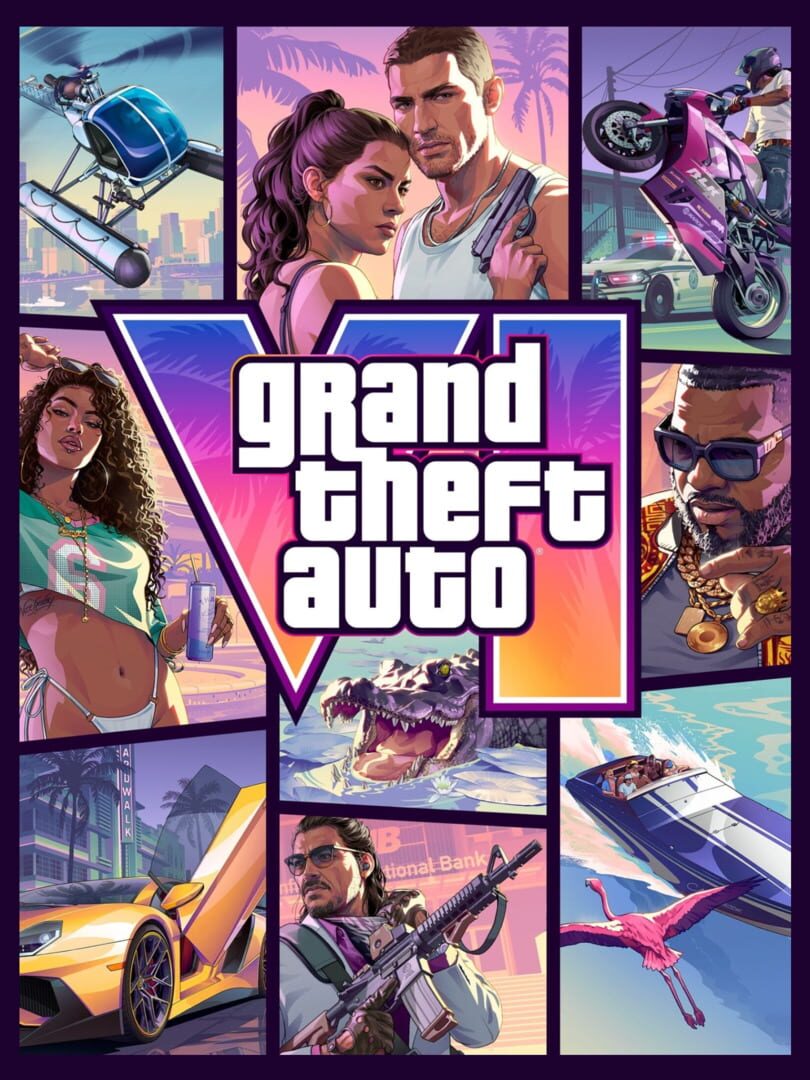
Grand Theft Auto VI heads to the state of Leonida, home to the neon-soaked streets of Vice City and beyond in the biggest, most immersive evolution of the Grand Theft Auto series yet.


