
How an Unannounced Game Became Heart Machine's Lifeline
Heart Machine’s unannounced game was funding nearly its entire remaining team. When the publisher pulled out, the studio had no replacement income ready.
Heart Machine laid off nearly its entire remaining team on September 16 after the publisher behind an unannounced game pulled its funding.
Founder Alx Preston said he did not know whether the studio would survive. Heart Machine was already in a fragile position before the publisher pulled out. Hyper Light Breaker had stopped development after several rounds of layoffs, while Possessor(s) had launched without creating enough ongoing work to keep everyone employed.
The unannounced project had become the thing holding the studio together. Its publisher was paying for active development while Heart Machine's other projects no longer supported the remaining team.
When that money disappeared, there was nothing ready to replace it.
Hyper Light Breaker was supposed to help rebuild the team
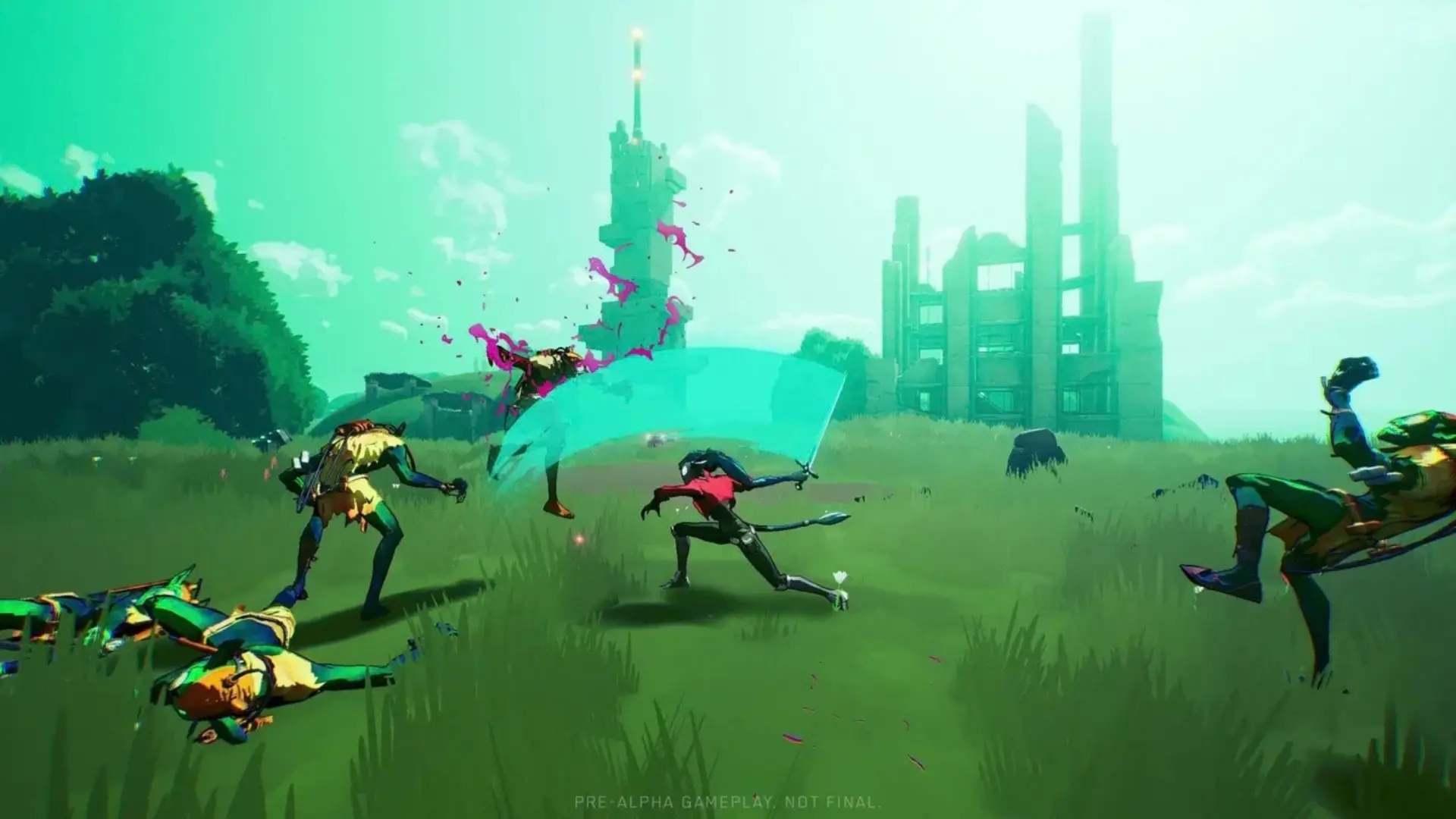
Heart Machine had already started cutting jobs in November 2024, two months before Hyper Light Breaker entered Early Access.
At the time, the studio said a strong launch could create opportunities to bring people back as development continued. That made Breaker unusually important before anyone had even played it. The studio was entering Early Access with fewer employees and hoping the game itself would eventually help reverse those cuts.
Then January 2025 arrived. Within days of launch, Heart Machine was already responding to performance complaints and the team had to fix the launch version while also trying to build the additional content promised throughout Early Access.
Updates continued through September 2025. By October, Heart Machine was cutting jobs again, with the studio openly talking about limited resources and staff leaving the project.
By December, publisher Arc Games confirmed that development on Hyper Light Breaker had stopped for the time being, leaving the game in Early Access without a confirmed full-release date. Heart Machine had already shipped another game a month earlier, but layoffs followed that project too.
Possessor(s) launched as jobs were disappearing
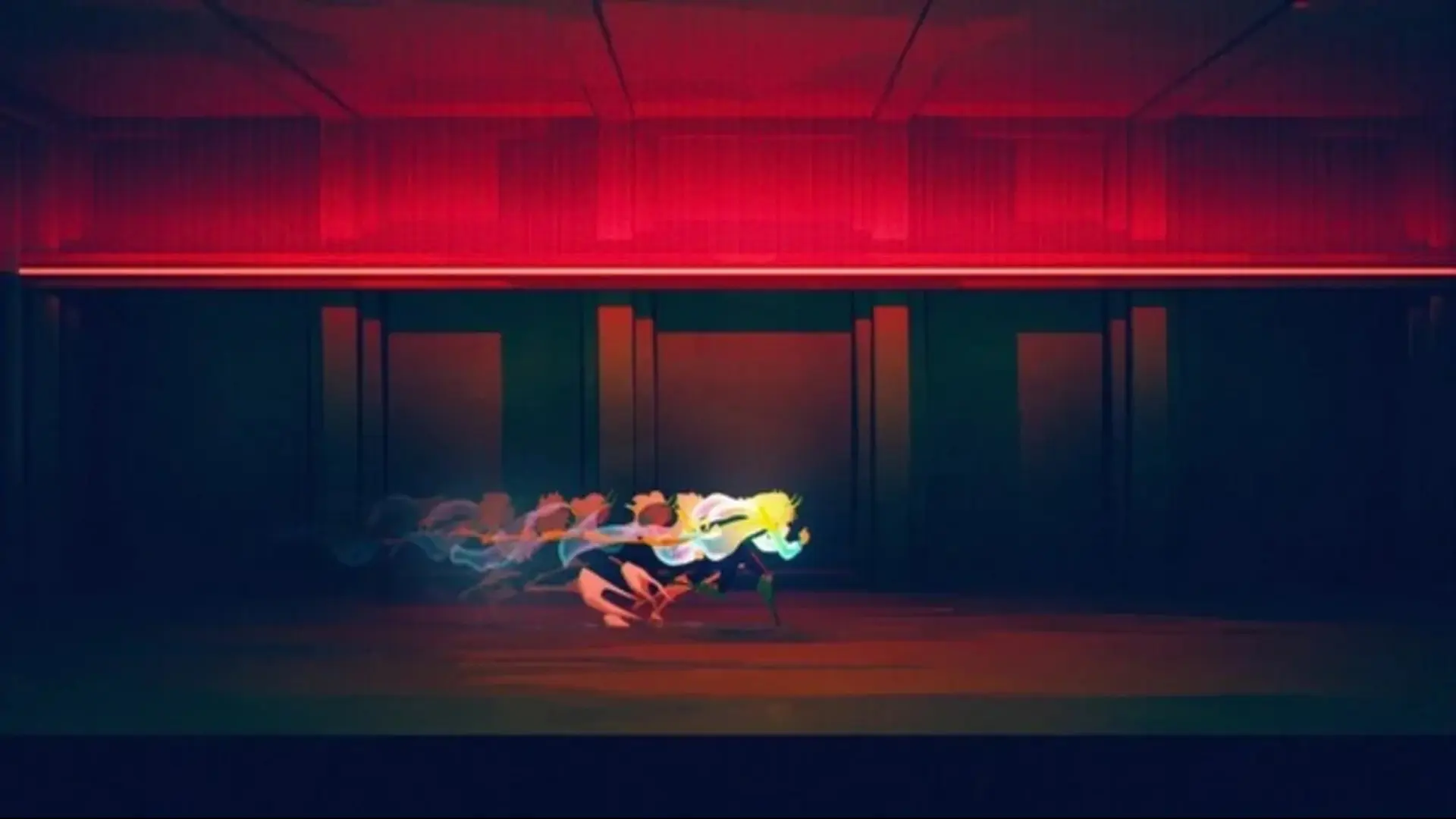
Possessor(s), published by Devolver Digital, launched on November 11, 2025. Heart Machine now had a second game on the market, but some of the people who made it already knew they would not be staying at the studio.
Narrative director Tyler Hutchinson had said before launch that he was scheduled to be laid off. Heart Machine and Devolver later confirmed that eligible contributors would still receive their agreed share of the game's future earnings.
That protected their stake in Possessor(s) without keeping them employed. Preston has not said Heart Machine's released games stopped making money. His point was much simpler.
Once the unannounced project lost funding, there was no other money or immediate deal available to replace it. Whatever Hyper Light Breaker, Possessor(s) or the studio's older catalog were bringing in, it was not enough to keep the remaining team together.
An unannounced game as a lifeline
Heart Machine had been working on another game alongside its released projects, backed by a publisher that has never been publicly identified. The game itself had not even been announced, which makes the whole situation even more mysterious.
What we do know is that development was already underway. According to Preston, the publisher was funding almost everyone still working at Heart Machine.
That support had become crucial. Hyper Light Breaker had stopped development, Possessor(s) had already launched with layoffs attached, and earlier cuts had left the studio much smaller than before.
When this unknown publisher pulled out, Heart Machine lost the income supporting nearly all of its remaining staff. Preston said there were no other funds or immediate prospects ready to replace it.
The publisher has not said why it withdrew, and there is no evidence linking the decision to Hyper Light Breaker. The damage came from the timing. Heart Machine had already lost most of the other work that could have carried the studio through the gap.
Finding another publisher costs money too
A studio cannot replace a canceled deal by simply emailing another publisher and asking for a cheque.
Someone has to prepare the pitch, define the scope, build or polish whatever playable material the publisher wants to see and spend weeks or months answering questions before a deal is signed.
All of those people still need salaries while that happens.That gets harder every time the studio shrinks. A smaller team burns less money each month, but it also has fewer programmers, artists and designers available to build the thing that might win the next contract.
Heart Machine had already been through several rounds of cuts before September 2026. Losing the unannounced game therefore hit a studio with very little spare capacity left. A company with enough cash reserves can absorb that gap. Another funded project can do the same thing, but Heart Machine apparently had neither.
Released games only help if the money coming back from them is large enough, arrives quickly enough and actually belongs to the developer after platform fees, publisher agreements and other obligations are accounted for. A shelf full of games does not automatically pay next month's payroll.
One canceled game became an existential problem
From a publisher's side, dropping one project can be a portfolio decision. One investment no longer makes sense, so the money goes somewhere else. For Heart Machine, that same decision wiped out the work supporting almost everyone who was left.
That difference explains why losing one unannounced game could push an established studio this close to disappearing. Heart Machine had already spent its margin for error surviving Breaker, layoffs and the gap between projects.
The new game had become the margin. Preston says he is still trying to find a way forward while helping former employees find other work. Those are two very different jobs now.
Finding those people new positions gives them some security whether Heart Machine survives or not. Saving Heart Machine means finding money, deciding what kind of project the remaining company can realistically make and then putting together a team capable of making it.
A new publisher could still keep Heart Machine alive
But the good news is that it is not over until it is over. A different publisher could still keep Heart Machine alive.
Preston has said he is looking for a way forward, and the studio still has a track record that includes Hyper Light Drifter, Solar Ash, Hyper Light Breaker and Possessor(s). A new deal would at least give Heart Machine another chance to start building around the people who remain.
It would not restore the old team immediately. Most of the developers supported by the canceled project have already been laid off, and some will inevitably move elsewhere.
Heart Machine would have to rebuild around whatever funding, staff and project it can secure next.
For now, that future is still open. The studio has lost the deal that was keeping almost everyone employed, but it has not announced a closure. If another publisher steps in, this may still become another difficult chapter rather than the end of Heart Machine.
Tagged In
Discussion
0We want to hear from you. Share your perspective in the comments below, and please keep the conversation respectful.
Log in to join the discussion - vote, reply, and share your take.
Log In