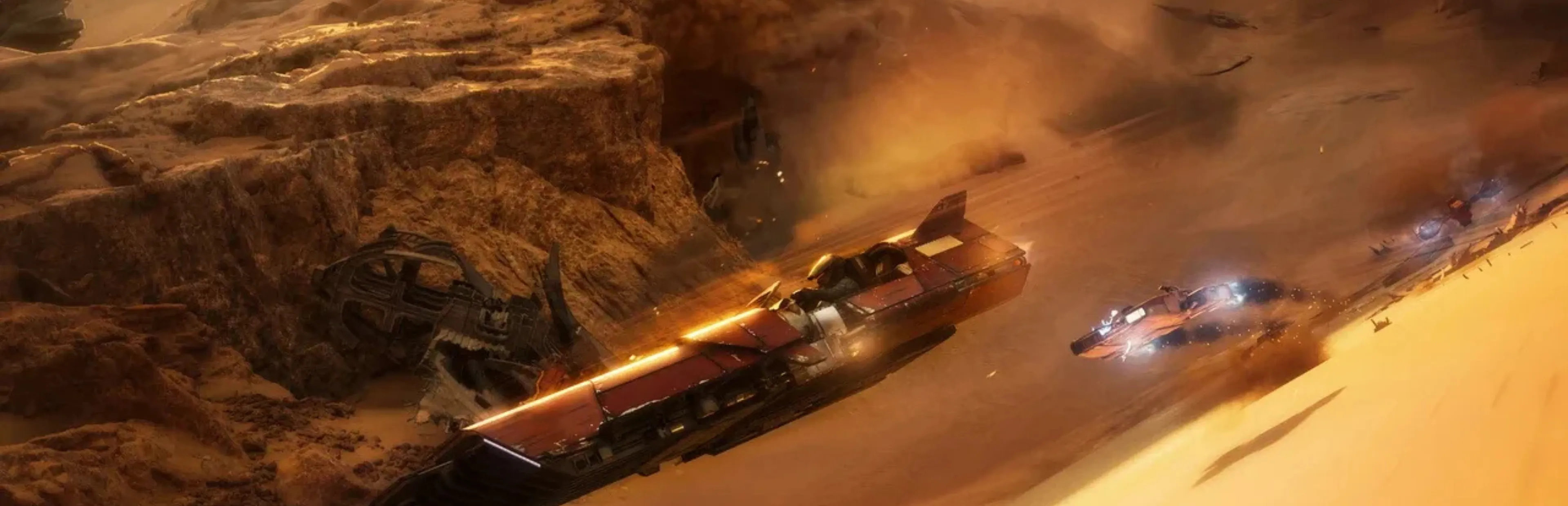
How a board game helped shape Star Wars: Galactic Racer
Fuse Games prototyped Galactic Racer’s progression with Post-its, handwritten notes and dice. That paper experiment eventually shaped its branching routes, randomized upgrades and risk-heavy runs.
Before Star Wars: Galactic Racer had its roguelite campaign, Fuse Games was testing the idea with Post-its, handwritten notes and dice. Creative director Kieran Crimmins recently described how the team used that physical prototype to test what should happen between races.
They could quickly swap upgrades, change rewards and see how long a vehicle build stayed interesting without first spending weeks implementing those systems in-game.
The same idea now sits at the centre of Galactic Racer. A run gradually changes your speeder as new parts and upgrades come in, giving later races a different feel from the ones you started with.
Wrecking out can also wipe away a build you have spent several events putting together, which gives those upgrade choices some weight before the next race even begins.
Fuse tested the choices between races
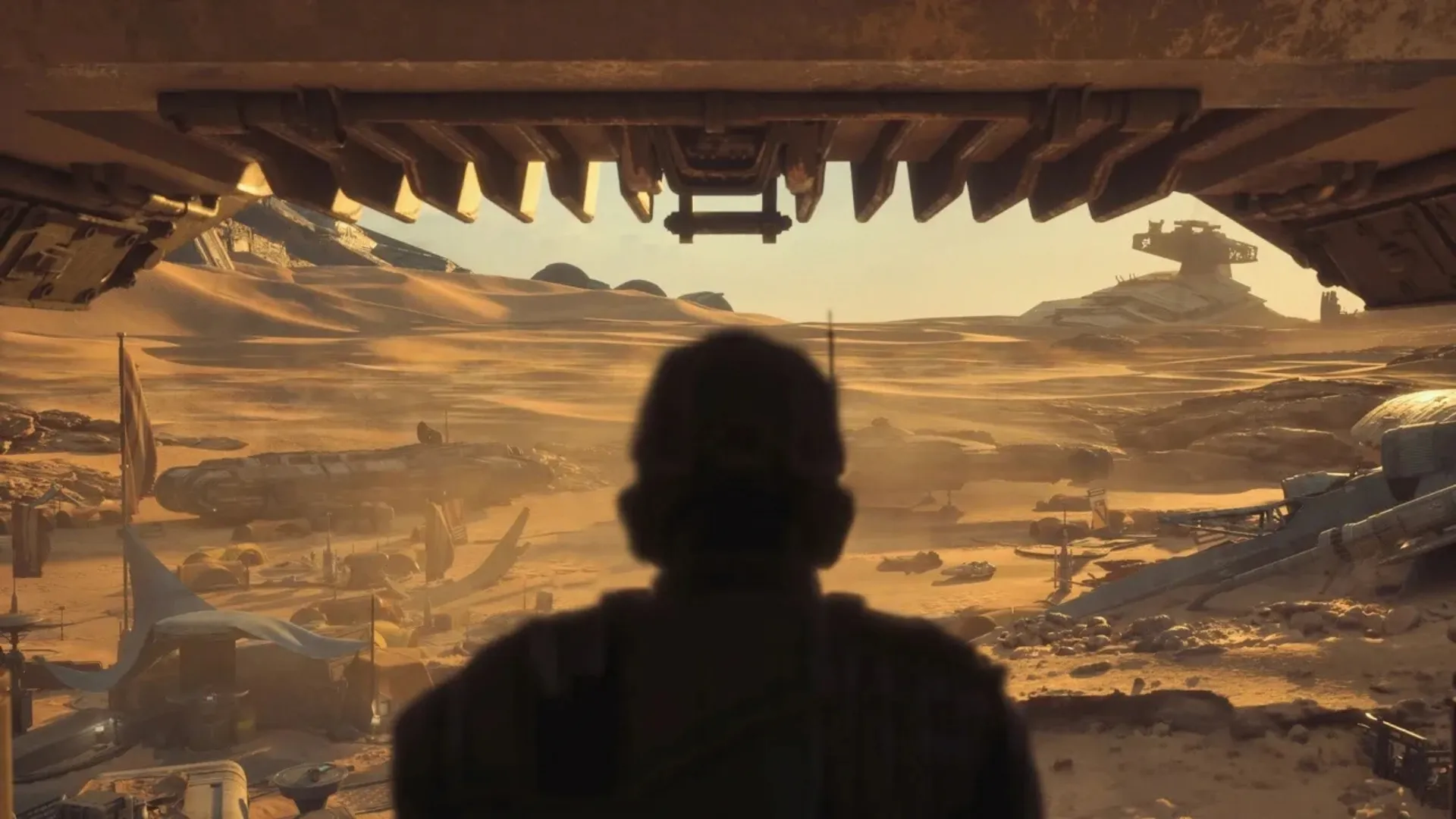
The paper prototype let Fuse change progression almost as quickly as the team could think of new ideas. Crimmins says he could put together a playable version in a day, swapping rewards or upgrades without waiting for those systems to be built in-engine. Matt Webster described the same process as simply faster for figuring out whether an idea was worth pursuing.
Playing through several races on paper also gave the team a better sense of how one upgrade affected the next choice. A reward could look useful on its own but become much more valuable once it started combining with parts picked up earlier in the run.
The driving itself needed a different kind of prototype. Design director Mark Bridges has said an early handling model treated the vehicles more like wheeled cars, relying heavily on traction. Fuse gradually stripped that away until the speeders could behave like hovering craft moving across different surfaces.
Once the team had a vehicle that felt right and a progression system worth carrying between races, the next question was how much of that progress players should risk losing when they crashed.
The route through a run shapes your speeder
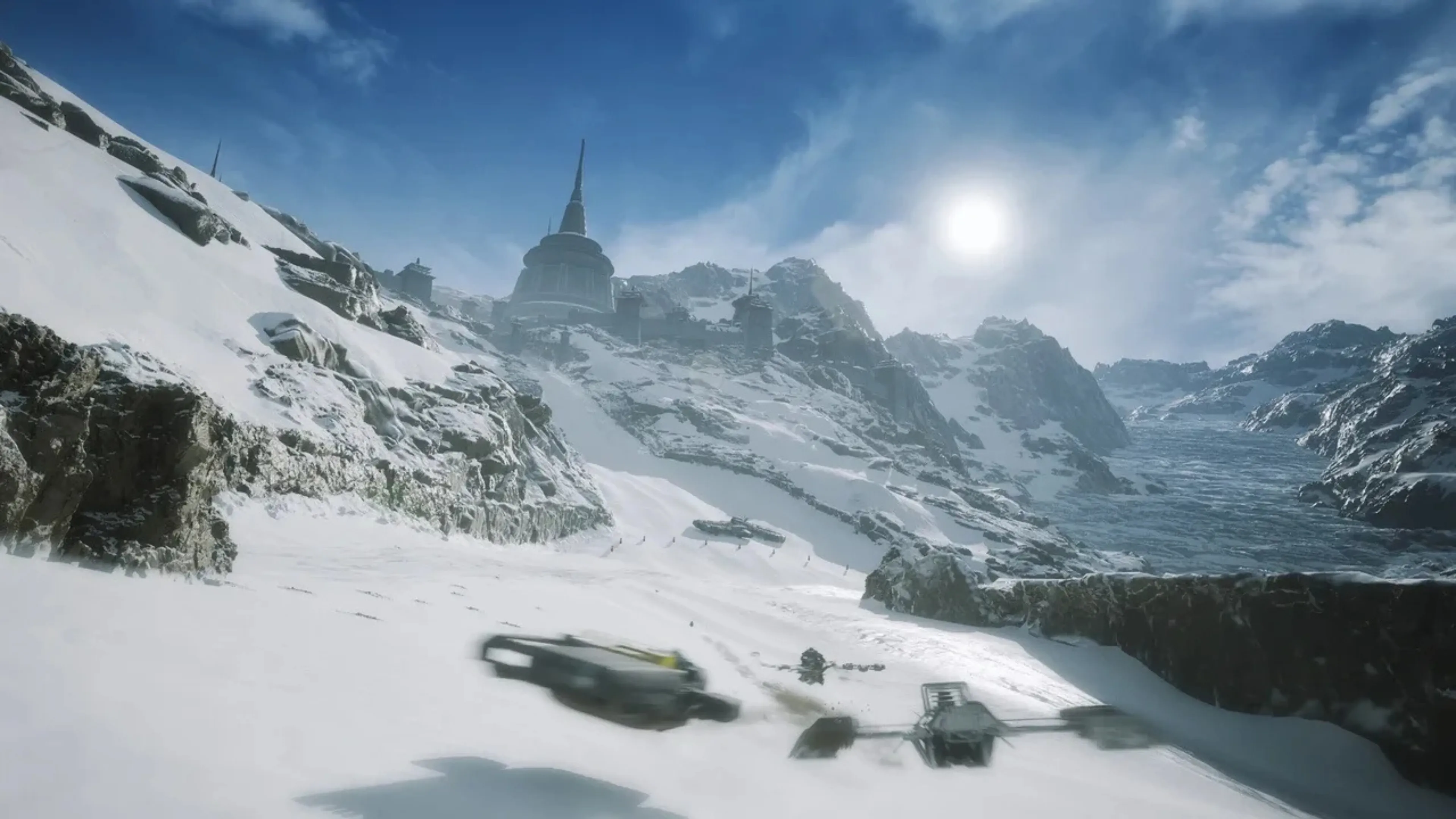
Once Fuse settled on three crashes per run, the campaign map gave players another decision to make before they even reached the track. Each route leads through different events and rewards, so choosing where to race also determines how your speeder develops.
Eliminators can offer some of the better upgrades, but missing the required finish costs a League Token. A strong reward might be worth the risk early in a run, while the same event becomes much harder to justify when you are already close to elimination.
Routes can stay separated as the tour moves between planets, which makes the choice bigger than a single reward. Taking one path may put a useful upgrade in reach now while cutting you off from something else later.
Upgrade Packs gradually improve the speeder's stats, with three randomly offered attributes to choose from. Parts and abilities can push the build further in a particular direction, while credits earned during the run can be spent at Hibi's shop to strengthen whatever is missing.
By the later events, the route you picked several races earlier is still visible in the vehicle you are driving. The board-game prototype gave Fuse a quick way to test whether those choices kept paying off across an entire run before committing them to the final campaign.
Parts can change the way you race
A vehicle and Racer Style give a build its starting point, but the parts you find along the way are randomized. That can pull a run in a direction you did not plan for at the start.
One part refills the afterburner after a collision. On a tougher speeder, that suddenly gives contact a purpose. Bumping another vehicle can refill your boost for the next straight instead of simply costing momentum.
Heat-heavy builds work differently. The ramjet delivers strong acceleration but can overheat badly enough to destroy the speeder. A part that removes heat after a perfect landing makes jumps part of managing the engine, while the Vent ability gives you another way to cool down before boosting again. Battery upgrades become more important once those abilities start draining energy regularly.
The track can help too. Water cools the vehicle, while lava pushes its temperature up. Webster has said Fuse wanted planetary conditions to interact with the speeder, so the best route through a corner or jump can depend on what you have installed.
Even the basic stats can push a build in different directions. More cornering helps on technical sections, resilience makes hazards and malfunctions easier to survive, and pure speed loses much of its appeal when the speeder struggles to hold a line.
A run can therefore turn the same vehicle into something very different after a few races. Sometimes an upgrade changes the way you drive more than it changes the numbers on the speeder.

Losing a build still leaves progress
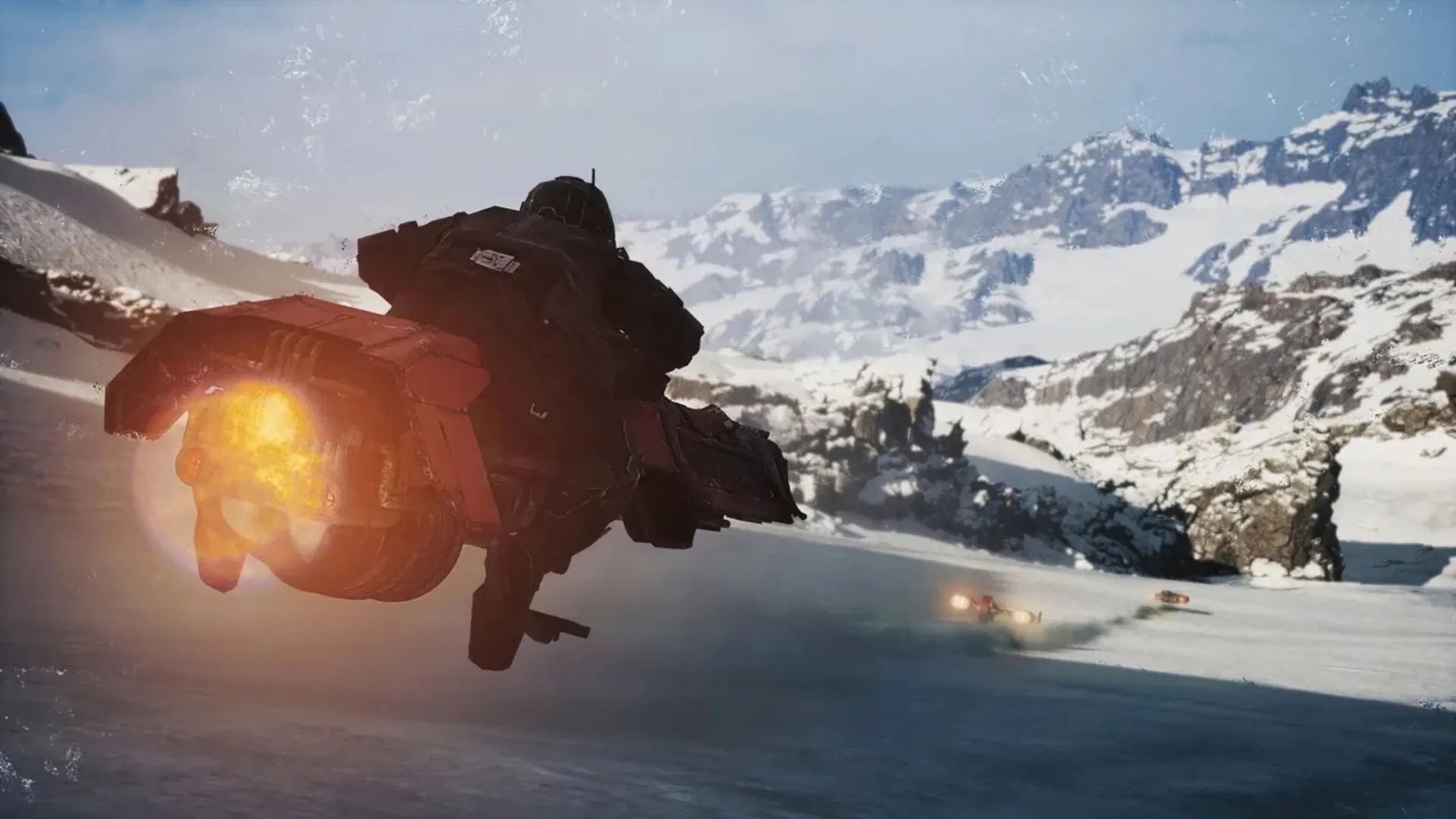
Eventually, a run ends and the speeder you built goes with it. Galactic Racer keeps some progression outside that run, though, so starting over does not put you back at the beginning.
Tuning Points can unlock permanent upgrades for different vehicle types, while finishing tours adds more parts to the pool for later attempts. Favors and upgraded Racer Styles can also change what you begin a run with. The exact combination of parts is gone, but the next attempt starts with more options than the last.
The campaign's three-act structure cuts down the repetition further. Once an act is finished, it stays finished. Losing later sends you back to the start of the current act instead of all the way to the opening races.
Permanent upgrades are not locked in forever either. For two Tuning Points, you can redistribute them before a tour. A build that leaned too heavily into speed can be reworked around cornering or resilience without throwing away everything already earned.
There is still repetition built into the system. A failed run means rebuilding another speeder and racing through part of the act again. For players who enjoy trying new combinations, that is where much of the campaign's variety comes from. Anyone mainly interested in the racing may find the rebuilding harder to enjoy after a few failed attempts.
The board game gave Galactic Racer its campaign structure
Fuse used the board game to test the decisions between races before building them in-engine. Rewards could move, routes could change and crash limits could be adjusted in a single day, giving the team a quick way to see how an entire run developed.
You can still see that work in Galactic Racer. Branching routes, risky events, randomized parts and permanent progression all build on choices Fuse first played through on paper.
The racing itself needed separate testing, and problems such as Autopilot causing crashes showed where the board game could only go so far. But it gave Fuse the structure that turned a series of races into a roguelite campaign.
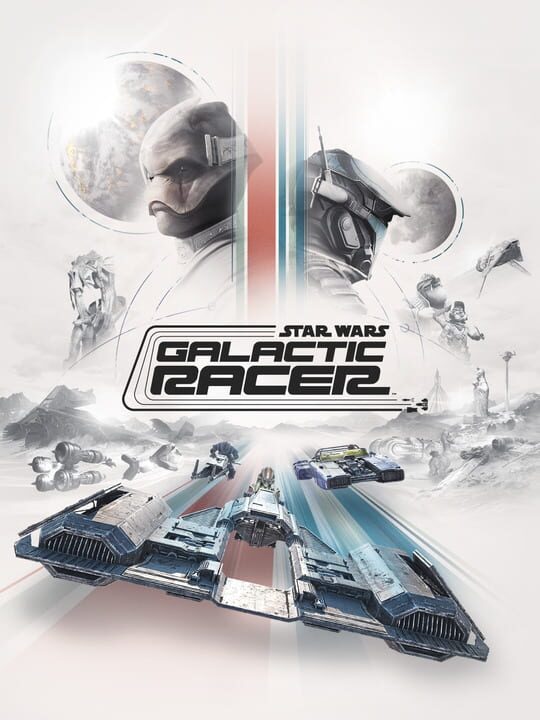
Star Wars: Galactic Racer
STAR WARS: Galactic Racer is a runs-based, high-stakes reinvention of racing born in the lawless Outer Rim. With the Empire gone and the galaxy rebuilding, The Galactic League is created: an underground, unsanctioned circuit where syndicates bankroll chaos and champions are forge
Released
October 6, 2026
Developer
Fuse Games
Publisher
Secret Mode


Tagged In
Discussion
0We want to hear from you. Share your perspective in the comments below, and please keep the conversation respectful.
Log in to join the discussion - vote, reply, and share your take.
Log In