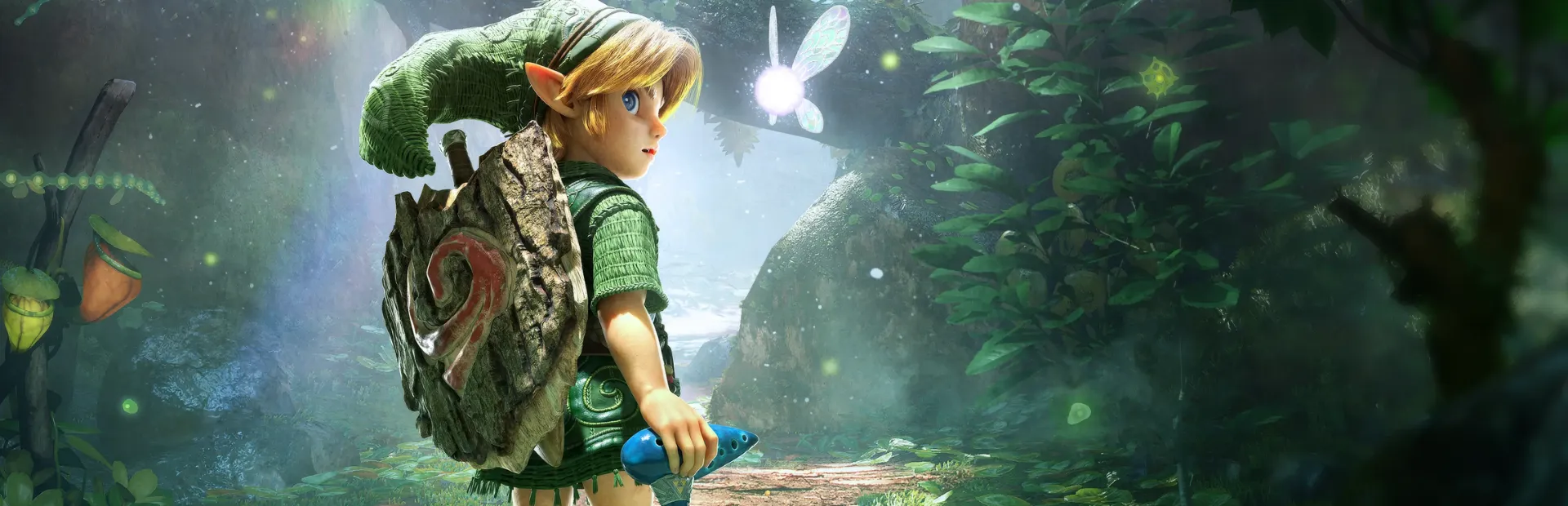
Why Nintendo cut Ocarina of Time's extra fast travel
Nintendo tried adding new warp points to Ocarina of Time's Switch 2 remake, but Eiji Aonuma had them removed after testing. The decision highlights why exploring Hyrule still matters.
Even Ocarina of Time producer Eiji Aonuma thought players could spend less time crossing Hyrule Field. He suggested adding more warp points to the Nintendo Switch 2 remake, but the developers eventually removed them after testing showed that players were missing discoveries along the way. Aonuma explained the decision in a November 2 interview.
The remake launches November 5 with other ways to travel faster, although Nintendo has been careful about which journeys to shorten. Exploring Hyrule often leads players to new characters, hidden areas and unexpected encounters, while returning to familiar locations reveals how the world changes as Link grows older.
Additional shortcuts could make traveling more convenient, but they could also remove some of the exploration that made the original game so memorable.
The road to a dungeon has its own discoveries
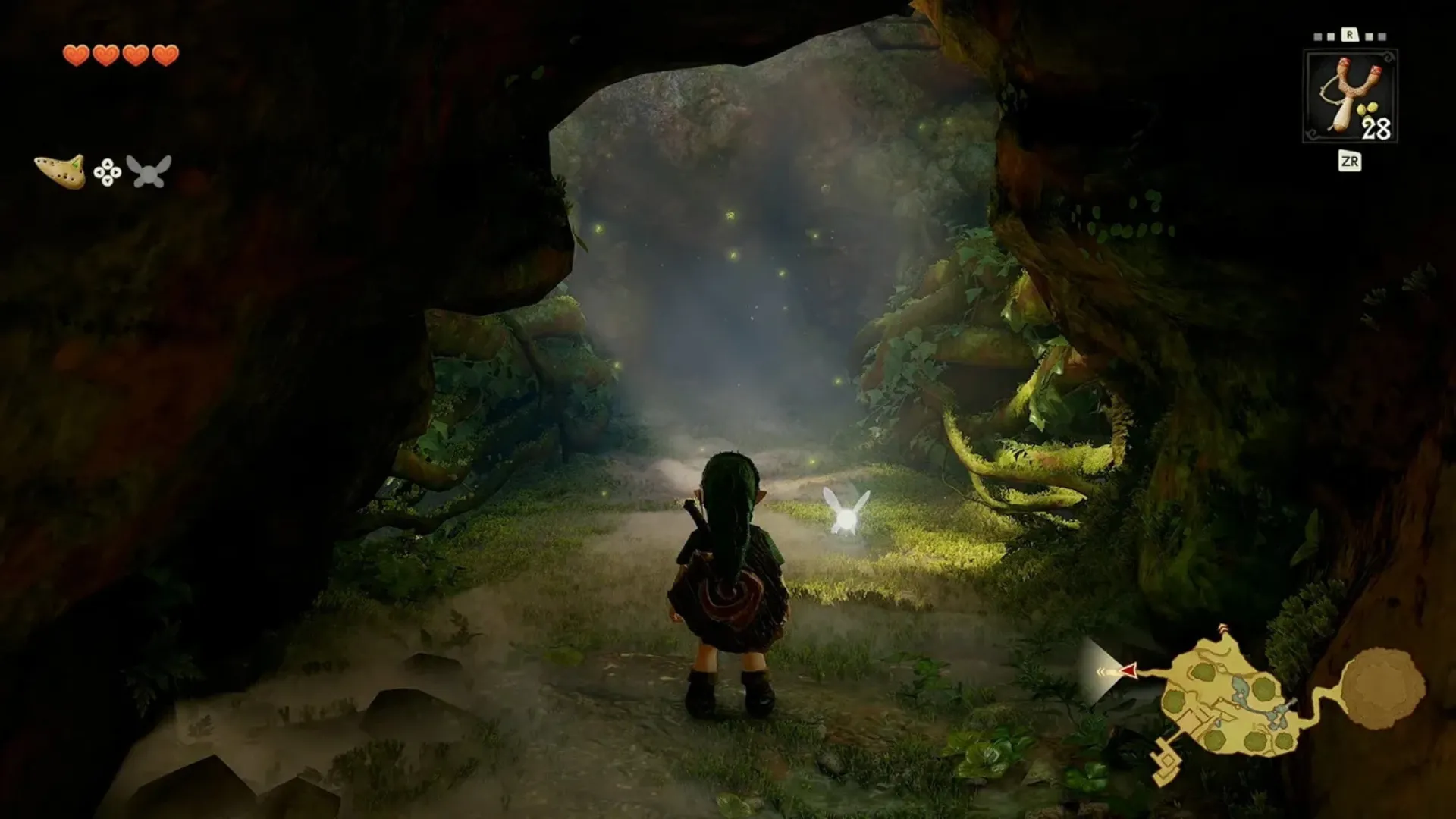
Getting to Zora's Domain in the original Ocarina of Time involves more than following the river upstream. Pieces of Heart sit on otherwise unreachable ledges, tempting players to pick up a Cucco and glide across the gaps. Getting the bird where it needs to go can become an adventure of its own, especially when Link has other places to be.
Zora's River also rewards repeat visits. The frogs along the way respond to Link's ocarina, eventually offering rewards for playing different songs. Returning with a new tune can turn a familiar stop into another opportunity to experiment, assuming the frogs approve of his performance.
Neither activity is necessary to reach the next dungeon. You can walk straight past them, discover something on a later visit or spend considerably longer than intended trying to reach a single Piece of Heart.
A shortcut to Zora's Domain would save time, but it could also mean fewer chances to notice something you missed earlier. Maybe you remember that ledge you couldn't reach, decide to give the Cucco another try or finally stop to see what those frogs are up to. Reaching the waterfall once hardly means you've discovered everything along the river.
Returning to Hyrule changes what the roads mean
One of Ocarina of Time's most memorable moments comes when Link steps out of the Temple of Time seven years later. The lively Castle Town market you remember from childhood is now in ruins, with ReDeads wandering its empty streets. The shops and familiar faces are gone, and many of the survivors have moved to Kakariko Village.
It's a striking change because you've already spent time there. You remember running between shops, talking to people and passing through the market on your way to Hyrule Castle. Seeing what Ganondorf has done to the place feels very different from discovering a ruined town you've never visited before.
Other changes are easier to miss. Remember those Magic Beans you could buy and plant as young Link? Return as an adult, and they've grown into platforms that carry you to places you couldn't reach before. The one at Zora's River even gives you another way to explore the area.
You might have planted those beans out of curiosity, without knowing what they would become. Finding them years later makes the trip back worthwhile, especially when you recognize something you did earlier.
Ocarina of Time uses familiar locations to show how Hyrule has changed, both through Ganondorf's actions and your own. Skipping the journey might get you to the next dungeon faster, but it also means missing opportunities to notice what happened along the way.

Ocarina of Time already rewards players with shortcuts
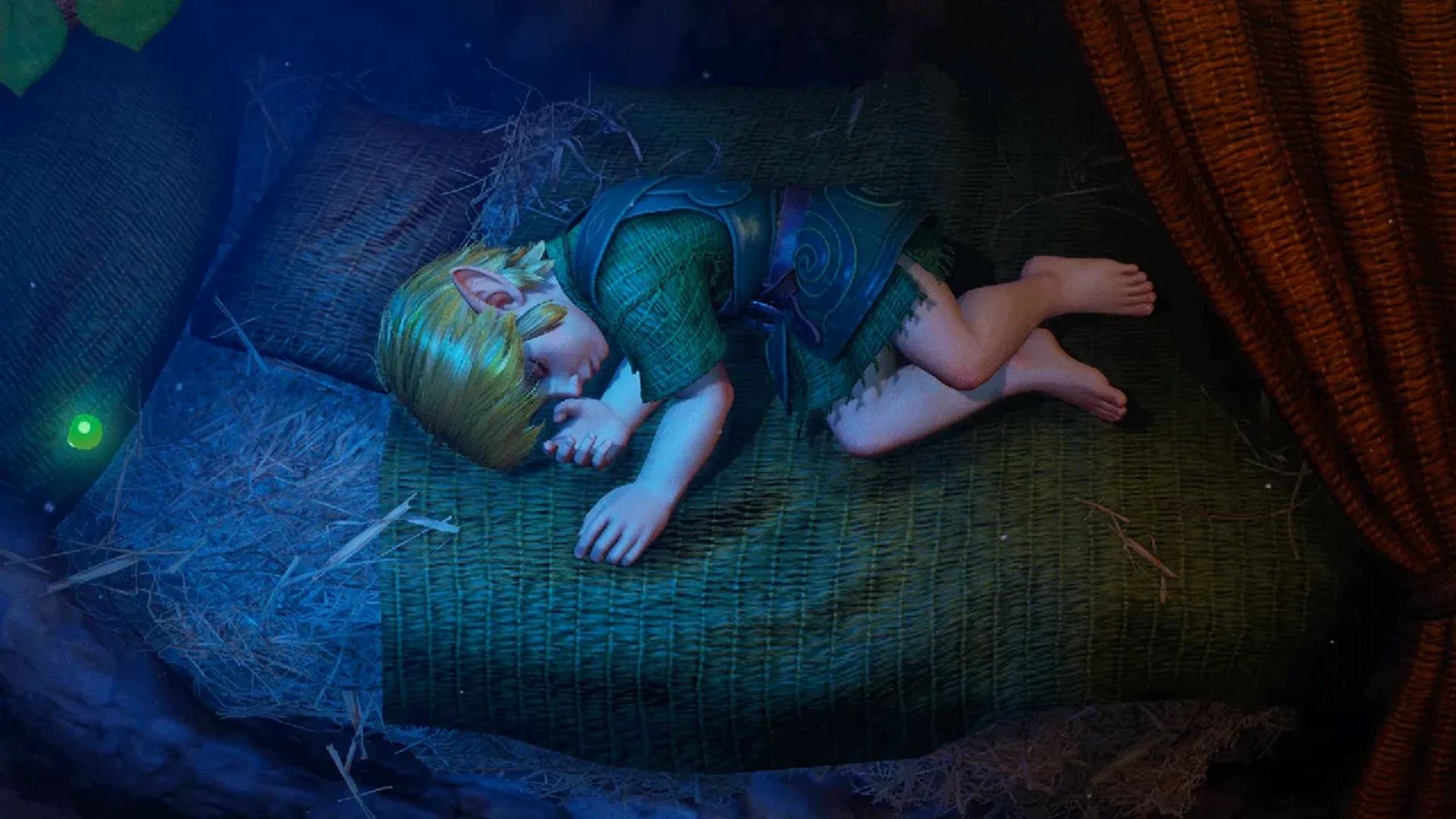
Ocarina of Time already gives you plenty of ways to travel faster. As adult Link, you learn six warp songs from Sheik, including the Minuet of Forest, which takes you to the Sacred Forest Meadow, and the Prelude of Light, which brings you back to the Temple of Time.
These shortcuts arrive after you've explored the areas they lead to. You've already made your way through the Lost Woods before learning the Minuet, while the Prelude saves you a return trip to the Temple of Time after finishing the Forest Temple.
Some songs even open new possibilities. The Requiem of Spirit lets you reach the Desert Colossus as young Link, allowing you to explore the Spirit Temple across both time periods.
Then there's Epona. You first meet her at Lon Lon Ranch as a child and learn her song from Malon. Years later, you can win her from Ingo and finally stop rolling your way across Hyrule Field. By that point, you've probably earned a faster ride.
Ocarina of Time gradually makes traveling easier as you explore, so finding a shortcut feels like part of your progress. Adding warp points too early could undermine that progression and encourage you to skip places you haven't fully explored.
Nintendo hasn't revealed where the experimental warp points were placed, but Aonuma's comments suggest the developers were careful about adding shortcuts beyond those already in the original game.
Better controls improve exploration without skipping it
Nintendo can make Ocarina of Time easier to play without removing the journeys and discoveries that make exploring Hyrule enjoyable. Some of the remake's changes focus on giving players more control over Link and his surroundings.
The new free camera lets you look around while moving, making it easier to inspect suspicious ledges or search for hidden routes. Link can also jump manually, although adding that ability required Nintendo to adjust parts of the environment. Young and adult Link jump different distances, and some obstacles were originally designed around automatic jumping.
The Water Temple is another good example. Anyone who played the Nintendo 64 version probably remembers constantly opening the equipment menu to put on or remove the Iron Boots. Ocarina of Time 3D made that easier through its touchscreen, and the Switch 2 remake further simplifies item switching.
Nintendo has also replaced some walls with lattice structures, allowing you to see adjoining rooms and better understand how the dungeon connects. You still need to work out where to go and how to manipulate the water levels, but the environment offers more clues.
These changes address some of the frustrations of the original without taking away its puzzles or exploration. Faster item switching saves you from repeatedly opening menus, while better visibility helps you find your own way through the Water Temple. Both improve the experience without removing the discoveries Nintendo wants players to make.
Faster travel should not mean fewer discoveries
Aonuma's decision to remove the additional warp points wasn't about preserving every inconvenience of the original game. As he explained in the developer interview, testing revealed that players were missing discoveries when they could skip parts of Hyrule.
That doesn't mean every journey deserves repeating. After crossing Hyrule Field countless times, you might just want to reach Kakariko Village without rolling all the way there again.
Nintendo's new dash offers a sensible compromise. Holding the roll button lets Link travel faster while keeping the world around him accessible. You can hurry toward your next destination or stop when something catches your attention.
The abandoned warp points would have made traveling more convenient, but testing showed that players were overlooking things worth discovering. Nintendo kept the faster movement while removing shortcuts that could take players past parts of the adventure they had yet to explore.
The Legend of Zelda: Ocarina of Time
The evil Ganondorf is scheming to steal the mythical Triforce from the Sacred Realm and take over the world. Now Link must become the hero of time and save the kingdom in this classic tale, built from the ground up for the Nintendo Switch 2 system.
Released
November 5, 2026
Developer
Nintendo EPD Production Group No. 3
Publisher
Nintendo


Tagged In
Discussion
0We want to hear from you. Share your perspective in the comments below, and please keep the conversation respectful.
Log in to join the discussion - vote, reply, and share your take.
Log In