The 11 Best Nintendo Switch Games
The strongest Switch games make handheld play part of their appeal rather than a technical compromise.
The Switch was designed around interruption. Closing the system in the middle of a Hades run and resuming it later feels completely ordinary, which is a larger achievement than it sounds. Games that ask for 80 hours become easier to live with when those hours do not have to happen in front of a television.
The Switch 2 has changed Nintendo's current hardware, but it has not made the original library irrelevant. Most Switch games remain compatible with the newer console. The releases below defined the first system and are still worth starting now, whether they fill ten minutes on a train or take over an entire weekend.
11. Xenoblade Chronicles 3
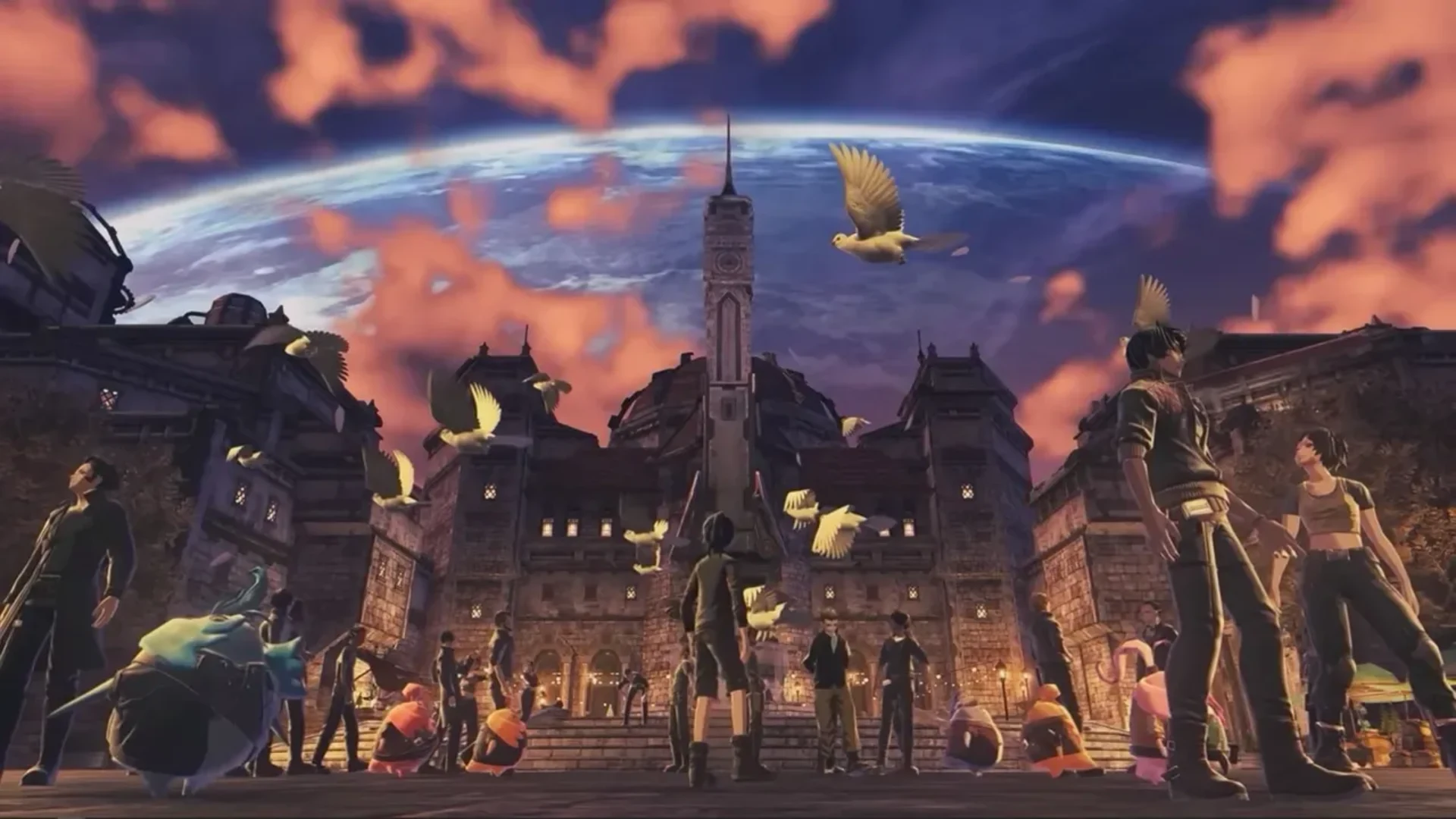
Xenoblade Chronicles 3 is a large role-playing game about soldiers Noah and Mio, who come from enemy nations and have been raised to fight through their short lives. Battles happen in real time. Characters attack automatically when positioned correctly, while Arts handle the important decisions about timing and direction.
The six main party members fight together, which can make the screen difficult to read. Switching control gives the system more purpose because each role sees the same battle differently. Noah and Mio can also Interlink into an Ouroboros form, but staying fused for too long causes it to overheat. The story gives that mechanical partnership real weight. Its lengthy tutorials and crowded combat keep the opening from moving as quickly as the premise deserves.
10. Metroid Dread
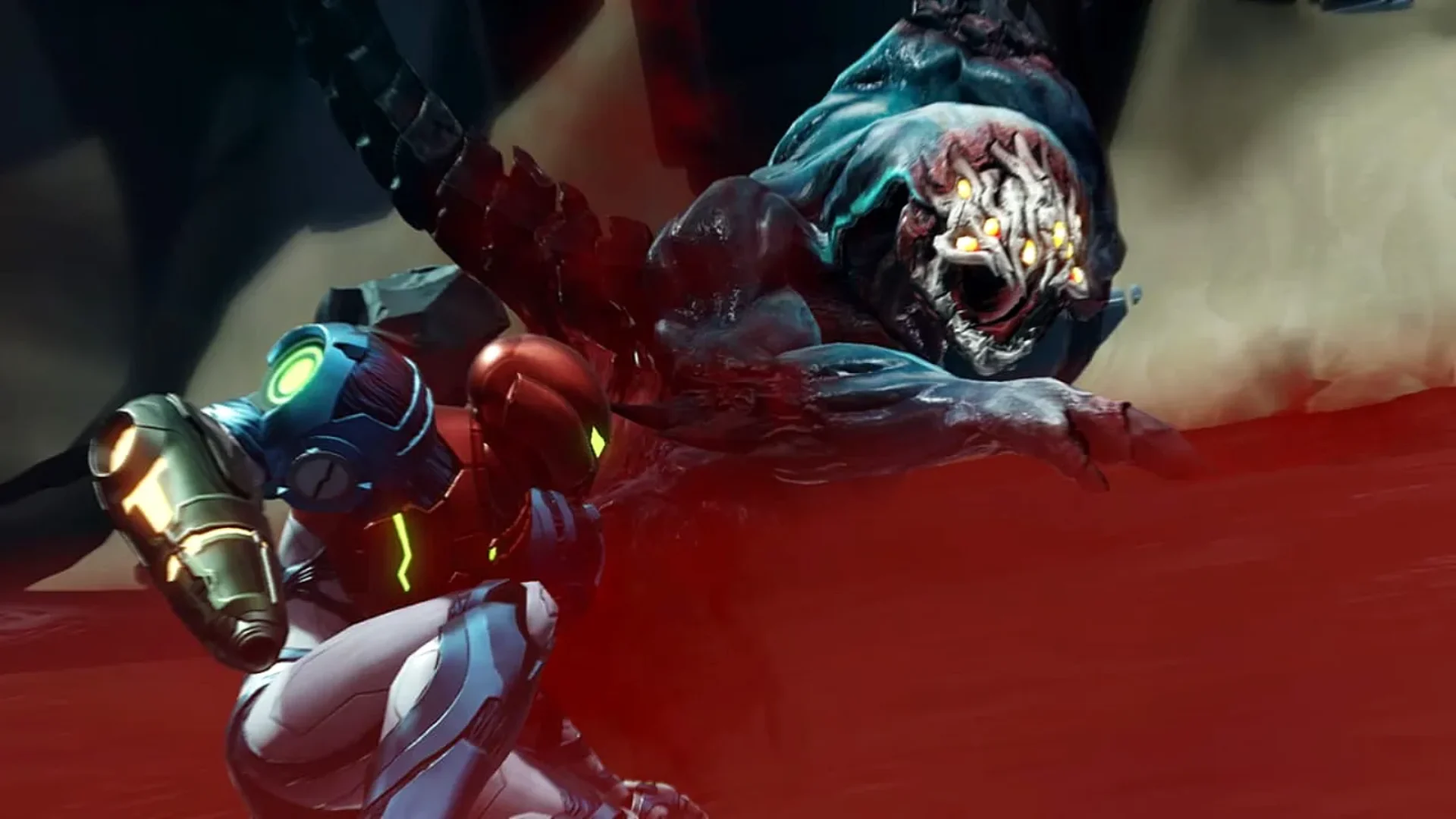
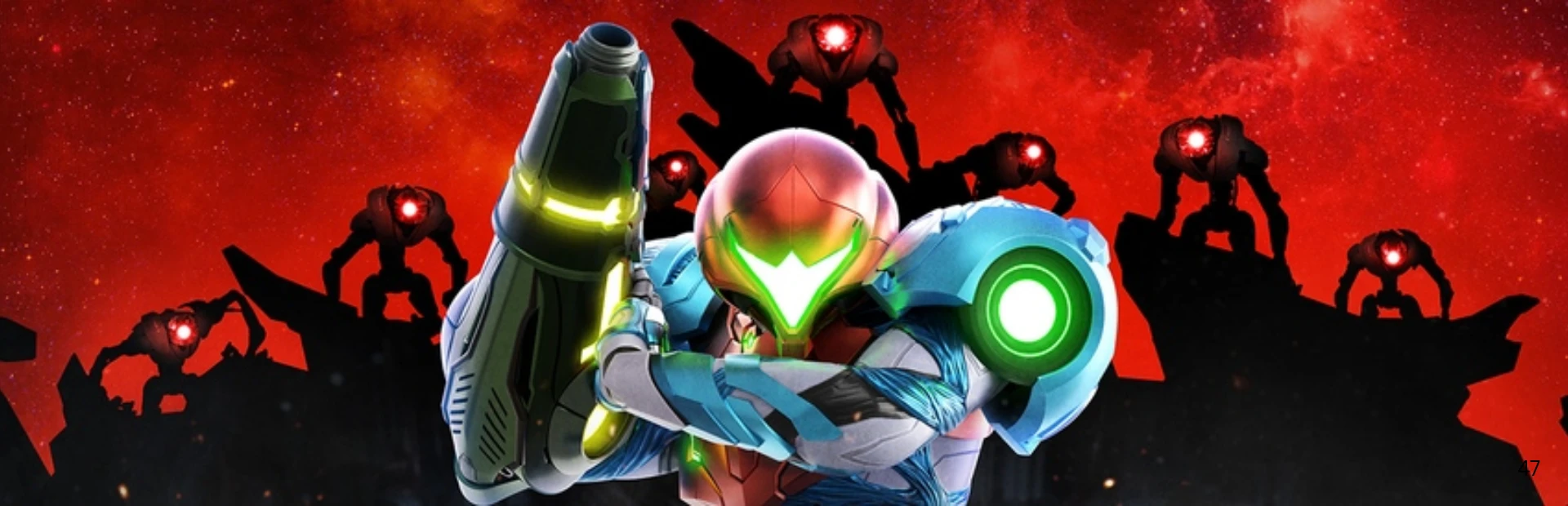
Metroid Dread sends bounty hunter Samus Aran to planet ZDR after a mysterious transmission. It is a side-scrolling action game built around exploring connected areas and returning to blocked routes with new abilities. Samus moves with unusual speed for the series, especially once sliding under gaps becomes part of normal navigation.
The E.M.M.I. robots change that rhythm. Entering one of their zones turns exploration into a chase against a machine that kills Samus if it catches her. A counter is possible, but its timing is deliberately unreliable. Escape usually depends on remembering the route and creating distance. Those sequences make ZDR feel dangerous even after Samus gains powerful weapons. Some bosses push difficulty much higher than the surrounding rooms, and repeated radio briefings explain more than the quiet atmosphere needs.
9. Animal Crossing: New Horizons
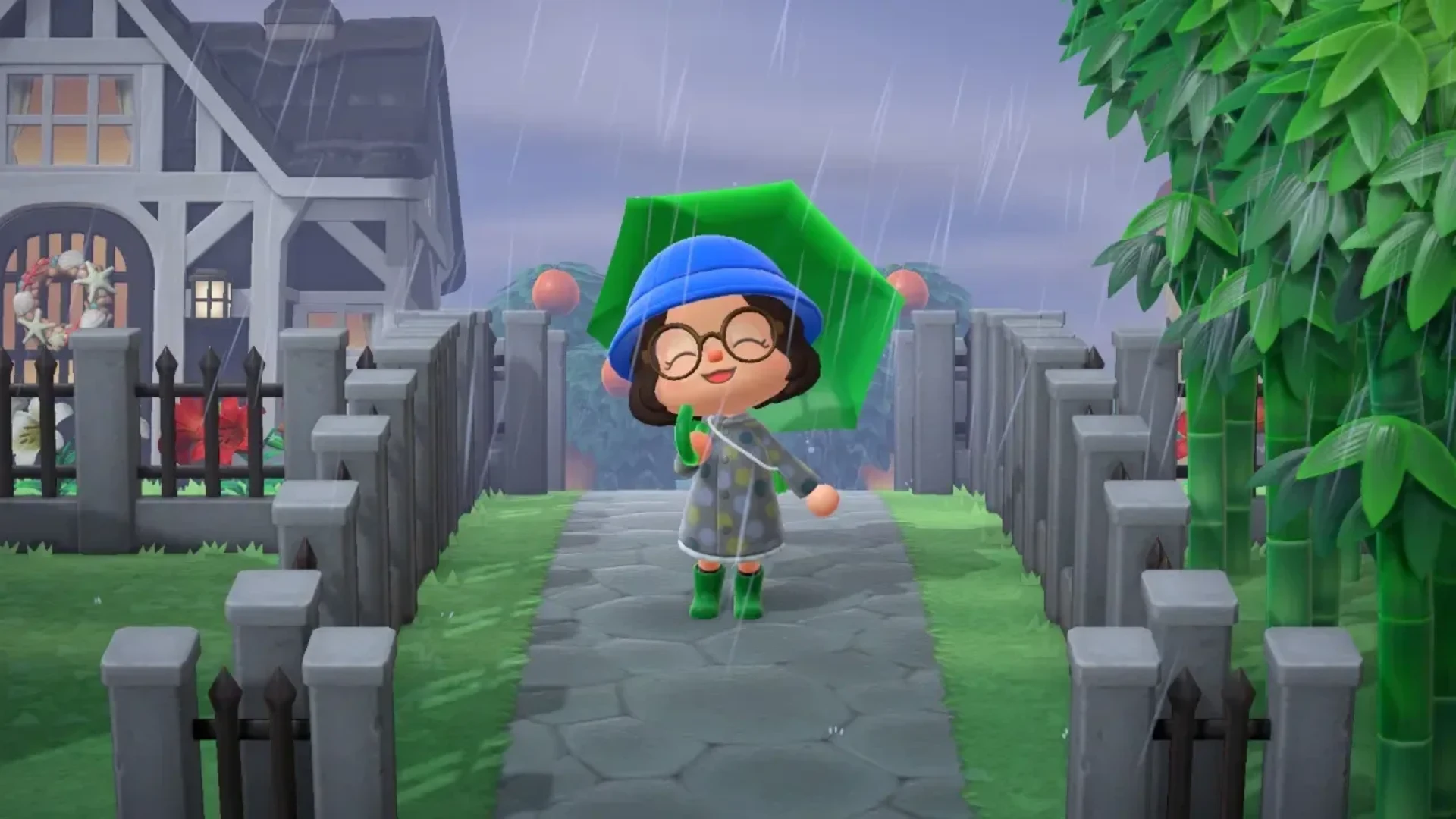
Animal Crossing: New Horizons begins on a nearly empty island with a tent and a debt to Tom Nook. Time follows the real clock, so shops close at night and fruit takes days to grow. Progress is deliberately slow. The tent eventually becomes a house, while the island's rough paths give way to bridges and planned neighborhoods.
Terraforming changes the relationship with that space. A cliff that once dictated the island's layout can be removed one tile at a time. The process is clumsy, but that effort makes a finished entrance or garden feel built rather than selected from a menu. Visiting another island also shows how differently the same limited tools can be used.
The 2026 update added a resort hotel and new reasons to return, though it did not fix the daily friction. Crafting several copies of one item still requires too many repeated menus. Only one main island can exist on a console, which is a particularly harsh restriction for a shared system. New Horizons is best when its routine stays small enough to feel comforting instead of compulsory.
8. Fire Emblem: Three Houses
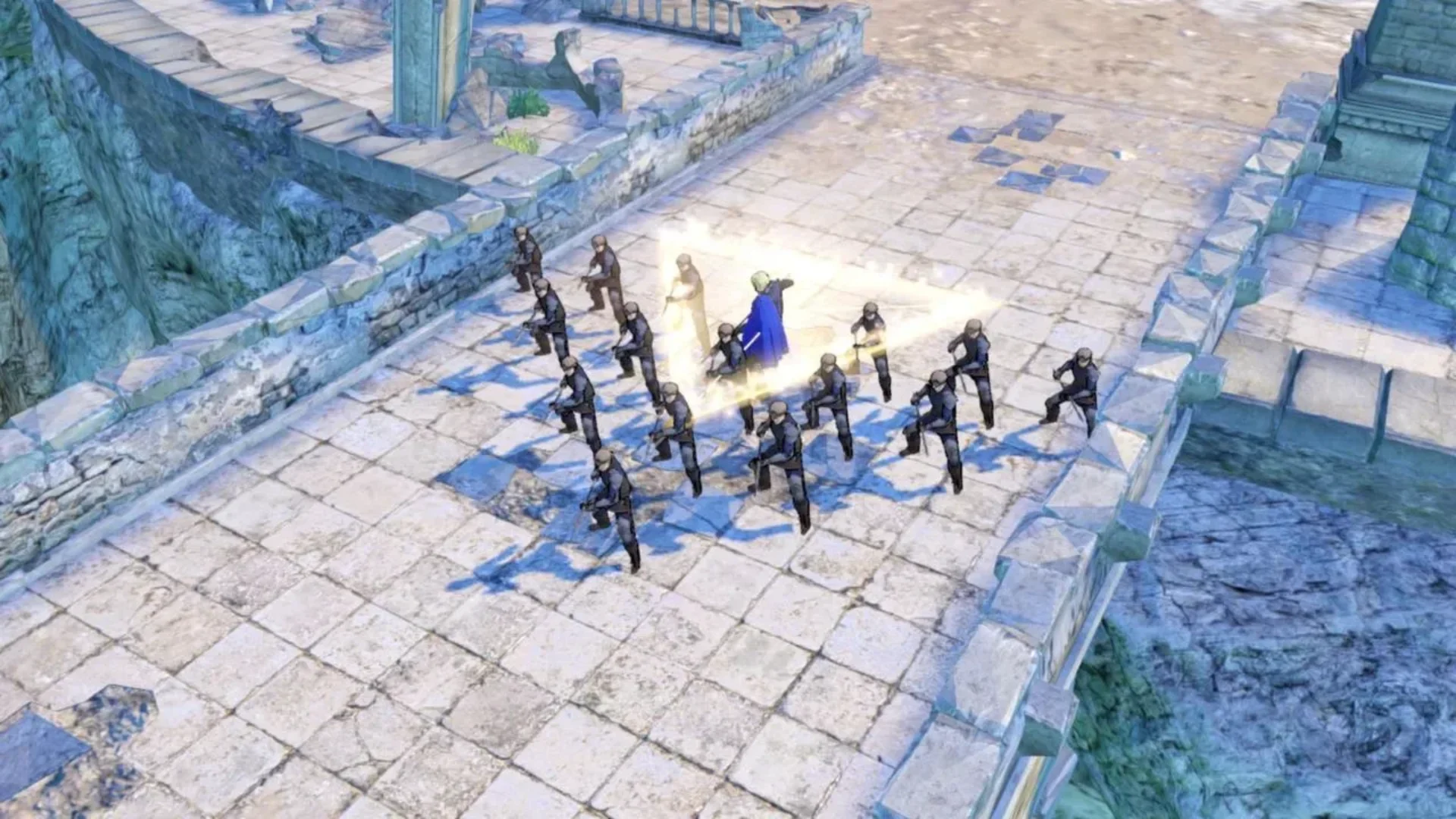
Fire Emblem: Three Houses casts Byleth as a professor at Garreg Mach Monastery. Choosing one of the academy's three houses determines which students receive most of the story's attention. Battles use a grid, with permanent death available for units that fall. Divine Pulse can rewind a mistake, allowing an ambitious move without turning every bad prediction into a lost campaign.
Days at the monastery affect those battles. Tutoring a student in a new skill can gradually move them into a class that changes their role. Meals build the relationships needed to recruit someone from another house before the academy period ends. This makes the later war personal because former classmates may return as enemies. Repeat campaigns expose how much time is spent running through the same monastery, and several routes reuse maps when their stories should feel further apart.
7. Super Mario Bros. Wonder
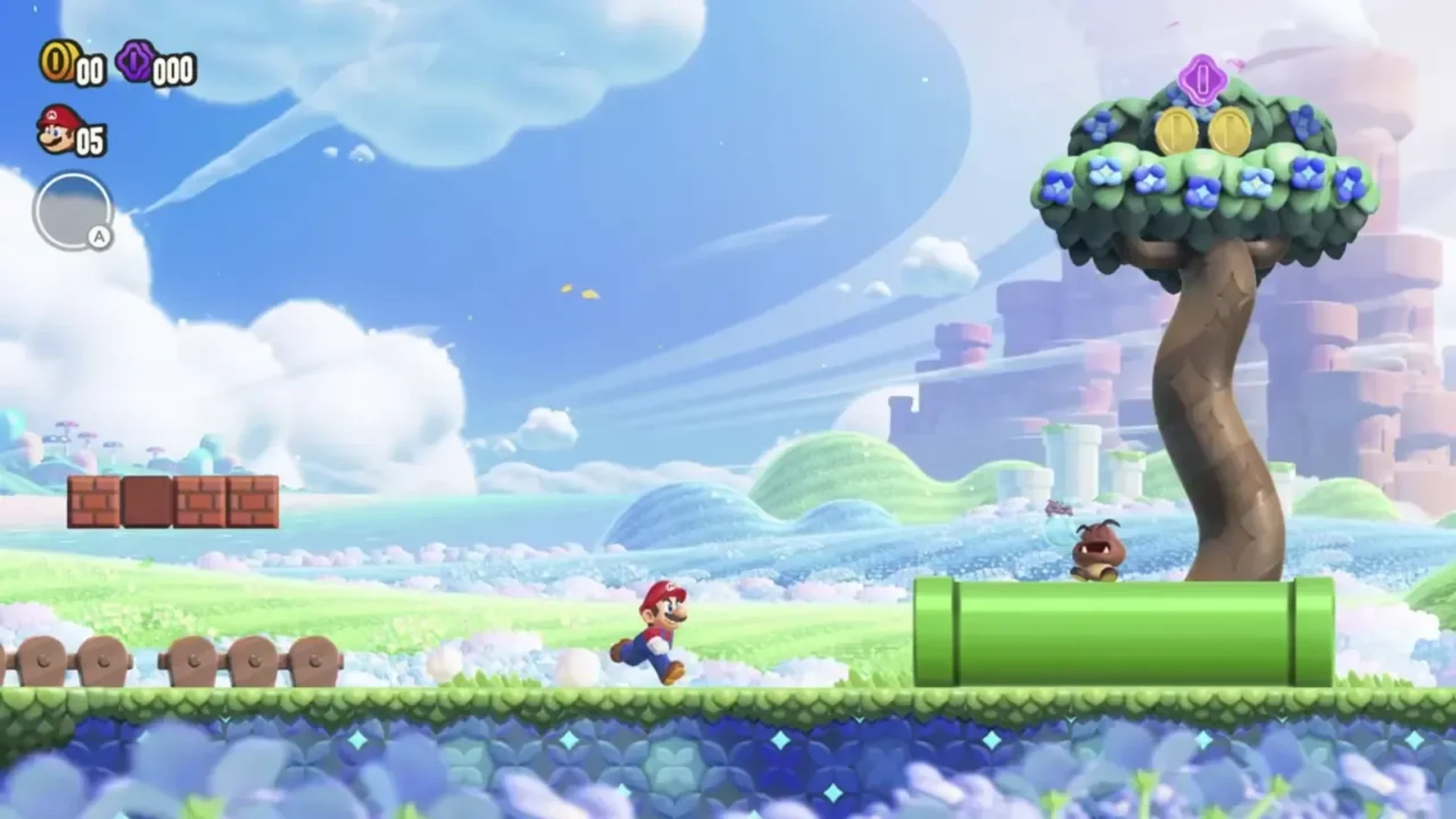
Super Mario Bros. Wonder is a side-scrolling platformer in which every course seems ready to break its own rules. Touching a Wonder Flower can make pipes crawl across the ground or send Mario running with a Bulrush stampede. These transformations usually last a few minutes, then disappear before the joke turns into routine. Badges provide a smaller change that remains under direct control.
The Wall-Climb Jump adds one extra leap after touching a wall, which can turn an awkward rescue into a planned route. Most stages are forgiving, and online ghosts remove some of the tension by reviving a fallen character. The precision behind the easiest courses is still clear when the optional Special World stops being generous.
6. Hades
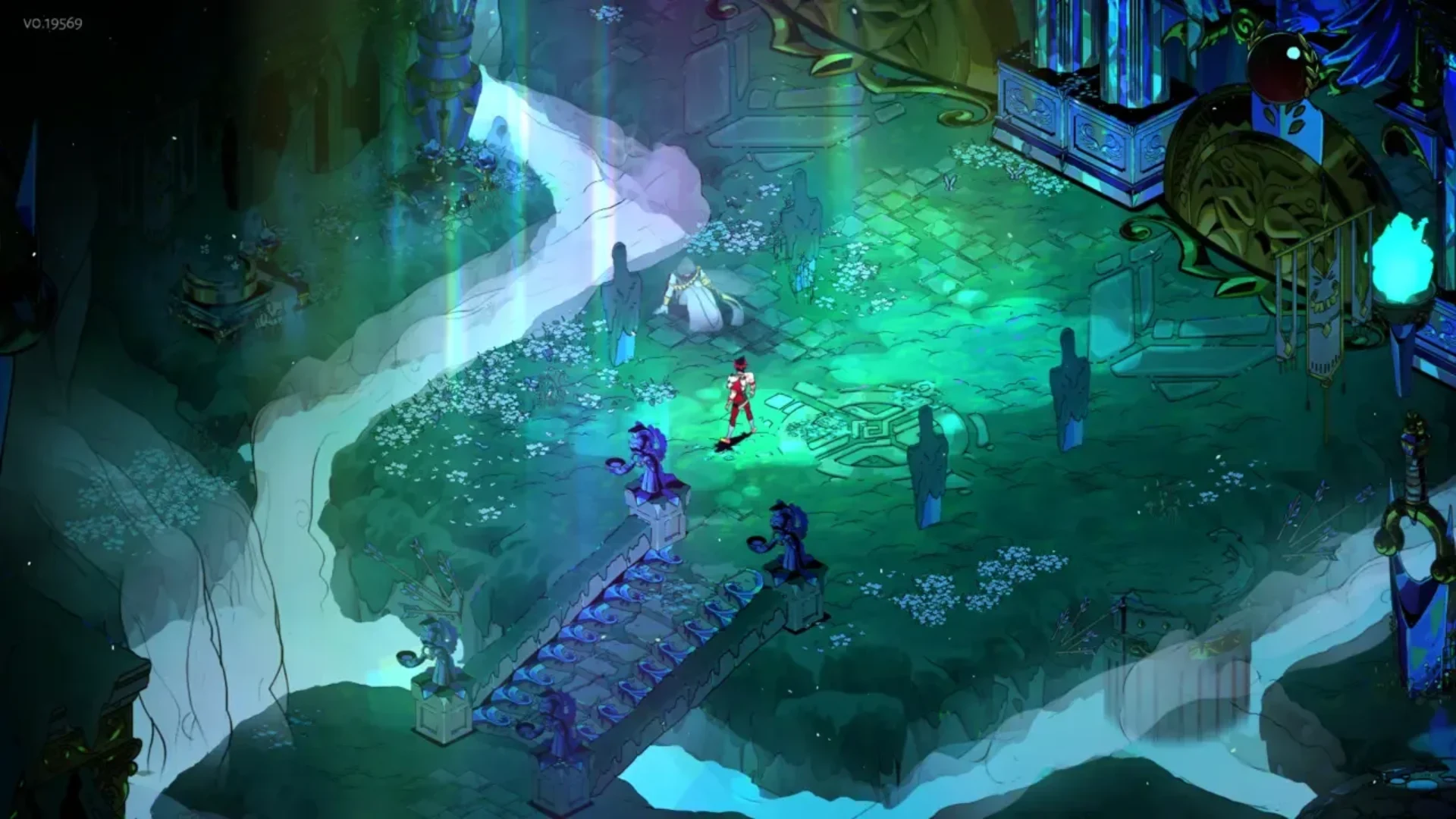
Hades is a roguelike action game about Zagreus repeatedly trying to escape the Greek Underworld. Each attempt moves through changing rooms filled with enemies and rewards. Death returns Zagreus to the House of Hades, where characters remember what happened and continue conversations that may have started several failures earlier.
Olympian Boons alter the six weapons rather than merely raising their damage. Athena can make Zagreus's dash deflect projectiles, turning an evasive move into a way to attack crowded rooms. Another run may never offer that ability, so a familiar weapon demands a new plan. Repeating Tartarus eventually becomes tiring, and some relationship progress depends on meeting characters in the right order. Short escape attempts fit the Switch especially well because sleep mode can pause one without treating the break as a failure.
5. Super Smash Bros. Ultimate
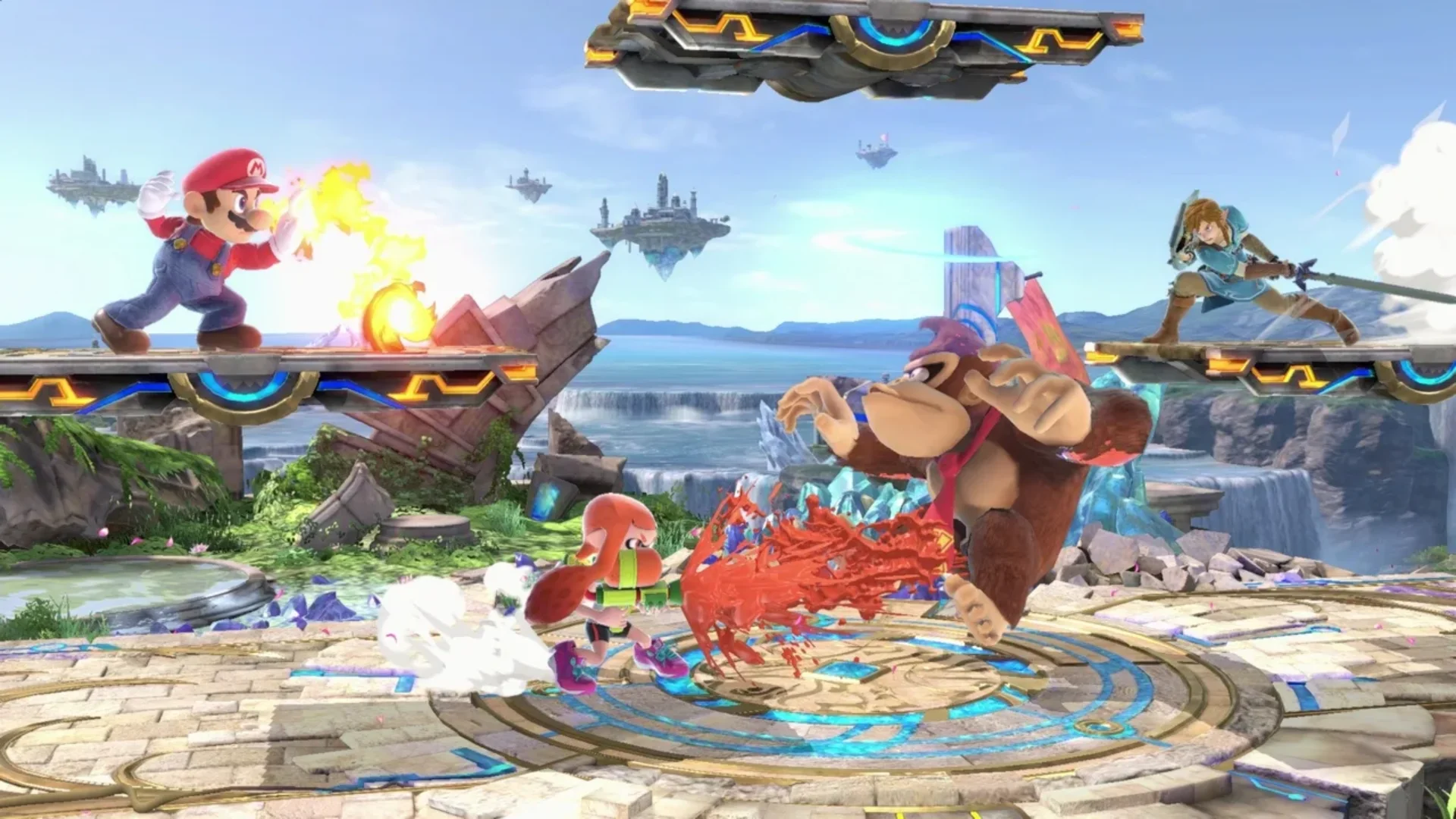
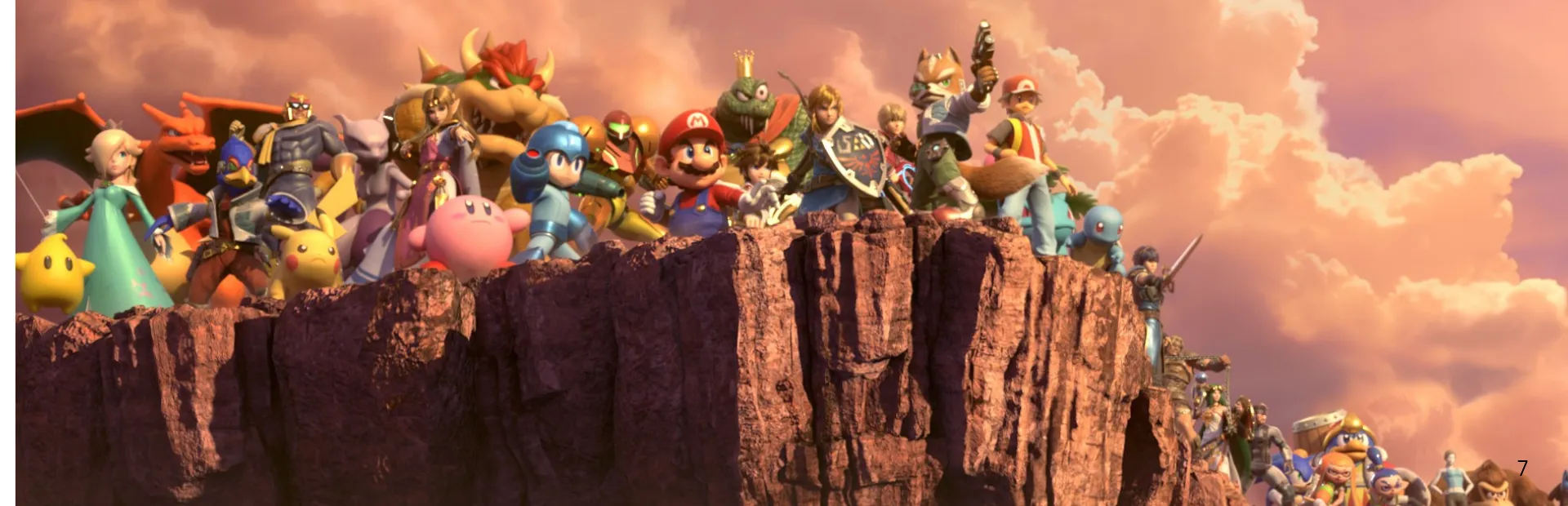
Super Smash Bros. Ultimate is a fighting game in which damage increases knockback instead of emptying a health bar. Winning means launching an opponent beyond the stage boundaries. The roster brings together characters with completely different ideas about movement, so learning one often means learning a new game inside the larger one. Steve builds blocks that alter the stage itself, while Kazuya brings precise command inputs from Tekken.
Its flexibility is most obvious in local multiplayer. A chaotic four-person match with items can sit beside a competitive duel without either feeling like an unofficial mode. The single-player World of Light campaign is much less exciting. Spirit conditions keep changing the rules, but many fights feel like elaborate modifiers attached to ordinary opponents. Online play also suffers when a weak connection adds delay to inputs that need immediate feedback.
4. Mario Kart 8 Deluxe
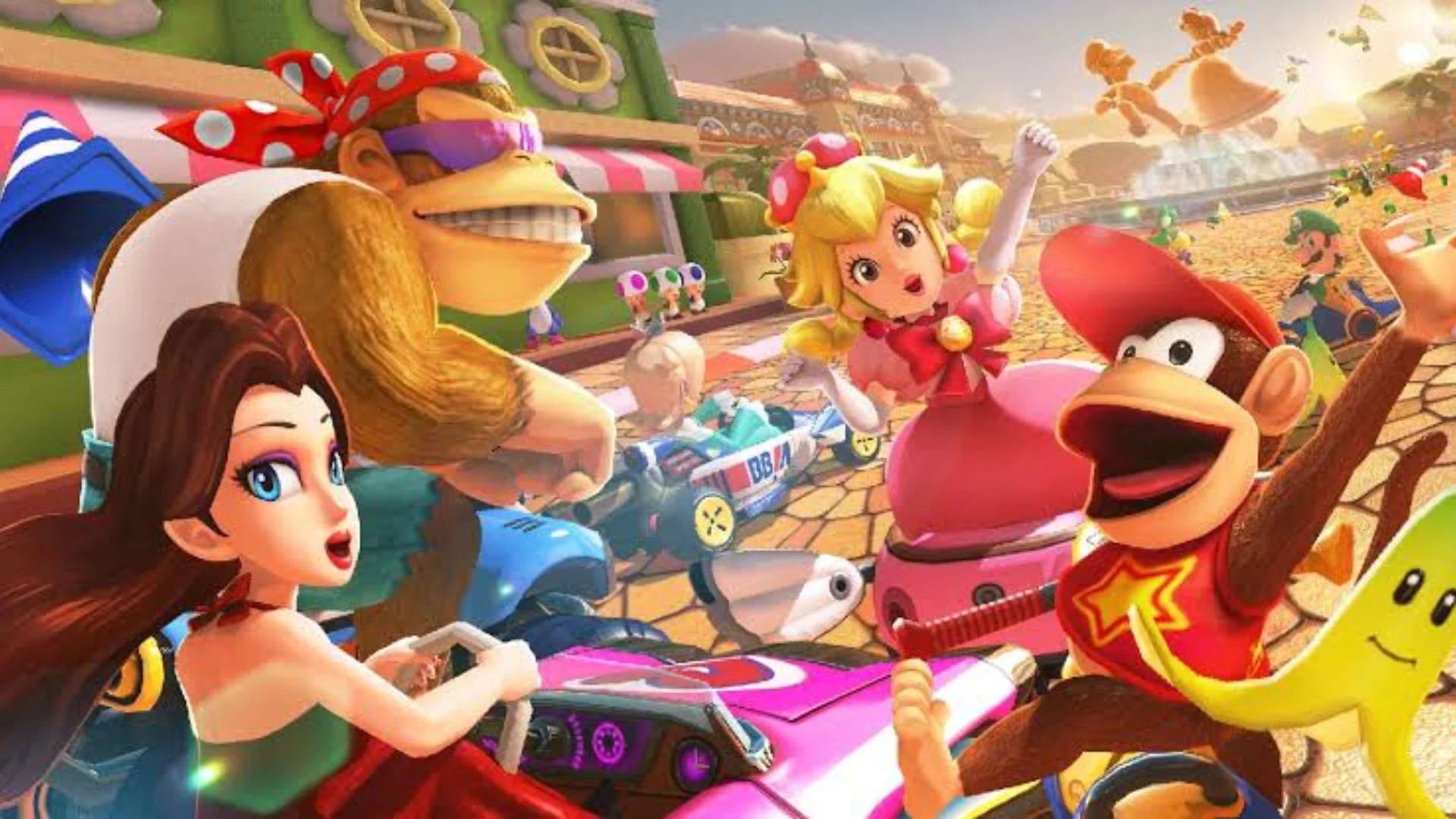
Mario Kart 8 Deluxe is an arcade racing game built to make the first lap understandable and the final corner uncertain. Holding a drift charges a mini-turbo, so a long bend becomes a decision about how much speed can be stored without sliding off the track. Smart Steering keeps a new racer away from the worst edges without driving the kart for them.
The base game already had 48 tracks, and the Booster Course Pass doubled that total. Not every returning course received the same visual care. Some of the flatter Mario Kart Tour conversions look noticeably plain beside Mount Wario, a continuous descent that never loops back to a starting line. The item system can still destroy a perfect race seconds before the finish. That frustration is part of why a rematch begins so quickly.
3. Super Mario Odyssey
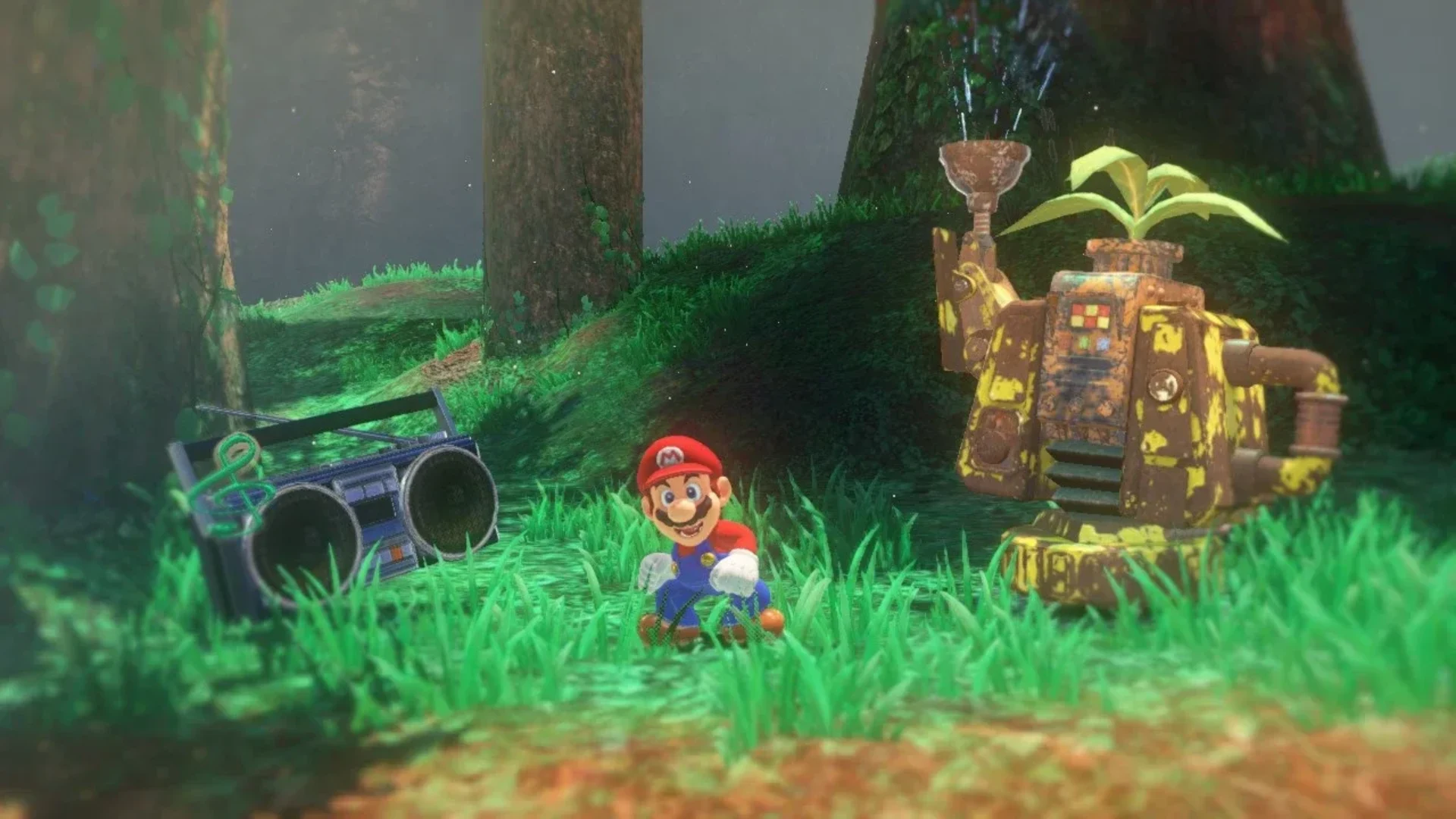
Super Mario Odyssey is a 3D platformer about Mario traveling between kingdoms to rescue Peach. His hat companion, Cappy, can possess certain creatures and borrow their abilities. Capturing a Pokio replaces Mario's usual jumps with a beak that sticks into walls. Pulling away from the surface then launches the bird upward, turning one enemy into an entirely different form of climbing.
Mario's own movement is deep enough that captures never replace him for long. A thrown cap can extend a jump, and skilled movement reaches ledges that appear to require another route. The worlds reward that curiosity with Power Moons, though there are so many that some are handed out for minor actions. Finding another moon remains enjoyable. The reward itself loses meaning well before the postgame ends.
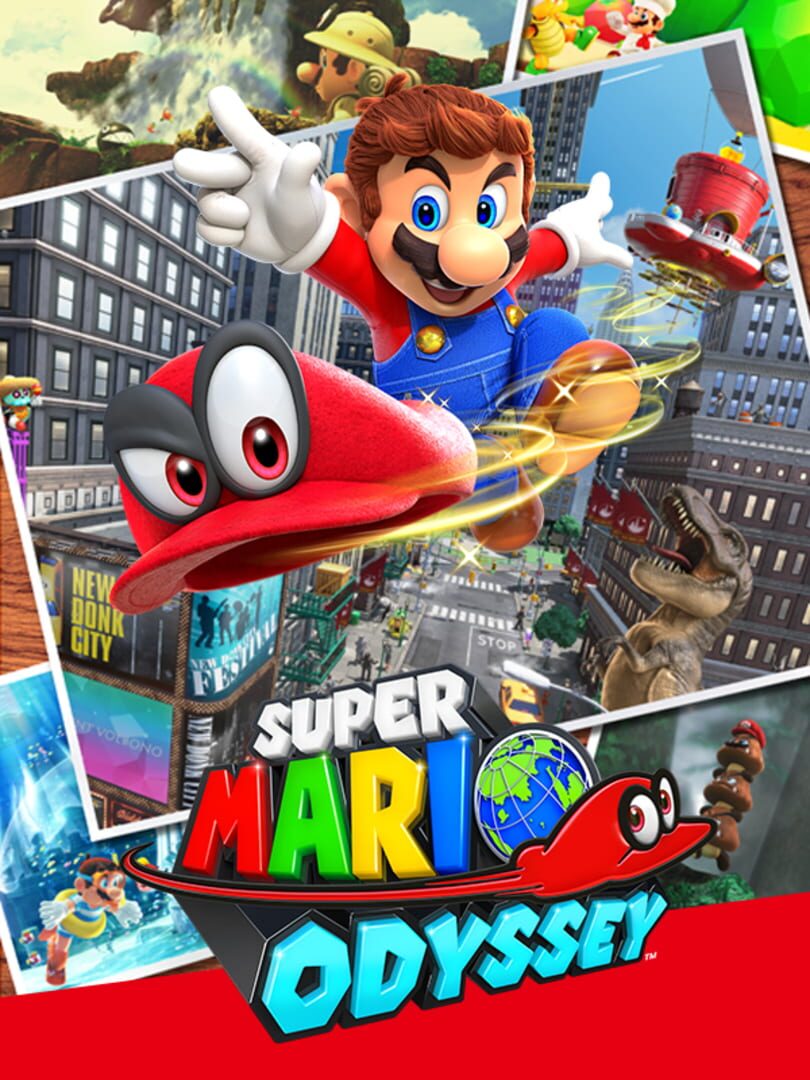
Explore incredible places far from the Mushroom Kingdom as you join Mario and his new ally Cappy on a massive, globe-trotting 3D adventure. Use amazing new abilities, like the power to capture and control objects, animals, and enemies to collect Power Moons so you can power up th
Released
October 27, 2017
Developer
Nintendo EPD Production Group No. 8
Publisher
Nintendo


2. The Legend of Zelda: Tears of the Kingdom
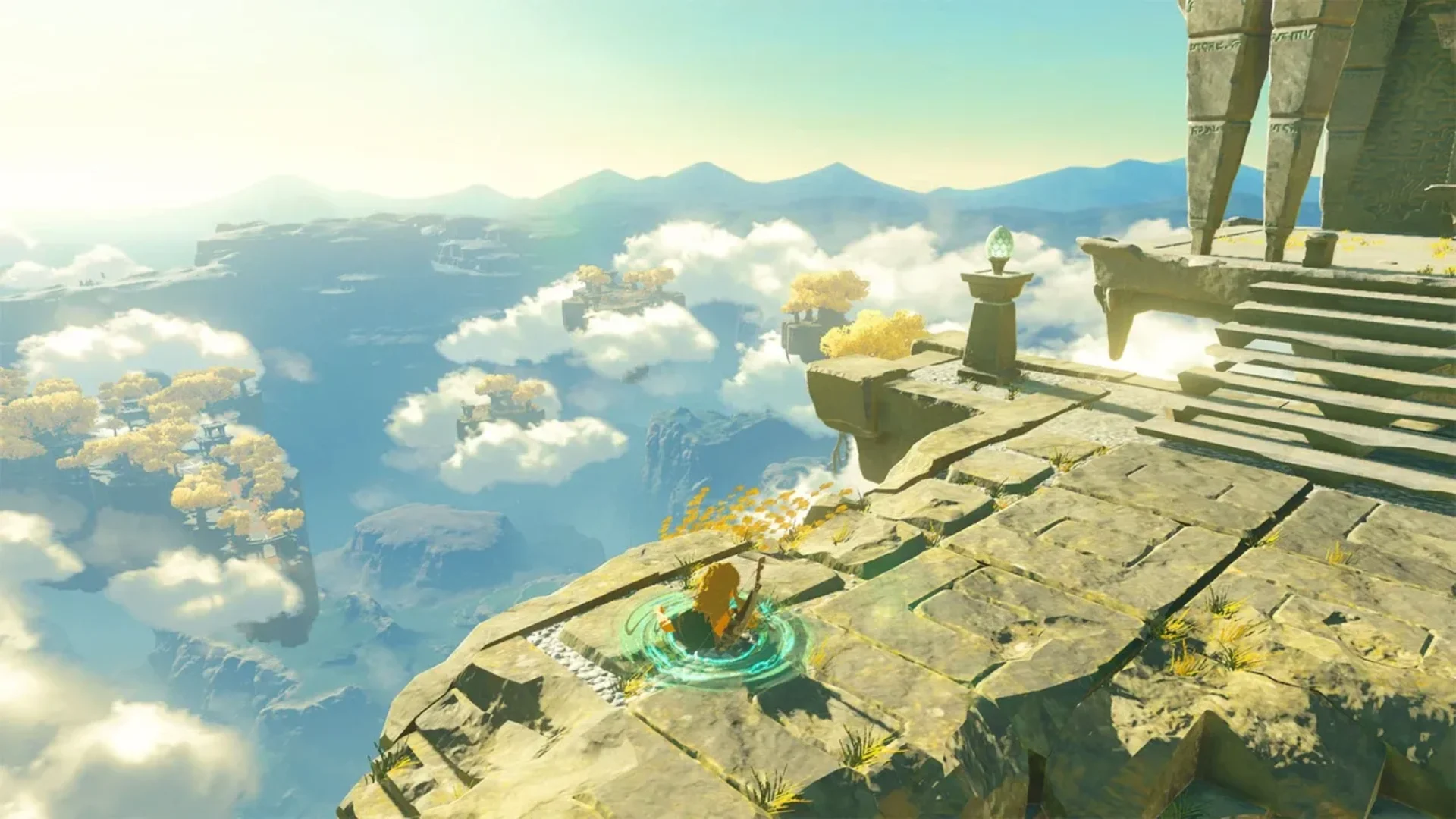
Tears of the Kingdom returns to the open Hyrule from Breath of the Wild and gives Link tools that can alter its physical objects. Ultrahand joins loose parts together. A plank and two fans can become a rough vehicle, provided the weight is balanced well enough to stop it from turning in circles.
Recall makes experimentation less punishing by reversing an object's movement. A platform can be lifted with Ultrahand, held in the air, then lowered again. Standing on it and activating Recall creates an elevator from the path it just traveled. The solution is not chosen from a crafting menu. It comes from understanding how two abilities interact.
The reused surface is less surprising than it was in the previous game, and the Depths stretch a strong idea across too much empty ground. Building can also become fiddly when two pieces attach at the wrong angle. Those problems do not diminish how unusual it is for a huge adventure to accept such improvised solutions without breaking.
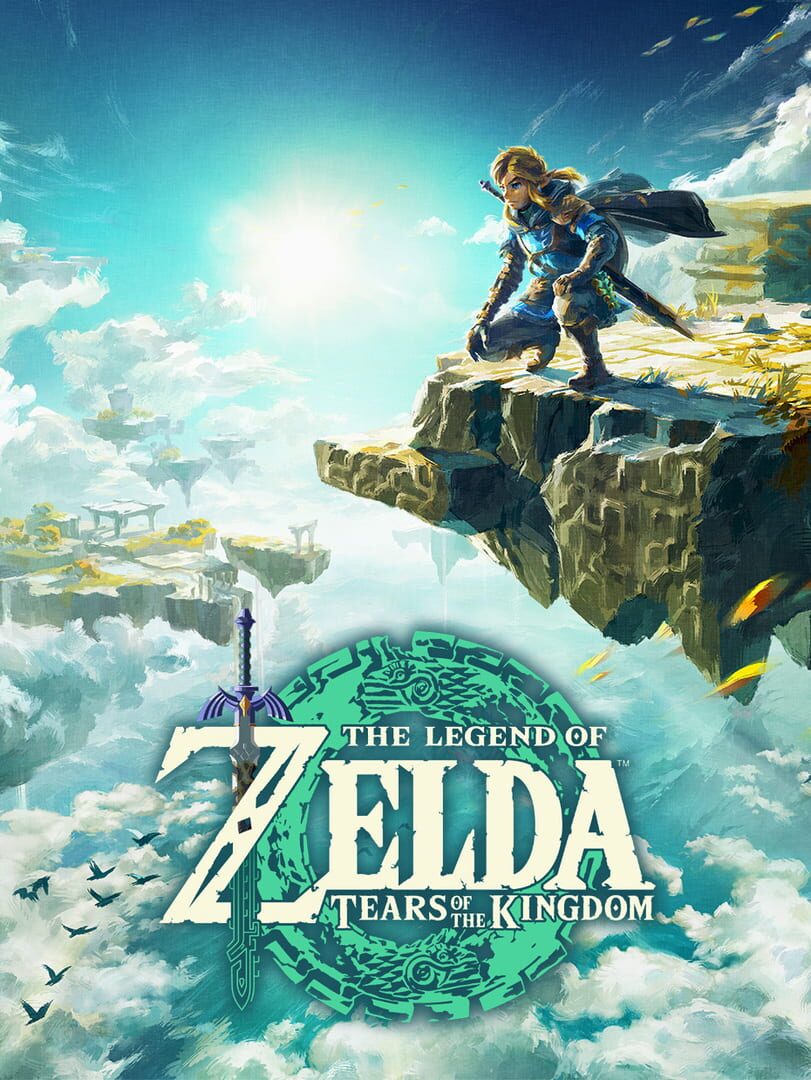
An epic adventure across the land and skies of Hyrule awaits in The Legend of Zelda: Tears of the Kingdom for Nintendo Switch. The adventure is yours to create in a world fueled by your imagination. In this sequel to The Legend of Zelda: Breath of the Wild, you'll decide your ow
Released
May 12, 2023
Developer
Nintendo EPD Production Group No. 3
Publisher
Nintendo
1. The Legend of Zelda: Breath of the Wild
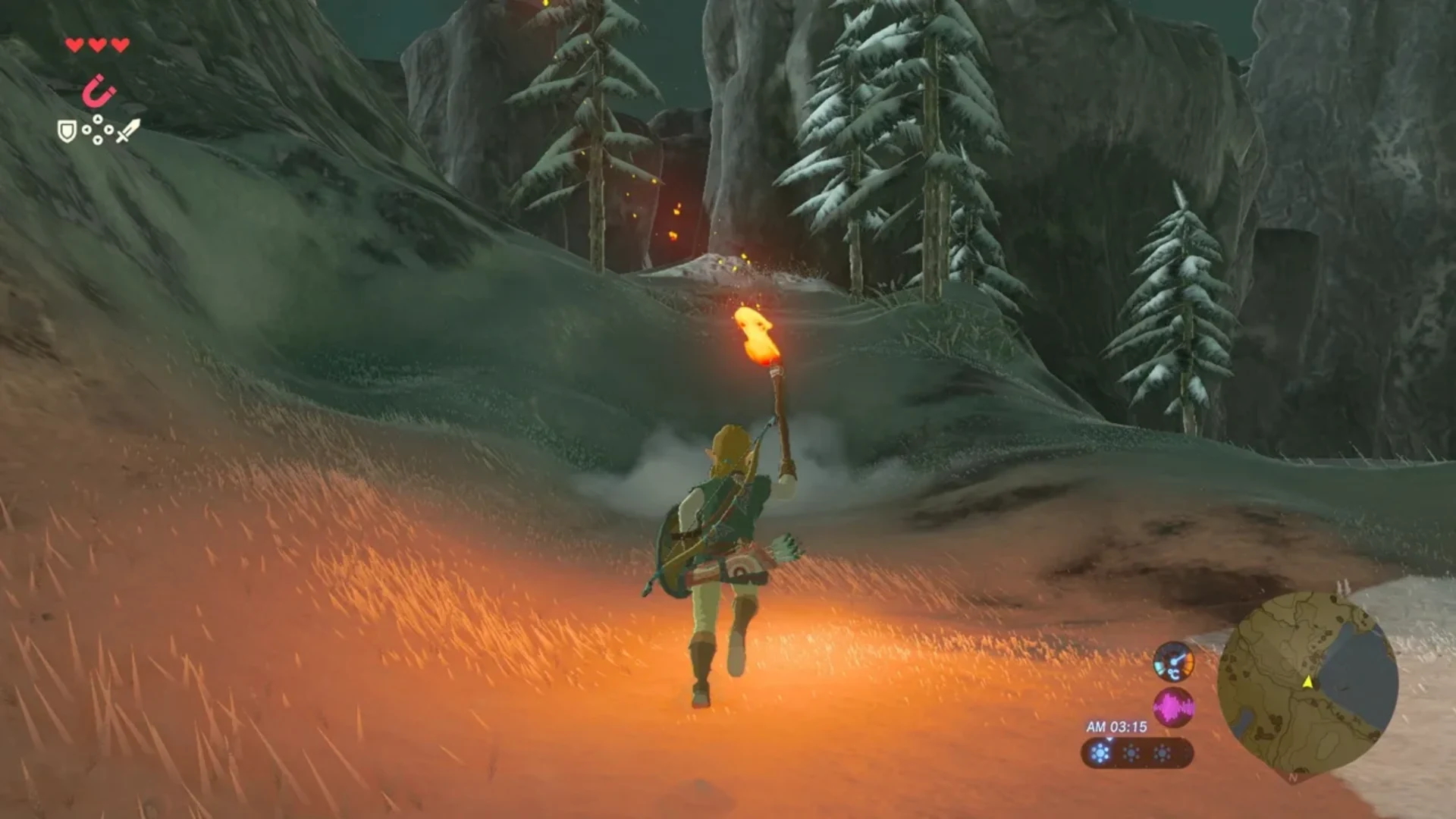
Breath of the Wild opens with Link walking out onto the Great Plateau and seeing Hyrule without a prescribed route through it. The distant castle establishes the final objective, but almost everything between can be approached in a different order. A mountain is not scenery if Link has enough stamina to climb it.
The world reacts consistently enough for preparation to matter. Cold air drains health unless Link finds warmer clothing or cooks suitable food. Rain makes rock slippery and can ruin a climb that looked possible from below. These rules cause genuine frustration, but they also make crossing Hyrule feel like travel rather than movement between map icons.
Weapons break too quickly, especially early on when a good sword may disappear during an ordinary fight. The four Divine Beast dungeons are also too similar to replace the large temples found in older Zelda games. What survives those complaints is the urge to follow something seen from a hilltop. Breath of the Wild trusts that an unusual tree or column of smoke is enough reason to change direction, and the Switch makes that detour easy to continue wherever the console goes next.
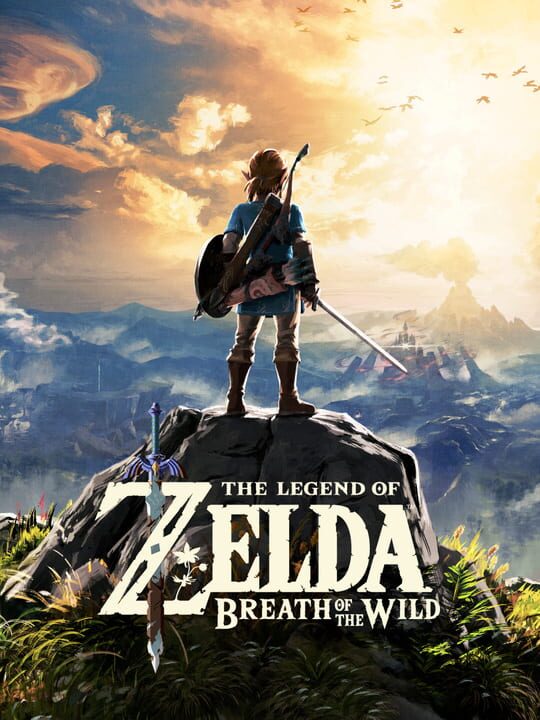
The Legend of Zelda: Breath of the Wild is the first 3D open-world game in the Zelda series. Link can travel anywhere and be equipped with weapons and armor found throughout the world to grant him various bonuses. Unlike many games in the series, Breath of the Wild does not impos
Released
March 3, 2017
Developer
Nintendo EPD Production Group No. 3
Publisher
Nintendo
Tagged In
Discussion
0We want to hear from you. Share your perspective in the comments below, and please keep the conversation respectful.
Log in to join the discussion - vote, reply, and share your take.
Log In