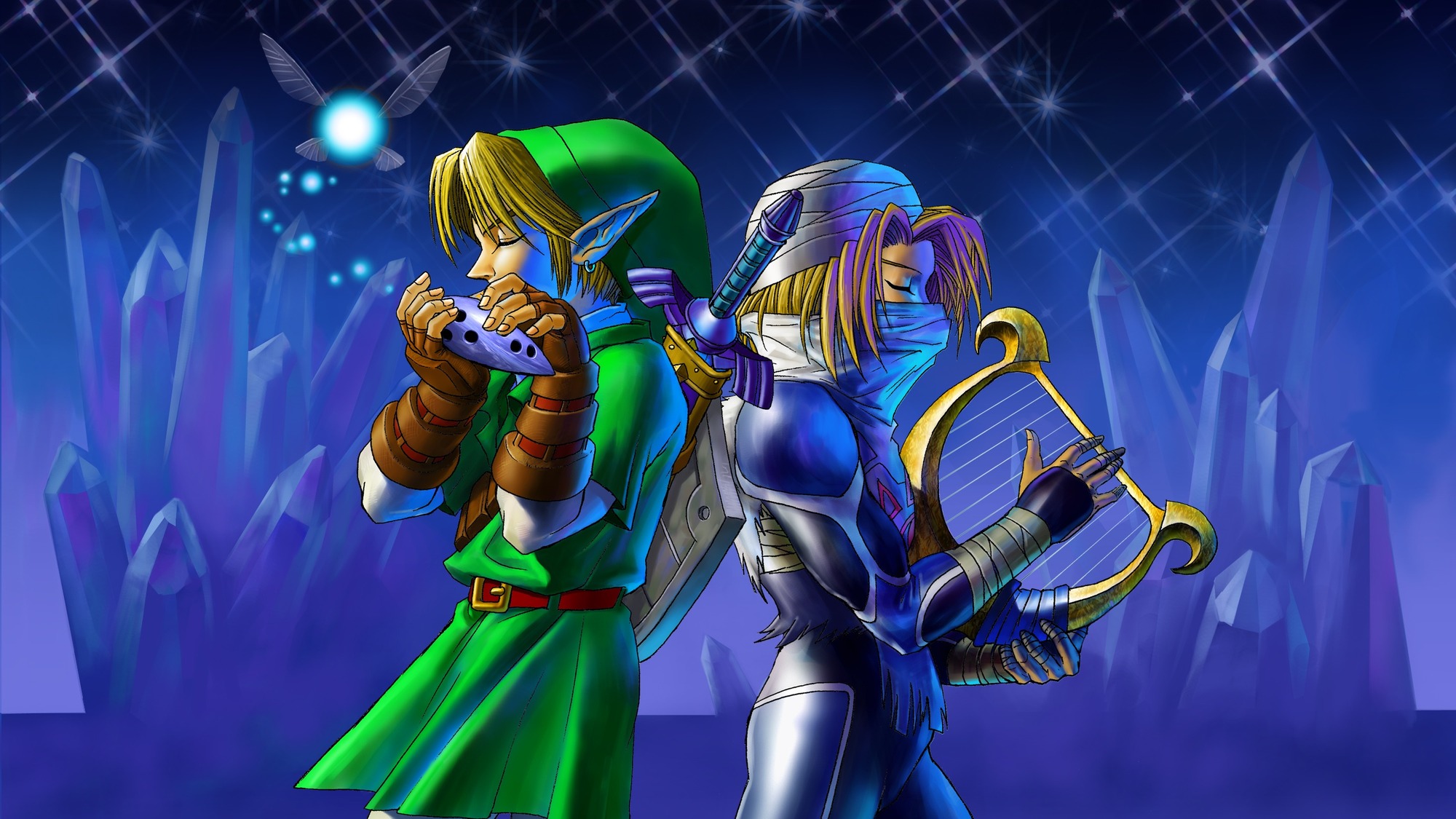
The Legend of Zelda: Ocarina of Time Remains One of Hyrule's Greatest Adventures
Nearly three decades after Link first stepped into Hyrule, Ocarina of Time still captures the magic of a proper Zelda adventure, even if its Nintendo 64 roots are beginning to show.
There's something wonderful about leaving Kokiri Forest for the first time. Link has barely ventured beyond his childhood home, yet the journey ahead promises ancient temples, mysterious characters, and a kingdom far larger than anything he's known. Released in November 1998, The Legend of Zelda: Ocarina of Time brought Nintendo's beloved adventure series into three dimensions, creating a version of Hyrule that would influence Zelda games for decades.
Ocarina of Time still represents some of Nintendo's finest adventure design. Its dungeons are memorable, the characters have genuine personality, and the story gives Link's journey an emotional weight that later entries haven't always matched. The awkward camera controls and occasional frustrations are difficult to ignore today, but the adventure itself has lost surprisingly little of its charm.
Leaving Kokiri Forest Still Feels Like the Beginning of Something Special
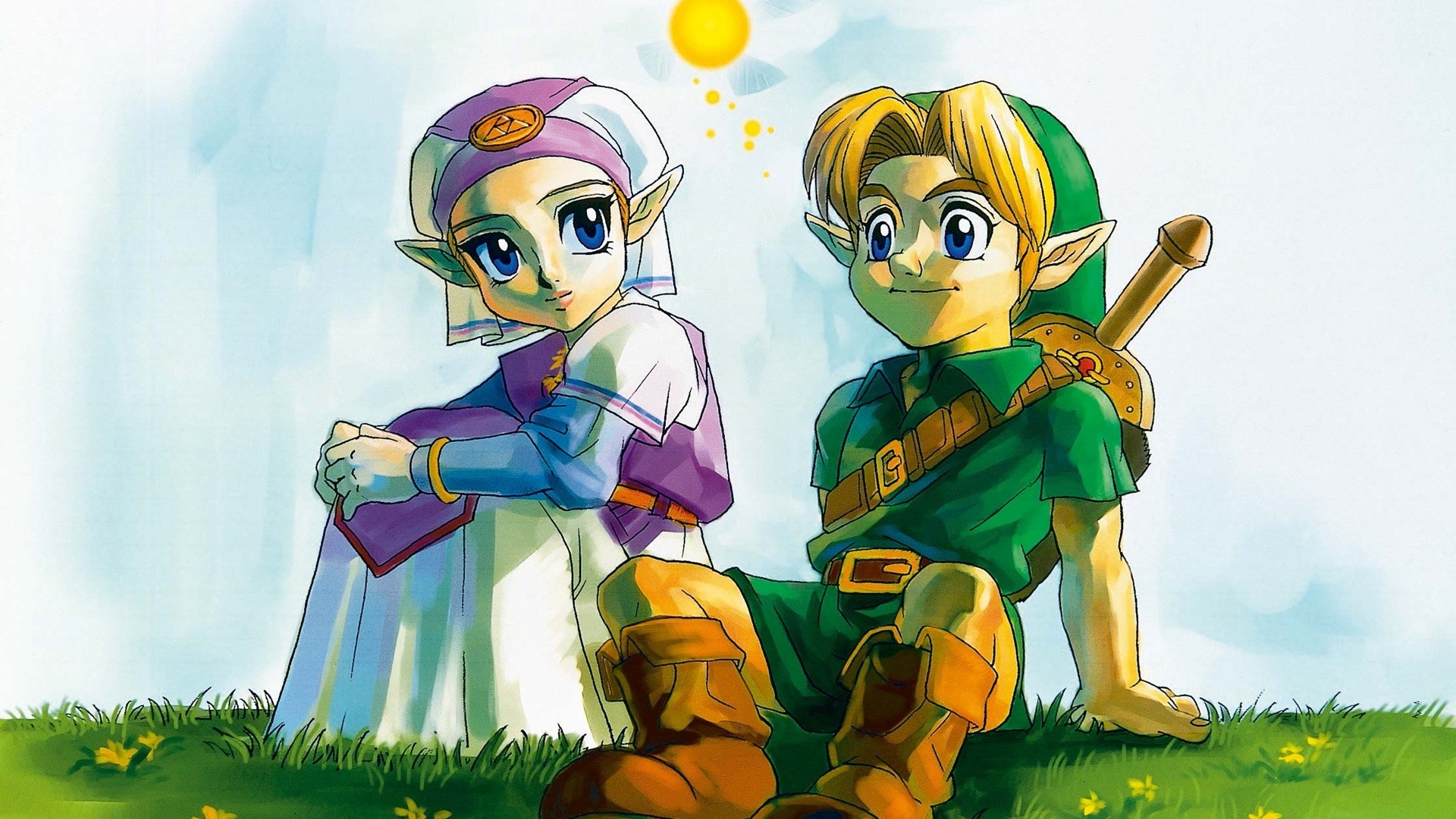
The opening hours introduce Link's familiar sword, shield, and essential equipment while gradually teaching players how to navigate the world. The Great Deku Tree provides an excellent introduction to dungeon exploration, combining straightforward puzzles with enemies and environmental obstacles.
Stepping into Hyrule Field afterward brings a wonderful change of pace. The landscape might seem small compared with modern open worlds, but the distant silhouettes of Death Mountain and Hyrule Castle give the kingdom a sense of possibility. There's something comforting about arriving at Castle Town, hearing its familiar music, and wandering through streets filled with strange little characters.
Becoming an Adult Changes More Than Link's Appearance
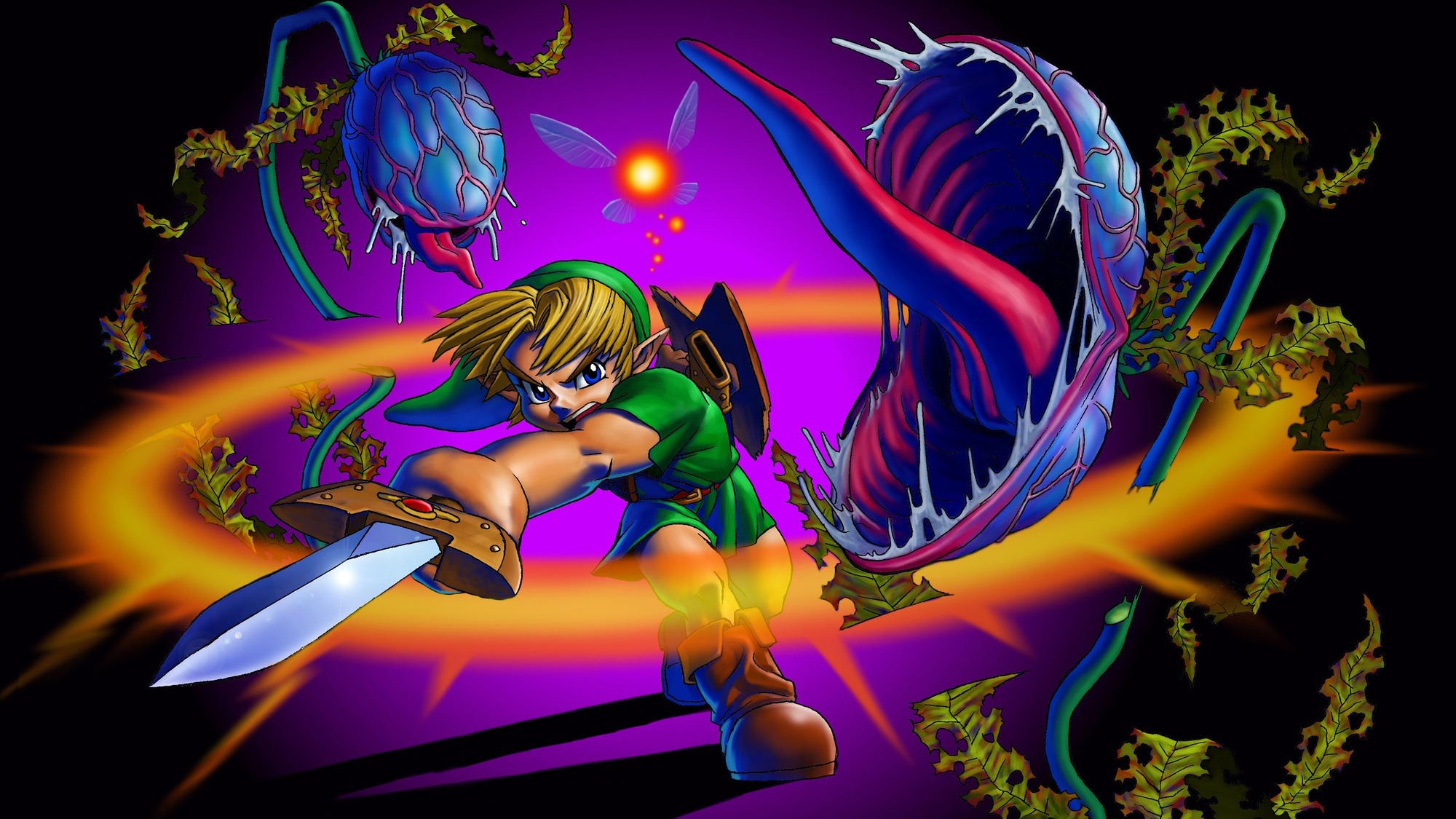
The ability to travel between childhood and adulthood is one of the game's most important ideas. Link's transformation reveals a darker version of Hyrule, where familiar places have changed under Ganondorf's influence.
Returning to previously visited locations as an adult gives the adventure a sense of consequence. Characters have moved on, environments have changed, and places that once felt welcoming become considerably more dangerous.
I appreciate how the story handles this transition without relying on lengthy explanations. The contrast between Hyrule's two periods communicates much of what has been lost, giving Link's mission a personal dimension beyond defeating another villain.
These Are the Zelda Dungeons I Still Want More Of
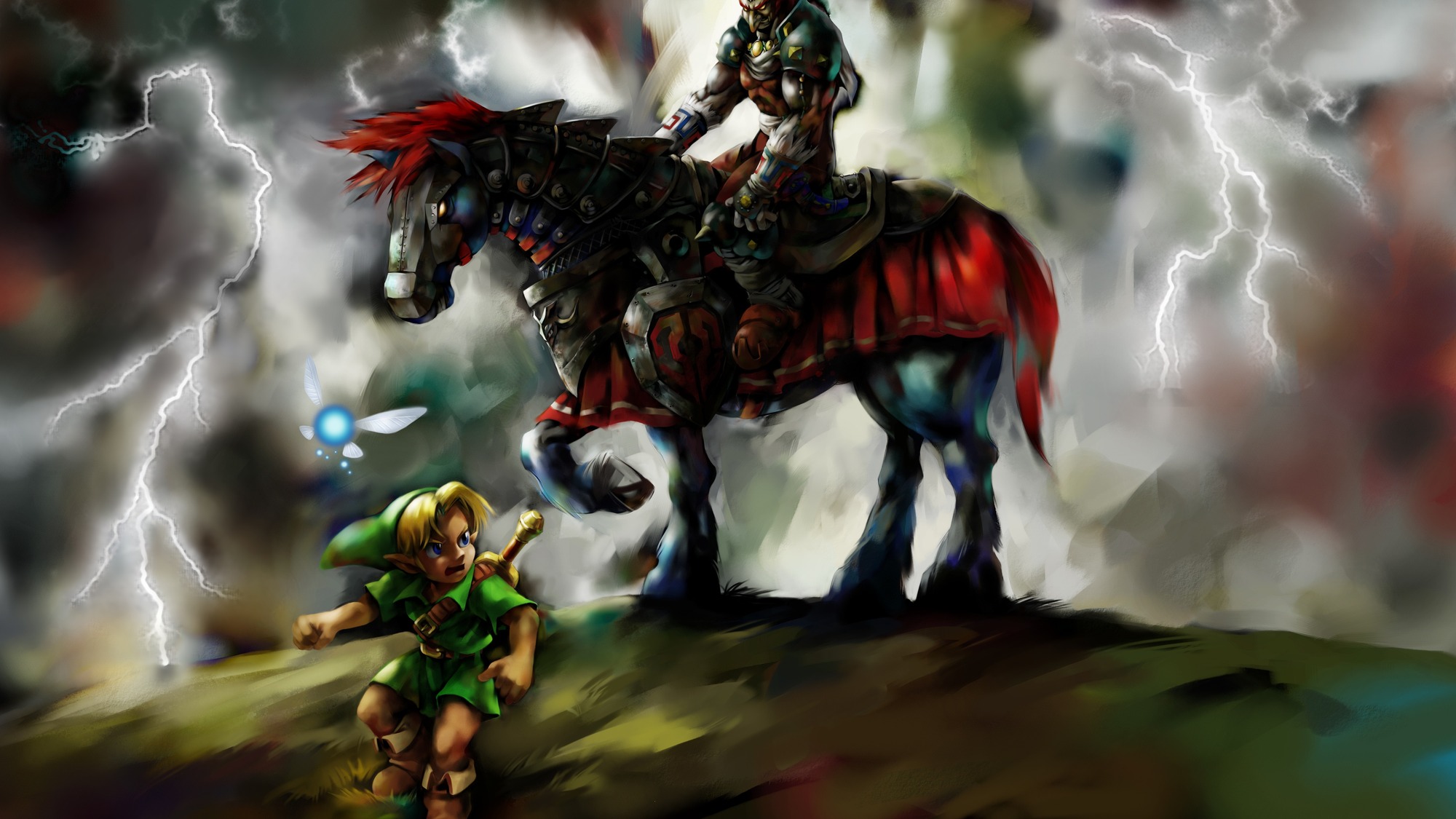
Dungeon design remains Ocarina of Time's greatest strength. Each temple has a distinct atmosphere, enemy selection, and collection of puzzles built around the equipment Link acquires throughout the adventure.
The Forest Temple is especially memorable, with its unsettling corridors, twisting passages, and mysterious inhabitants. The Spirit Temple's use of both young and adult Link is another highlight, taking advantage of the time-travel mechanics in ways that feel central to the adventure.
These locations offer something I occasionally miss in modern Zelda games. Finding a new item changes how the surrounding dungeon works, opening previously inaccessible rooms and gradually revealing its structure. The satisfaction comes from understanding the environment rather than simply reaching another objective marker.
The Water Temple Is Clever, but Those Iron Boots Are a Nightmare
The Water Temple deserves its reputation for confusing players. Its interconnected rooms and changing water levels create an intricate puzzle that requires careful observation and a reasonable sense of direction.
Unfortunately, the original Nintendo 64 version makes navigation more frustrating through constant equipment management. Repeatedly opening the menu to equip or remove the Iron Boots becomes tiresome, particularly when revisiting rooms to adjust the water level.
I think the underlying dungeon is more interesting than its reputation suggests. Later versions improved some of the interface problems, but the original remains an example of how awkward controls can undermine otherwise thoughtful puzzle design.
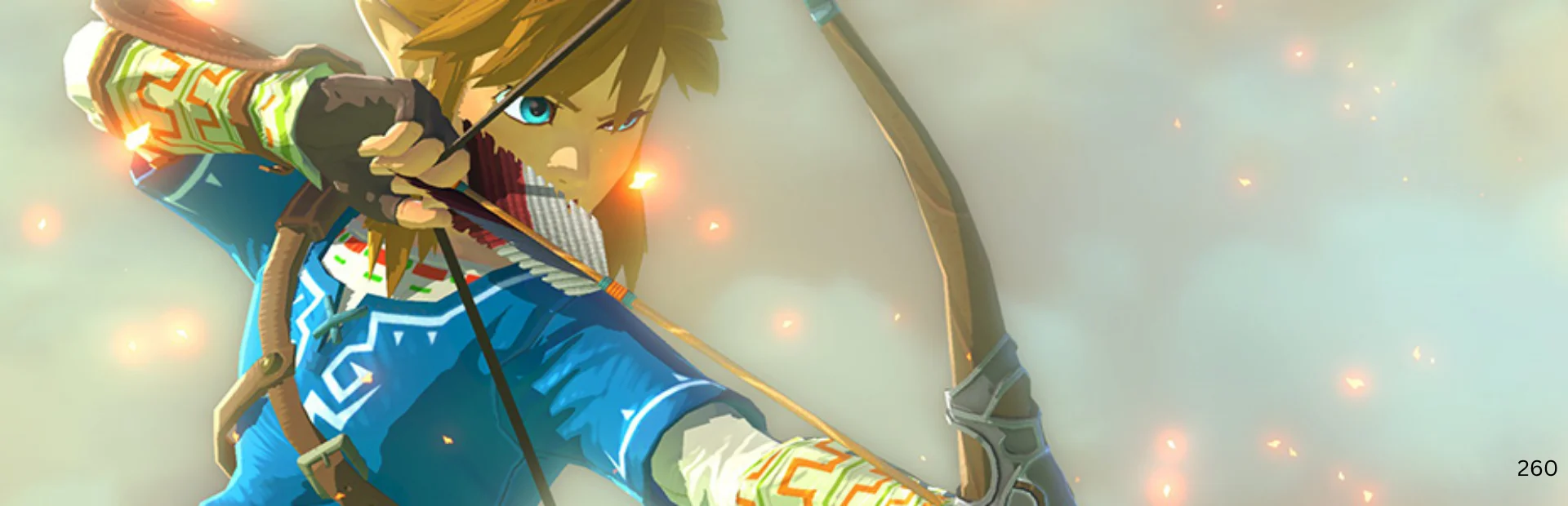
Z-Targeting Changed How Sword Fighting Worked
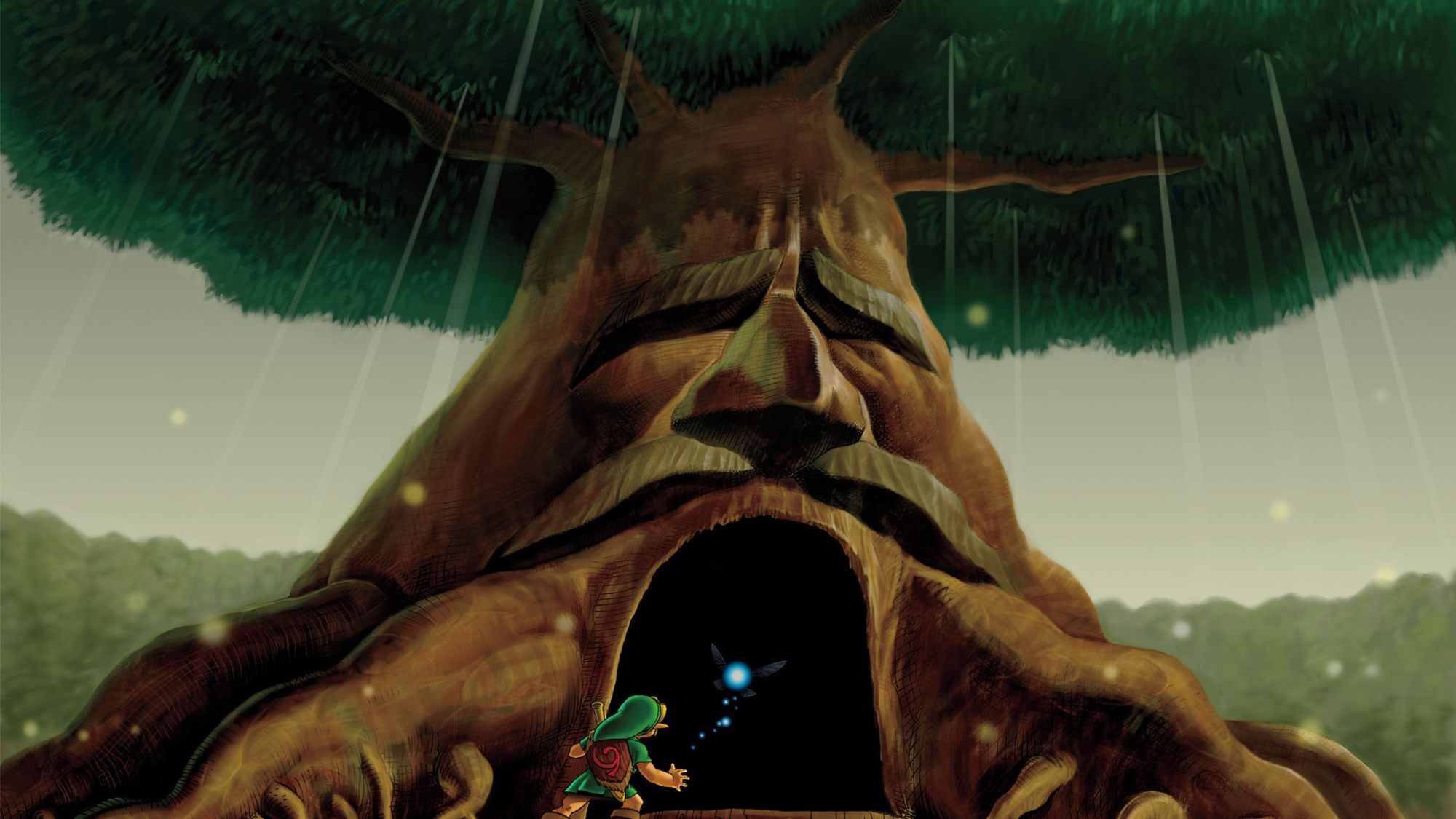
Combat may seem relatively basic today, but Ocarina of Time introduced an important solution to fighting enemies in three-dimensional environments. Z-targeting allows Link to lock onto opponents, keeping them in view while moving, defending, and attacking.
The system makes encounters with enemies like Stalfos and Lizalfos more manageable, encouraging players to observe attacks before responding. Equipment such as the bow, bombs, and Hookshot also creates opportunities to approach enemies differently.
Sword fighting lacks the complexity of later action games, and the original camera occasionally struggles in confined spaces. Nevertheless, the foundation remains enjoyable, particularly during boss encounters that combine combat with environmental puzzles.
Hyrule's Music Still Does Half the Storytelling
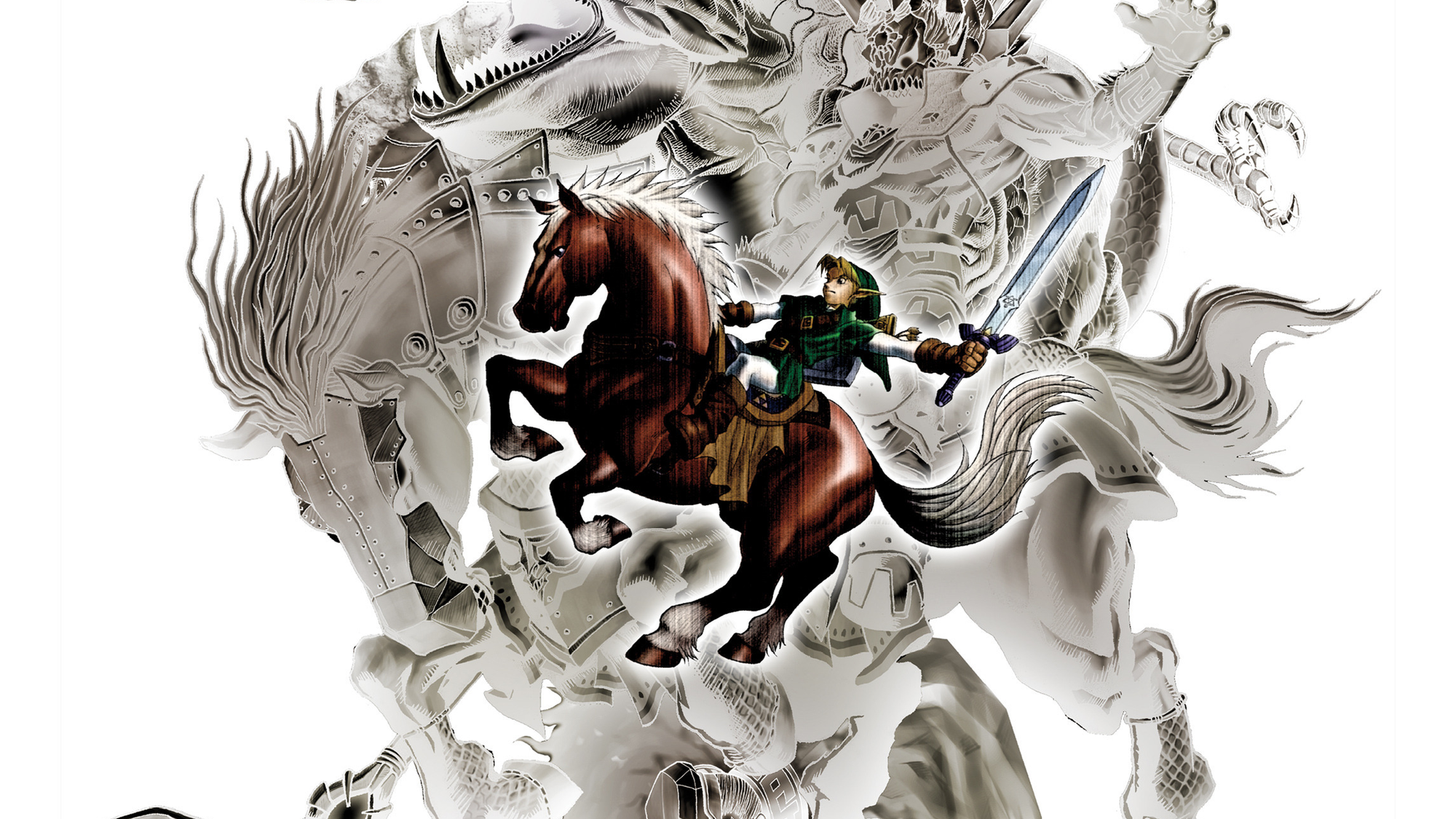
Koji Kondo's soundtrack remains essential to the game's identity. The gentle melody of Kokiri Forest, the lively music of Hyrule Field, and the haunting atmosphere of the Forest Temple give each location a recognizable personality.
The ocarina itself provides an especially clever connection between music and gameplay. Learning songs allows Link to travel, solve puzzles, influence the environment, and interact with characters. Familiar melodies become useful abilities rather than simply background music.
It's difficult to separate Ocarina of Time from these compositions. Even with the original's aging graphics, the music gives Hyrule a warmth and atmosphere that remain easy to appreciate.
Hyrule Is Still Worth Saving After All These Years
The Legend of Zelda: Ocarina of Time remains a wonderful adventure because its dungeons, characters, music, and progression fit together so naturally. The story moves at a confident pace, and each new location offers a meaningful reason to keep exploring.
The original controls require some adjustment, the Water Temple can be tedious, and Hyrule Field feels modest by modern standards. Despite its age and occasional frustrations, Ocarina of Time remains one of the greatest games ever made, and an essential experience for anyone who loves classic adventure games. Its influence is undeniable, but the more important reason to return is that beneath those old Nintendo 64 graphics lies an adventure that's still genuinely enjoyable.

The Legend of Zelda: Ocarina of Time is the fifth main installment of The Legend of Zelda series and the first to be released for the Nintendo 64. It was one of the most highly anticipated games of its age, and is listed among the greatest video games ever created by numerous…
 PC
 Xbox
 PlayStation
 Nintendo
 Steam
 GOG
 Epic Games