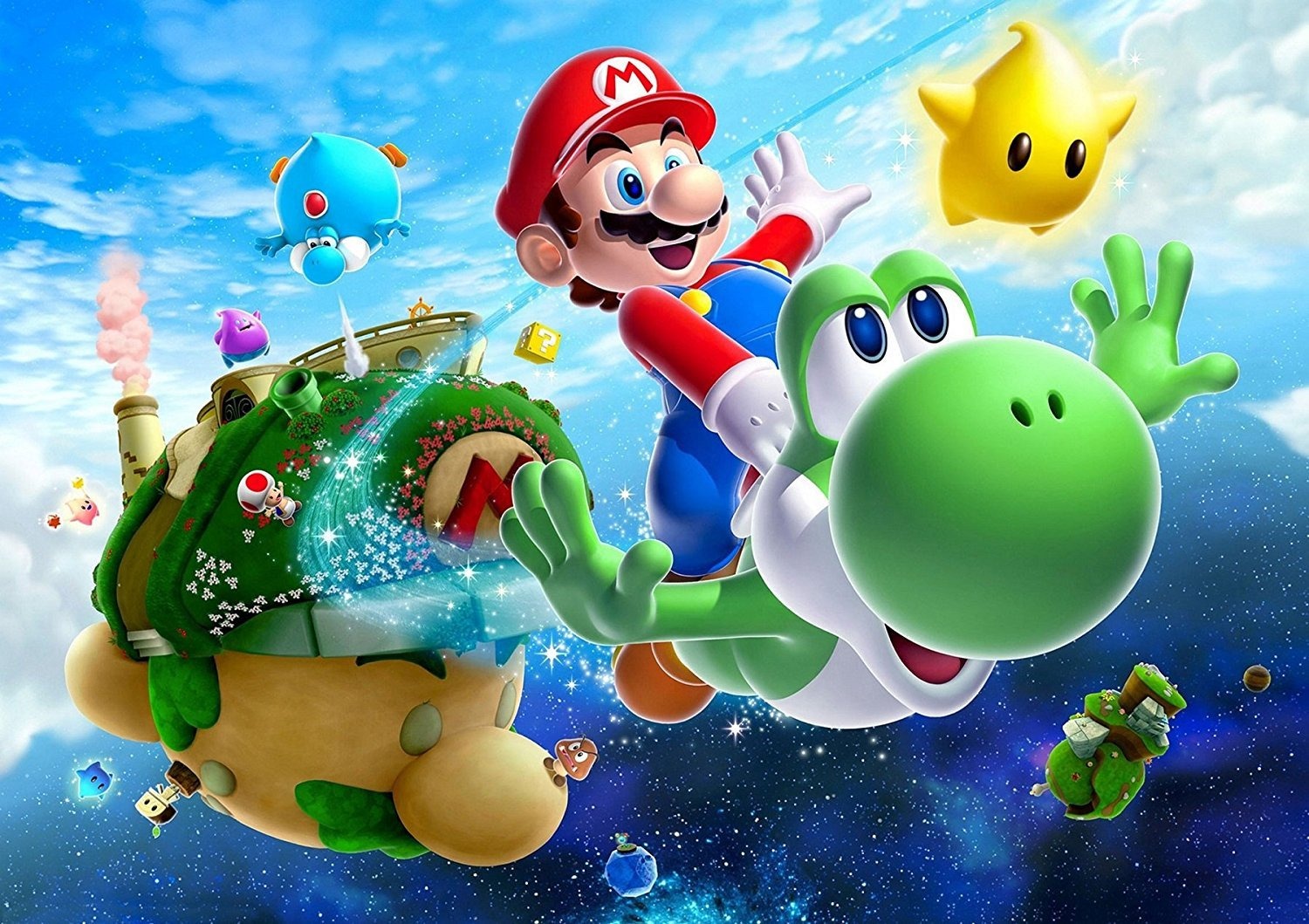
Super Mario Galaxy 2 Keeps Finding New Ways to Turn Mario's World Upside Down
Sixteen years after its Wii debut, Super Mario Galaxy 2 remains a wonderful collection of platforming ideas, where gravity is optional and every new planet has another surprise waiting.
Mario has visited some strange places over the years, but there's something particularly entertaining about running around a tiny planet, jumping off its edge, and landing safely on the other side. Super Mario Galaxy 2, released for the Nintendo Wii in May 2010, builds on the gravity-defying platforming of its predecessor with more challenging levels, unusual power-ups, and the welcome return of Yoshi.
I think Galaxy 2 represents Nintendo's level designers at their most inventive. Almost every galaxy introduces an interesting new idea, experiments with it, and moves on before the novelty disappears. It sacrifices some of the original game's atmosphere and storytelling, but the moment-to-moment platforming is arguably even better.
There's Always Another Galaxy With a Ridiculous New Idea
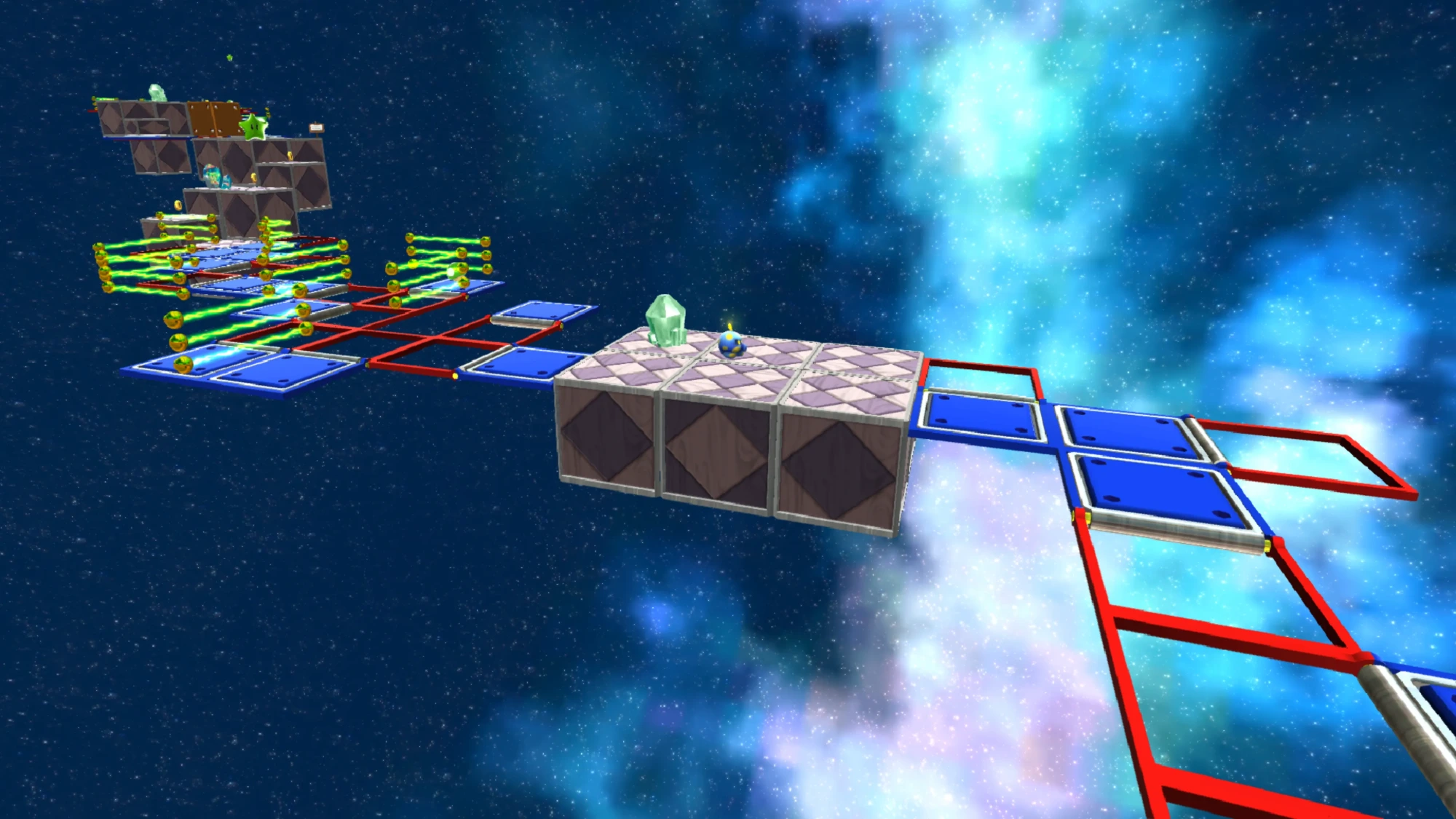
Rather than introducing enormous environments to explore, Galaxy 2 concentrates on shorter levels filled with carefully designed challenges. Each galaxy has its own collection of obstacles, enemies, and unusual mechanics.
Flip-Swap Galaxy, for example, features platforms that change whenever Mario performs a spin attack. A movement normally used for attacking enemies suddenly becomes part of navigating the level, requiring players to think carefully about when to use it.
Other stages experiment with changing gravity, rotating platforms, moving obstacles, and traditional 2D platforming. I appreciate how quickly these mechanics are introduced and developed. The game rarely spends too long explaining an idea when jumping into the challenge is considerably more entertaining.
Gravity Is Still Mario's Most Entertaining Enemy
The original Super Mario Galaxy made planetary gravity central to its platforming, and the sequel finds plenty of new ways to exploit it. Mario can run around small spherical worlds, jump between different gravitational fields, and occasionally find himself walking along walls or ceilings.
The camera generally manages these changes surprisingly well, although certain transitions can become disorienting. Moving between surfaces with different orientations sometimes makes judging a jump harder than it should be.
Nevertheless, the gravity mechanics provide an enormous amount of variety. A familiar platforming challenge becomes completely different when the ground curves away beneath Mario's feet or an unexpected gravitational pull changes the direction of his movement.
Yoshi Makes Everything Better, Especially When He's Eating Things
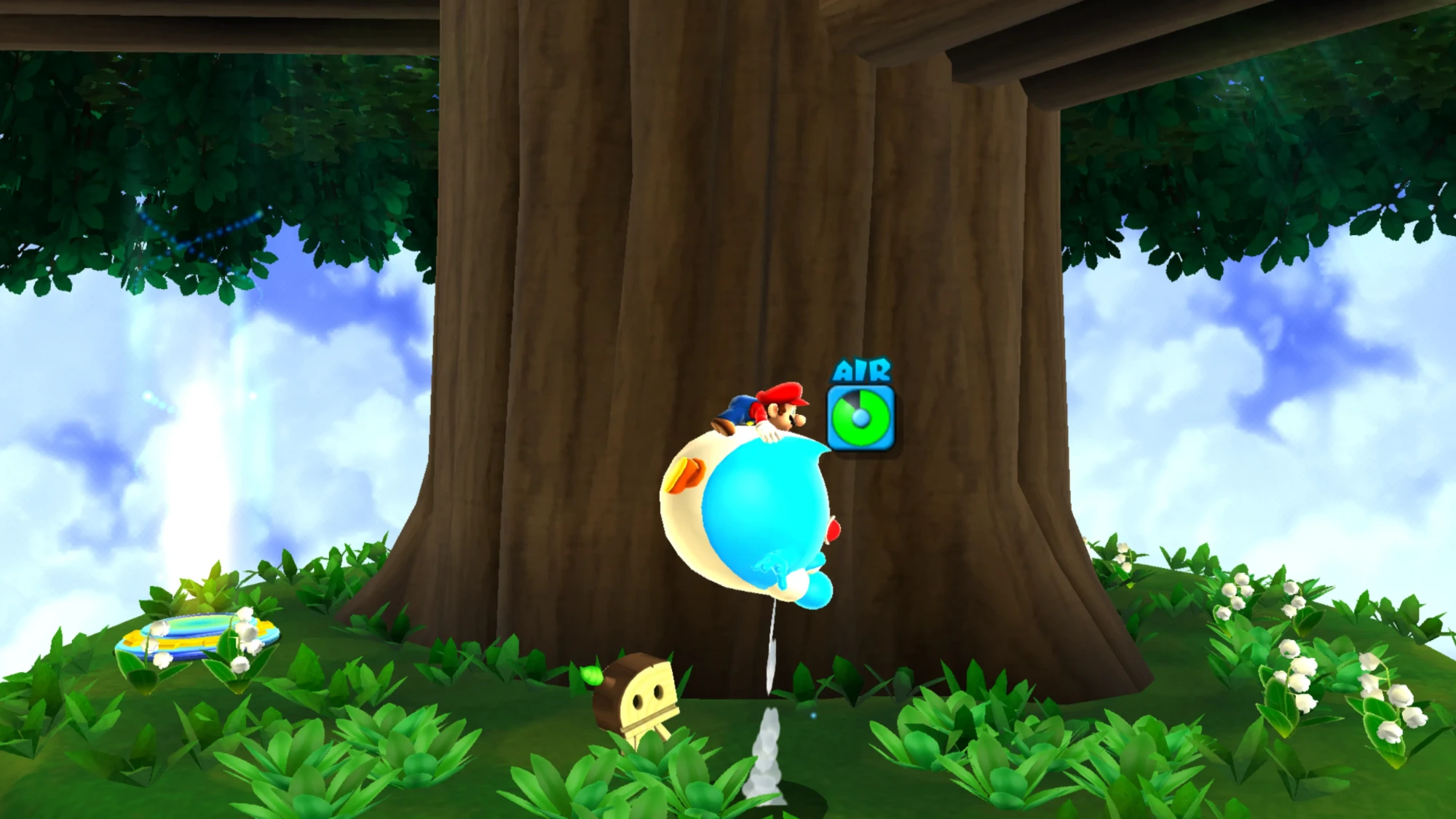
Yoshi returns with several abilities that make him more than another means of transportation. His tongue can grab enemies, collect objects, and latch onto floating flowers to swing across gaps.
Special fruits introduce additional transformations. Dash Yoshi can sprint across water and steep slopes, Blimp Yoshi inflates to float through the air, and Bulb Yoshi illuminates hidden platforms.
I like how these abilities change the pace of individual stages without replacing Mario's familiar movement. Yoshi's transformations create memorable challenges, although aiming his tongue with motion controls can be awkward during more demanding sections.
Cloud Mario Might Be One of His Best Power-Ups
Galaxy 2 introduces some wonderfully unusual transformations. Cloud Mario can create temporary platforms beneath himself, turning large gaps into opportunities for creative movement. The limited number of clouds makes planning important, particularly when reaching difficult collectibles.
Rock Mario offers a completely different experience, allowing Mario to roll through enemies and obstacles with considerable force. The Spin Drill is another clever addition, letting him burrow through planets and emerge on the opposite side.
These power-ups give individual levels a strong identity. Some appear only briefly, but I prefer that approach to repeatedly using the same abilities across an entire adventure.
Finding Every Power Star Is Where the Real Challenge Begins
The main campaign is approachable, although the difficulty increases considerably in later worlds. Precise jumps, moving platforms, and demanding enemy encounters gradually require more concentration.
Prankster Comets introduce additional challenges, including timed missions and difficult variations of existing levels. Collecting the regular Power Stars also opens the way to hunting hidden Green Stars, giving experienced players another reason to revisit familiar galaxies.
The enormous collection of optional challenges provides substantial replay value, but the difficulty can become frustrating. Some later levels leave very little room for mistakes, and occasional camera problems make precise jumps more demanding than necessary.
I appreciate that the hardest content is largely optional. Newcomers can enjoy the main adventure, while experienced players have plenty of opportunities to test their platforming skills.
Starship Mario Isn't Quite the Comet Observatory
One area where the sequel feels less memorable is its central hub. Starship Mario, a cheerful vessel shaped like Mario's head, replaces the original game's Comet Observatory.
It's convenient and easy to navigate, but it lacks some of the atmosphere associated with Rosalina and her mysterious home among the stars. The simplified world map makes progressing between galaxies straightforward, although it also removes some of the original's sense of discovery.
The orchestral soundtrack helps compensate, mixing familiar Mario melodies with energetic new compositions. Combined with the colorful environments and constantly changing levels, the presentation has aged remarkably well.
Mario's Second Trip Across the Stars Is Still Worth Taking
Super Mario Galaxy 2 remains one of Nintendo's strongest 3D platformers because its level design rarely runs out of ideas. Yoshi, creative transformations, and gravity-based challenges provide an excellent variety of obstacles without losing the satisfying simplicity of Mario's movement.
Galaxy 2 occasionally stumbles with its camera and unforgiving challenges, and it never quite captures the atmosphere of the original. But when it comes to inventive level design and the sheer joy of platforming, few games can match what Nintendo achieved here. The enhanced Nintendo Switch release also provides a more convenient way to revisit the adventure, but the original design needs little improvement. Mario has traveled across plenty of worlds, yet this remains one of his most entertaining journeys.
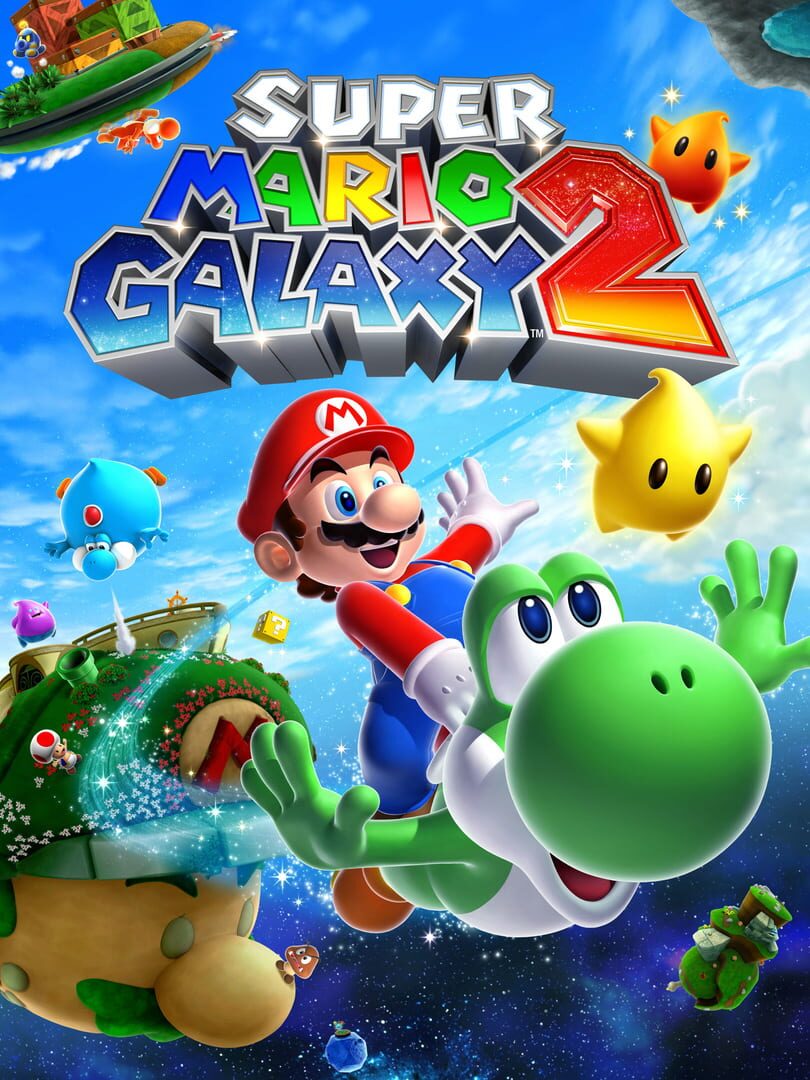
Super Mario Galaxy 2 is the sequel to Super Mario Galaxy and the fourth 3D platformer entry in the Mario franchise. The sequel retains many elements from its predecessor, such as the adventure being in outer space, the element of gravity, and recurring objects such as Launch…


