The 12 Best Sandbox Games
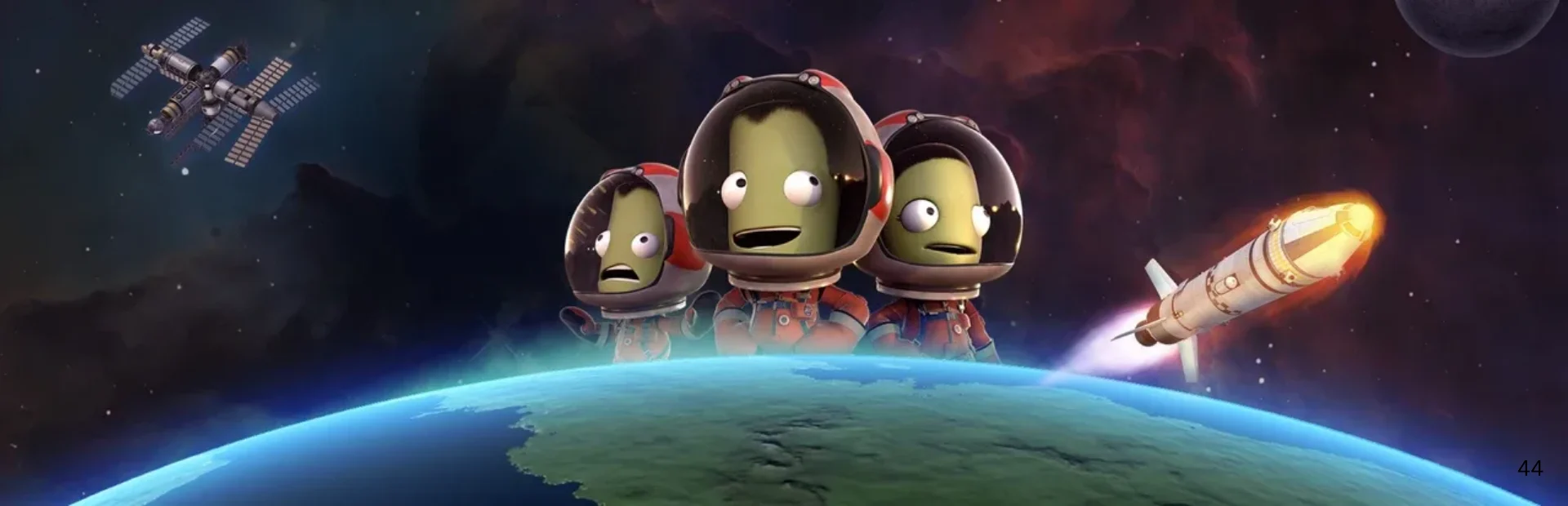
From Minecraft and Terraria to Factorio and Kerbal Space Program, these are the best sandbox games for building, exploration, survival, and freedom.
Sandbox games promise freedom, but the best ones give that freedom shape. Their worlds respond when you knock down a wall, reroute a production line, or build a machine that works for reasons the game never explicitly taught you. That responsiveness keeps personal projects interesting long after the main objectives have been cleared.
The games in this ranking approach the idea from very different directions, ranging from stealth missions and orbital engineering to colony management and block building, yet each gives the player enough control to create solutions and disasters worth remembering. Their current quality matters more than map size or historical reputation alone.
12. Teardown
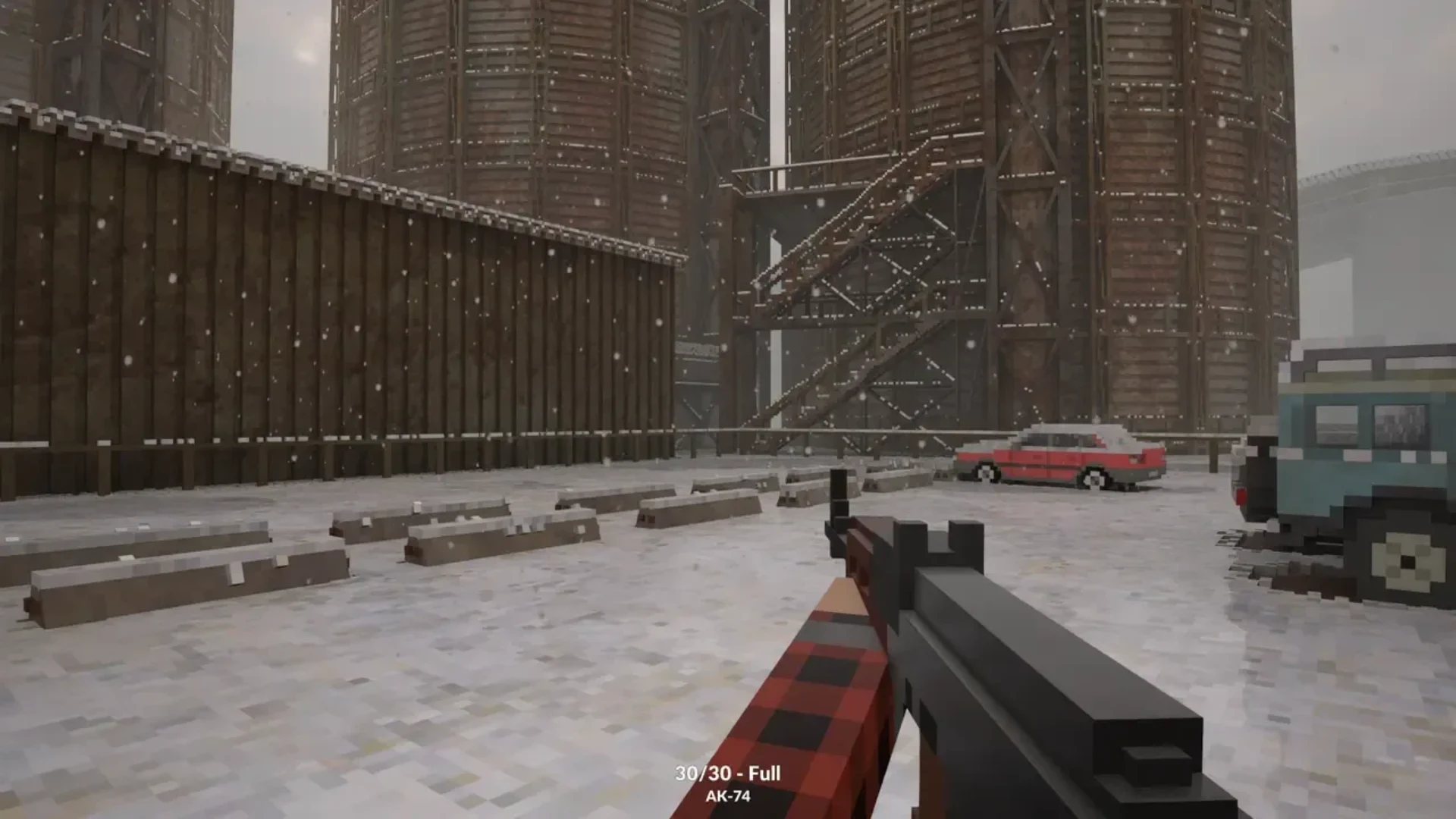
Teardown gives you robberies and demolition jobs inside buildings that can be broken almost anywhere. Before the alarm starts, you smash openings through walls and position trucks or planks so several objectives fit into one fast route. Every hole remains where you made it, turning destruction into careful preparation instead of empty spectacle.
The campaign is exhilarating when a shortcut saves seconds, although its timers sometimes discourage the experimentation the technology invites. Sandbox Mode and Workshop creations remove the countdown, giving experiments room to breathe.
The 2026 PC update adds multiplayer, but consoles remain solo and the illusion suffers when collapses hurt performance or buildings balance on tiny fragments.
11. Hitman World of Assassination

Hitman World of Assassination is a stealth game about studying crowded locations and eliminating targets without exposing Agent 47. Every disguise changes your access and who becomes suspicious, so learning the location matters as much as carrying the right weapon. In Sapienza, a cook's uniform provides kitchen access, where poisoning a meal avoids a public confrontation.
Mastery rewards repeat visits with new starts and equipment, and Freelancer turns familiar maps into campaigns where failure costs gear. Mission Stories can reduce discovery to following instructions, and mandatory online progression remains difficult to defend. Confusing editions also make the complete package harder to buy than it should be.
10. No Man's Sky
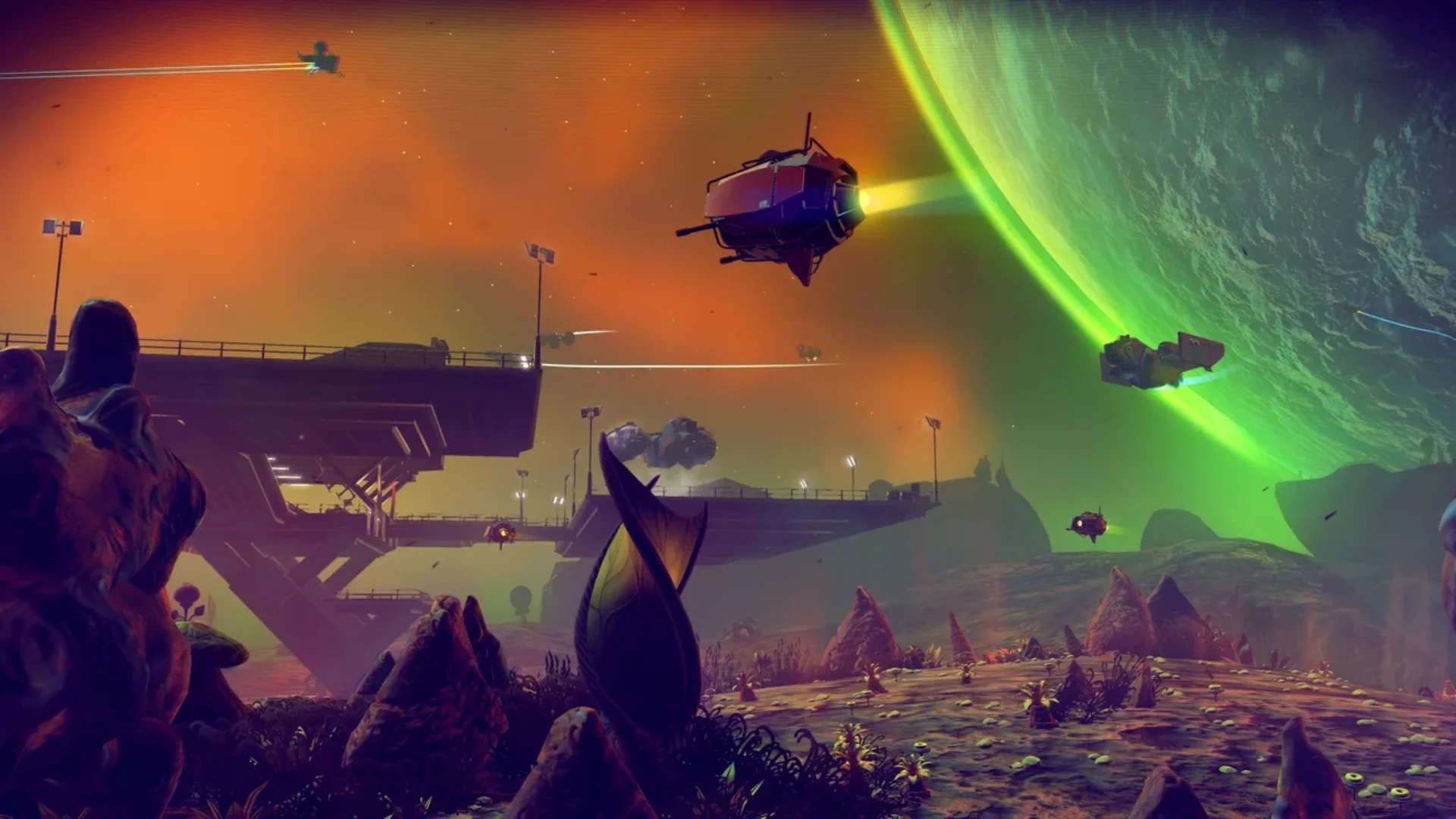
The first planet in No Man's Sky gives you a problem before it offers freedom. Your ship is broken, and every repair begins by cutting resources from the landscape. Once the engines work, that survival routine becomes a reason to explore.
A moon may become home because its cliffs suit the base you want to build, and its materials fund the next journey. Years of updates have given those journeys more direction through cooperative expeditions and better construction. The galaxy still relies on familiar buildings and resource routines.
Exploration remains absorbing when it serves a personal project, but repeated discoveries gradually weaken its sense of possibility.
9. Kerbal Space Program
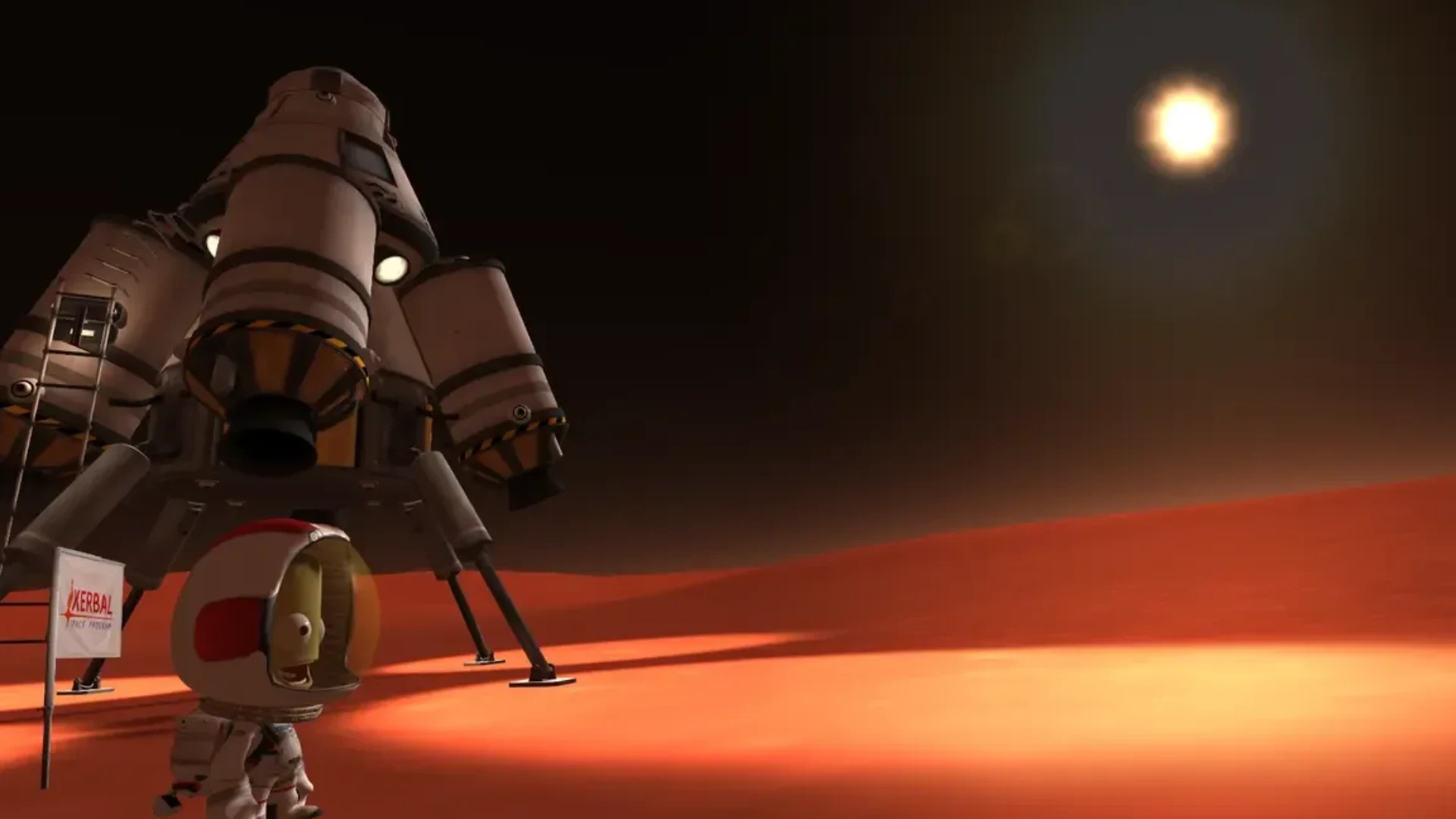
A rocket that flips seconds after launch provides a useful Kerbal Space Program lesson. Misplaced fins or an overpowered engine may be responsible, so the next attempt begins with a change in the assembly building. Reaching orbit demands more than a taller rocket. You must turn sideways and gain enough speed to keep falling around the planet, a strange idea that becomes understandable through experimentation.
Science Mode gives those attempts useful progression and can eventually carry a crew to the moon. The interface still explains too little, and complex vessels expose physics problems or poor performance. Even so, failure remains productive because it teaches you how to build the next version.
8. Dwarf Fortress
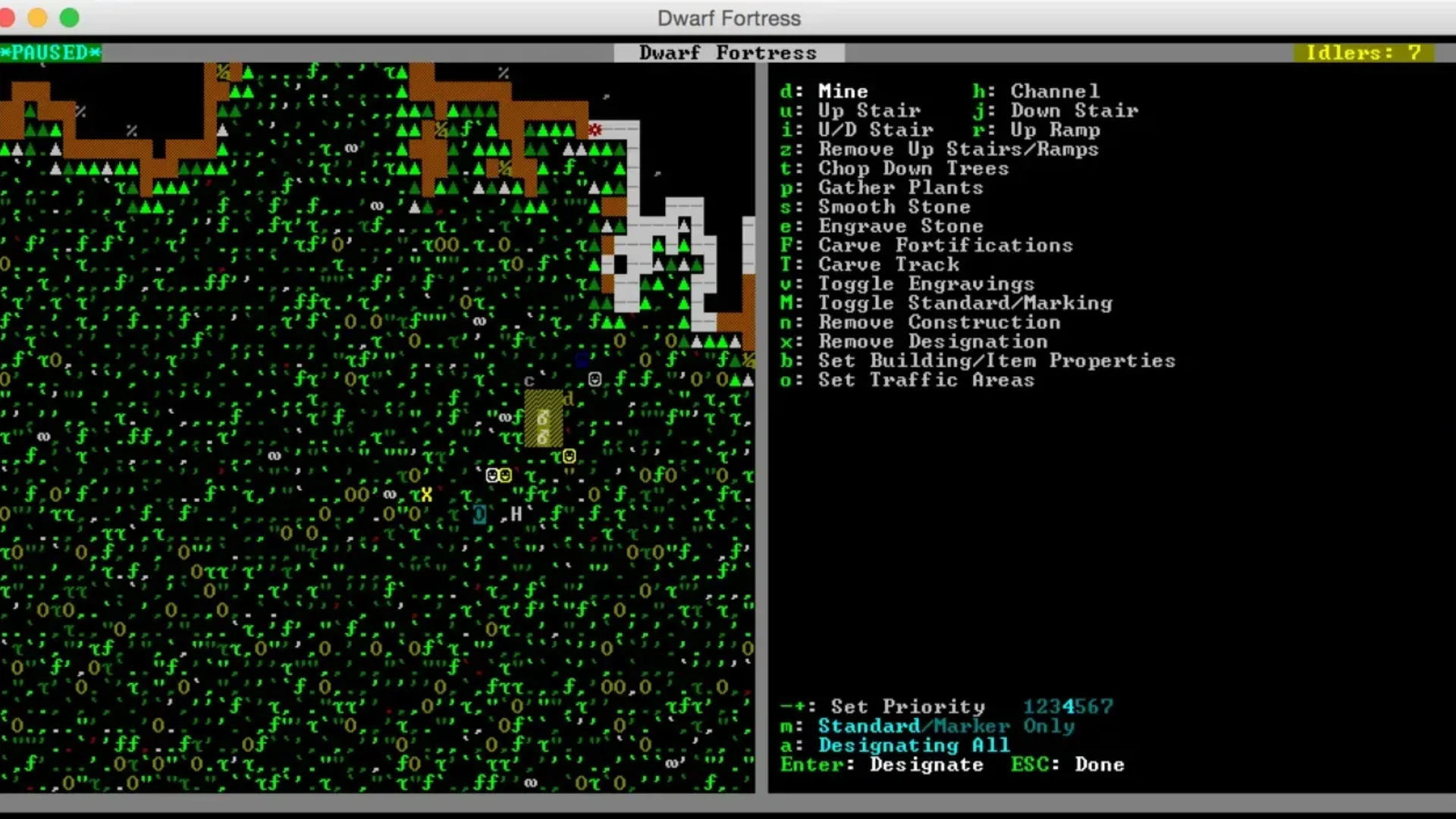
A new fortress can be ruined by a channel dug one tile too far. If a miner breaks into a reservoir, water may reach the food stores before the doors can be sealed. The shortage affects every dwarf differently because their work and personal needs continue beyond your direct orders. Recovering from that flood can create a more interesting history than executing the original plan perfectly.
The generated world places these accidents among old conflicts and civilizations, giving each settlement context before construction begins. The Steam edition makes the simulation easier to read, yet it still requires patience and outside guidance. Large fortresses also slow down just as their stories become most complicated.
7. Satisfactory
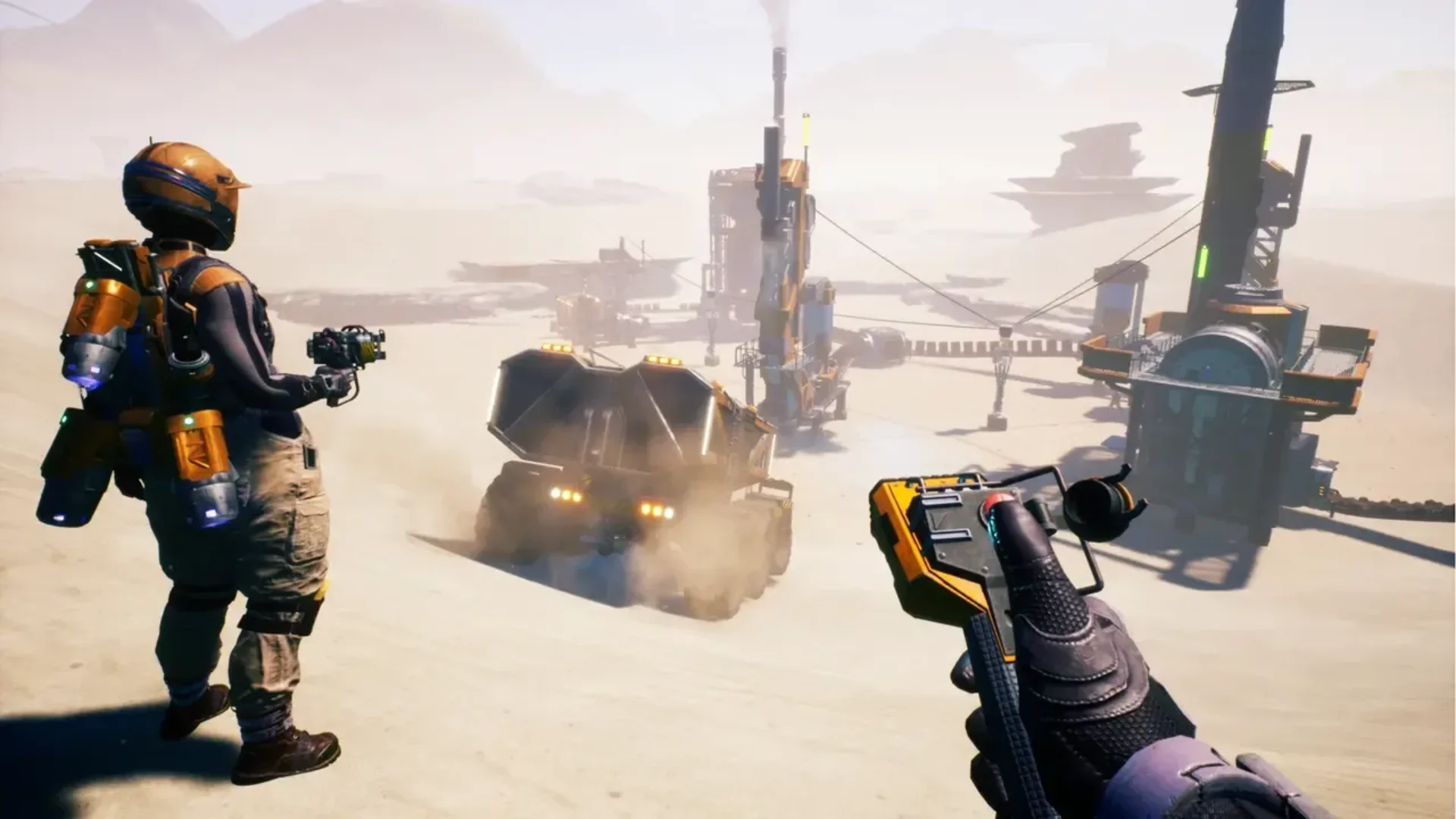
The first iron plates in Satisfactory are made by hand, and that inconvenience suggests what should be automated. A miner feeds ore into a smelter, which supplies a constructor until repetitive work becomes a production line.
Progress soon forces you to reconsider that arrangement. Coal power needs water from another part of the map, so a factory grows into a network of pipes and belts.
Trains connect distant resources and friends can divide construction in cooperative play. Each milestone is satisfying because it changes the scale of the work instead of increasing a number. Some late requirements abandon that strength and mainly demand larger quantities, and the weak combat adds little to the building.
6. The Legend of Zelda Tears of the Kingdom
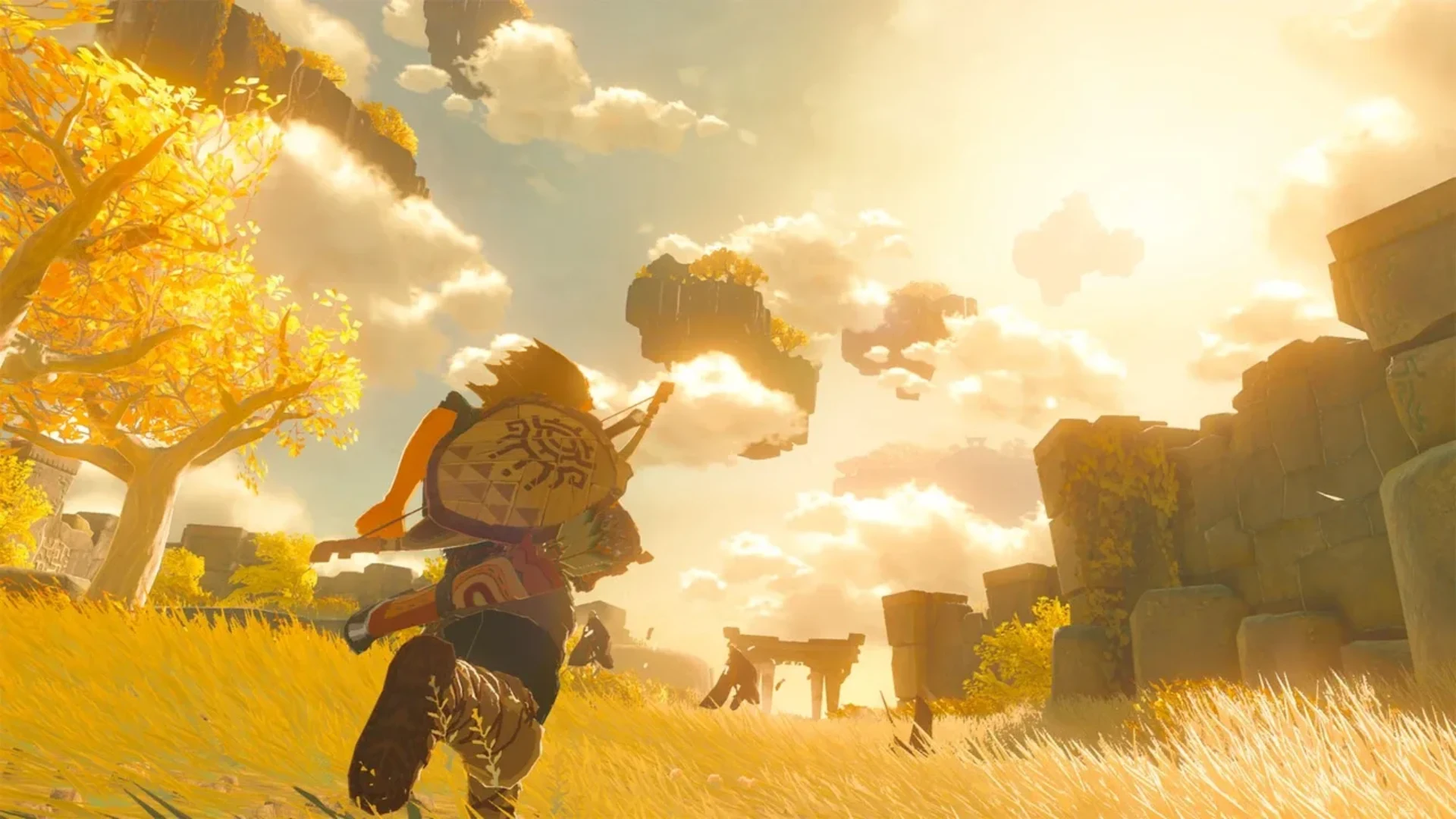
Link returns to Hyrule with powers that make every loose object useful. To cross a lake, you can attach fans to a wooden platform and steer the boat toward the opposite shore. If it drifts away before you board, Recall brings it back. Fuse extends the same improvisation to combat by turning weapons into tools suited to the enemy ahead.
Shrines and camps support solutions that feel discovered rather than prescribed, giving parts of Hyrule a new purpose. Building loses some appeal when repeated menu use interrupts a complicated design, especially since most creations disappear quickly. The Depths also repeat too many camps, but the central powers make experimentation worthwhile throughout the adventure.

5. Factorio
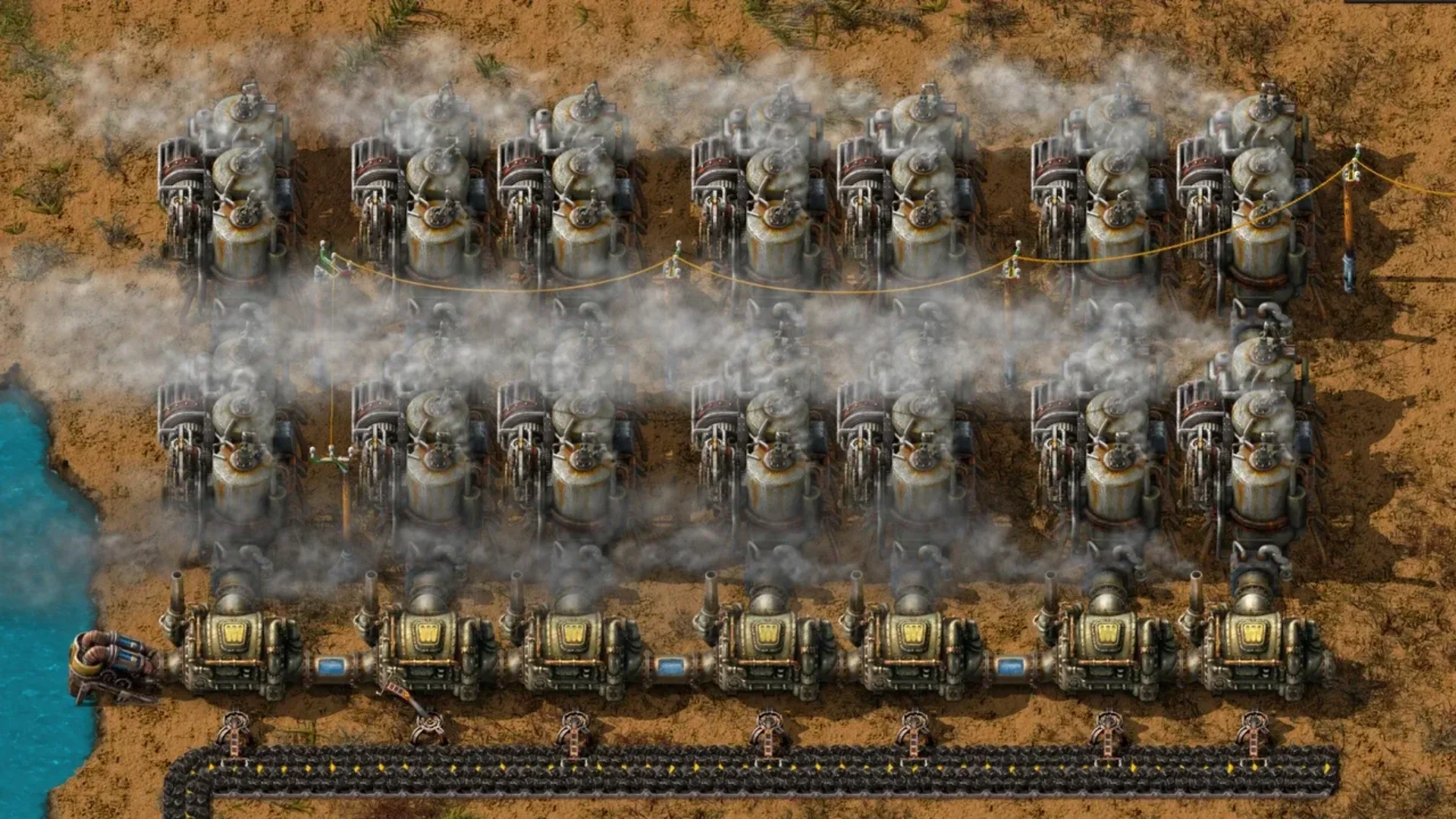
An iron shortage in Factorio rarely affects a single machine. When one belt stops supplying gears, research slows and dependent lines expose another weakness. Fixing it may require a mining outpost and trains that deliver ore without blocking existing routes. More production spreads pollution, which attracts stronger attacks and ties factory growth directly to defense. Automation becomes rewarding because a successful design solves several connected problems at once.
Cooperative play lets a group divide the work, and Space Age extends this thinking across planets. The dense interface takes time to understand, and the emphasis on efficiency gives decorative builders less freedom than the mechanical depth initially suggests.
4. Garry's Mod
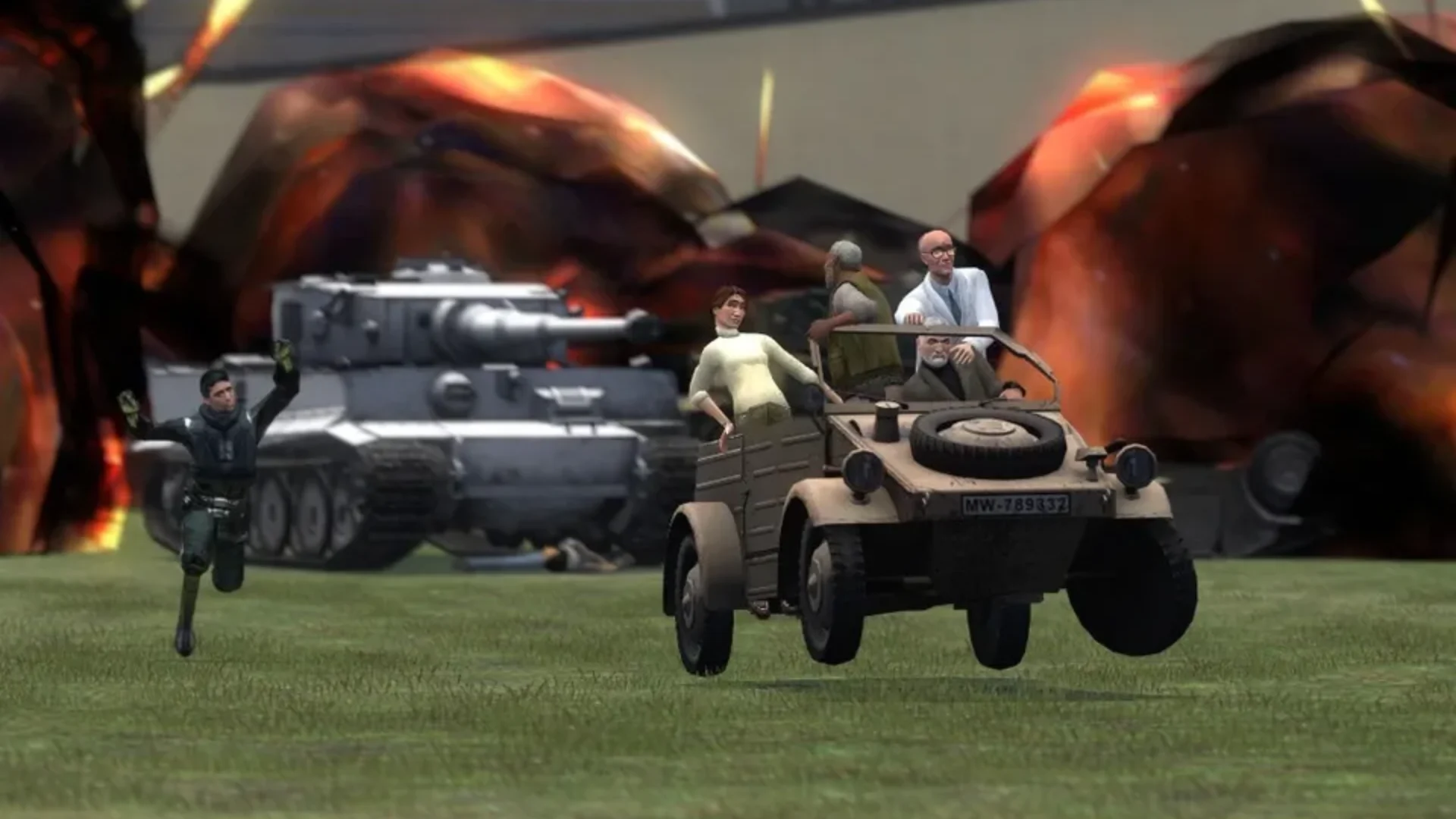
A bathtub is as sensible a starting point as anything in Garry's Mod. Add wheels and thrusters with the tool gun, then place the result on the road using the physics gun. The first version may spin or fall apart, but adjusting its joints turns failure into a construction problem. Because the game supplies objects and physical rules without setting an objective, players can decide what those tools are for.
The community used that freedom to create modes such as Trouble in Terrorist Town and Prop Hunt. That dependence on community work is also its weakness. The interface feels old and Workshop additions often conflict. Poorly managed servers can be unpleasant places to learn.
3. RimWorld
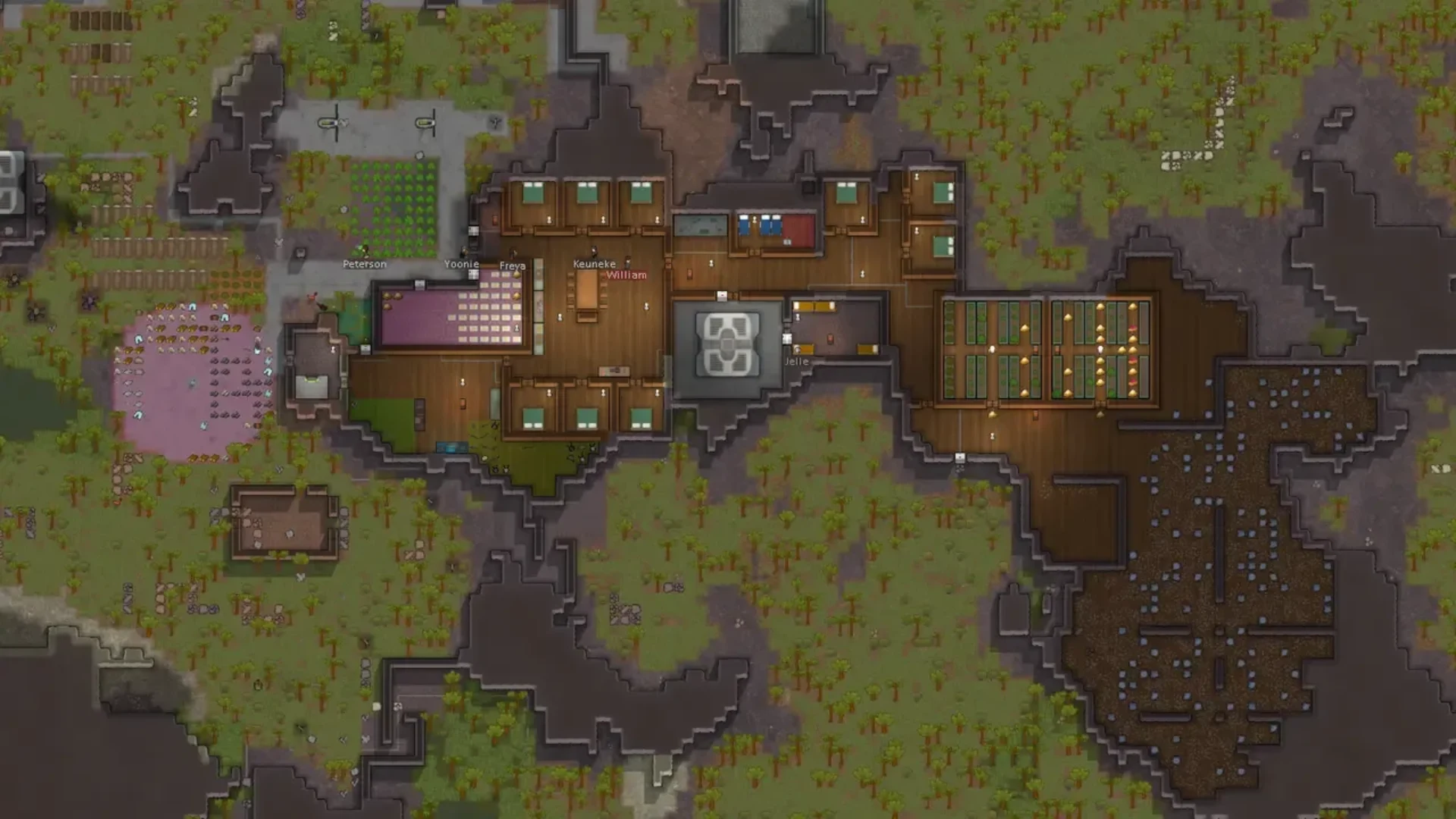
A RimWorld colony often starts collapsing before the raiders arrive. One missed harvest leaves too little food for winter, and hunger sends the doctor into an argument that ends with an injury.
By the time the attack begins, personal failures have already changed the defensive plan. You decide where colonists work and how the settlement grows, but their traits and relationships determine how well those orders survive pressure. Different storytellers change the pace of disasters, giving each new colony a distinct rhythm.
Managing priorities becomes exhausting once the population grows, and colonists sometimes feel more like connected statistics than convincing people. Even so, ordinary decisions combine into histories that few management games can match.
RimWorld
A sci-fi colony sim driven by an intelligent AI storyteller. Generates stories by simulating psychology, ecology, gunplay, melee combat, climate, biomes, diplomacy, interpersonal relationships, art, medicine, trade, and more.
Released
October 17, 2018
Developer
Ludeon Studios
Publisher
Ludeon Studios


2. Terraria
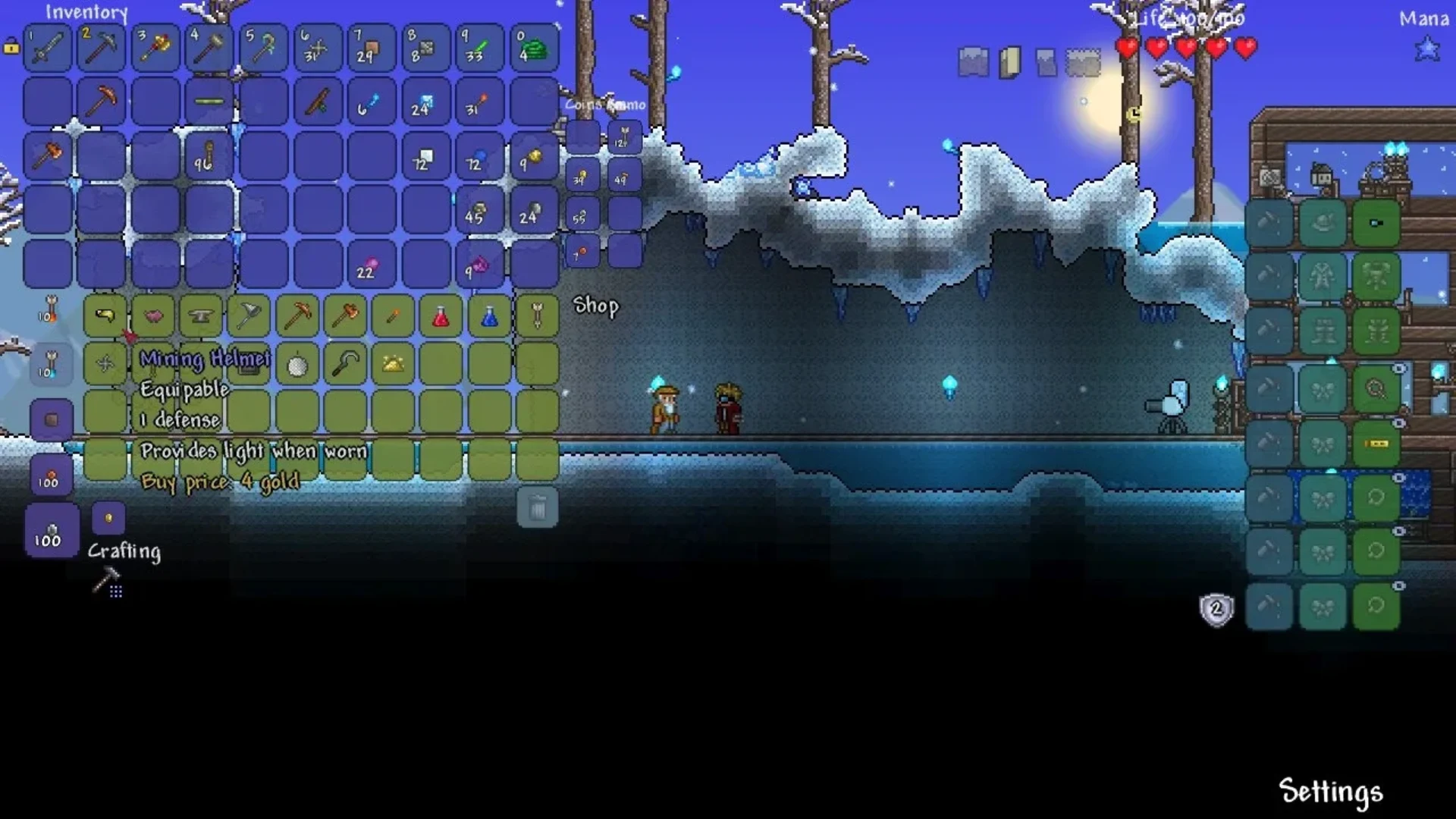
Digging for ore in Terraria gradually prepares you for enemies that cannot be beaten through equipment alone. Before facing a boss, you might flatten a hillside and build rows of platforms so there is room to dodge its attacks.
Campfires around the arena improve recovery, turning construction into part of combat. Victory opens new areas whose materials support stronger weapons and larger homes for useful residents. A different weapon class changes those battles on a later run, and friends can divide exploration from building in cooperative worlds.
Crafting recipes and crowded inventories are difficult to manage without outside help. Boss requirements also restrict progression, but they give this broad sandbox a satisfying sense of momentum.
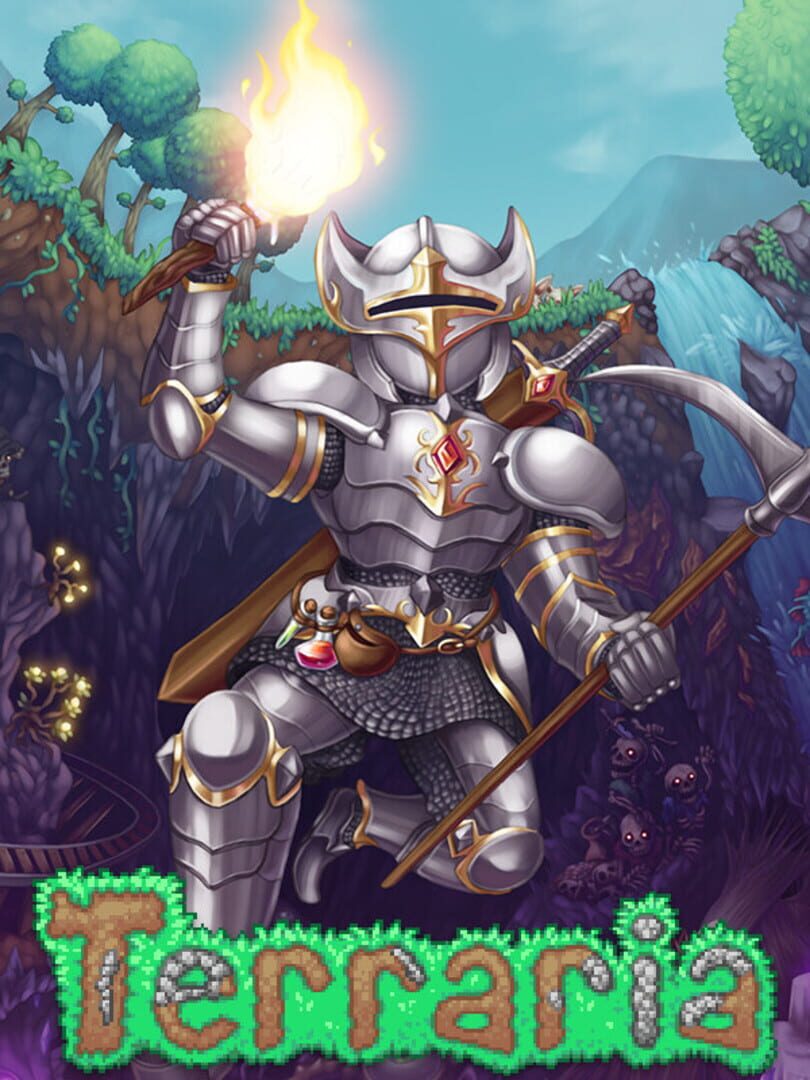
Terraria is a 2D sandbox action-adventure game with platforming and role-playing elements. Players create a character and are placed in a procedurally generated world where they mine resources, craft equipment, build structures, and fight enemies. Progression is driven by defeati
Released
May 16, 2011
Developer
Re-Logic
Publisher
Headup Games
1. Minecraft
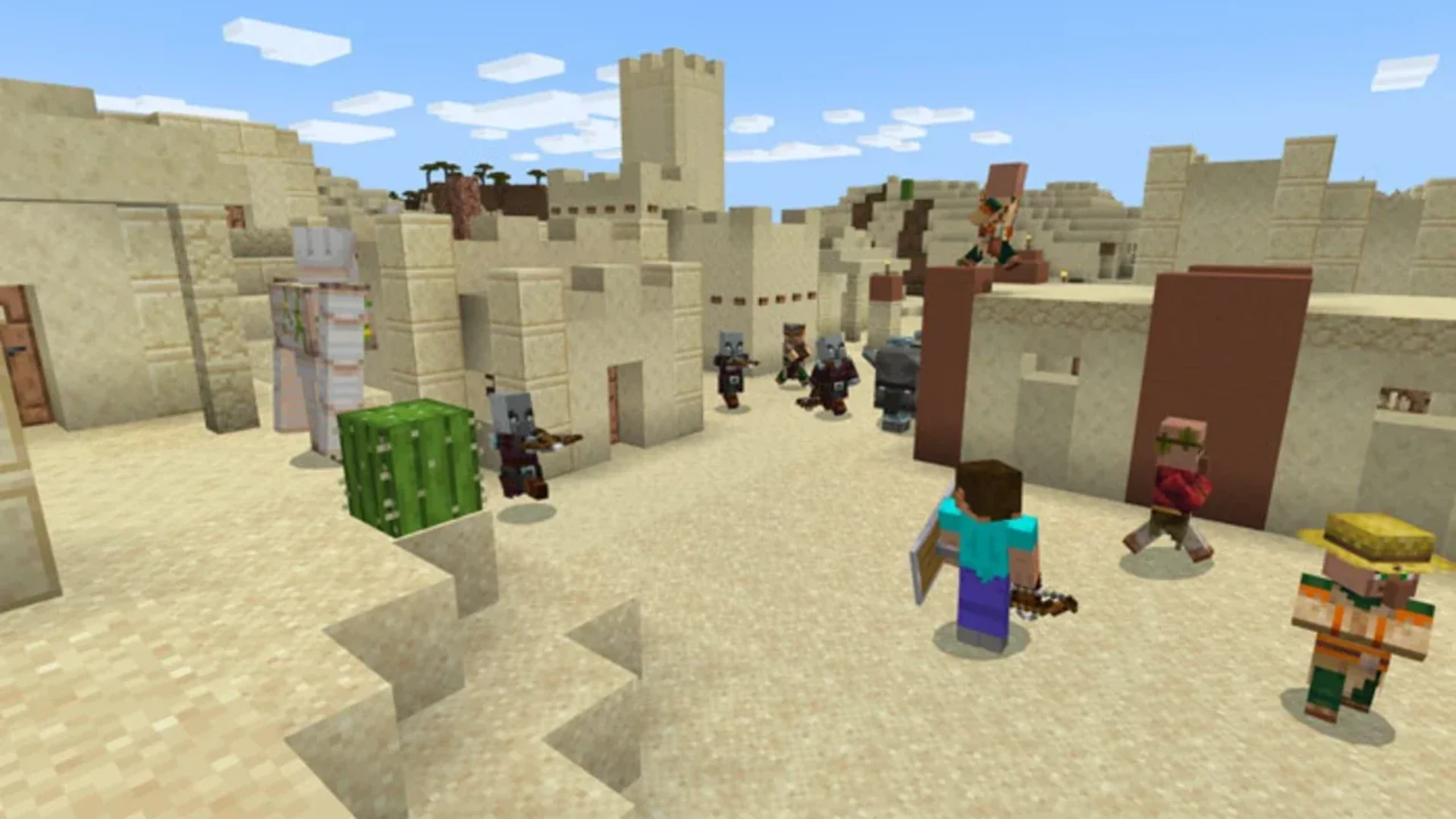
Minecraft begins with a tree and a darkening sky. Wood becomes a tool, the tool opens stone and approaching night gives you a reason to build shelter. That first room can expand into a farm or lead underground toward rarer resources.
Nothing requires the project to stop there. Redstone can automate part of the base, and Creative Mode removes material costs when construction becomes the goal. Servers and mods have extended those rules into forms of play the original survival loop never anticipated. Inventory management has not kept pace with the growing item count, and Java and Bedrock remain awkwardly different.
No other sandbox combines such an understandable beginning with so much room for personal ambition.
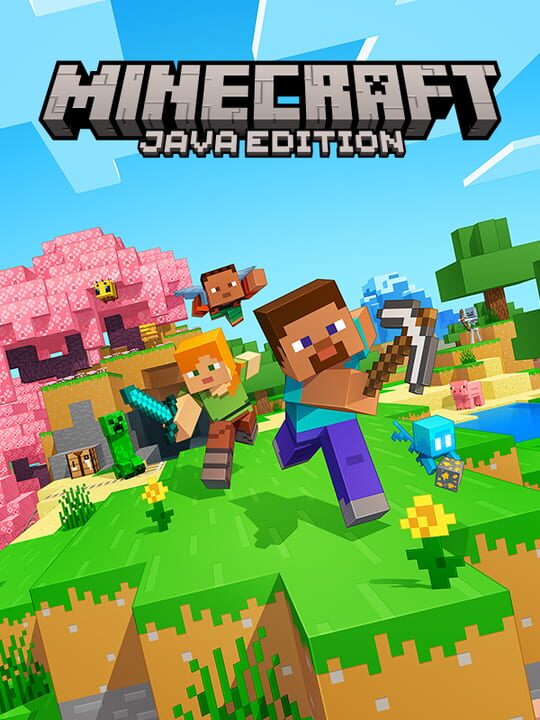
Minecraft focuses on allowing the player to explore, interact with, and modify a dynamically generated map made of one-cubic-meter-sized blocks. In addition to blocks, the environment features plants, mobs, and items. Some activities in the game include mining for ore, fighting h
Released
November 18, 2011
Developer
Mojang Studios
Publisher
Mojang Studios
Tagged In
Discussion
0We want to hear from you. Share your perspective in the comments below, and please keep the conversation respectful.
Log in to join the discussion - vote, reply, and share your take.
Log In