The 12 Best Visual Novels
These visual novels reward attention long before they reveal which details mattered.
Visual novels teach a particular kind of caution. A harmless dialogue choice can sit in a save file for ten hours before it closes a route or changes who appears in the final scene. The natural response is to keep a row of backup saves and treat every conversation like a puzzle.
That habit only explains one side of the form. Some visual novels barely branch at all. Their tension comes from deciding whom to believe or noticing when a familiar line has changed. Investigation and escape-room sections belong here when reading remains the main way the story moves.
The selections range from courtroom mysteries to stories that take dozens of hours before showing their real shape. The first looks like a cheerful school romance and relies on that familiarity to set its trap.
12. Doki Doki Literature Club Plus!

Doki Doki Literature Club Plus! begins as a dating story about a student joining an after-school writing group. Composing a poem means choosing words that appeal to Sayori, Yuri, or Natsuki. The resulting scenes encourage the usual visual-novel habit of finding a favorite character and steering toward her route.
That comfortable routine is what the horror attacks. Text begins to break, scenes return in altered forms, and the save system stops behaving like a neutral menu. Plus! moves the original game's file manipulation onto a virtual desktop, which allows the trick to work on consoles without pretending those files exist on the actual device. The slow opening is difficult to revisit once the surprise is known, and the story's reputation now makes that surprise hard to preserve. Its best disturbances still work because they interfere with actions the reader had learned to trust.
11. Paranormasight: The Seven Mysteries of Honjo
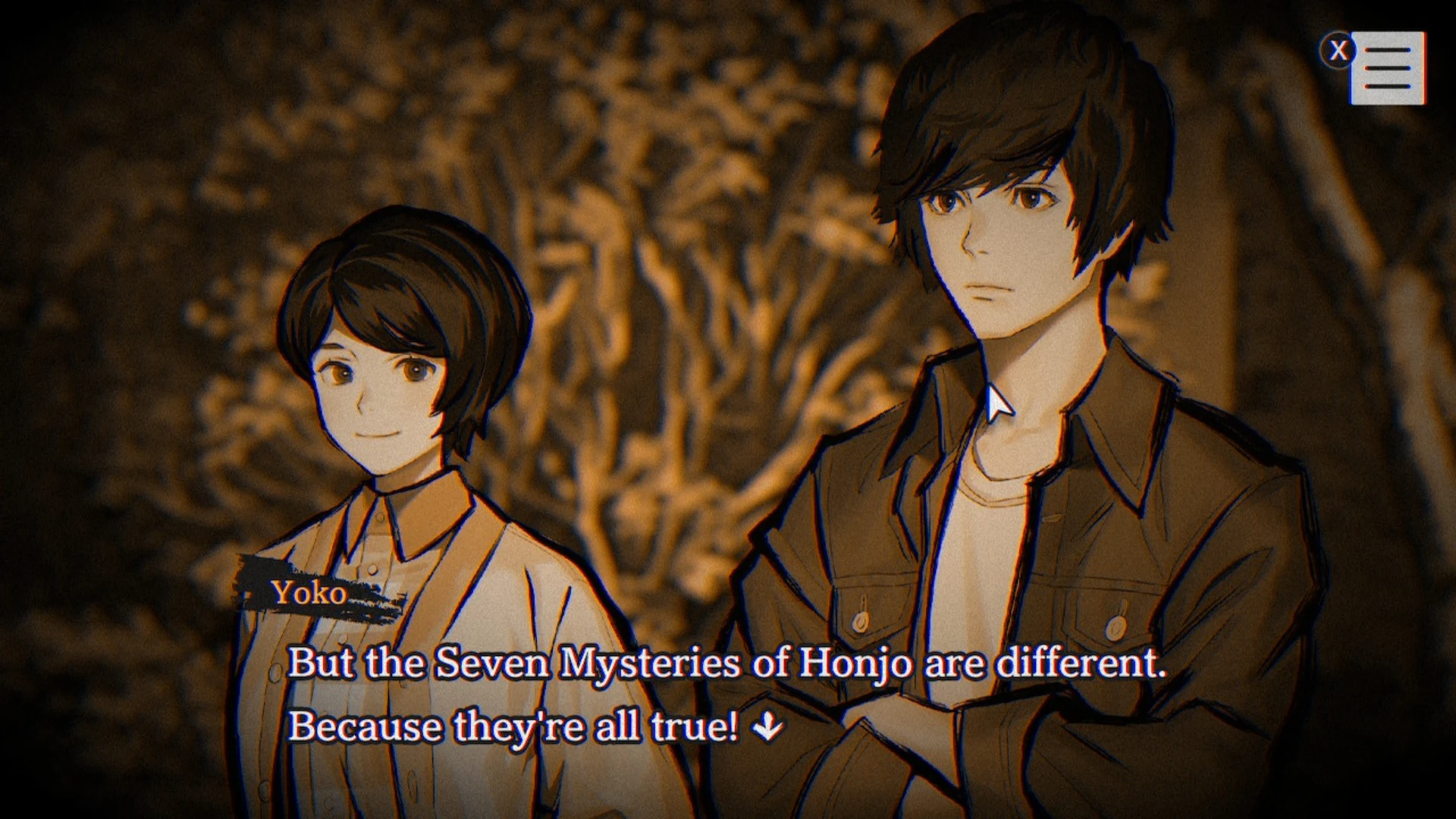
Set in Tokyo's Honjo district during the late Shōwa era, Paranormasight follows several people drawn into a contest involving deadly curse stones. Each curse has a precise condition. Knowing what causes one to activate can turn an ordinary conversation into a threat before either character admits what they are carrying.
The story chart lets the reader jump between viewpoints. A branch may stop because someone elsewhere has not yet learned the information needed to move it forward. Progress then comes from finding the right scene in another character's route rather than testing dialogue at random.
Its 360-degree backgrounds make looking around part of the suspense, especially when a speaker leaves the center of the frame. The final explanations are denser than the opening mystery needs, but the early confrontations understand how unnerving a text box can become when reading one more line might satisfy a curse condition.
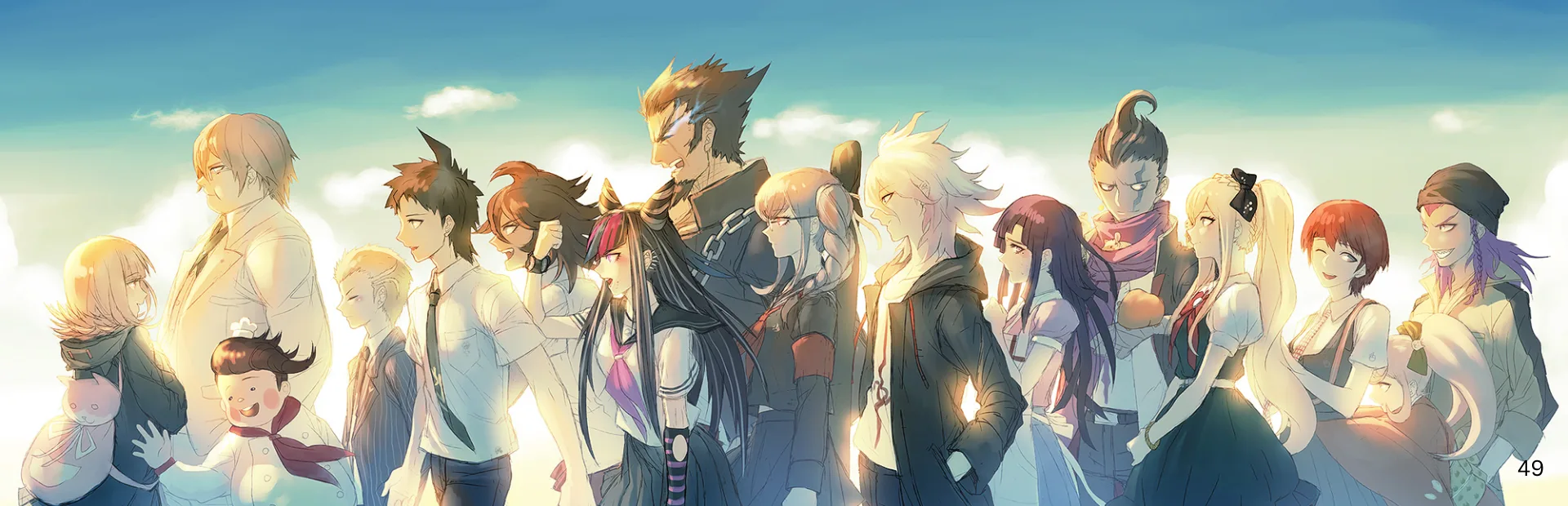
10. Danganronpa 2: Goodbye Despair
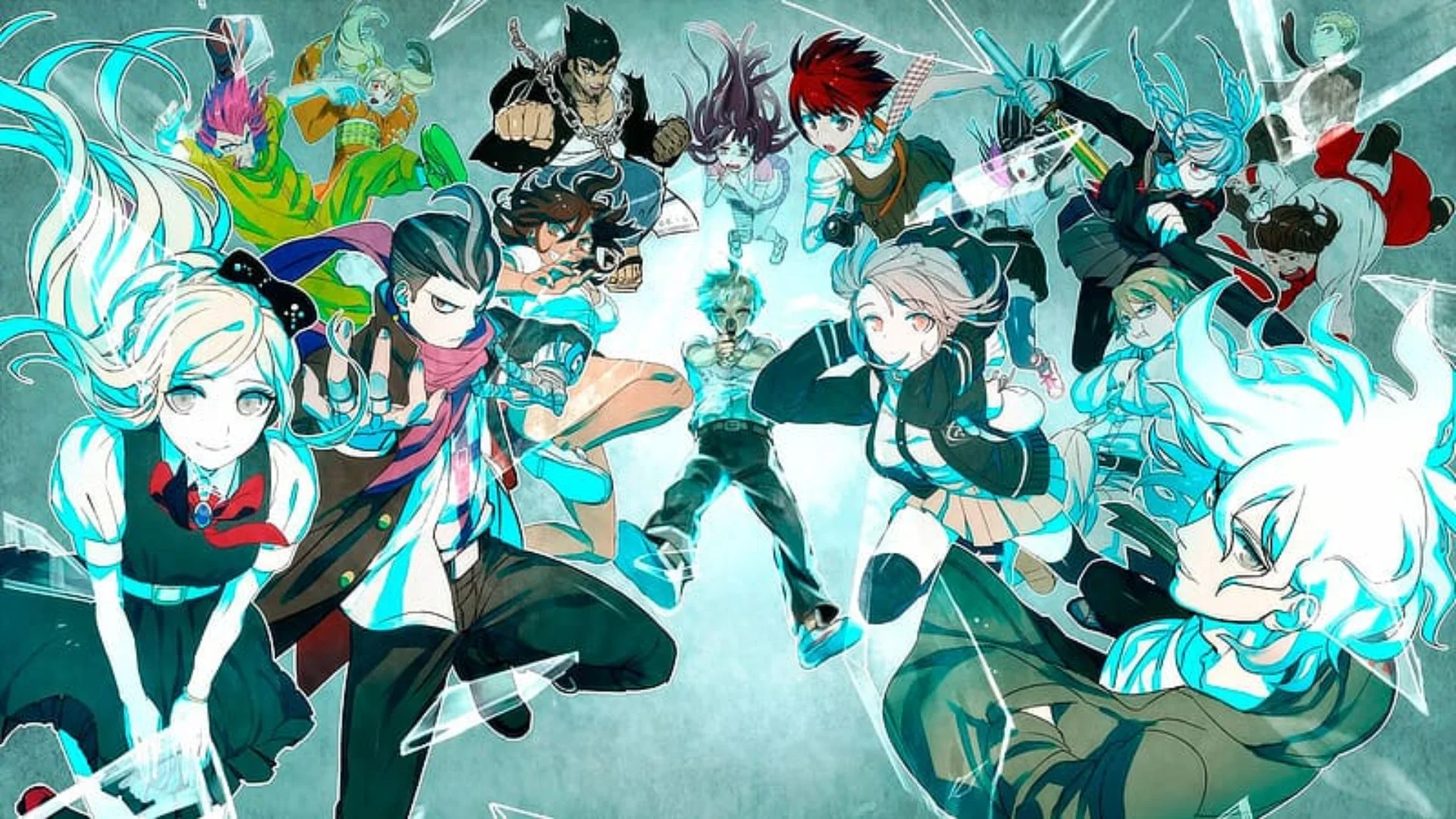
Danganronpa 2 strands a class of gifted students on Jabberwock Island, where Monokuma tells them that murder is the only route home. It should not be played before Trigger Happy Havoc because its later chapters assume that mystery is known. Each chapter spends time on friendships before a body turns the island into a crime scene. The class trial then converts testimony into a debate, with contradictions targeted using evidence called Truth Bullets. That language makes reasoning feel aggressive, which suits a group forced to accuse one of its own.
The mysteries are inventive enough to support increasingly elaborate trials, but the surrounding minigames often get in the way. Improved Hangman's Gambit turns a simple word puzzle into a collision of letters, while some timing challenges punish slow reactions rather than weak deductions. The cast and island setting give the sequel more warmth than the first game, making every new investigation more uncomfortable.
9. Phoenix Wright: Ace Attorney Trilogy
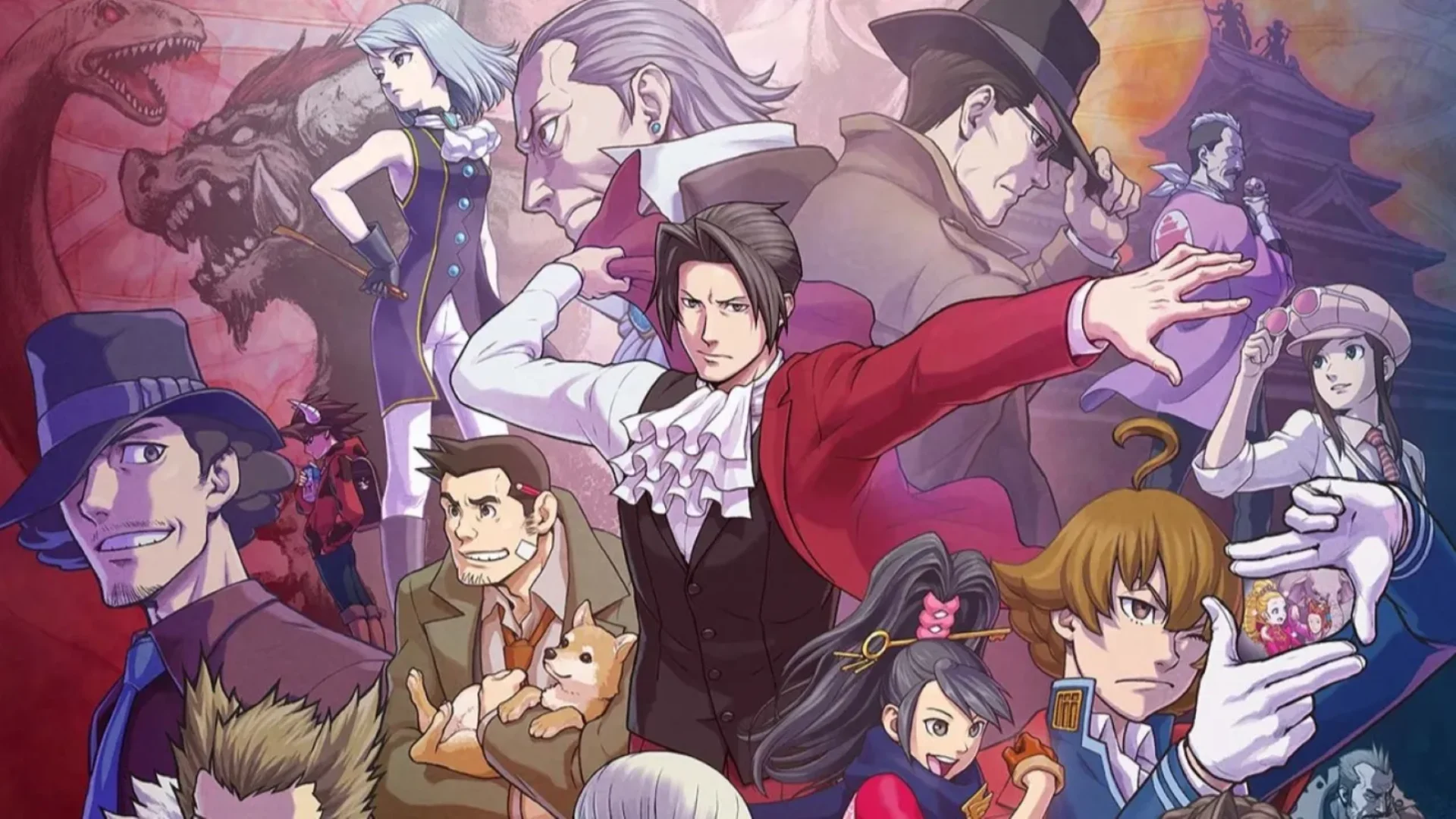
The Phoenix Wright: Ace Attorney Trilogy follows a rookie defense lawyer through investigations and courtroom battles. During cross-examination, Phoenix can press a vague statement until the witness adds a new detail. Presenting evidence against that revised testimony creates the breakthrough, so the case moves because the reader noticed a change in wording.
The trials are theatrical, but their best jokes do not erase the stakes. Prosecutor Miles Edgeworth first appears as an obstacle and gradually becomes part of a larger story about the DL-6 case. That history gives "Turnabout Goodbyes" more weight than another last-minute contradiction. The logic can be rigid, since the court may reject relevant evidence unless it is shown against one exact sentence. Investigation sections also contain too much pixel hunting.
A good witness examination remains satisfying because every objection has to be earned from the record.
8. Zero Escape: The Nonary Games
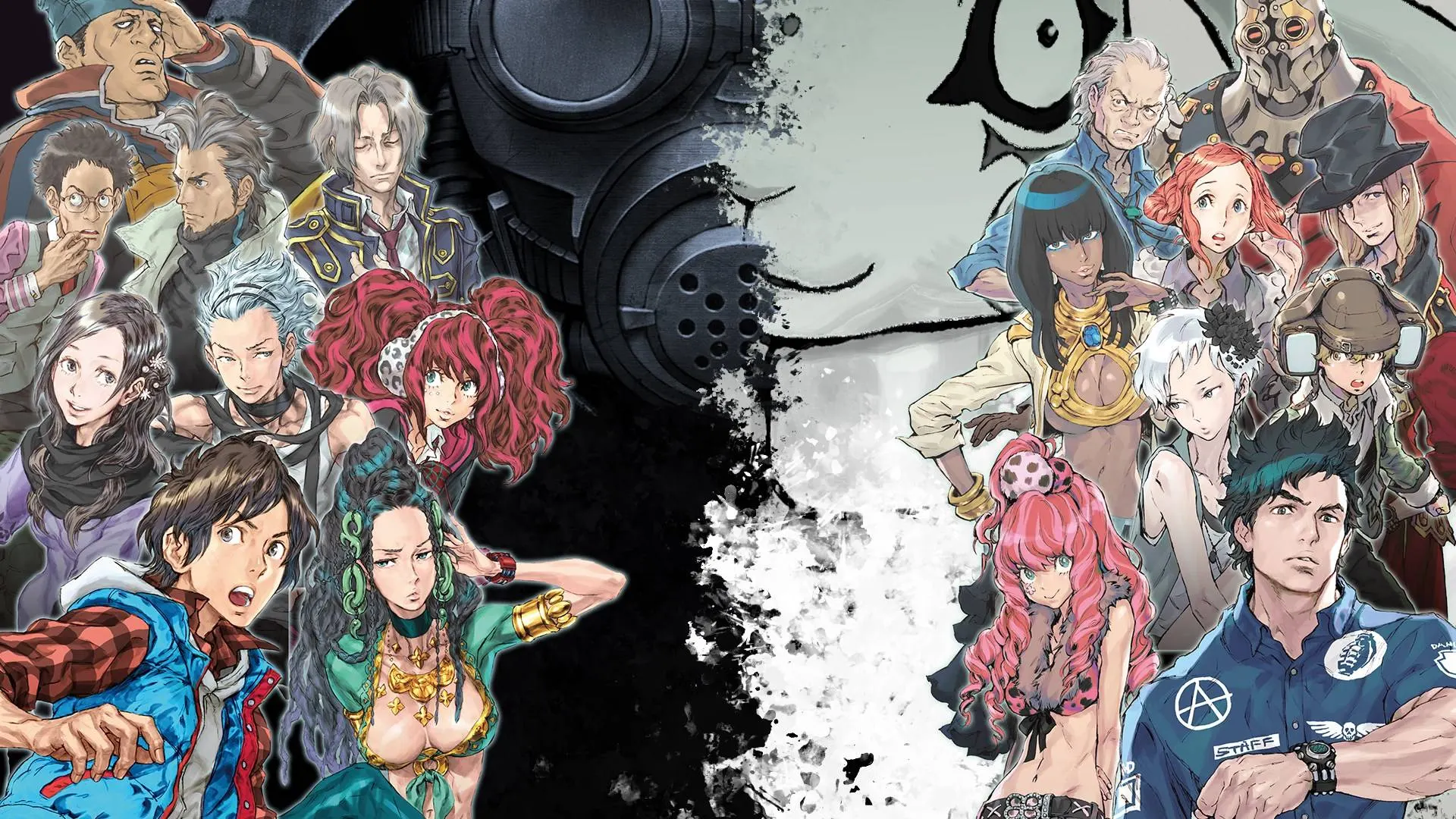
The Nonary Games collects Nine Hours, Nine Persons, Nine Doors and Virtue's Last Reward. Both trap nine people inside deadly facilities and use escape rooms for the immediate danger. The larger mystery branches according to alliances and door choices.
Virtue's Last Reward makes its flowchart part of the story. A locked branch may require information discovered in another timeline, and jumping back is treated as something the protagonist can eventually understand. Replaying a route is no longer cleanup after a bad ending. It becomes the method used to solve the central problem.
The collection makes both games easier to navigate, though its single-screen version of 999 cannot reproduce the Nintendo DS reveal exactly. The replacement loses some of the original's elegance. Several escape rooms have also aged poorly, particularly when a clue is hidden inside muddy 3D scenery. The timeline structure remains much smarter than the industrial rooms containing it.
7. Clannad

Clannad follows Tomoya Okazaki, a student drifting through his final year of high school until he meets Nagisa Furukawa. Separate routes explore the people around them, and finishing those stories can produce lights linked to moments of happiness. Collecting enough is required to open the later parts of the novel.
That structure gives After Story its force. Tomoya leaves school and takes a demanding job with electrician Yusuke Yoshino. Bills and exhaustion replace the familiar rhythm of club activities, allowing his relationship with Nagisa to continue into an adult life that most school romances never attempt.
Reaching that material takes a long time, and several comedy routines have aged badly. A route guide is almost essential because an innocent choice can block progress many hours before the missing light becomes obvious.
6. Muv-Luv Alternative
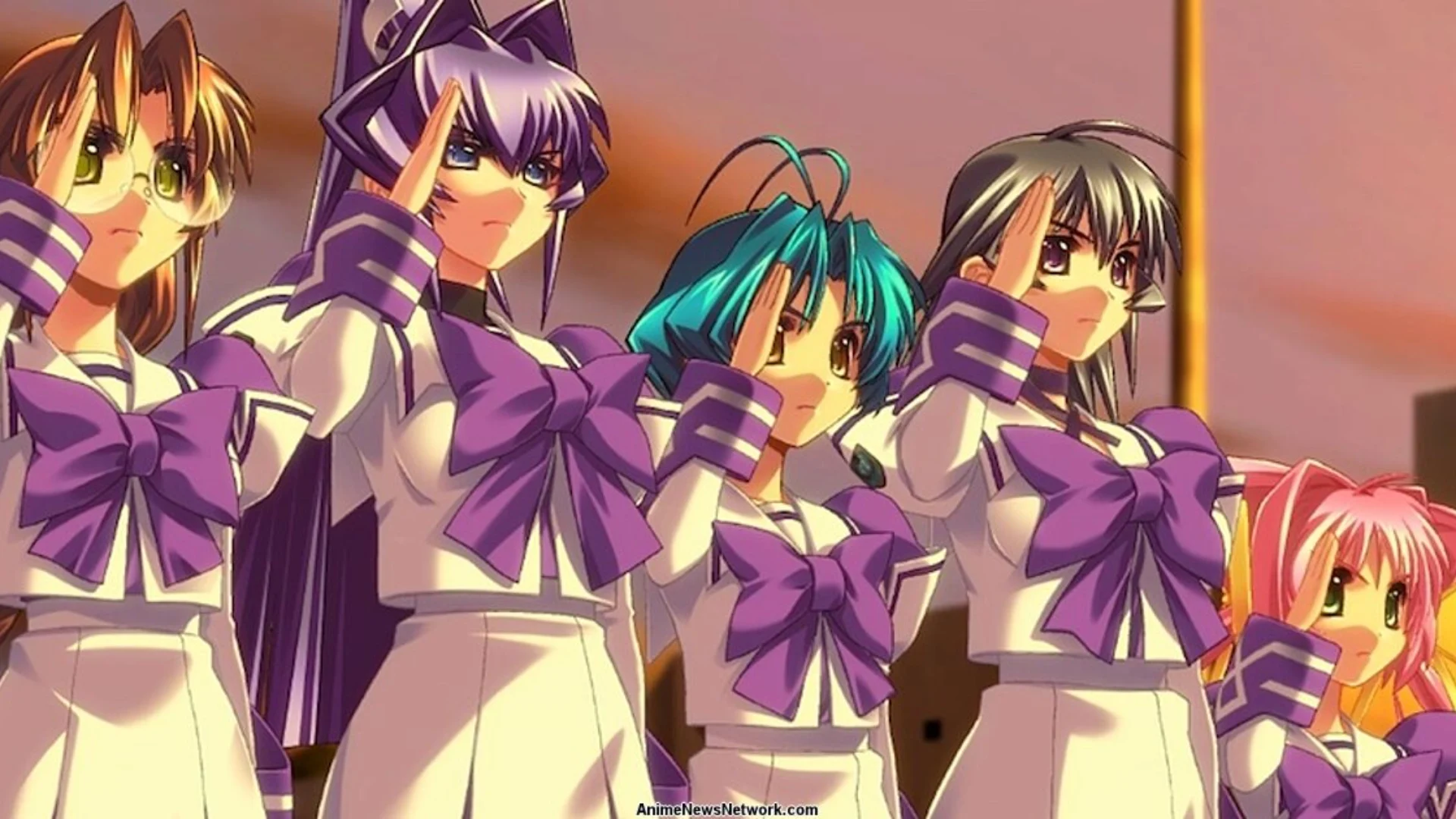
Starting Muv-Luv Alternative without the earlier chapters is possible, but it strips away the reason its premise works. Muv-Luv Extra introduces Takeru Shirogane through an exaggerated school romance. Unlimited has him wake in the same bedroom to find that his school is now a military base and humanity is losing a war against the alien BETA.
Alternative sends Takeru back to the beginning of that military timeline with memories of how badly it ended. Familiar classmates now carry the history established in the comedy, so their battlefield roles do not feel like a new cast wearing the same faces. The buildup asks for dozens of hours before the central story even starts.
Its fan service and abrupt tonal extremes can also be exhausting. The scale of the change works because the earlier routine was allowed to become completely ordinary first.
5. Slay the Princess: The Pristine Cut
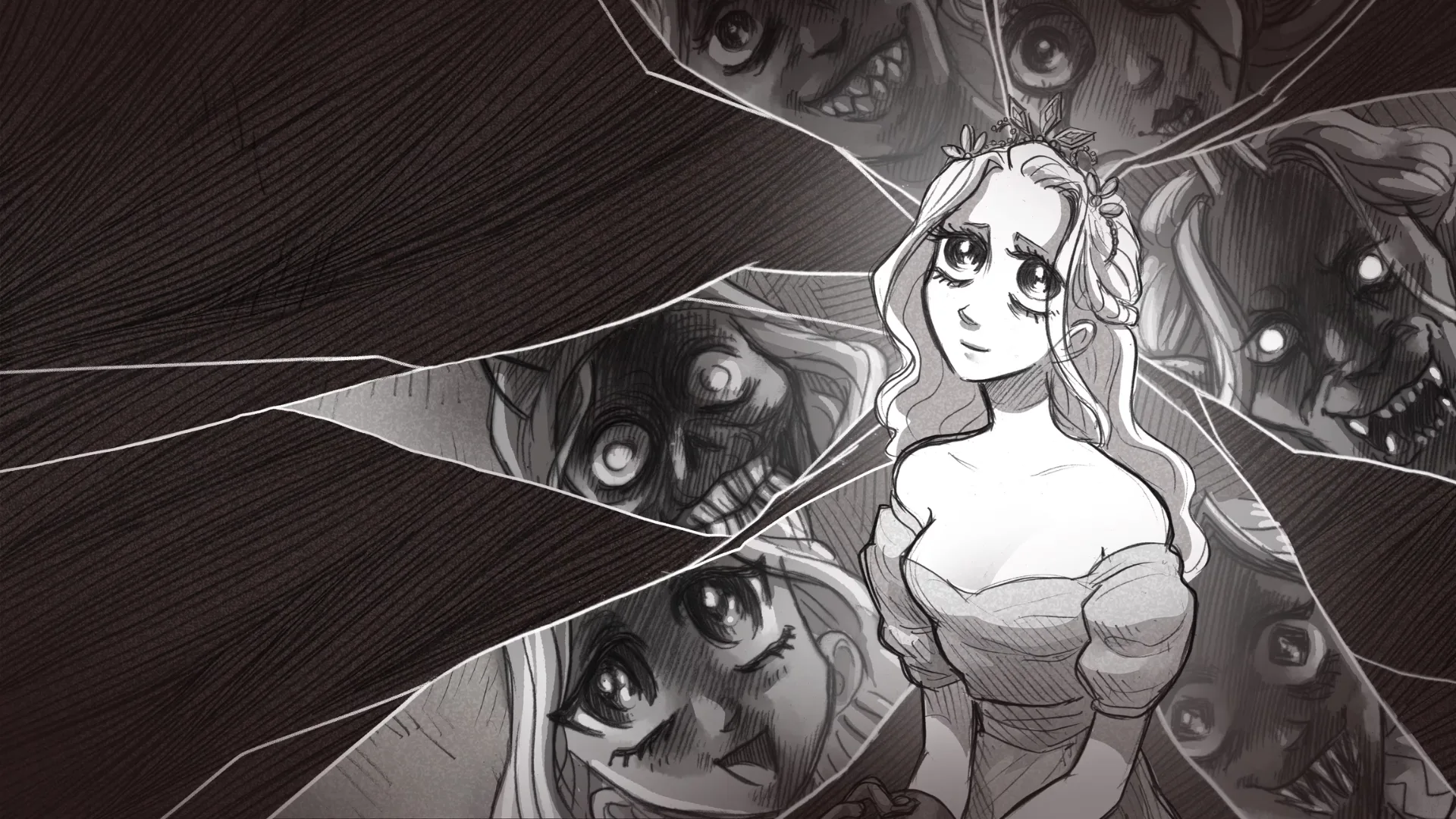
A narrator sends the protagonist down a forest path with one instruction: enter the cabin and kill the princess in its basement. Asking why creates doubt before she appears. Refusing the blade or attempting a rescue can end the world, restart the story, or produce a princess shaped by what happened in the previous meeting.
Each loop adds another voice inside the protagonist's head. The Smitten interprets danger as romance, while the Stubborn wants a fight. Those voices do not merely comment on decisions. They argue with the narrator and open responses that were unavailable before the protagonist developed that part of himself.
Repetition is unavoidable, and some routes spend too long debating the same instruction. The pencil artwork changes with the princess, making each new form feel like a consequence rather than a costume swap. Jonathan Sims and Nichole Goodnight voice the entire argument, which keeps long exchanges tense even when the background barely moves.
4. Fate/stay night REMASTERED
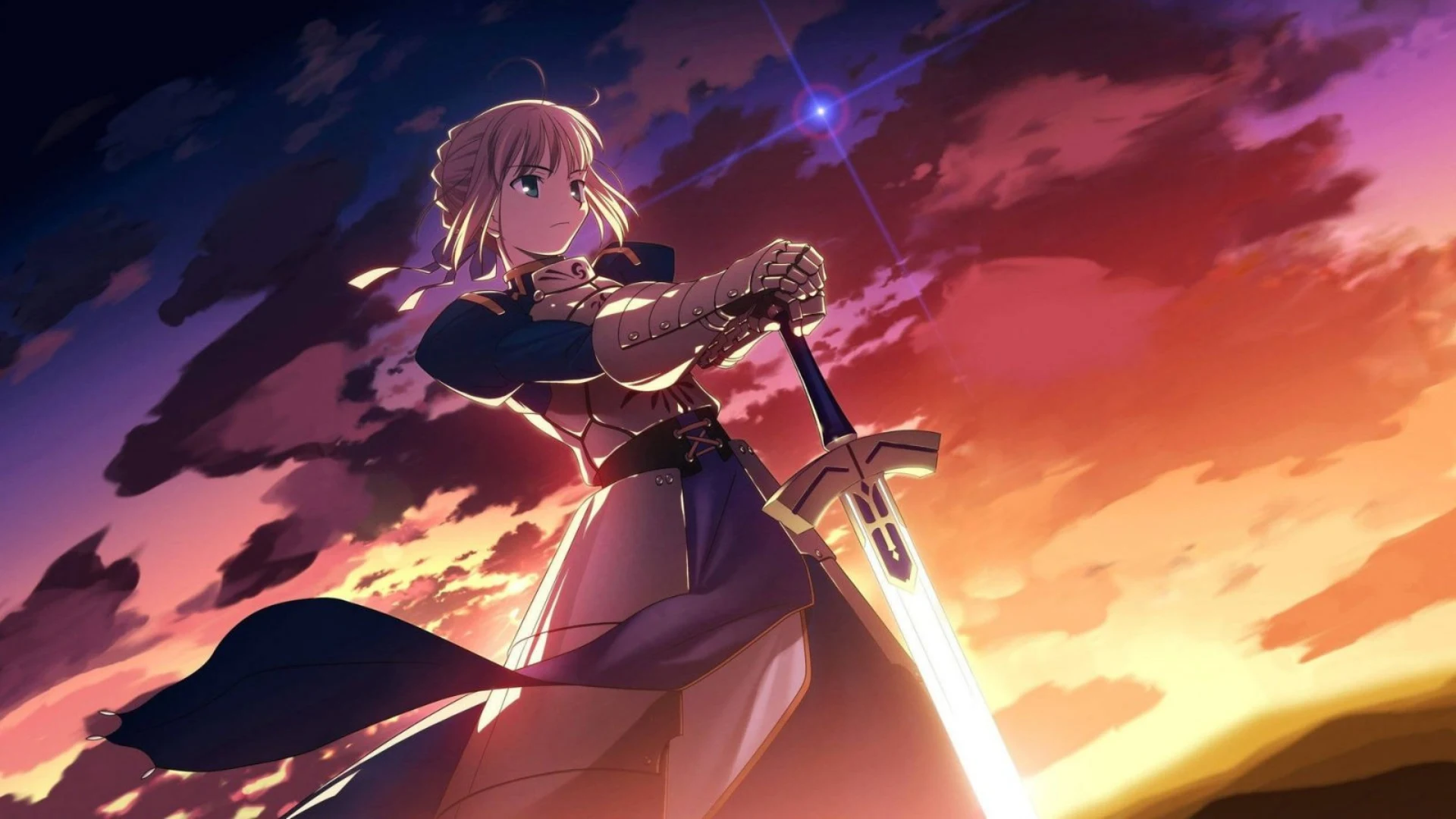
Shirou Emiya enters a secret war in which seven mages summon legendary Servants to fight for the Holy Grail. The remaster presents the visual novel's first official English release, with its three routes unlocked in order. Fate establishes Shirou's desire to save everyone. Unlimited Blade Works tests where that ideal came from, while Heaven's Feel asks what happens when protecting one person conflicts with it.
Because the same war changes across each route, a minor figure in the first can become central much later. Knowledge also carries forward even when Shirou does not remember another version of events. Bad endings send him to the Tiger Dojo, where Taiga and Illya turn failure into a comedy sketch while offering a real hint about the fatal choice.
Shirou's internal monologue repeats itself, and the opening days spend too long arranging pieces that only matter later. The route order justifies much of that patience. Each version of the Grail War challenges the answer supplied by the one before it.
3. Umineko When They Cry
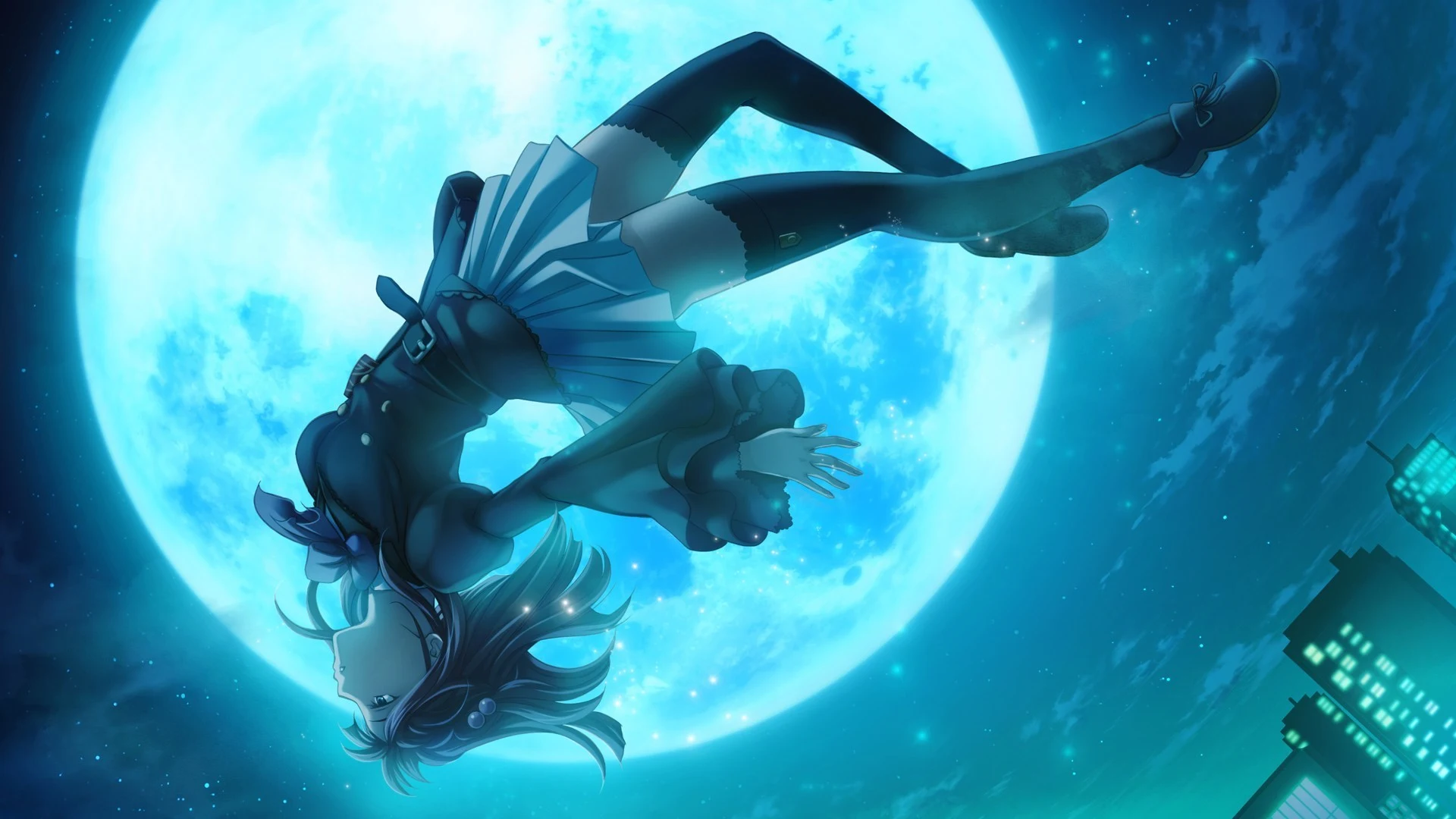
Eighteen people gather on the isolated island of Rokkenjima for the Ushiromiya family's annual conference. A typhoon cuts off the island, murders begin, and the witch Beatrice claims that magic is responsible. Battler Ushiromiya refuses to accept her explanation, turning the mystery into a contest over how each locked room could have been created by a human culprit.
The reader receives few conventional choices. Participation comes from building theories. Statements made in red text are true, while blue text proposes an explanation that must fit around those facts. Later episodes challenge not only who committed the crimes, but whether reducing every scene to a trick misses what the story is trying to communicate.
The eight episodes are extremely long, and several reset the island before presenting another version of its murders. That repetition can feel punishing. It also gives the reader time to distrust easy answers and notice which details survive every game between Battler and Beatrice.
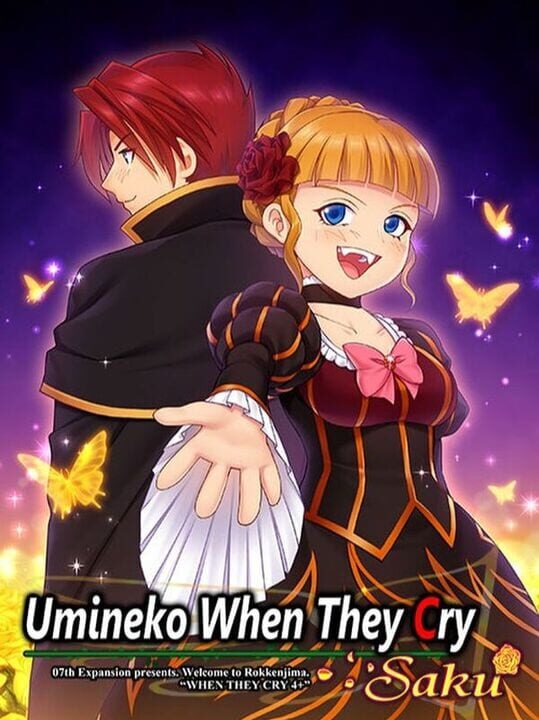
Umineko: When They Cry - Saku
Umineko: When They Cry - Saku is a collection of three official fan discs from the original Umineko series, released for the first time in the West by MangaGamer. This edition includes: - Umineko: When They Cry - Tsubasa A set of 15 short episodes originally distributed as a smal
Developer
07th Expansion
Publisher
MangaGamer


2. Steins;Gate
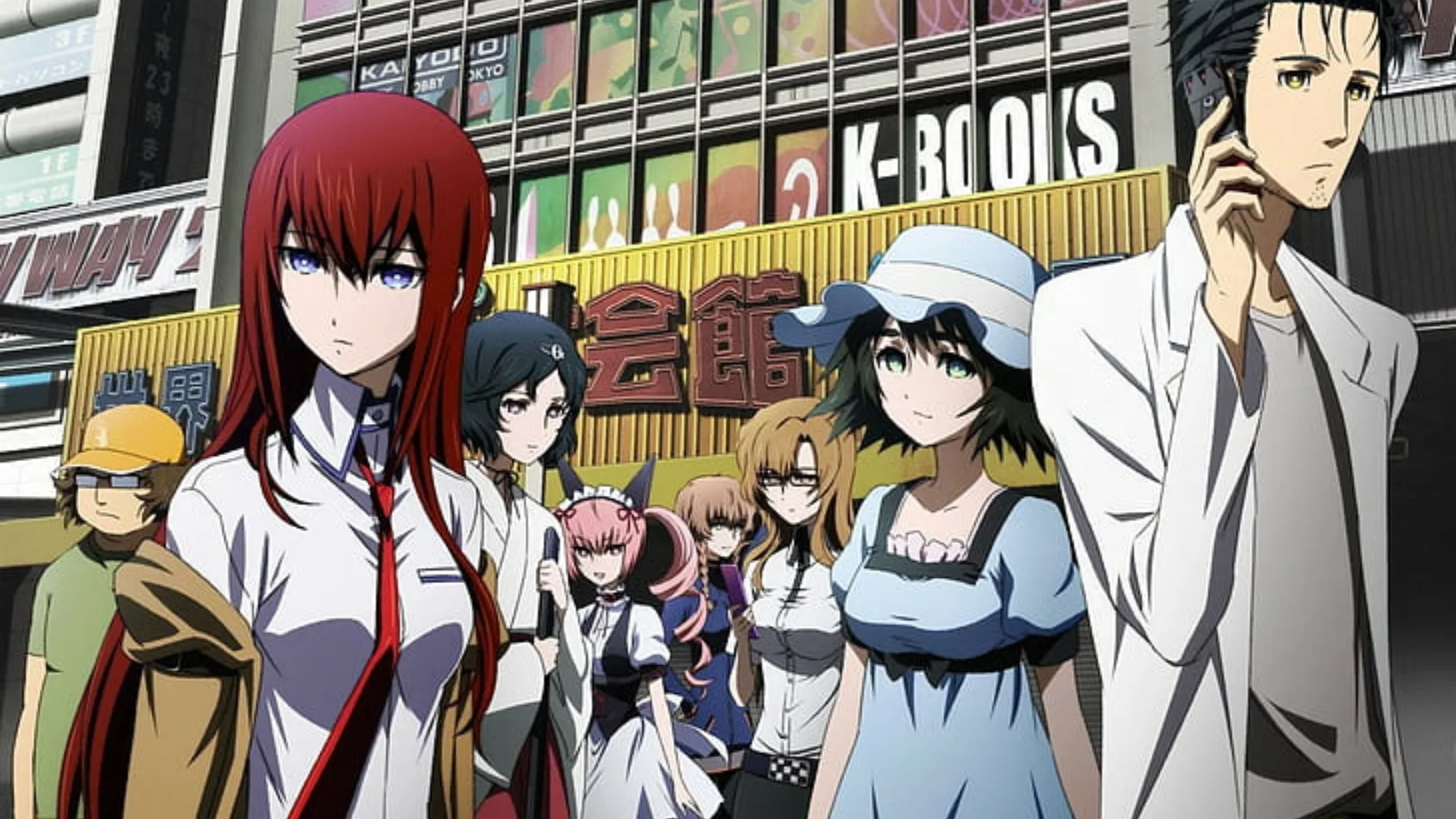
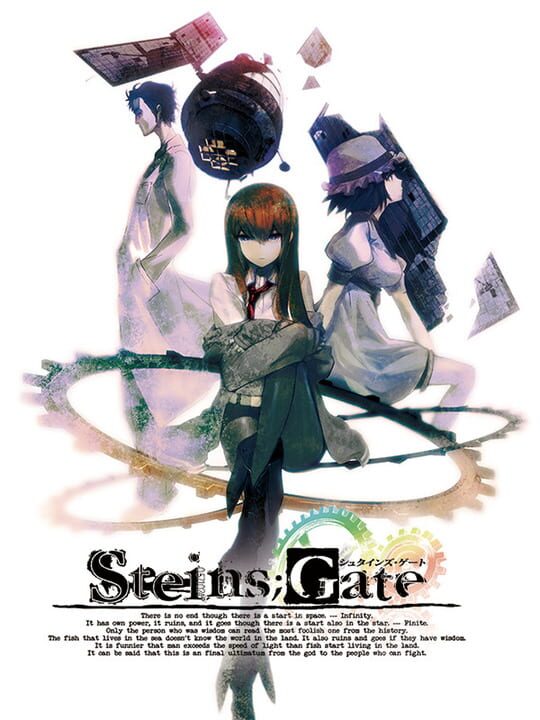
Rintaro Okabe and his friends accidentally discover that their modified microwave can send text messages into the past. These D-mails alter the present in ways that first seem minor. Okabe alone remembers the previous worldline, leaving him responsible for consequences that nobody else knows occurred.
Choices arrive through the Phone Trigger system rather than a visible route menu. Reading a message is not always enough. The timing of a reply and the selected phrase can move the story toward a different ending. The ordinary habit of checking a phone becomes risky once every response may affect a relationship or experiment.
The first half spends many hours on lab routines before the danger becomes clear. Some jokes and Akihabara references have aged poorly, and Okabe's theatrical behavior can be tiring until the story shows what it protects. That long setup makes the later changes hurt because the lab had enough time to feel safe.
Steins;Gate
Steins;Gate is a Japanese visual novel developed by 5pb. and Nitroplus. It is the second game in the Science Adventure series following Chaos;Head. The game is described by the development team as a "hypothetical science ADV" and explores time and time travel in 2010 Akihabara. T
Released
October 15, 2009
Developer
MAGES.
Publisher
PQube
1. The House in Fata Morgana
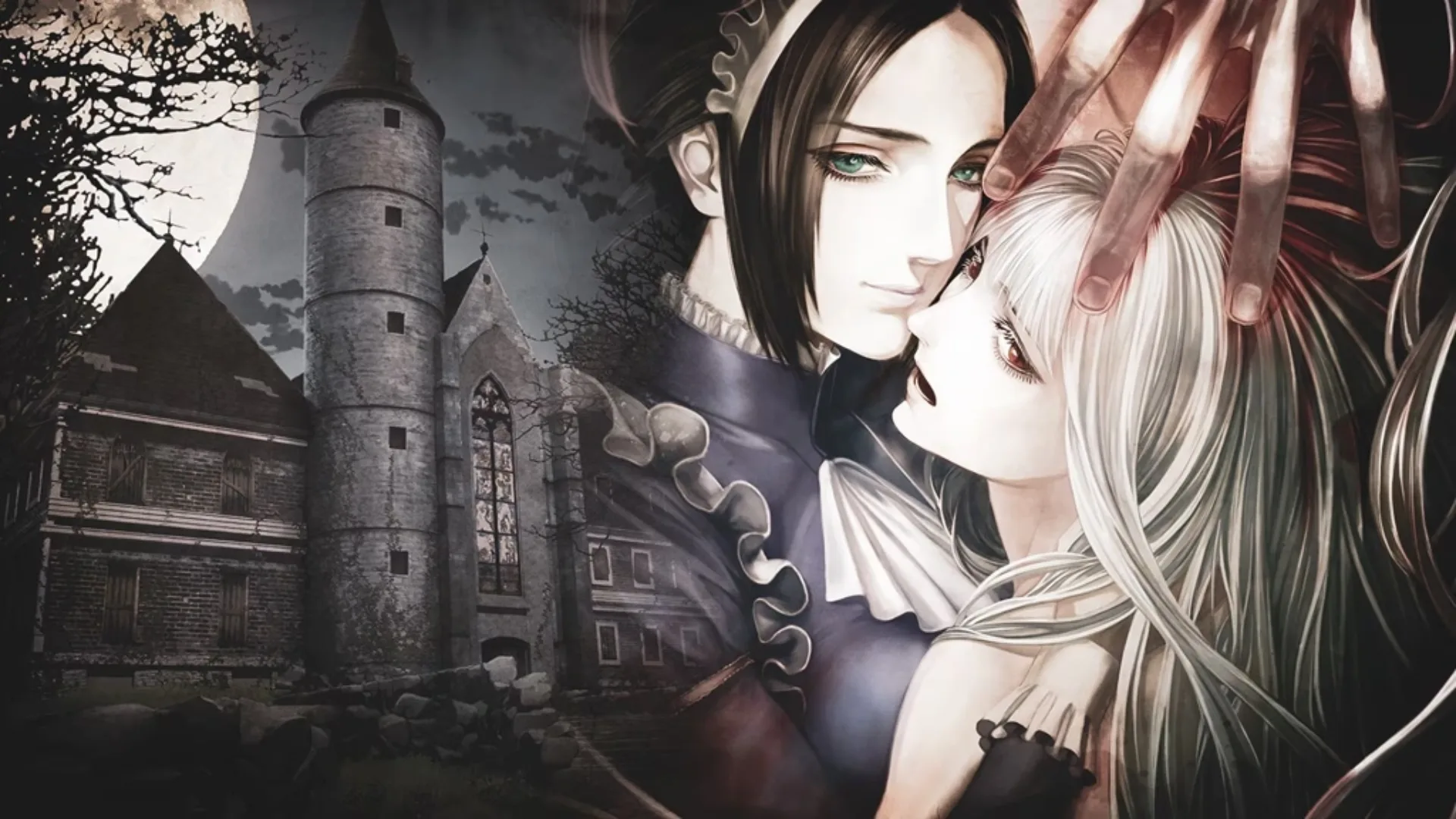
An amnesiac spirit wakes inside a mansion and is greeted by a Maid who claims they have met before. She opens doors into the building's past, with each century presenting another tragedy involving its residents. A white-haired girl appears across those accounts, but her role changes enough to make the apparent connection uncertain.
The early doors can seem like separate gothic stories. Later chapters revisit their narrators and expose what each account chose to hide. A character first described as a monster may have understood the same events in a completely different way. The novel does not excuse cruelty, but it refuses to let one perspective become the final record.
There are few choices during the opening half, and its deliberate pace can make the first tragedy feel distant from the main plot. The separation is temporary. When decisions finally become more frequent, the earlier doors have already changed what the reader believes about the mansion and the person moving through it.
The House in Fata Morgana
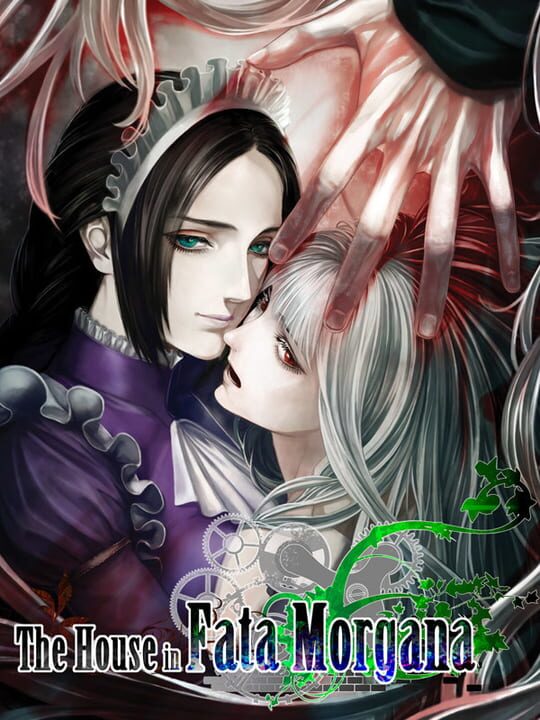
A gothic suspense tale set in a cursed mansion. "The House in Fata Morgana" is a full-length visual novel spanning nearly a millennium that deals in tragedy, human nature, and insanity.
Released
December 31, 2012
Developer
NOVECT
Publisher
FuRyu
Tagged In
Discussion
0We want to hear from you. Share your perspective in the comments below, and please keep the conversation respectful.
Log in to join the discussion - vote, reply, and share your take.
Log In