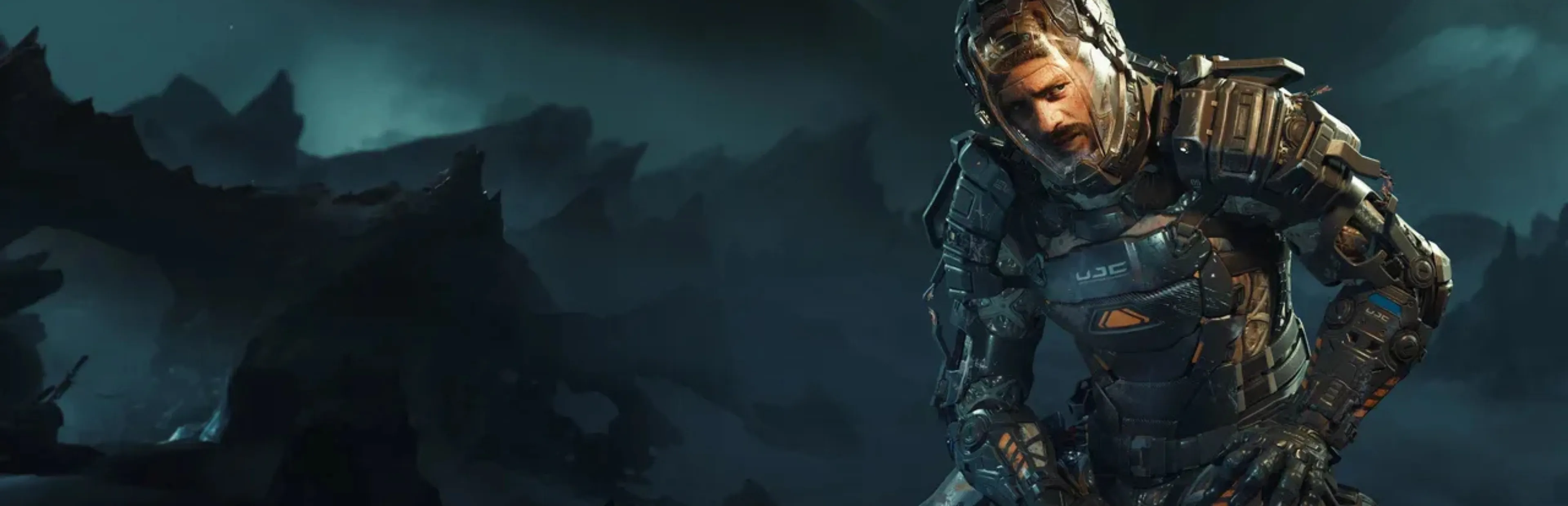
The Callisto Protocol shows the cost of a rushed launch
Glen Schofield says The Callisto Protocol was supposed to get three more months of development. Its troubled launch and months of post-release fixes show what that lost time may have cost.
When The Callisto Protocol launched in December 2022, PC stuttering and other technical problems quickly hurt its reception. Striking Distance spent the following months improving performance and reworking parts of the combat.
Glen Schofield now says the team had expected to work until March 2023. In an October 2026 interview following his retirement, the Dead Space creator again blamed Krafton for holding the game to its December release despite COVID disruptions and content cuts.
Three extra months would not have fixed every problem, but the amount of work done after launch supports Schofield's argument that The Callisto Protocol needed more time before release.
A shorter schedule came with more work
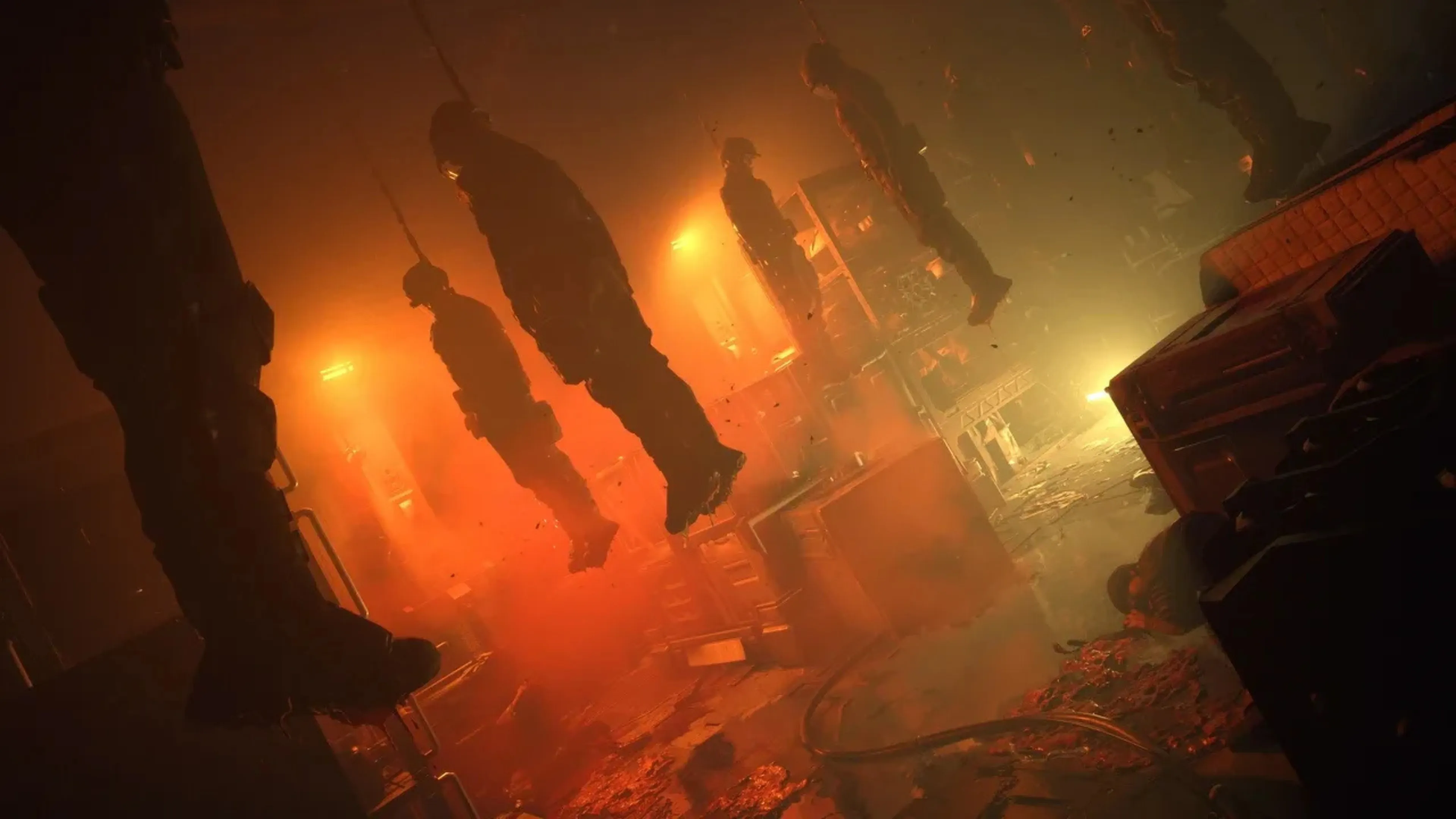
Schofield says Striking Distance had expected to keep working until March 2023 before Krafton committed the game to a December launch. Once that date was announced publicly in June 2022, the team had to finish the game several months earlier while production was already dealing with delays.
COVID was still hitting individual parts of the studio. Schofield recalled an outbreak that temporarily took a rendering team in Spain out of action, slowing work that other developers depended on. As the schedule tightened, bosses, levels and enemy types were cut to get the remaining game over the line.
Supporting both PS4 and PS5 added another layer of work. Schofield estimates that keeping the older console version added around $20 million to development, while launching across PC and two console generations meant more hardware to test and optimize. Striking Distance was also building parts of its own publishing and marketing operation instead of relying entirely on Krafton.
By 2024, Schofield was already saying the earlier date had forced the studio to hire more developers than originally planned. Adding people late in production can help split up work, but they still need time to learn tools, pipelines and unfinished systems.
The pressure also showed up in the hours people were working. Before release, Schofield spoke publicly about six- and seven-day weeks, then apologized and accepted responsibility for allowing the team to work that way.
Striking Distance eventually hit December 2, but it did so by cutting content, expanding the team and pushing developers harder during the final months.
Players bought the game before the repairs were finished
On PC, shader compilation caused heavy stuttering whenever new effects appeared, sometimes interrupting combat or horror sequences even on powerful hardware. Striking Distance quickly changed how shaders were handled and improved general performance through early updates.
Three more months would not have fixed every criticism of The Callisto Protocol, but these were exactly the kinds of technical problems that could have benefited from more development time.
The studio was also changing the game itself. A December 15 update made healing, reloading and weapon switching faster, adjusted dodging and reduced the chance of enemies attacking Jacob from behind. Combat therefore felt noticeably different less than two weeks after release.
Schofield later said he stayed through the DLC period and oversaw 86 patches. Some added modes and other features, but the first weeks after launch were heavily focused on performance, stability and combat tuning.
By the time The Callisto Protocol was in better shape, its launch version had already been reviewed, refunded and discussed by millions of players. Anyone who left because of stuttering or awkward combat had little reason to come back and see what changed.
Callisto's combat needed more than faster animations
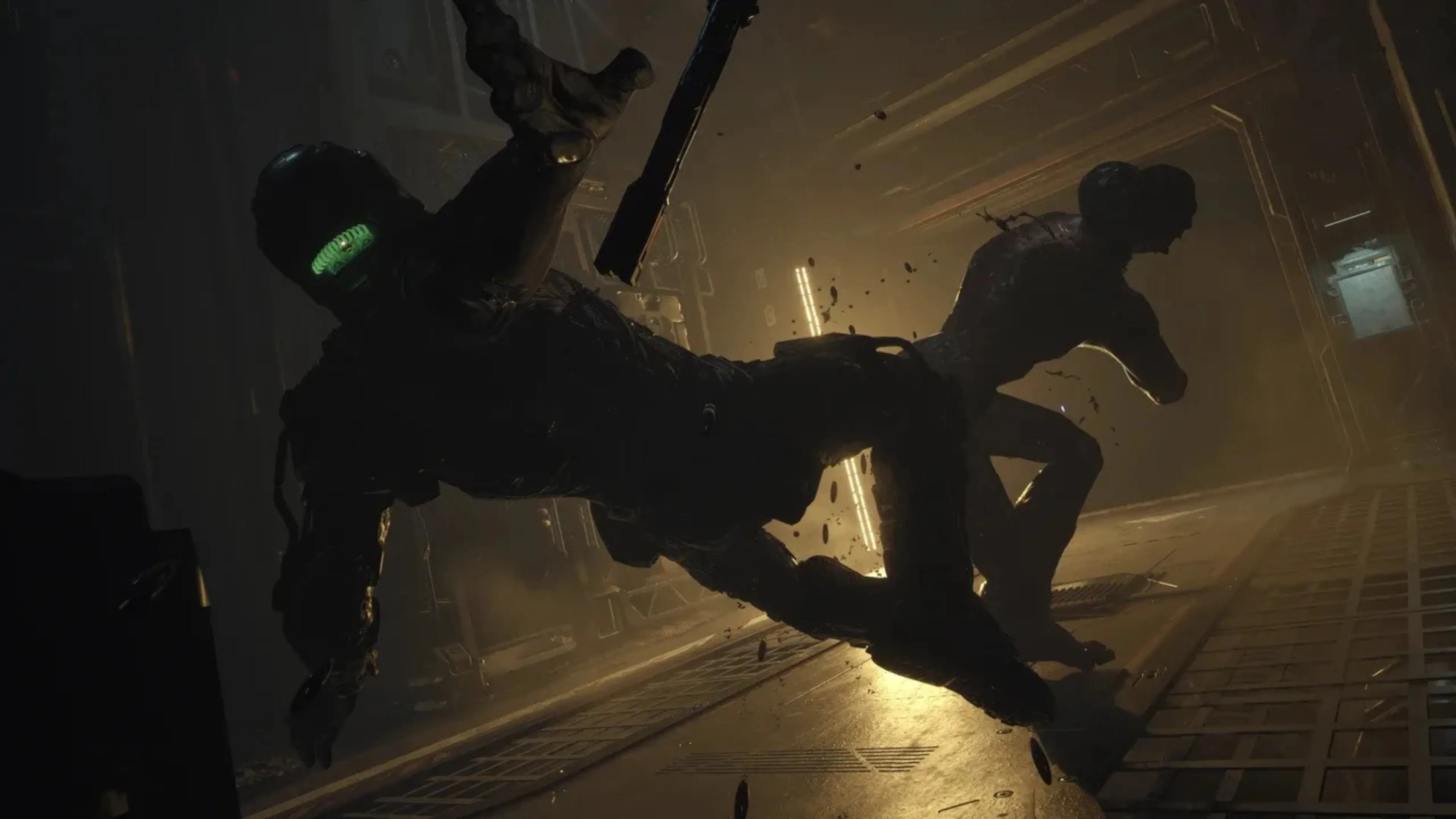
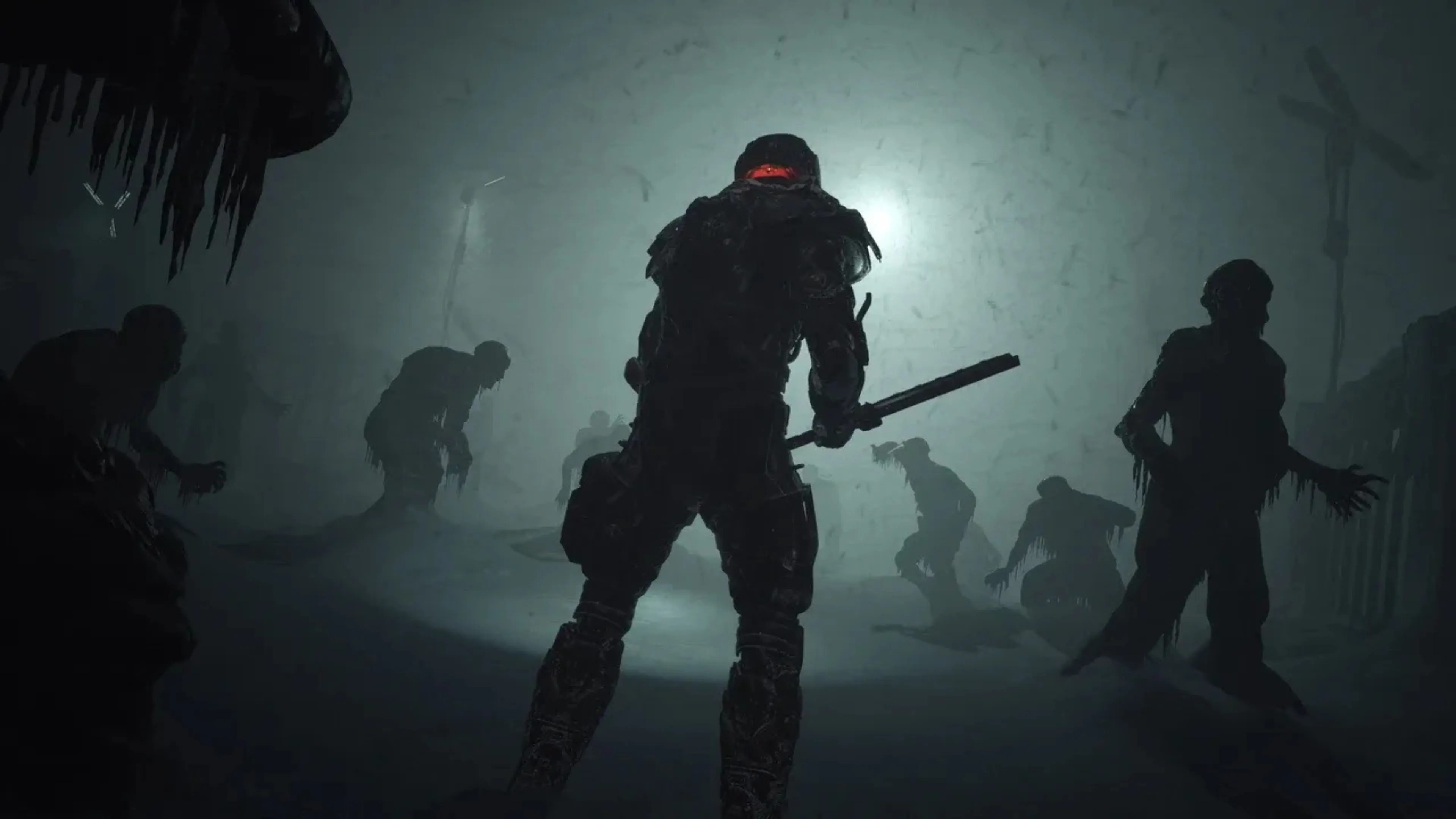
The December patch made healing, reloading and weapon switching faster, but group fights still exposed the limits of The Callisto Protocol's combat. Jacob's dodge, stun baton, guns and GRP work best against a single infected, where attacks are easy to read and there is time to respond.
With several enemies around him, Jacob can only focus on one at a time while others move in from outside the camera. Reducing attacks from behind made those fights less frustrating, but it did not add much variety to them.
More enemy types could have helped. Several bosses and creatures were reportedly cut during development, leaving the campaign to reuse similar threats more often. Bringing them back would have required more animation, balancing and testing, all while Striking Distance was already struggling to hit December.
Black Iron Prison itself was never the main problem. Its environments and sound design created plenty of atmosphere, but the campaign repeated scares and saved much of its story for the final hours.
More development time could have gone beyond fixing stutters and speeding up animations, giving the team more room to vary encounters and improve the pacing around them.
The sequel inherited the first game's reception
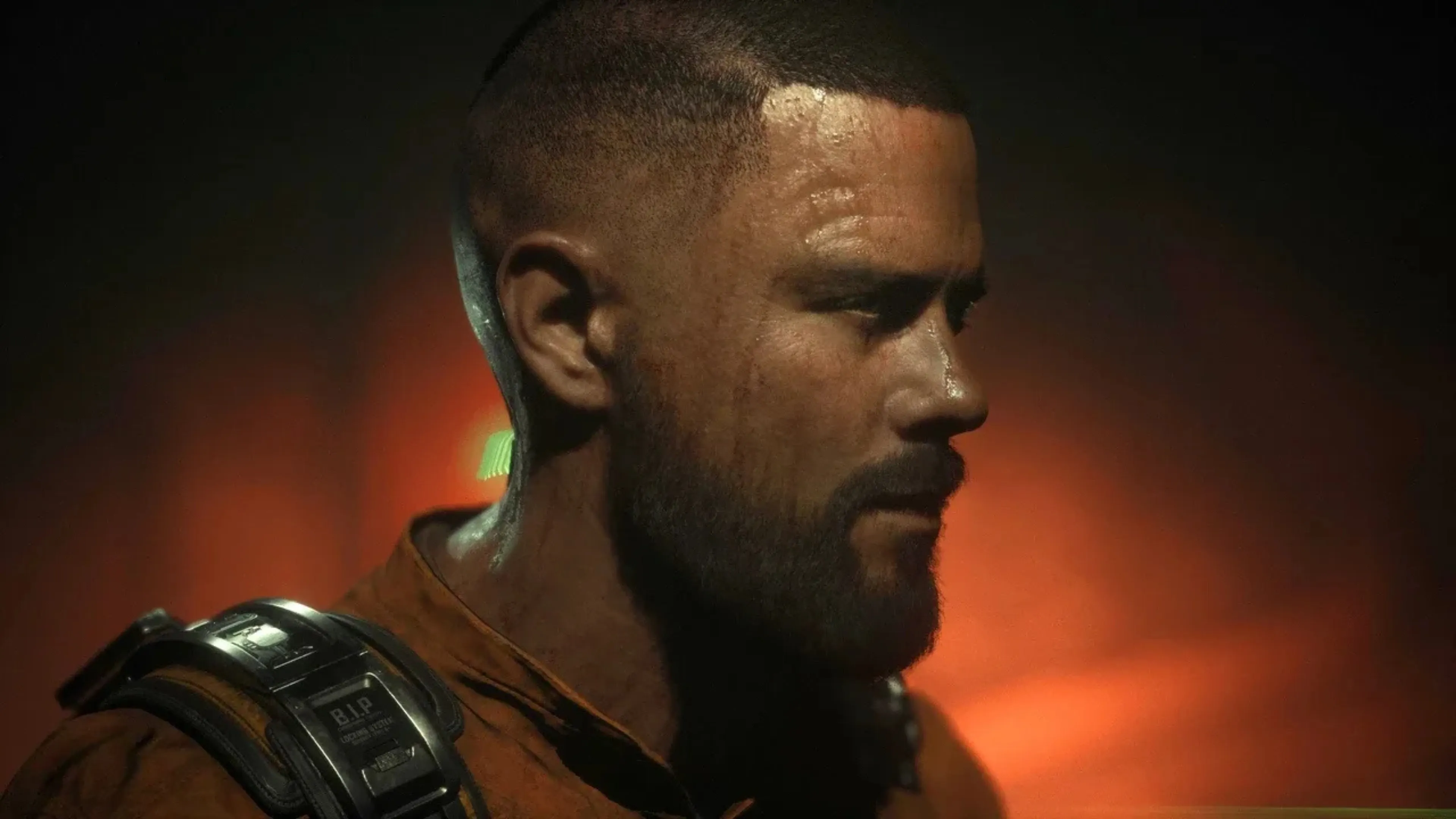
Schofield says Krafton had already written The Callisto Protocol off as a failure when he pitched a sequel. His idea was much larger. The outbreak would spread into a plague, with the game moving to a space station built from ships that had been docking together for centuries. Some of the bosses, enemies and other ideas cut from the first game were supposed to return there.
Striking Distance would at least have entered that project with lessons it did not have in 2022. The team had spent months fixing performance, adjusting combat and seeing where the original design broke down. But Schofield was asking Krafton to fund another ambitious horror game after the first had already missed expectations.
The studio began shrinking soon afterwards. Thirty-two employees were laid off in August 2023, Schofield left a month later and another round of cuts followed in 2025. Krafton kept Striking Distance open, but Schofield's sequel never made it into production.
The Callisto setting survived through 2024's [REDACTED], a much smaller roguelike set in Black Iron Prison. The expensive horror sequel did not.
Three extra months cannot be blamed for everything that followed, and there is no proof a March launch would have secured a second game. But Schofield's team ended up pitching that sequel to a publisher that had already watched the first game launch unfinished, spend months being repaired and fall short of what it wanted commercially.
Krafton still had to fund the unfinished work
Keeping The Callisto Protocol in development until March would have meant another three months of salaries and operating costs before launch revenue arrived. Marketing plans tied to December may also have needed to change. There are no public figures showing whether a delay would ultimately have cost Krafton more or less, and Schofield is giving his side of that decision.
Development continued well beyond December 2. Striking Distance spent the following weeks fixing PC performance, speeding up healing and weapon switching, and adjusting enemy behaviour. Krafton was still funding that work, only now it was happening after the game had already been reviewed and sold.
A March release could have put some of those fixes into the version players encountered first. Instead, The Callisto Protocol had to repair its reputation at the same time Striking Distance was repairing the game.
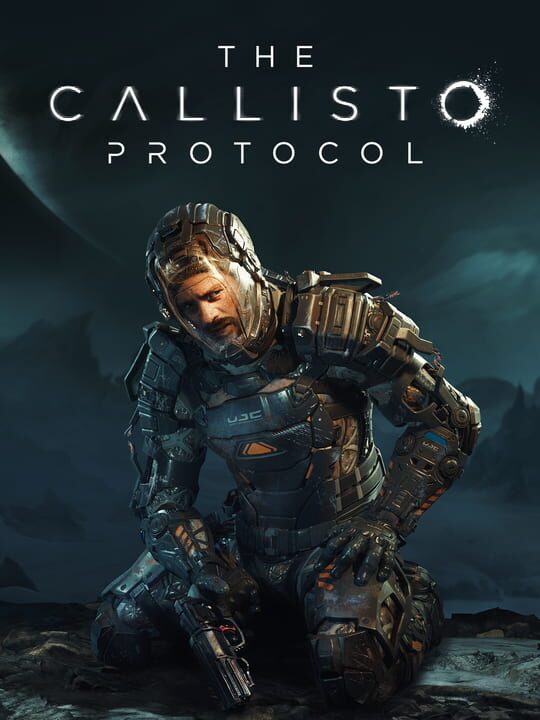
The Callisto Protocol
In this narrative-driven, third-person survival horror game set 300 years in the future, the player will take on the role of Jacob Lee – a victim of fate thrown into Black Iron Prison, a maximum-security penitentiary located on Jupiter's moon, Callisto. When inmates begin to tran
Released
December 2, 2022
Developer
Striking Distance Studios
Publisher
Krafton


Tagged In
Discussion
0We want to hear from you. Share your perspective in the comments below, and please keep the conversation respectful.
Log in to join the discussion - vote, reply, and share your take.
Log In