
The Duskbloods' delay gives FromSoftware time to balance its competing playstyles
Fighting, exploration and temporary alliances all contribute to victory, so changes to one part of a match can reshape the others.
FromSoftware has delayed The Duskbloods from 2026 to 2027, giving its Switch 2 exclusive more time for adjustments to game rules and balance. In its October 29 announcement, the studio said August's network test showed interest in the game's combat, strategic depth and player expression. It has not named the specific changes planned.
Up to eight players compete in each match, earning progress through monster fights, rival encounters and objectives, with temporary allies helping each other survive.
FromSoftware has to keep those approaches useful as players learn which ones pay off most reliably. Otherwise, a game built around choosing your own approach could settle into everyone repeating the same routine.
PvE advantages could decide PvP encounters
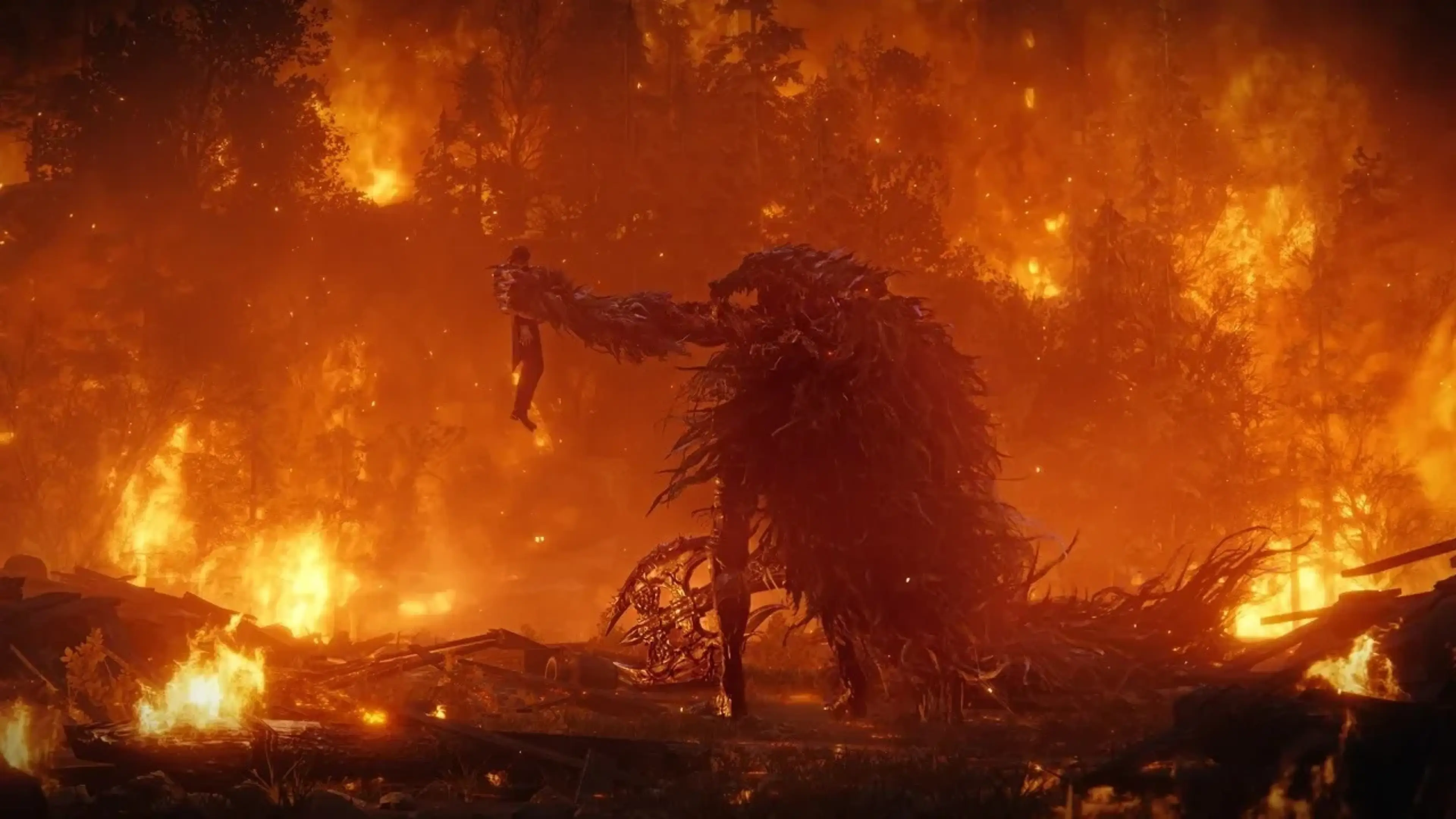
Clearing monsters quickly could give players an early advantage in The Duskbloods. If farming enemies earns more progress with less risk than fighting other players, experienced players may start avoiding PvP until they are strong enough to win.
FromSoftware has dealt with PvE and PvP balance before. Elden Ring's patch 1.07 introduced separate PvP damage scaling, weakening certain Ashes of War and dragon incantations against other players without affecting their performance against regular enemies and bosses.
That approach becomes more complicated in The Duskbloods. Even if a powerful weapon deals less damage in PvP, it could still help someone farm monsters faster and enter fights with an advantage.
FromSoftware needs to balance the rewards for fighting monsters, completing objectives and confronting rivals. Otherwise, the best strategy could become farming PvE encounters until the final stages of a match.
The rewards decide which fights are worth taking
Farming monsters might offer a safer way to get ahead, but The Duskbloods also gives players reasons to fight over objectives. During August's network test, players earned points called Virtue, with the three highest scorers advancing to the final fight after the third of four phases.
Virtue came from several activities, including defeating powerful enemies and lighting skulls scattered across the map. PvP kills only awarded Sword Virtue at ritual sites, while pledging at pillars earned Pledge Virtue. Other players could claim those same pillars and erase the previous pledge, making control of certain locations especially valuable.
These rules made choosing when and where to fight important. Chasing another player across the map could waste time better spent collecting points, while ignoring a rival near a pillar could cost you an existing lead. A boss might offer a substantial reward, but fighting it also left players vulnerable to interference.
Director Hidetaka Miyazaki had already identified the importance of PvP victories as something the team wanted to balance through testing. If clearing monsters consistently offers better rewards with less risk, experienced players may avoid unnecessary fights. Make PvP too rewarding, however, and completing objectives becomes less attractive than hunting other players.
The consequences also carry into the final phase. During the test, players received additional health based on their accumulated Virtue. A strong performance earlier in the match therefore provided an advantage in the final fight, although too large a bonus could make comebacks difficult.
The full game will also feature a boss-based finale that was absent from the test. Builds that dominate PvP may perform differently against a powerful AI opponent, potentially changing which strategies work best across an entire match.
FromSoftware needs to balance these rewards around the complete experience. Players should be able to compete through different approaches without discovering that one route to the finale is consistently faster, safer and more rewarding than everything else.
Related Article
Elden Ring Nightreign is a bold experiment with uneven results
Cooperation can strengthen a future rival
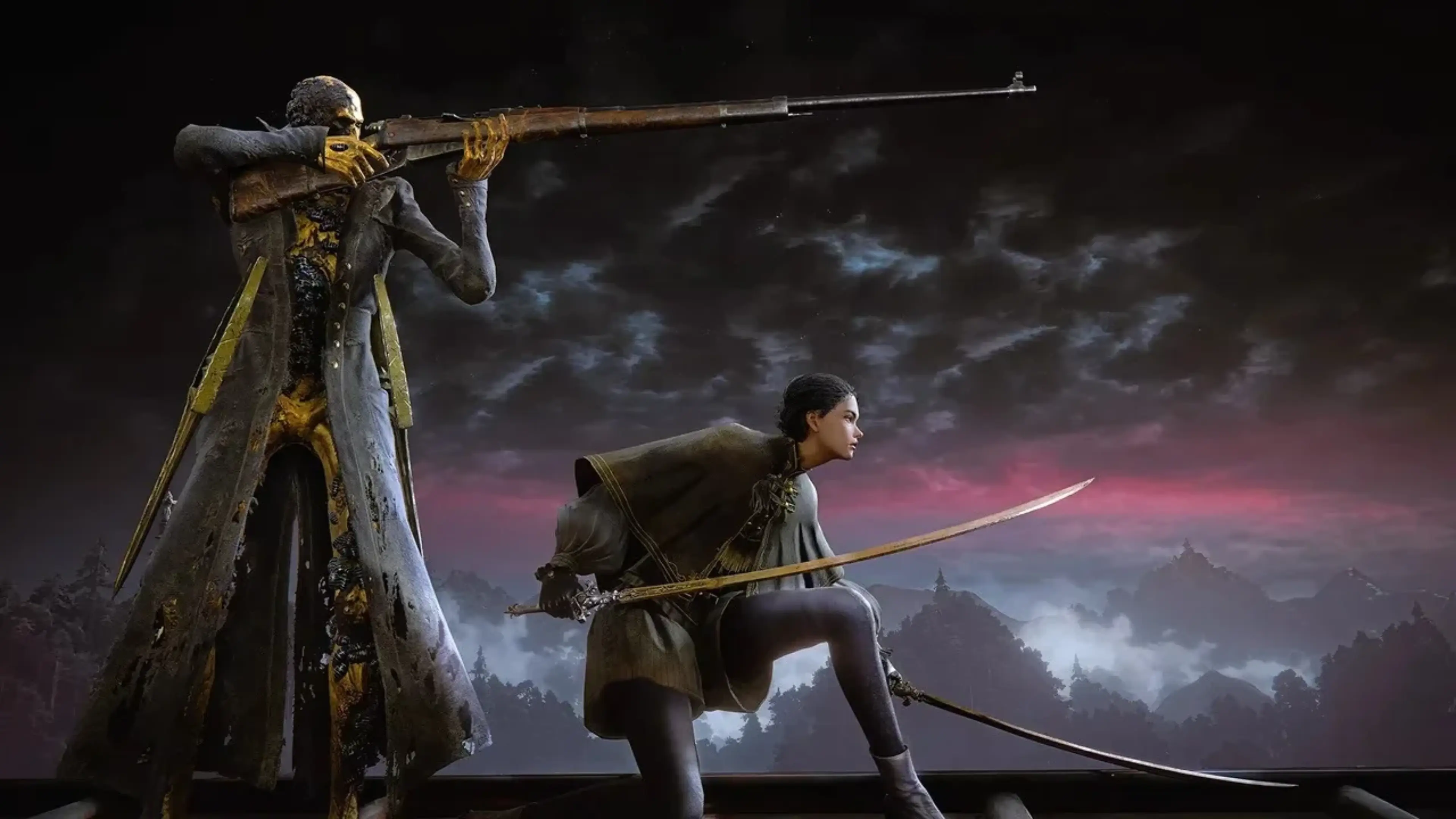
Alliances add another challenge to The Duskbloods' point system. During the standard test, partners could not damage each other and shared Sword and Pledge Virtue earned at ritual sites. However, those alliances ended in the final phase, where former teammates had to fight for the win.
Working together made it easier to secure objectives and survive encounters, but every point shared also strengthened a potential opponent. Refusing an alliance carried its own risks, particularly when other players were already cooperating to control valuable locations.
That balance is important for solo players. Alliances need to offer worthwhile advantages without making cooperation essential to reaching the finale. Players who prefer fighting alone should still have ways to earn enough Virtue, even when they cannot compete directly with a coordinated pair.
FromSoftware also tested Bloodbound Alliances, which allowed partners to remain together and win as a team. Permanent cooperation changes how certain builds perform. A ranged fighter who struggles when enemies get close becomes considerably harder to punish when a teammate can protect them.
The two formats therefore need different balancing considerations. Temporary allies must eventually turn against each other, while Bloodbound partners can build their entire strategy around fighting together.
Fast combat needs reactions players can trust
The Duskbloods gives players more freedom to fight aggressively than Elden Ring. During the network test, characters could chain three jumps and attack without consuming stamina, leaving that resource available for sprinting and dodging. Players could keep up the pressure while still having to manage their movement.
Every Bloodsworn also had access to a timed howl that interrupted enemy attacks and built stagger, alongside the ability to deflect certain ranged attacks. These defensive options could help different characters deal with aggressive opponents, regardless of their weapons or fighting styles.
Reliable timing becomes particularly important with combat this fast. Missing a howl or deflection should come down to the player's timing or the opponent's attack. If connection problems interfere, it becomes harder to judge whether an ability needs adjusting or simply failed to register.
August's network test had some technical problems. FromSoftware ended the opening session early after server issues prevented players from logging in, although later hands-on reports described matches without significant lag. The studio has not identified networking as a reason for the delay.
Clear rules are another part of getting the balance right. Miyazaki previously explained that Nintendo helped identify mechanics the developers understood but had not explained properly to players.
With different ways to earn Virtue, form alliances and reach the finale, players need to understand how their decisions affect the match. Reliable combat and clear rules will make it easier for FromSoftware to judge which abilities and strategies genuinely need balancing.
Winning should reward more than one strategy
Elden Ring rewards players for finding powerful builds, but The Duskbloods has to keep those advantages in check when everyone is competing for the same victory. A character that farms Virtue faster, an alliance that dominates objectives or a weapon that consistently wins the final fight could eventually push players toward the same strategy.
Miyazaki has emphasized that The Duskbloods relies more heavily on playtesting and adjusting rules than previous FromSoftware games. Balancing weapon damage alone will not be enough. The rewards for fighting monsters, pursuing objectives and challenging rivals all influence how players approach a match.
FromSoftware plans to let players progress through the story even when they lose, but competitive matches still need several viable paths to victory. An aggressive player hunting rivals and a cautious one securing objectives should both have a chance to reach the finale.
The challenge is preserving the demanding combat FromSoftware is known for while making preparation, cooperation and strategic decisions just as important as fighting skill. The extra development time gives the studio an opportunity to ensure those different approaches remain competitive even after players have mastered the game.
An online multiplayer PvPvE game where players vie for supremacy among themselves and against challenging foes. Play as the "Bloodsworn"; a group that has transcended human strength thanks to their special blood, and throw yourself into a violent fray for "First Blood" as the twi
Released
December 31, 2026
Developer
FromSoftware
Publisher
FromSoftware


Tagged In
Discussion
0We want to hear from you. Share your perspective in the comments below, and please keep the conversation respectful.
Log in to join the discussion - vote, reply, and share your take.
Log In