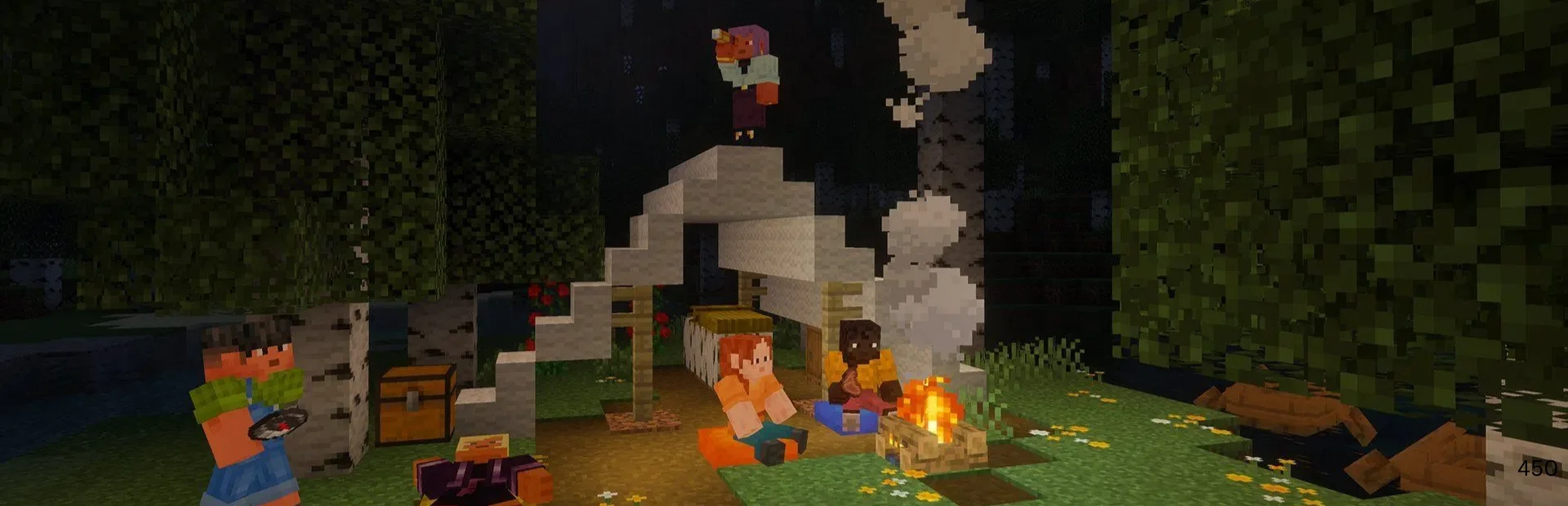
Minecraft Finally Adds Concrete Stairs After Nine Years
Minecraft Snapshot 7 adds concrete stairs and slabs in all 16 colours, finally ending years of awkward building workarounds.
Minecraft builders have spent years hiding one of the game's strangest missing pieces. Concrete arrived in 2017 with 16 strong colours, yet anyone building a roof, staircase, road edge, or modern interior still had to switch to another block the moment the design needed a slope or half-height surface.
Java Edition 26.3 Snapshot 7 finally adds concrete stairs and slabs in every colour, ending a wait that has lasted nearly a decade. The blocks are still in testing before the third 2026 game drop reaches the stable version, but builders can now see exactly how much easier clean, colourful designs will become.
Nine Years of Awkward Workarounds
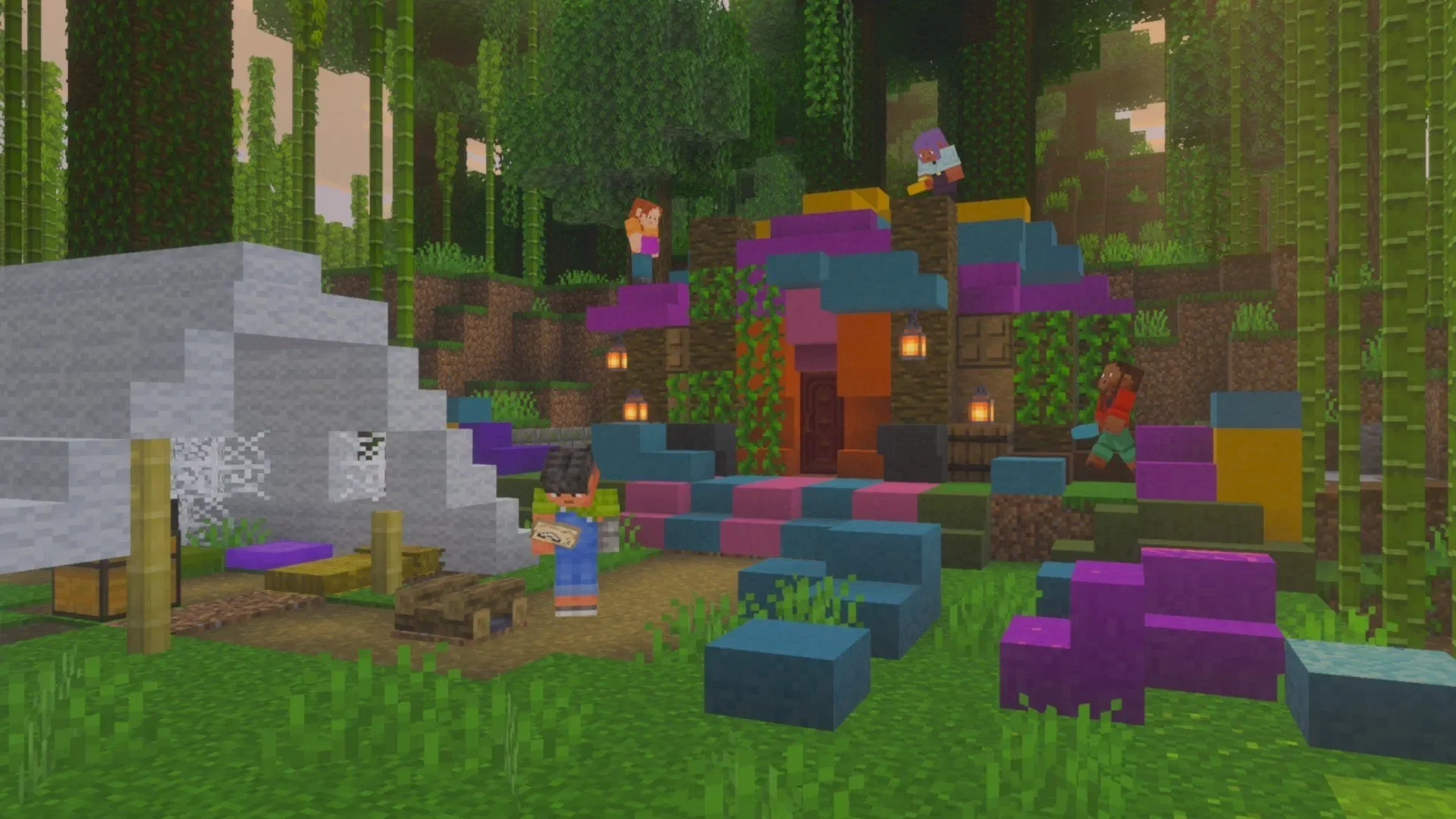
Concrete became popular because its smooth texture works for painted walls, road markings, signs, vehicles, furniture, and modern architecture. The problem appeared whenever a build needed more shape. A black road might suddenly require dark oak steps, while a bright wall lost its clean finish when quartz or terracotta had to fill the gap.
Players found clever ways around the missing blocks, but every solution came with a compromise. Full blocks could hide inside a roof, trapdoors could fake thin edges, and similar colours could cover staircases from a distance. Up close, the texture change was obvious, especially in builds where concrete was meant to look like one finished material.
Mojang has kept the new recipes simple by using the normal stair and slab crafting patterns after concrete powder has been hardened. That choice makes the addition feel less like a new feature and more like a basic part of the block family finally being completed. Builders will not need another tool, station, or special resource.
Concrete Builds Gain More Freedom
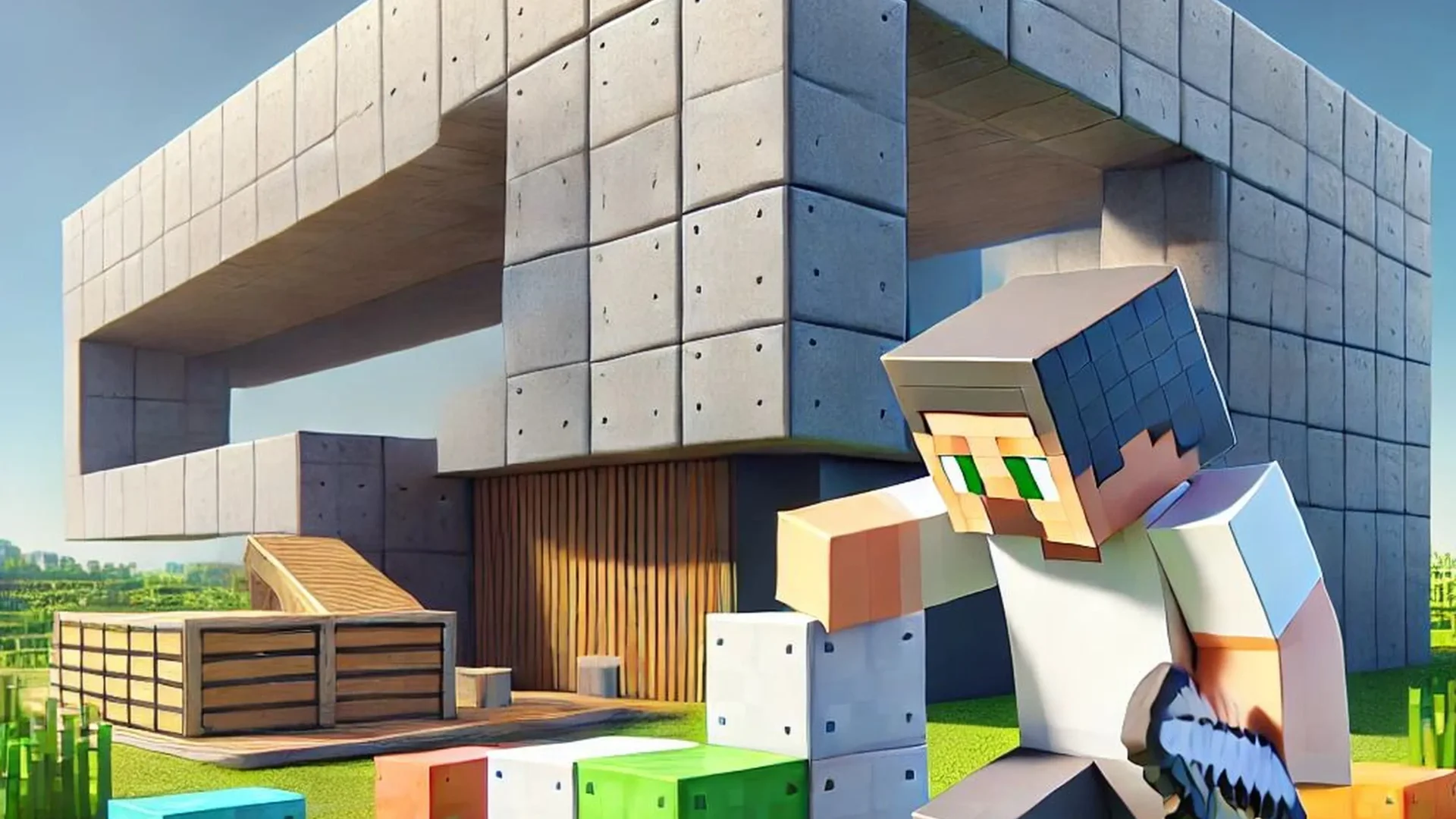
Stairs and slabs are rarely used only for walking. Builders turn them into window frames, curved walls, roof lines, shelves, seats, vehicle parts, trim, and small changes in floor height. Having those shapes in every concrete colour allows detailed sections to stay consistent instead of breaking the palette with an unrelated material.
Modern houses should benefit most because concrete already works well as painted plaster, metal panels, and clean exterior walls. Slabs can create thinner floors and layered surfaces, while stairs make angled roofs and smoother corners possible. Roads, garages, airports, stadiums, and city builds also gain better ramps, kerbs, and coloured markings.
The excitement around the snapshot shows why a small block can matter more than a large mechanic for part of the community. Concrete stairs will not change combat, exploration, or survival balance, but they remove a problem builders met in almost every ambitious project. Nine years of substitute blocks can now be replaced with the material that belonged there.

The Blocks Are Still in Testing
Java players can try the feature through Snapshot 7 in the Minecraft Launcher, while Bedrock beta and preview support is expected shortly. Snapshot worlds can still break or change before release, so anyone testing the blocks should use a backup rather than moving a long-running survival world into an unfinished version.
The same snapshot expands abandoned camps with explorer maps that can point toward other camps and structures such as Ancient Cities, Trial Chambers, mineshafts, pyramids, warm ocean ruins, and Woodland Mansions. Those changes give explorers more to follow, while the concrete additions handle a much older problem on the creative side.
The wider third 2026 drop also includes wool stairs and slabs, cushions, straw beds, poplar trees, the Dappled Forest, red shrubs, and shelf mushrooms. Mojang has not confirmed the stable release date, leaving builders with one final wait before concrete stairs and slabs can safely replace years of mismatched roofs, roads, and furniture.

Minecraft focuses on allowing the player to explore, interact with, and modify a dynamically-generated map made of one-cubic-meter-sized blocks. In addition to blocks, the environment features plants, mobs, and items. Some activities in the game include mining for ore, fighting h
Released
December 19, 2016
Developer
Mojang Studios
Publisher
Mojang Studios


Tagged In
Discussion
0We want to hear from you. Share your perspective in the comments below, and please keep the conversation respectful.
Log in to join the discussion - vote, reply, and share your take.
Log In