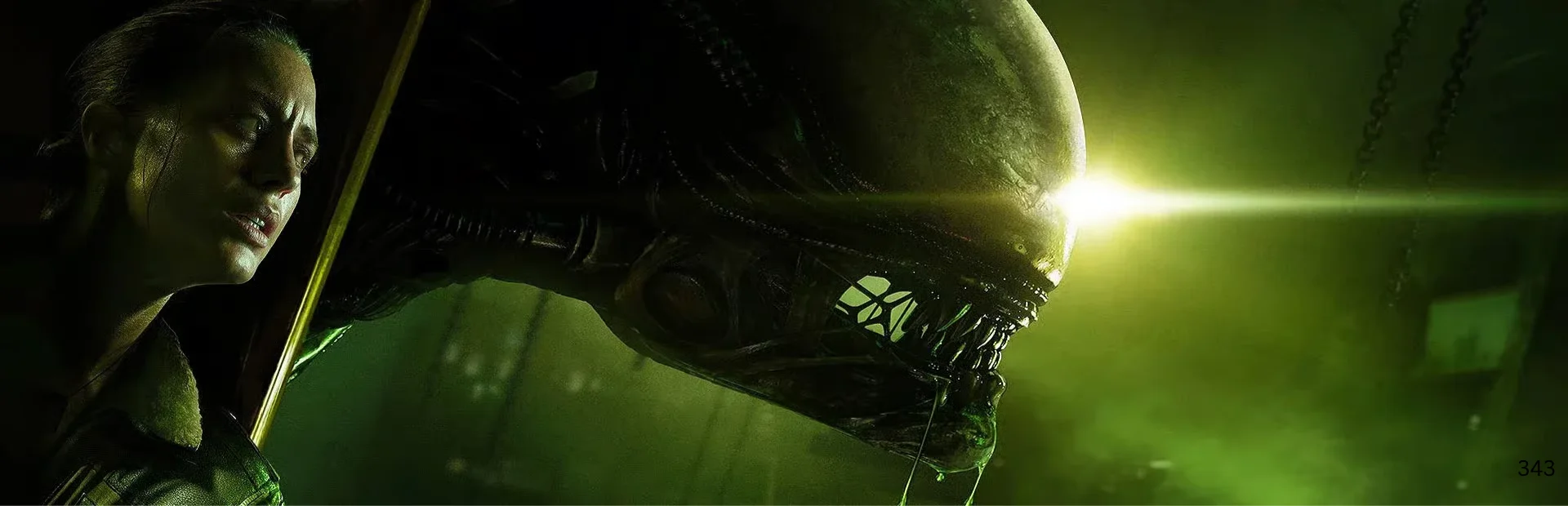
Alien: Isolation still makes every vent feel dangerous
Alien: Isolation still makes Sevastopol feel deadly, with a terrifying Xenomorph, tense stealth, and survival-horror pressure.
The first thing I remember about Alien: Isolation is not the Xenomorph. It is the noise above the ceiling. A dull thud travels across the metal, followed by the faint scrape of something too heavy to be moving that quietly. The motion tracker stays dark. The corridor ahead is empty. I know I should keep walking, but every instinct tells me to crawl beneath a desk and wait for the station to become someone else's problem.
More than a decade later, Creative Assembly's survival-horror game can still make me feel that way. Its campaign runs too long, several objectives amount to repairing one more broken machine, and the human enemies can be remarkably dim. None of that has loosened its grip. Alien: Isolation remains the only game that has made the Xenomorph feel less like a famous movie monster and more like an animal that has caught my scent.
Sevastopol feels like the future imagined in 1979
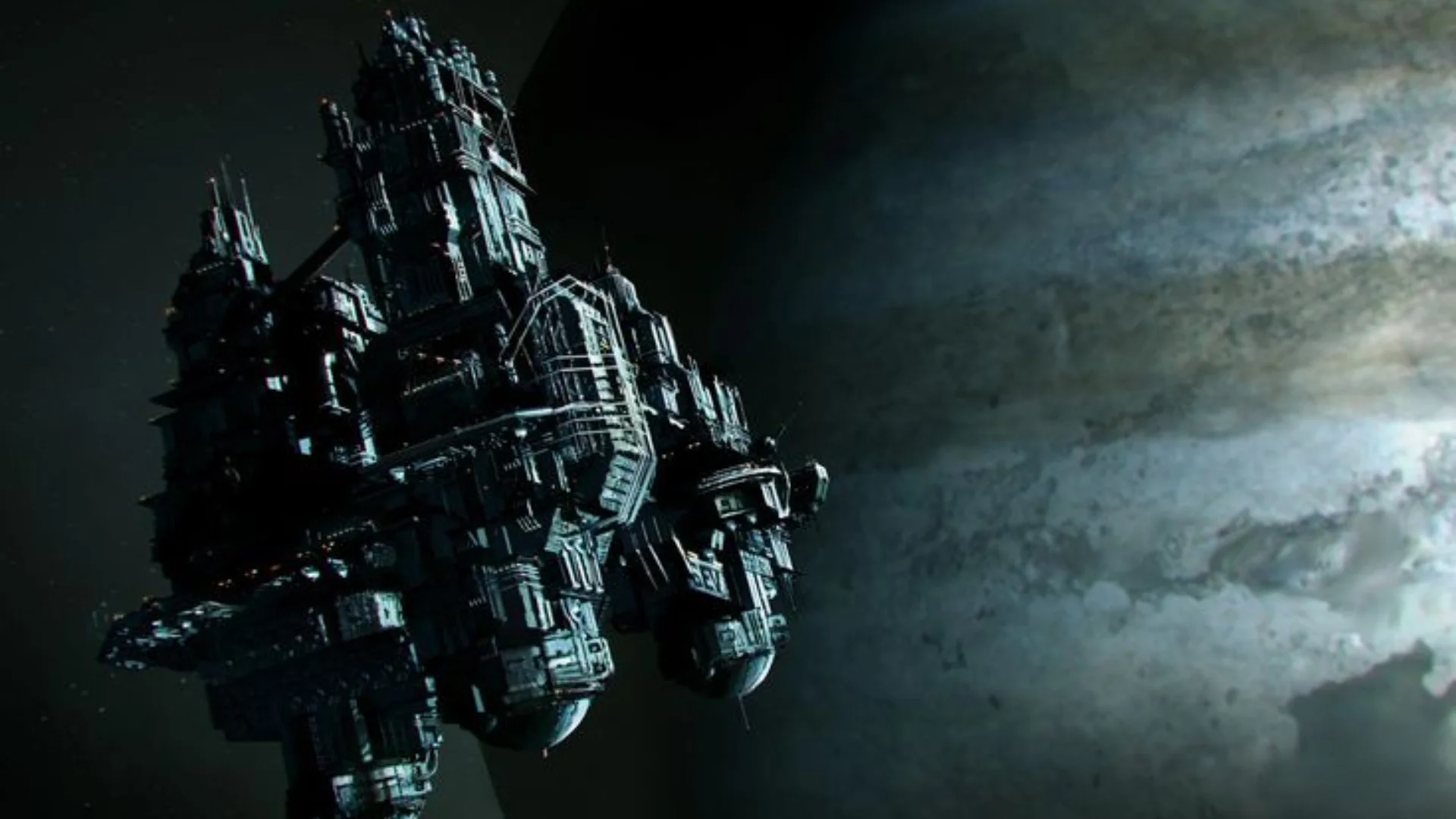
Sevastopol Station looks like it was built from the leftover machinery of Ridley Scott's original Alien. Its computers have thick plastic keys. Screens glow green behind scratched glass. Doors open with a heavy mechanical complaint, and almost every important system requires Amanda Ripley to pull a lever, insert a tool, or hammer at a keyboard while something may be approaching behind her. This is not the smooth future of glass displays and invisible technology. Everything clicks, groans, and takes too long.
That physical quality still gives the station more presence than many newer horror settings. I never feel as though I am simply pressing a button beside a door. Amanda braces herself, twists the maintenance jack, and slowly forces the mechanism open. Saving requires standing still at an emergency terminal while a light blinks through an agonising countdown. Even checking the map means looking down at a handheld screen and giving up sight of the corridor ahead.
The attention to the first film could easily have become empty fan service, but Sevastopol feels used rather than displayed. Food wrappers lie beside old terminals. Cheap advertisements promise a happier life elsewhere. The station is being stripped, abandoned, and sold off even before the creature arrives. The Xenomorph did not ruin a thriving place. It found one already coming apart.
The Xenomorph turns every room into a bad decision
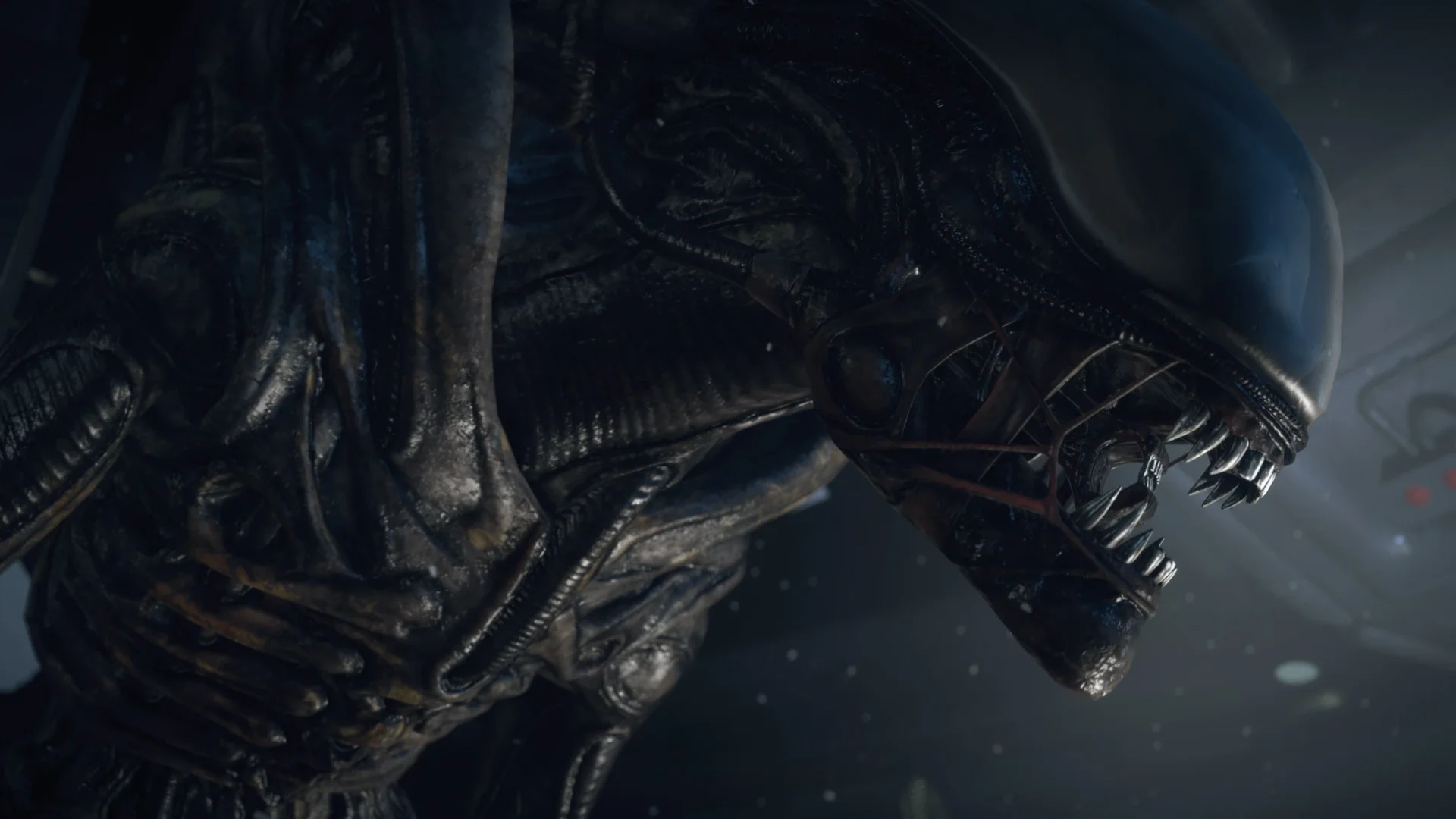
My first proper encounters with the alien taught me that horror-game hiding places are promises nobody should trust. A locker can save me, but it can also leave me staring through narrow vents while the creature takes its time outside. A desk offers cover until its black legs pass inches from Amanda's face. A cupboard is useful right up until the Xenomorph decides to look inside.
Its behaviour gives every encounter an uncomfortable looseness. It does not follow one route that can be memorised and exploited. It drops from vents, circles back, reacts to noise, and sometimes seems to leave only to return seconds later. There were stretches where it vanished long enough for me to regain confidence, then landed behind me just as I reached the door. That uncertainty is far more frightening than a scripted chase.
The game also refuses to turn the creature into a boss I can eventually defeat. The flamethrower provides some breathing room later, but it changes the relationship rather than ending the fear. I can drive the Xenomorph away for a moment, knowing each burst is using fuel I may desperately need in the next room. By then, it has learned to hesitate outside the flame's reach, and I have learned that holding a weapon is not the same as being safe.
Survival lives in the little routines
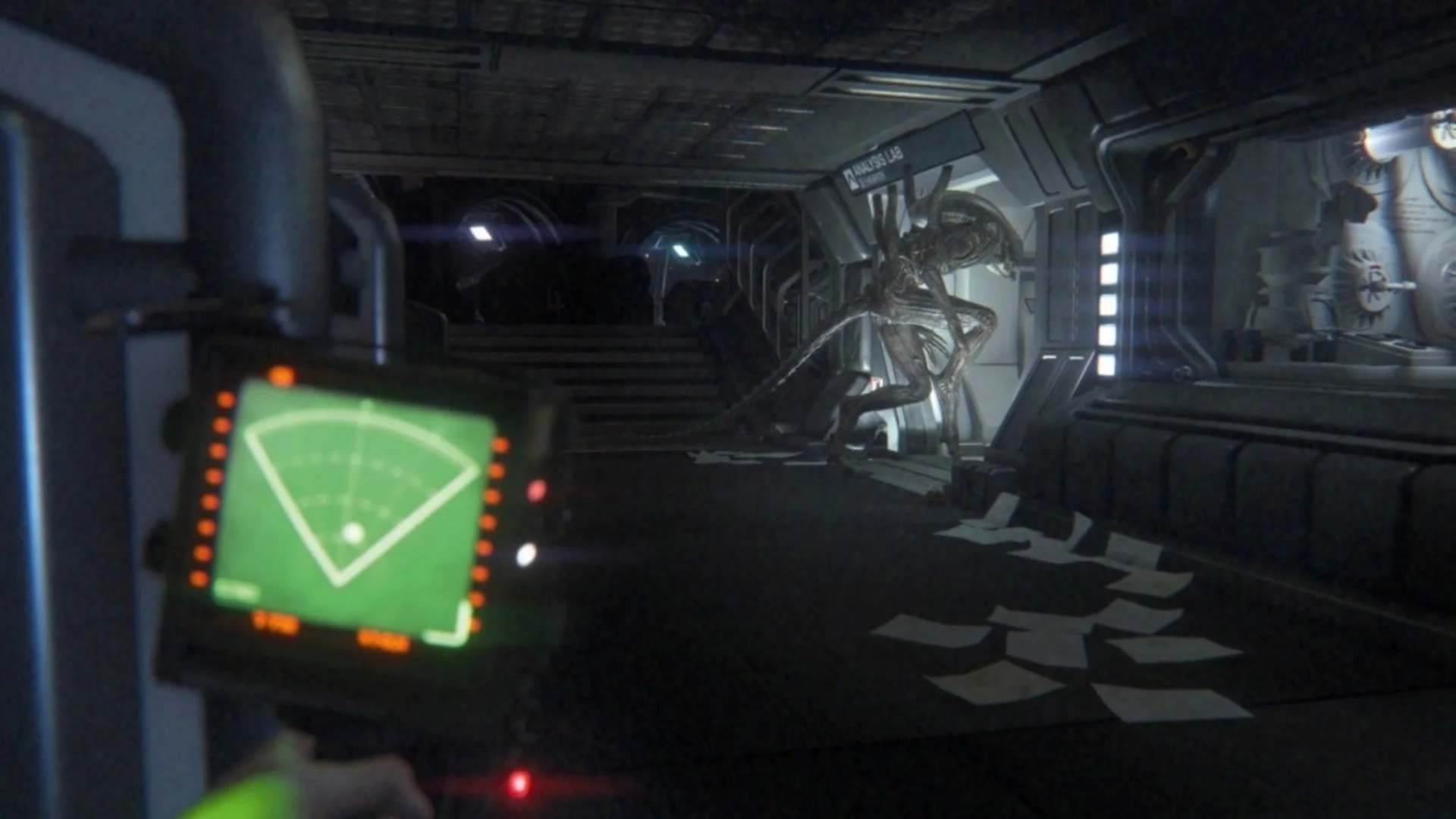
Alien: Isolation builds tension through the habits it creates. I listen before opening a door. I glance at the ceiling whenever the lights flicker. I keep the motion tracker raised until its beeping becomes unbearable, then lower it and immediately wonder whether something moved while I was looking away. Reaching a save station feels like finding a lit porch after walking home alone at night.
The tools are simple but useful. Noisemakers can pull the alien toward armed survivors, smoke bombs can hide a desperate crossing, and flares can illuminate dark corners while drawing attention somewhere I no longer want to be. The crafting menu is awkward under pressure, which seems fitting when Amanda is trying to assemble a device from station debris with shaking hands. I rarely felt properly equipped. I felt slightly less helpless.
The Working Joes create a different kind of dread. Their rubber faces and patient corporate voices are unnerving long before they become violent. They do not move with the Xenomorph's speed, but their slow pursuit has its own horrible certainty. Hearing one calmly tell me that I am becoming hysterical while it walks through fire to reach me is the sort of detail that stays lodged in the memory.
The station keeps you there too long
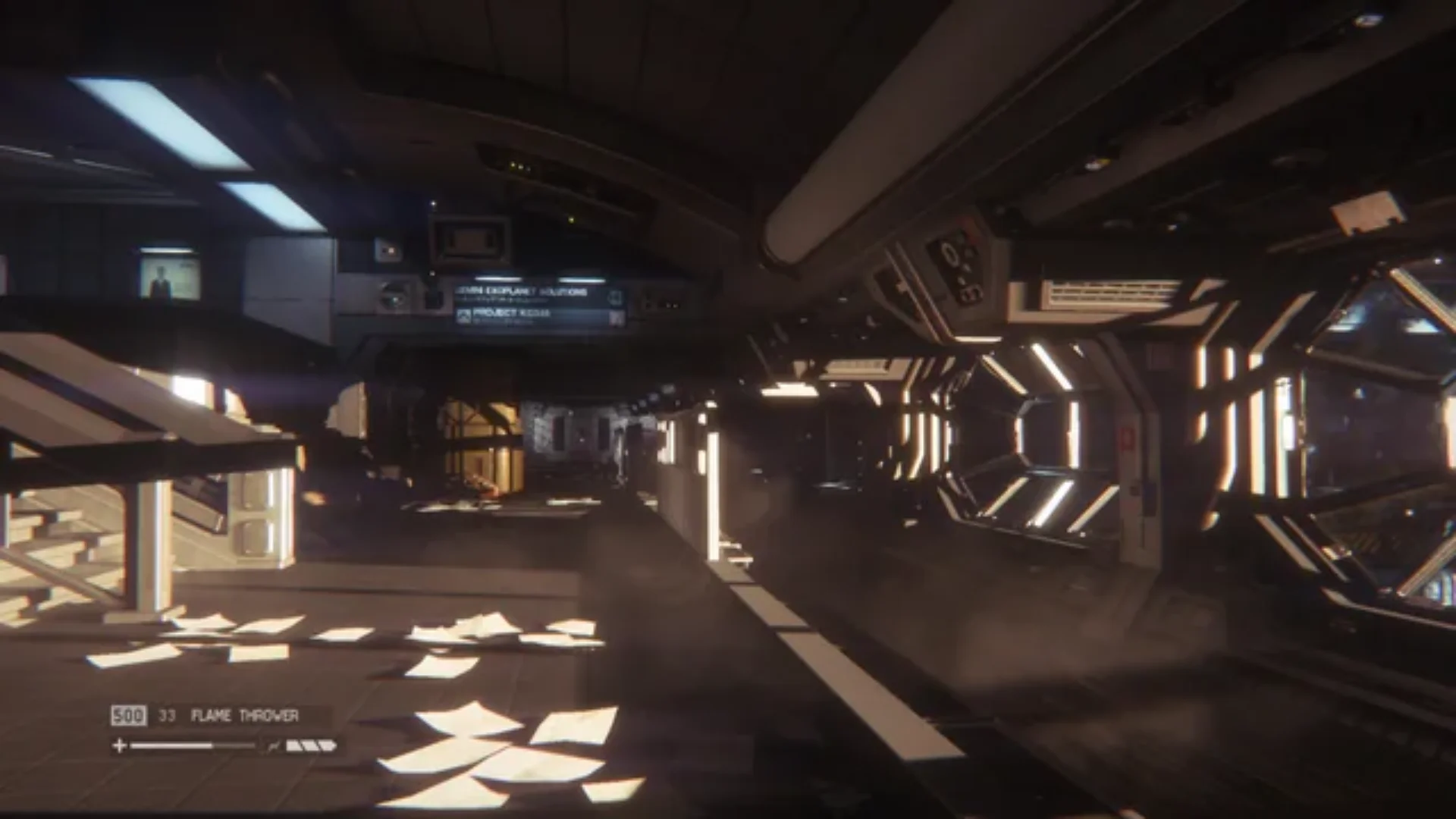
The campaign's biggest problem is that it repeatedly approaches an ending and then pulls the escape route away. Another system fails. Another door needs power. Another journey sends Amanda back through familiar sections of Sevastopol. The first ten or twelve hours build pressure with remarkable control; the later chapters stretch that pressure until fear occasionally gives way to tiredness.
Some repetition suits the setting. Amanda is trapped on a failing station, so routes should close and plans should collapse. The problem is how often those complications become another generator, keycard, or detour through corridors I have already crossed. Human enemies also expose the weaker side of stealth. Their repeated dialogue and inconsistent awareness can puncture the mood, especially after spending so long hiding from something far more convincing.
Still, the excessive length produces a strange effect of its own. By the end, Sevastopol no longer feels like a haunted attraction I have visited for an evening. It feels like somewhere I have endured. I know its tram stations, medical wings, server rooms, and maintenance shafts. When the station refuses to let Amanda leave yet again, her exhaustion and mine begin to overlap.
Alien: Isolation is still worth the panic
Alien: Isolation is not a perfectly paced horror game. It is too long, too fond of broken machinery, and occasionally rough whenever the Xenomorph leaves the stage. Players who dislike slow stealth or losing progress after one bad movement may find the experience more punishing than frightening.
I still recommend it without hesitation to anyone who wants horror built from patience rather than constant shocks. The recreation of Alien remains astonishing, but nostalgia alone is not what keeps the game alive. It is the moment the tracker begins to beep faster. It is the hiss of a vent opening nearby. It is standing beside a save terminal, watching the light blink, and quietly begging a machine from the future to hurry up.
Tagged In
Discussion
0We want to hear from you. Share your perspective in the comments below, and please keep the conversation respectful.
Log in to join the discussion - vote, reply, and share your take.
Log In