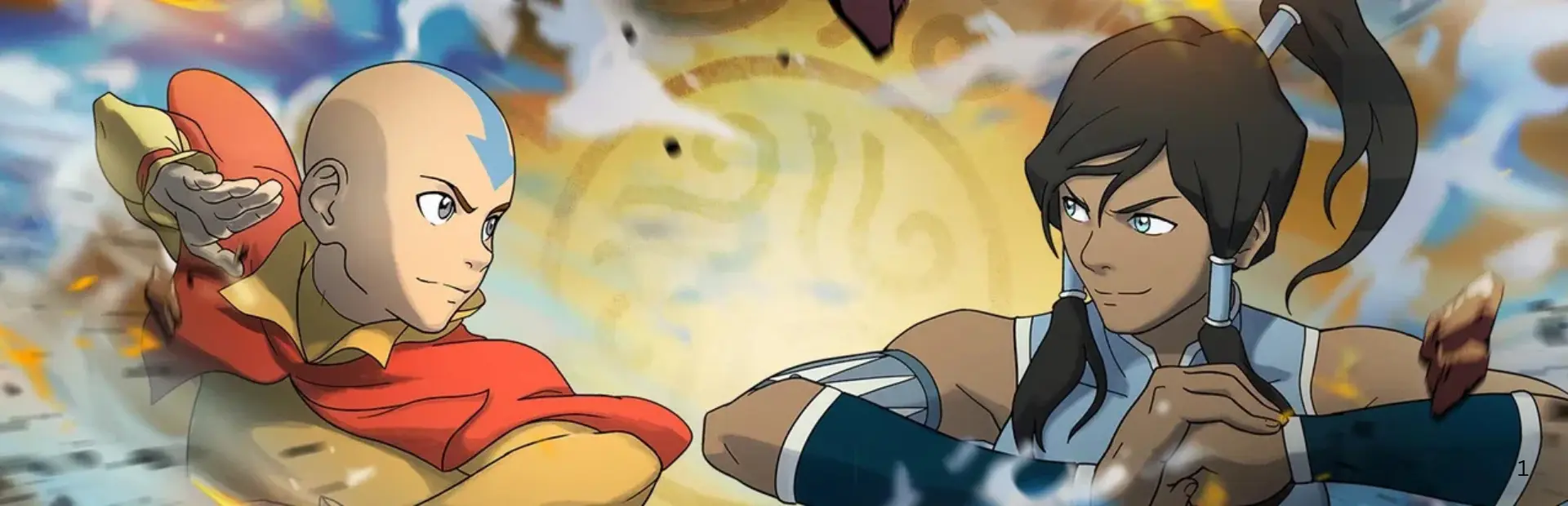
Avatar Legends Makes You Earn Your Mastery of the Elements
Avatar Legends delivers deep combat, faithful animation, and strong online play, but its steep learning curve may overwhelm newcomers.
Avatar Legends: The Fighting Game is not a simple fighter created exclusively for fans of Aang and Korra. Gameplay Group International used the license as the foundation for a fast and demanding combat system. Learning the first combos comes easily, but effective defense, resource management, and the individual mechanics of each fighter require many hours of practice.
What I appreciate most is how the characters' moves reflect their personalities and fighting styles from the shows. The hand-animated attacks look excellent, the Flow System adds a new dimension to movement and defense, and online matches remain suitably smooth. The problem is that the game almost immediately expects players to understand the fundamentals of traditional fighting games. The modest roster and restrained campaign presentation reflect the limited budget, although the $29.99 price partly compensates for the relatively small amount of launch content.
Flow Turns Defense into Movement
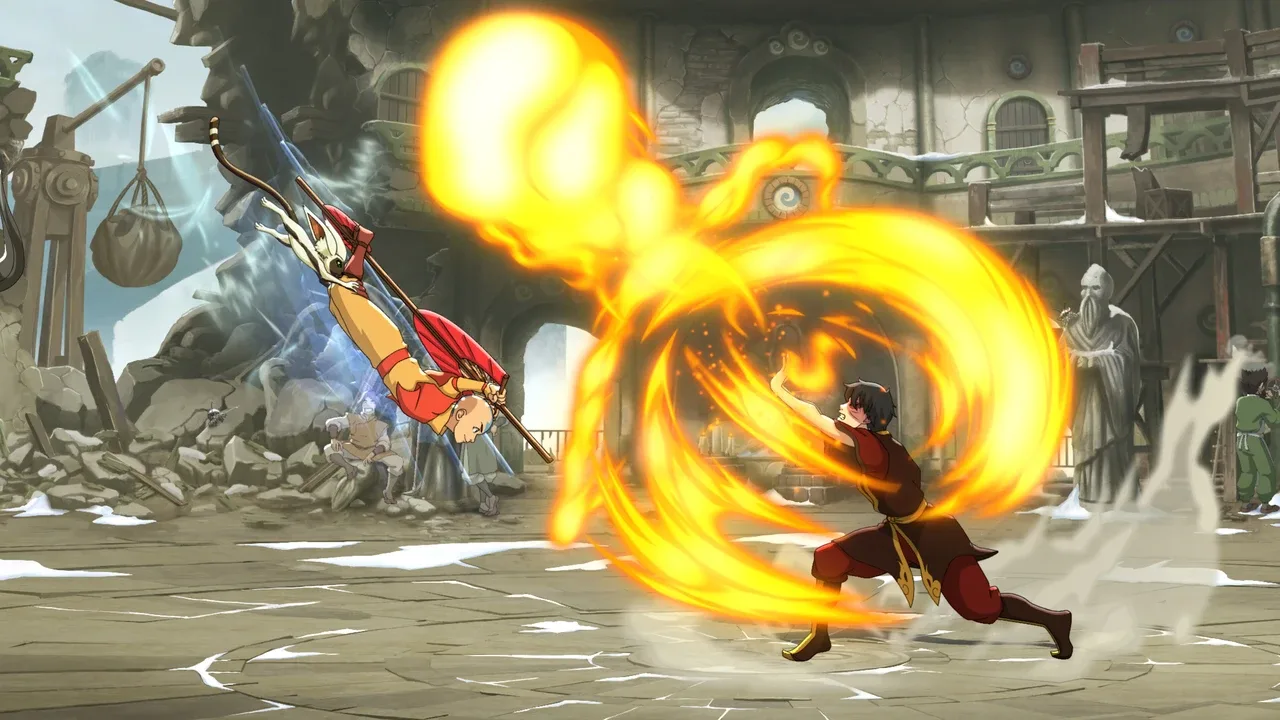
The basic control scheme features three types of attacks and a separate Flow button. Standard strikes can be combined with special moves, throws, and longer combos. Auto-combos make it easy to perform an impressive sequence, but they do not replace learning a character's full range of options. Experienced players can extend sequences, bounce opponents off walls and the ceiling, and carry a fight from one end of the arena to the other.
I consider the Flow System the most important part of each match. Entering Flow Stance allows a fighter to avoid an incoming attack or instantly change position. Each character uses this mechanic differently. One leaps back to a safe distance, another moves behind the opponent, while someone else transitions directly into a counterattack.
Flow is not a safe answer to every attack. Using it drains a separate meter, and completely exhausting it leaves the fighter in an Unbalanced state. The opponent then has an opportunity to deal enormous damage. Flow Stance is also vulnerable to throws, so simply holding one button will not stop a rival who regularly changes their approach.
A separate energy meter allows fighters to use enhanced special moves and super attacks. It can be filled through universal actions, such as landing special moves and throws, but every character also has unique conditions that accelerate the process. As a result, resource management does not work the same way across the entire roster.
Combat remains extremely fast most of the time. A single mistake can lead to a lengthy combo, while powerful techniques can end a round earlier than the remaining health bar might suggest. The system rewards aggression but does not allow players to ignore positioning or their available resources.
The Fighters Retain Their Personalities from the Shows
The base roster includes 12 playable characters from Avatar: The Last Airbender and The Legend of Korra. That number is not particularly impressive compared to modern fighting games with larger rosters. However, the differences between the fighters are significant enough that learning one character does not mean automatically mastering the entire game.
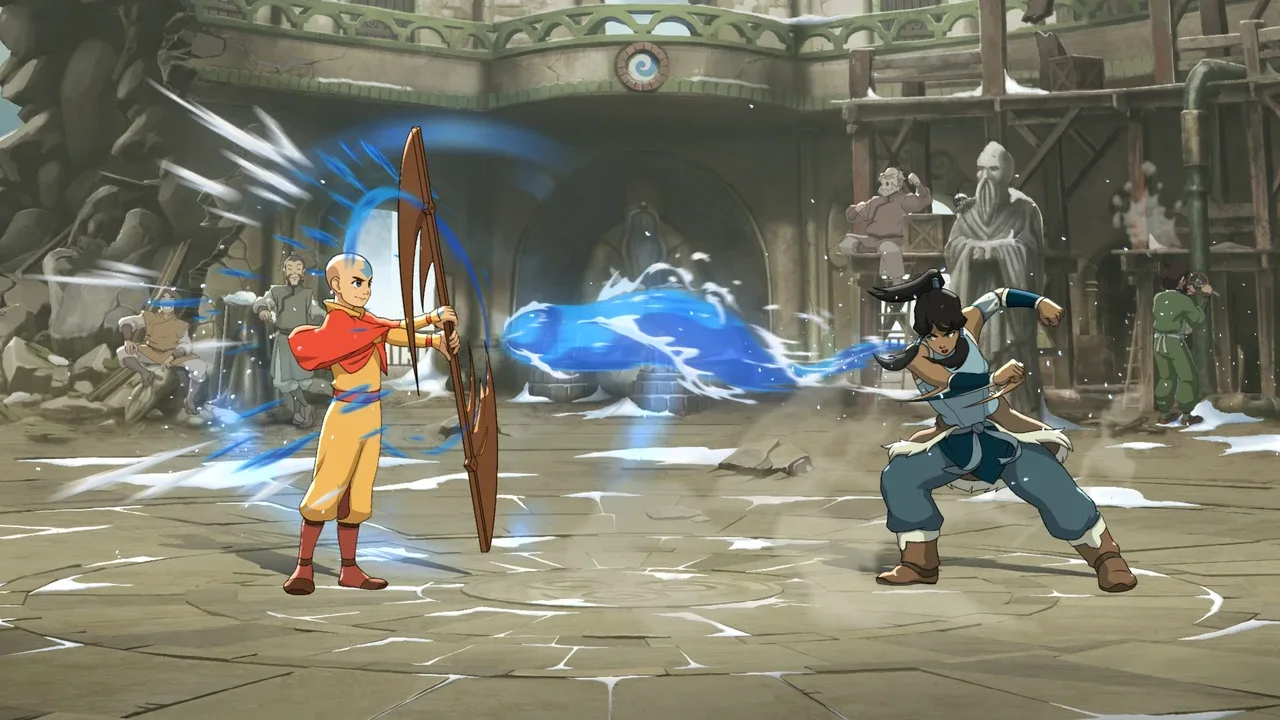
Aang relies on speed and space control, while Korra performs better in close-range combat. Kyoshi is slower, but her attacks have suitable power and reach. Toph, a master earthbender, controls the ground beneath the arena. Sokka is the only member of the base roster without bending powers, so he must rely on mobility, weapons, and clever positioning.
The best character designs involve more than simply assigning each fighter a particular type of projectile. Their movement, energy generation, and transitions between attacks reflect how they behave in the shows. The support system adds another layer. Selected assists modify a character's abilities or make resource management easier, although they do not replace a complete second fighter as they would in traditional team-based fighting games,
The hand-drawn animation gives every hit the appropriate impact. Motion trails, shifting poses, and elemental effects resemble fight scenes from the shows while remaining readable even during fast exchanges. The most powerful techniques have dedicated animations that pause the action for several seconds. They look impressive, although their length becomes more noticeable after many matches.
Good Tools Do Not Replace a Good Tutorial
The game offers an extensive Training Mode with frame data, hitboxes, opponent settings, and the option to save specific situations. It also includes combo trials and lessons dedicated to individual fighters. These are highly useful tools for someone who already knows what they want to learn.
The biggest problem is the path from understanding the basics to using these options effectively. The tutorials present each mechanic as a list of commands, but they do not always explain when it should be used during a real match. Some beginner combo trials already require precise timing instead of first teaching players the basic rhythm of attacks.
The campaign and Arcade Mode do not provide a well-controlled introduction either. Computer-controlled opponents behave inconsistently, and the difficulty cannot be adjusted.
An Avatar fan without previous fighting game experience may hit a wall during the opening chapters. Auto-combos provide some immediate fun, but they do not teach players how to defend against an aggressive opponent.
The Campaign Has a Better Idea Than Execution
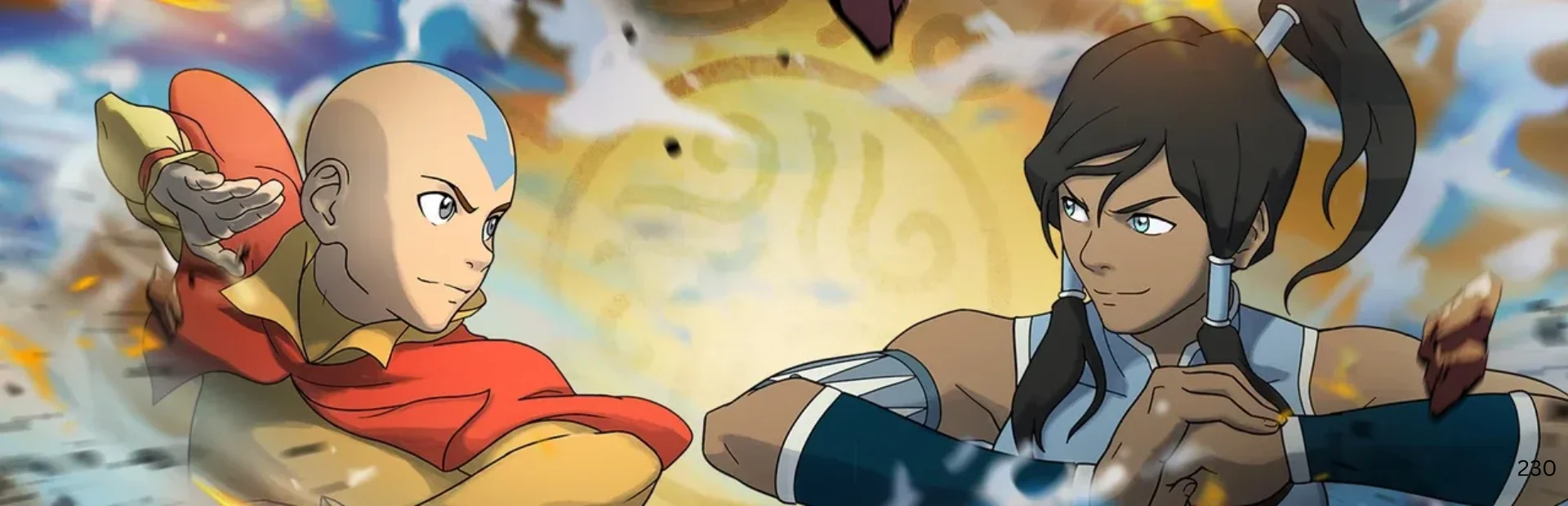
Story Mode consists of 27 chapters and presents a new canonical story connecting characters from different eras. Series co-creator Michael Dante DiMartino developed the outline, while Tim Hedrick wrote the script. Aang, Korra, and Kyoshi can appear in the same place because the boundaries between different timelines and the Spirit World begin to disappear.
The campaign allows players to try the entire base roster. Characters earn experience and currency after fights, which can be spent in Momo's Bazaar, a shop offering upgrades and support options. Additional objectives encourage players to use throws and special moves or finish a round with a particular attack.
The presentation is the least convincing aspect and quickly reveals the game's limited budget. During conversations, characters remain in their combat idle animations and do not adjust their expressions or posture appropriately. As a result, a calm exchange can look like the beginning of another fight. Backgrounds are frequently reused, while the most important events are presented through static scenes.
Character progression initially restricts some moves and available resources. This was probably meant to introduce new options gradually, but it has the opposite effect. Fighters do not demonstrate their full potential during the opening chapters, while the simplest route to victory often involves repeatedly using auto-combos. The story still serves its basic purpose. The characters retain their familiar personalities, the humor fits the shows, and meetings between figures from different eras lead to several interesting situations. However, the campaign remains an addition to the combat system rather than the main reason to buy the game.
Online Matches Have Solid Foundations
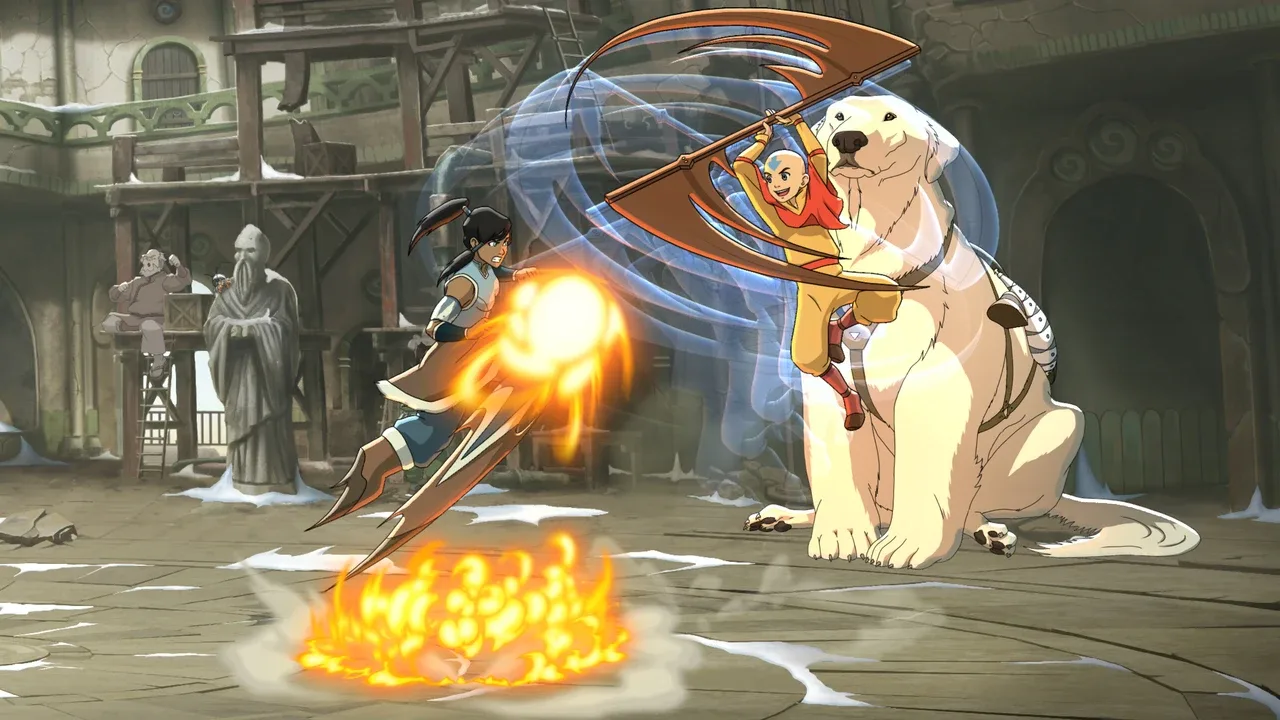
Rollback netcode and crossplay are essential for a game that demands such precise controls. Matches maintain the appropriate pace over a stable connection, and inputs do not feel delayed. Short loading times and quick rematches make it easy to move from one fight to the next.
The game includes ranked and casual matches, private rooms, a spectator mode, and replay support. The selection looks good on paper, but private lobbies have one significant limitation. At launch, they only accommodate two players, preventing friends from creating larger rooms where they can take turns fighting and watching other matches. The developers have announced plans to expand this feature in a future update.
The game also lacks more advanced tools for browsing replays from top players. With characters this complex, being able to find a specific matchup and see how an experienced player handles it would be extremely helpful. For now, streams from established competitors such as Snake Eyez serve as a substitute. However, the online foundations are strong enough for the game to develop its own community.
Avatar Legends Is a Fighting Game for Patient Fans
Avatar Legends: The Fighting Game is at its best when it stops trying to tell a story and allows two players to use the fighters' full potential. The Flow System gives matches their speed, the characters have clearly distinct playstyles, and the hand-drawn animation makes excellent use of the source material. Online combat has the right technology to prevent this precise system from falling apart outside local Versus Mode.
My biggest concerns are the poor introduction for beginners, the small roster, and the campaign's restrained presentation. A fan of the shows looking for a simple fighting game may quickly feel lost. Anyone willing to spend time in Training Mode will find a demanding system that does not need a popular license as an excuse. It is a fully fledged fighting game for fans of the genre first and a game for every Avatar fan second.
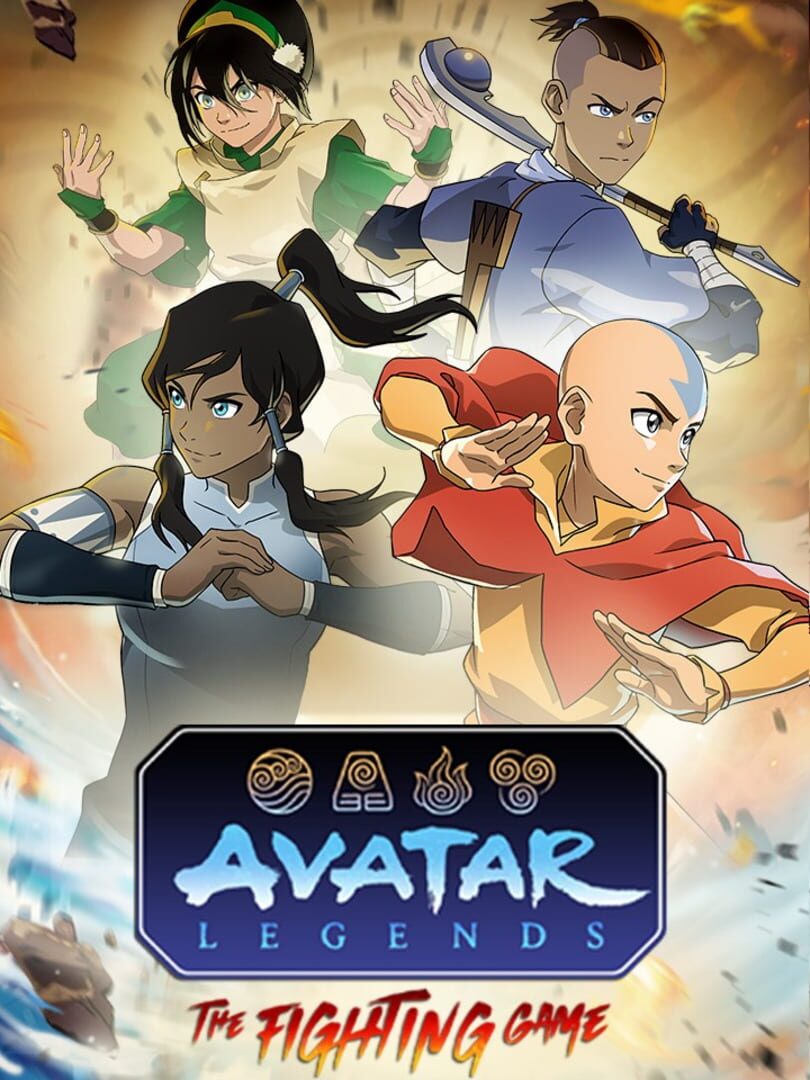
Avatar Legends: The Fighting Game is a fast-paced 1v1 fighter where you battle as your favorite characters from the Avatar franchise. Featuring hand-drawn 2D animation true to the series’ roots, proprietary rollback netcode, and full cross-play for smooth, competitive gameplay.
Released
July 23, 2026
Developer
Gameplay Group International
Publisher
PM Studios


Discussion
0We want to hear from you. Share your perspective in the comments below, and please keep the conversation respectful.
Log in to join the discussion - vote, reply, and share your take.
Log In