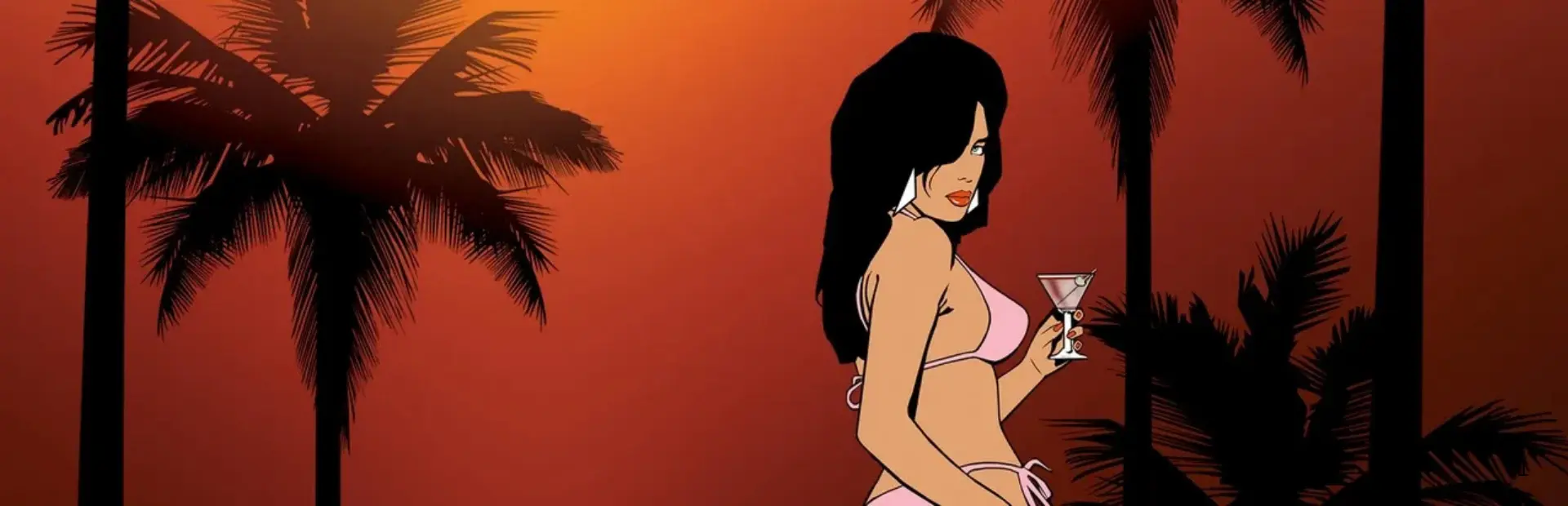
GTA Vice City Still Has the Best Atmosphere in the Series
GTA Vice City still stands out for its atmosphere, soundtrack, open-world freedom, and property system, despite its outdated controls and mission design.
When I return to the original Grand Theft Auto: Vice City, I do not expect its mechanics to have stood the test of time. The game is more than two decades old, and its controls, targeting system, and mission design come from a completely different era. Even so, few games can win me over so completely with their story and atmosphere. All it takes is stealing the first car, tuning into one of its distinctive radio stations, and driving between the palm trees to feel the character of Vice City all over again.
Returning to the game for this Zero1Gaming review, I wanted to see whether there was still something beneath the nostalgia. The answer is yes. Vice City is no longer the most expansive entry in the series, but its city, music, and property system still come together to create a cohesive crime adventure. You just have to accept a few design choices that can test a player's patience today.
Vice City Sells the Fantasy of the 1980s
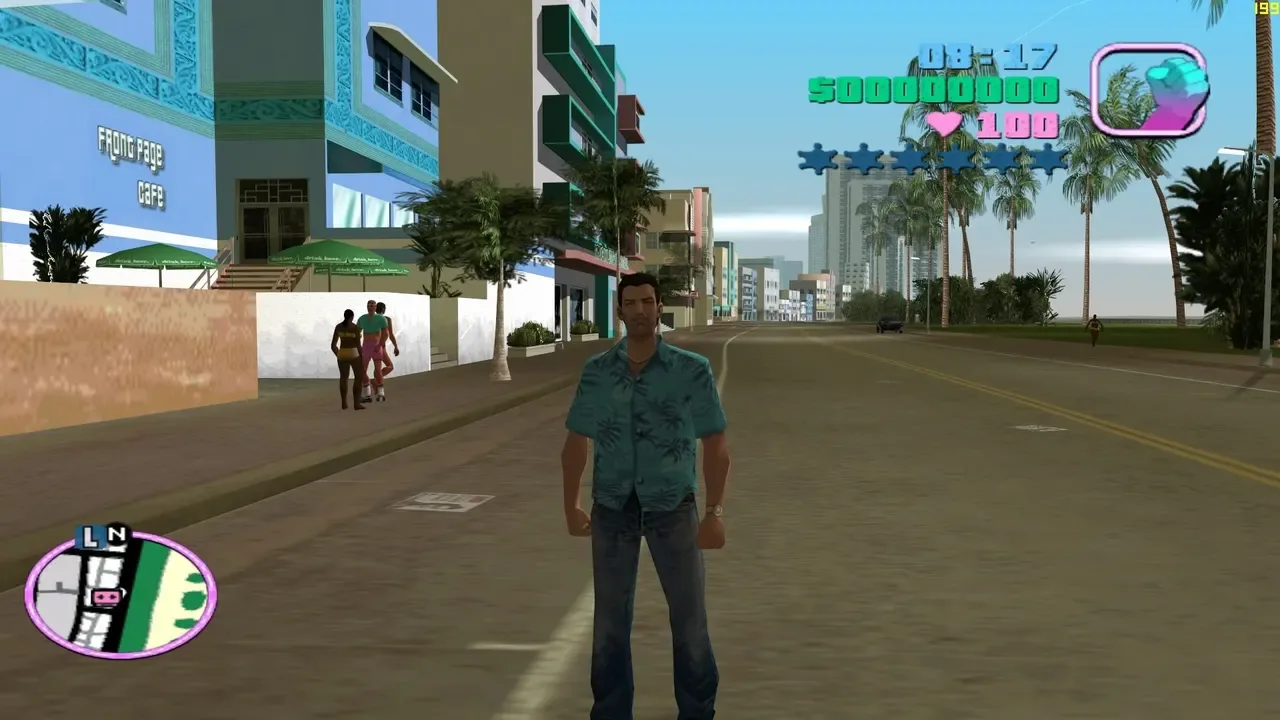
The atmosphere remains the game's greatest strength. Vice City is not a realistic recreation of Miami, but a fantasy built around neon lights, pastel hotels, and sports cars. Ocean Beach draws you in with its lights and wide streets, while Little Haiti and the docks reveal a much rougher side of the city. Every district has its own colors, buildings, and road layout.
The radio is more than background noise. Stations such as Flash FM, V-Rock, and Wave 103 shape the whole driving experience, turning it into one of the most relaxing parts of the game. I would sometimes take a longer route to my destination just to avoid interrupting the current song. The broadcasts, commercials, and presenters add to the image of a city that is attractive, absurd, and dangerous at the same time.
Tommy Vercetti also plays a major role. The protagonist has his own voice, personality, and clearly defined ambitions. He is not simply a figure who follows orders from one employer after another. Tommy talks back, shows his anger, and gradually takes control of the situation. Some dialogue and jokes have clearly aged, but the main character still gives the story more personality than the silent Claude did in GTA III.
The Move to 3D Opened the Door to New Experiences
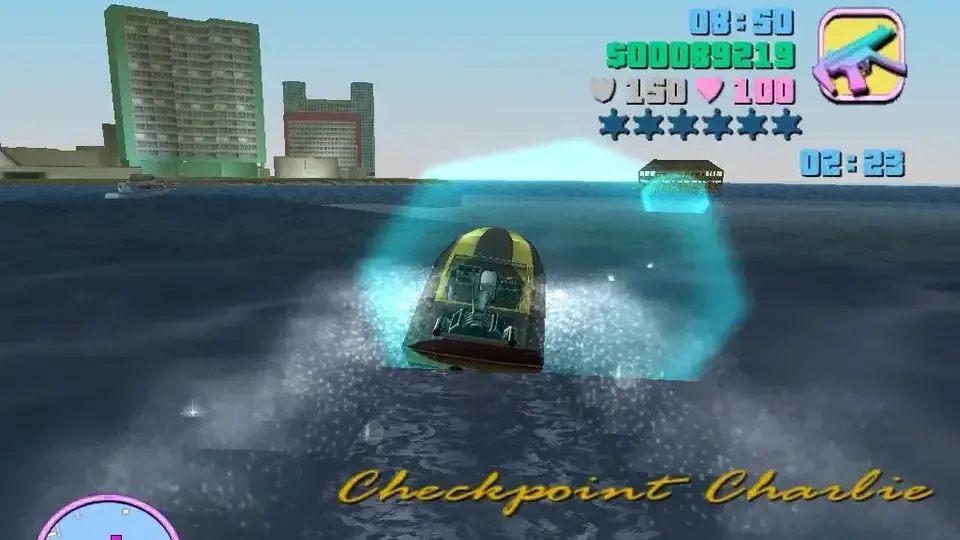
Grand Theft Auto III broke away from the series' previous formula by moving the action from a top-down perspective into a three-dimensional city. Released a year later, Vice City did not deliver an equally dramatic revolution. Instead, it showed how much could be built on those new foundations. Motorcycles, helicopters, boats, and more accessible interiors expanded the player's options. The map was also more varied, encouraging players to leave the main roads behind.
Exploration was an attraction in itself at the time. I did not need a mission to travel to the other side of the map, investigate a narrow alley, or try to reach the roof of a building. The ability to take any vehicle, escape from the police, and change plans at any moment offered a sense of independence that many other games lacked.
Compared with modern open-world games, Vice City is small. It does not have hundreds of activities, advanced navigation, or a map packed with markers. Its smaller scale benefits the city, though. After a few hours, I started recognizing major intersections, shortcuts, and distinctive buildings. I was not simply following a line on the minimap. I was learning the layout of the city.
Buying Property Changed Tommy's Standing
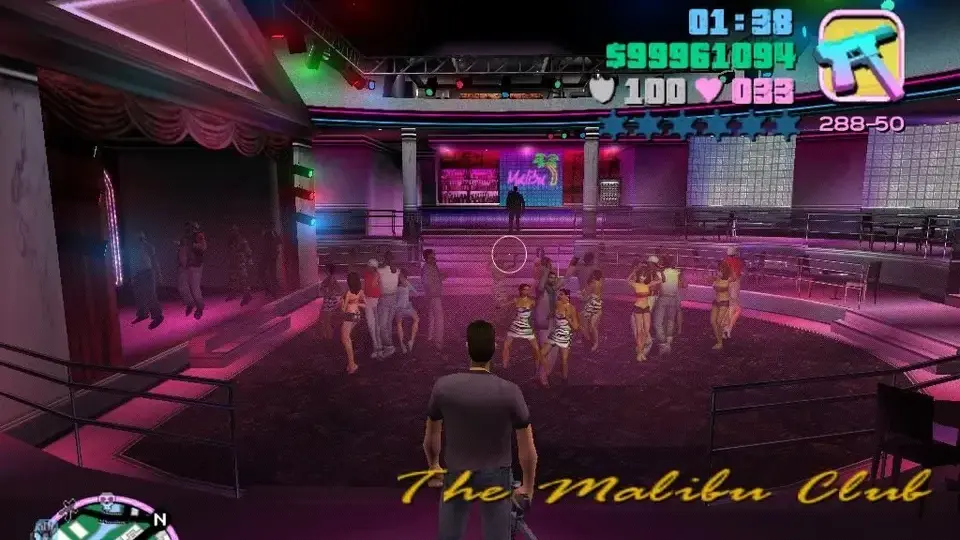
One of the most important additions compared with GTA III was the ability to buy property. These locations initially serve as additional safehouses, but Tommy can eventually take over active businesses. The Malibu Club, film studio, print works, car dealership, and taxi company are more than icons to tick off on the map.
Each business comes with its own set of missions. Taking over a property does not immediately provide a regular income. First, you have to solve its problems, help its employees, or use the business as a front for a criminal operation. Only after completing the relevant missions does it begin generating money. The iconic Malibu Club remains my favorite property by far.
The system is simple compared with later entries in the series, but it clearly shows Tommy's journey. He stops taking small jobs and begins controlling parts of the city. His progress is visible beyond the cutscenes. New buildings, sources of income, and people working for him change the way I move around Vice City.
The game also offers taxi driver, paramedic, vigilante, and pizza delivery missions. There are also races, time trials, hidden packages, and missions involving remote-controlled vehicles. The rewards are not always worth the time involved, but these side activities provide a reason to explore streets beyond the routes established by the story.
Missions Can Thrill and Frustrate
The best missions use the city, vehicles, and personalities of the characters at the same time. The bank robbery, chases through crowded streets, and operations run from acquired properties feel like short scenes from a crime movie. The game frequently changes pace. One mission requires fast driving, another focuses on shooting, and the next asks you to carefully control a helicopter.
The problems begin when you fail. The original Vice City does not provide convenient checkpoints during missions. Dying near the end of a task can mean recovering your equipment, returning to the person who assigned the mission, and driving the same route again. The game does not always test your skill. Sometimes it only tests how many times you are willing to repeat several minutes of identical actions.
The most famous example remains the mission involving a small remote-controlled helicopter. You have to carry explosives through a building while fighting the controls, camera, and time limit. Moments like this are a reminder of how many older games left players without features that are now considered standard. Although I was incredibly frustrated when I completed the mission for the first time, it remains one of my clearest memories of GTA: Vice City.
The shooting also reveals the game's age. Switching targets does not always work as expected, the camera can settle at the wrong angle, and combat in tight spaces quickly turns into chaos. Tommy cannot swim either. Accidentally driving into the water results in death, which is particularly unforgiving in a city filled with canals and beaches.
Related Article
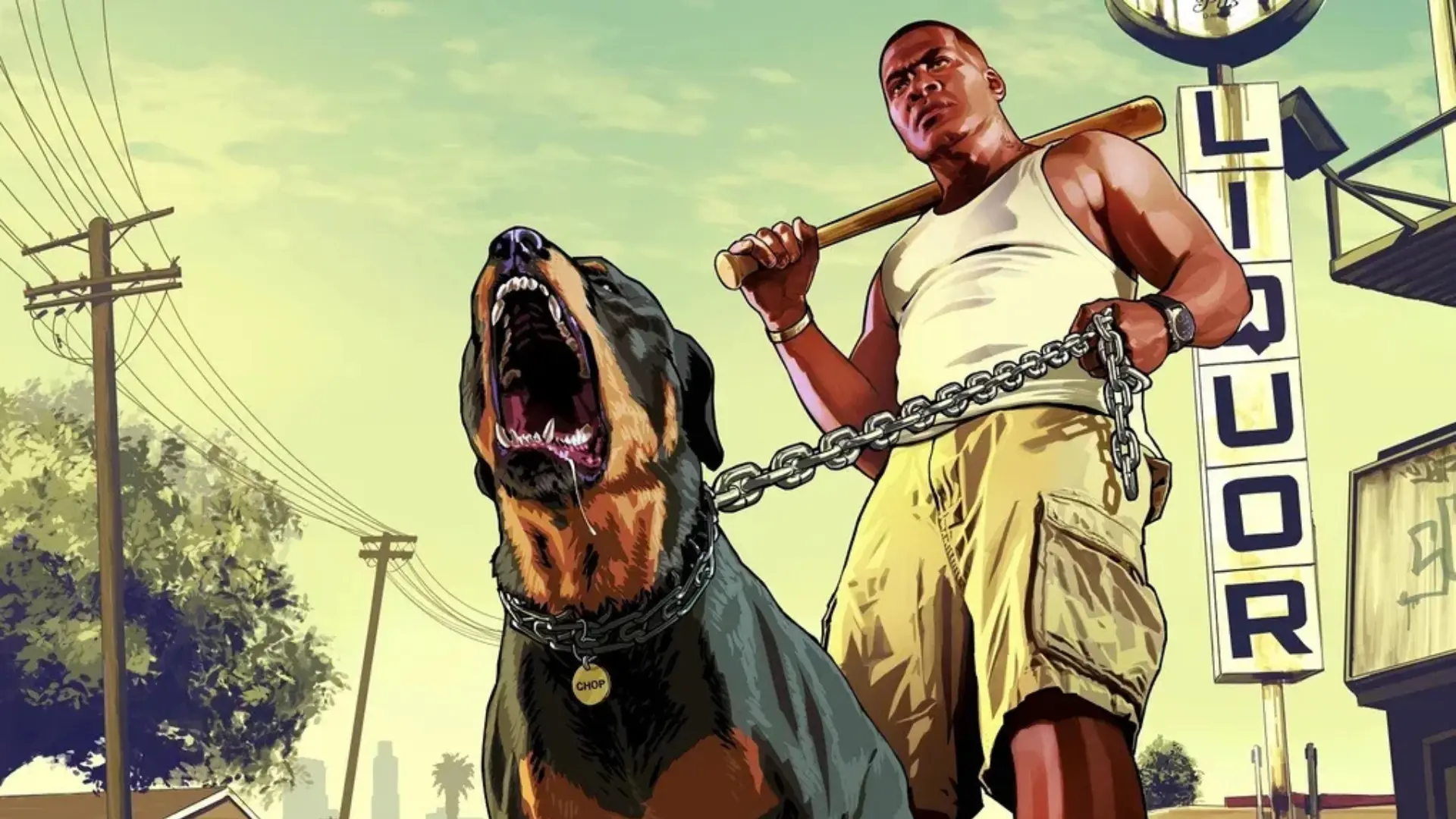
GTA V is Still a Fantastic Game. That's Exactly Why GTA VI Has to Be a Revolution
The Smaller City Still Encourages Exploration
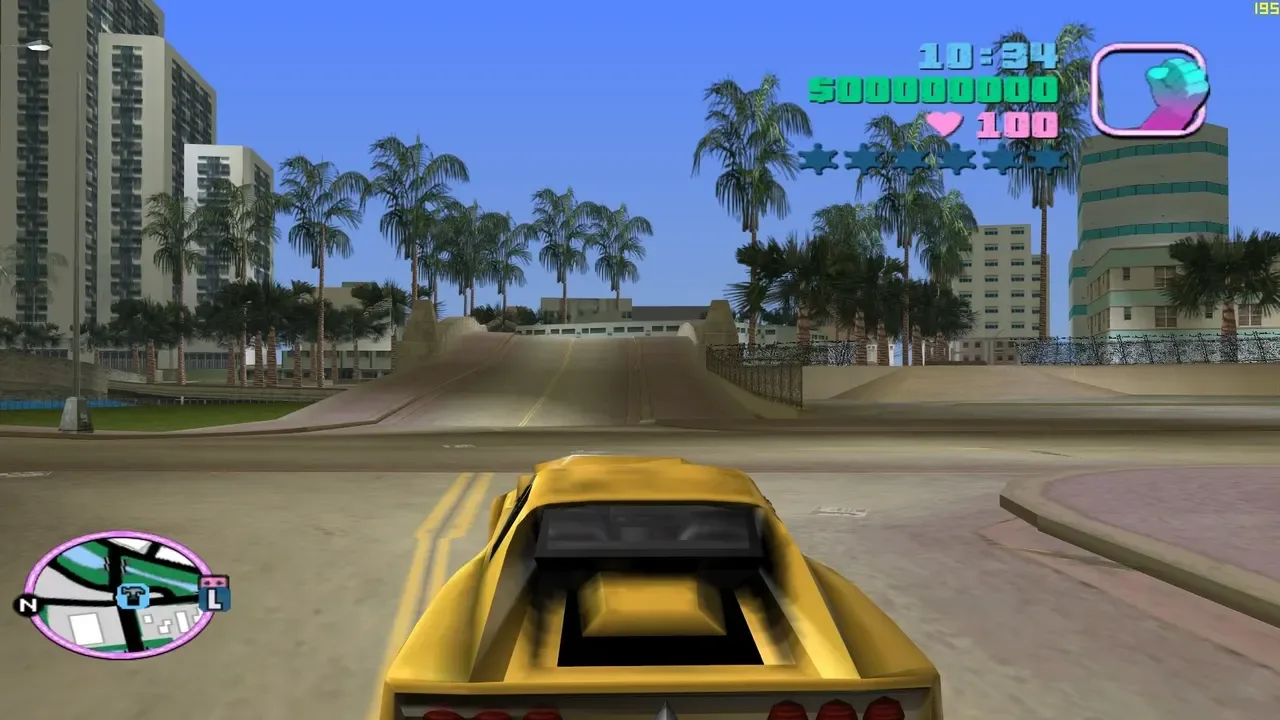
Vice City does not try to simulate every aspect of urban life. Pedestrians perform simple actions. Many buildings remain closed, while the short draw distance limits visibility. Cars can suddenly appear in front of the player, and the character animations are noticeably stiff.
At the same time, the game does not stop me every few minutes with a new tutorial, reward screen, or list of daily tasks. I can leave a safehouse, choose a vehicle, and reach any part of the city within moments. Vice City is large enough to provide a sense of freedom, but compact enough that traveling to the next mission never feels like a chore.
Every GTA Fan Should Return to Vice City
The original GTA: Vice City requires patience today. The lack of checkpoints, outdated targeting, troublesome camera, and certain mission designs can easily interrupt the fun. New players may also find the city small and far less interactive than the worlds offered by later entries in the series.
None of these flaws has taken away Vice City's identity. Its music, colors, cars, and properties still create a journey that I would never confuse with any other entry. It also captures the moment when Rockstar was discovering the potential of a three-dimensional open world and turning the technological revolution of GTA III into a more deliberately designed place. Every fan of the series should return to Vice City, even if that means accepting some less advanced technical solutions along the way. Despite all the years that have passed, revisiting the game for this review was a real pleasure and immediately put me in the right mood for the release of GTA VI.
The Verdict
Despite its age, GTA Vice City remains well worth playing for its unforgettable atmosphere, soundtrack, and sense of freedom.
The Good
- +Outstanding 1980s atmosphere and memorable soundtrack
- +Compact open world that rewards exploration
- +Property system gives Tommy’s progression a real sense of purpose
- +Varied missions, vehicles, and side activities
- +Tommy Vercetti brings personality to the story
The Bad
- -No mid-mission checkpoints
- -Outdated targeting and troublesome camera controls
- -Limited interactivity and short draw distance
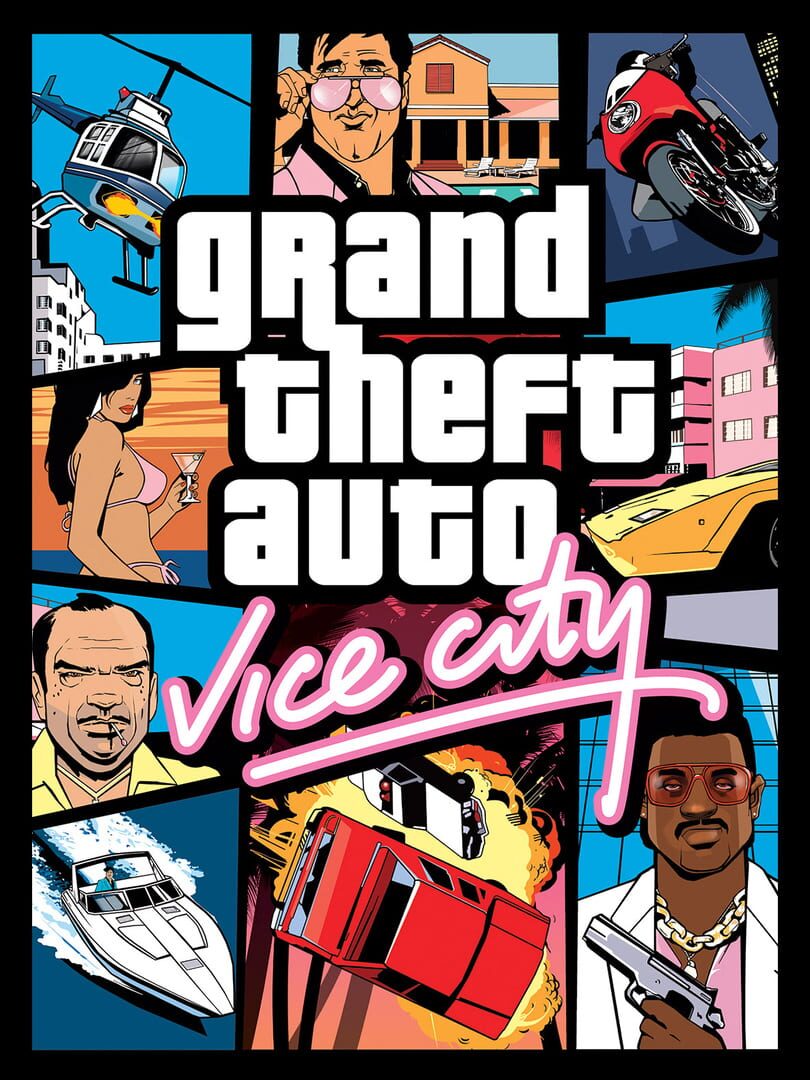
In the year 1986, Tommy Vercetti is heavily indebted to his mafia superiors after a drug deal gone awry, but his dreams of taking over Vice City (based on Miami) push him down a different path. Featuring a wide variety of vehicles and weapons, radio stations playing hit songs fro
Released
October 27, 2002
Developer
Rockstar North
Publisher
Rockstar Games


Tagged In
Discussion
0We want to hear from you. Share your perspective in the comments below, and please keep the conversation respectful.
Log in to join the discussion - vote, reply, and share your take.
Log In