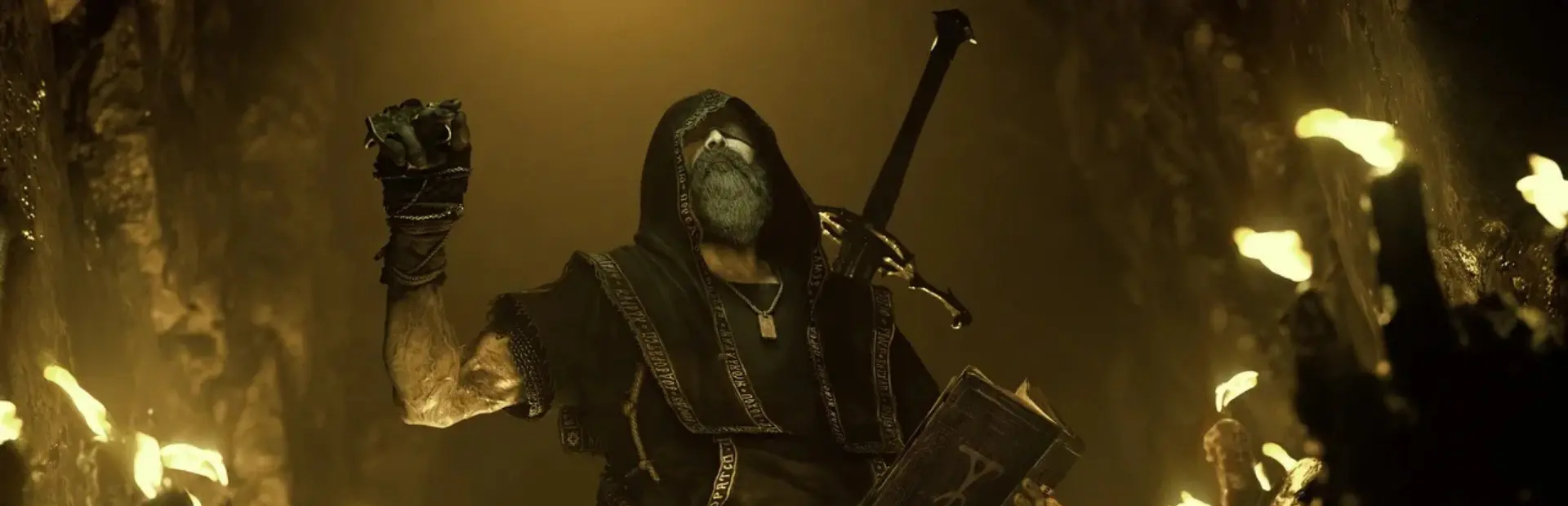
Mortal Shell II breaks the Soulslike stamina habit
Cold Symmetry removes the stamina bar, expands Shells into true combat archetypes, and builds a dense world around aggression rather than imitation.
Mortal Shell II arrived on August 20, 2026, for PC, PlayStation 5, and Xbox Series X|S as a standalone sequel to Cold Symmetry's 2020 action RPG. It is larger, faster, and more flexible, but its defining improvement is not scale. By removing stamina and rebuilding combat around committed attacks, posture damage, and Resolve, the sequel turns a familiar Soulslike structure into something more aggressive without discarding consequence.
That change supports the best parts of Mortal Shell II. Eight possessable warriors create distinct combat identities, Seals alter the basic rules of defense, and sidearms transform successful melee pressure into new offensive options. A tightly connected open world gives those systems room to develop through discovery. The same generosity can also damage the difficulty curve, while camera problems, dangerous ledges, and a rapidly changing launch balance expose a game that is more confident than its predecessor but not yet completely settled.
No stamina does not mean thoughtless combat
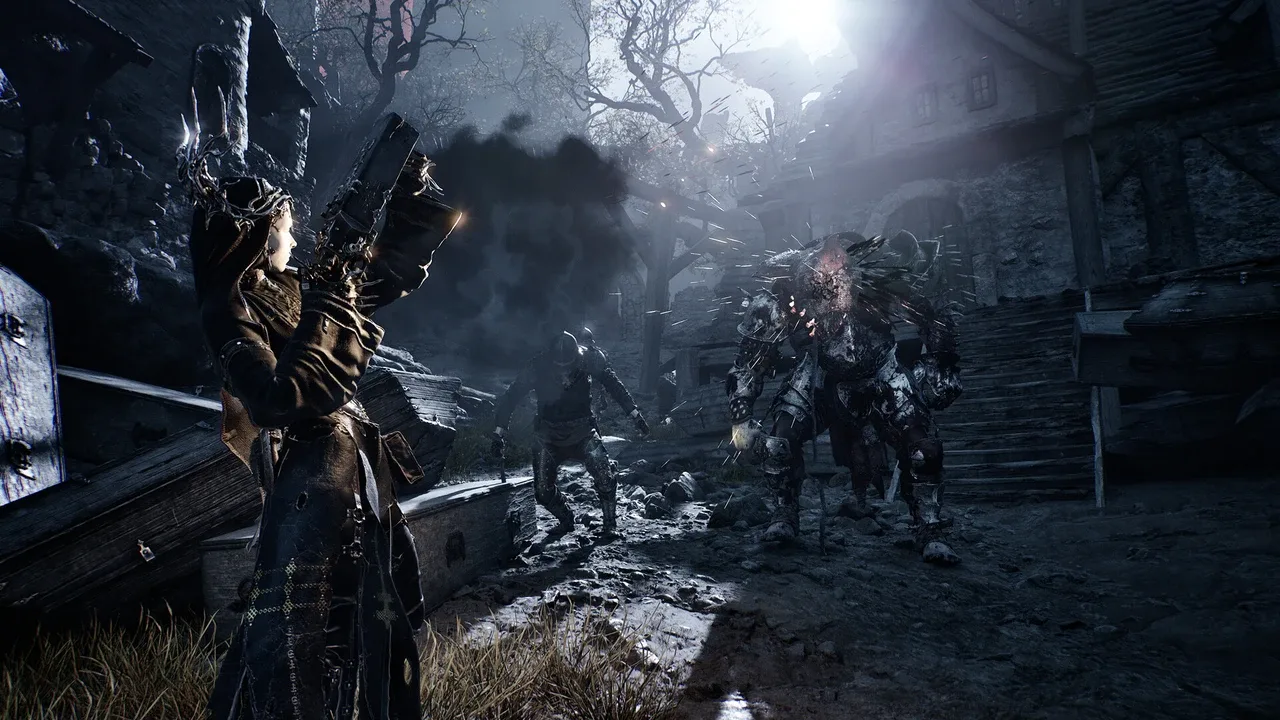
Removing stamina sounds like an invitation to attack and dodge without discipline. Mortal Shell II avoids that problem by refusing to let players cancel committed attack animations. A heavy swing does not drain a meter, but starting it at the wrong moment still leaves the chosen Shell exposed. Light and heavy attacks flow into weapon-specific combinations, while breaking enemy posture creates openings for critical strikes and executions. The restriction has moved from how many actions can be attempted to whether each one was timed well enough to finish.
Resolve completes the loop. Successful melee hits generate the resource used by sidearms and other special attacks, encouraging players to remain engaged rather than circle at a safe distance. A short-range firearm can interrupt the cadence of a combo, while stranger tools offer control or status effects. Offensive play creates access to more offense, but poor timing still gives an enemy time to punish the attempt.
Shells and Seals make defense part of the build
The original game's Shell idea was memorable but limited. Its sequel turns the bodies of fallen warriors into proper archetypes with predetermined strengths, active abilities, passive traits, and separate progression. Tiel favors evasive attacks and stealth, Eredrim can pressure enemy posture through direct force, and Proxima uses a hook to pull targets closer or launch herself toward larger enemies. Choosing a Shell changes more than health or damage values.
Weapons, Tarstones, and Seals determine how that identity is expressed. The returning Harden ability, which calcifies the body to absorb a strike, now belongs to a specific Seal rather than every build. Other Seals provide blocking, parrying, or specialized defensive rules. Tarstones add special attacks, status effects, and critical bonuses. A build cannot carry every answer at once, but some combinations can overpower the late-game challenge so efficiently that choosing a weaker alternative begins to feel like self-imposed difficulty.
Exploration earns the sequel's larger world
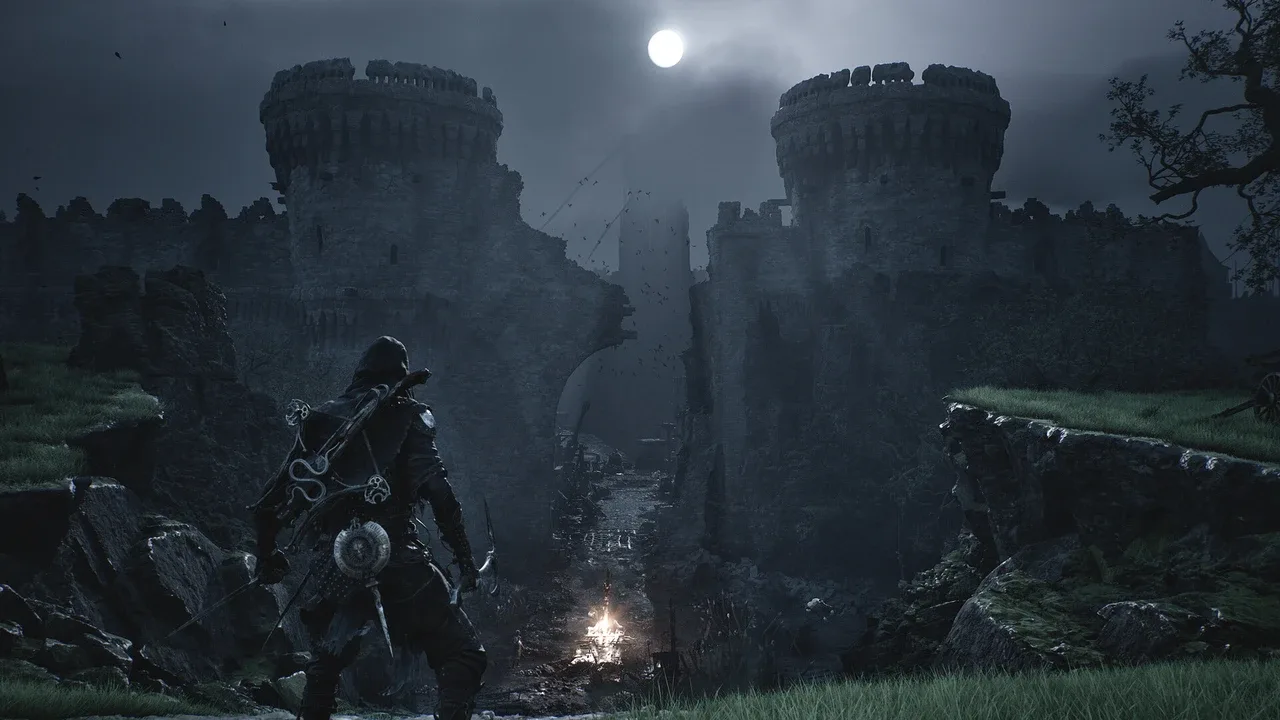
Cold Symmetry describes the setting as a compact open world, and that distinction is important. Mortal Shell II does not spread its objectives across empty fields. Large regions connect through branching paths, vertical spaces, hidden routes, and dozens of dungeons. A detour can reveal a new Shell, weapon, Tarstone, curiosity, upgrade material, or fragment of a warrior's history.
The best rewards alter play instead of increasing a collection total. Finding a Shell opens another ability set. A weapon introduces different ranges and recovery times. New Seals or Tarstones rebuild the relationship between defense, Resolve, and posture damage. Exploration feeds directly back into combat, giving players practical reasons to leave the main route.
Verticality creates one of the world's recurring frustrations. Narrow platforms and steep drops become more dangerous when enemy attacks can knock a Shell backward, making some deaths feel more like failures of terrain awareness than combat. The close cinematic camera intensifies encounters but can lose clarity near walls or while several enemies attack from outside its view. An alternative action camera helps, although the default presentation still favors drama over awareness.
Its metal nightmare is stronger than its story
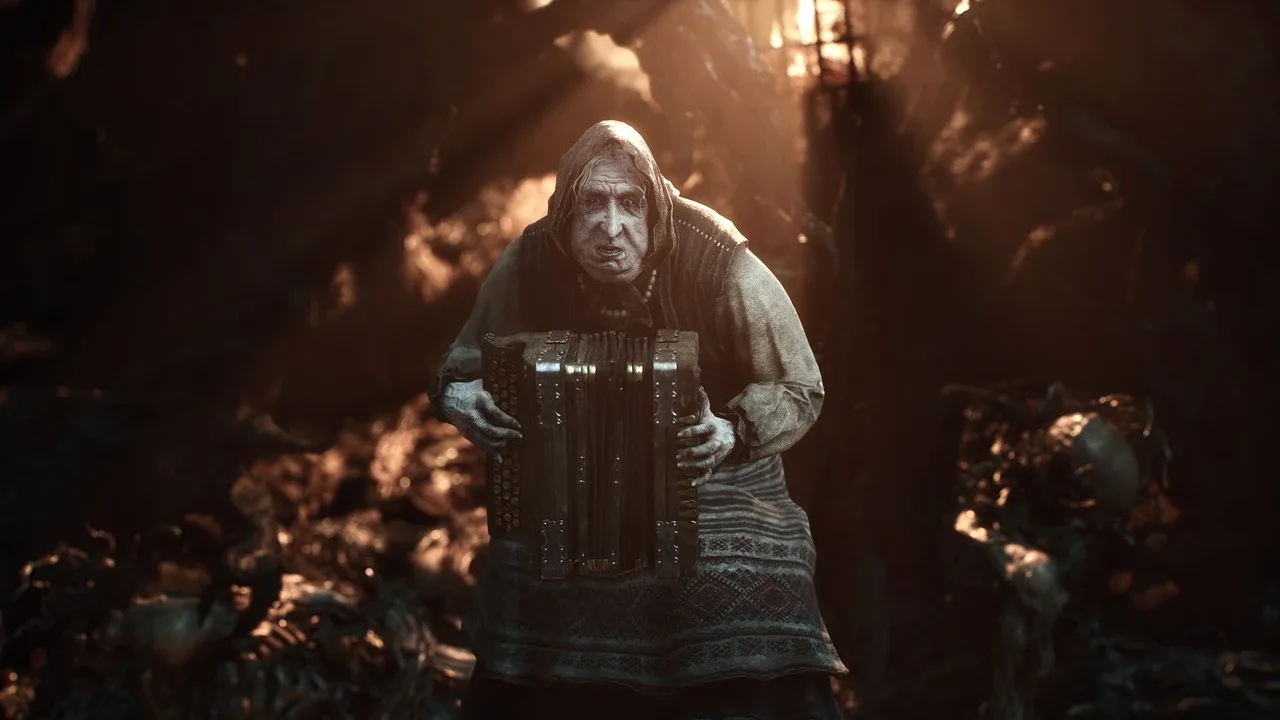
The world carries the diseased, heavy-metal identity of the first game into a much more varied production. Temples, forests, frozen graves, bone structures, swamps, and corrupted settlements mix dark fantasy with body horror. Enemies are designed around warped anatomy and religious decay, while occasional monochrome scenes and sharply framed vistas give the game an identity beyond borrowed medieval ruin.
The narrative is harder to value on the same level. The Harbinger's attempt to recover stolen ova provides direction, but much of the context is distributed through memories, item descriptions, environmental details, and cryptic conversations. Individual Shell histories provide smaller character stories and a reason to strengthen each body. The next weapon, dungeon, or Shell is still a stronger motivation than the promise of an answer. Players who want directly communicated characters may remember the spectacle more clearly than the story connecting it.
Launch balance is already being rebuilt
Mortal Shell II has changed quickly since reviewers received its pre-release build. Cold Symmetry's first major balance update reduces the cost of smelting weapons at the Tarforge, increases gold drops, replaces Glimpses with the more common Gloom when purchasing Shell map locations, and refunds Glimpses already spent on those maps. Several weapons and Tarstones receive buffs, while selected enemies and bosses lose health or gain fairer attack timing.
These changes address a contradiction in the original progression. The game encourages experimentation, yet scarce currency made committing to more than one upgraded weapon unnecessarily expensive. Cheaper Shell locations also stop exploration from consuming a resource needed to strengthen the bodies it reveals. The new economy better supports the combat's freedom. However, the speed of the adjustment shows that launch balance was not ready to stand still. Hotfixes addressing crashes, stability, and UI locks reinforce the sense that the current game is worth playing but still moving beneath the review.
Cold Symmetry has found its own fighting style
Mortal Shell II is an unusually ambitious sequel because it expands without losing the idea that made the original distinct. Shells now support genuinely different approaches, Seals turn basic defensive mechanics into build decisions, and stamina-free combat rewards aggression while preserving the danger of a badly chosen attack. Its world is large enough to sustain discovery and focused enough for those discoveries to matter.
Soulslike fans who value experimentation, heavy combat, and obscure dark fantasy have a strong reason to play now, especially at the standard $49.99 price. Players who need precise camera behavior, a stable difficulty curve, or a clearly delivered story should expect compromises, and waiting through another patch cycle would be reasonable for anyone sensitive to launch roughness. Even in its unsettled state, this is the game that proves Mortal Shell can be more than an interesting imitation.
The Verdict
*Mortal Shell II* takes a major step beyond its predecessor, using stamina-free combat, distinct Shells, and flexible builds to establish an identity of its own. Camera problems, uneven difficulty, and launch roughness keep it from fully realizing its ambition. Even so, Soulslike fans who enjoy aggressive combat and rewarding exploration will find plenty worth possessing.
The Good
- +Stamina-free combat rewards aggression without removing consequence
- +Eight Shells offer genuinely distinct combat styles
- +Seals, Tarstones, and sidearms enable flexible builds
- +Dense open world makes exploration consistently rewarding
The Bad
- -Camera and vertical terrain can cause frustrating deaths
- -Overpowered builds weaken the late-game difficulty curve
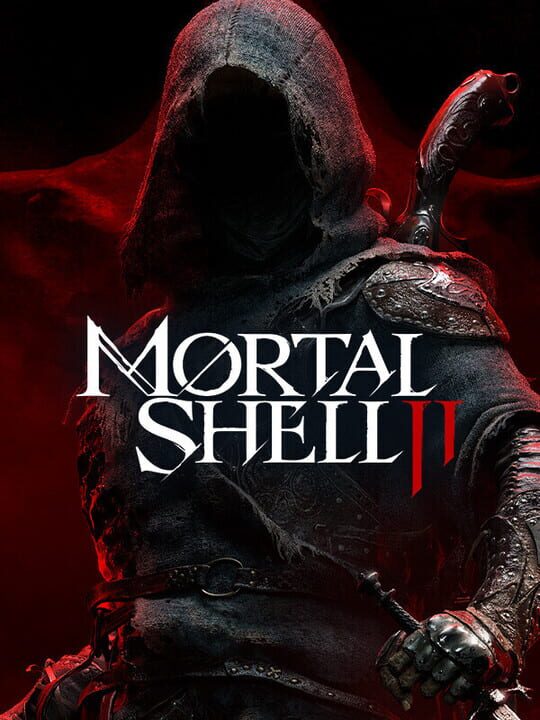
Their Flesh Is Your Weapon. Mortal Shell II is a standalone sequel action-RPG with adrenaline-charged, high-stakes combat. Possess warrior Shells, dethrone false gods, redeem a ravaged world.
Released
August 20, 2026
Developer
Cold Symmetry
Publisher
Playstack


Tagged In
Discussion
0We want to hear from you. Share your perspective in the comments below, and please keep the conversation respectful.
Log in to join the discussion - vote, reply, and share your take.
Log In