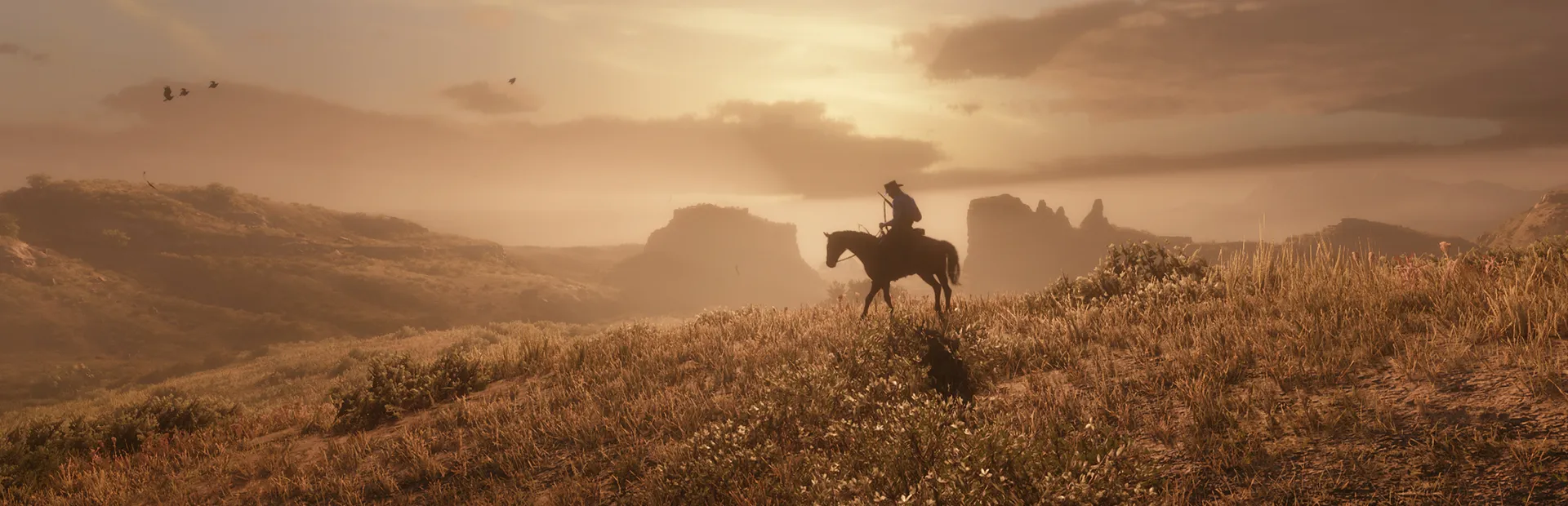
Red Dead Redemption 2 Review: How Well Does Rockstar's Western Hold Up in 2026?
Red Dead Redemption 2 remains exceptional in 2026, but heavy controls, repetitive animations and restrictive missions are harder to ignore.
Red Dead Redemption 2 was a huge release when Rockstar launched it in 2018. Its version of the American frontier stretches from muddy livestock towns and mountain trails to the crowded streets of Saint Denis, while the story follows Arthur Morgan and the Van der Linde gang as the world they know slowly disappears around them.
Eight years later, much of it still holds up. Arthur remains an excellent protagonist, the open world is still full of small encounters, and a routine ride to the next mission can easily turn into a roadside conversation, or a shooting challenge
Some of its old frustrations are harder to ignore in 2026. Movement can feel heavy, simple actions often take longer than they need to, and story missions still give you far less freedom than the world around them suggests.
But beyond those rough edges, the story and open world still work beautifully together.
Arthur Morgan makes the slow pace mean something
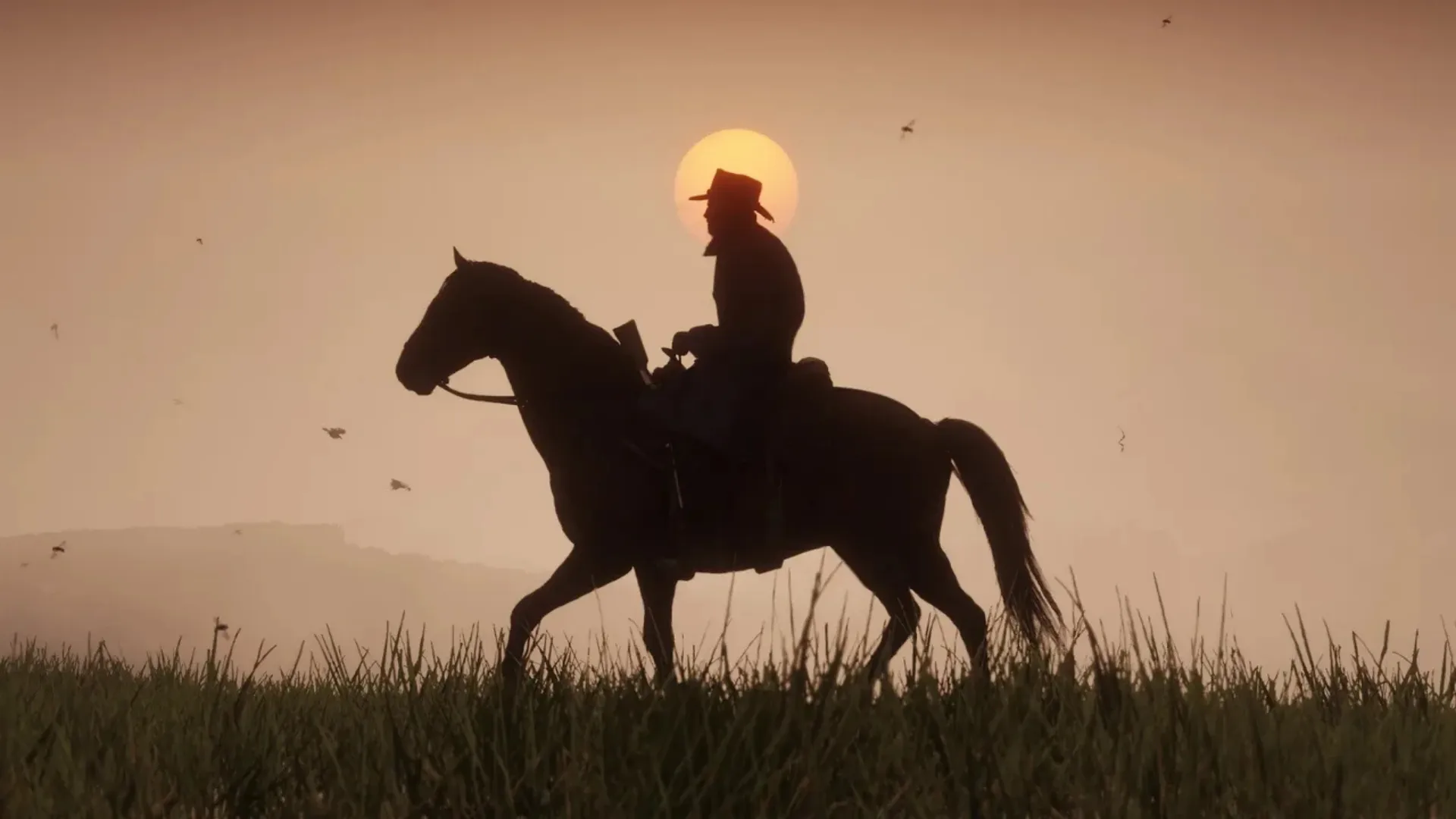
Red Dead Redemption 2 begins after the Van der Linde gang's failed robbery in Blackwater, with Arthur Morgan already deeply embedded in Dutch's group. Dutch helped raise Arthur, and the Van der Linde gang has been his family for most of his life.
We mostly see Arthur through his role in the gang: collecting debts, backing Dutch and doing the work needed to keep everyone moving. But we get to know him better through the smaller things. In his journal, he writes down thoughts and sketches animals, people and places he encounters.
Around camp, quieter conversations reveal more about his relationships, while he will occasionally sing to himself when riding alone.
The Honor system gives us some influence over the Arthur we see along the way. Helping strangers, showing mercy or treating people badly changes how the world responds to him, but it never turns him into a completely different character. Story missions can still force Arthur into violence regardless of how honorably you have played him.
As the gang comes under more pressure, he starts questioning his choices and the people around him. Honor shapes how that development feels, bringing out either a more compassionate or harsher side of Arthur without changing his main story arc.
When the road is better than the destination
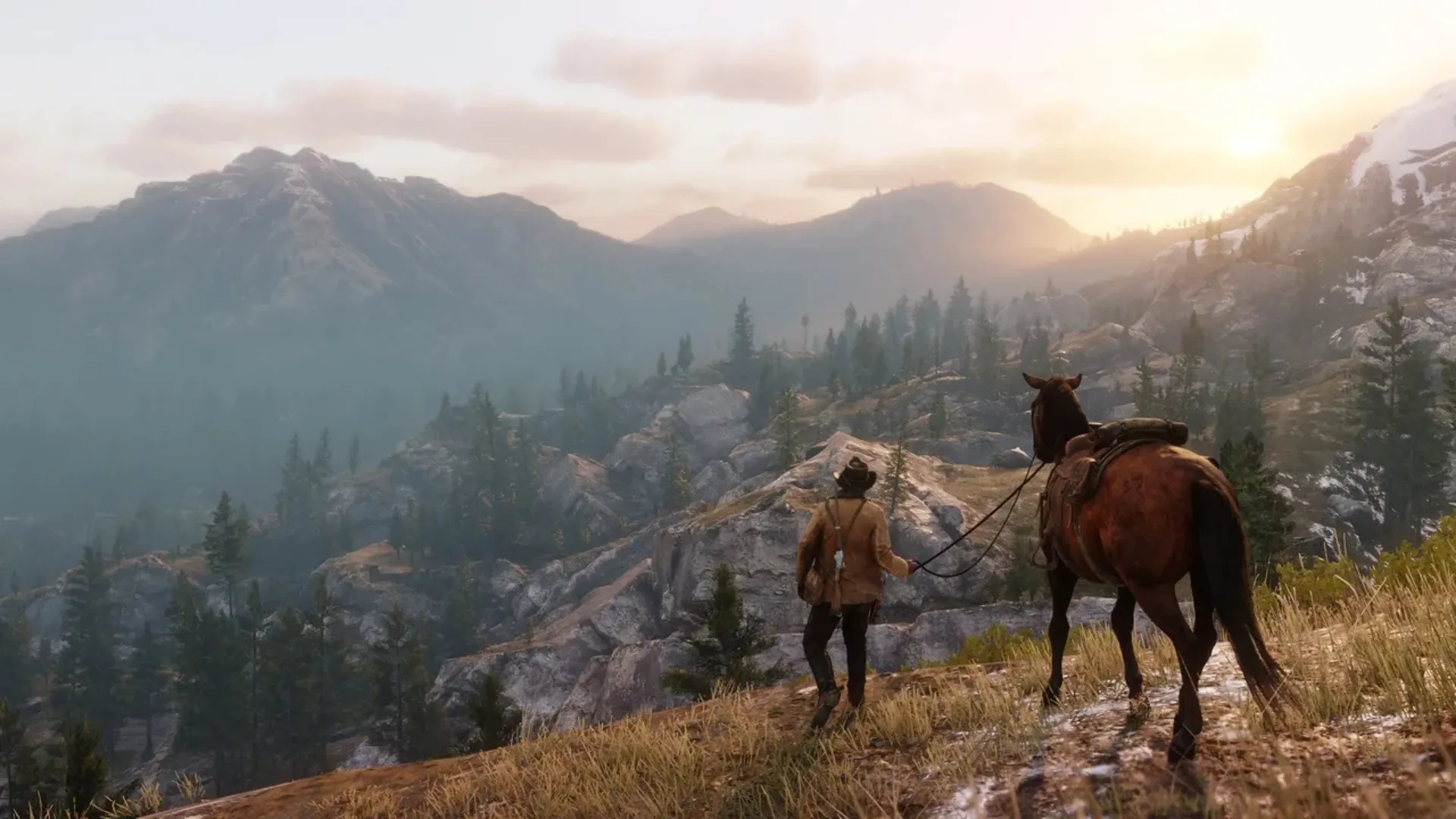
A simple ride to the next mission rarely stays simple for long. Someone calls for help from the side of the road, a stranger proposes a shooting contest or a witness spots something they should not have seen and takes off toward the nearest lawman.
Those interruptions are often more memorable than whatever destination was waiting at the end of the ride. Help a man suffering from a snakebite, for example, and he can turn up again later in town.
He recognises Arthur and offers to pay for something from a nearby shop. It is a small moment, but seeing an earlier decision return hours later makes the world feel connected in a way that random encounters in open-world games often do not.
The same attention carries into ordinary interactions. People comment when Arthur walks around covered in mud or blood. A conversation can shift from a friendly greeting into an argument. Spend enough time away from camp and life there continues without you, with gang members talking, arguing and spending time together rather than waiting for Arthur to trigger the next scene.
Camp becomes somewhere worth lingering as a result. Poker, chores and donations are simple activities, but sitting around long enough to hear a conversation or song can tell you as much about the gang as another mission does.
Fast travel is available, but honestly, the game is much better without using it.
Then a mission starts and the freedom disappears
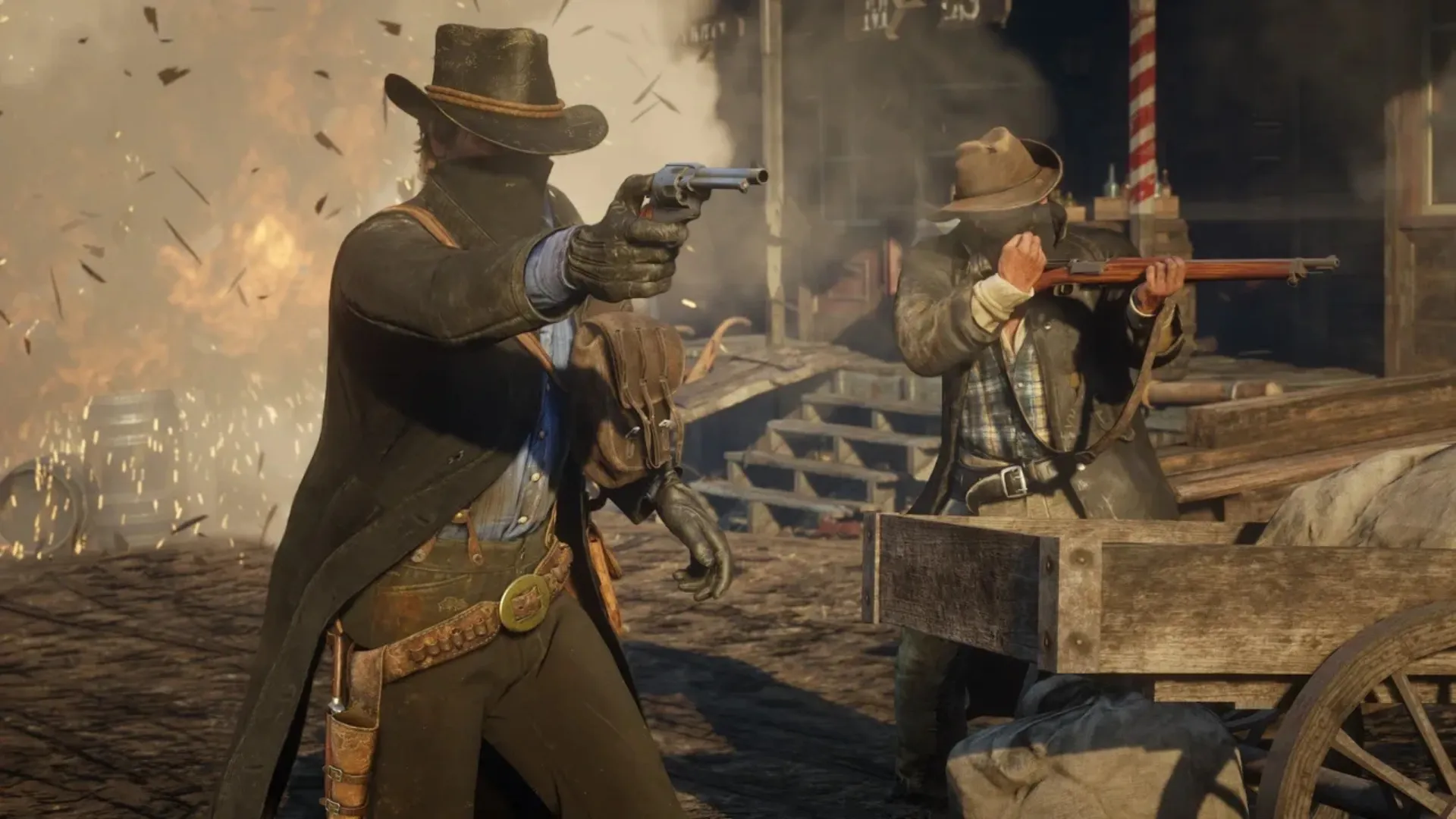
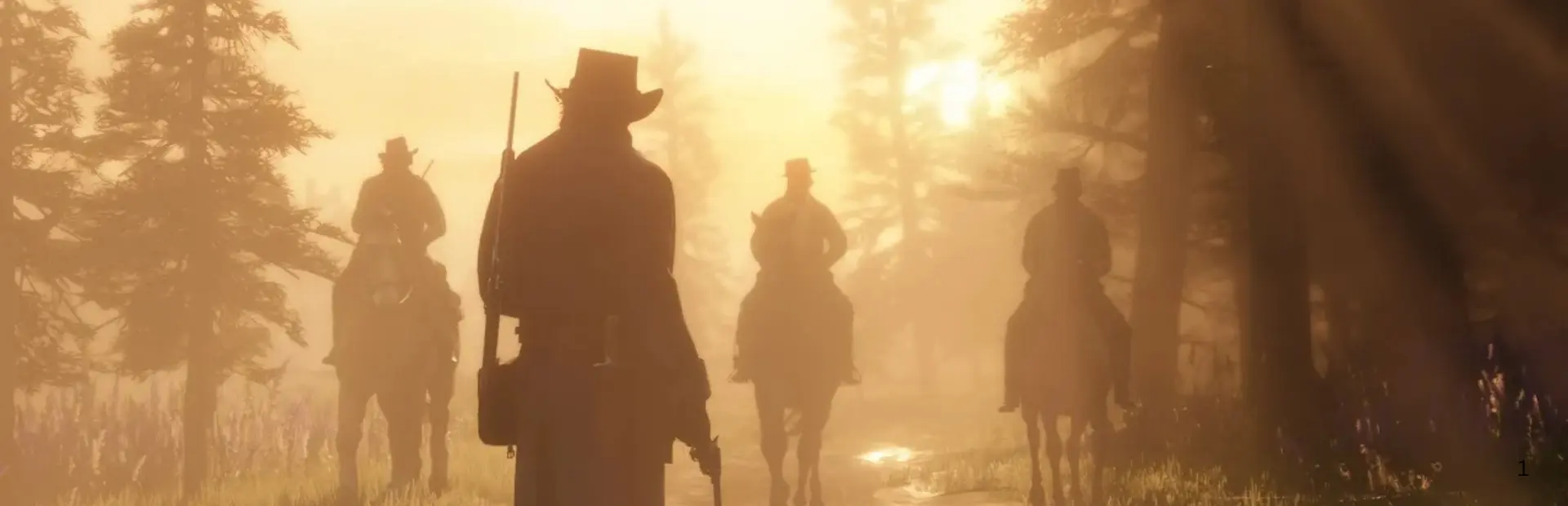
Red Dead Redemption 2 gives you plenty of room to make your own choices while exploring, but story missions are far more controlled.
An early fight with the O'Driscolls makes that clear. The area gives you enough space to think about flanking them or approaching from another direction, but move too far away from the route the mission expects and the mission ends, sending you back to a checkpoint. An early hunting mission does something similar by directing you toward a specific deer rather than simply letting you hunt another one nearby.
That approach continues throughout the story. Missions regularly decide where Arthur should ride, where he should stand and which objective needs to happen next. A robbery might take place in a large building or open stretch of land, but that does not necessarily mean you can choose your own entrance, leave by another route or deal with events in a different order.
It can feel strange after spending so much time outside missions doing exactly that. A witness running for the law can be chased, threatened or killed. A stranger can be helped or ignored. Trouble on the road can be approached however you like. Once the story takes over, many of those choices disappear.
The trade-off is that Rockstar can control the timing of conversations, chases, shootouts and bigger set pieces very closely. Some of the game's most memorable missions benefit from that direction. They just rarely let you forget whose plan you are following.
Horses, hunting and camp life make routines feel personal
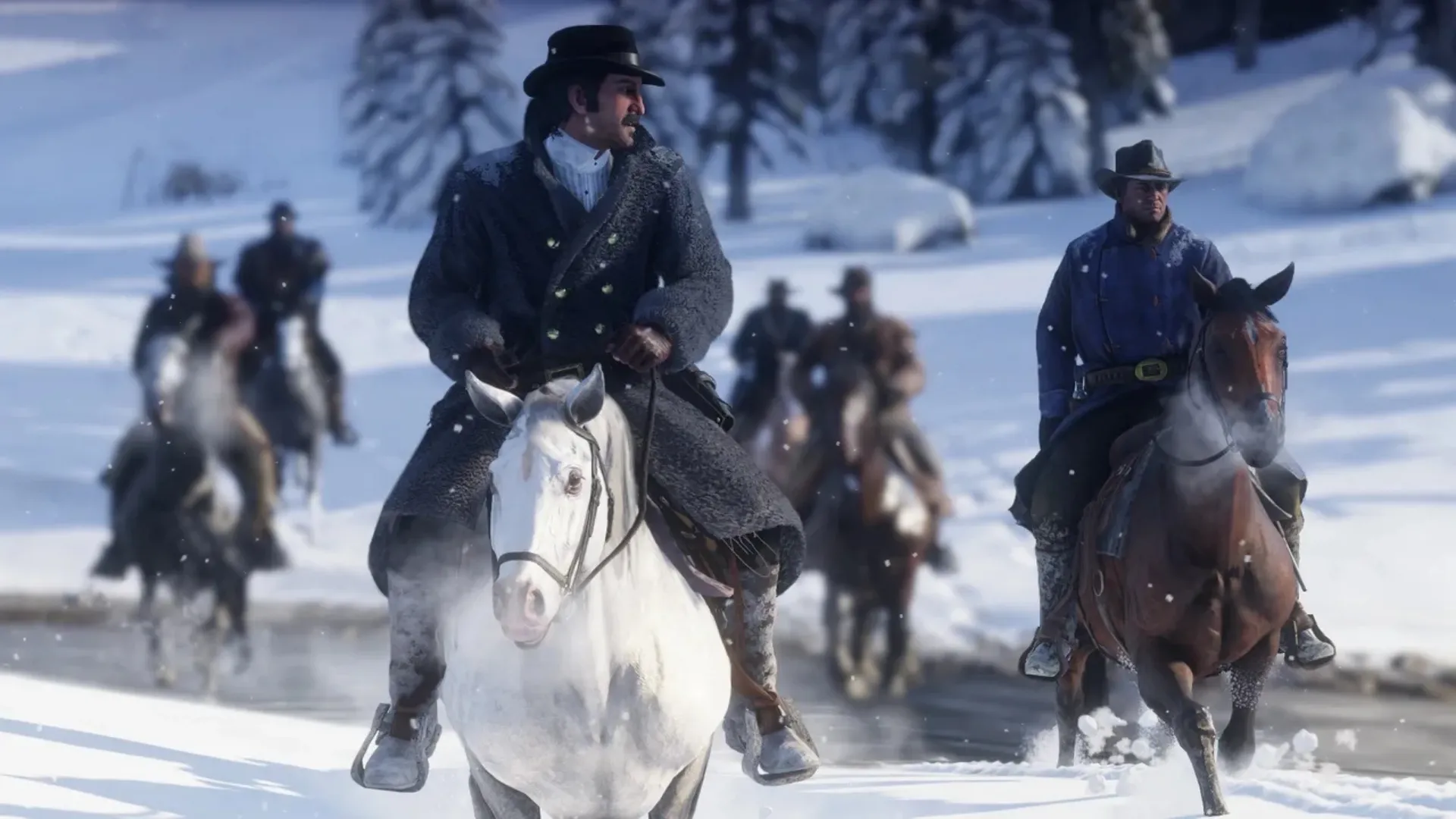
You spend so much of Red Dead Redemption 2 on horseback that your horse eventually stops feeling like simple transportation. Riding, feeding, brushing and calming it increases the bond with Arthur, while it also carries your weapons, carcasses and larger pelts.
Hunting asks for more than simply finding an animal and pulling the trigger. A perfect pelt requires a healthy animal, the right weapon and a clean kill, after which Pearson or the Trapper can use it for crafting.
Arthur has routines of his own, from eating and cleaning weapons to changing clothes and bringing supplies back to camp. Not all of these systems have much consequence behind them, and repeated animations can wear thin.
Skinning an animal means watching Arthur cut into it and remove the hide by hand, which becomes repetitive after dozens of hunts.
Caring for your horse feels differently. After hours of riding, feeding and calming the same one, you start recognising its behaviour and relying on it without thinking. Replacing it then feels less like choosing a new mount and more like leaving part of the journey behind.
The technology has aged better than the controls
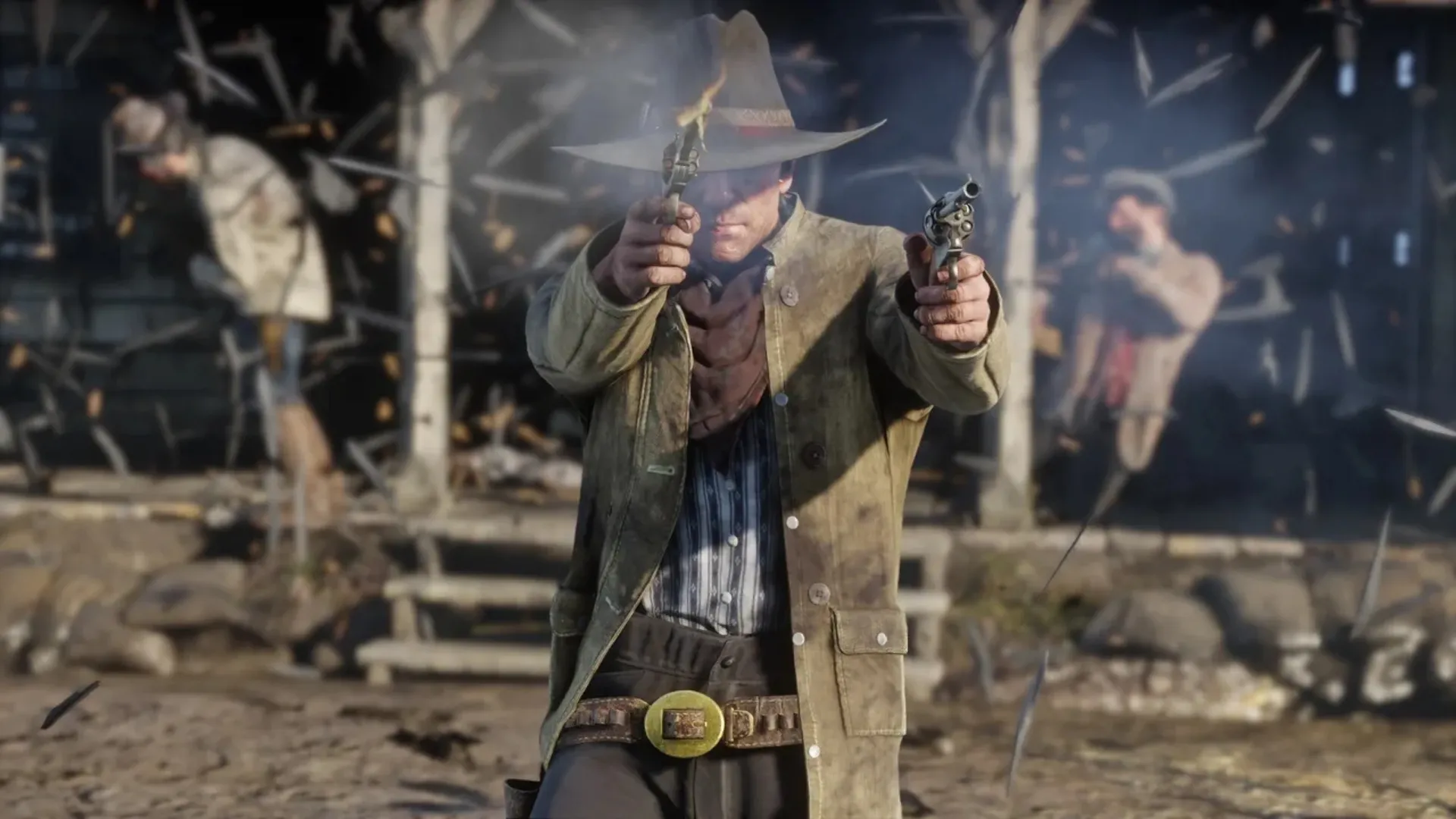
Red Dead Redemption 2 still looks remarkably good. Mud builds up on clothing, tracks remain visible in soft ground, Arthur's beard grows over time and horses react to uneven terrain and nearby predators. Towns also have a strong identity of their own, from the muddy streets of Valentine to the crowds and brick buildings of Saint Denis.
The animation helps sell all of that, but it also makes Arthur feel heavy to control. Moving through tight interiors can be clumsy, contextual inputs are not always obvious, and combat on controller leans heavily on aim assist. The gunplay itself still has plenty of impact, especially with revolvers, shotguns and Dead Eye, but most fights are more about spectacle than tactical depth.
The audio has aged just as well as the visuals. Woody Jackson's dynamic score moves naturally between exploration and missions, while gunshots, wildlife and camp songs often fill the quieter moments.
PC is still the strongest version technically. Console players are stuck with the older releases through backward compatibility, and there is still no official 60fps mode on current-generation consoles.
Red Dead Redemption 2 hasn't become easier to recommend to everyone
Red Dead Redemption 2 asks a lot of patience from the player. The controls can feel heavy, repeated animations wear thin and story missions often give you far less freedom than the open world around them.
But that open world remains the reason to come back. A routine ride can turn into a stranger encounter, camp conversations can reveal something new about characters you already know, and an evening spent hunting can pass without touching the main story.
Eight years later, Red Dead Redemption 2 has rough edges. It also has a world that is remarkably easy to get lost in.
The Verdict
Eight years later, Red Dead Redemption 2 remains an exceptional open-world game thanks to Arthur Morgan, its reactive world and the strength of its quieter moments. Heavy controls and restrictive missions show their age, but the overall experience remains remarkably easy to return to.
The Good
- + Arthur Morgan remains one of Rockstar's strongest protagonists
- +The open world rewards slow exploration and unexpected encounters
- +Horse bonding, hunting and camp life give everyday routines more meaning
- +Visuals, animation and audio have aged exceptionally well
The Bad
- -Story missions often restrict the freedom available in the open world
- -Heavy controls and repeated animations can become frustrating
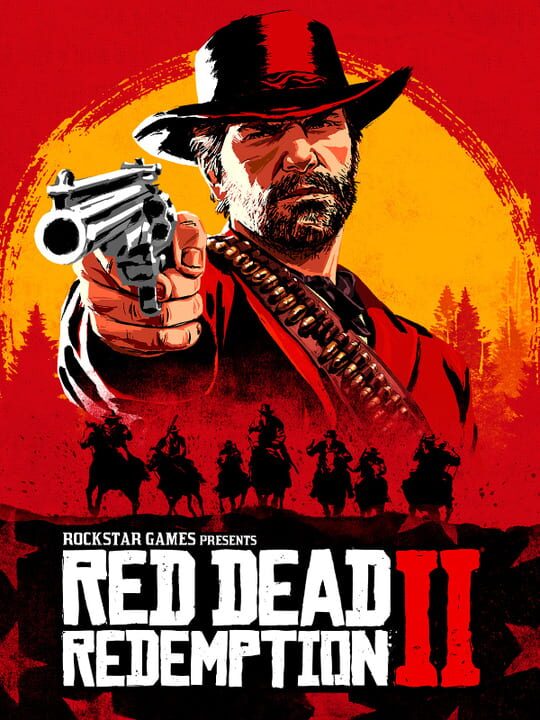
Red Dead Redemption 2 is the epic tale of outlaw Arthur Morgan and the infamous Van der Linde gang, on the run across America at the dawn of the modern age.
Released
October 26, 2018
Developer
Rockstar Games
Publisher
Take-Two Interactive


Tagged In
Discussion
0We want to hear from you. Share your perspective in the comments below, and please keep the conversation respectful.
Log in to join the discussion - vote, reply, and share your take.
Log In