CD Projekt Red built its reputation with The Witcher and tested it with Cyberpunk
From a Polish game distributor's side project to the studio behind The Witcher 3 and the rebuilt Cyberpunk 2077, with The Witcher 4 and Cyberpunk 2 now in development.
CD Projekt Red built its reputation on ambitious RPGs, but Cyberpunk 2077's disastrous launch forced the Polish studio to rethink how it developed games.
Just eight days after Cyberpunk 2077 launched in December 2020, Sony removed it from the PlayStation Store. Years of anticipation had turned into frustration as console players encountered severe performance problems and countless bugs.
The backlash was a major blow to a studio that had earned worldwide recognition with The Witcher 3. CD Projekt Red spent the following years rebuilding Cyberpunk 2077, changing its development strategy, and preparing for the next chapters of its two biggest franchises.
Profile Snapshot
- Studio: CD Projekt Red
- Founded: 2002
- Headquarters: Warsaw, Poland
- Parent company: CD Projekt S.A., publicly traded on the Warsaw Stock Exchange
- Leadership: Joint CEOs Adam Badowski and Michał Nowakowski
- Signature games: The Witcher trilogy and Cyberpunk 2077
- Current projects: The Witcher 4, targeting 2028, and Cyberpunk 2, currently in development
Turning a Polish fantasy series into an RPG franchise
CD Projekt existed long before its development studio opened. Founded in 1994 by Marcin Iwiński and Michał Kiciński, the original business distributed and localized games for the Polish market. Making its own games became the next ambition, leading to the establishment of CD Projekt Red in 2002.
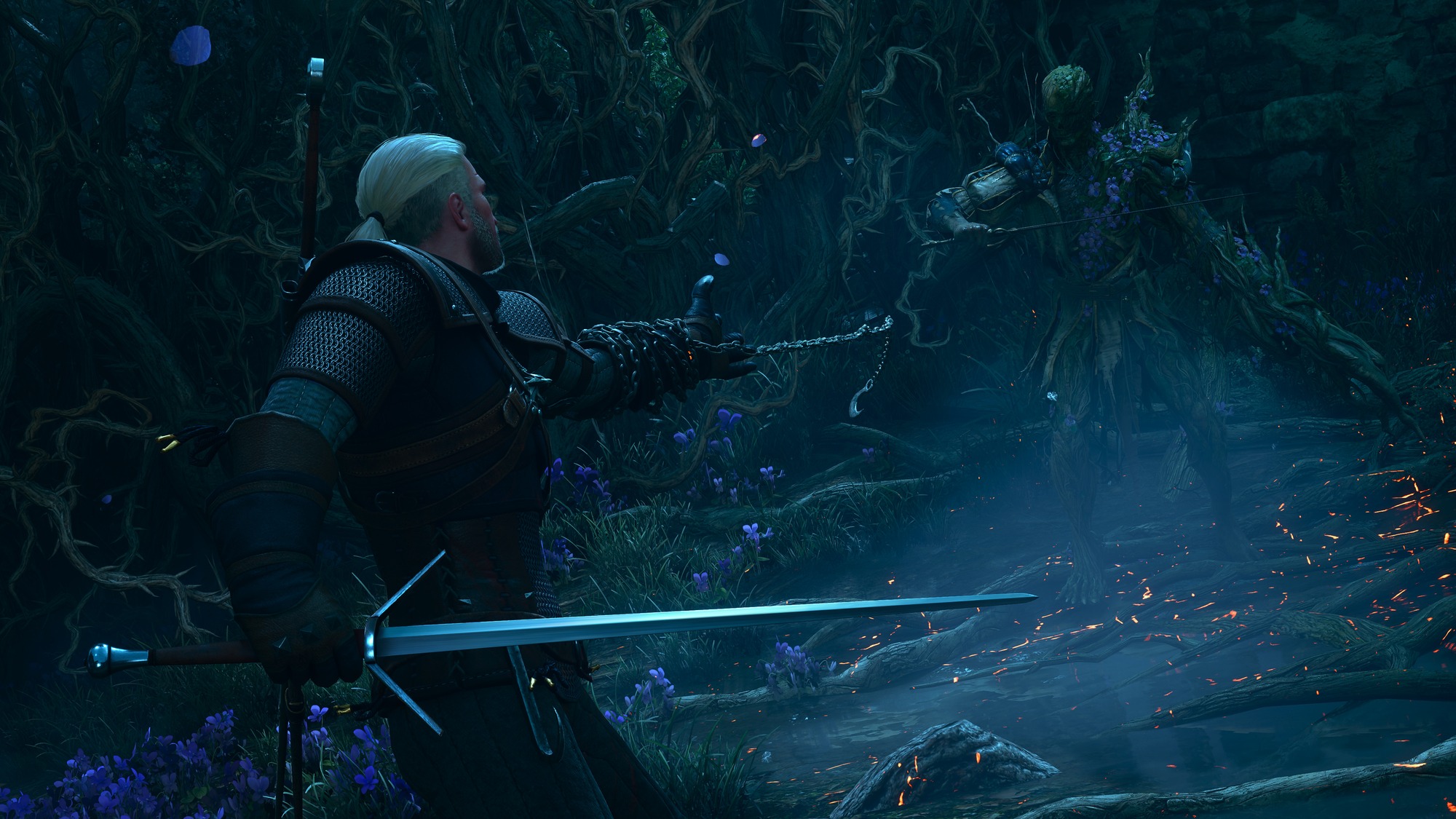
The studio secured the rights to develop games based on Andrzej Sapkowski's The Witcher novels. Its first release arrived in 2007, introducing players to Geralt of Rivia and a fantasy world where supposedly heroic decisions often had unpleasant consequences.
The original Witcher was rough around the edges, with awkward combat and technical limitations. However, its mature storytelling gave it a recognizable identity. Geralt regularly encountered situations where neither available choice offered a particularly satisfying outcome.
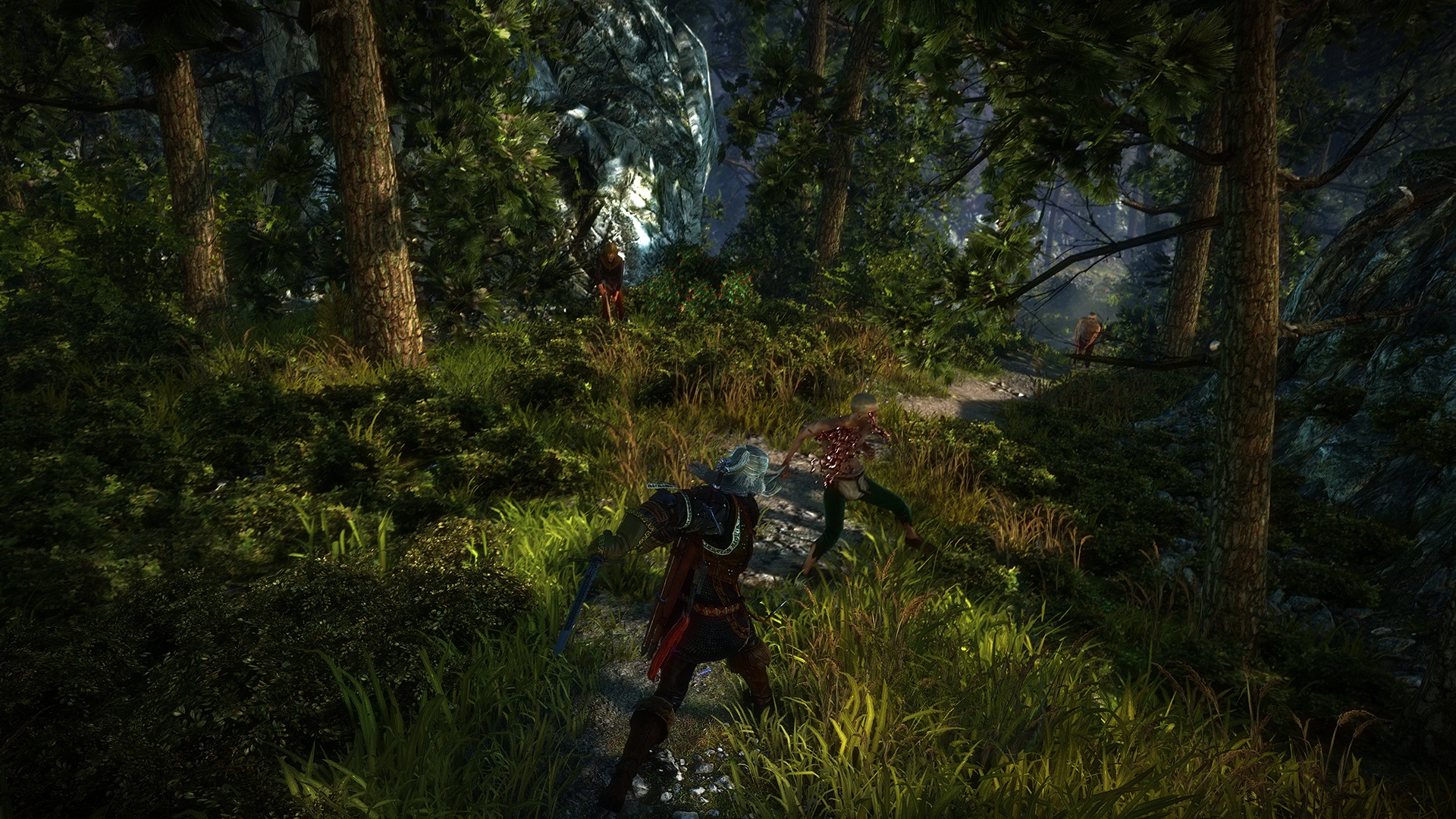
The Witcher 2: Assassins of Kings expanded that approach in 2011. Its branching narrative could send players through substantially different sections of the story depending on an earlier allegiance. Entire locations and quests were unavailable during a single playthrough.
CD Projekt Red was becoming known for RPGs where decisions could genuinely alter the adventure. The next game would bring that philosophy to a much larger world.
The Witcher 3 changed everything
When The Witcher 3: Wild Hunt released in May 2015, the studio made an enormous leap. Geralt could now explore a vast open world, traveling between war-torn villages and dangerous wilderness while searching for Ciri.
The scale was impressive, but the writing made the game stand apart from other open-world RPGs. Even relatively ordinary side quests could develop into elaborate stories with complicated characters.
The Bloody Baron storyline remains a particularly strong example. What begins as a search for information becomes a disturbing family drama involving abuse, regret, and supernatural consequences. Players have to make difficult decisions without knowing exactly how everything will unfold.
That attention to storytelling continued through the expansions Hearts of Stone and Blood and Wine, which introduced substantial new adventures rather than small additions to the original game.
The commercial impact was enormous. By September 2026, The Witcher 3 had sold more than 65 million copies worldwide, while the entire series had surpassed 90 million.
CD Projekt Red had become one of the most recognizable RPG developers in gaming. Its reputation now rested on delivering expansive worlds filled with memorable characters and meaningful decisions.
Cyberpunk 2077 exposed the cost of ambition
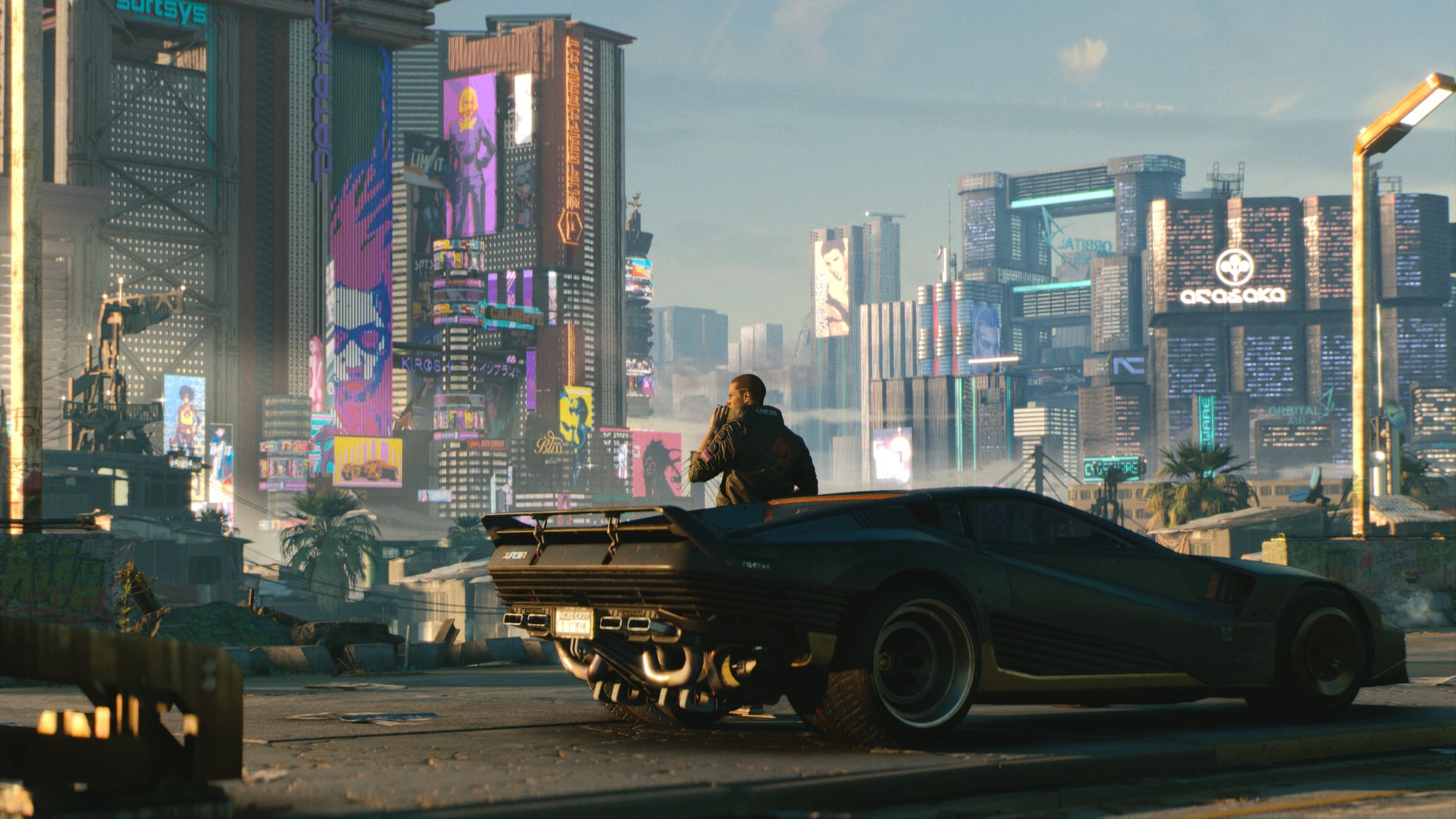
After The Witcher 3, expectations for CD Projekt Red's next project were understandably enormous. Cyberpunk 2077 promised a densely populated futuristic city, extensive character customization, and a branching story inspired by Mike Pondsmith's tabletop RPG.
The studio was also moving into unfamiliar territory. First-person combat required a different approach from The Witcher, while Night City's vertical environments created substantial technical challenges.
Development became increasingly difficult. The game suffered several delays, and employees were required to work six-day weeks during the final months. Bloomberg later reported problems with planning, unrealistic schedules, and pressure on developers throughout production.
When Cyberpunk 2077 finally launched on December 10, 2020, the differences between platforms were impossible to ignore. The PC version received considerably more favorable reviews, while the original PlayStation 4 and Xbox One struggled with severe performance issues.
Sony removed the game from its digital storefront on December 18 and offered refunds. It wouldn't return until June 2021, accompanied by a warning that playing on the base PS4 was still not recommended.
CD Projekt's leadership publicly apologized and acknowledged that it had underestimated the problems with older consoles. The studio's reputation for delivering ambitious RPGs had collided with the realities of releasing an enormously complicated game before it was ready.
Rebuilding Night City after a disastrous launch
Fixing Cyberpunk 2077 became a lengthy process. CD Projekt Red spent the following years improving performance and addressing bugs while gradually expanding the game.
The February 2022 update introduced major improvements for PlayStation 5 and Xbox Series X|S. Later that year, the Cyberpunk: Edgerunners anime introduced Night City to another audience through Netflix.
The biggest changes came in September 2023. Update 2.0 completely redesigned several major gameplay systems, including skill trees, cyberware, and police behavior. Vehicle combat improved, character progression became more flexible, and Night City finally behaved much closer to the original vision.
The Phantom Liberty expansion followed shortly afterward. Featuring Idris Elba as Solomon Reed, the spy thriller introduced Dogtown and a storyline filled with political intrigue and difficult decisions.
The response was considerably more positive. By September 2026, Cyberpunk 2077 had sold over 40 million copies, while Phantom Liberty had reached 15 million.
Those figures represent a remarkable recovery for a game that once disappeared from the PlayStation Store. However, the improvements also highlighted how much work remained unfinished at launch. The studio had successfully rebuilt much of the experience, but restoring consumer confidence was a different challenge.
A new Witcher saga and another trip to Night City
CD Projekt Red is now preparing for its next major releases with a different development strategy. The studio has moved away from its proprietary REDengine technology in favor of Unreal Engine 5, working with Epic Games to develop tools suited to large open worlds.
The Witcher 4 will begin a new saga with Ciri replacing Geralt as the protagonist. The game entered full production in late 2024 and is currently targeting a 2028 release. Meanwhile, Cyberpunk 2 entered preproduction in 2025, with development expanding across the company's North American teams. As of July 31, 2026, CD Projekt had 519 developers assigned to The Witcher 4 and another 184 working on Cyberpunk 2.
The studio is also keeping its existing games active. The Witcher 3: Wild Hunt - Remastered arrived in September 2026, while a new expansion, Songs of the Past, is scheduled for 2027 in collaboration with Fool's Theory.
Running several major projects simultaneously brings its own challenges, especially for a developer whose reputation depends on ambitious, technically demanding RPGs.
The Witcher 3 showed what CD Projekt Red could achieve when those ambitions came together, while Cyberpunk 2077 demonstrated the damage caused when production failed to keep pace. With two major sequels now underway, managing that scale has become one of the studio's most important challenges.