Best CD Projekt games
CD Projekt's finest games turn uncertain information into decisions that remain uncomfortable long after the dialogue wheel disappears.
A choice in a CD Projekt RED game rarely announces its full cost. A rescued stranger may create another problem, an apparently neutral response can close an alliance, and a political decision may replace an entire section of the story. The studio's combat systems have changed dramatically since The Witcher, but its best work continues to make consequences feel more important than clean moral categories.
This is a smaller catalogue than those of most major RPG studios, so there is little value in stretching the ranking with discontinued mobile experiments or minor digital adaptations. These six games represent CD Projekt RED's strongest complete releases, including standalone card projects but grouping major expansions with their original games.
6. Gwent: The Witcher Card Game
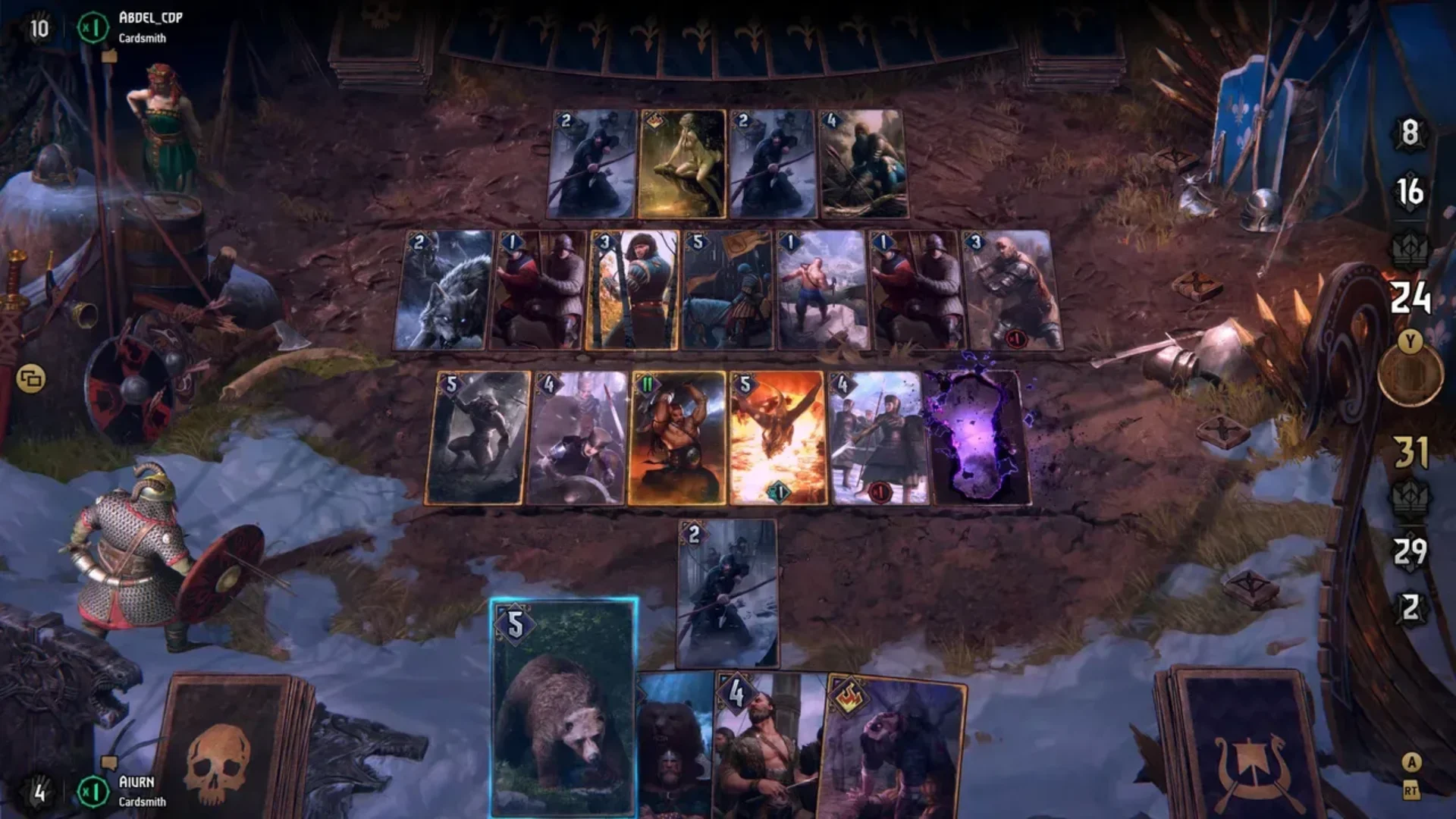
Winning a round in Gwent can be a mistake. Two players place units across a battlefield and compete for the higher score, but a match is decided across a best-of-three structure. Spending powerful cards to rescue the first round may leave nothing capable of surviving the third. Passing while ahead can preserve a hand, while passing from behind may tempt an opponent into wasting another valuable unit.
That emphasis on card advantage separates Gwent from games built around reducing a hero's health. Faction abilities and carefully sequenced effects add complexity, although years without a set rotation left the card pool difficult for new players to read. CD Projekt RED stopped adding new cards after 2023 and transferred numerical balancing to the community through the Balance Council.
The game remains playable, but its future now depends on players maintaining a competitive environment that can no longer expand in major ways.
5. The Witcher
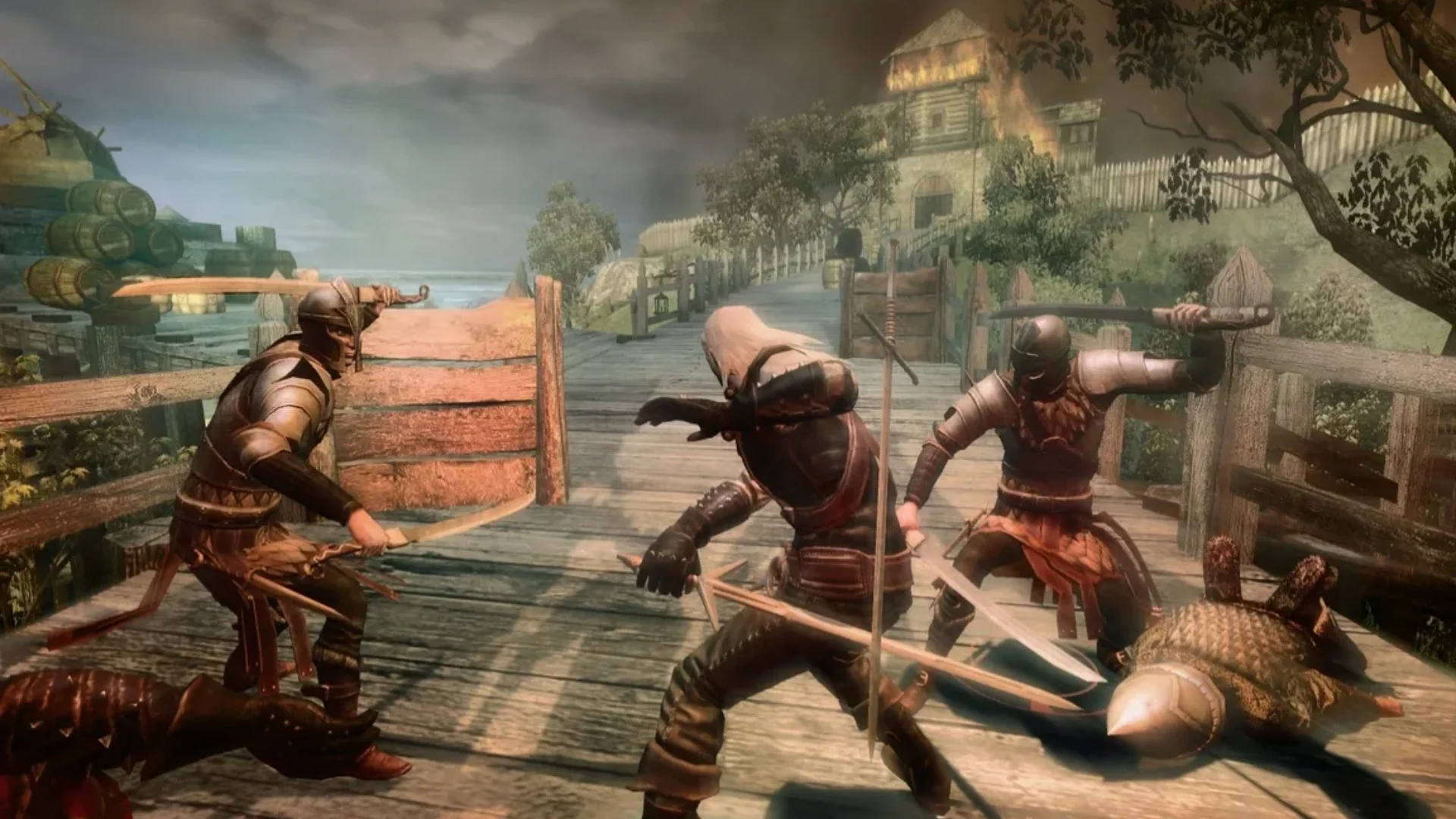
The first Witcher game understands monster hunting better than it understands sword fighting. Geralt investigates attacks, reads about creatures, gathers ingredients, and prepares oils or potions before entering dangerous areas. That process gives knowledge practical value. Learning which plant produces the missing alchemical base can matter more than finding another ordinary weapon.
Combat uses timed mouse clicks to continue attack sequences, with separate styles for quick opponents, armored targets, and groups. The system becomes more expressive as Geralt learns longer combinations, but it never stops looking awkward. Repeated journeys through the swamp and Vizima's outskirts also waste time without creating new decisions.
Its writing is considerably harder to dismiss. Agreements made early can return several chapters later, often after the player has forgotten the exact conversation that caused the outcome. The presentation has aged, and the collectible romance cards remain embarrassing, but the game established CD Projekt RED's habit of delaying consequences until reloading a recent save is no longer a convenient escape.
4. Thronebreaker: The Witcher Tales
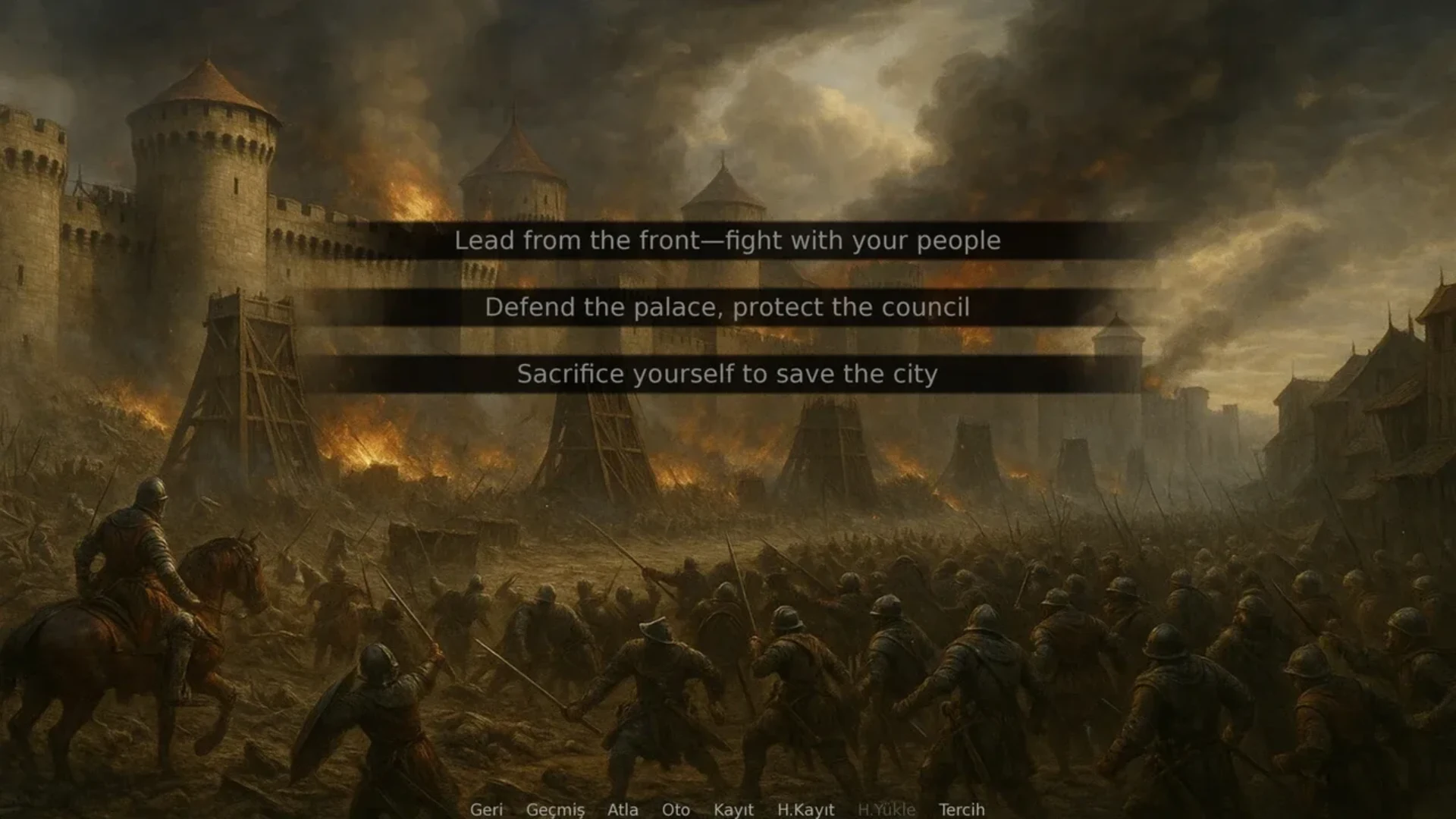
Queen Meve leads a displaced army across the Northern Realms in Thronebreaker, recruiting soldiers while deciding how much food, wood, and loyalty can be sacrificed to reclaim her kingdoms. Battles use a modified version of Gwent, but the deck also represents the people travelling with her. Alienating a companion may remove that character's card, turning a story decision into a permanent tactical loss.
Its best encounters abandon normal matches for custom puzzles. A fixed collection of cards might need to eliminate every enemy in one turn or protect a vulnerable unit through a scripted attack. These scenarios reveal possibilities that an unrestricted deck can overpower too easily. Once a reliable combination has been assembled, many standard battles become routine.
The campaign works because Meve cannot satisfy everyone. Mercy may weaken the army, while a practical punishment can make the camp harder to govern. The illustrated maps and card battles are modest beside CD Projekt RED's open worlds, but the decisions carry the same unpleasant weight.

3. The Witcher 2: Assassins of Kings
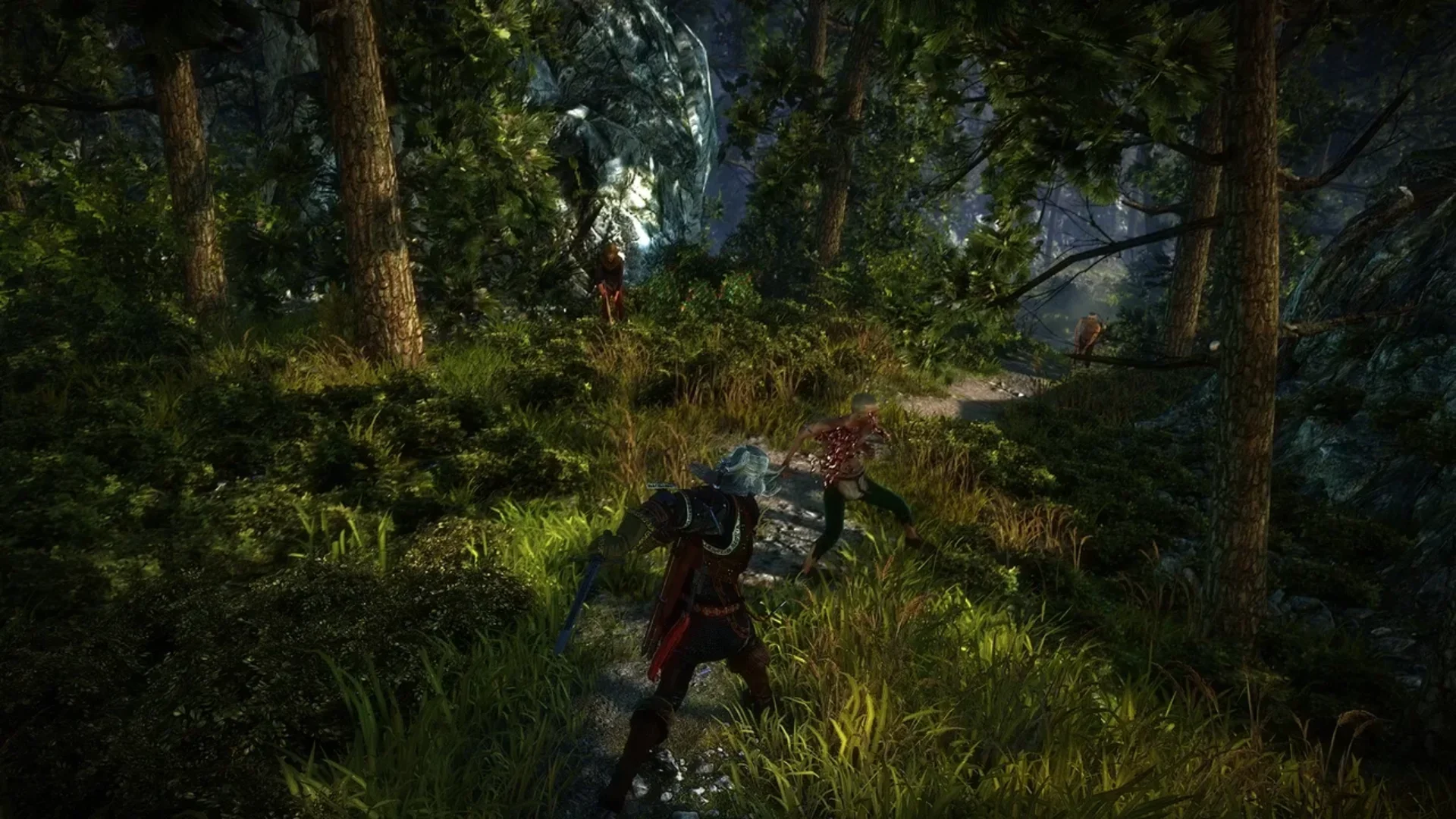
Most branching stories change a few quests before returning to the same path. The Witcher 2 allows one decision near the end of its first act to replace much of the second. Following Vernon Roche takes Geralt into a military camp on one side of a conflict. Supporting Iorveth places him among rebels across the battlefield, revealing different characters and political motives.
That split makes a second playthrough genuinely informative rather than merely corrective. Geralt never sees enough of the conflict to form a complete picture in one run, which suits a story about rulers, sorcerers, and insurgents using him for incompatible purposes.
The opening hours are unnecessarily hostile. Sword attacks commit Geralt to long animations, enemies can surround him quickly, and essential tools such as Quen encourage defensive habits before the game explains them properly. The final act is also visibly compressed. Even with those problems, few RPGs are willing to hide so much authored material behind a decision the player must make without knowing what will be lost.
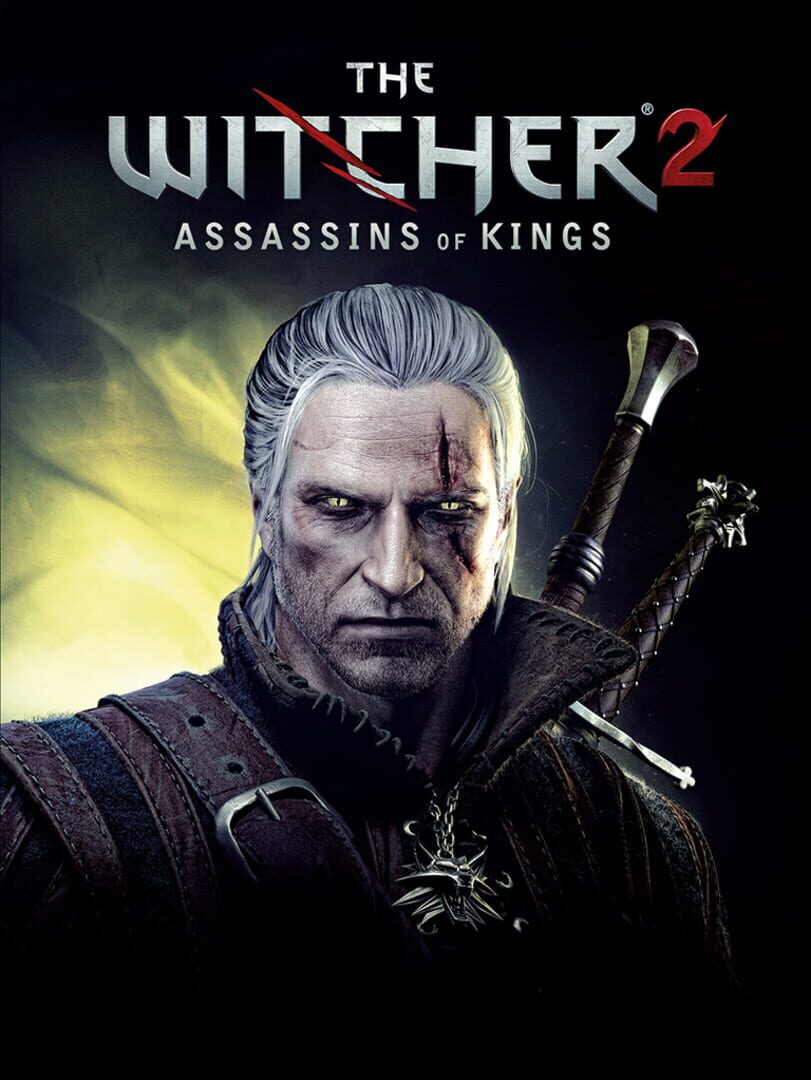
This third-person dark fantasy Western RPG and sequel to The Witcher (2007), featuring multiple endings and branching narrative paths, follows the travels of Geralt of Rivia, witcher, who, after being falsely accused of regicide, sets out to clear his name and find the real kille
Released
May 17, 2011
Developer
CD Projekt RED
Publisher
CD Projekt RED


2. Cyberpunk 2077
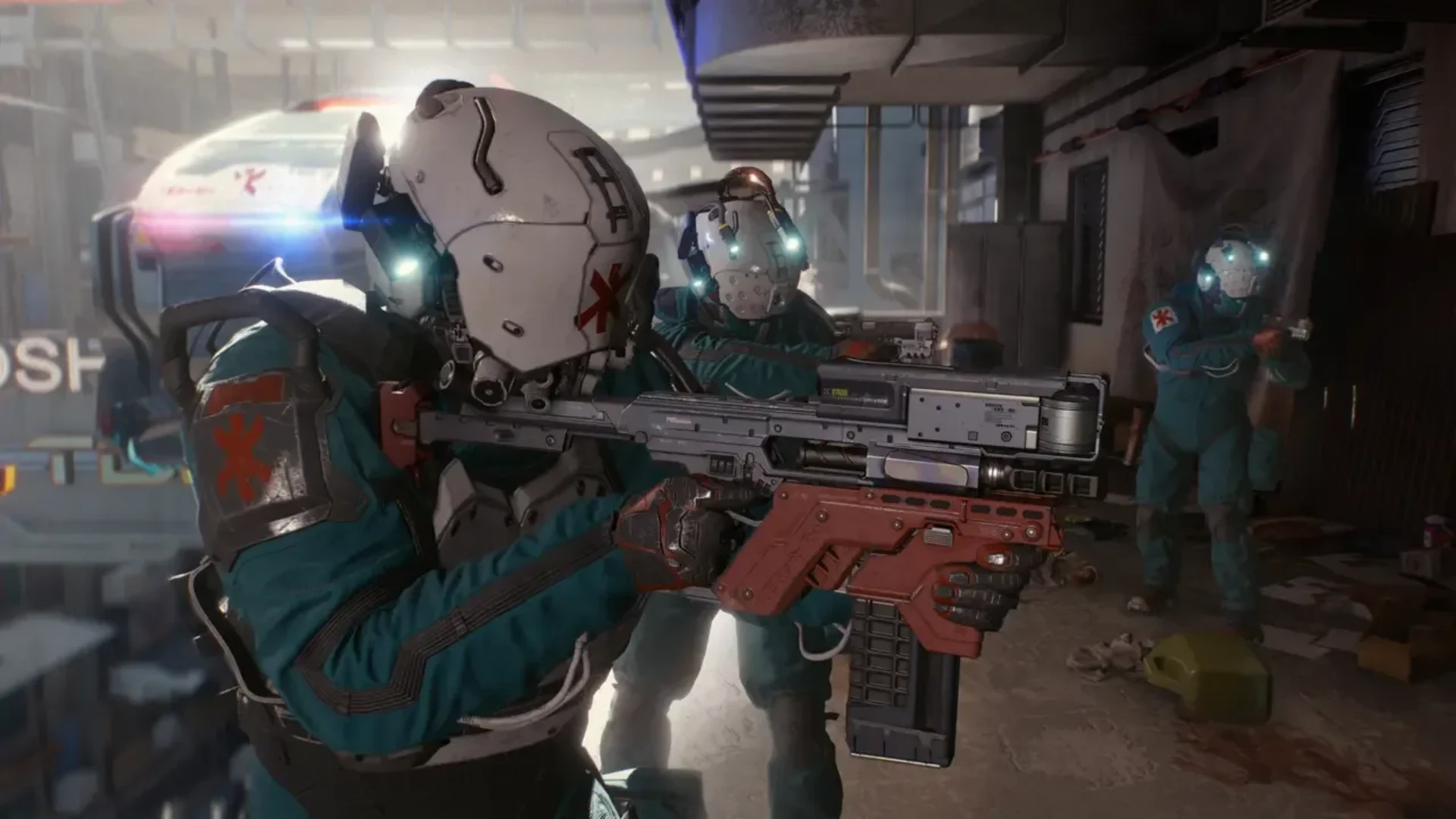
Cyberpunk 2077 places the player inside V, a mercenary whose body is being overwritten by the personality stored on a stolen biochip. Missions can be approached with firearms, quickhacks, stealth, or cyberware that turns close combat into a blur of dashes and slowed time. The first-person perspective keeps those builds physical. A netrunner watches cameras and spreads malicious programs through a network, while a heavily modified fighter crosses a room before enemies can respond.
Update 2.0 rebuilt perks, cyberware, vehicle combat, and police behavior, giving character builds clearer mechanical differences. Phantom Liberty then used those improved systems in Dogtown, a dense district where political loyalties shift more convincingly than they do across much of the base game.
Night City remains better at looking reactive than actually responding. Crowds and traffic create extraordinary street scenes, but much of the wider city returns to normal once a mission ends. The repaired version cannot erase the disastrous launch, although it has become a much stronger action RPG than the one originally released. Its best quests focus on people trying to preserve some control over their memories, bodies, or remaining time, concerns that make even its most advanced technology feel painfully human.
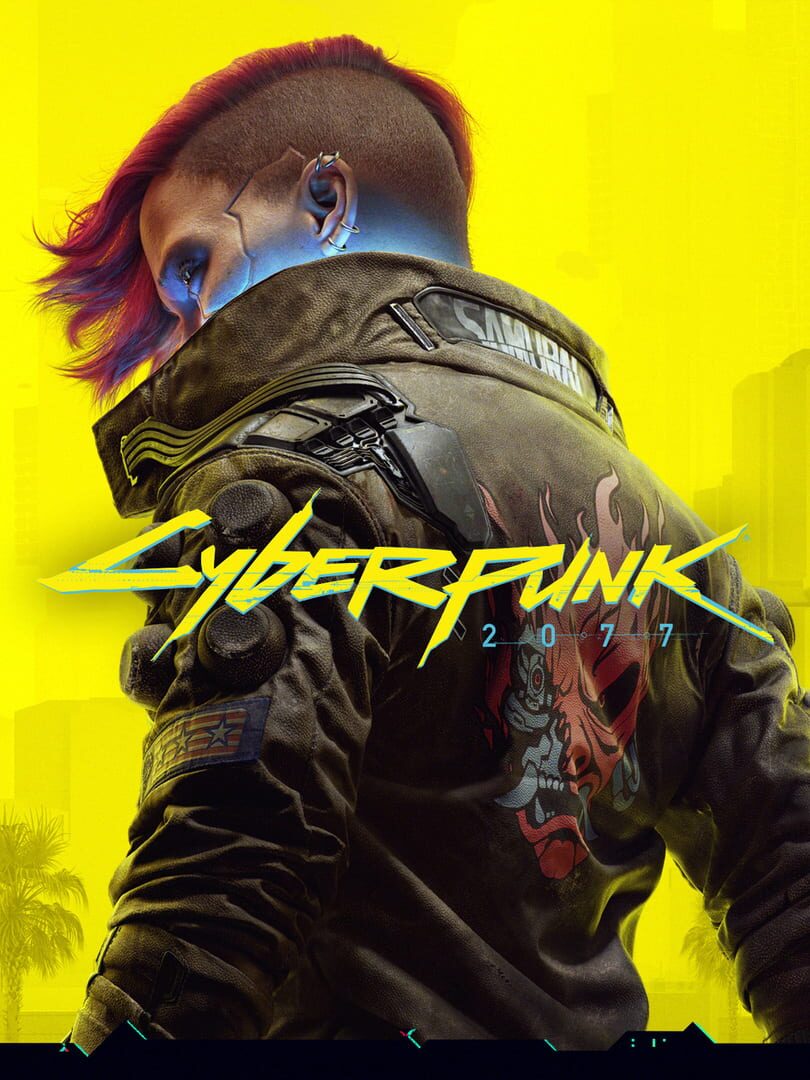
Cyberpunk 2077 is an open-world action-adventure game set in Night City, a sprawling metropolis driven by power, glamour, and body modification. Players assume the role of V, a mercenary outlaw in pursuit of a unique implant that holds the key to immortality. The game allows exte
Released
December 10, 2020
Developer
CD Projekt RED
Publisher
CD Projekt
1. The Witcher 3: Wild Hunt
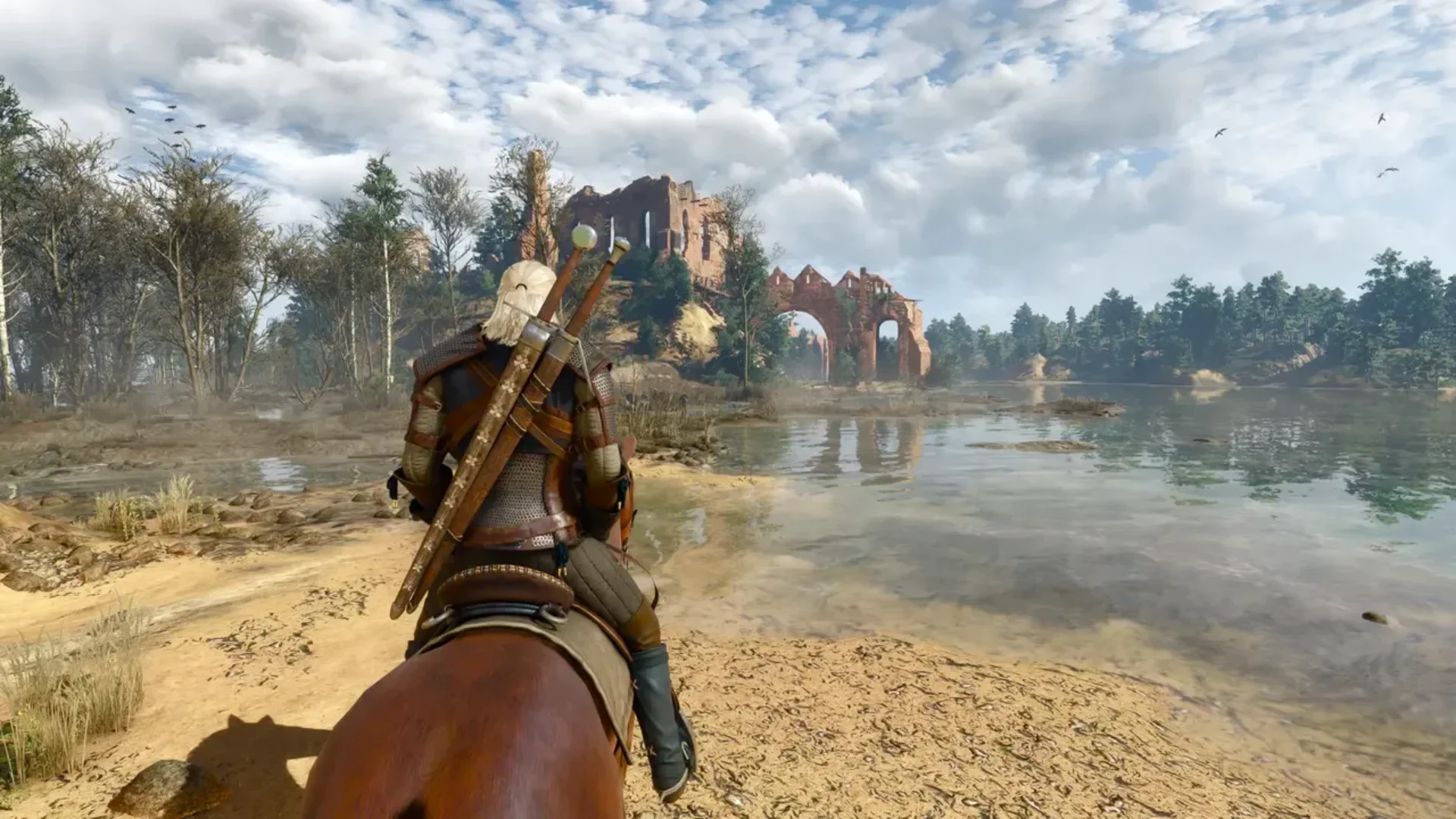
A monster contract in The Witcher 3 usually begins with evidence rather than combat. Geralt questions witnesses, examines tracks with his Witcher senses, and identifies the creature before preparing the appropriate oil, bomb, or sign. The eventual fight is rarely the most memorable part. Investigation exposes the argument surrounding the monster, and the person offering payment often knows more than they first admitted.
That structure allows small quests to carry consequences normally reserved for main stories. A missing villager can reveal a family dispute, while an apparently straightforward haunting may force Geralt to decide which account of a tragedy deserves belief. Velen is especially effective because war has damaged every settlement differently. The region is not simply filled with quests. Its stories repeatedly return to hunger, displacement, and the bargains people make when lawful authority has disappeared.
Combat never matches the writing. Repeated dodge attacks and Quen can solve too many encounters, while abundant weapons make much of the loot forgettable. Hearts of Stone and Blood and Wine improve the wider game through tighter stories, stronger antagonists, and regions that do not merely repeat Velen's misery.
What keeps The Witcher 3 ahead is its interest in what happens after Geralt leaves. A decision can protect one person while damaging a community or solve the immediate problem by creating a quieter one elsewhere. The game rarely offers enough information to feel certain, yet its characters are written clearly enough that refusing to choose feels like a choice of its own.

The Witcher 3: Wild Hunt is an open-world action role-playing game developed by CD Projekt Red. Set in a dark fantasy world, the game follows Geralt of Rivia, a monster hunter searching for his adopted daughter, Ciri, while navigating political conflicts and supernatural threats
Released
May 19, 2015
Developer
CD Projekt RED
Publisher
WB Games
Tagged In
Discussion
0We want to hear from you. Share your perspective in the comments below, and please keep the conversation respectful.
Log in to join the discussion - vote, reply, and share your take.
Log In