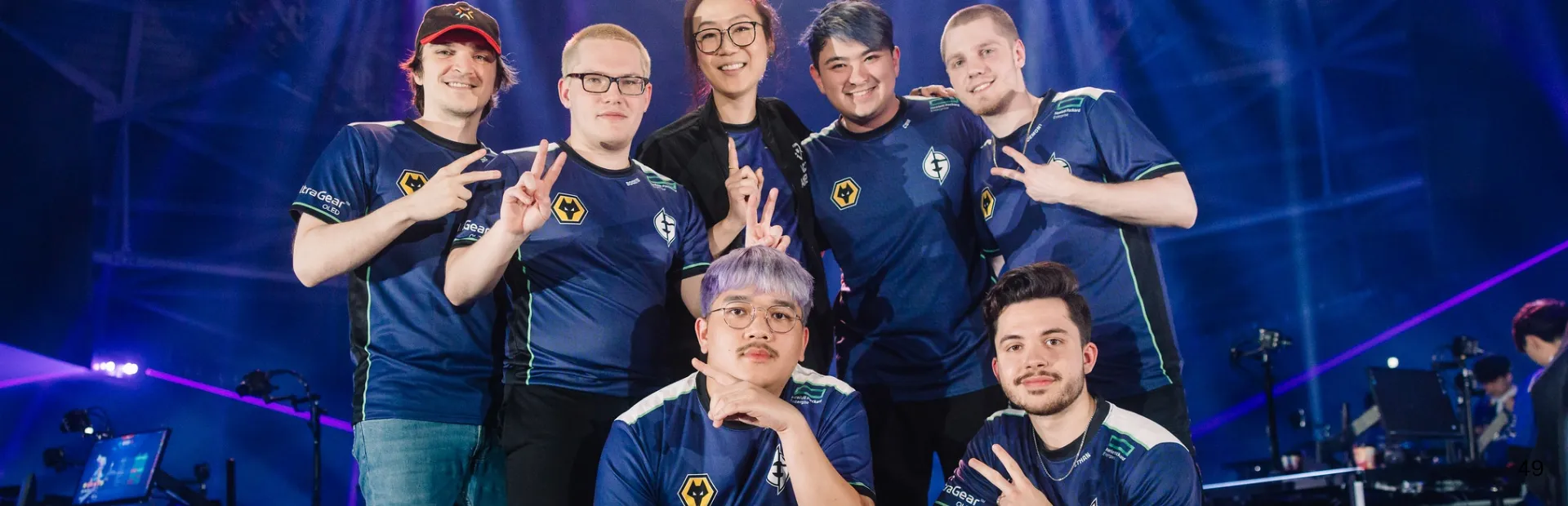
Evil Geniuses: The Rise and Fall of an Esports Empire
How Evil Geniuses went from The International champions to a downsized shell of one of North American esports' most storied organisations.
Evil Geniuses is one of the original titans of North American esports. Founded in 1999, back when professional gaming barely existed as a concept, it spent more than two decades as one of the most storied organizations in the scene, with a trophy cabinet most teams could only dream of.
Which is what makes its current state so jarring. This is a team that won Dota 2's The International and, years later, a Valorant world championship. In 2026, it is a shadow of that, a heavily downsized operation fielding budget rosters and clinging to a single league slot.
The story of how EG went from beloved, player-led powerhouse to a cautionary tale about venture capital in esports is one of the most instructive collapses the industry has produced.
The Quick Stats
- Founded: 1999 (in Canada, by Alexander "ottersareneat" Garfield)
- Corporate ownership: PEAK6 Investments (acquired in 2019)
- Current status: Severely downsized, operating minimal rosters
- Peak achievements: The International 2015 champions, Valorant Champions 2023 champions
- Former flagship divisions: Dota 2, League of Legends (LCS), Counter-Strike, StarCraft II
Follow Evil Geniuses here:
The Garfield Era: Building the Villains of Esports
EG was born in 1999, founded on Vancouver Island in Canada by Alexander "ottersareneat" Garfield out of the early Quake scene. Over the following decade it grew into something bigger than a team. It became a brand with an attitude.
Under Garfield, Evil Geniuses leaned all the way into its name and became the villains of professional gaming.
The strategy was to sign the best and most polarizing talent, wherever it lived. EG stacked its rosters with dominant, larger-than-life personalities across StarCraft II, Halo, and the fighting game scene, players who were as compelling to root against as they were to root for.
The organization built its entire identity around winning and raw talent instead of the sanitized corporate branding that eventually took over esports. Bleed Blue and Live Evil represented a real culture.
For years EG operated as an independent team that prioritized trophies above everything else. That specific authenticity built a fiercely loyal fanbase and losing it is exactly what killed the brand later on.
The Trophies That Built the Legacy
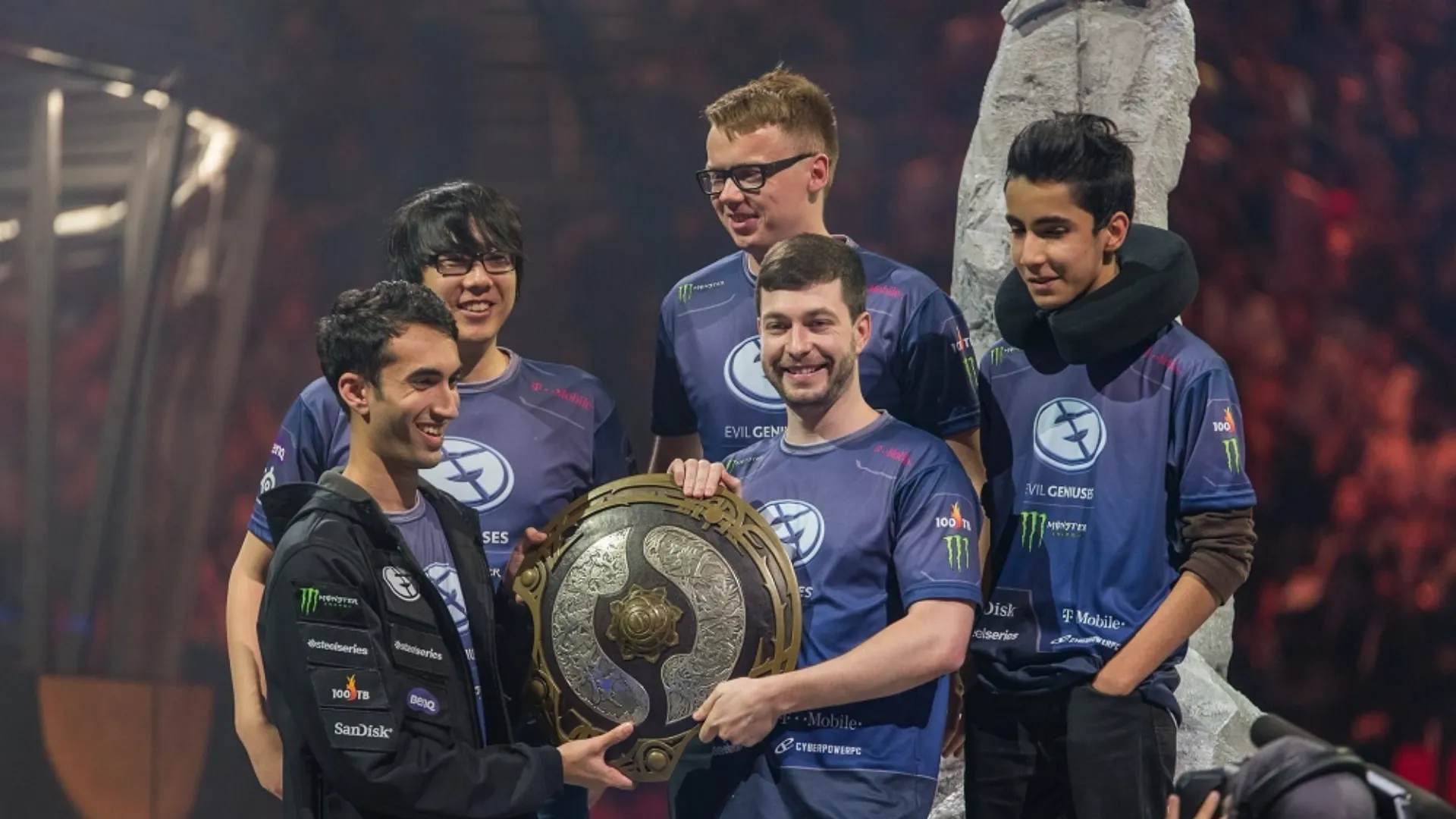
Before the decline, EG reached heights very few organizations ever touch.
The crowning achievement came in 2015. At The International, the biggest tournament in Dota 2, Evil Geniuses became the first North American team to win the event, lifting the Aegis of Champions and taking home a prize of over $6.6 million, the largest single payout in esports history at that point.
The win turned players like the 16-year-old prodigy SumaiL into genuine global superstars and cemented EG as a household name in competitive gaming. Their Call of Duty team added a world championship of its own in 2018.
The final peak came almost a decade later, and against all odds. In 2023, a roster of North American Valorant underdogs made an improbable Cinderella run all the way to the top, beating Paper Rex to win Valorant Champions and claim North America's first world title in the game.
It was a genuinely magical moment. It was also, with grim irony, the last major trophy the organization would ever win, and the start of its very public unraveling.
Venture Capital and the Corporate Shift
The downfall actually began in 2019 when an investment firm bought the organization and tried to sanitize it.
They took a player focused esports team and turned it into a corporate tech brand completely obsessed with boardroom metrics. The moment they ditched the classic logo for a soulless corporate design the original fans knew the old EG was dead.
Behind the scenes former employees described a leadership team that simply did not understand the gaming industry they were trying to run. The cracks in the foundation were obvious for years.
But those massive warning signs were incredibly easy to ignore as long as the Valorant roster kept winning tournaments and bringing home trophies.
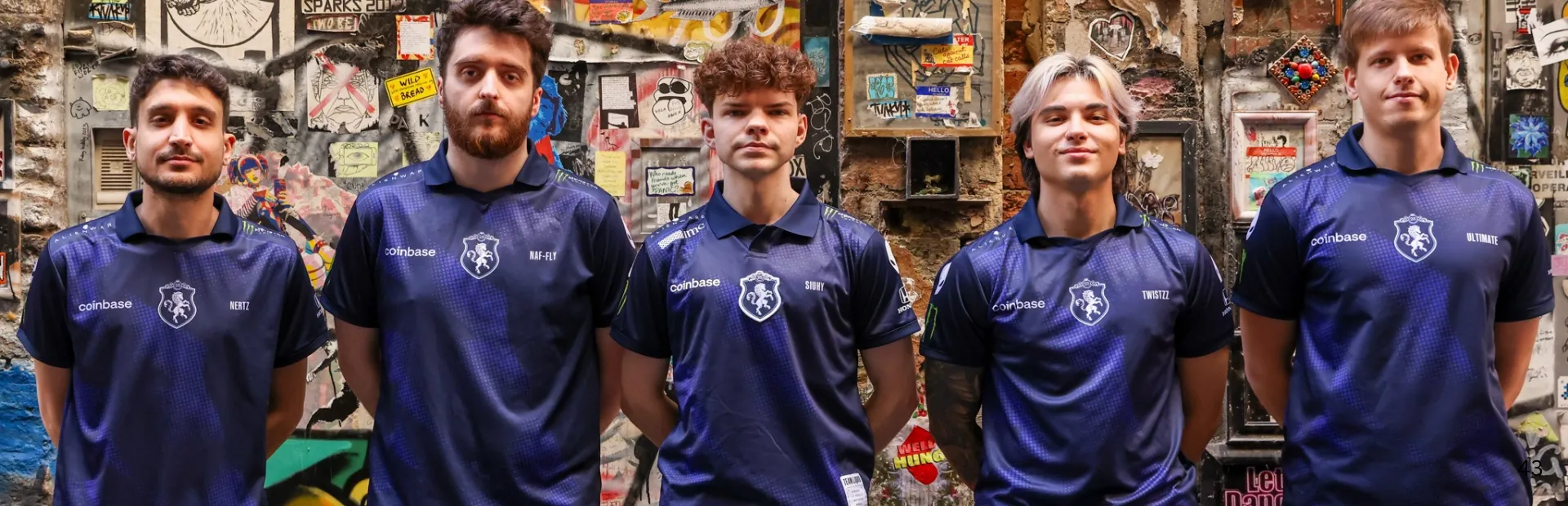
The 2023-2024 Collapse: Exits and Controversies
Then everything completely fell apart. Instead of celebrating the biggest win in their history management looked at their brand new Valorant world champions and demanded a massive pay cut.
When rival teams tried to buy the players out the organization simply refused the offers. They locked their own championship roster in contract jail. The players were completely trapped and took to social media to call out the absolute lack of respect.
Then the money just disappeared. Within a few months EG sold their League of Legends spot and entirely dropped their Counter Strike and Dota 2 rosters. They fired massive amounts of staff just to cut costs while the owners desperately tried to sell the entire company and escape the gaming industry completely.
The community backlash was absolute. Between holding players hostage and a history of ignoring basic mental health concerns the fans completely turned on them. The CEO quit just days after lifting the Valorant trophy and one of the oldest names in esports basically burned to the ground.
The Modern Reality: A Zombie Organization
What is left in 2026 barely resembles the empire that came before. Evil Geniuses now competes in essentially one game, holding onto its partnered slot in the VCT Americas Valorant league and little else. It has not won a title since that 2023 Champions run.
The organization has become what many now describe as a zombie: technically alive, but only just. Rather than spending to contend for global titles, it fields budget rosters, cycling through players and rebuilds while sitting near the bottom of the standings.
Its main function appears to be occupying the valuable league slot itself, a placeholder trading on a name that used to mean excellence. A team that once defined the ceiling of North American esports now largely exists to fill a seat at the table it used to dominate.
The Cautionary Tale
Evil Geniuses is the clearest proof that money alone cannot buy what made esports special. All the venture capital in the world could not replace authentic gaming culture, a real understanding of the scene, or the trust of the players and fans who built the brand in the first place.
The speed and completeness of its dismantling stands as a structural warning to the whole industry about the danger of treating a beloved team as just another asset to be optimized. The Geniuses, in the end, outsmarted themselves.
Tagged In
Discussion
0We want to hear from you. Share your perspective in the comments below, and please keep the conversation respectful.
Log in to join the discussion - vote, reply, and share your take.
Log In