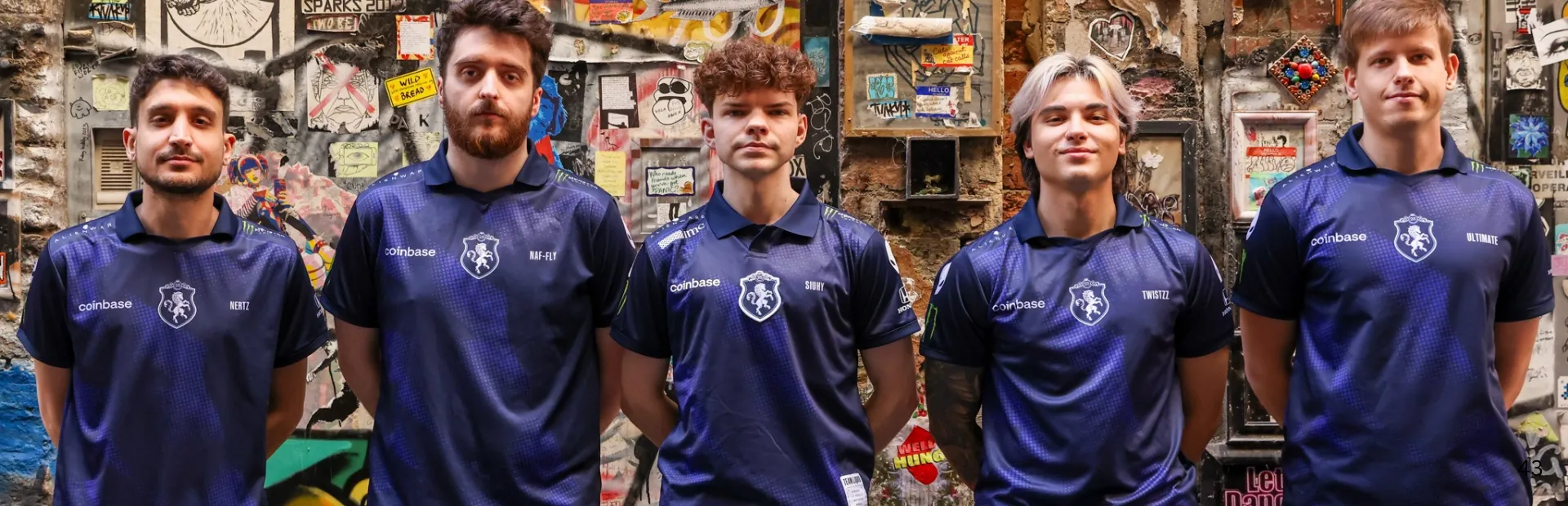
Team Liquid The Standard For Global Esports
From a StarCraft clan in Utrecht to $56 million in prize money, here is how Team Liquid became the highest-earning organization in esports history.
Esports is a notoriously brutal industry where flashy organizations regularly burn through their investor cash and disappear within a few years. Team Liquid survived that chaos to become a permanent global institution. Founded way back at the turn of the millennium, they outlasted hundreds of rivals to secure over 56 million dollars in career prize winnings, making them the highest earning organization in competitive gaming history.
Watching a passionate community forum evolve into a massive enterprise provides the ultimate blueprint for running a sustainable esports business without losing your soul.
The Quick Stats
- Founded 2000 in Utrecht Netherlands
- Leadership Co CEOs Victor Nazgul Goossens and Steve LiQuiD112 Arhancet
- Locations Headquarters span Los Angeles Utrecht and Sao Paulo
- Financial Milestone Over 56 million dollars in all time prize money
- Flagship Divisions Dota 2 Counter Strike 2 League of Legends and Valorant
Follow Team Liquid here:
From StarCraft Clan To Global Empire
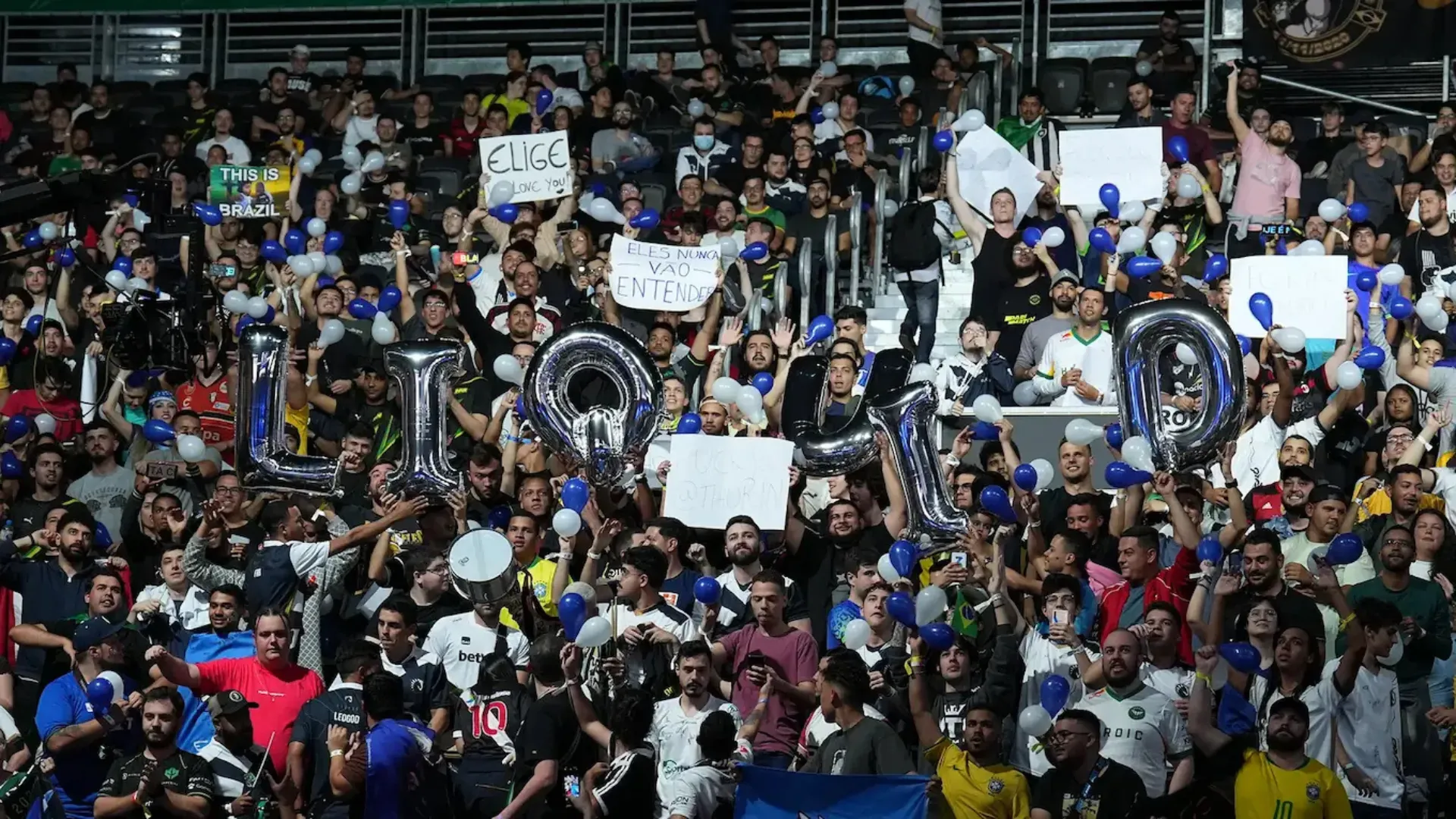
Victor Goossens launched a simple website for StarCraft enthusiasts from his bedroom in the Netherlands, completely unaware it would become the most visited strategy game hub on the internet. For years they were simply known as a highly respected community clan.
The crucial turning point arrived in early 2015 when the organization executed a massive merger with the American brand Team Curse. Bringing Steve Arhancet on board as co CEO immediately secured a coveted spot in the North American League of Legends competitive circuit.
That single handshake folded in massive corporate resources and transformed a respected strategy game clan into a true multi game juggernaut overnight. Today they are backed by major investment groups featuring legends like Magic Johnson and Steve Case, yet the two original gamers still run the daily operations.
The Trophies That Define Eras
Lifting the Aegis of Champions at The International in 2017 brought the European Dota 2 roster a staggering ten million dollars, which was the largest single prize pool in history at the time. They stayed an absolute force in that specific game for years, eventually adding a second world championship title in 2024.
Their Counter Strike roster carved out its own legendary status by going on a historic tear in 2019, winning four premier tournaments in a blistering 63 days to claim the elusive one million dollar Intel Grand Slam bonus.
Meanwhile their League of Legends division built a reputation for assembling incredibly expensive superteams that actually delivered, securing four consecutive domestic championships across two years.
Few organizations can claim that level of absolute dominance across three completely different gaming genres.
The Blueprint For Modern Infrastructure
Constructing massive dedicated training campuses alongside their hardware partner Alienware permanently killed the outdated concept of stuffing five professional players into a messy rented house.
Opening their first western facility in Los Angeles completely changed the physical standard for the entire industry, followed quickly by massive campuses in Utrecht and downtown Sao Paulo.
Providing professional sports science programs, on site dining, and dedicated practice rooms forced the rest of the scene to finally treat professional gamers like traditional athletes. The organization effectively built the physical real estate template that every other serious competitor now desperately tries to copy.
Cultivating Fan Culture And Liquid Plus
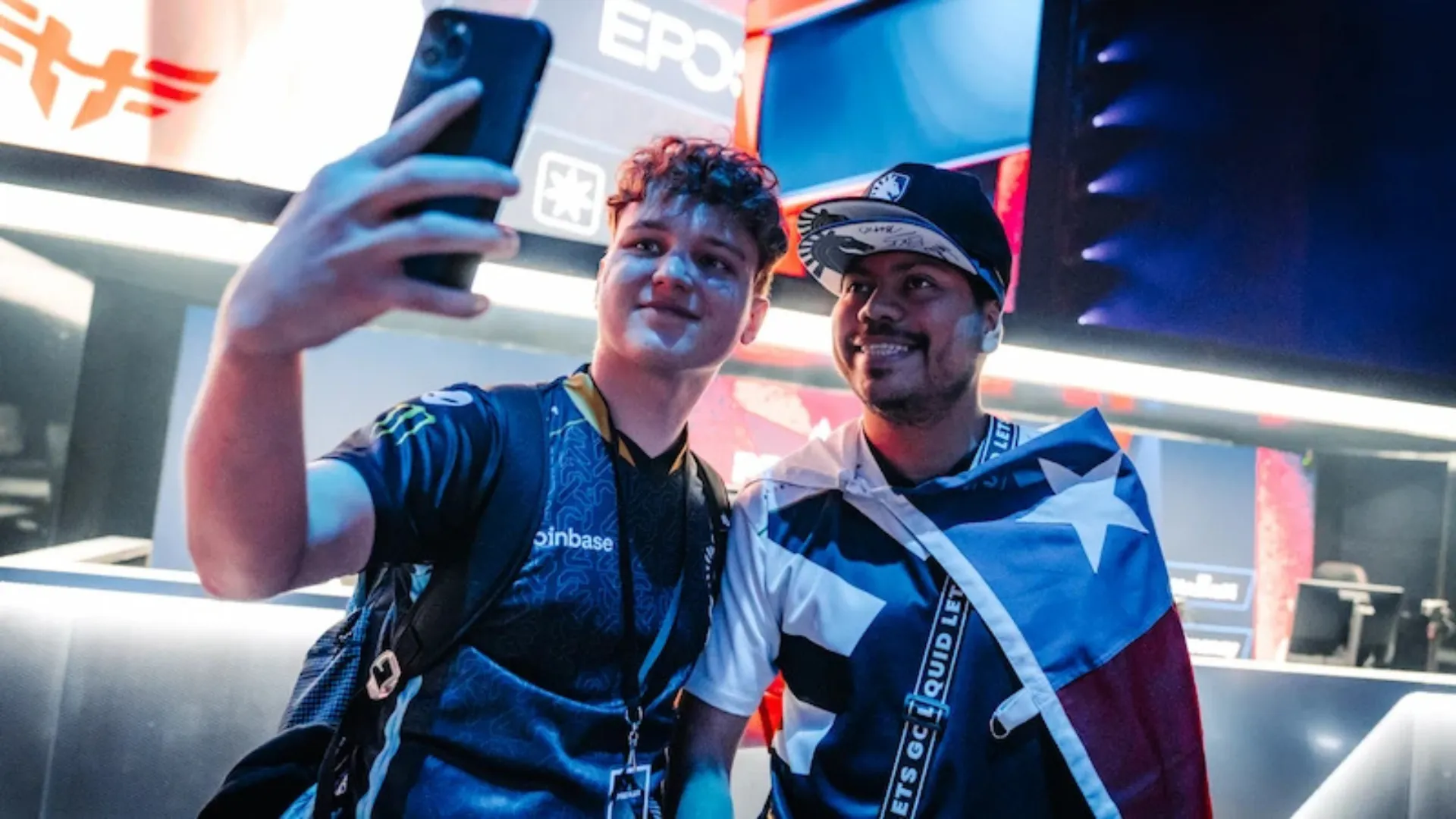
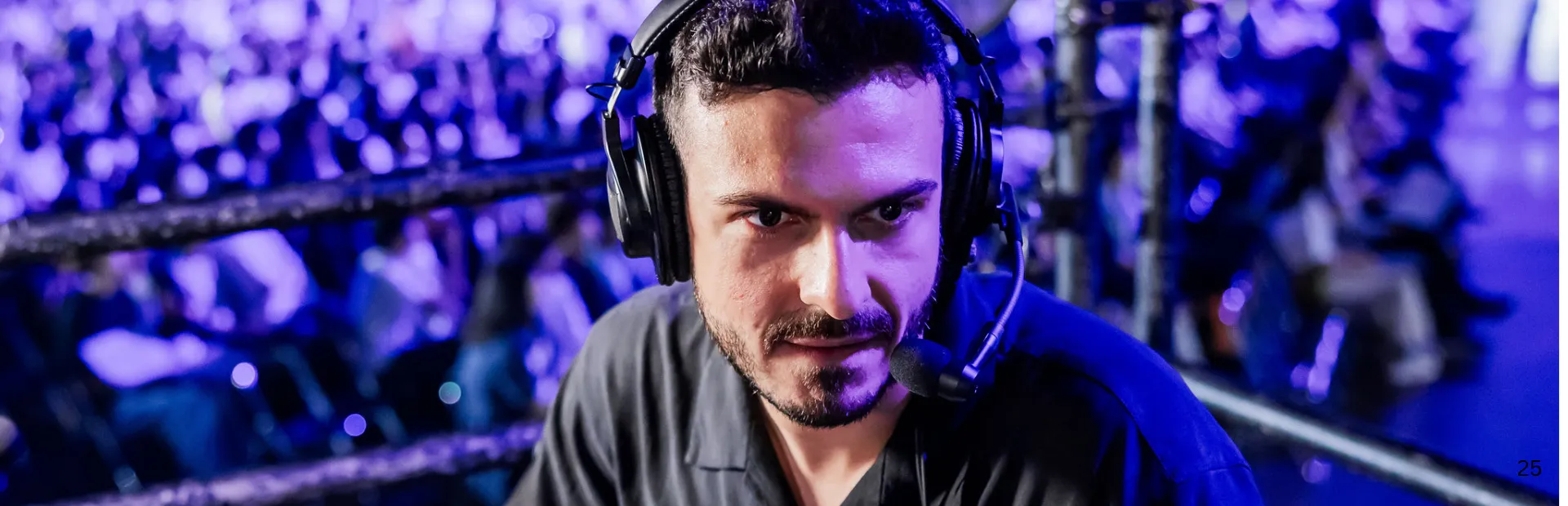
Designing an anthropomorphic mascot named Blue gave the brand a fun and recognizable face to front their creative apparel drops beyond the classic horse logo. Instead of relying entirely on unpredictable social media algorithms to reach their millions of fans, the organization launched a proprietary virtual stadium called Liquid Plus.
This reward platform encourages the audience to actively watch streams, buy merchandise, and complete community quests in exchange for tangible perks.
It turns passive fandom into a highly interactive experience, creating a deeply personal bond between the players and the crowd. If the standard community tools are not good enough, they simply build their own.
The Ultimate Bottom Line
Team Liquid survived two decades in an incredibly volatile entertainment sector by refusing to choose between winning matches and building a business. They paired record breaking tournament victories with serious investments in physical real estate and fan engagement platforms.
While plenty of rival teams have managed to achieve temporary competitive success or secure large investor checks, almost nobody has managed to do both simultaneously for this long.
That rare combination of competitive ruthlessness and corporate stability makes them the undisputed standard for esports success.
Tagged In
Discussion
0We want to hear from you. Share your perspective in the comments below, and please keep the conversation respectful.
Log in to join the discussion - vote, reply, and share your take.
Log In