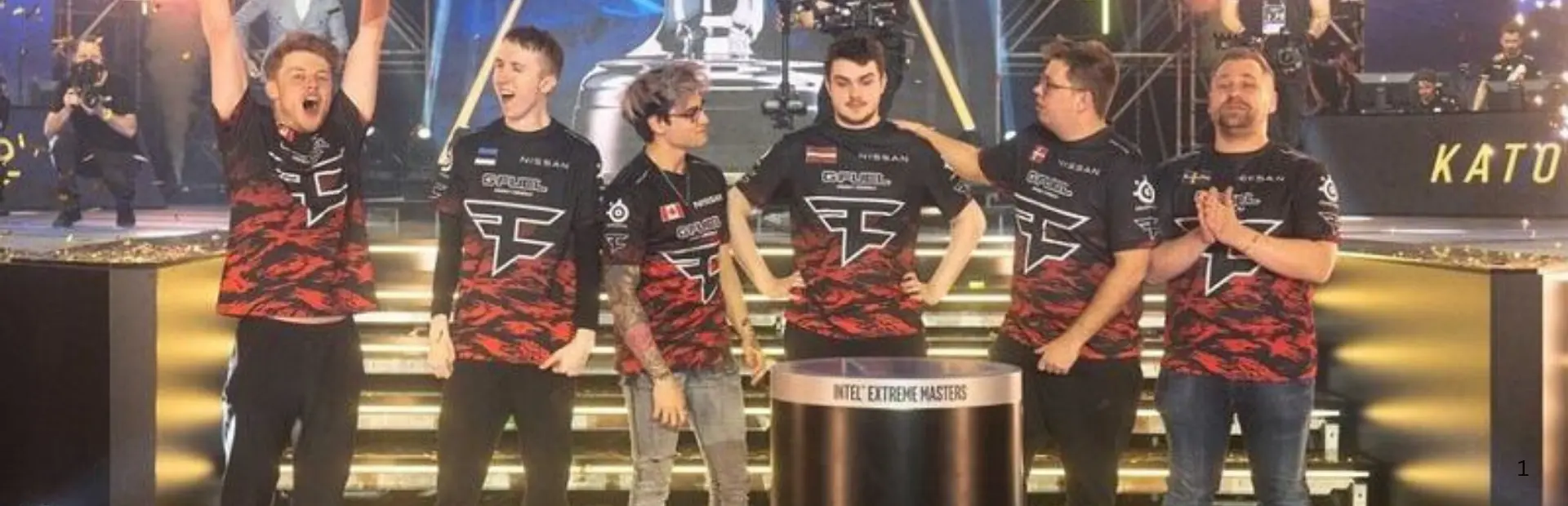
FaZe Clan Built an Esports Empire on Trickshots
Discover how FaZe Clan grew from Call of Duty trickshots into a global esports brand, winning Majors and shaping gaming culture.
FaZe Clan began as a group of gamers uploading spectacular Call of Duty shots. Over time, the organization's logo appeared on the biggest esports stages, clothing collections, and videos watched by millions.
Many teams build their popularity through victories. FaZe built a community first. Fans followed individual creators, repeated the phrase "FaZe Up," and dreamed of joining the group before its teams began regularly competing for the biggest trophies.
That order proved groundbreaking. FaZe showed that an esports organization could be a competitive team, a clothing brand, and part of online pop culture at the same time. The model brought enormous success, but it eventually became a source of problems as well.
FaZe Clan Key Facts
- Country of origin: United States
- Founded: 2010
- Founders: ClipZ, House Cat, and Resistance
- Owner: GameSquare
- Main games: Counter-Strike 2, Call of Duty, Rainbow Six Siege, PUBG, Halo, Fortnite, Apex Legends, and Super Smash Bros. Ultimate
- Biggest achievements: Winning the PGL Major Antwerp in 2022 and the Six Invitational in 2025 and 2026
- Best known for: Call of Duty trickshots, international rosters, and combining esports with creator culture, fashion, and entertainment
How Was FaZe Clan Founded?
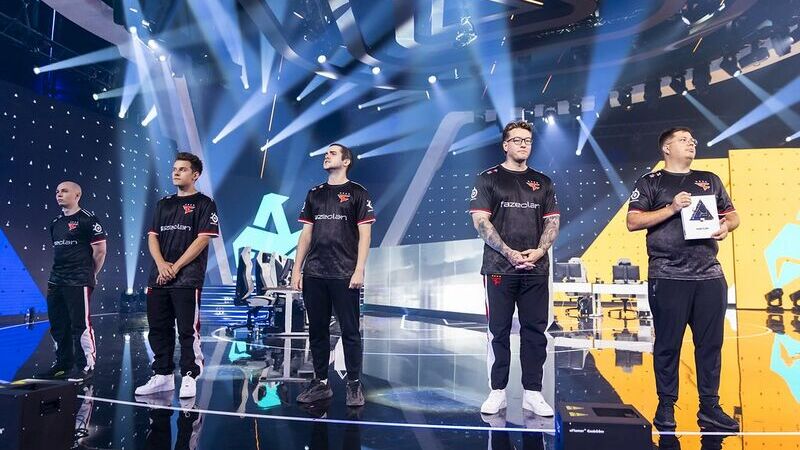
FaZe Clan was founded on May 30, 2010, by players known as ClipZ, House Cat, and Resistance. The group was originally called FaZe Sniping and focused on Call of Duty: Modern Warfare 2.
Trickshots became its signature. Players spun around, switched weapons in mid-air, and tried to end each round with the most spectacular shot possible. Series such as ILLCAMS did not teach viewers how to win matches. They showed that even an ordinary gameplay video could have its own style.
FaZe quickly became more than a name placed before a gamer tag. Creators such as Temperrr, Apex, Rain, Banks, Rug, and Adapt joined the group. Each brought a distinct personality, giving viewers a reason to follow FaZe even if they no longer played Call of Duty themselves.
FaZe Was More Like a Club Than a Team
Shared creator houses became one of the most important parts of the brand. Members lived together, recorded challenges, and showed viewers their everyday lives. Joining FaZe began to feel like gaining entry to an exclusive club for internet stars.
The organization used this popularity to move into fashion, music, and mainstream entertainment. It worked with clothing brands, athletes, and musicians. In 2021, FaZe became the first esports organization to appear on the cover of Sports Illustrated.
Its recognizable logo gave it an advantage over teams known only to fans of a single game. FaZe did not have to win every tournament to remain part of the conversation. Its creators reminded viewers about the brand every day.
Counter-Strike Delivered the Biggest Trophy
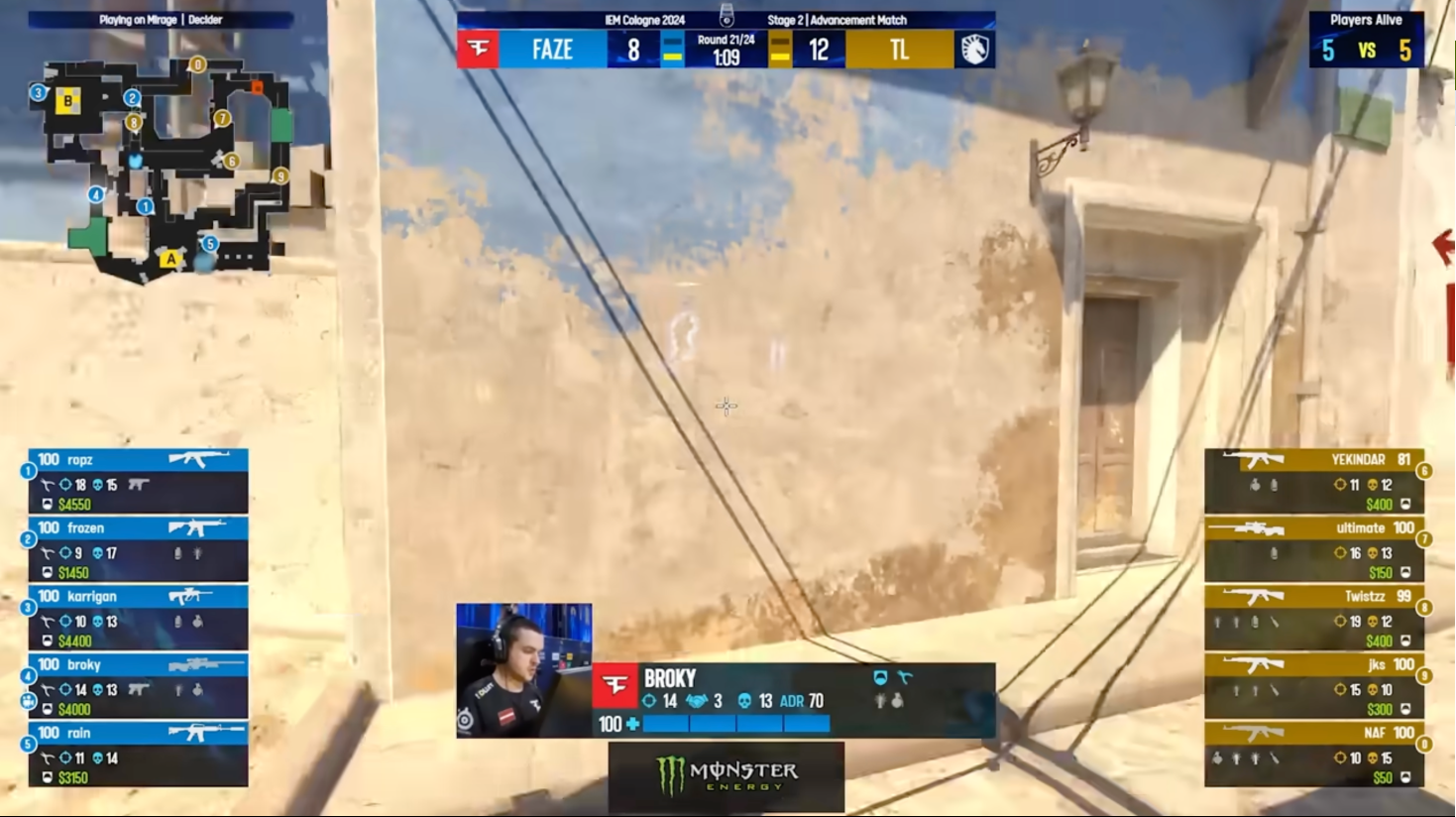
FaZe entered professional Counter-Strike in 2016. Instead of building a roster around one country, the organization brought together stars from different parts of the world. This approach allowed it to sign outstanding players, but it also made building a stable team more difficult.
The most painful moment came in the ELEAGUE Major Boston 2018 final against Cloud9. FaZe entered the tournament as the favorite, but lost its lead on the deciding map in front of an American crowd.
The organization had to wait until 2022 for its long-awaited Major title. The team, led by Finn "karrigan" Andersen, defeated Natus Vincere in the PGL Major Antwerp final. It was the first Major won by a fully international roster. FaZe also claimed trophies at IEM Katowice, IEM Cologne, and ESL Pro League Season 15 that year. Victory in another ESL Pro League season in 2023 secured the Intel Grand Slam for the team.
FaZe's Success Extends Beyond One Game
The organization's roots remain tied to Call of Duty. Atlanta FaZe won the Call of Duty League Championship in 2021 and remained one of the competition's strongest teams over the following seasons.
Its Brazilian Rainbow Six Siege team produced an even more impressive run. FaZe Clan won the Six Invitational in 2025 before defending the title in 2026 with a victory over Team Secret in the final. The organization has also fielded competitors in games including PUBG and Super Smash Bros.
This variety helped the FaZe logo reach communities that had never seen its early trickshot videos.
Expansion Caused Serious Problems
FaZe Holdings went public on the Nasdaq stock exchange in July 2022. The organization wanted to prove that the popularity of its creators could be transformed into a major business. Rising costs and financial losses quickly undermined those ambitions.
GameSquare acquired FaZe Clan in March 2024 in a deal valued at approximately $14 million. The organization was later divided into FaZe Media, which focused on creators, and FaZe Esports, which managed its professional teams.
After its most prominent creators departed in late 2025, the media division ceased operations. GameSquare retained full control of FaZe Esports, which continues to field teams at major tournaments.
FaZe Clan's Current Status
FaZe is no longer the same group that once lived together and turned daily videos into an online reality series. It remains a brand with one of the most recognizable logos in esports.
Its influence can be seen in organizations that now recruit streamers, release their own clothing, and try to build communities that extend beyond tournament results. FaZe did not invent every part of this model, but it was among the first to combine them on a global scale. Even after all the changes, its story shows that esports fans can become attached not only to a roster, but also to the identity of an entire organization.
Tagged In
Discussion
0We want to hear from you. Share your perspective in the comments below, and please keep the conversation respectful.
Log in to join the discussion - vote, reply, and share your take.
Log In