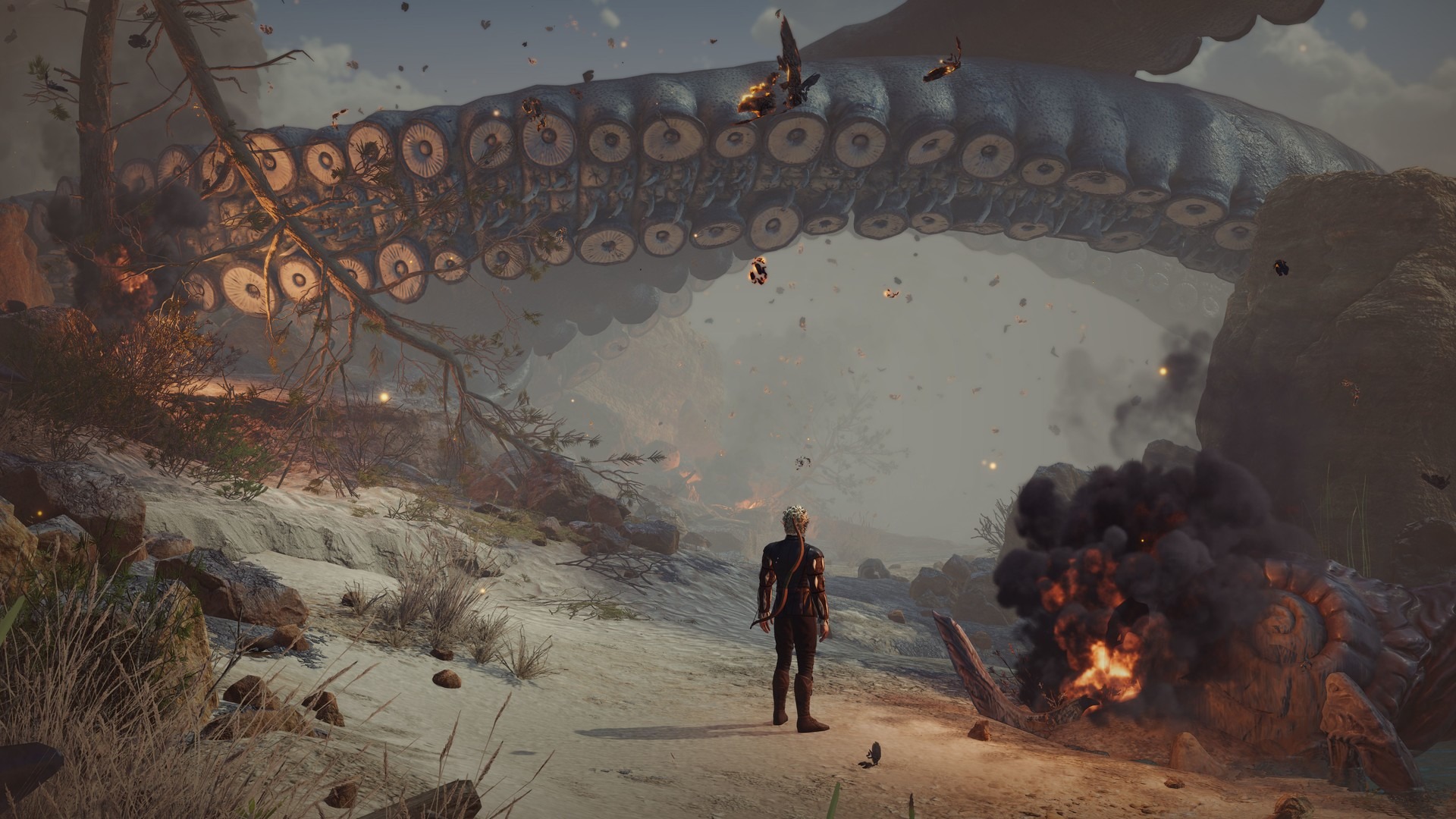
Larian Studios turned Divinity's unlikely success into Baldur's Gate 3
Larian nearly bankrupted itself for Original Sin, then built Baldur's Gate 3 on the freedom publishers once refused to fund.
Larian Studios spent much of its early history struggling to make the RPGs it wanted to create. Publishers had their own expectations, budgets were tight, and the Belgian developer repeatedly found itself compromising on its ambitions. Yet its commitment to giving players more freedom never disappeared.
That ambition gradually took shape through the Divinity series. Larian experimented with increasingly flexible combat systems and quests that encouraged players to find their own solutions. With Divinity: Original Sin and its sequel, the studio finally had the creative control to pursue those ideas on a much larger scale.
The breakthrough came in 2023 with Baldur's Gate 3. Its enormous success introduced millions of players to Larian's approach to RPG design, where choices have lasting consequences and even unconventional solutions can work. For a studio that had spent years fighting for creative independence, it was a remarkable achievement.
Profile Snapshot
- Founded: 1996
- Founder and CEO: Swen Vincke
- Headquarters: Ghent, Belgium
- Ownership: Independent developer and publisher
- Global studios: Ghent, Quebec, Dublin, Guildford, Kuala Lumpur, Barcelona, and Warsaw
- Signature games: Divinity: Original Sin, Divinity: Original Sin 2, and Baldur's Gate 3
- Current project: Divinity, announced in December 2025 and still in development as of November 2026
The Divinity years were far from a sure thing
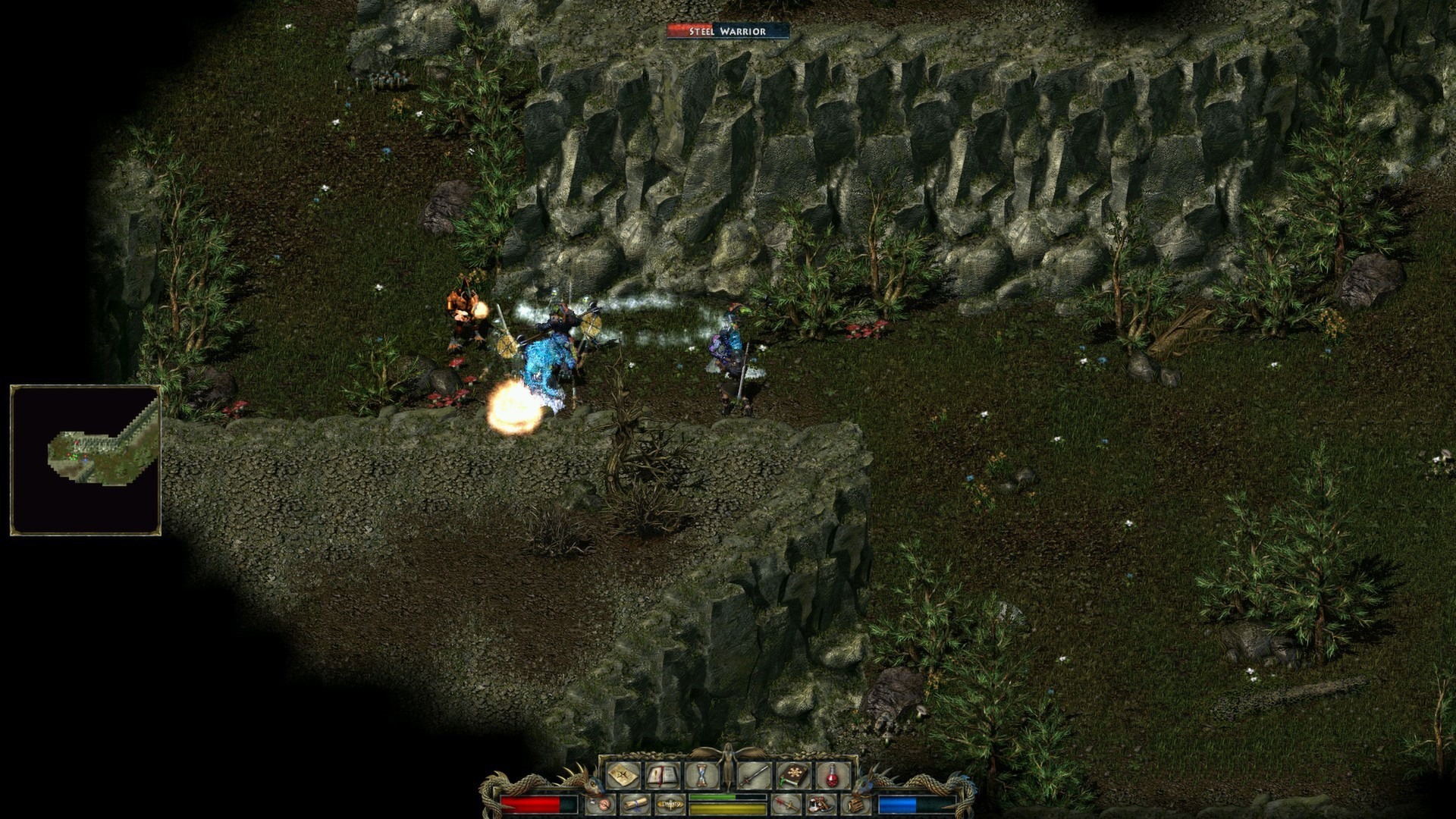
Larian was founded in 1996 and spent its early years trying to get ambitious fantasy RPGs made. Its first major release, 2002's Divine Divinity, combined the action of Diablo with a larger world built around exploration and quests. It attracted a following, but the studio's relationship with publishers was often difficult.
Founder Swen Vincke wanted games where players could solve problems in unexpected ways. Publishers weren't always interested in financing that vision. Larian also struggled with projects that grew too ambitious for their budgets, and the troubled development of Divinity II left the company carrying serious debt.
By the early 2010s, the studio was in a precarious position. It had an established fantasy setting and years of RPG experience, but little financial security. Continuing to work under the same conditions was hardly a promising option.
Kickstarter gave Original Sin a fighting chance
Larian's answer was to take greater control of its games. It began developing its own technology, handled publishing itself, and turned to Kickstarter to help fund the kind of cooperative, turn-based RPG publishers had previously rejected.
The 2013 campaign for Divinity: Original Sin raised $944,282 from more than 19,000 backers. That money helped, but development remained a serious gamble. Larian borrowed additional funds and nearly ran out of cash before the game reached players in June 2014.
Original Sin justified the risk. Battles encouraged players to combine elements and exploit their surroundings. A rain spell could soak an enemy before an electrical attack, while conversations and quests regularly offered alternatives to straightforward combat. Two players could even disagree over how the story should proceed.
By September, the game had sold more than 500,000 copies and Larian had paid off its debts. The studio finally had evidence that there was a substantial market for the RPGs it had been trying to make for years.
Original Sin 2 made experimentation the attraction
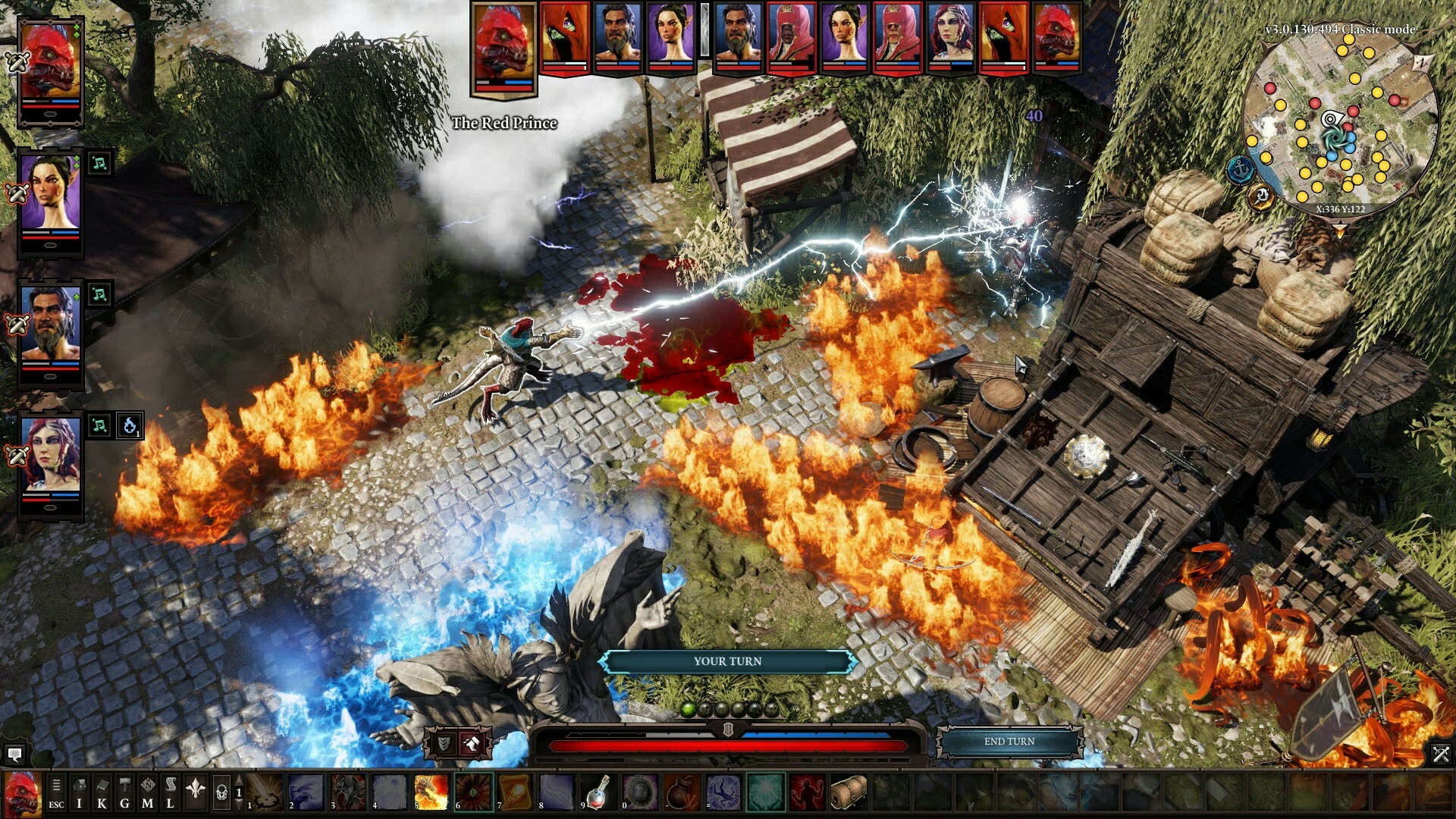
The sequel showed how far that idea could go. Divinity: Original Sin 2 raised more than $2 million on Kickstarter in 2015, giving Larian additional resources to expand its plans. Its 2017 release introduced origin characters with personal storylines, a wider selection of combat options, and support for four-player cooperation.
The opening hours at Fort Joy demonstrated the appeal. Players could escape the prison island through several routes, depending on whom they helped, what they discovered, or which fights they chose to start. Combat was similarly open-ended. Oil could be set ablaze, surfaces could be electrified, and a seemingly disastrous battle could turn around through an improvised spell combination.
The game sold more than one million copies within a few months. More importantly, it established Larian's style as something players actively sought out. The unusual solutions weren't occasional secrets. They were part of how the game was meant to be played.
Baldur's Gate 3 pushed everything further
Larian had approached Wizards of the Coast about making a Baldur's Gate game after the first Original Sin. The answer was initially no. Following Original Sin 2, the Dungeons & Dragons publisher came back to the studio, and Larian finally secured the opportunity.
The scale was a different matter. Baldur's Gate 3 needed cinematic conversations, complex companion stories, and a world that reacted to a huge range of decisions. Vincke later explained that the studio grew from roughly 40 people on the first Original Sin to around 400 during Baldur's Gate 3 development. It also spent nearly three years in early access gathering player feedback before the full PC release in August 2023.
The result kept the improvisational combat of Divinity while making its characters far more central. Companions could approve of decisions, turn against the player, or follow dramatically different storylines. A quest might unfold differently because of a failed dice roll or a character who never survived an earlier encounter.
The response went well beyond the usual audience for turn-based RPGs. Baldur's Gate 3 won Game of the Year at The Game Awards and four other major award ceremonies. In October 2026, market research firm Alinea Analytics estimated that it had sold 23.2 million copies across platforms.
Success exposed the cost of ambition
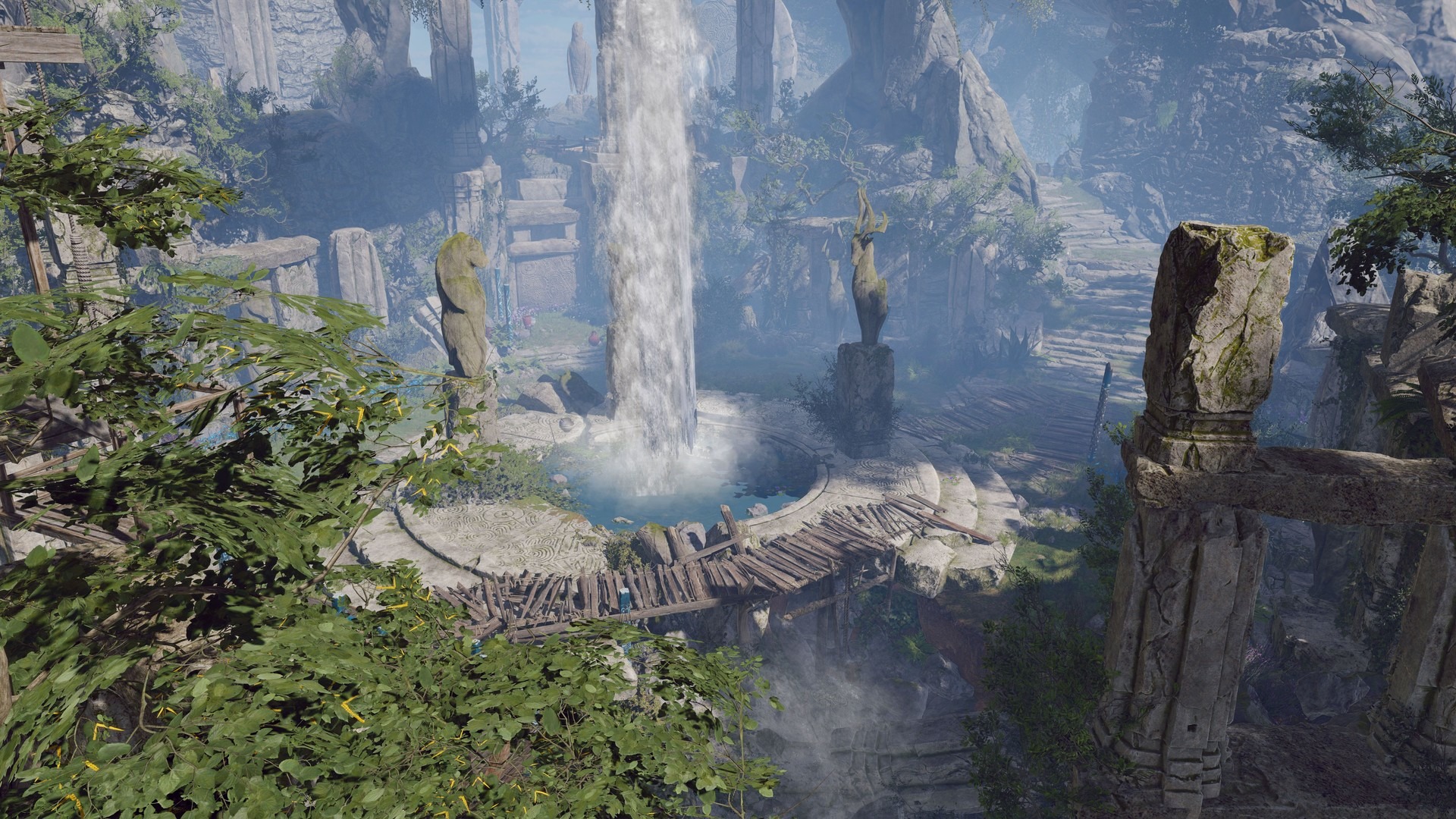
Such an enormous game was never going to be perfectly tidy. At launch, players reported bugs and performance problems in Baldur's Gate 3's final act. Larian acknowledged that the densely populated city performed worse than the earlier areas, and its first major patch addressed more than 1,000 issues.
Supporting all those possible outcomes also required continued work after release. The studio expanded companion endings and eventually introduced official modding tools, new subclasses, and cross-play. Its eighth major patch arrived in April 2025, almost two years after launch.
The bigger question was what to do with a hit that large. Larian had started work on an expansion and considered Baldur's Gate 4, but abandoned both ideas. Vincke said the team no longer felt excited by continuing the franchise, and publicly clarified that the decision was not the fault of Dungeons & Dragons owner Wizards of the Coast.
Returning to Divinity with a much bigger audience
In December 2025, Larian unveiled its next RPG, simply titled Divinity. It returns to the studio's own fantasy world rather than the licensed setting that made it famous. No release date has been announced, and in November 2026 Vincke said the team still had considerable work ahead of it.
The studio is now trying to build on Original Sin 2 and Baldur's Gate 3 without relying on the Baldur's Gate name. After nearly bankrupting itself to make Original Sin, Larian has an audience large enough to support far more ambitious plans. Whether its own world can carry the expectations created by Baldur's Gate 3 is the next challenge.