Sandfall Interactive made a blockbuster without building a blockbuster studio
Nine Game Awards, over eight million copies and a first game from a studio of about 26 people. Here is how Sandfall did it.
The French developer behind Clair Obscur: Expedition 33 turned a passion project into an award-winning RPG, proving that a small team could compete with much larger studios.
At The Game Awards in December 2025, Clair Obscur: Expedition 33 walked away with nine awards, including Game of the Year. It broke the ceremony's record for the most wins by a single game, beating established franchises and releases from studios with vastly larger budgets. Remarkably, it was also Sandfall Interactive's first game.
Just a few years earlier, the Montpellier-based developer barely existed. Its founder had left Ubisoft to pursue an ambitious turn-based RPG inspired by the Japanese games he loved growing up. What started as a personal experiment eventually sold over eight million copies and made Sandfall one of gaming's most talked-about new studios.
Profile Snapshot
- Founded: 2020
- Headquarters: Montpellier, France
- Founders: Guillaume Broche and Tom Guillermin, joined early by François Meurisse
- CEO and Creative Director: Guillaume Broche
- Publisher: Kepler Interactive
- Debut game: Clair Obscur: Expedition 33 (2025)
- Major achievements: Nine wins at The Game Awards 2025 and over eight million copies sold by April 2026
From Ubisoft to an independent RPG experiment
Sandfall's story begins with Guillaume Broche, a former Ubisoft developer who wanted to make the kind of role-playing game he felt was disappearing from the industry.
Growing up, Broche loved Japanese RPGs such as Final Fantasy VIII and Lost Odyssey. Their cinematic storytelling and turn-based battles left a lasting impression. While modern games increasingly favored action-oriented combat, he still believed there was an audience for large-scale adventures built around traditional RPG mechanics.
In 2019, Broche began experimenting with Unreal Engine during his spare time. His early prototype, called We Lost, already contained ideas that would eventually appear in Expedition 33, including combat that combined turns with real-time actions.
The project gradually became too ambitious for one person. Broche brought in programmer Tom Guillermin and later François Meurisse, forming Sandfall Interactive in 2020.
Most of the original team had little professional experience making complete games. They were attempting something that usually required a much larger studio, with a limited budget and no established franchise to attract attention.
Building a French fantasy world unlike anything else
Sandfall wanted its debut to feel different from the Japanese RPGs that inspired it. The developers borrowed familiar mechanics while creating a fantasy world heavily influenced by French art and culture.
Expedition 33 takes place in a world where a mysterious figure known as the Paintress paints a number onto a giant monolith every year. Everyone of that age disappears in an event called the Gommage. As the number steadily decreases, humanity faces a terrifying countdown.
The story follows Gustave and his companions as they join an expedition to destroy the Paintress and break the cycle.
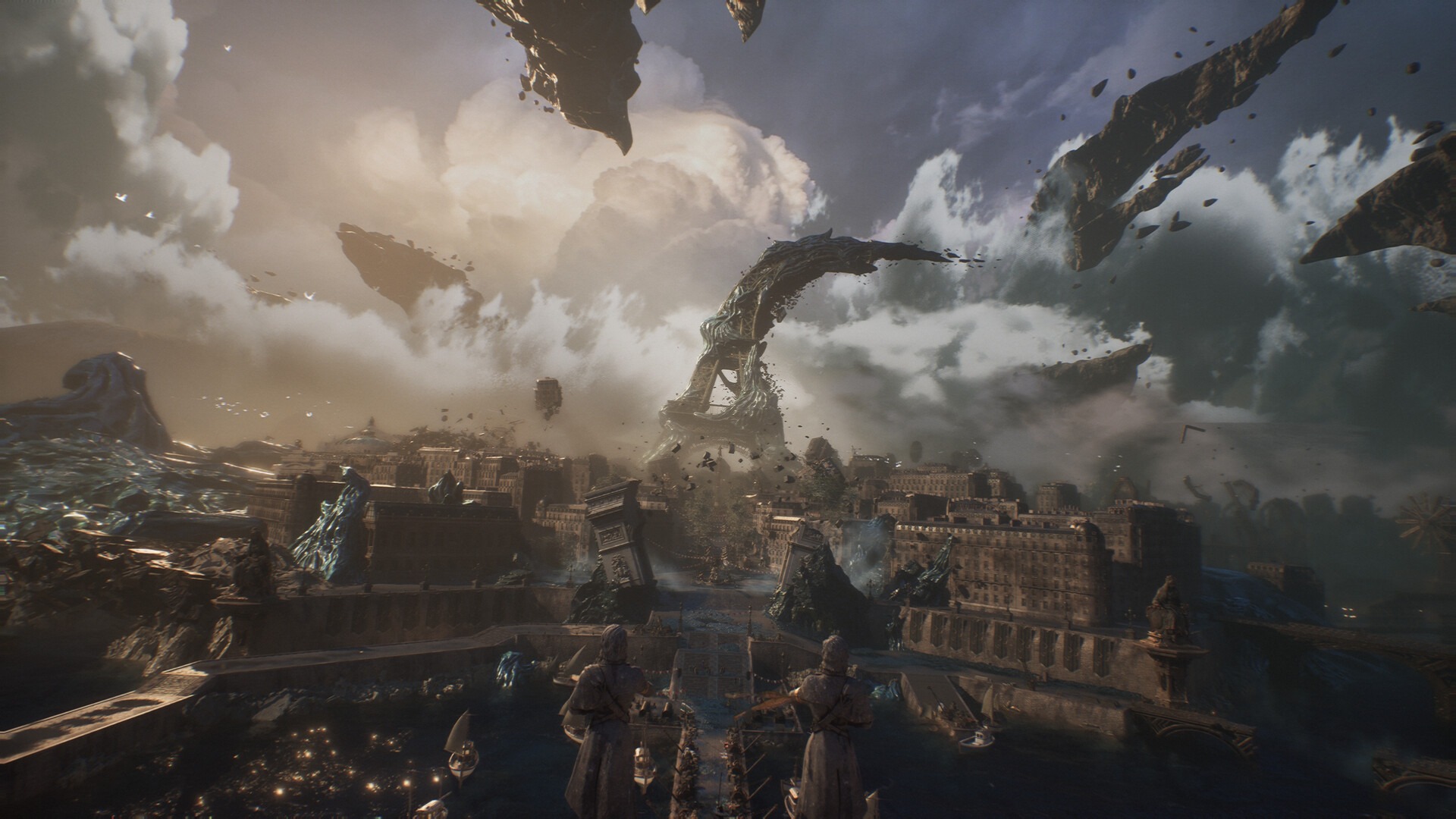
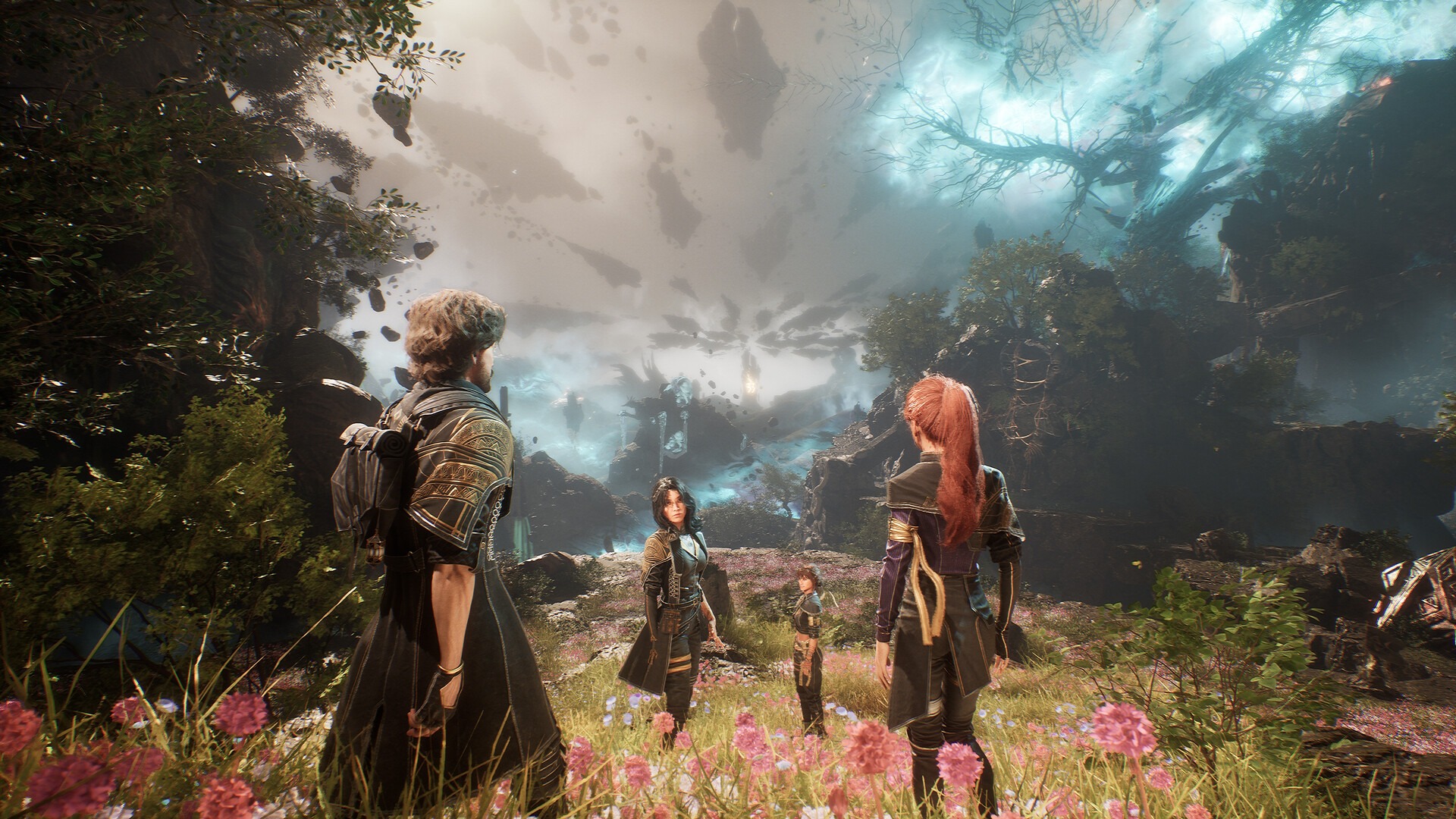
Its visual identity was equally distinctive. Art director Nicholas Maxson-Francombe combined influences from France's Belle Époque period with surreal architecture and unusual creatures. The result was a world filled with elegant clothing, strange landscapes, and enormous monuments.
Music also became a major part of the game's identity. Composer Lorien Testard created an emotional orchestral soundtrack, featuring vocals from Alice Duport-Percier. By April 2026, the soundtrack had accumulated more than 600 million streams on YouTube.
Making turn-based combat exciting again
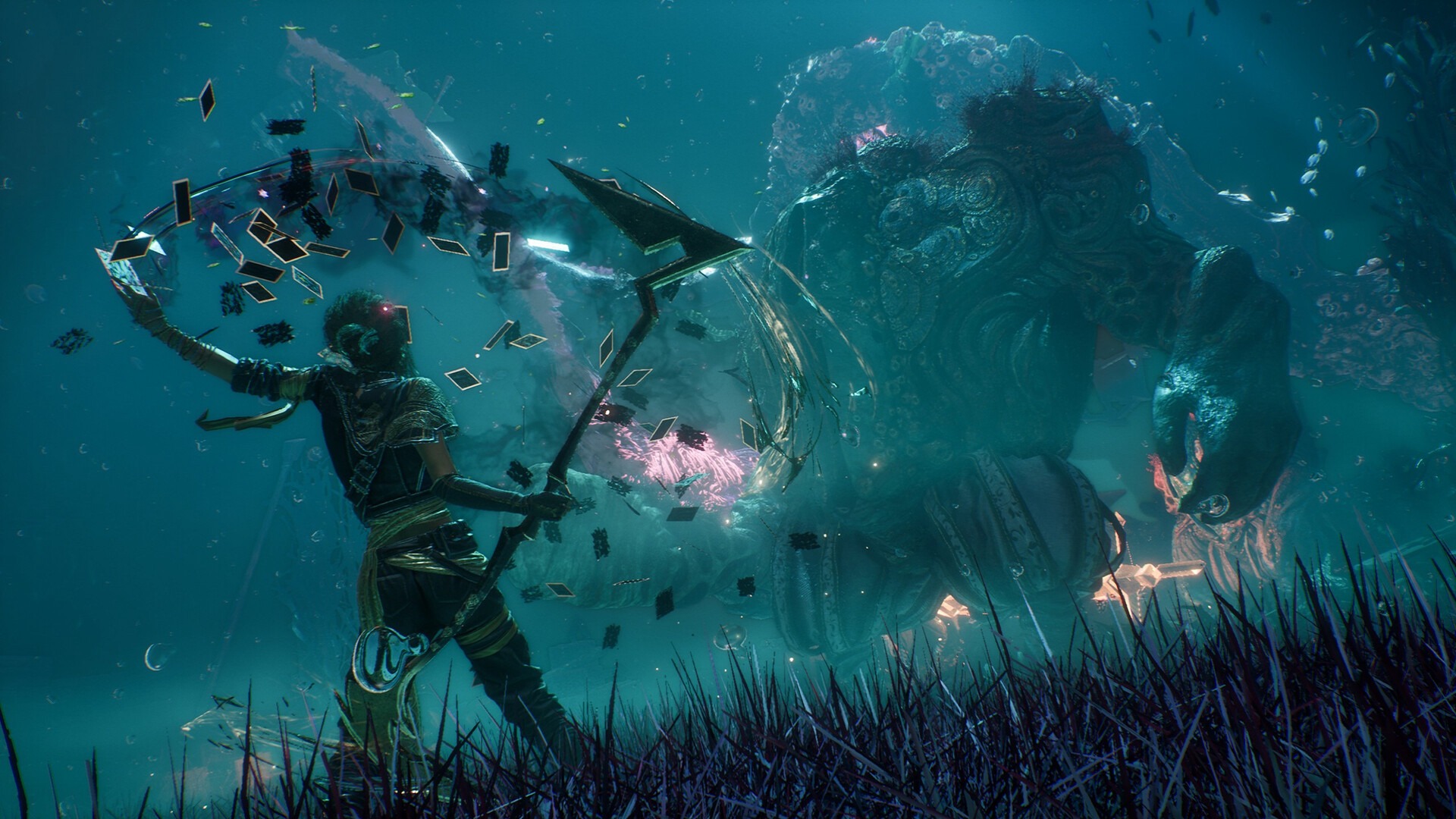
Traditional turn-based RPGs usually give players plenty of time to think. Characters select an action, attack, and wait for their next opportunity. Sandfall wanted to retain that strategic depth while making battles feel more active.
In Expedition 33, players select abilities and manage their party much like in classic Final Fantasy. However, enemy attacks require real-time reactions. Carefully timed dodges can avoid damage, while successful parries open opportunities for powerful counterattacks.
Even basic offensive abilities can involve timing inputs to improve their effectiveness.
The system rewards players who enjoy planning character builds, but also demands the reflexes associated with action games. A difficult encounter can become considerably easier once enemy attack patterns are understood.
Sandfall also introduced an elaborate progression system involving Pictos and Lumina, allowing players to develop unusual combinations of abilities. Experimenting with different builds can produce surprisingly powerful results.
Combat became one of the game's defining attractions, helping it stand apart from other turn-based RPGs while remaining recognizable to longtime genre fans.
How a small team produced such an ambitious game
One of the most remarkable aspects of Expedition 33 was the size of its development team. Sandfall employed around 30 core developers during production, an unusually small number for a game with cinematic performances and elaborate environments.
However, the game wasn't made by those 30 people alone.
Sandfall worked with numerous external specialists, including Korean gameplay animators, localization teams, quality assurance testers, and performance capture professionals. Kepler Interactive also provided publishing support and helped bring the game to an international audience.
Unreal Engine 5 gave the studio access to advanced development tools without building its own technology. Artists also created reusable materials and workflows to handle a large amount of environmental content efficiently.
The developers concentrated their resources on the areas they considered most important. Rather than constructing an enormous open world, Sandfall created a more carefully directed adventure, with cinematic presentation and detailed combat systems.
The approach allowed a relatively small studio to deliver production values usually associated with much larger developers, although the contributions of its external partners were essential to that achievement.
Eight million sales and a record-breaking awards run
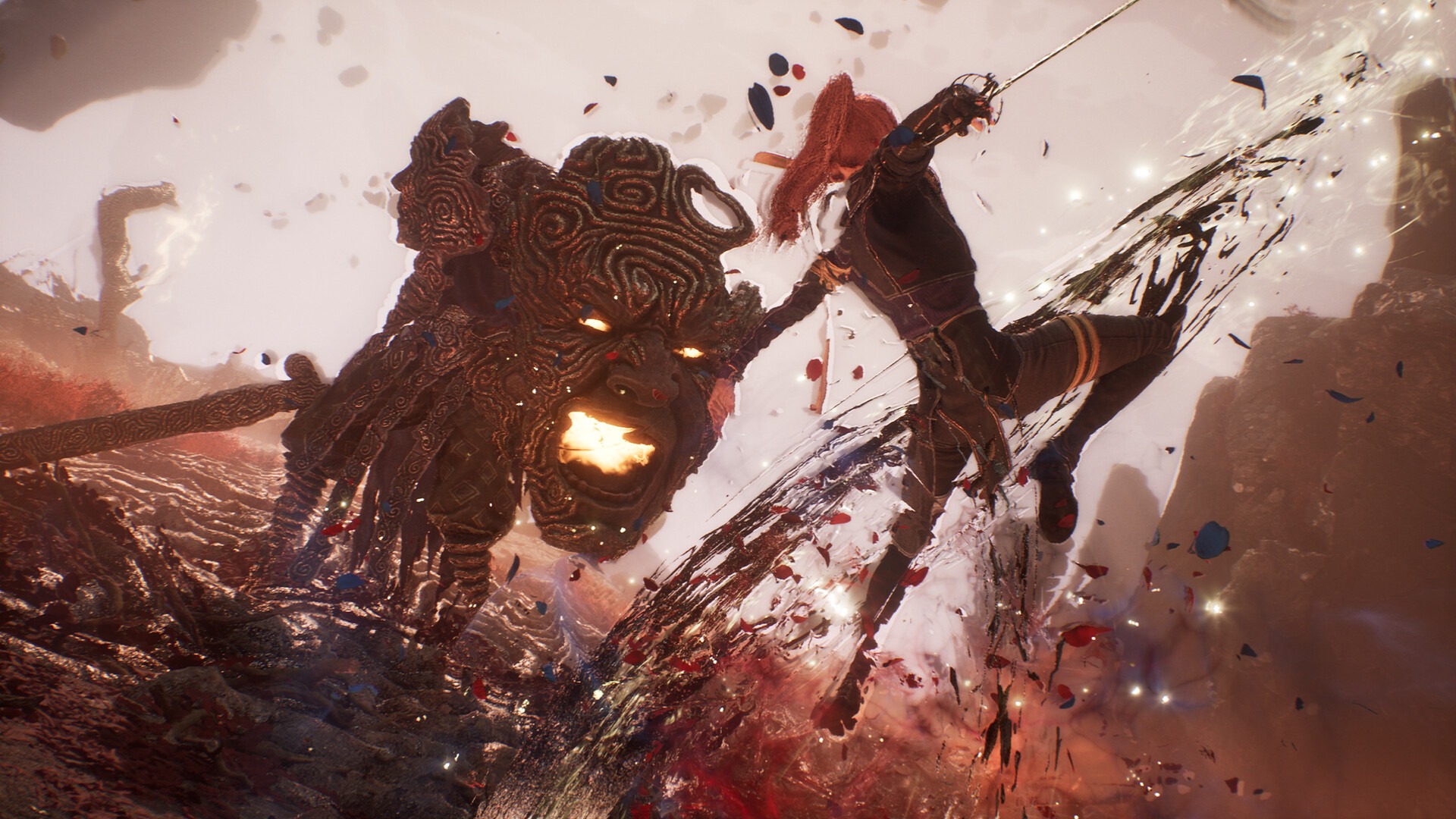
Clair Obscur: Expedition 33 launched on April 24, 2025, for PC, PlayStation 5, and Xbox Series X|S. It sold one million copies within three days and reached 3.3 million after just 33 days.
The game's popularity continued throughout the year, culminating in an extraordinary performance at The Game Awards 2025.
Alongside Game of the Year, Expedition 33 received awards for Best RPG, Best Narrative, Best Game Direction, and Best Art Direction. Its soundtrack also won Best Score and Music, while Jennifer English received Best Performance for her portrayal of Maelle.
There was some controversy surrounding its success. In December 2025, the separate Indie Game Awards withdrew two prizes after discovering that generative AI had been used during development, violating its eligibility rules. Sandfall explained that the AI-generated assets were temporary placeholder textures accidentally left in the released game and subsequently removed.
The controversy did little to slow the game's commercial momentum. By April 2026, Expedition 33 had surpassed eight million copies sold worldwide.
Sandfall's next game comes with enormous expectations
Sandfall now faces the challenge of following one of the most successful debuts in recent gaming history. Despite the attention, Broche has resisted the idea of dramatically expanding the studio. In July 2026, he said Sandfall had approximately 26 employees and wanted to preserve the creative freedom that shaped Expedition 33.
The team is developing ideas for another game, although no title, genre, or release window has been confirmed. Broche has indicated that the studio wants to experiment again rather than simply repeat its first success. After winning nine Game Awards and reaching millions of players, Sandfall has considerably more resources and experience than when development began. Its next challenge is finding another idea worth pursuing without losing the focused approach that made its debut possible.