The Legend of Zelda: Tears of the Kingdom Turns Hyrule Into a Playground
Returning to Hyrule should have felt familiar, but Tears of the Kingdom gives Link enough new tricks to make even the simplest journey an adventure.
Six years after Breath of the Wild changed the Zelda formula, returning to Hyrule should have felt like visiting somewhere you already knew inside out. Instead, The Legend of Zelda: Tears of the Kingdom, released in May 2023, gives you a whole new way to explore it.
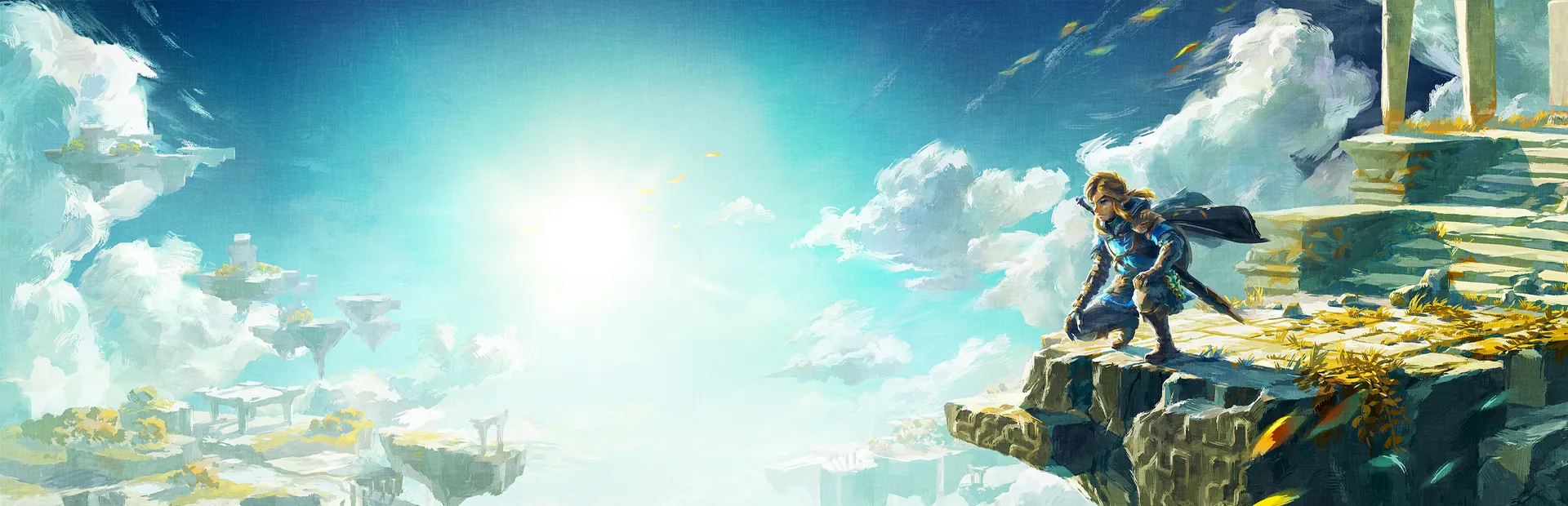
Nintendo's sequel adds floating islands, a vast underground world, and the ability to build everything from simple bridges to ridiculous flying machines.
What I enjoy most is how the new abilities make even familiar places worth revisiting. A river that once meant finding a bridge can now become an excuse to build a boat, while puzzles encourage you to experiment with ideas that probably shouldn't work.
Some old frustrations remain, and the expanded world can feel unnecessarily large, but Tears of the Kingdom makes messing around in Hyrule almost as entertaining as the adventure itself.
The Great Sky Island Is a Wonderful Place to Start Over
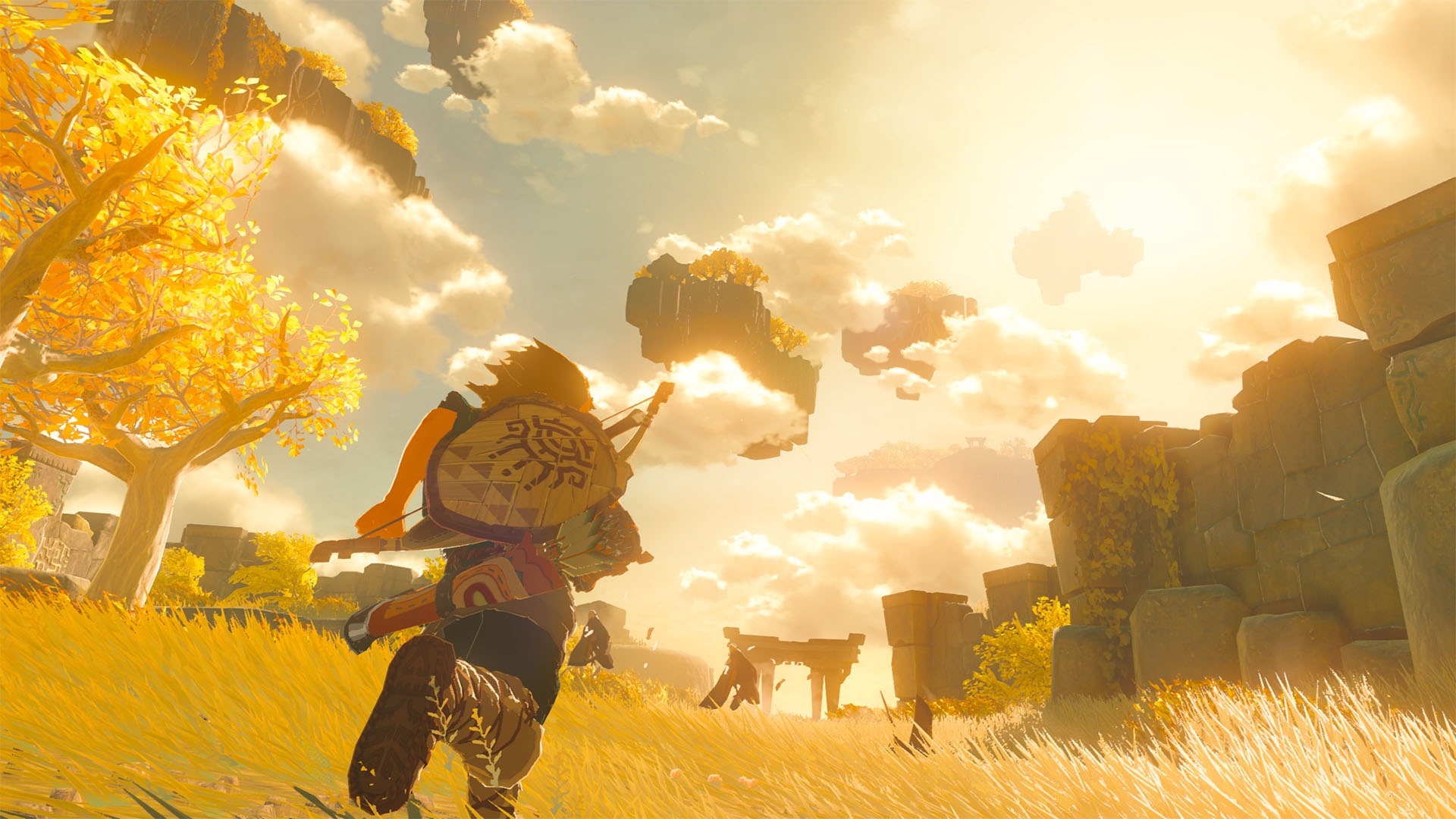
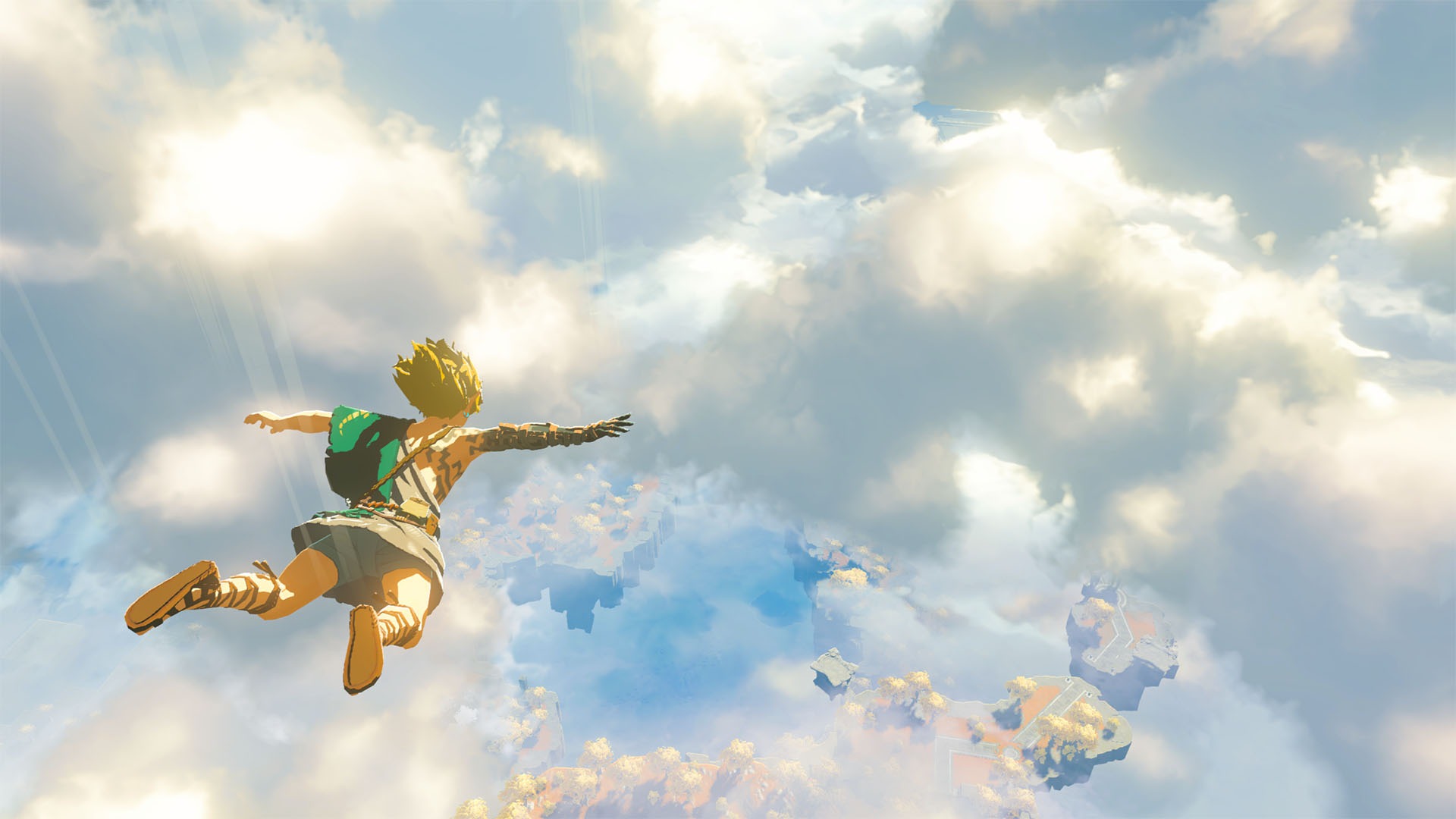
Tears of the Kingdom begins high above Hyrule on the Great Sky Island. Much like the Great Plateau in Breath of the Wild, it gives you room to learn the basics before setting you loose. You'll experiment with moving objects, combining materials, and finding your way between the floating islands before finally heading down to the surface.
That first dive back into Hyrule is a wonderful moment. The mountains and villages are familiar, but there are new caves to explore, mysterious chasms to investigate, and plenty of changes to discover. It's exciting to recognize somewhere you've been before and still have no idea what you might find there.
Ultrahand Turns Every Obstacle Into a Construction Project
Ultrahand is easily the sequel's most entertaining addition. Link can pick up, rotate, and attach objects to build everything from simple bridges to ridiculous flying machines. A few wooden planks and Zonai fans are enough to make a working boat, while rockets and steering devices allow for even more ambitious creations.
What I love most is that puzzles rarely have just one solution. You could build a perfectly sensible bridge to cross a gap, or spend ten minutes putting together a complicated machine that falls apart halfway across. And when that happens, it's tempting to try again with an even more ridiculous design.
The controls take some getting used to, especially when rotating objects and connecting multiple parts. Building larger machines can become fiddly, and sometimes walking is simply less trouble. Thankfully, Autobuild eventually lets you recreate your favorite designs without having to assemble everything from scratch.

Fuse Finally Gives All Those Breakable Weapons a Purpose
Weapon durability returns in Tears of the Kingdom, so you'll still find yourself replacing broken swords, spears, and shields. Fortunately, Fuse makes the system much more interesting by letting you attach monster parts and other materials to your equipment.
Adding a monster horn to a basic sword can make a huge difference, while elemental materials let you turn ordinary arrows into fire or ice attacks. Suddenly, even the strange objects filling your inventory might come in handy.
I still find it annoying how quickly weapons break, but at least Fuse gives you something interesting to do with their replacements. Trying out unusual combinations is far more entertaining than constantly searching for another decent sword.
There's a Whole Other Hyrule Hiding Beneath Your Feet
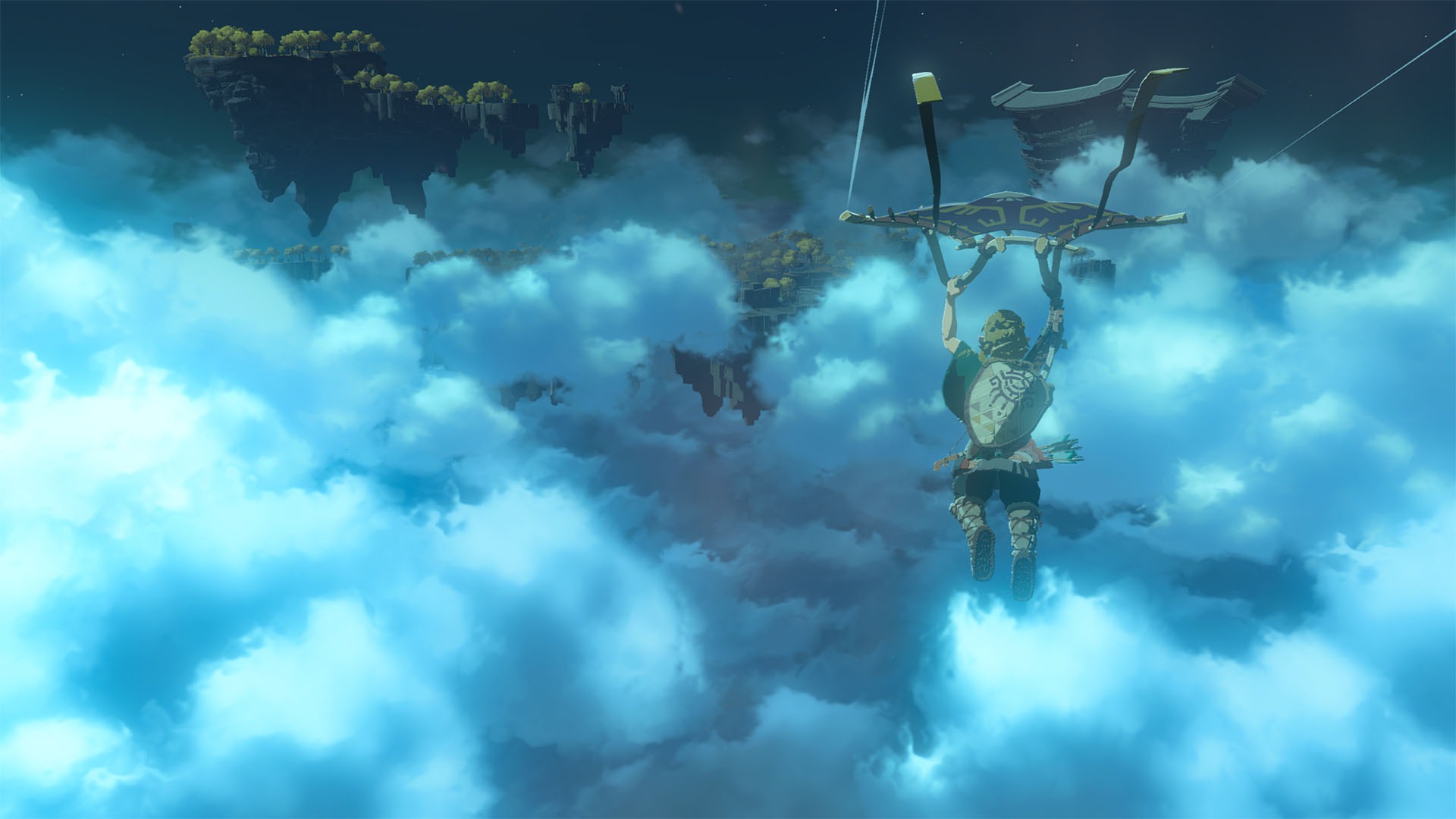
Hyrule now stretches across three different layers. The familiar surface is still where you'll spend much of your time, while the Sky Islands offer smaller challenges and plenty of opportunities to experiment with Link's new abilities.
Far below lies the Depths, an enormous underground world almost completely covered in darkness. You'll need Brightbloom Seeds to light your way and activate Lightroots to gradually uncover the map. With dangerous enemies lurking in the shadows and Gloom temporarily reducing your maximum hearts, exploring these caves can be genuinely unsettling.
Unfortunately, that initial excitement starts to fade the longer you spend underground. Large areas look much the same, familiar enemies keep appearing, and finding every Lightroot can become tedious. I love the eerie atmosphere, but I wish the Depths had more distinctive locations to make all that exploring worthwhile.
Zelda's Traditional Temples Finally Make a Proper Return
One welcome improvement is the return of themed temples. The Wind, Fire, Water, and Lightning Temples offer distinctive settings and bosses, giving the main adventure more variety than the Divine Beasts of Breath of the Wild.
They're still relatively open-ended, with puzzles built around activating mechanisms rather than working through elaborate interconnected rooms. I miss the complexity of older Zelda dungeons, but these temples have considerably more personality, and their surrounding quests make reaching them part of the adventure.
Princess Zelda's Disappearance Gives the Adventure Some Urgency
The story follows Princess Zelda's mysterious disappearance and the return of Ganondorf, who once again threatens Hyrule. Along the way, you'll meet familiar characters, make new allies, and uncover memories that reveal more about the kingdom's past.
The story feels more urgent than in Breath of the Wild, although finding memories in any order can spoil some of its biggest surprises. You might discover an important revelation long before the events leading up to it, making later scenes less impactful. It also doesn't help that some of the major quests repeat the same conversations, even when you've already heard them before.
Hyrule Is Bigger, but It Isn't Always Better
With more caves, shrines, side quests, and an enormous underground world, Tears of the Kingdom gives you plenty to explore. Unfortunately, bigger doesn't always mean better. Familiar enemies, repetitive activities, and constantly digging through inventory menus can make the adventure feel more drawn out than necessary.
The Sage abilities can be particularly annoying. Having companions help you fight and explore is great, but actually using their powers isn't always so simple. When several Sages are running around, you can end up chasing the one you need or accidentally activating the wrong ability. It's a frustrating bit of awkwardness in a game that otherwise gives you so much freedom to experiment.
There's Still Plenty of Adventure Left in Hyrule
Tears of the Kingdom manages to make a familiar Hyrule exciting again, largely because of how much freedom it gives you to experiment. Ultrahand and Fuse are brilliant additions, and there's something deeply satisfying about solving a problem with a ridiculous invention you came up with yourself.
I still prefer the sense of discovery in Breath of the Wild. Exploring the same world again, even with its new islands and underground areas, doesn't quite capture that original excitement. The repetition and occasional clumsy mechanics don't help either. But Tears of the Kingdom is still an excellent sequel, especially when you stop worrying about saving Hyrule and spend an hour building a flying machine that probably has no business leaving the ground.
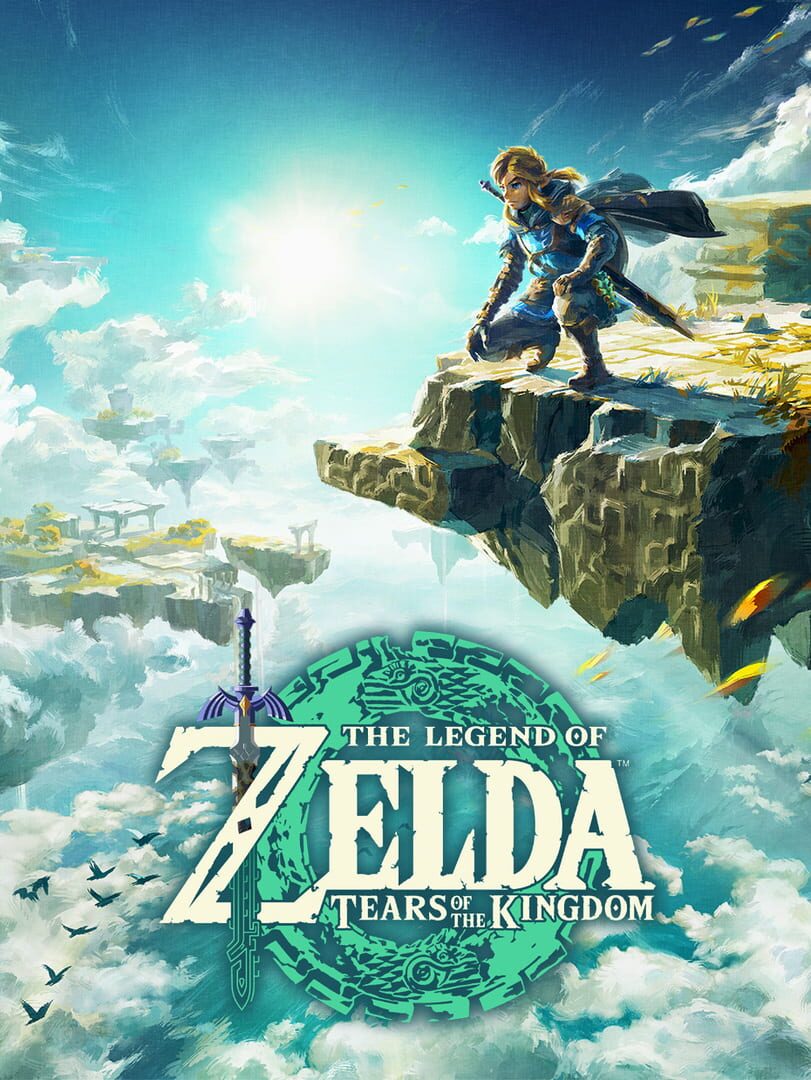
An epic adventure across the land and skies of Hyrule awaits in The Legend of Zelda: Tears of the Kingdom for Nintendo Switch. The adventure is yours to create in a world fueled by your imagination.


